Your TRT Questions Answered
Explore evidence-informed answers about testosterone testing, symptoms, treatment, safety, lifestyle, accessing TRT in the UK and women’s hormone health. Choose a topic below, search by keyword, then open any question for a concise answer and relevant MYTRT research.
No. Use licensed, regulated medicines where possible. Compounded products may lack robust quality control; MHRA advises caution with unlicensed ‘specials’.
At home sperm tests are generally accurate for what they measure, which is usually just sperm concentration against a specific threshold. However, they do not assess motility, morphology, or other crucial factors required for a complete fertility evaluation. For a comprehensive assessment, a laboratory semen analysis is necessary. You can learn more about full assessments on our sperm count test page.
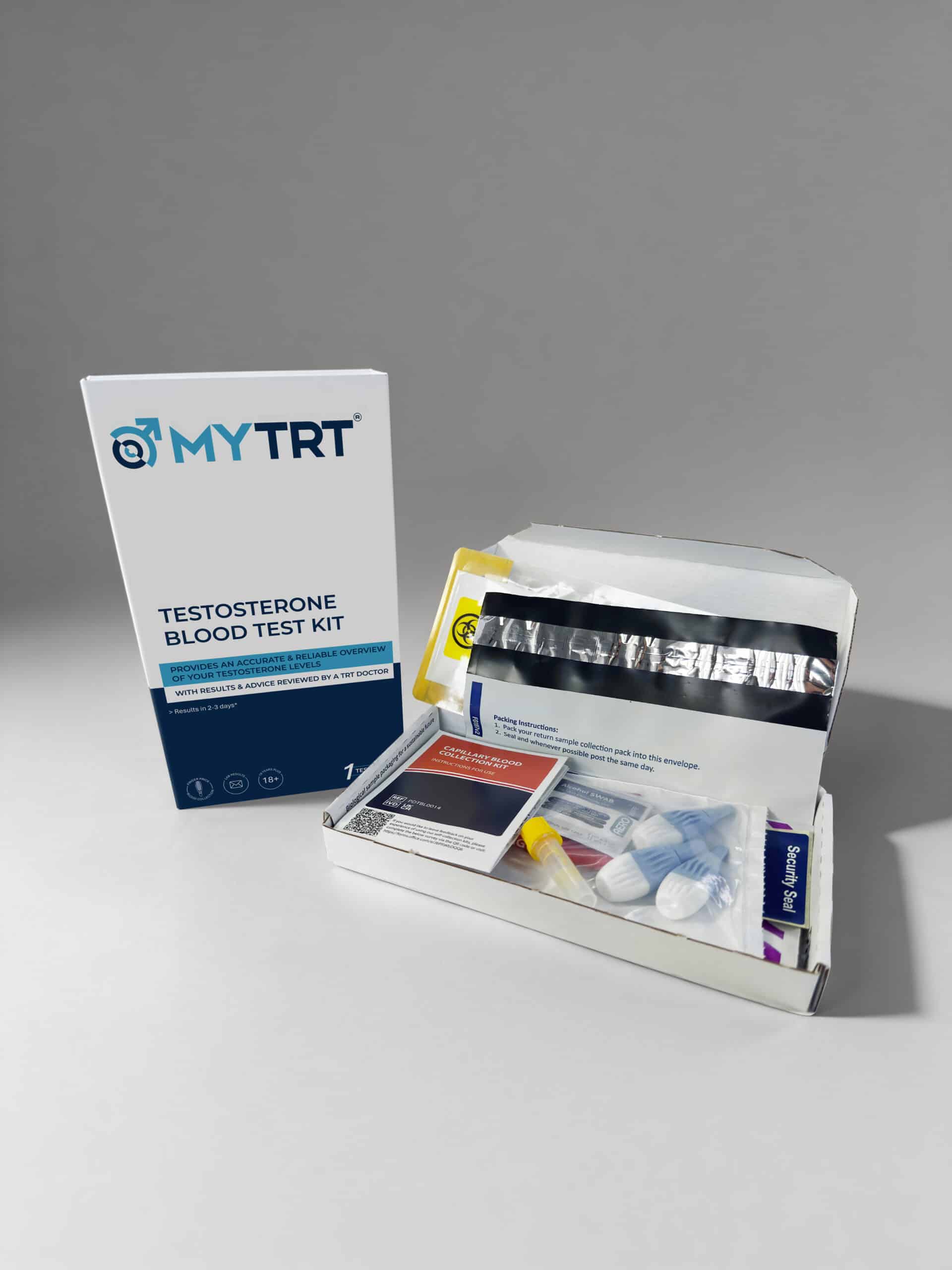
At-home testosterone tests are accurate if the sample is collected correctly and processed by a UKAS-accredited laboratory. The main cause of inaccurate results is poor collection technique, such as squeezing the finger or delaying postage. Venous blood draws remain the gold standard for diagnostic accuracy.
In the context of chronic stress, cortisol and testosterone are generally inversely related. As chronic stress keeps cortisol levels elevated, the body shifts precursor hormones like pregnenolone towards cortisol synthesis, a phenomenon sometimes referred to as the “cortisol steal”. This shift, combined with direct suppression of the hypothalamic-pituitary-gonadal axis, ensures that prolonged high cortisol reliably reduces testosterone production. Understanding this inverse relationship is vital for men investigating how to increase testosterone, as interventions must address the underlying stress burden to be effective.
Finger-prick (capillary) tests are convenient for initial screening but are less accurate than venous blood draws due to higher risks of haemolysis and sample contamination. They also often fail to provide sufficient blood volume for a comprehensive diagnostic panel. Any abnormal or borderline result from a home kit must be confirmed with a formal venous sample before a diagnosis is made.
Modern quantitative serum assays for this hormone are highly accurate and reliable. They can detect minute concentrations of the beta subunit in the bloodstream. However, interpreting these levels requires clinical context, as variations can occur based on the specific assay used. We always recommend discussing your results with a qualified medical professional.
Low testosterone levels are not always permanent. If the low result is caused by reversible factors such as acute illness, severe sleep deprivation, obesity, or certain medications, addressing these underlying issues can often restore normal endogenous testosterone production without the need for lifelong therapy. If you are unsure how this applies to your own results, our clinical team can review your bloods and symptoms together and advise on the right next step.
Women also produce testosterone, and a deficiency can lead to symptoms such as fatigue, low libido, and reduced muscle strength. However, the clinical presentation and diagnostic thresholds differ significantly from men. The focus of our clinic is on male hypogonadism, but women experiencing these issues should consult their GP or a menopause specialist. For more detail, see our guide on testosterone blood testing.
Coverage for men’s health clinics by private medical insurance in the UK depends entirely on your specific policy. Many insurers cover diagnostic consultations and initial blood tests, but often exclude ongoing treatments for conditions like testosterone deficiency or erectile dysfunction. You should always check with your provider before booking an appointment. We provide clear pricing for those funding their own care, similar to our same-day GP appointments.
They are marketing terms for similar products, but ingredients and quality vary widely. In clinic we see the best results when supplements are paired with lifestyle steps that support hormone health, especially resistance training, better sleep and weight management. If you want a structured plan that combines behaviours with targeted nutrients, start with our guide on how to increase testosterone. Always check labels for transparent dosing and third-party testing.
Online TRT clinics are safe provided they adhere to strict clinical guidelines and regulatory standards. A legitimate online clinic will require comprehensive venous blood tests and conduct thorough medical assessments via video link before prescribing. They must also have robust protocols for ongoing monitoring to ensure your safety. Always verify their CQC registration before proceeding. Our guide to testosterone testing explains how to confirm your levels first.
Smartphone sperm test kits, which use your phone’s camera as a microscope to estimate concentration and motility, offer more information than basic threshold tests. However, their reliability can be affected by the phone model, camera quality, and user error during sample preparation. They are still not a substitute for professional laboratory analysis.
No, the term steroids encompasses a massive family of chemicals, including corticosteroids used for asthma and female sex hormones. While all testosterone is a steroid, not all steroids are testosterone. For information on how the specific testosterone molecule is administered, see our page on testosterone injections.
Clinical studies and patient outcomes suggest that subcutaneous testosterone injections are highly effective, often matching or exceeding the stability of intramuscular delivery. They are a viable alternative for many men on TRT, offering a less invasive option. If you are unsure how this applies to your own results, our clinical team can review your bloods and symptoms together and advise on the right next step.
Yes, they are highly effective for maintaining therapeutic testosterone levels. Many patients find that subcutaneous delivery provides a smoother symptom resolution profile by avoiding the sharp peaks and troughs associated with some intramuscular protocols. If you are unsure how this applies to your own results, our clinical team can review your bloods and symptoms together and advise on the right next step.
Most vitamin and herbal products sold by reputable UK retailers are legal, but quality varies and claims can be exaggerated. Avoid prohormones or “research” compounds such as SARMs, which are not licensed for human use and carry safety risks. In clinic we see occasional liver and mood issues from unregulated imports, so buy from trusted sources and check for interactions if you take other medicines. If you have persistent symptoms of low T, read about medical pathways in TRT UK.
Whether testosterone gels are better than injections depends on personal preference and clinical response. Gels offer a steady daily dose that mimics natural rhythms and avoid the use of needles, but they require strict daily application routines to prevent transference. Injections are administered less frequently and carry no transference risk, but they can cause peaks and troughs in hormone levels. You can compare methods by reading about testosterone injections.
Yes — parenteral testosterone preparations can be prescribed on the NHS when clinically indicated for diagnosed hypogonadism. Choice of formulation and where injections are administered (GP surgery, clinic or self-administered) depends on local formularies and clinical judgement. In clinic we see both long‑acting and short‑acting injectable options used according to patient preference and monitoring needs.[1]
Yes, women with polycystic ovary syndrome (PCOS) frequently exhibit testosterone levels that are higher than the normal female reference range. This hormonal imbalance is a hallmark of the condition and contributes to many of its characteristic symptoms. Proper diagnosis requires a comprehensive hormone panel to assess total testosterone, SHBG, and the Free Androgen Index. For more detail, see our guide on normal testosterone ranges.
Historically, patches offered a non-invasive alternative for men who wished to avoid intramuscular or subcutaneous injections. They provided a steady daily release of testosterone without the peaks and troughs associated with older injectable esters. Today, men who are needle-averse are typically prescribed Testogel or other transdermal gels, which offer similar benefits without the severe skin irritation caused by patches.
Most side effects experienced during physiological replacement therapy are fully reversible if the dose is reduced or stopped promptly. Issues such as acne, fluid retention, and mood changes typically resolve quickly. However, effects like voice deepening and clitoromegaly can be potentially irreversible if excessive dosing continues for a prolonged period. This highlights the importance of clinical supervision and regular blood tests.
Testosterone supplements are generally safe when purchased from reputable brands and taken at recommended dosages. However, because they are regulated as foods rather than medicines in the UK, quality control can vary significantly. High doses of certain minerals can cause adverse effects, and some unregulated products have been found to contain banned substances. Always consult a doctor before starting any new supplement regimen. If levels are confirmed low, read about testosterone replacement therapy.
No. Testosterone is a prescription-only medicine in the UK. Any hormonal therapy should follow confirmed deficiency on two morning tests and medical supervision. Learn what to do before treatment: https://www.mytrt.com/resource/testosterone-boosters/
Most mainstream testosterone tablets in the UK are safe, provided they contain standard vitamins, minerals, and well-researched herbal extracts. However, the supplement industry is not as strictly regulated as pharmaceuticals, meaning some products may contain hidden ingredients or inaccurate dosages. You should always avoid products with proprietary blends where the exact ingredient amounts are obscured. For guaranteed safety and efficacy, medical treatments prescribed by a doctor are the gold standard. If levels are confirmed low, read about testosterone replacement therapy.
Testosterone tests are highly accurate when performed by accredited laboratories using validated assays like LC-MS/MS or modern immunoassays. However, the accuracy of the result also depends heavily on the patient following strict timing and fasting rules before the sample is taken. If you are unsure how this applies to your own results, our clinical team can review your bloods and symptoms together and advise on the right next step.
The strength and muscle mass gained while on TRT are dependent on maintaining physiological testosterone levels. If treatment is ceased, testosterone levels will return to their hypogonadal baseline. Consequently, the increased muscle protein synthesis will diminish, leading to a gradual loss of the acquired lean mass and strength over several months.
If you are deficient in vitamin D, zinc or magnesium, repleting those can help. Beyond that, trials of popular herbals show mixed or no effect on blood testosterone. Focus on weight loss, sleep and training while measuring your baseline: https://www.mytrt.com/resource/how-to-increase-testosterone/ The answer differs between individuals, so treat this as background rather than advice for your own case.
The side effects of testosterone cypionate are generally the same as any other injectable testosterone ester, including potential changes in haematocrit, lipid profiles, and ooestradiol levels. The only specific side effect relates to potential allergic reactions or sensitivities to the carrier oil (usually cottonseed oil) or preservatives used in the formulation. Regular monitoring via an advanced testosterone blood test is essential to manage these risks.
Athletes face specific and severe side effects from testosterone pills, primarily due to the high risk of contamination. Many supplements contain undeclared anabolic steroids or prohormones, which can lead to failed anti-doping tests and professional bans. The UK Anti-Doping policy holds athletes strictly liable for any prohibited substance found in their system. It is crucial to rely on medically supervised treatments rather than unregulated supplements.
Testosterone injection side effects in males can include local reactions at the injection site, such as pain or swelling. Systemic effects may involve fluctuations in energy and mood due to the peaks and troughs of hormone levels. For details on accessing therapy, see TRT UK.
There are no magical foods that instantly boost testosterone, but certain foods provide the necessary micronutrients for hormone synthesis. Foods high in magnesium, like spinach and almonds, help free testosterone from binding proteins, making it more active in the body. Consistently eating a balanced diet rich in these nutrients is more effective than seeking a quick fix. For information on concentrated nutrients, see our article on testosterone boosters.
Yes, prescription testosterone pills exist in the form of testosterone undecanoate capsules, such as Andriol Testocaps in the UK. These are licensed medicines used to treat diagnosed testosterone deficiency, requiring strict adherence to dietary fat intake for absorption. However, the vast majority of ‘testosterone pills’ sold online without a prescription are merely herbal supplements. Purchasing unlicensed products online carries significant health risks due to undeclared ingredients.
Testosterone is a Class C controlled drug in the UK. It is entirely legal to possess and use when prescribed by a qualified doctor for a recognised medical condition like hypogonadism. However, it is unlawful to supply or sell testosterone or any other anabolic steroid without a valid prescription.
Whilst we do not recommend sedentary behaviour whilst using TRT, just 10-15 minutes of cardiovascular activity daily (brisk walk, incline walk) combined with optimised testosterone level can provide significant benefits. As sedentary lifestyles, characterised by long periods of sitting, accelerates sarcopenia (age-related muscle loss) and promotes the accumulation of visceral fat around the abdomen. TRT directly counteracts these issues by creating an anabolic environment in the body. It enhances muscle protein synthesis, helping to preserve and even build lean muscle mass, even with limited physical activity. Furthermore, it improves your metabolic rate and insulin sensitivity, making your body more efficient at burning fat for energy rather than storing it. For the man tied to a desk, TRT can be a powerful tool to help protect against the metabolic damage of a sedentary career. the benefits of testosterone
While testosterone levels naturally decline by about 1% per year after the age of 30, pathological deficiency can occur at any age. Older men may experience a gradual onset of symptoms, whereas younger men might notice more abrupt changes. If you are young and experiencing symptoms, it is important to investigate what causes low testosterone in young males.
There is no specific age when andropause begins, because the decline in male hormones is a gradual process rather than a sudden event. Most men begin to experience a slow reduction in total testosterone production starting in their late 30s or early 40s. However, symptoms of late-onset hypogonadism typically only become clinically significant in a small percentage of men, usually between the ages of 40 and 79. Understanding your normal testosterone levels by age can help determine if your symptoms are related to hormonal changes.
Testosterone cream is a common delivery method for women requiring supplementation. The benefits include a targeted, easily adjustable dose that can significantly improve libido and sexual satisfaction. It is often used to address symptoms of androgen deficiency without the need for injections. If you are experiencing hormonal imbalances, reviewing symptoms of low testosterone can provide helpful context.
During menopause, women experience a decline in multiple hormones, including testosterone. Supplementation can offer significant benefits for menopausal women, particularly in restoring lost libido and improving sexual function. It may also help combat the fatigue and muscle loss that often accompany this transition. You can explore how to increase testosterone to understand the various approaches to hormonal health.
Perimenopause is the transitional phase leading up to menopause, characterised by fluctuating hormone levels. The benefits of testosterone for women in perimenopause include stabilising mood, maintaining energy, and supporting sexual health during a time of significant physiological change. Addressing these hormonal shifts early can improve overall quality of life. To see how hormone optimisation impacts well-being, review TRT before and after experiences.
While typically associated with men, testosterone is also crucial for female health. The benefits of testosterone for women include improved sexual desire, better bone density, and enhanced muscle strength. It also plays a role in maintaining energy levels and overall mood stability. To understand the broader role of this hormone, you can read about what testosterone does across different physiological systems.
A full blood count does not assess kidney function; it only looks at blood cells. To check for kidney problems, you need a Urea and Electrolytes (U&E) test, which measures markers like creatinine and calculates your estimated Glomerular Filtration Rate (eGFR). This is usually included in a broader health panel.
A full blood count (FBC) cannot definitively diagnose cancer on its own. However, it can detect abnormalities in blood cells, such as an unusually high white cell count or severe anaemia, which may raise suspicion for blood cancers like leukaemia or lymphoma. If abnormalities are found, further specific tests are required for a diagnosis.
No, a standard full blood count does not test for HIV. While an FBC might show a low white blood cell count (leucopenia) which can occur in viral infections, it cannot identify the HIV virus. A specific HIV antigen/antibody blood test is required to detect the infection.
A full blood count cannot detect pregnancy. Pregnancy is confirmed by measuring the hormone human chorionic gonadotropin (hCG) in the blood or urine. An FBC only measures red cells, white cells, and platelets, none of which indicate pregnancy.
A comprehensive blood test, particularly the full blood count component, can show abnormalities that might suggest lymphoma, such as an abnormal white cell count or unexplained anaemia. However, a blood test alone cannot diagnose lymphoma; a lymph node biopsy is usually required for confirmation. If you are unsure how this applies to your own results, our clinical team can review your bloods and symptoms together and advise on the right next step.
A GP does not perform the semen analysis themselves but they initiate the process. They will assess your medical history and provide a referral to a local hospital or clinic laboratory where the sample is analysed. The GP can also order the initial hormone blood tests required for the investigation. Understanding the basics of hormone therapy can be found in our overview of what TRT is.
A GP can prescribe testosterone for men, but they often refer patients to an endocrinologist or a specialist clinic for the initial diagnosis and treatment plan. The NHS has strict criteria for prescribing, which means some men with borderline levels might not qualify for treatment through their GP. Many men choose private clinics for a more specialised assessment. You can read more about TRT eligibility criteria on our site.
Severe head trauma or repeated concussions can damage the delicate pituitary stalk or the pituitary gland itself. This disrupts the signals sent from the brain to the testes, leading to secondary hypogonadism. Symptoms may not appear immediately and can develop months or years after the initial injury. A thorough testosterone test including LH and FSH is required to diagnose this central failure.
While a lack of energy itself may not directly cause anxiety, the frustration and functional impairment associated with chronic fatigue can lead to secondary anxiety. Conversely, the constant hyperarousal of an anxiety disorder is physically exhausting and can deplete energy reserves. If you are tired all the time and feeling anxious, a doctor can help identify the primary issue. The NHS offers talking therapies, such as cognitive behavioural therapy, which can be accessed directly without a GP referral to help manage these symptoms.
Absolutely, it is a biological necessity. Men generate it primarily through the aromatisation of testosterone in peripheral tissues like fat. Maintaining normal testosterone levels is key to this balance.
Men do not experience menopause, but they can develop symptoms that are somewhat similar due to declining testosterone levels. These can include fatigue, mood disturbances, reduced muscle mass, and changes in sleep patterns. However, the European Male Ageing Study showed that only about 2% of men aged 40 to 79 experience the specific cluster of symptoms and low testosterone required for a diagnosis of late-onset hypogonadism. For a detailed list of what to look out for, see our page on male menopause symptoms.
While men naturally produce oestradiol, exogenous oestradiol therapy is rarely prescribed for men in standard clinical practice. It is occasionally used in specific oncological settings, such as advanced prostate cancer management, but for general health, the focus is on optimising endogenous production through testosterone management. If you are unsure how this applies to your own results, our clinical team can review your bloods and symptoms together and advise on the right next step.
No natural testosterone booster in the UK can cure clinical hypogonadism. Hypogonadism is a medical condition where the testes fail to produce adequate amounts of testosterone, often requiring direct hormone replacement. Supplements only attempt to stimulate the body’s natural production, which is ineffective if the underlying system is failing. If you have been diagnosed with low testosterone, you need prescription medication, not an over-the-counter supplement. A simple home testosterone blood test is the sensible first step.
While a single prescribed testosterone injection is extremely unlikely to be fatal, unregulated use of illicit products carries severe risks. Contaminated vials, incorrect injection techniques leading to severe infection, or injecting into a vein can cause life-threatening complications. Furthermore, long-term abuse of high doses significantly increases cardiovascular risks. This is why medical supervision is critical when considering testosterone therapy.
Some ingredients found in testosterone boosters, such as maca root or tribulus terrestris, may have a mild positive effect on libido. However, they typically achieve this without actually increasing testosterone levels. If your low libido is caused by clinical hypogonadism, these supplements will only mask the symptom temporarily. A comprehensive medical evaluation is necessary to address the root cause of sexual dysfunction. Our page on TRT costs in the UK covers pricing in detail.
A testosterone test result can be misleading if the sample was taken late in the day, after eating, or during an acute illness. Analytical errors in the laboratory are rare, but biological variation means a single low result must always be confirmed with a second test before a diagnosis is made. If you are unsure how this applies to your own results, our clinical team can review your bloods and symptoms together and advise on the right next step.
Yes, alcohol can cause night sweats in men. Alcohol induces peripheral vasodilation, increasing skin blood flow and heat loss through sweating. Additionally, as blood alcohol levels drop overnight, a mild withdrawal effect activates the sympathetic nervous system, leading to further sweating and disrupted sleep.
While quantitative serum tests are highly accurate, errors can occasionally occur. Laboratory errors, sample mishandling, or the presence of interfering antibodies in the patient’s blood can lead to inaccurate results. If a result seems inconsistent with the clinical picture, a repeat test or a different type of assay may be recommended by your healthcare provider.
No, medications formulated for intramuscular injection must not be given intravenously. Intramuscular preparations, particularly oil-based depots or suspensions, can cause severe complications such as embolism or severe allergic reactions if introduced directly into the bloodstream. If you are unsure how this applies to your own results, our clinical team can review your bloods and symptoms together and advise on the right next step.
Medications designed for intramuscular use should generally not be given subcutaneously unless specifically licensed for both routes. Intramuscular formulations often contain larger volumes or irritating substances that can cause pain, tissue damage, or sterile abscesses if deposited in the subcutaneous fat layer. If you are unsure how this applies to your own results, our clinical team can review your bloods and symptoms together and advise on the right next step.
Yes, many patients successfully self-administer intramuscular injections, such as testosterone replacement therapy. The vastus lateralis (thigh) is the most common and accessible site for self-administration. Patients must receive proper training from a healthcare professional on technique, site selection, and sharps disposal.
The risk of a clinically significant air embolism from a standard intramuscular injection is negligible. Small bubbles of air injected into muscle tissue are harmlessly absorbed by the body. However, clinicians still expel air from the syringe to ensure accurate dosing.
Yes, if an intramuscular injection is administered incorrectly into the dorsogluteal site (the upper outer buttock), it can injure the sciatic nerve, causing sciatica or permanent nerve damage. This is why current clinical guidelines strongly recommend the ventrogluteal site instead. If you are unsure how this applies to your own results, our clinical team can review your bloods and symptoms together and advise on the right next step.
Yes, medication can sometimes leak back out of the injection track onto the skin surface. This can be prevented by using the Z-track method, which staggers the tissue layers to seal the medication within the muscle, and by leaving the needle in place for 10 seconds before withdrawal. If you are unsure how this applies to your own results, our clinical team can review your bloods and symptoms together and advise on the right next step.
Total testosterone alone cannot identify the cause. LH, FSH, prolactin, SHBG and other tests help distinguish testicular causes from pituitary or functional causes. Very low results, high prolactin or pituitary symptoms usually need specialist review.
Yes, anastrozole can indirectly increase endogenous testosterone production in men who are not on TRT by blocking the negative feedback loop of oestradiol on the pituitary gland. However, for men already on TRT, their natural production is suppressed, so anastrozole will not increase their total testosterone levels. If you are unsure how this applies to your own results, our clinical team can review your bloods and symptoms together and advise on the right next step.
Anastrozole does not directly lower testosterone levels. Its primary function is to inhibit the aromatase enzyme, preventing the conversion of testosterone into oestradiol. In men on TRT, the testosterone level is determined by the injected dose, not by the use of anastrozole.
The hormonal imbalances associated with andropause can often be reversed without medication by addressing underlying health issues. Men who lose 10% of their body weight or successfully treat obstructive sleep apnoea frequently see their natural testosterone production recover within six to twelve months. However, primary testicular failure cannot be reversed through lifestyle changes alone, requiring medical intervention. Read about identifying male menopause symptoms for further context.
Yes, the symptoms associated with age-related testosterone deficiency can be treated effectively. The first line of management often involves lifestyle modifications, such as weight loss, improved diet, and regular exercise, which can naturally boost testosterone production. If blood tests confirm a clinical deficiency according to BSSM guidelines, testosterone replacement therapy may be prescribed to restore levels to a healthy physiological range. It is important to consult a specialist to discuss the most appropriate approach for your specific situation.
Andropause, or late-onset hypogonadism, is more commonly associated with weight gain, particularly an increase in visceral fat, rather than weight loss. Low testosterone levels can lead to a reduction in lean muscle mass and a slower metabolic rate, making it easier to accumulate body fat. If an older man is experiencing unexplained weight loss, it is a significant clinical red flag that requires immediate medical investigation to rule out serious underlying conditions, rather than attributing it to hormonal ageing.
No, ashwagandha cannot replace medical treatment for diagnosed testosterone deficiency. While it may offer mild benefits for stressed or active men, it is not potent enough to treat clinical hypogonadism. To understand the medical approach, read about what is TRT.
Cognitive difficulties often involve problems with short-term recall and concentration, which patients frequently mistake for genuine memory loss. This symptom is typically a reversible consequence of an underlying issue, unlike the progressive neurological decline seen in conditions such as dementia. If you experience progressive memory loss over several months, you must seek a formal neurological assessment through your GP. Addressing the root cause, such as poor sleep or nutritional deficiencies, usually restores normal cognitive function.
No, clomifene is ineffective for men with primary testicular failure. Because the drug works by stimulating the pituitary to send signals to the testes, it requires the testes to be functional and capable of responding to those signals to produce testosterone. If you are unsure how this applies to your own results, our clinical team can review your bloods and symptoms together and advise on the right next step.
Yes, clomiphene citrate is frequently used off-label in men to treat secondary hypogonadism. It stimulates the pituitary gland to release hormones that signal the testes to produce more testosterone, making it a valuable option for men who wish to preserve their fertility. If you are unsure how this applies to your own results, our clinical team can review your bloods and symptoms together and advise on the right next step.
Cortisol directly affects testosterone levels by inhibiting the hypothalamic-pituitary-gonadal axis at multiple levels. High circulating cortisol suppresses both the hypothalamus and the pituitary gland, reducing the luteinising hormone needed to stimulate testosterone production in the Leydig cells. Furthermore, cortisol can induce apoptosis in Leydig cells and reduce the expression of steroidogenic enzymes. If you are exploring how to increase testosterone, managing cortisol through adequate sleep and stress reduction techniques is essential, as elevated cortisol will consistently blunt natural testosterone synthesis.
Creatine improves strength and lean mass, but it does not raise testosterone in a sustained way. Its mechanism is phosphocreatine replenishment, not endocrine change. Consider it for training, not for hormones. For alternatives, see: https://www.mytrt.com/resource/how-to-increase-testosterone/
Yes, severe clinical depression can suppress the body’s natural production of testosterone. The chronic stress and physiological changes associated with depressive illness affect the brain’s signaling to the testes, specifically downregulating the hypothalamic-pituitary-gonadal axis. This demonstrates the complex, bidirectional relationship between mental health and endocrine function. Treating the underlying depression with appropriate psychological therapies or medication can sometimes help restore normal hormone production. If you are struggling with depression, it is vital to consult your GP or a mental health specialist for comprehensive care, rather than assuming testosterone therapy is the only solution.
Diabetes can cause night sweats in men, primarily through nocturnal hypoglycaemia. When blood glucose drops below 4.0 mmol/L during sleep, often due to insulin or sulfonylurea therapy, the body releases adrenaline to stimulate glucose production. This adrenaline surge causes profuse sweating, palpitations, and vivid dreams.
While a nutrient-dense diet supports healthy hormone production, it cannot cure clinical hypogonadism. If your testes are failing to produce adequate testosterone due to primary or secondary causes, dietary changes will only offer marginal improvements. In such cases, medical intervention is usually required. You can learn more about the medical pathways in our guide on how to get trt treatment.
Yes, doctors can help with low testosterone. Your GP is the first point of contact and can arrange the necessary morning blood tests to check your hormone levels. If a deficiency is confirmed, they can refer you to an endocrinologist or urologist for specialist assessment and potential treatment.
Yes, doctors can prescribe testosterone for men who have a confirmed clinical deficiency. This requires a thorough assessment, including two morning fasted blood tests showing low levels, alongside consistent symptoms. Treatment is always tailored to the individual’s specific medical needs. For more details on the process, see our guide on how to get TRT.
While enclomiphene isolates the oestrogen-antagonist isomer to reduce side effects associated with the zuclomifene isomer found in standard clomifene, mood changes including anxiety can still occur as hormone levels fluctuate. Patients should report any mood disturbances to their prescribing clinician. If you are unsure how this applies to your own results, our clinical team can review your bloods and symptoms together and advise on the right next step.
Gynaecomastia (breast tissue enlargement) is a potential risk when testosterone levels rise, as some testosterone converts to oestradiol via the aromatase enzyme. Regular blood monitoring of oestradiol levels is required to manage this risk. If you are unsure how this applies to your own results, our clinical team can review your bloods and symptoms together and advise on the right next step.
Increased testosterone production can lead to higher levels of dihydrotestosterone (DHT), which may accelerate male pattern baldness in genetically susceptible individuals. This is a potential side effect of any therapy that raises androgen levels. If you are unsure how this applies to your own results, our clinical team can review your bloods and symptoms together and advise on the right next step.
Yes, as enclomiphene stimulates the testes to produce more testosterone, a portion of that testosterone is naturally aromatised into oestradiol. This is why clinicians monitor oestradiol levels during treatment to prevent oestrogen-related side effects. If you are unsure how this applies to your own results, our clinical team can review your bloods and symptoms together and advise on the right next step.
Yes, and this is the most important reason not to ignore it. An erection depends on healthy blood vessels and intact nerve signalling, and the arteries involved are small enough to show the effects of vascular disease earlier than the larger arteries supplying the heart. British guidance regards the link between morning erections and cardiovascular disease as well established and recommends asking about them even in men who are not currently in a physical relationship. A new erectile problem is a reason to have blood pressure, cholesterol, glucose and weight assessed.
Some population-level studies show a weak correlation between a lower 2D:4D ratio and improved performance in certain sports, likely due to the organisational effects of prenatal androgens on the cardiovascular and musculoskeletal systems. However, the effect sizes are tiny, and digit ratio cannot predict an individual’s athletic success or their current muscle-building potential. If you are unsure how this applies to your own results, our clinical team can review your bloods and symptoms together and advise on the right next step.
Yes, free testosterone is most commonly and accurately determined via calculation rather than direct measurement. Laboratories use the Vermeulen equation, which requires your total testosterone, SHBG, and albumin levels. This calculated value provides a reliable estimate of your bioavailable hormone, avoiding the inaccuracies associated with direct immunoassay tests. You can learn more about how testosterone is measured in our dedicated guide.
Free testosterone can be increased by addressing the factors that elevate SHBG, as high SHBG binds more testosterone and reduces the free fraction. Lifestyle interventions such as weight loss, managing insulin resistance, and optimising thyroid function can help lower SHBG. If a true clinical deficiency is diagnosed, testosterone replacement therapy will increase both total and free levels. Always consult a specialist before attempting to alter your hormone levels.
While free testosterone can be measured directly using equilibrium dialysis, this method is complex, expensive, and rarely used in routine clinical practice. Direct immunoassays are available but are notoriously unreliable at typical male concentrations. Therefore, the standard clinical approach is to calculate the free fraction from total testosterone, SHBG, and albumin. A comprehensive testosterone test panel will include these markers.
Yes, free testosterone can be too high, a condition often resulting from excessive exogenous testosterone administration during TRT or anabolic steroid use. Very high free testosterone can lead to adverse effects such as erythrocytosis (thickened blood due to elevated haematocrit), acne, mood disturbances, and potential cardiovascular risks. This highlights the importance of careful monitoring and dose titration by a qualified clinician.
Free testosterone levels do fluctuate, primarily following the diurnal rhythm of total testosterone, which peaks in the early morning and declines throughout the day. Additionally, because free testosterone is dependent on SHBG, any acute changes in factors affecting SHBG—such as severe illness, extreme dietary changes, or certain medications—can cause fluctuations. This is why blood tests should ideally be taken in the morning while fasting.
Frequent masturbation itself doesn’t cause low testosterone, but symptoms like fatigue, low mood, and reduced libido can sometimes be blamed on it mistakenly. These symptoms often point to genuinely low testosterone, poor sleep, stress, or nutritional issues. Read more about testosterone and its role in the body to understand what to look out for. If symptoms persist, get properly tested.
The hormone is primarily produced by the syncytiotrophoblast cells after the embryo has successfully implanted into the uterine lining. Therefore, it is generally not detectable in maternal serum or urine prior to implantation. The levels only begin to rise significantly once the vascular connection with the mother is established. For more information on related topics, see our guide on does TRT make you infertile.
Yes, elevated levels can occasionally occur in the absence of pregnancy. Certain rare medical conditions, including specific types of germ cell tumours or pituitary anomalies, can cause the body to produce the hormone. Additionally, exogenous administration for medical purposes, such as fertility treatment, will artificially raise systemic levels. This is why comprehensive medical evaluation is essential.
Following conception, it typically takes around six to ten days for implantation to occur and for the hormone to reach detectable levels in the blood. While highly sensitive serum tests might detect trace amounts roughly a week after ovulation, urine tests usually require more time. A positive result within one week of a missed period is very common.
A positive test result in the absence of a viable pregnancy is known as a false positive. This can occur due to biochemical pregnancies, where implantation briefly occurs but fails to progress. It can also be caused by certain medications containing the hormone or rare medical conditions that produce it endogenously. Always consult a doctor to confirm the diagnosis.
In the context of pregnancy, exceptionally high levels can sometimes indicate a multiple gestation, such as twins, or a molar pregnancy. When used as a medication in men, excessively high doses can lead to an overproduction of testosterone and subsequent oestradiol elevation. This highlights the importance of careful dosing and regular monitoring by a specialist.
Yes, hCG can sometimes be used as monotherapy in men who need testosterone support but want to preserve fertility. It is most logical in secondary hypogonadism, where the testes can still produce testosterone if stimulated. It is not a universal substitute for TRT because some men respond better to direct testosterone replacement, and others have primary testicular failure that will not respond well to hCG. The treatment choice depends on diagnosis, fertility goals and laboratory response.
Yes, hCG can increase testosterone in men because it acts like LH at the Leydig-cell receptor in the testes. That makes it useful when the testes can still respond but pituitary signalling is low or suppressed. The response is usually measured with blood tests over the first few weeks rather than by symptoms alone. It is less useful in primary testicular failure because the problem in that setting is testicular responsiveness, not lack of LH signal.
Yes, in men, this hormone directly stimulates the Leydig cells in the testes to produce testosterone. This is the primary mechanism by which it prevents testicular atrophy and maintains fertility during exogenous androgen therapy. For a deeper understanding of this process, read our comprehensive resource on hCG for men.
Mild abdominal discomfort can occasionally occur following an hCG injection, particularly if the injection site is on the abdomen. However, severe or persistent abdominal pain is not a typical side effect in men and requires medical evaluation. It is important to rotate injection sites to minimise local irritation. If pain is accompanied by other symptoms like fever or swelling, contact your prescriber immediately.
A fever is not a common or expected side effect of an hCG injection. If you develop a fever shortly after injecting, it could indicate an infection at the injection site or an unrelated illness. Always ensure strict aseptic technique during reconstitution and injection. Seek medical advice if a fever develops, especially if the injection site is red, hot, or swollen.
Yes, an hCG injection will cause a positive result on a standard urine pregnancy test. These tests are designed to detect the presence of human chorionic gonadotrophin, which is the exact hormone being injected. This is a known pharmacological effect and does not indicate an underlying medical issue in men receiving the treatment. It is simply a reflection of the medication in your system.
Yes, high oestradiol can cause erectile dysfunction, typically presenting as difficulty achieving or maintaining an erection despite having a preserved libido. This is distinct from low oestradiol, which usually causes a complete loss of libido alongside erectile dysfunction. If you are unsure how this applies to your own results, our clinical team can review your bloods and symptoms together and advise on the right next step.
Yes, hormonal imbalances, including elevated oestrogen relative to testosterone, can alter sebum production and contribute to acne. Managing this often involves addressing the underlying hormonal ratio. For more on managing these issues, see our guide on how to lower oestrogen in men.
Elevated oestradiol can significantly impact neurotransmitter balance in the brain, frequently leading to increased anxiety and mood lability. Restoring a healthy testosterone-to-oestrogen ratio often alleviates these psychological symptoms. Learn more about the normal ranges in our article on oestrogen in men.
Mood disturbances, including symptoms of depression and low motivation, are common psychological manifestations of high oestrogen in men. The brain is highly sensitive to fluctuations in oestradiol levels. Comprehensive testing is essential to identify this as a potential cause.
Yes, high oestrogen can interfere with erectile function, often presenting as difficulty achieving or maintaining an erection despite a preserved libido. This is a complex interaction that requires careful evaluation of the full hormonal panel. You can read more about related issues in our guide to TRT side effects.
Fatigue is a very common, albeit non-specific, symptom of hormonal imbalance, including elevated oestrogen. It often co-occurs with poor sleep quality and mood changes, further exacerbating the sense of exhaustion. Proper diagnosis and management are key to restoring energy levels.
Interestingly, it is usually low oestrogen that causes joint pain in men, as oestradiol is crucial for joint lubrication and bone health. However, rapid fluctuations or profound imbalances in either direction can sometimes manifest as joint discomfort. If you are concerned about medications affecting this, see our information on oestrogen blockers for men.
Hormonal imbalances, including high oestrogen, can disrupt sleep architecture, leading to difficulties falling asleep or staying asleep. Night sweats, which can occur with elevated oestradiol, also significantly impair sleep quality. If you are unsure how this applies to your own results, our clinical team can review your bloods and symptoms together and advise on the right next step.
Severe, high-stress situations, such as military selection courses or overtraining syndrome, can cause profound suppression of testosterone. In extreme cases, intense physical and psychological stress can temporarily drop testosterone levels to near-castrate ranges. This functional hypogonadism is a protective mechanism, diverting energy away from reproduction during times of perceived survival threat. Recovery of normal endocrine function typically requires weeks or months of rest and adequate nutrition. If you are experiencing persistent low testosterone symptoms after a period of extreme stress, a medical evaluation is warranted.
While high testosterone itself does not directly cause low libido, the way it is managed can. For example, if high doses of testosterone are combined with aromatase inhibitors that crash oestradiol levels, libido will plummet. Oestradiol is essential for male sexual function. We explain this balance in our guide to oestradiol in men.
Yes, androgen excess can contribute to female-pattern scalp hair thinning, especially around the parting or crown. Hair loss can also involve iron deficiency, thyroid disease, stress, genetics or recent illness, so assessment should be broad. Our testosterone testing guide explains why related markers can be useful. For more information, see our guide on testosterone blood test.
Yes, once the underlying cause is identified, most women can achieve meaningful symptom control. Lifestyle changes can lower free testosterone by improving insulin sensitivity, and medical options like combined oral contraceptives and anti-androgens often provide greater reductions when needed. If pregnancy is a goal, lifestyle measures may restore ovulation, while specialist fertility treatments are appropriate when ovulation does not return. Treatment choices should reflect priorities such as skin, hair, cycles, and fertility. Learn more about lowering testosterone in women.
Supraphysiological, or excessively high, levels of testosterone can lead to significant mood instability, irritability, and aggressive behaviour. This often occurs when TRT dosages are too high or when anabolic steroids are used without medical supervision. Maintaining testosterone levels within the normal physiological range is crucial for optimal mental and physical well-being. If you are on TRT and notice increased aggression or severe mood swings, you must contact your clinician to arrange a blood test and potentially adjust your dosage. You can explore how hormonal imbalances affect cognition by reading about testosterone brain fog.
Yes, hormone levels, including oestradiol and testosterone, are routinely checked using venous blood tests. For men, it is crucial to ensure the laboratory uses a sensitive assay for oestradiol to avoid falsely elevated results. View our comprehensive hormone panel.
Yes, because hormone levels fluctuate wildly during perimenopause, a single blood test might show ‘normal’ oestradiol and FSH levels on that specific day, even if the woman is experiencing severe symptoms. Diagnosis is usually based on symptoms and age rather than blood tests alone. If you are unsure how this applies to your own results, our clinical team can review your bloods and symptoms together and advise on the right next step.
Whether hypogonadism can be cured depends entirely on the underlying cause. Secondary hypogonadism caused by obesity, medication use, or a prolactinoma can often be reversed by addressing the root issue, such as losing weight or taking dopamine agonists. However, primary hypogonadism resulting from testicular damage or genetic conditions like Klinefelter syndrome is permanent and requires lifelong management.
Reversal is possible in specific cases of secondary hypogonadism where the central suppression is temporary. For example, men who develop hypogonadism due to severe systemic illness or the use of anabolic steroids may see their natural testosterone production recover once the illness resolves or the steroids are ceased. In contrast, primary testicular failure cannot be reversed.
Yes, hypogonadism is highly treatable. The standard treatment for irreversible cases is testosterone replacement therapy (TRT), which restores physiological hormone levels and alleviates symptoms. For men wishing to preserve fertility, alternative treatments such as hCG or clomifene are used to stimulate the testes directly.
Erectile dysfunction is a hallmark symptom of adult-onset hypogonadism. Testosterone is crucial for maintaining the structural integrity of penile tissues and facilitating the nitric oxide pathway required for erections. Restoring testosterone levels often significantly improves erectile function, though some men may require additional therapies like PDE5 inhibitors.
Gynaecomastia, the enlargement of male breast tissue, can occur in hypogonadism due to an altered ratio of testosterone to oestrogen. When testosterone levels fall, the relative excess of oestrogen stimulates breast tissue growth. This is particularly common in primary hypogonadism, such as Klinefelter syndrome.
Hypogonadism frequently causes infertility, as testosterone and FSH are essential for spermatogenesis. Primary hypogonadism typically results in irreversible infertility due to testicular failure. Secondary hypogonadism also impairs sperm production, but this can often be successfully treated with medications that stimulate the testes, preserving the potential for fatherhood.
It is generally recommended to apply Testogel in the morning rather than at night. Morning application aligns the release of the hormone with the body’s natural circadian rhythm, where testosterone levels naturally peak early in the day. Applying it in the morning also allows the gel to dry completely before dressing and reduces the risk of transferring the medication to a partner during sleep. If you have specific concerns about your application schedule, you should discuss them with your prescribing physician during your TRT UK consultation.
No. MYTRT treatment criteria require compatible symptoms and both biochemical limits: total testosterone of 15 nmol/L or below and free testosterone of 0.35 nmol/L or below. If total testosterone is above 15 nmol/L, the MYTRT laboratory criteria are not met, even when free testosterone is low. A doctor can still review your symptoms, SHBG, medicines and other possible causes and advise on the safest next step.
Yes, you can be tested for low testosterone on the NHS if you present with classic symptoms such as low libido, erectile dysfunction, or unexplained fatigue. Your GP will follow specific NHS guidelines to determine if testing and subsequent referral to an endocrinologist are warranted. If you are unsure how this applies to your own results, our clinical team can review your bloods and symptoms together and advise on the right next step.
No, human chorionic gonadotropin is a prescription-only medicine in the UK. You must obtain it through a legitimate route, such as a private prescription from a GMC-registered doctor, dispensed by a GPhC-registered pharmacy. For more details on the process, see our guide on how to get TRT.
You should not buy testosterone cream without a legitimate prescription and monitoring plan. Unregulated online products may contain the wrong dose, poor-quality ingredients or no active medicine at all. Testosterone is a prescription-only medicine in the UK. Read our guidance on buying testosterone online before considering any supplier.
Yes, many men seek treatment from private specialised clinics if they do not meet the strict criteria for NHS treatment or face long waiting lists. Private clinics often have more nuanced approaches to diagnosing and treating symptomatic hypogonadism. However, you must still undergo rigorous medical evaluation and blood testing with the private provider.
You cannot legally buy testosterone replacement gel online without a valid prescription from a registered UK doctor. Testosterone is a controlled Class C drug, and sourcing it from unregulated websites poses severe health risks due to the potential for counterfeit or contaminated products. To obtain it safely, you must undergo proper medical evaluation. Read our guide on how to safely buy testosterone online through a regulated clinic.
You cannot walk into a pharmacy and buy testosterone replacement therapy directly. A pharmacist can only dispense testosterone if you hand them a valid prescription written by a doctor. The transaction is always initiated by a medical diagnosis, never by a direct retail request. For more information, see our guide on TRT in the UK.
You should avoid vigorous exercise that causes heavy sweating for at least two hours after applying Testogel. Sweating shortly after application can wash the gel away before the testosterone has been fully absorbed into the skin, thereby reducing the effectiveness of the dose. Similarly, you should wait at least two hours before showering or swimming. Planning your application around your daily routine is essential for maintaining normal testosterone levels.
Sometimes, but many NHS pathways use calculated free testosterone rather than a direct free testosterone assay. This usually requires total testosterone, SHBG and albumin. It is most useful when total testosterone is borderline or SHBG is abnormal.
Yes, but the panel depends on your symptoms and GP assessment. A male hormone test NHS panel may include total testosterone, SHBG, LH, FSH and prolactin, with other bloods to check thyroid, diabetes, liver or kidney issues. If TRT is being considered, see our guide to TRT on the NHS.
The NHS will not prescribe over‑the‑counter “testosterone boosters” or unlicensed supplements for low testosterone. Only licensed testosterone medicines are prescribed for confirmed hypogonadism after appropriate assessment. Patients often ask us about supplements, but NHS treatment is reserved for proven medical need rather than performance or general enhancement.[1]
Yes, you can get a testosterone test on the NHS if you present with symptoms of testosterone deficiency, such as low libido or erectile dysfunction. Your GP will usually order a total testosterone test first. If the result is borderline or low, they may request further tests, including SHBG and LH.
Yes, testosterone testing is available on the NHS. A GP can request a blood test if you present with symptoms suggestive of testosterone deficiency. Testing is typically done in the morning and may need to be repeated to confirm results, in line with BSSM and NICE guidelines.
While testosterone enanthate is a licensed medication in the UK, it is less commonly prescribed on the NHS compared to testosterone gels or long-acting undecanoate injections. NHS prescribing guidelines often favour these other modalities for primary care management. Many men choose to access enanthate through private clinics, which offer a wider range of treatment options and more flexible dosing protocols. You can read more about NHS TRT guidelines here.
Yes, you can obtain a prescription from your NHS GP if you meet the strict clinical criteria for a deficiency. However, many men find the waiting times long and the diagnostic thresholds rigid. If you are struggling to access care through the public system, you might consider exploring NHS eligibility criteria or seeking a private consultation.
You can get testosterone from your UK doctor, provided you have a confirmed diagnosis of hypogonadism from a specialist. Your GP will manage the repeat prescriptions and routine blood monitoring under a formal agreement. If you are struggling with the NHS pathway, consider learning about the NHS testing process.
It is possible to get testosterone gel on the NHS if you meet their strict clinical criteria for severe hypogonadism. However, the diagnostic process can be lengthy, often requiring multiple referrals to an endocrinologist, and waiting times can be significant. Many men choose private clinics for faster access to comprehensive care and a wider choice of treatments. Learn more about the process of getting TRT on the NHS.
Yes, it is possible to get testosterone injections on the NHS if you meet their strict diagnostic criteria for clinical testosterone deficiency. This typically involves demonstrating consistently low testosterone levels across multiple morning blood tests and presenting with significant symptoms. However, the process can be lengthy, and the choice of preparations may be more limited compared to private clinics. For more details, you can explore information on TRT on the NHS.
Accessing testosterone on the NHS is possible but depends heavily on your local Integrated Care Board’s prescribing guidelines. You must demonstrate a clear biochemical deficiency, not just borderline levels. If your levels are in the grey zone, you may face difficulties securing a prescription without private intervention. Compare your options in our private treatment guide.
Yes — shared care is one of the most effective ways to reduce private TRT costs in the long term. Once a private clinic has stabilised your treatment, many NHS GPs will agree to take over prescribing, meaning your medication is then dispensed on an NHS prescription at standard charge. Not all GP practices offer shared care for TRT, but success rates improve when the initiating clinic provides a thorough handover letter with clear dosing instructions and monitoring requirements. Our guide on TRT on the NHS explains how to approach this conversation with your GP.
Yes, it is possible to receive testosterone replacement therapy through the NHS, but the criteria for treatment are often very strict. The process typically involves a referral to an endocrinologist, which can entail significant waiting times. Many men choose private clinics for faster access to specialists and a wider range of treatment options. You can read more about the differences in our TRT NHS guide.
Yes. Changes in SHBG can mean that total testosterone does not fully reflect the amount of hormone available to tissues. That is one reason we assess free testosterone alongside total testosterone rather than treating either figure as the sole answer. Our doctors interpret the results together and check whether they fit your symptoms.
Absolutely. We frequently see patients with total testosterone in the mid-range (e.g., 15 nmol/L) who suffer from severe symptoms because their SHBG is elevated, leaving them with very low free testosterone. Additionally, androgen receptor sensitivity varies between individuals. This highlights why we treat the patient, not just the numbers on the test results.
Yes, many clinicians permit co-administering hCG and testosterone on the same day to simplify the treatment schedule. However, some prefer to stagger the injections to smooth out hormonal peaks and potentially reduce the risk of excessive oestradiol conversion. Your specific protocol should be discussed with your prescribing doctor.
Yes, many men successfully self-administer their testosterone jabs at home, particularly when prescribed shorter-acting preparations like testosterone enantate. Patients receive comprehensive training from a healthcare professional on proper injection technique, hygiene, and safe disposal of sharps. However, long-acting injections like Nebido must be administered by a clinician due to the large volume and specific deep intramuscular technique required. If you are considering treatment, you can learn more about how to get TRT in the UK.
While waiting one hour is better than sleeping immediately, it may still be insufficient for complete gastric emptying, especially after a heavy dinner. Digestion is an active process that continues well into the first few hours post-meal. Sleeping during this peak digestive phase can disrupt sleep architecture and lead to unrefreshing rest. If you are consistently exhausted after meals, a full blood test can help identify underlying metabolic issues.
Waiting two hours after eating before sleeping is generally considered a safe and optimal timeframe for most adults. By this point, the bulk of gastric emptying has occurred, significantly reducing the risk of acid reflux and indigestion. This delay allows your blood glucose and insulin levels to stabilise, promoting a more restorative and uninterrupted sleep cycle. Maintaining this habit supports healthy circadian rhythms and overall metabolic function.
Sleeping 30 minutes after eating is generally discouraged, particularly if you have consumed a large or high-fat meal. Lying down so soon after eating increases the risk of gastro-oesophageal reflux disease (GORD), as gastric acid can more easily travel back up the oesophagus. It also slows gastric emptying, which can lead to bloating and discomfort upon waking. It is clinically advisable to wait at least two to three hours after a main meal before going to sleep.
Sleeping in a seated or semi-upright position after eating can mitigate the risk of acid reflux, as gravity helps keep gastric contents in the stomach. This approach is sometimes recommended for patients with severe hiatus hernias or nocturnal GORD. However, sleeping in a chair often results in poor sleep quality and musculoskeletal stiffness. It is a temporary workaround rather than a long-term solution for postprandial fatigue.
Sleeping immediately after eating a small, easily digestible snack like a banana is less likely to cause severe reflux compared to a full meal. Bananas are relatively low in fat and protein, meaning they pass through the stomach quickly. They also contain magnesium and potassium, which can promote muscle relaxation. However, if you suffer from severe GORD, it is still best to remain upright for at least 30 minutes even after a light snack.
While moderate alcohol consumption is generally considered acceptable for most men on TRT, it’s important to understand its potential negative impacts. Excessive alcohol intake can hinder your progress in several ways. Firstly, it can increase the activity of the aromatase enzyme, which converts testosterone into oestrogen, potentially disrupting your hormonal balance. Secondly, alcohol can negatively affect sleep quality, which is crucial for recovery and growth hormone production. Finally, it places an extra burden on your liver, which is already processing the hormones from your therapy. An occasional drink is unlikely to cause significant issues, but regular or heavy drinking can certainly undermine the benefits of your treatment, reducing performance. how lifestyle affects your results
While it is technically possible to obtain testosterone patches via a named-patient import from countries where they are still manufactured, most UK clinicians will not prescribe them. The clinical consensus is that the severe skin reactions and logistical difficulties outweigh any benefits. Patients are almost universally advised to use modern testosterone gel or injectable preparations instead.
Yes, many patients transition from the NHS to private online clinics for faster access, more frequent monitoring and broader medication choices. You can provide previous NHS blood results to speed up your assessment, though repeat testing may still be required. Our onboarding process accommodates patients switching from NHS care. Some patients maintain shared care arrangements with their GP for convenience.
Yes, many patients transition to the private sector to access a wider range of treatments or to avoid long waiting lists for specialist reviews. You should provide your private clinician with your NHS medical records and previous blood test results to ensure continuity of care. It is also advisable to keep your GP informed of your new treatment plan.
You can request that your GP take over prescribing after private treatment, but the NHS clinician will usually review the diagnosis, current doses and monitoring documentation before accepting shared care. We often advise patients to provide detailed private records to speed the handover and avoid duplication of tests. The NHS team may repeat baseline tests or adjust treatment to meet local prescribing protocols.[1]
Yes, both cortisol and testosterone can be measured via venous blood tests, ideally drawn before 9:00 AM when levels peak. A comprehensive endocrine panel can help determine if your symptoms are due to stress-induced functional suppression or pathological hypogonadism. The British Society for Sexual Medicine recommends checking fasting morning testosterone on at least two separate occasions. If you are investigating whether low testosterone can cause anxiety, concurrent measurement of cortisol, sex hormone-binding globulin, and luteinising hormone provides a clearer picture of your overall hormonal health.
Completely stopping oestrogen is not desirable. Men need oestradiol for bone, libido and metabolic health, and over-suppression can cause harm. If blockers are used, the aim is a mid-normal male range, not zero. Read more about pros and cons of blockers here: https://www.mytrt.com/resource/oestrogen-blocker-for-men/.
Yes, hCG is frequently used in post-TRT restart protocols to rapidly stimulate the Leydig cells before introducing other medications. It helps to prime the testes to respond to endogenous luteinising hormone once the exogenous testosterone has cleared the system. This process requires careful medical management.
Current medical guidelines recommend that testosterone gel should only be prescribed to women who are already established on standard systemic HRT (oestrogen and progesterone). This is because oestrogen is necessary to treat the majority of menopausal symptoms, and testosterone is used specifically as an add-on therapy for persistent low libido. If you are experiencing symptoms of low testosterone in women, your doctor will usually ensure your oestrogen levels are optimised first.
The so-called testosterone hand test is a myth and cannot be used to diagnose low testosterone (hypogonadism). The British Society for Sexual Medicine (BSSM) guidelines mandate that diagnosis requires specific clinical symptoms combined with two separate fasting morning venous blood tests showing total testosterone below 12 nmol/L. Visual inspections of your hands provide zero clinical data.
MYTRT treatment criteria: MYTRT only treats men who have compatible symptoms and meet both biochemical limits: total testosterone of 15 nmol/L or below and free testosterone of 0.35 nmol/L or below. NHS, BSSM and laboratory reference ranges are described for context and are not MYTRT treatment criteria. Meeting both limits does not guarantee treatment; a MYTRT doctor must also confirm the results, clinical diagnosis, safety and suitability for treatment.
Men with normal (eugonadal) testosterone levels gain little to no strength benefit from therapeutic doses of testosterone. To see appreciable gains, they often require supraphysiological doses that far exceed clinical guidelines. This practice carries significant health risks, including severe dyslipidaemia and polycythaemia, and falls outside the ethical boundaries of medical treatment.
Properly managed TRT is prescribed to treat symptoms of low testosterone, which often includes improving erectile function. However, if testosterone is injected without medical supervision, it can lead to hormonal imbalances, such as elevated oestradiol levels, which might paradoxically cause or worsen erectile dysfunction. If you are unsure how this applies to your own results, our clinical team can review your bloods and symptoms together and advise on the right next step.
Injecting into fat is generally safe and is the basis for subcutaneous testosterone injections. However, if an intended intramuscular injection accidentally goes into fat, it may cause a localized, tender nodule. This is usually harmless and resolves over a few weeks without intervention.
Yes, injecting exogenous testosterone suppresses the body’s natural production of luteinising hormone (LH) and follicle-stimulating hormone (FSH), which are necessary for sperm production. This can lead to significantly reduced sperm counts or infertility. Men wishing to preserve fertility should discuss alternative or adjunctive treatments, such as HCG, with their clinician.
A severe lack of testosterone, known as hypogonadism, can contribute to anxiety and depression. The Endocrine Society recognises mood changes as a potential symptom, but cautions against diagnosing testosterone deficiency based solely on psychological symptoms without physical signs like low testosterone symptoms. If you are unsure how this applies to your own results, our clinical team can review your bloods and symptoms together and advise on the right next step.
They may help in some cases, particularly where excess weight, poor sleep, alcohol, medication effects, untreated sleep apnoea or overtraining are contributing factors. Lifestyle work remains valuable whether or not TRT is eventually appropriate, but it is not a substitute for investigating persistent symptoms or a concerning result. Our low testosterone treatment guide covers reversible causes and treatment options in more detail.
Yes. Weight loss, exercise, good sleep and treating sleep apnoea can improve symptoms and sometimes raise endogenous testosterone. If your own results sit close to a threshold, a clinician can weigh them against your symptoms rather than reading the number in isolation.
Yes, modifiable lifestyle factors significantly impact testosterone production. Obesity increases the conversion of testosterone to oestradiol, while chronic sleep deprivation and high stress levels suppress the hypothalamic-pituitary-gonadal axis. Weight loss, improved sleep hygiene, and stress management can often increase total and free testosterone levels, particularly in men with borderline deficiency.
Lifestyle changes may help, especially in PCOS with insulin resistance. Regular exercise, sustainable nutrition, sleep support and reducing alcohol can improve metabolic health and sometimes cycle regularity. If you are also reading about general hormone optimisation, keep it separate from male-focused advice such as how to increase testosterone. For more information, see our guide on testosterone blood test.
Yes, low libido can often be treated once the underlying cause is identified. Treatment may involve optimising testosterone levels, adjusting medications, or addressing psychological factors. You can learn more about the benefits of testosterone therapy if a deficiency is found.
Yes, low oestrogen can significantly contribute to anxiety and mood disturbances. Oestradiol interacts with neurotransmitter systems in the brain, including serotonin and dopamine, which regulate mood. When levels drop, particularly during the perimenopause or due to over-suppression in men, patients frequently report increased anxiety, irritability, and a reduced ability to cope with stress. Addressing the underlying deficiency often leads to a marked improvement in psychological well-being. For more on hormone balance, see our guide on oestrogen.
Fatigue is a very common symptom of low oestrogen in both women and men. In women, this is often compounded by sleep disruption caused by night sweats and vasomotor instability. In men, crashed oestradiol levels can lead to a profound sense of lethargy and lack of energy, even if testosterone levels are adequate. Restoring physiological oestrogen levels is usually necessary to resolve this specific type of hormone-related fatigue. Learn more about male hormone dynamics in our oestrogen in men resource.
Fluctuations in oestrogen levels, as well as persistently low levels, are known triggers for headaches and migraines in many women. The withdrawal of oestrogen, such as just before menstruation or during the perimenopause, can precipitate severe headaches due to its effects on vascular tone and pain pathways in the brain. Stabilising hormone levels with appropriate therapy can often reduce the frequency and severity of these headaches. For related information, see our page on oestrogen.
Joint pain is a hallmark symptom of low oestrogen in both sexes. Oestradiol is crucial for maintaining the health of synovial fluid and reducing inflammation within the joints. When levels fall, patients frequently experience aching, stiffness, and discomfort, particularly in the knees, shoulders, and hands. In men on TRT, sudden joint pain is a classic sign that an aromatase inhibitor has crashed their oestradiol levels. Read more about managing this in our guide on how to lower oestrogen.
Low oestrogen is associated with changes in body composition, particularly an increase in visceral fat around the abdomen. Oestradiol influences lipid metabolism and insulin sensitivity, and its decline during menopause often leads to weight gain and a shift in fat distribution. While lifestyle factors play a role, the hormonal shift makes maintaining a healthy weight more challenging. Understanding your hormone profile is key, as detailed in our oestrogen guide.
Yes, very low oestradiol can contribute to low libido and erectile issues in some men. It can also cause joint aches, low mood and reduced bone density over time. Avoid aggressive use of aromatase inhibitors that push oestradiol below the male reference range. If ED appears after starting a blocker, stop and speak to your clinician. Learn more about medication options here: https://www.mytrt.com/resource/oestrogen-blocker-for-men/.
Yes, a persistent low sex drive can contribute to depression, creating a vicious cycle. The loss of intimacy and the frustration of a diminished libido can lead to feelings of inadequacy, sadness, and relationship strain, which are core components of depressive episodes. Addressing the low libido often improves overall mood.
Low sex drive does not directly cause the physical inability to get an erection, but it means you lack the desire to initiate the process. However, the psychological distress of having low libido can lead to performance anxiety, which then causes psychogenic erectile dysfunction. For more details, see our guide on TRT and erectile dysfunction.
Low T is linked to increased anxiety scores in cross-sectional studies. However, clinical guidelines state that standard anxiety treatments should not be delayed while investigating hormone levels. If you have low T and anxiety, your doctor will look for other symptoms like erectile dysfunction before recommending TRT.
Yes, but the effects depend heavily on when the deficiency begins. If hypogonadism occurs before puberty, it prevents the normal growth of the jaw and brow bone, resulting in softer features. In adult-onset deficiency, the bone structure does not change, but men may experience slower facial hair growth, drier skin, and a fuller face secondary to weight gain.
Whether the condition can be cured depends on whether it is functional or structural. Functional hypogonadism caused by obesity, overtraining, or temporary stress is often completely reversible once the root cause is addressed. However, primary testicular failure or permanent pituitary damage usually requires lifelong management. Understanding how to increase testosterone naturally is a good starting point, but medical intervention is often required for structural issues.
A puffy or swollen face is rarely caused by low testosterone. Facial puffiness is much more commonly linked to lifestyle factors like poor sleep, high alcohol intake, or excessive dietary sodium. Medically, it can be a sign of hypothyroidism or Cushing’s syndrome, which require separate investigation by a doctor.
While low testosterone is linked to generalised anxiety, it is rarely the direct, sole cause of acute panic attacks. Panic disorder is typically managed with psychological therapies and SSRIs. If panic attacks occur alongside sexual dysfunction, a testosterone test UK may be considered as part of a broader investigation.
It can contribute to ongoing anxiety issues, particularly by reducing resilience to stress and altering neurosteroid balance in the brain. However, lifestyle factors such as alcohol use, poor sleep, and obesity must be addressed, as they independently worsen anxiety and lower testosterone. If you are unsure how this applies to your own results, our clinical team can review your bloods and symptoms together and advise on the right next step.
While many men report cognitive difficulties, the direct clinical evidence linking these issues to hormone deficiency remains weak. The Endocrine Society guidelines do not recognise cognitive impairment as a primary diagnostic criterion for hypogonadism. Instead, these cognitive symptoms often stem from secondary factors such as poor sleep architecture or fatigue. Patients experiencing low testosterone symptoms should undergo a comprehensive blood panel to rule out thyroid dysfunction or vitamin B12 deficiency. A thorough medical evaluation ensures that the true underlying cause receives appropriate treatment.
There is a strong clinical association between low testosterone and depressive symptoms, such as persistent low mood, fatigue, and a lack of motivation. While correcting a confirmed testosterone deficiency can improve these specific symptoms in hypogonadal men, TRT is not a primary treatment for clinical depression. The Endocrine Society guidelines recommend against using testosterone therapy solely to treat depressive disorders. Men experiencing severe depression or thoughts of self-harm should seek immediate mental health care by contacting their GP, NHS 111, or the Samaritans on 116 123. Understanding low testosterone symptoms can help differentiate between hormonal and psychological issues.
While low testosterone can contribute to generalized anxiety, irritability, and mood instability, it is not typically considered a direct physiological cause of panic attacks. Panic attacks are usually related to specific anxiety disorders that require targeted psychological interventions or medical treatment. If you experience sudden, intense episodes of fear accompanied by physical symptoms like a racing heart, you should consult your GP for a proper diagnosis. Addressing underlying hormonal imbalances may improve overall well-being, but it will not cure a panic disorder. You can learn more about related mood issues by reading about can low testosterone cause anxiety.
Low testosterone does not cause snoring directly. The two conditions share the same major risk factor, which is excess weight around the neck and abdomen, so they frequently occur together in the same man. Fat deposits around the airway narrow it and make collapse during sleep more likely, while the same excess adipose tissue converts testosterone into ooestradiol and lowers the circulating level. If you snore heavily and also have symptoms such as low libido and persistent fatigue, both problems are worth assessing rather than assuming one explains the other. Our page on low testosterone symptoms sets out the hormonal picture.
Low testosterone itself does not typically cause testicular pain. However, the underlying condition causing the low testosterone, such as a varicocele, trauma, or an infection (orchitis), might present with pain. Any persistent testicular pain requires prompt physical examination by a doctor.
If a male lacks testosterone during puberty, he may never develop terminal facial hair. In adult men who already have a beard, a drop in testosterone will not cause the hair to fall out, but it can significantly slow the growth rate and reduce the overall density of the beard over time. A morning sample taken before 11am on two separate days is what BSSM guidance asks for, so a single result is rarely enough to act on.
Yes, men can experience symptoms that are very similar to female menopause, such as fatigue, weight gain, and occasionally hot flushes. However, in men, these are caused by a gradual decline in testosterone levels rather than a sudden cessation of hormone production. If you suspect you have male menopause symptoms, you should arrange a comprehensive blood panel to check your total and free testosterone levels. A doctor will also need to rule out thyroid dysfunction and vitamin deficiencies.
While the term manopause is clinically inaccurate, the midlife period it describes can certainly involve anxiety. This is often driven by psychosocial stressors, poor sleep, or underlying conditions rather than a sudden hormone drop. A proper clinical assessment is needed to identify the root cause. You can read more about the psychological impacts in our guide to low testosterone symptoms.
The midlife phase often labelled as manopause is frequently associated with depressive symptoms. However, true clinical depression requires specific treatment and should not be dismissed as an inevitable part of ageing. While low testosterone can contribute to low mood, a comprehensive assessment is vital. Learn about the distinction in our male menopause clinical explainer.
Menopause changes the balance between oestrogen and androgens, so androgen effects may become more noticeable even without a major testosterone rise. New, severe or rapidly progressive androgen symptoms after menopause need medical review. For context on testosterone as a hormone, see what is testosterone. For more information, see our guide on testosterone blood test.
Yes, metformin can help lower testosterone in women, particularly those with PCOS and insulin resistance. By improving peripheral insulin sensitivity, metformin reduces compensatory hyperinsulinaemia, which in turn decreases ovarian androgen production. It also helps elevate SHBG levels, further reducing the amount of free, active testosterone in the circulation.
Yes, your GP can order a blood test for low testosterone. They will typically start with a morning total testosterone test. If the result is low or borderline, they should arrange a confirmatory test including SHBG, LH, and FSH before considering a diagnosis of hypogonadism.
Your GP can arrange the initial blood tests for low testosterone. These must be taken in the morning, before 11am, and while fasted. If the first test indicates low levels, your GP will arrange a second, more detailed test to confirm the diagnosis before making a referral.
It is worth checking, because several common medicines are implicated and this is frequently missed. British guidance notes that finasteride and dutasteride, prescribed for prostate enlargement and male pattern hair loss, place men in a state of androgen deficiency and at high risk of erectile dysfunction, and that a similar syndrome of prolonged sexual dysfunction is seen with isotretinoin used for acne. Between a quarter and four-fifths of men on long-term prescribed opioids have hypogonadism. Oral glucocorticoids, anticonvulsants and antipsychotics can also suppress testosterone.
Yes, you can speak openly to our doctors if you have used testosterone from an underground laboratory (UGL) or another unregulated source. We take a non-judgemental approach and, where clinically appropriate, will endeavour to help you move towards monitored doctor-led care. To establish an untreated baseline for MYTRT eligibility, we require at least three months without unregulated or non-prescribed testosterone before the baseline blood test. Any recommendation depends on a full health review; we do not validate, recommend or continue unsupervised use.
Yes, the injection interval can be shortened, typically from 12 weeks to 10 weeks, if trough testosterone levels fall below the target range (e.g., < 12 nmol/L) and hypogonadal symptoms return before the next scheduled dose. This adjustment must be guided by blood tests and a clinician's assessment. If you are unsure how this applies to your own results, our clinical team can review your bloods and symptoms together and advise on the right next step.
While a slight delay of a few days is unlikely to cause significant issues, consistently extending the interval beyond 14 weeks without clinical indication will likely result in sub-therapeutic testosterone levels and a return of symptoms. If trough levels are high, the interval is intentionally extended. If you are unsure how this applies to your own results, our clinical team can review your bloods and symptoms together and advise on the right next step.
Fluctuations in oestrogen levels can sometimes contribute to mood changes, including anxiety. This is particularly common during the perimenopause or premenstrual phases when hormone levels are shifting rapidly. If you are experiencing severe anxiety, it is advisable to consult a healthcare professional. For men, imbalances can also affect mood, which is why checking your oestrogen in men levels alongside testosterone is useful.
Yes, changes in oestrogen levels are a well-known trigger for headaches and migraines in some individuals. Many women notice a pattern of headaches occurring just before or during their period when oestrogen drops. Hormone replacement therapy can sometimes help stabilise these fluctuations, though it requires careful management. Men with high oestrogen in men may also occasionally report headaches among other symptoms.
There is no conclusive evidence that physiological levels of oestrogen in men cause cancer. In fact, maintaining a healthy balance of oestradiol is essential for overall health and may offer protective benefits. However, significant hormonal imbalances should be evaluated by a healthcare professional. For more information on maintaining this balance, see our guide on oestrogen.
Yes, but it requires a specific type of test. Standard immunoassays often overestimate oestradiol in men due to cross-reactivity. A sensitive assay, typically using LC-MS/MS technology, is essential for accurate measurement of the low levels found in men. Learn more about male hormone testing.
Yes, elevated oestradiol is common during Testosterone Replacement Therapy (TRT) because the body naturally converts some of the increased testosterone into oestradiol via the aromatase enzyme. This is often a normal physiological response, but if it causes symptoms like gynaecomastia or mood changes, clinical review is needed. Read about high oestrogen symptoms.
Yes, fluctuations in oestrogen levels are a well-known trigger for migraines in women. Many women experience ‘menstrual migraines’ just before or during their period when oestradiol levels drop rapidly. Stabilising hormone levels can sometimes help manage these headaches.
Yes, a sudden drop in oestradiol occurs naturally just before menstruation and after childbirth. It can also happen abruptly if the ovaries are surgically removed (oophorectomy) or if a man on TRT takes an excessive dose of an aromatase inhibitor, leading to rapid onset of symptoms. If you are unsure how this applies to your own results, our clinical team can review your bloods and symptoms together and advise on the right next step.
While oestrogen itself is not typically a sedative, significant fluctuations or imbalances in oestrogen levels can lead to fatigue. For instance, the hormonal shifts during perimenopause often disrupt sleep, leading to secondary tiredness. In men, an imbalance between testosterone and oestrogen can also contribute to lethargy. If you are constantly tired, it is worth investigating your full hormone profile, perhaps starting with understanding do men have oestrogen and how it affects energy.
Yes. PCOS is the most frequent cause of high levels of testosterone in women and can also reduce SHBG, increasing active androgen exposure. Diagnosis is based on a pattern of symptoms, cycle history, blood tests and sometimes ultrasound. A testosterone blood test kit can help check levels before discussing results with your GP. For more information, see our guide on testosterone blood test.
The term ‘cure’ implies a complete reversal, which is possible for some causes of reduced penile sensitivity but not all. For example, sensitivity issues caused by a treatable infection or a reversible medication side effect can often be cured. However, structural damage from surgery or chronic neuropathy may only be managed rather than cured. A realistic discussion with a healthcare professional can set appropriate expectations.
Whether penile sensitivity can be restored depends on the cause and duration of the problem. Sensitivity lost due to reversible factors, such as medication side effects or temporary nerve compression, can often return once the issue is addressed. However, chronic nerve damage from long-standing diabetes or severe scarring may result in permanent changes. Early assessment improves the chances of a full recovery.
While lifelong premature ejaculation is typically managed rather than permanently cured, acquired premature ejaculation can often be resolved if the underlying cause is treated. For example, if PE is secondary to erectile dysfunction or a prostate infection, treating those conditions may eliminate the rapid ejaculation. For lifelong PE, treatments like SSRIs or topical creams provide effective ongoing management, allowing for a satisfying sexual life.
Yes, premature ejaculation is a highly treatable condition with several evidence-based options available. Treatments range from behavioural exercises and psychosexual therapy to pharmacological interventions, including topical numbing agents and oral SSRI medications. The most effective approach often involves a combination of these therapies tailored to the individual’s needs. A consultation with a doctor can help determine the best course of action.
Yes, premature ejaculation can lead to pregnancy if the ejaculation occurs inside or very close to the entrance of the vagina. The timing of the ejaculation does not affect the viability or motility of the sperm. Therefore, if you are not actively trying to conceive, it is essential to use appropriate contraception regardless of how quickly ejaculation occurs.
Primary hypogonadism involves direct damage or failure of the testicular tissue, which is generally irreversible. Conditions such as viral orchitis, testicular trauma, or genetic abnormalities permanently reduce the capacity of the Leydig cells to produce testosterone. Treatment focuses on lifelong hormone replacement rather than reversal.
Secondary hypogonadism can sometimes be cured if the central cause is removable or reversible. For instance, surgical removal of a pituitary adenoma or significant weight loss in a patient with severe obesity can restore normal hypothalamic-pituitary function. If the cause is a permanent structural defect, long-term treatment is required.
Yes, sertraline is an SSRI antidepressant that frequently lowers sex drive. It increases serotonin levels in the brain, which can inhibit dopamine release, leading to blunted sexual desire and delayed ejaculation. If you experience this, consult your doctor before making any changes to your medication.
Obstructive sleep apnoea is a significant cause of low energy levels. It causes repeated interruptions to breathing during sleep, preventing restorative deep sleep. Men with sleep apnoea often wake feeling unrefreshed and experience severe daytime sleepiness. There is a strong clinical link between testosterone and sleep apnoea, as untreated apnoea can lower testosterone production, while testosterone therapy can sometimes worsen apnoea symptoms. The National Institute for Health and Care Excellence recommends continuous positive airway pressure therapy as the first-line treatment for moderate to severe cases.
Yes. Testosterone follows a daily rhythm and inadequate sleep can suppress levels within days. Aim for 7–8 hours and a consistent wake time; address snoring and sleep apnoea if present. If symptoms persist despite good sleep, confirm status with an advanced testosterone blood test and review next steps in what is TRT.
Yes, restricting sleep to just five hours a night for a single week has been shown to reduce daytime testosterone levels by 10% to 15% in healthy young men. The majority of daily testosterone production occurs during the first episode of slow-wave sleep. Consequently, chronic sleep deprivation acts as a significant physical stressor, elevating evening cortisol and blunting the morning testosterone peak. Men researching how to increase testosterone must prioritise achieving seven to nine hours of quality sleep per night as a foundational lifestyle intervention.
Spironolactone is an effective anti-androgen medication used to manage symptoms of elevated testosterone in women. It works primarily by blocking androgen receptors in target tissues like hair follicles and sebaceous glands. Additionally, it can modestly inhibit the production of androgens in the ovaries and adrenal glands, making it useful for treating hirsutism and acne.
Ceasing testosterone replacement therapy is unlikely to trigger male pattern baldness directly. In fact, reducing circulating androgens might slow the progression of androgenetic alopecia in susceptible individuals. However, abrupt cessation can lead to a temporary shedding phase known as telogen effluvium due to hormonal fluctuations. Always consult your doctor before altering your protocol to avoid unwanted TRT side effects.
Chronic stress and anxiety maintain high cortisol levels, which can suppress testosterone production over time. The relationship is complex and bidirectional, as low testosterone can also exacerbate feelings of anxiety and reduce stress resilience. Men experiencing severe anxiety should consult their GP or contact NHS 111, as testosterone therapy is not a treatment for primary mental health conditions. You can read more about whether low testosterone can cause anxiety to understand how hormonal imbalances might contribute to psychological symptoms, though proper psychiatric evaluation remains paramount.
Stress can cause testosterone levels to rise only in the very short term. Acute psychosocial or physical stress, such as a competitive sports match or a sudden threat, can cause a brief, transient rise in testosterone. This effect forms part of the acute sympathetic nervous system response, but it does not last once the stressor is removed. Chronic stress, conversely, consistently lowers testosterone. Men experiencing low testosterone symptoms should not rely on acute stressors to boost their levels, as the long-term effect of stress is overwhelmingly suppressive.
Absolutely. Chronic stress elevates cortisol levels, which directly suppresses testosterone production. Furthermore, stress shifts the nervous system into a ‘fight or flight’ state, which is biologically incompatible with the relaxed, parasympathetic state required for sexual arousal and desire.
Chronic psychological or physical stress leads to persistently elevated cortisol levels, which directly inhibit the hypothalamic-pituitary-gonadal axis. This suppression reduces the pulsatile release of stimulating hormones, leading to a drop in androgen production. Managing stress through lifestyle modifications is essential, but if symptoms persist, a testosterone test can determine the extent of the hormonal impact.
The anterior and lateral aspects of the thigh are excellent sites for subcutaneous injections. They are easily accessible for self-administration and provide a steady absorption rate. It is advisable to avoid the inner thigh due to denser vascular networks and increased sensitivity.
Bruising is a common, usually minor complication of subcutaneous injections, particularly if a small capillary is nicked during needle insertion. Patients on anticoagulant therapy, such as low molecular weight heparin, are at a higher risk. Applying gentle pressure without rubbing after the injection can help minimise bruising.
If the needle is too long or the angle of insertion is too steep for the patient’s body habitus, a subcutaneous injection can inadvertently enter the underlying muscle. This alters the absorption profile, often accelerating it, and can cause increased pain. Using the correct needle length and the pinch technique helps prevent this.
Yes, a 90-degree angle is standard when using short needles (e.g., 4mm to 6mm) or when the patient has a substantial layer of subcutaneous fat. For very lean individuals or when using longer needles (e.g., 8mm to 12mm), a 45-degree angle is often recommended to avoid intramuscular delivery. Doses are titrated to a mid-normal trough level and a haematocrit below 54 per cent, not to a target number alone.
High intakes of refined sugars can lead to insulin resistance and weight gain, both of which negatively impact testosterone levels. Spikes in blood sugar and insulin have been shown to temporarily suppress circulating testosterone. Reducing ultra-processed foods and focusing on whole, nutrient-dense options is a more supportive dietary pattern. Monitoring your health through regular testosterone tests can help track the benefits of dietary improvements.
Yes, certain supplements can interfere with laboratory assays. Biotin (vitamin B7), commonly found in hair, skin, and nail supplements, can cause significant interference with some immunoassay platforms, leading to falsely elevated or depressed results. Patients are advised to stop taking biotin at least 72 hours before a blood test.
No. If you have confirmed hypogonadism, supplements rarely restore levels to the normal range, and delaying effective treatment can prolong symptoms. TRT is a medical therapy with benefits and monitoring requirements, and you should understand potential TRT side effects before starting. Supplements can still support sleep, nutrition and training alongside prescribed care, but they are not a substitute for hormones when clinically needed.
Yes, Sustanon 250 is fully licensed in the UK for testosterone replacement therapy in adult males with confirmed hypogonadism. It is one of the most commonly prescribed injectable preparations, though clinicians often adjust the dosing interval to maintain stable serum levels. You can read more about testosterone injections on our resource page.
While TRT generally improves mood in hypogonadal men, the fluctuating hormone levels associated with Sustanon 250’s peak-and-trough profile can sometimes cause mood lability, including anxiety or irritability. Adjusting the dosing schedule to achieve more stable serum levels often resolves these symptoms. If you are unsure how this applies to your own results, our clinical team can review your bloods and symptoms together and advise on the right next step.
There is no clinical evidence that taking testosterone helps women lose weight. In fact, it is not licensed for weight management anywhere. Women experiencing weight changes should focus on evidence-based approaches like optimising diet and exercise. For more information on how testosterone is used clinically, see our guide on testosterone for women in the UK.
Testosterone replacement therapy, including Testogel, can potentially accelerate male pattern baldness in men who are genetically predisposed to the condition. This occurs because testosterone can be converted in the body to dihydrotestosterone (DHT), a hormone known to affect hair follicles. Not all men will experience hair loss, and the severity varies widely. If you are concerned about this side effect, you should discuss it with your doctor, and you can find more information in our TRT side effects resource.
Although androgen receptors are present in brain areas related to memory processing, the clinical data shows no direct benefit from hormone therapy. The TTrials cognitive substudy, a major clinical investigation, found that treatment does not significantly improve memory in older men with confirmed hypogonadism. Memory issues require independent investigation by a neurologist or a GP to rule out progressive conditions. Patients should not rely on hormone replacement to treat forgetfulness or cognitive decline.
Testosterone has been formally studied as a male contraceptive because it reliably suppresses spermatogenesis. Clinical trials show that over 90% of men achieve azoospermia or severe oligospermia within 3 to 6 months of starting treatment. However, it is not currently approved or recommended solely for this purpose outside of clinical trials.
Over-the-counter testosterone boosters generally have a minimal impact on hormone levels compared to medical therapy. While they might cause a slight increase in DHT, they are unlikely to cause significant hair loss unless you are highly sensitive to even minor hormonal fluctuations. For more effective medical options, you might explore testosterone injections.
Physiological doses of testosterone used in replacement therapy do not cause pathological aggression or ‘roid rage’. Aggressive behaviour is typically linked to the abuse of anabolic steroids at doses far exceeding natural production, often exceeding 500 milligrams per week. Clinical TRT aims to restore normal balance, targeting a total testosterone level between 15 and 30 nmol/L, not induce aggression. If you experience irritability, it may indicate a need for protocol adjustment rather than a direct effect of the hormone. Read more about testosterone and sleep apnoea.
While testosterone is generally associated with mood stabilisation and well-being, significant fluctuations or inappropriate dosing can sometimes contribute to mood changes, including anxiety. In clinical practice, we observe that both very low levels and excessively high levels (often from unmonitored exogenous use) can disrupt central nervous system function. Proper medical supervision ensures that levels remain within a physiological range to support optimal mental health.
Testosterone itself is not the direct cause of scalp hair loss, but its metabolite, dihydrotestosterone (DHT), plays a significant role. In genetically susceptible individuals, DHT binds to receptors in scalp hair follicles, leading to miniaturisation and eventually hair loss. This is why some men experience accelerated hair thinning when their overall androgen levels increase. Managing this pathway is a common consideration in clinical treatment plans.
Testosterone cream is not prescribed to cause weight loss in women. Its primary off-label use in the UK is for managing low libido in menopause when HRT alone is insufficient. Using it for weight management is unsupported by trial data. Learn more about the physiology in our article on testosterone in women.
Yes. Transfer can happen through skin contact if the application site is not washed or covered as instructed. This matters most for women, children and pregnant partners. Handwashing, drying time and clothing barriers reduce risk. For more topical safety information, see our testosterone gel resource.
Yes, testosterone cypionate can be injected subcutaneously (into the fat layer just under the skin), although it is traditionally licensed for intramuscular use. Many clinics now prescribe subcutaneous injections off-label because they use smaller needles, are often less painful, and can provide more stable blood levels when administered frequently. Any change to injection technique should always be discussed with your prescribing clinician.
Yes, testosterone enanthate is frequently used for TRT in the UK, particularly within private specialist clinics. It is a single-ester preparation with a half-life of around 4.5 days, making it suitable for more frequent dosing protocols aimed at maintaining stable serum levels. It is often preferred by patients who self-administer their injections.
Hormone replacement therapy is not a direct treatment for cognitive difficulties or poor concentration. If your cognitive symptoms originate from other medical issues, prescribing exogenous hormones will not resolve the underlying problem. For example, untreated respiratory conditions require specific interventions like CPAP therapy rather than hormonal adjustments. Men suffering from testosterone and sleep apnoea must address their breathing disruptions to see any meaningful improvement in daily cognitive function. A comprehensive medical assessment remains essential to identify the actual cause.
Testosterone can assist in weight management by breaking the vicious cycle where obesity lowers testosterone and low testosterone promotes further fat gain. By restoring normal hormonal levels, men often find they have the energy and motivation required to adhere to an exercise regimen. This indirect effect is crucial for long-term success. See our benefits of testosterone page for more details.
Current high-quality clinical evidence indicates that hormone treatment does not improve memory function in men. Patients experiencing memory issues must undergo a thorough medical evaluation to identify the true cause, rather than relying on hormone therapy for cognitive enhancement. Addressing cardiovascular health and managing conditions like low testosterone and depression provides a more reliable pathway to improving cognitive performance. If you experience severe mood changes, please contact your GP or the Samaritans on 116 123.
Elevated levels of testosterone in women can indeed cause acne by increasing sebum production in the sebaceous glands. This is often seen in conditions characterised by androgen excess, such as polycystic ovary syndrome (PCOS). The severity of acne typically correlates with the degree of androgen elevation. For information on elevated levels, visit our page on high testosterone in women.
High levels of testosterone, or increased sensitivity to androgens, can lead to female pattern hair loss or androgenetic alopecia. This occurs because testosterone is converted to dihydrotestosterone (DHT) in the hair follicles, which miniaturises the follicles and shortens the growth phase. This symptom warrants clinical evaluation to determine the underlying cause. Read more about the effects of elevated androgens in our resource on high testosterone in women.
Both abnormally high and low levels of testosterone can influence mood in women. Low levels are sometimes associated with fatigue, low mood, and a lack of motivation, while significantly elevated levels might contribute to irritability in some individuals. The central nervous system has numerous androgen receptors, making testosterone an important factor in psychological wellbeing. Read more about the symptoms of deficiency in our guide to low testosterone in women.
While testosterone itself does not directly cause weight gain, hormonal imbalances involving elevated androgens are often associated with metabolic changes. For instance, women with PCOS frequently experience insulin resistance, which can lead to weight gain and difficulty losing weight. The relationship between androgens and body composition is complex and bidirectional. For further reading on hormonal imbalances, see our page on high testosterone in women.
Yes, testosterone injections can sometimes cause anxiety, particularly if the dose is too high or if levels fluctuate significantly between injections. Rapid changes in hormone levels can affect mood and exacerbate underlying anxiety disorders. A carefully managed TRT protocol aims to keep levels stable, minimising these side effects. If you experience anxiety, your clinician may adjust your dose or injection frequency.
Testosterone therapy can increase the production of red blood cells, a condition known as erythrocytosis, which thickens the blood. If left unmanaged, this thickened blood can increase the risk of developing blood clots, potentially leading to deep vein thrombosis or stroke. Regular blood tests are essential to monitor your haematocrit levels. If levels rise too high, your clinician will intervene to manage the risk.
Paradoxically, while TRT is often used to treat erectile dysfunction caused by low testosterone, incorrect use can sometimes worsen the problem. If testosterone aromatises into excess oestrogen, or if the dose is inappropriate, it can negatively impact erectile function. Proper clinical monitoring ensures that both testosterone and oestradiol levels remain balanced. For more information on managing symptoms, see our resources on testosterone injections.
Testosterone injections can lead to fluid retention and an increase in red blood cell count, both of which can contribute to elevated blood pressure. This is more common with higher doses or unregulated use. Monitoring blood pressure is a standard part of TRT follow-up care. If your blood pressure rises, your clinician may adjust your treatment plan or recommend lifestyle changes.
Yes, testosterone injections can sometimes cause mental side effects such as mood swings or irritability, particularly when hormone levels fluctuate. However, severe psychological issues are rare at therapeutic doses. Discussing any mood changes with your clinician is crucial for adjusting your treatment plan.
Yes, testosterone levels and sleep are closely linked. Severe sleep deprivation can temporarily suppress testosterone production, leading to lower morning levels. Conversely, low testosterone can contribute to poor sleep quality and fatigue, creating a cyclical problem that often requires clinical evaluation to resolve.
Yes, testosterone levels are easily checked via a venous blood draw. Because levels fluctuate, the sample must be taken between 7:00 AM and 11:00 AM, ideally while fasting. A comprehensive panel should include total testosterone, SHBG, and albumin to allow for the calculation of free testosterone. Learn more about the testosterone test process.
Certain lifestyle modifications can help optimise natural testosterone production. These include maintaining a healthy weight, as obesity lowers SHBG and can depress total testosterone, ensuring adequate sleep, and managing stress. However, if a patient has a true clinical deficiency (hypogonadism), natural methods are rarely sufficient to restore levels to the normal range.
Yes, abnormally high testosterone levels can occur, often due to exogenous use (such as anabolic steroids) or, rarely, adrenal or testicular tumours. Excessively high levels can lead to complications such as erythrocytosis (an elevated haematocrit), cardiovascular issues, and mood disturbances. This is why TRT aims for symptom resolution rather than pushing levels as high as possible.
Testosterone levels exhibit significant diurnal variation, meaning they change throughout the day. They are typically highest in the early morning and gradually decline, reaching their lowest point in the late afternoon or evening. This daily fluctuation is the primary reason why diagnostic blood tests must be performed in the morning.
Testosterone therapy can lead to an increase in overall body weight, but this is typically due to an increase in lean muscle mass and bone density rather than fat accumulation. In fact, optimising testosterone levels often improves insulin sensitivity and helps reduce visceral fat. However, some patients may experience temporary water retention when starting treatment, which can reflect on the scales.
Testosterone replacement therapy is designed to treat clinical deficiency, not to induce weight loss. While patients often experience a reduction in waist circumference and body fat percentage, total body weight may remain stable due to concurrent muscle growth. Clinicians will often recommend weight loss prior to starting TRT, as losing weight can naturally increase testosterone levels. Understand the physiological changes by reading about TRT and muscle gain.
While TRT aims to improve mood and well-being, inappropriate dosing or rapid fluctuations in testosterone levels can sometimes contribute to mood changes, including anxiety. This is more commonly seen with short-acting injectable preparations that cause significant peaks and troughs in serum levels. Proper dose titration and monitoring are essential to minimise these effects.
TRT is typically prescribed to treat erectile dysfunction when it is caused by low testosterone levels. However, if TRT is stopped abruptly, the resulting drop in testosterone can lead to a temporary worsening of erectile function until the body’s natural production recovers. Proper management of the underlying condition is crucial.
TRT can accelerate male pattern baldness in men who are genetically predisposed to it. This occurs because testosterone is converted into dihydrotestosterone (DHT) by the enzyme 5-alpha reductase, and DHT is the primary hormone responsible for hair follicle miniaturisation in susceptible individuals. For more details on potential issues, see our guide on TRT side effects.
The relationship between TRT and cardiovascular health is complex. Recent large-scale studies, such as the TRAVERSE trial, have shown that TRT does not increase the risk of major adverse cardiovascular events in men with hypogonadism. However, TRT can cause fluid retention and increase red blood cell count, which requires careful monitoring in patients with pre-existing heart conditions.
TRT can occasionally lead to a slight increase in blood pressure, primarily due to fluid retention or an increase in red blood cell mass (erythrocytosis). Regular blood pressure monitoring is a standard part of the follow-up protocol for men on TRT, and any significant increases should be managed appropriately by a clinician. Bring this question to your review appointment, where it can be answered against your own bloods and history.
Yes, TRT significantly suppresses the body’s natural production of sperm, acting as an effective contraceptive in many men. This effect is usually reversible upon stopping the therapy, but recovery can take several months. Men who desire imminent fertility should discuss alternative treatments with their doctor.
Current clinical evidence indicates that TRT does not cause prostate cancer. However, testosterone can stimulate the growth of an existing, undiagnosed prostate cancer. Therefore, a thorough urological assessment, including a PSA test, is mandatory before starting treatment, particularly in men over 40. You can learn more in our detailed review on is TRT safe.
Yes, testosterone supplements can have significant side effects. Because they are regulated as food supplements rather than medicines, their clinical safety is not rigorously tested before sale. Documented adverse effects range from gastrointestinal upset to severe drug-induced liver injury. If you are experiencing symptoms of low testosterone, proper medical evaluation is essential, as detailed in our guide on testosterone boosters.
Testosterone supplements can interact dangerously with various prescribed medications, including anticoagulants, diabetes drugs, and antihypertensives. Herbal ingredients can alter how the liver metabolises these drugs, potentially causing severe complications like uncontrolled bleeding or hypoglycaemia. Always disclose all supplement use to your doctor or pharmacist to avoid these hidden risks. For a comprehensive understanding of oral treatments, read what testosterone pills do.
Yes, some women may experience hair thinning or loss with an androgenetic pattern, particularly if they have a genetic predisposition or if doses exceed physiological needs. This effect is often slowly or partially reversible once the hormone levels are corrected. Clinicians monitor for this and can adjust treatment protocols accordingly. If you notice significant shedding, it is crucial to discuss it at your next review.
There is evidence that it can, particularly early in treatment and at higher doses. In one trial of sixty-seven obese men with severe apnoea, testosterone worsened the oxygen desaturation index by 10.3 events per hour at seven weeks, although by eighteen weeks there was no difference from placebo. A smaller study found reduced total sleep time and a longer period of low blood oxygen. This is why most clinicians assess for apnoea before starting treatment and why worsening snoring or daytime sleepiness during treatment warrants a sleep study rather than a wait-and-see approach.
The NHS provides a clear pathway for diagnosing and treating low testosterone. This involves blood tests via your GP and referral to a specialist if your levels are deficient. However, waiting times can be long, and treatment options may be more limited compared to private care.
Yes, TRT can be very healthy when prescribed to men with a genuine, diagnosed testosterone deficiency. It restores hormone levels to a normal physiological range, which supports bone density, metabolic health, and overall well-being. However, it must be carefully monitored by a medical professional to ensure safety.
In some cases, starting TRT or having testosterone levels that are pushed too high can cause feelings of anxiety, jitteriness, or restlessness. This typically occurs when the dosage exceeds the body’s natural requirements, leading to supraphysiological levels. Careful monitoring and precise dose titration by a qualified clinician are essential to ensure your testosterone remains within the optimal physiological range. Regular blood tests, usually every three to six months, help track these levels and prevent adverse psychological effects. If you experience new or worsening anxiety after starting treatment, contact your prescribing doctor immediately to review your protocol.
TRT itself is intended to alleviate low mood associated with testosterone deficiency, with many patients noticing improvements within three to six weeks. However, if a patient experiences low mood on TRT, it may be due to an unsuitable injection protocol causing hormonal fluctuations, or an underlying depressive illness that requires separate psychological assessment. If you are experiencing severe low mood or thoughts of self-harm, please contact your GP, NHS 111, or the Samaritans on 116 123 immediately for proper medical care. See our guide on TRT side effects.
Older men with diagnosed testosterone deficiency can experience improvements in lean mass and strength when starting TRT. The physiological mechanisms of muscle protein synthesis respond to restored testosterone levels regardless of age, though the absolute magnitude of gain may be slightly lower than in younger men. Consistent resistance training remains essential for older patients to maximise these benefits and combat age-related sarcopenia.
Yes, for men suffering from clinical testosterone deficiency, TRT can significantly improve mood, energy levels, and overall wellbeing. Restoring testosterone to a healthy physiological range of 15 to 30 nmol/L helps alleviate the lethargy and irritability often associated with hypogonadism. Patients typically report noticeable improvements in their mental state within the first three to six months of starting treatment. Regular monitoring by a qualified clinician ensures that these benefits are achieved safely and effectively. Read more about testosterone and sleep apnoea.
Yes, women with low testosterone — particularly during perimenopause or menopause — can be prescribed testosterone online, though it is typically used off-label in the UK for low sexual desire.[3] Testosterone is prescribed at much lower doses than for men, usually as a topical gel. Women should consult a specialist familiar with female hormone therapy for safe titration and monitoring. Learn more about testosterone therapy for women.
Women should not take testosterone for weight loss. Prescribing it for this indication is off-label and unsupported by clinical guidelines. The risks of inappropriate use include virilisation and cardiovascular changes. Always consult a medical professional for evidence-based weight management strategies.
No, you cannot legally buy testosterone injections in the UK without a prescription. Testosterone is a Schedule 4 controlled drug, and supplying it without a prescription is a criminal offence. Purchasing from illicit sources exposes you to significant health risks, including contaminated or counterfeit products.
Yes, you can buy testosterone online, but it must be through a regulated online clinic. The clinic must be CQC-registered, require comprehensive blood tests, and conduct a formal consultation with a GMC-registered doctor before issuing a prescription. A UK pharmacy cannot lawfully supply testosterone without a valid prescription, and products from unregulated websites may be counterfeit, contaminated or incorrectly dosed. Personal possession of anabolic steroids is not itself a criminal offence; supply, intent-to-supply and personal-import rules are separate. Learn more about legitimate online testosterone services.
No, you cannot buy testosterone over the counter in the UK. Testosterone is a Prescription-Only Medicine (POM) and a Class C controlled drug. It is illegal for any pharmacy or retailer to sell it to you without a valid prescription from a qualified medical professional. For more information, see our guide on TRT in the UK.
DIY methods, such as looking at semen in water or using improvised tools, do not measure sperm count or motility reliably. You could miss a treatable problem, or worry for no reason, so use a validated kit or book a lab analysis instead. If you also want to check hormones that influence sperm production, you can add a simple postal blood test. See our testosterone blood test kit and the broader overview at male fertility test.
While you can stop TRT, it is not referred to as ‘cycling off’ in a clinical context, and it should only be done under medical supervision. Stopping TRT abruptly leads to a profound drop in testosterone levels because your natural production remains suppressed. If cessation is necessary, it must be managed by a physician. Read more about whether you can stop TRT.
No, clinical testosterone replacement therapy is not designed to be cycled. It is a continuous medical treatment intended to restore and maintain physiological testosterone levels. Cycling implies stopping and starting, which causes significant fluctuations in hormone levels and a return of hypogonadal symptoms during the off periods. For more information, see our guide on what TRT is.
You can get a testosterone test on the NHS if you present to your GP with symptoms of deficiency, such as fatigue, low libido, or erectile dysfunction. The GP will assess your symptoms and, if appropriate, order a morning blood test to measure your total testosterone levels. If you are unsure how this applies to your own results, our clinical team can review your bloods and symptoms together and advise on the right next step.
Yes, you can get a testosterone test on the NHS if a GP determines it is clinically indicated. You must present with specific symptoms of deficiency, such as loss of early morning erections or reduced libido. The NHS does not provide routine screening for asymptomatic men. For more details, see our guide on the NHS testing process.
Low testosterone treatment is available on the NHS, but access varies depending on clinical guidelines and local policies. Patients may face waiting times and eligibility criteria before receiving TRT. Private clinics offer quicker access where appropriate. Further details on NHS treatment options can be found at TRT on the NHS.
Treatment for low testosterone is available on the NHS for men who meet the strict diagnostic criteria. This usually requires two separate morning blood tests showing low testosterone levels, followed by a specialist assessment. The specific treatments offered depend on local prescribing guidelines.
If you started TRT with normal baseline levels (which is not medically advised), your body should theoretically be able to return to those normal levels once you stop. However, the recovery process still takes time, and there is always a risk that your natural production may not fully recover to its previous state. It is crucial to discuss this with a healthcare professional. See our guide on how to get TRT for proper diagnostic procedures.
Yes, oral testosterone is available in the UK, primarily in the form of testosterone undecanoate capsules (such as Restandol). However, it is rarely prescribed as a first-line treatment due to its variable absorption and the requirement to take it multiple times a day with a high-fat meal. Most specialists prefer testosterone injections or gels for more stable results.
Yes, but access is limited to off-label prescribing by NHS menopause specialists or appropriately trained private clinicians. The common route is a small measured dose of a male gel or, where available, an imported female-licensed product. Our detailed licensing and access guide is here: https://www.mytrt.com/resource/testosterone-in-women/. For product formats and application tips, see https://www.mytrt.com/resource/testosterone-gel-for-women/.
Yes, testosterone injections, such as Nebido (testosterone undecanoate), are available on the NHS. They are typically administered every 10 to 14 weeks by a healthcare professional. However, the choice of preparation depends on your local formulary, and some areas may prefer topical gels as a first-line treatment.
Yes, you can get a testosterone test on the NHS if you present with symptoms of androgen deficiency. Your GP will arrange for a morning fasted blood test. It is important to ask for a printout of your results so you know your exact levels. Learn more about the NHS testosterone test.
TRT is available on the National Health Service for men with a diagnosed pathological deficiency. The pathway requires patience, as you must navigate GP appointments, blood tests, and specialist waiting lists. The treatment aims to resolve symptoms rather than optimise levels for performance enhancement.
Yes, many modern TRT clinics prescribe subcutaneous testosterone injections. This method is favoured for its convenience and the ability to use smaller needles, though it requires careful instruction on technique and site rotation. If you are unsure how this applies to your own results, our clinical team can review your bloods and symptoms together and advise on the right next step.
Yes, testosterone cypionate can be injected subcutaneously. While traditionally administered intramuscularly, clinical evidence supports subcutaneous delivery for stable serum levels. Always consult your prescriber before changing your injection route. For more details, see our guide on testosterone cypionate.
Yes, testosterone enanthate is frequently administered subcutaneously in modern TRT protocols. Studies indicate it provides comparable efficacy to intramuscular injections with potentially fewer peaks and troughs in hormone levels. Discuss this option with your clinical team.
Yes, you can inject testosterone with an insulin needle if you are using the subcutaneous route. Insulin syringes typically have fine needles (27G to 30G) and are 1/2 inch or shorter. However, drawing the thick testosterone oil through such a fine needle is very slow, so patience is required.
Natural methods to lower testosterone in women focus heavily on lifestyle and metabolic optimisation. Achieving a healthy weight through a balanced, low-glycaemic diet and regular exercise can significantly improve insulin sensitivity and reduce androgen levels. Adequate sleep and stress management are also crucial components of a natural approach to hormonal balance.
While some pharmaceutical preparations, such as Sustanon 250, are pre-mixed blends of different testosterone esters, patients should never attempt to mix different types of testosterone themselves. Mixing different esters or delivery methods without medical supervision can lead to unpredictable absorption rates, unstable hormone levels, and an increased risk of side effects. Ask for SHBG and albumin alongside total testosterone, since free testosterone has to be calculated from all three.
Yes, by reducing body fat (which improves SHBG dynamics), training, sleeping well, and moderating alcohol. These steps can nudge both total and calculated free testosterone upward in many men. If you want a sharper picture of free T, choose the advanced testosterone blood test that includes SHBG. Learn how results relate to symptoms in normal testosterone levels.
The so‑called water or glass test does not measure sperm count or motility, it only shows fluid behaviour and can be misleading. Fertility depends on sperm concentration, movement and shape, which require microscopic assessment. Use a validated home kit for a quick screen, then confirm anything abnormal in a lab. For proper next steps and what to expect from a semen analysis, see male fertility test.
If you have primary hypogonadism, meaning your testes are unable to produce sufficient testosterone, stopping TRT will result in a return to a hypogonadal state. In these cases, TRT is typically considered a lifelong treatment. Stopping is possible, but you will likely experience chronic symptoms of low testosterone. For long-term safety information, see our is TRT safe guide.
Stopping TRT after 6 months is possible, but your HPTA axis will have been suppressed for a significant period, meaning recovery may take several months. You will need medical supervision and regular blood tests to monitor your hormone levels as your body attempts to restart natural production. For more information on the process, visit our how to get TRT page.
Yes, many men stop TRT specifically to restore their fertility, as exogenous testosterone suppresses sperm production. Coming off the therapy allows the HPTA axis to recover and resume stimulating the testes to produce sperm. This process requires careful monitoring by a specialist. Read more about treatment options in our low testosterone treatment guide.
Yes, you can test sperm at home using various kits available on the market. These range from simple threshold tests that only check concentration to smartphone-based devices that estimate motility. There are also postal kits where you collect the sample at home and mail it to a laboratory for a more detailed analysis.
Yes, you can test testosterone levels at home using a finger-prick blood collection kit. You must collect the sample between 7am and 11am, ensure your hands are warm, and post the sample on the same day. These kits provide a convenient initial screening option.
You can usually treat cognitive difficulties by identifying and addressing the specific underlying medical or lifestyle cause. This process may involve improving sleep hygiene, correcting nutritional deficiencies like low vitamin D, or reducing weekly alcohol intake below the UK Chief Medical Officers’ guideline of 14 units. Men investigating low testosterone symptoms should also screen for thyroid issues and sleep disorders. A targeted medical approach provides much better results than relying on generic supplements.
While tapering the dose is one method, it is often less effective than using specific medications to actively stimulate your natural production. Clinicians frequently prescribe hCG for men or SERMs like clomifene to encourage the testes to restart. Abruptly stopping without any support is strongly discouraged due to the severe hypogonadal crash it causes.
Individuals with alcohol dependence frequently experience chronic fatigue due to multiple compounding factors. Alcohol severely disrupts sleep architecture, specifically reducing restorative REM sleep, leading to unrefreshing rest. Furthermore, chronic heavy alcohol use can cause toxic damage to the liver, macrocytic anaemia, and nutritional deficiencies (such as B12 and folate), all of which directly contribute to profound low energy levels.
The market is flooded with over-the-counter supplements claiming to treat andropause or boost testosterone, but the clinical evidence supporting their efficacy is generally very weak. Most of these products contain vitamins, minerals, or herbal extracts that do not significantly alter circulating testosterone levels in men who are not deficient in those specific nutrients. For a genuine, clinically significant testosterone deficiency, evidence-based medical treatment prescribed by a qualified doctor is the only reliable approach to managing symptoms.
Many antidepressants, particularly SSRIs, increase serotonergic tone in the brain, which generally inhibits sexual desire. This can lead to a noticeable reduction in libido, independent of testosterone levels. If you are unsure how this applies to your own results, our clinical team can review your bloods and symptoms together and advise on the right next step.
Many antidepressants, particularly SSRIs and SNRIs, are known to lower sex drive. They alter the balance of neurotransmitters like serotonin and dopamine, which can dampen libido and cause difficulties with arousal and orgasm. There are alternative antidepressants with fewer sexual side effects that a doctor can prescribe.
At-home sperm test kits do work for their intended purpose, which is screening sperm concentration. They are a useful first step for men wanting a private, initial assessment. However, because they miss other vital parameters required for conception, a normal result does not guarantee fertility. For a deeper look into hormone health, consider reading about the testosterone test process.
At-home testosterone tests work well for screening purposes, provided you follow the collection instructions meticulously. They measure the same markers as clinic tests, but if a home test shows low or borderline levels, a venous blood draw is usually required to confirm the diagnosis. If you are unsure how this applies to your own results, our clinical team can review your bloods and symptoms together and advise on the right next step.
Yes, individuals with diabetes frequently experience pronounced fatigue after eating, a condition linked to dysglycaemia. In type 2 diabetes, insulin resistance prevents glucose from efficiently entering cells, leaving blood sugar levels high while cells remain starved of energy. This metabolic inefficiency manifests as profound lethargy. If you suspect your post-meal fatigue is related to blood sugar, a HbA1c test is the definitive diagnostic tool.
Yes, doctors in the UK prescribe testosterone enanthate for the treatment of diagnosed testosterone deficiency. However, due to its classification on many local NHS formularies, it often requires initiation by a specialist rather than a general practitioner. Private TRT clinics frequently prescribe it as part of a comprehensive treatment plan. You can learn more about what testosterone is used for in TRT.
Oral enclomiphene has been shown in phase trials to effectively raise LH, FSH, and total testosterone in men with secondary hypogonadism. The magnitude of the testosterone rise depends on the baseline testicular function and the dosage used. If you are unsure how this applies to your own results, our clinical team can review your bloods and symptoms together and advise on the right next step.
Most mild side effects of enclomiphene, such as headaches or mild mood fluctuations, often settle as the body adjusts to the medication over the first few weeks. However, if you experience visual disturbances, these require immediate cessation of the drug and urgent medical review. If side effects persist and affect your quality of life, your doctor may need to adjust your dose or consider alternative treatments. You can read more about the general approach to managing TRT side effects on our dedicated resource page.
Yes, females have testosterone in their bodies from puberty onwards, and usually before puberty at lower levels. The hormone is not exclusive to males. In women, it works alongside oestrogen and progesterone rather than replacing them. For a broader overview of hormone function, read what testosterone does.
To determine if you have low testosterone according to NHS standards, you need to consult your GP and undergo specific blood tests. The NHS generally considers a total testosterone level below 8 nmol/L as deficient, while levels between 8 and 12 nmol/L require further investigation of free testosterone and symptoms. If you are unsure how this applies to your own results, our clinical team can review your bloods and symptoms together and advise on the right next step.
MYTRT treatment criteria: MYTRT only treats men who have compatible symptoms and meet both biochemical limits: total testosterone of 15 nmol/L or below and free testosterone of 0.35 nmol/L or below. NHS, BSSM and laboratory reference ranges are described for context and are not MYTRT treatment criteria. Meeting both limits does not guarantee treatment; a MYTRT doctor must also confirm the results, clinical diagnosis, safety and suitability for treatment.
You do not need to cycle TRT. In fact, doing so is medically counterproductive. Continuous administration is required to keep your testosterone levels within the normal physiological range (typically 15 nmol/L to 30 nmol/L) and to prevent the recurrence of symptoms such as fatigue, low mood, and reduced libido.
Yes, fasting is generally recommended before a diagnostic testosterone blood test. Consuming glucose or a heavy meal can acutely suppress testosterone levels by up to 25% for several hours. Fasting ensures that the measurement reflects your true baseline level without interference from recent food intake.
Yes, you should fast for 8 to 12 hours before a male hormone blood test, consuming only water. Eating a meal, especially one high in carbohydrates, can temporarily suppress testosterone levels by up to 25%, leading to an inaccurate result. If you are unsure how this applies to your own results, our clinical team can review your bloods and symptoms together and advise on the right next step.
Fasting is not always required for testosterone itself, but your GP may request other tests that do require fasting. Follow the instructions from your surgery or phlebotomy service. Try to test in the morning and avoid acute illness or heavy alcohol beforehand.
Yes, once reconstituted with bacteriostatic water, hCG must be kept refrigerated to maintain its stability and efficacy. Unmixed powder should also be stored according to the manufacturer’s instructions, typically in a cool, dark place. Proper cold-chain control is essential.
Yes, once hCG powder is reconstituted with bacteriostatic water, it must be stored in a refrigerator between 2°C and 8°C. Refrigeration maintains the potency of the medication. The typical in-use shelf life of reconstituted hCG is 30 to 60 days, depending on the manufacturer.
Most men do not need to take anastrozole with testosterone. A well-titrated TRT protocol with appropriate injection frequency usually maintains oestradiol within a healthy range. Routine use is discouraged due to the severe risks of oestradiol over-suppression.
No, you do not necessarily need to visit a physical clinic in London. Many reputable providers now operate a telemedicine model, conducting consultations via video link. You can easily arrange the required blood tests at one of the many private walk-in phlebotomy centres across London, making remote care highly convenient.
No, you do not necessarily need to visit a clinic in person. Many reputable UK clinics now operate via telemedicine, offering secure video consultations and home blood testing kits. This allows you to access specialist care regardless of your location, often providing greater convenience than a local physical clinic. You can start the process by ordering a testosterone blood test kit online.
Yes. Diagnosis requires characteristic signs and symptoms together with a reduced total or free testosterone level, confirmed on separate occasions. A single result is not enough, because testosterone fluctuates through the day and can be temporarily suppressed by illness, poor sleep, stress or medication. Assessment of gonadotropins is also required to determine whether the problem originates in the testicles or in the pituitary, which affects what treatment is appropriate. Our page on normal testosterone levels explains how results are interpreted.
Repeated intramuscular injections in the same location can lead to the formation of scar tissue or lipohypertrophy over time. To prevent this, it is essential to rotate injection sites regularly, allowing the muscle tissue time to heal between doses. If you are unsure how this applies to your own results, our clinical team can review your bloods and symptoms together and advise on the right next step.
Intramuscular injections do not go directly into a vein. Instead, the medication is deposited deep into the muscle tissue, where it is gradually absorbed into the systemic circulation through the rich network of capillaries surrounding the muscle fibres. If you are unsure how this applies to your own results, our clinical team can review your bloods and symptoms together and advise on the right next step.
Low dose testosterone side effects are typically milder and less frequent compared to supraphysiological doses. Patients on physiological replacement doses usually experience manageable effects like slight acne or mild fluid retention. High doses significantly increase the risk of severe complications.
Male fertility test kits work for their intended, limited purpose of screening sperm concentration. They can tell you if your count is extremely low, but a ‘normal’ result does not guarantee fertility. Many men with normal concentrations have issues with sperm movement or shape, which these basic kits cannot detect. A broader male fertility test is often needed.
Yes, males have oestradiol. It is the principal active oestrogen in men and is essential for bone health, sexual function, and cardiovascular health. It is primarily produced through the conversion of testosterone by the aromatase enzyme.
Yes, it is present in the bloodstream of every healthy male. It acts as a crucial regulator for numerous physiological systems, including bone mineral density and cognitive function. If you are unsure how this applies to your own results, our clinical team can review your bloods and symptoms together and advise on the right next step.
Men produce it naturally, mostly by converting testosterone using the aromatase enzyme. This process happens continuously throughout a man’s life to support overall health. If you are unsure how this applies to your own results, our clinical team can review your bloods and symptoms together and advise on the right next step.
No, men do not go through menopause in the same way women do. Women experience a sudden drop in oestrogen and a complete end to fertility, usually over four to eight years. Men experience a slow, gradual decline in testosterone of about 1% to 2% per year starting around age thirty. Many men maintain fertility into old age, and only a fraction develop clinical symptoms. The term male menopause is therefore medically inaccurate, as there is no universal cessation of hormone production.
Yes, a healthy adult male typically has oestradiol levels ranging from 40 to 160 pmol/L. These levels are carefully monitored during hormone therapy to prevent high oestrogen in men. If you are unsure how this applies to your own results, our clinical team can review your bloods and symptoms together and advise on the right next step.
Yes, men have specific receptors distributed throughout various tissues, including the brain, bones, and cardiovascular system. These receptors allow the hormone to exert its essential effects. If you are unsure how this applies to your own results, our clinical team can review your bloods and symptoms together and advise on the right next step.
Yes, every man produces oestradiol continuously. It is essential for bone health, libido, and cardiovascular function. You can learn more about oestrogen in men on our dedicated resource page.
It is absolutely vital for male health. Without it, men can suffer from severe early-onset osteoporosis, impaired glucose tolerance, and diminished libido. If you are unsure how this applies to your own results, our clinical team can review your bloods and symptoms together and advise on the right next step.
Some men’s health clinics accept private medical insurance for initial consultations and diagnostic tests, but this varies by clinic and insurer. Ongoing medication costs are frequently excluded from standard insurance policies. Patients should contact their insurance provider to confirm exactly what is covered before incurring costs. For self-funding patients, we ensure our pricing for services like how to get TRT is fully transparent.
Some do, but effects are usually modest and depend on the cause of low testosterone. If your levels are low due to vitamin D or zinc deficiency, targeted correction can help; if levels are low from sleep loss, excess weight or certain medicines, pills alone rarely fix the problem. Understanding what is testosterone and how the hormone is regulated helps set realistic expectations. We advise measuring, addressing root causes, and using supplements as an adjunct rather than a shortcut.
Natural boosters are generally ineffective for treating erectile dysfunction, as ED is often a vascular or neurological issue rather than purely hormonal. Some supplements contain mild vasodilators that might temporarily improve blood flow, but they do not address the root cause. Relying on these products can delay the diagnosis of underlying cardiovascular conditions. It is safer to seek a proper medical evaluation to determine the cause of your symptoms.
The effectiveness of an oestrogen blocker for men depends entirely on the class of agent used. Prescription aromatase inhibitors and SERMs are highly effective at their specific medical tasks, such as reducing oestradiol levels or blocking tissue receptors. Conversely, over-the-counter supplements often lack robust human evidence and may not work as advertised. For a deeper understanding of physiology, see our guide on oestrogen in men.
Oestradiol levels are actually at their lowest during the period (early follicular phase). They begin to rise after the period finishes, peaking just before ovulation mid-cycle, before dropping and rising again during the luteal phase. If you are unsure how this applies to your own results, our clinical team can review your bloods and symptoms together and advise on the right next step.
Yes, oestrogen levels naturally drop in the days leading up to a period. This decline, along with a drop in progesterone, triggers the shedding of the uterine lining. These hormonal shifts are also responsible for many premenstrual symptoms such as mood changes and bloating. The menstrual cycle relies on this precise feedback loop to function correctly.
Yes, oestrogen levels fluctuate erratically during perimenopause before eventually dropping significantly. This decline in oestradiol production by the ovaries is responsible for classic menopausal symptoms such as hot flushes, night sweats, and mood changes. If you are unsure how this applies to your own results, our clinical team can review your bloods and symptoms together and advise on the right next step.
While testosterone has a pronounced diurnal rhythm (highest in the morning), oestradiol levels in men are relatively stable throughout the day. However, in premenopausal women, oestradiol fluctuates dramatically over the 28-day menstrual cycle, making the timing of the test critical for interpretation. If you are unsure how this applies to your own results, our clinical team can review your bloods and symptoms together and advise on the right next step.
Yes, oestradiol levels increase massively during pregnancy. The placenta takes over oestrogen production, and levels can be hundreds of times higher than the peak levels seen during a normal menstrual cycle, supporting foetal development and preparing the body for labour. If you are unsure how this applies to your own results, our clinical team can review your bloods and symptoms together and advise on the right next step.
Some individuals may experience mild bloating when starting oestrogen patches as their body adjusts to the new hormone levels. This side effect is usually temporary and often settles after a few weeks of consistent use. If bloating persists or is uncomfortable, a doctor might adjust the dose or type of hormone therapy. It is a common question we hear in clinic when discussing treatment options.
Oestrogen patches are highly effective for delivering a steady dose of hormone directly through the skin into the bloodstream. They are commonly used to manage menopausal symptoms and protect bone density. Because they bypass the liver’s first-pass metabolism, they often require lower doses than oral tablets. They are a standard and reliable form of hormone replacement therapy.
Like any medication, oestrogen pessaries can have side effects, though they are generally well-tolerated because the hormone acts locally. Some people might experience mild irritation, discharge, or spotting when they first start using them. These symptoms usually resolve quickly. They are specifically designed to treat local symptoms without significantly raising systemic oestrogen levels.
Oestrogen pessaries are very effective for treating local symptoms of vaginal atrophy, such as dryness, irritation, and discomfort during intercourse. By delivering oestrogen directly to the affected tissues, they help restore moisture and elasticity. They are a targeted treatment that provides relief for many women post-menopause. They are often prescribed when systemic therapy is not needed or desired.
Prescription oral testosterone pills, specifically testosterone undecanoate, do work by absorbing through the lymphatic system to bypass the liver. However, their effectiveness depends heavily on being taken with a high-fat meal, and they produce fluctuating hormone levels throughout the day. Over-the-counter supplements marketed as ‘testosterone pills’ do not contain actual testosterone and are generally ineffective for treating clinical deficiency.
Patients receiving legitimate medical treatment for diagnosed hypogonadism do not cycle their TRT. Individuals who ‘cycle’ testosterone are typically engaging in non-medical use for bodybuilding or athletic performance, using supraphysiological doses that carry significant health risks and require post-cycle therapy. If you are unsure how this applies to your own results, our clinical team can review your bloods and symptoms together and advise on the right next step.
A well-planned plant-based diet does not inherently lower testosterone, provided it includes adequate fats, zinc, and calories. However, plant sources of zinc often contain phytates that reduce absorption, meaning higher intakes may be necessary. Men on strict vegan diets should be mindful of their micronutrient intake to support hormone production. If you are concerned about your diet’s impact, a advanced testosterone blood test can provide clarity.
Yes, specific pills prescribed for premature ejaculation, primarily Selective Serotonin Reuptake Inhibitors (SSRIs), are clinically proven to be effective. Dapoxetine is an on-demand SSRI licensed in the UK specifically for this purpose and can significantly increase the time to ejaculation. Other SSRIs may be prescribed off-label for daily use, but all pharmacological treatments should be discussed with a doctor to weigh the benefits against potential side effects.
If you are on testosterone replacement therapy (TRT), a sperm test kit will likely show a very low or zero count. Exogenous testosterone suppresses the natural production of sperm. You can read more about this mechanism on our does TRT make you infertile page.
Some men report feeling a lack of energy or muscle fatigue when taking statins, which are medications used to lower cholesterol. If you suspect your medication is causing low energy, you should discuss this with your GP, who may consider adjusting the dose or trying an alternative. The NHS notes that muscle aches and weakness affect up to one in ten people taking statins. You should never stop taking prescribed cardiovascular medication without consulting the prescribing doctor, as this can increase your risk of heart attacks.
While statins are crucial for cardiovascular health, some men report a slight reduction in libido. This may be due to a minor decrease in testosterone production, as cholesterol is a precursor to testosterone, though the clinical significance varies. If you are unsure how this applies to your own results, our clinical team can review your bloods and symptoms together and advise on the right next step.
Subcutaneous injections bypass the initial first-pass metabolism in the liver that oral medications undergo. The medication is absorbed into the local capillary and lymphatic networks, entering the systemic circulation directly. This allows for higher bioavailability of many drugs, including testosterone esters and peptides.
Repeated injections into the exact same site can lead to lipohypertrophy, a thickening or scarring of the subcutaneous fat. This can impair medication absorption and cause palpable lumps. Rotating injection sites systematically is the most effective way to prevent this complication.
Medications administered subcutaneously do eventually enter the bloodstream, but the process is gradual. The drug diffuses from the adipose tissue into the local capillaries and lymphatic vessels. This slower absorption rate compared to intravenous or intramuscular routes provides a sustained therapeutic effect.
A small, temporary lump may form immediately after a subcutaneous injection, particularly if a larger volume of fluid is administered. This usually resolves as the medication is absorbed. Persistent lumps may indicate lipohypertrophy from poor site rotation or a localised tissue reaction, which should be evaluated.
Subcutaneous injections generally cause less discomfort than intramuscular injections because they use a shorter, finer needle and do not penetrate deep muscle tissue. Some men may experience mild, temporary stinging or redness at the injection site. If you are unsure how this applies to your own results, our clinical team can review your bloods and symptoms together and advise on the right next step.
Subcutaneous injections may actually lead to more stable testosterone levels, which can sometimes reduce the rate of aromatisation into oestrogen compared to the larger peaks seen with infrequent intramuscular injections. Regular monitoring is essential to manage oestradiol levels. If you are unsure how this applies to your own results, our clinical team can review your bloods and symptoms together and advise on the right next step.
Sustanon 250 is suspended in arachis oil, which is relatively thick. Intramuscular injections can cause some localised pain, stiffness, or a dull ache at the injection site for a day or two. Using proper injection technique and rotating sites helps minimise discomfort.
A prescribed testosterone injection may cause mild discomfort, similar to a standard vaccination, but it should not be severely painful. Post-injection soreness at the site is common and usually resolves within a few days. Using the correct needle size and technique, as taught by a clinician, minimises pain. For advice on technique, refer to our guide on how to inject testosterone.
While they rarely increase testosterone, these products can sometimes improve subjective well-being through the placebo effect or by providing a mild stimulant boost. They can also be beneficial if they happen to correct a pre-existing vitamin or mineral deficiency. However, for men with genuine clinical hypogonadism, they do not provide the necessary hormonal restoration. An accurate diagnosis requires a testosterone test UK.
Testosterone boosters frequently cause negative side effects, particularly when they contain multiple herbal ingredients or high doses of vitamins and minerals. Common issues include nausea, palpitations, and interactions with prescribed medications like antihypertensives or anticoagulants. Furthermore, the risk of contamination with undeclared substances poses a severe health hazard. For a safer approach, consider reading about is TRT safe when prescribed by a doctor.
Over-the-counter testosterone boosters typically contain vitamins, minerals, and herbal extracts like fenugreek or ashwagandha. While they may correct underlying micronutrient deficiencies (such as zinc or vitamin D) that are suppressing natural production, they do not contain actual hormones. For men with genuine clinical hypogonadism, these supplements are generally ineffective at raising levels into the normal physiological range.
Yes, liver damage is a documented side effect of some multi-ingredient testosterone boosters. Drug-induced liver injury (DILI) from herbal supplements is an increasing clinical concern, presenting with symptoms like jaundice and right upper quadrant pain. If you experience these symptoms, you must stop taking the supplement and seek urgent medical assessment. Proper blood testing is a safer way to investigate your health.
No, over-the-counter testosterone boosters do not work for trans men and cannot induce masculinisation. Gender-affirming hormone therapy requires prescription, bioidentical testosterone to achieve the necessary serum levels. Supplements contain vitamins and herbal extracts that have no impact on gender transition. Trans men seeking hormone therapy must access care through a qualified medical provider or gender identity clinic.
Testosterone boosters are not an effective strategy for weight loss. While optimal testosterone levels support a healthy metabolism, the minor fluctuations caused by supplements are insufficient to alter body composition. Sustainable weight loss requires a caloric deficit and regular physical activity. If obesity is suppressing your natural hormone production, losing weight through lifestyle changes is the most effective way to improve your endocrine health.
For the vast majority of men, over-the-counter testosterone boosters do not produce a clinically significant increase in serum testosterone. Any perceived benefits are usually the result of placebo effects, concurrent lifestyle improvements, or the inclusion of mild stimulants. If you are experiencing symptoms of low testosterone, an objective blood test is more useful than trialling supplements. You can read more about the evidence in our guide to testosterone boosters.
Yes, intramuscular and subcutaneous testosterone injections bypass the first-pass metabolism in the liver. This is a significant advantage over older oral testosterone preparations, which could cause liver toxicity. By entering the bloodstream directly from the injection site, the medication is absorbed more efficiently and safely. This makes injections a preferred method for testosterone replacement therapy.
Testosterone can convert to dihydrotestosterone (DHT), a hormone linked to male pattern baldness in genetically susceptible individuals. If you are prone to hair loss, starting TRT may accelerate the process. However, this is highly individual, and not everyone experiences hair thinning. Discussing this risk with your clinician before starting treatment is advisable.
When used at physiological doses to treat a deficiency, testosterone helps restore normal muscle mass and strength. However, using supraphysiological doses for bodybuilding purposes is considered steroid abuse and carries severe health risks. TRT is designed to return you to a healthy baseline, not to artificially inflate muscle growth. Understanding the difference is crucial, as explained in our article on whether TRT is steroids.
Most prescribed testosterone injection vials, such as testosterone enantate or cypionate, should be stored at room temperature and kept away from direct sunlight. Refrigerating the oil-based solution can cause the testosterone to crystallise, making it difficult or impossible to inject. Always check the specific storage instructions provided with your medication or consult your pharmacist.
Yes, total testosterone levels gradually decline with age, typically by about 1% to 2% per year after the age of 30. Furthermore, SHBG levels tend to increase with age, which further reduces the amount of active, free testosterone available to the tissues. This age-related decline is a normal physiological process, but significant drops can cause symptoms.
Yes, testosterone levels in women fluctuate throughout the menstrual cycle. They typically begin to rise during the follicular phase and reach their peak around the time of ovulation. Following ovulation, levels gradually decrease during the luteal phase. Clinicians must account for these cyclical changes when interpreting testosterone test results.
Genuine testosterone pills do exist as prescription-only medications designed to bypass liver toxicity through lymphatic absorption. They are usually considered a second-line treatment in the UK due to the need for twice-daily dosing and strict dietary requirements. The pharmacokinetic challenges make them less preferable than injectable or transdermal options. If you are wondering how to get TRT, you must consult a qualified medical professional.
As men age, testosterone levels naturally decline, but over-the-counter pills cannot reverse this physiological process. The ingredients in these supplements do not stimulate the ageing testes to produce more hormone than they are currently capable of. Older men experiencing significant symptoms of hypogonadism require clinical assessment rather than unproven remedies. Medical therapy, when appropriate, is the only reliable way to restore levels.
Testosterone supplements in the UK can work to restore natural production if your low levels are caused by a specific deficiency, such as a lack of zinc or vitamin D. They do not work by artificially raising your testosterone beyond your natural baseline. Many popular herbal ingredients provide only a mild, temporary boost or simply improve libido without affecting serum hormone levels. For a definitive solution, you must undergo proper blood testing to see if you need medical intervention. Our guide to testosterone testing explains how to confirm your levels first.
Food supplements are not approved for efficacy before sale. They cannot legally claim to treat medical conditions such as hypogonadism. Read labels critically and prioritise testing: https://www.mytrt.com/resource/testosterone-boosters/ A morning sample taken before 11am on two separate days is what BSSM guidance asks for, so a single result is rarely enough to act on.
Building muscle requires a significant and sustained elevation in testosterone, which over-the-counter supplements cannot provide. While they may contain ingredients that support general health, they do not alter your endocrine profile enough to accelerate hypertrophy. Men looking to improve body composition should focus on progressive resistance training and adequate protein intake. If you suspect a hormonal deficiency is hindering your progress, consider a testosterone test UK.
Most over-the-counter testosterone tablets for men do not significantly increase hormone levels in healthy individuals. They may provide a mild boost if you are deficient in certain vitamins or minerals, but they cannot treat clinical hypogonadism. The marketing often exaggerates the benefits based on weak or preliminary studies. If you suspect low testosterone, a blood test is the only reliable way to diagnose the issue.
Over-the-counter testosterone tablets are not formulated or proven to work for women, and their use is not recommended. Women produce small amounts of testosterone naturally, and any supplementation should be strictly managed by a specialist, usually off-licence for specific symptoms like low libido during menopause. Taking unregulated supplements poses unknown risks and will not provide reliable symptom relief. Always consult a doctor for female hormone concerns.
No, and we would rather show you the disagreement than pretend otherwise. The Endocrine Society recommends against starting testosterone in men with untreated severe apnoea. Italian specialist societies suggest treated apnoea should not be an absolute contraindication. The Society for Endocrinology does not list apnoea among contraindications at all, and the European Academy of Andrology does not treat it as a contraindication but advises monitoring for low oxygen during treatment. The practical middle ground is to assess first, prefer lower and more adjustable doses, and investigate promptly if symptoms emerge.
Yes, women still have testosterone after menopause. Ovarian production usually falls significantly by menopause, but the adrenal glands and peripheral conversion continue to contribute. Some menopausal women develop symptoms that may relate partly to lower androgen activity, especially low sexual desire. Read more in low testosterone in women.
Yes, women have both testosterone and oestrogen. These hormones interact, and testosterone can even be converted into oestrogen in some tissues. Female health depends on hormone balance, receptor sensitivity and life stage, not one hormone in isolation. Our article on what testosterone does explains the wider role of testosterone in the body.
Yes, women have testosterone during ovulation, and androgen activity may fluctuate across the menstrual cycle. Some women notice higher libido around the fertile window, although oestrogen, cervical changes, mood and relationship factors also contribute. Hormonal contraception can change this pattern by suppressing ovulation or altering SHBG. For more on interpretation, visit testosterone levels in women.
Yes, women have measurable testosterone levels on blood testing. A typical adult female total testosterone range is much lower than the male range, and laboratory methods can affect interpretation. Clinicians may also look at SHBG and calculated free testosterone. See testosterone in women levels for a more detailed reference guide.
Yes, women have testosterone, and it is a normal part of female hormone biology. It is made by the ovaries, adrenal glands and through conversion in body tissues. Levels are much lower than in men, but testosterone still supports libido, bone, muscle, energy and mood. For more detail on ranges, see testosterone levels in women.
Yes, women absolutely need testosterone for optimal physiological function. It is quantitatively the most abundant active sex steroid in women by molar concentration. Adequate levels are necessary for maintaining bone health, muscle strength, and overall wellbeing. You can read more about the importance of this hormone in our overview of do women have testosterone.
Yes, women produce testosterone naturally throughout life. Around 25% is made by the ovaries, around 25% by the adrenal glands, and roughly 50% comes from conversion of hormone precursors in peripheral tissues. Production changes with age, menstrual status, medication and menopause. You can learn more about female hormone measurements in our guide to testosterone levels in women.
Yes, whether the test is provided free by the NHS or paid for privately, you should fast before a testosterone blood draw. Food intake, particularly glucose, can temporarily suppress testosterone levels by up to 25 percent. The sample must also be taken in the morning, ideally between 8am and 10am, when levels are at their natural peak.
While intramuscular injection is the traditional route, it is not the only option. Many patients now successfully use subcutaneous testosterone injections, which deposit the hormone into the fat layer. Your clinician will advise on the best route based on the specific testosterone preparation prescribed and your individual needs.
No, injections are not the only option. If you are diagnosed with testosterone deficiency, you may also be offered topical testosterone gels or creams, which are applied daily to the skin. The choice between injections and gels depends on patient preference, lifestyle, and how well the body absorbs the medication.
You don’t lose any significant amount of testosterone when you ejaculate. Ejaculation involves the release of semen, not hormones, and blood testosterone levels remain largely unchanged. Learn more about how testosterone is produced and regulated in the body. If you’re feeling fatigued or low in libido, the cause is far more likely to be lifestyle or an underlying hormonal issue than ejaculation.
Routine use of an oestrogen blocker alongside testosterone replacement therapy is not recommended by most clinical guidelines. Many men tolerate the natural rise in oestradiol that accompanies TRT without developing symptoms. We only consider intervention if specific issues like sensitive breast tissue arise, and even then, we prefer adjusting the testosterone protocol first. Read more about TRT side effects.
A venous blood test is the only definitive way to show low testosterone. Saliva or capillary (finger-prick) tests are generally considered less accurate and are not recommended by the BSSM for diagnosing testosterone deficiency. A full venous panel is required for clinical decision-making.
No, a full blood count does not include a cholesterol check. Cholesterol is a type of fat (lipid) in the blood, and measuring it requires a specific lipid profile test. If you want to check your cardiovascular risk, you must request a lipid panel alongside your FBC.
A full blood count does not directly measure ferritin or iron levels. It can indicate iron deficiency if your red blood cells are small (low MCV) and you have low haemoglobin (anaemia). However, to confirm iron deficiency, a separate ferritin or iron studies test is necessary.
A full blood count does not check thyroid function. The thyroid produces hormones that regulate metabolism, and assessing it requires a specific thyroid panel measuring TSH, FT4, and FT3. This is a separate biochemical test from the cellular analysis of an FBC.
A full blood count cannot show or diagnose diabetes. Diabetes is diagnosed by measuring blood sugar levels, typically through an HbA1c test or a fasting glucose test. An FBC provides no information about blood glucose or insulin function.
No, a full blood count does not assess liver function. To check the health of your liver, you need Liver Function Tests (LFTs), which measure specific enzymes and proteins like ALT, AST, and bilirubin. These are biochemical markers, not cellular ones.
Yes, if you request a comprehensive ‘full blood test’ or health panel, it will typically include Liver Function Tests (LFTs). These tests measure enzymes and proteins to ensure your liver is functioning correctly and to check for signs of damage or disease. If you are unsure how this applies to your own results, our clinical team can review your bloods and symptoms together and advise on the right next step.
A regulated men’s clinic can significantly improve quality of life for patients with diagnosed medical conditions like hypogonadism. By providing evidence-based treatments and careful monitoring, these clinics address the root cause of symptoms rather than just offering temporary relief. However, clinics that rely on unproven supplements or fail to conduct proper diagnostics are unlikely to provide meaningful medical help. Ensure you select a provider offering genuine private testosterone treatment.
Not necessarily. A laboratory reference range describes results seen in a population and is not the same as a clinic’s treatment policy. For clarity, MYTRT only treats men who have compatible symptoms and meet both limits: total testosterone of 15 nmol/L or below and free testosterone of 0.35 nmol/L or below. Even when both limits are met, a doctor must confirm the diagnosis, safety and suitability for treatment.
Yes, a testosterone test must be done in the morning, specifically between 7am and 11am. Testosterone levels follow a diurnal rhythm, peaking in the early morning and declining throughout the day. Testing later in the day can result in a falsely low reading.
An increase in testosterone only increases libido up to a certain point, known as the physiological threshold. Going from a deficient state to a normal state will yield significant improvements. Going from a normal state to a supraphysiological state will not provide any further enhancement. If you are struggling with desire, explore the potential causes of low sex drive.
Yes, intramuscular injections bypass the first-pass metabolism of the liver. Unlike oral medications, which are absorbed through the gut and processed by the liver before reaching systemic circulation, intramuscular medications enter the bloodstream directly, allowing for higher bioavailability. If you are unsure how this applies to your own results, our clinical team can review your bloods and symptoms together and advise on the right next step.
Intramuscular injections can cause mild discomfort, but severe pain is uncommon. Pain can be minimised by ensuring the muscle is completely relaxed, allowing the alcohol swab to dry before insertion, using a swift dart-like motion, and injecting the medication slowly. If you are unsure how this applies to your own results, our clinical team can review your bloods and symptoms together and advise on the right next step.
No, anastrozole does not block testosterone or its receptors. It specifically blocks the aromatase enzyme, which is responsible for converting a small portion of testosterone into oestradiol. It is an oestrogen blocker, not a testosterone blocker.
Anxiety can be a symptom associated with declining testosterone levels in older men, although it is not exclusively caused by hormonal changes. Low testosterone can affect neurotransmitter balance in the brain, potentially leading to mood disturbances, irritability, and increased feelings of anxiety. However, anxiety in midlife is multifactorial and can also be driven by psychological stress, lifestyle factors, or other medical conditions. A comprehensive medical evaluation is necessary to determine the root cause of the anxiety.
Many men report experiencing cognitive changes, often described as ‘brain fog’, as they age and their testosterone levels decline. Testosterone plays a role in cognitive function, and a deficiency can contribute to difficulties with concentration, memory, and mental clarity. While these symptoms are frequently attributed to the concept of andropause, they must be carefully evaluated by a clinician to rule out other potential causes, such as poor sleep, depression, or early-stage neurological conditions.
Hot flashes, or vasomotor symptoms, are a hallmark of the female menopause but are relatively uncommon in men experiencing natural age-related testosterone decline. They typically only occur in men who experience a rapid and severe drop in testosterone, such as those undergoing androgen deprivation therapy for prostate cancer. If a man is experiencing significant hot flashes, it warrants prompt medical investigation to identify the underlying cause, as it is not a typical symptom of gradual late-onset hypogonadism.
Changes in sleep architecture, including insomnia and fragmented sleep, are frequently reported by men as they age. Low testosterone levels can disrupt the normal sleep cycle, and conversely, poor sleep can further suppress testosterone production, creating a negative feedback loop. However, insomnia is a complex issue with many potential triggers, including stress, sleep apnoea, and lifestyle habits. Addressing sleep hygiene is a crucial part of managing the symptoms often associated with the manopause.
No, the clinical condition of symptomatic late-onset hypogonadism does not happen to all men. While a gradual decline in total testosterone of 1% to 2% per year is a normal part of male ageing, the majority of men maintain hormone levels sufficient to avoid significant symptoms. The European Male Ageing Study found that only a small fraction, approximately 2.1% of men aged 40 to 79, meet the strict criteria for a diagnosis. Therefore, it is incorrect to view andropause as a universal male experience.
Research on ashwagandha’s hormonal effects in women is limited, but it is generally used to support stress reduction and sexual function rather than to significantly boost testosterone. Women experiencing hormonal imbalances should consult a healthcare professional rather than relying on supplements. You can read more about high testosterone in women on our site.
Clinical studies indicate that ashwagandha can produce modest increases in testosterone, particularly in men who are overweight, highly stressed, or engaged in resistance training. However, it is not a cure for clinical hypogonadism and will not restore deficient levels to normal. For a comprehensive overview of other options, you can read our guide on supplements to increase testosterone.
These cognitive symptoms primarily affect executive function, concentration, and short-term recall, making it difficult to process recent information or find the right words during conversation. This condition does not typically cause the long-term or progressive memory loss associated with neurodegenerative diseases. However, the subjective experience remains highly distressing and can severely impact daily occupational performance. Patients experiencing persistent cognitive difficulties for more than four weeks should consult a doctor for a comprehensive evaluation.
Current clinical evidence does not conclusively show that CBD (cannabidiol) significantly lowers testosterone levels in men. While some animal studies suggest potential effects on the endocrine system, robust human trials are lacking, and moderate CBD use is not currently recognised as a primary cause of hypogonadism. If you are unsure how this applies to your own results, our clinical team can review your bloods and symptoms together and advise on the right next step.
Weight gain is not a direct, common side effect of clomifene in men. However, changes in the testosterone-to-oestradiol ratio can cause fluid retention or changes in body composition in some individuals. Regular monitoring helps manage these hormonal fluctuations.
Yes, unlike exogenous testosterone which suppresses sperm production, clomifene citrate stimulates the release of FSH, which supports spermatogenesis. It is commonly prescribed specifically to improve sperm count and motility in hypogonadal men seeking to preserve their fertility. If you are unsure how this applies to your own results, our clinical team can review your bloods and symptoms together and advise on the right next step.
While clomifene aims to increase testosterone and thereby improve energy levels, some men report paradoxical fatigue or mood changes. This is often attributed to the accumulation of the zuclomifene isomer, which has oestrogenic properties that can counteract the benefits of the raised testosterone. If you are unsure how this applies to your own results, our clinical team can review your bloods and symptoms together and advise on the right next step.
Clomifene can increase endogenous testosterone production by stimulating the pituitary gland, which may improve libido in men with secondary hypogonadism. However, its effects on oestradiol levels can sometimes counteract these benefits. If you are unsure how this applies to your own results, our clinical team can review your bloods and symptoms together and advise on the right next step.
Enclomiphene blocks oestrogen receptors specifically at the hypothalamus and pituitary gland. It does not lower systemic oestrogen levels; in fact, serum oestradiol often rises alongside testosterone due to aromatisation. If you are unsure how this applies to your own results, our clinical team can review your bloods and symptoms together and advise on the right next step.
While many men tolerate enclomiphene well, it can have significant adverse effects. The most concerning is the risk of visual disturbances, which is a known class effect of selective oestrogen receptor modulators and requires immediate medical attention. Other potentially distressing side effects include mood swings, irritability, and a paradoxical reduction in libido for some patients. This highlights why treatment must be carefully monitored by an experienced clinician.
Enclomiphene was developed specifically to isolate the trans-isomer of clomifene, aiming to reduce the oestrogenic side effects associated with the zuclomifene isomer found in standard Clomid. Short-term data suggest it may cause fewer issues like emotional lability and gynaecomastia compared to mixed clomifene. However, because enclomiphene is unlicensed and lacks long-term safety data in men, we cannot definitively state it is entirely free from the risks associated with the broader class of medications. For more context, see our guide on clomiphene for men.
Clinical trials in men with secondary hypogonadism have shown that enclomiphene can normalise serum testosterone levels while preserving sperm concentration. However, long-term outcome data regarding cardiovascular health and fracture risk are not yet established. If you are unsure how this applies to your own results, our clinical team can review your bloods and symptoms together and advise on the right next step.
Resistance training supports a modest rise in basal testosterone over time, mainly by reducing visceral fat and improving metabolic health. Acute increases during a session are brief and don’t fix persistent low levels. Build a routine you can keep and retest with a morning testosterone test after 8–12 weeks. For background on physiology, read what is testosterone.
Exercise can play a significant role in lowering testosterone in women, especially those with metabolic dysfunction. Both aerobic and resistance training improve skeletal muscle insulin sensitivity, which helps reduce circulating insulin levels. This reduction in insulin decreases the stimulus for ovarian androgen production, thereby helping to normalise testosterone levels.
Short-term fasting may have minor benefits for insulin sensitivity, but prolonged or severe caloric restriction can signal starvation to the body, leading to a down-regulation of reproductive hormones. A balanced diet that meets your energy needs is generally more supportive of sustained testosterone production. If you are considering significant dietary changes, it is wise to establish a baseline with a testosterone blood test first.
No, your finger length does not determine your current adult testosterone levels. The 2D:4D digit ratio is a morphological trait established in the womb, reflecting prenatal androgen exposure during the second trimester of gestation. It has no diagnostic value for assessing whether an adult man currently suffers from testosterone deficiency.
Frequent ejaculation does not lower your baseline testosterone levels. While there may be a slight, temporary dip immediately following ejaculation, the body’s feedback mechanisms quickly restore normal production. The endocrine system is highly resilient and is not depleted by regular sexual activity. We cover this topic in more detail in our dedicated resource on does masturbation decrease testosterone.
Getting tired after eating does not automatically mean you have diabetes; it is often a normal physiological response to digestion or a result of eating high-glycaemic meals. However, if the fatigue is severe, persistent, and accompanied by increased thirst, frequent urination, or blurred vision, it strongly warrants investigation for dysglycaemia. A comprehensive medical evaluation, including a full blood test, is necessary to confirm or exclude a diabetes diagnosis.
No, fertility and sexual function are distinct physiological processes. Exogenous testosterone often significantly improves libido and erectile function while simultaneously suppressing sperm production. A man on TRT can have excellent sexual function but be completely azoospermic and infertile.
The hormone itself does not possess direct anabolic properties and will not independently build muscle tissue. However, by stimulating endogenous testosterone production in men, it can help optimise the hormonal environment necessary for muscle growth. Any changes in body composition are secondary to the restoration of healthy androgen levels, not a direct effect of the glycoprotein.
Some patients report experiencing mild headaches when starting hCG therapy, often related to hormonal fluctuations as testosterone and oestradiol levels adjust. These headaches are usually transient and resolve as the body adapts to the new hormone levels. Ensuring adequate hydration can sometimes help manage mild symptoms. If headaches are severe, persistent, or accompanied by visual changes, consult your doctor.
Nausea is an uncommon side effect of hCG injections in men. While hormonal changes can occasionally cause mild gastrointestinal upset, persistent nausea should be investigated. It is advisable to monitor your symptoms and discuss them with your prescriber during your next review. Do not adjust your dose without medical guidance.
The subcutaneous injection of hCG is generally well-tolerated, but mild pain or stinging at the injection site can occur. This is often related to the volume injected or the specific solvent used. Using a fine needle (e.g., 29G or 30G) and allowing the alcohol swab to dry completely before injecting can reduce discomfort. If pain is severe or persistent, review your technique with a healthcare professional.
Weight gain can occur during hCG therapy, primarily due to fluid retention (oedema) caused by increased oestradiol levels. hCG stimulates the aromatisation of testosterone to oestradiol, which can lead to water retention. Monitoring your weight and reporting sudden increases to your prescriber is important. Dose adjustments or the addition of an aromatase inhibitor may be necessary.
Like all medications, hCG injections can have side effects. Common side effects in men include local injection site reactions, mild testicular ache, and symptoms related to elevated oestradiol, such as fluid retention or gynaecomastia. Regular blood monitoring is essential to manage these risks. Always report any new or concerning symptoms to your prescriber.
In the context of male TRT, hCG injections are used to maintain or restore spermatogenesis, which is crucial for fertility and achieving pregnancy. By mimicking LH, hCG stimulates the testes to produce the intratesticular testosterone necessary for sperm production. Semen analysis is required to monitor the effectiveness of the treatment. It can take several months of therapy to see significant improvements in sperm parameters.
Holding sperm does not increase the body’s capacity for testosterone production. Testosterone is synthesised in the Leydig cells of the testes, while sperm is produced in the seminiferous tubules, and the two processes operate independently. Ejaculation expels seminal fluid, which contains only trace amounts of testosterone, meaning the hormone is not lost from the body. For accurate measurement of your levels, consider a testosterone test UK.
Yes, hypogonadism has a profound impact on fertility. The production of healthy sperm requires high intratesticular concentrations of testosterone, driven by LH, alongside FSH stimulation. A deficiency in these hormones leads to a reduced sperm count (oligospermia) or a complete absence of sperm (azoospermia).
Long-term hypogonadism is a major risk factor for osteopenia and osteoporosis in men. Testosterone, partly through its conversion to oestradiol, is vital for maintaining bone mineral density. Men with untreated hypogonadism are at a significantly increased risk of fragility fractures, making early diagnosis and treatment essential.
Hypogonadism is strongly associated with changes in body composition, specifically an increase in visceral fat and a decrease in lean muscle mass. This shift can lead to weight gain and contribute to metabolic syndrome. Conversely, significant weight gain and obesity can suppress the HPG axis, creating a vicious cycle of worsening testosterone deficiency.
Increasing testosterone from a deficient state to a normal, healthy level does not cause aggression. The association between increased testosterone and severe aggression is based on the misuse of supraphysiological doses, which is entirely different from medical testosterone injections prescribed by a doctor. Clinical guidelines from the Endocrine Society state that physiological replacement therapy aims to restore balance and improve quality of life. If you have concerns about your mood, always discuss them with your prescribing clinician. Read more about testosterone and sleep apnoea.
Yes, more frequent injections or higher doses of hCG can increase the aromatisation of testosterone into oestradiol. This can lead to side effects such as water retention or gynaecomastia. Regular blood testing is essential to monitor oestradiol levels and adjust the hCG frequency if necessary.
Injectable testosterone preparations bypass the first-pass metabolism of the liver, meaning they are generally not hepatotoxic (liver-toxic) when used at therapeutic TRT doses. This is a significant advantage over older oral testosterone formulations. However, regular blood monitoring is still required to check other markers like haematocrit.
Testosterone can be converted into dihydrotestosterone (DHT) by the 5-alpha-reductase enzyme. In men who are genetically predisposed to male pattern baldness, increased DHT levels from TRT can accelerate hair loss. This side effect is highly dependent on individual genetics.
Injecting testosterone can cause initial weight gain due to water retention and an increase in lean muscle mass. It is not typically associated with an increase in fat mass; in fact, optimising testosterone levels often helps men reduce visceral fat when combined with a healthy diet and exercise. If you are unsure how this applies to your own results, our clinical team can review your bloods and symptoms together and advise on the right next step.
Yes, the injection site matters significantly for both safety and absorption. Injecting into approved intramuscular or subcutaneous sites ensures the medication is absorbed at the correct rate. Using incorrect areas increases the risk of nerve damage, severe pain, and poor clinical outcomes. Always follow the specific guidance provided by your prescribing doctor regarding testosterone injections.
Yes, it is common for libido to gradually decrease with age. This decline is associated with a natural reduction in testosterone levels, changes in relationship dynamics, and an increased prevalence of comorbidities. If you are unsure how this applies to your own results, our clinical team can review your bloods and symptoms together and advise on the right next step.
Yes, reducing body fat is one of the most effective long-term strategies for lowering oestradiol levels. The aromatase enzyme, which converts testosterone to oestrogen, is highly concentrated in fat tissue, so losing weight directly reduces the body’s capacity for aromatisation. If you are unsure how this applies to your own results, our clinical team can review your bloods and symptoms together and advise on the right next step.
While breast pain (mastalgia) is more commonly associated with fluctuating or high oestrogen levels, persistently low oestrogen typically leads to a reduction in breast glandular tissue and volume. However, during the erratic hormonal shifts of the perimenopause, women may experience episodes of breast tenderness as oestrogen levels spike and crash. Once levels remain consistently low post-menopause, breast pain usually resolves. For more on female hormones, see testosterone in women.
Low oestrogen can affect gastrointestinal motility, leading to symptoms such as constipation and bloating. Oestrogen receptors are present throughout the digestive tract, and the hormone helps to regulate transit time and fluid balance. A decline in oestrogen, particularly during menopause, can slow digestion and alter the gut microbiome, contributing to bowel irregularity. Maintaining adequate hydration and dietary fibre is important alongside addressing any hormonal imbalance. Learn more about hormone effects on our oestrogen page.
Dizziness and episodes of vertigo can be associated with low oestrogen, particularly during the menopausal transition. This may be related to the hormone’s effects on the vascular system, blood pressure regulation, and the inner ear, which contains oestrogen receptors. Additionally, dizziness can occur as a secondary symptom of severe hot flushes or the sleep deprivation caused by night sweats. Proper assessment is needed to rule out other causes. See our oestrogen resource for more details.
Low mood and depressive symptoms are strongly linked to oestrogen deficiency. Oestradiol has a neuroprotective effect and modulates the production and availability of serotonin, a key neurotransmitter for mood regulation. When oestrogen levels drop, patients often experience a noticeable decline in their emotional well-being, which can range from mild sadness to clinical depression. Hormone replacement therapy is often an effective intervention for mood changes directly related to menopause. Read more in our testosterone in women guide.
Low sex drive does not automatically mean infertility. A man can have a low desire for sex but still produce healthy, viable sperm. However, if the low libido is caused by severe hypogonadism (very low testosterone), sperm production may also be impaired. Semen analysis is required to assess fertility.
Not always. While low testosterone is a primary cause of low sex drive, a man can have perfectly normal testosterone levels and still experience low libido due to high prolactin, thyroid dysfunction, stress, relationship issues, or medication side effects. A full blood panel is necessary to confirm the cause. Consider a testosterone test UK.
Facial flushing or a persistently red face is not a typical symptom of low testosterone. It is more frequently associated with rosacea, high blood pressure, alcohol consumption, or other endocrine issues. If you are experiencing unexplained facial flushing, you should consult a doctor rather than assuming a hormonal deficiency.
Low testosterone is associated with higher rates of anxiety and depressive symptoms in men. The biological mechanism likely involves androgen receptors in the brain and the modulation of neurotransmitters like GABA and serotonin. However, confounding factors like obesity and sleep apnoea often play a significant role.
Low testosterone does not directly deposit fat in the face. However, a common low testosterone symptom is an increase in overall body fat and a decrease in lean muscle mass. As a man gains weight systemically, fat can accumulate in the cheeks and under the chin, making the face appear rounder or fuller.
Low testosterone can contribute to low energy in men, but it is rarely the sole cause. Symptoms of testosterone deficiency include fatigue, loss of muscle mass, and reduced libido. A blood test is required to confirm if low testosterone is the underlying issue. If you are experiencing low testosterone symptoms, your doctor will check your serum testosterone levels between 8 am and 11 am. The Endocrine Society states that a diagnosis requires both consistent symptoms and unequivocally low testosterone levels on multiple occasions.
In adult men, low testosterone does not change the underlying shape of the face because craniofacial bones are fully fused and fixed. Any perceived change in shape is usually due to soft tissue alterations, such as increased subcutaneous fat from weight gain or a loss of skin elasticity due to ageing. If your own results sit close to a threshold, a clinician can weigh them against your symptoms rather than reading the number in isolation.
Not all cases of low testosterone require treatment; it depends on symptom severity and impact on quality of life. Some men manage symptoms through lifestyle changes alone. When symptoms significantly affect daily functioning, TRT might be advised. Learn to recognise symptoms at low testosterone symptoms.
Some men experience increased irritability as testosterone levels decline, but severe anger is not typically a direct symptom of male menopause. Anger is more often associated with conditions such as depression or chronic stress. If you notice persistent mood changes or anger, it is advisable to seek a thorough evaluation from a healthcare professional. For more information on hormonal changes and their effects, see our guide on male menopause. Early assessment can help identify underlying causes and guide appropriate treatment.
Masturbation does not lower testosterone in any clinically significant way. Studies measuring hormone levels before and after ejaculation show only minor, temporary fluctuations. If your libido or energy is dropping, it’s worth checking your baseline with an advanced testosterone blood test rather than blaming your habits. Genuinely low testosterone is a medical issue that needs proper investigation.
No, masturbation does not cause any meaningful long-term decrease in testosterone levels. Research shows that testosterone fluctuates only slightly around ejaculation and returns to baseline quickly. If you’re concerned about your levels, the most reliable way to check is with a testosterone blood test. Lifestyle factors like sleep, diet, and exercise have a far greater impact than sexual activity.
Masturbation may cause a very small, short-lived rise in testosterone around the time of arousal and orgasm, but it doesn’t produce a lasting increase. Your body tightly regulates testosterone through the HPG axis, so single events have minimal impact. If you want to genuinely boost your levels, see our guide on how to increase testosterone naturally. Consistent lifestyle changes will always outperform any short-term hormonal spike.
No. A result meets the MYTRT laboratory component only when both total testosterone is 15 nmol/L or below and free testosterone is 0.35 nmol/L or below. Compatible symptoms are also required. A prescription still depends on repeat testing where appropriate, medical history, fertility intentions, safety blood markers and a doctor’s full clinical assessment.
Constipation is not a direct symptom of declining testosterone or the colloquial manopause. It is more likely related to dietary changes, reduced physical activity, or other medical conditions that become more common with age. If you are experiencing persistent bowel changes, you should consult your GP for a thorough evaluation. We focus on endocrine health, but general well-being is always the priority.
Male pattern baldness is primarily driven by genetics and the hormone dihydrotestosterone (DHT), rather than the general decline in total testosterone associated with ageing. While hair thinning can occur in midlife, it is a distinct process from the symptoms often grouped under manopause. If you are concerned about hair loss, specific dermatological advice is more appropriate.
Because manopause is not a discrete biological event like female menopause, it does not have a definitive end point. Male ageing involves a continuous, gradual decline in hormone levels over decades. Managing health in midlife and beyond requires ongoing attention to lifestyle and, where clinically indicated, targeted medical therapies. The focus should be on long-term vitality rather than waiting for a phase to pass.
Profound fatigue is one of the most common complaints associated with the term manopause. While low testosterone can contribute to tiredness, it is frequently caused by sleep apnoea, deconditioning, or chronic stress. A precise diagnosis is required to determine the true cause. You can start by understanding the testing process via our testosterone test UK page.
In men with confirmed hypogonadism, Nebido restores testosterone to physiological levels, which can help improve lean body mass and muscle strength when combined with resistance training. It is not prescribed for bodybuilding or performance enhancement in eugonadal men. If you are unsure how this applies to your own results, our clinical team can review your bloods and symptoms together and advise on the right next step.
Testosterone replacement, including Nebido, can accelerate male pattern baldness in men who are genetically predisposed. This occurs because testosterone is converted to dihydrotestosterone (DHT) in the scalp. Men concerned about hair loss should discuss this with their prescriber before starting TRT.
Yes, exogenous testosterone suppresses the hypothalamic-pituitary-gonadal axis, reducing luteinising hormone (LH) and follicle-stimulating hormone (FSH) production, which impairs spermatogenesis. Men desiring future fertility should discuss alternative treatments, such as hCG or clomifene, with their specialist. If you are unsure how this applies to your own results, our clinical team can review your bloods and symptoms together and advise on the right next step.
If erectile dysfunction is caused by testosterone deficiency, Nebido can improve erectile function and libido by restoring normal androgen levels. However, if the dysfunction is primarily vascular or neurogenic, PDE5 inhibitors (like sildenafil) may also be required. If you are unsure how this applies to your own results, our clinical team can review your bloods and symptoms together and advise on the right next step.
TRT can cause fluid retention and increase red blood cell mass (haematocrit), both of which can contribute to an increase in blood pressure in some men. Blood pressure should be monitored regularly during Nebido therapy, especially in patients with pre-existing hypertension. If you are unsure how this applies to your own results, our clinical team can review your bloods and symptoms together and advise on the right next step.
Because Nebido is a large volume (4 mL) of thick oil, the injection can cause discomfort or an aching sensation in the muscle. This is minimised by the healthcare professional administering the injection very slowly, over two to three minutes, and ensuring the oil is at room temperature. If you are unsure how this applies to your own results, our clinical team can review your bloods and symptoms together and advise on the right next step.
There is no good evidence that nicotine boosts testosterone in a way that improves energy, libido or body composition. Some smokers show higher total testosterone in cross-sectional data, yet they also report more erectile dysfunction and worse semen quality. If your goal is better hormonal health, follow the non-nicotine strategies in how to increase testosterone.
No. Even if blood levels rise slightly after nicotine, the trade-off is worse blood flow, higher blood pressure and greater long-term risk of erectile dysfunction. Help your hormones by addressing sleep, resistance training and body composition, starting with the plan in how to increase testosterone.
Some studies in men show higher average total testosterone in smokers, likely due to acute sympathetic and adrenal effects, but this is not consistent and does not improve outcomes. Men who smoke still have more erectile problems and poorer semen quality on average. If you suspect hypogonadism, read about proper work-up in our article on testosterone levels and consider a home test.
There is no good evidence that nicotine increases testosterone in women in any beneficial way. Smoke exposure is linked with menstrual irregularity, earlier menopause and reduced fertility, none of which supports hormonal wellbeing. Women with androgen-related symptoms should seek structured assessment rather than using nicotine, and can review common signs in low testosterone symptoms.
Long-term benefits are not supported. Chronic nicotine exposure contributes to vascular dysfunction, sleep disruption and oxidative stress, which are unfriendly to healthy testosterone signalling. For durable results, lean on lifestyle changes shown to help in how to increase testosterone and use blood tests to track progress.
Oral nicotine products avoid smoke but still deliver an addictive vasoactive drug. There is no high-quality evidence that snus or nicotine pouches improve testosterone or sexual function over time. If symptoms persist, check the list of low testosterone symptoms and arrange a morning blood test.
If you mean a consistent, beneficial and long-term increase, the answer is no. If you mean a small, short-lived fluctuation after use, sometimes yes, but it does not translate into better health. Better approaches are available in our guide to how to increase testosterone, and you can learn how to interpret results in testosterone levels.
Some observational studies report slightly higher total testosterone in male smokers, but this is inconsistent and likely influenced by acute nicotine effects and lifestyle differences. It does not translate into better sexual function or fertility, and the health costs of nicotine and smoke are substantial. If you are curious about safer, proven methods, start with our guide on how to increase testosterone and consider proper blood testing.
It can appear to, in the short term, particularly if blood is drawn soon after a cigarette or vape session, but this does not mean a sustained or beneficial effect. Chronic nicotine exposure impairs vascular health, which undermines erections and overall sexual function. To understand what your levels mean over time, read our explainer on testosterone levels.
One older study showed a temporary spike in testosterone around day 7 of abstinence, but this returned to normal shortly after. There’s no strong evidence that longer-term abstinence produces sustained higher testosterone. If you’re chasing higher levels, check where you stand with a home testosterone blood test kit. Real improvements come from sleep, strength training, and managing body fat, not from avoiding orgasm.
Obesity is a major driver of functional hypogonadism in young men due to the increased conversion of androgens into oestrogen by adipose tissue. This elevated oestrogen suppresses the brain’s signal to the testes, reducing natural hormone production. Furthermore, obesity is linked to insulin resistance, which further impairs testicular function. Addressing metabolic health is a key component of how to increase testosterone naturally.
The relationship between oestrogen and breast cancer is complex. While oestrogen can stimulate the growth of some types of breast cancer cells, hormone replacement therapy is just one of many risk factors, and the absolute risk increase is generally small. The risk depends on the type of HRT, the duration of use, and individual health history. Decisions about therapy should always be made with a healthcare provider after a thorough risk assessment.
Hair loss in men is primarily driven by dihydrotestosterone (DHT) and genetic predisposition rather than oestrogen. In fact, adequate oestradiol levels are generally considered protective for hair follicles. However, severe hormonal imbalances can disrupt the hair growth cycle, leading to shedding. This is sometimes discussed in the context of TRT side effects.
Adequate physiological levels of oestradiol are necessary for optimal libido in men. Oestrogen interacts with specific receptors in the brain to regulate sexual desire and arousal. Both excessively high and abnormally low levels can impair sexual function, highlighting the need for a balanced hormonal profile. Learn more about oestrogen.
While total testosterone levels typically decline with age, aromatase activity often increases, leading to a relative rise in oestradiol concentrations. This alters the testosterone-to-oestradiol ratio, contributing to age-related changes in body composition and sexual function. Regular monitoring can help manage these shifts effectively. For strategies, see how to lower oestrogen in men.
Yes, like all forms of traditional testosterone replacement therapy, oral testosterone suppresses the body’s natural production of luteinising hormone (LH) and follicle-stimulating hormone (FSH). This suppression typically leads to a significant reduction in sperm count and can impair fertility. Men wishing to preserve their fertility should discuss alternative treatments with their specialist before starting any form of TRT.
Oral testosterone can contribute to hair loss in men who are genetically predisposed to male pattern baldness. This occurs because testosterone is converted into dihydrotestosterone (DHT) by the 5-alpha-reductase enzyme, and DHT can shrink hair follicles in susceptible individuals. This risk applies to all delivery methods, not just oral formulations, and should be discussed during your initial consultation.
Yes, oral testosterone can increase haematocrit, which is the proportion of red blood cells in your blood. While the risk might be slightly lower compared to certain injectable protocols, it remains a significant clinical consideration. Regular blood monitoring is essential to ensure haematocrit remains within safe limits, reducing the risk of increased blood viscosity and cardiovascular complications.
Yes, testicular atrophy (shrinkage) is a common side effect of all exogenous testosterone therapy, including oral formulations. Because the medication provides the body with testosterone, the brain signals the testes to stop producing their own, leading to a reduction in size. This effect is generally reversible if treatment is ceased, though recovery can take considerable time.
In clinical practice, oral testosterone is generally considered less effective at maintaining stable, consistent hormone levels compared to testosterone injections. The rapid peaks and troughs associated with oral capsules, combined with their dietary dependence, often result in a less predictable clinical response. Injections typically offer superior pharmacokinetic stability and are preferred by most UK specialists.
Yes, a gradual decrease in penile sensitivity is a normal part of the ageing process. As men age, there is a natural decline in the density of nerve endings and changes in vascular health that can affect sensation. However, a sudden or severe loss of sensitivity is not normal and should be investigated to rule out underlying medical conditions. Maintaining good cardiovascular health can help preserve nerve function as you age.
Pre-ejaculatory fluid, or pre-cum, is primarily a lubricating fluid produced by the Cowper’s glands and typically does not contain sperm itself. However, it can pick up residual sperm left in the urethra from a previous ejaculation. Therefore, while the risk is lower than with full ejaculation, there is still a small possibility of pregnancy occurring from pre-ejaculatory fluid, making withdrawal an unreliable method of contraception.
During pregnancy, total testosterone levels actually increase due to elevated production by the ovaries and adrenal glands, as well as increased SHBG levels. However, the high levels of SHBG bind most of the testosterone, meaning free, active testosterone levels remain relatively stable or decrease slightly. The hormonal dynamics during pregnancy are complex and distinct from non-pregnant states.
Premature ejaculation only affects the chances of getting pregnant if the ejaculation occurs before the penis enters the vagina. If intravaginal ejaculation is achieved, the rapid timing does not reduce the likelihood of conception, as sperm quality and function remain unaffected. Couples experiencing difficulties conceiving due to pre-penetration ejaculation should consult a healthcare provider for treatment options.
Premature ejaculation does not directly cause physiological erectile dysfunction (ED), but the two conditions are closely linked psychologically. The anxiety and distress associated with rapid ejaculation can lead to performance anxiety, which may subsequently cause difficulties in achieving or maintaining an erection. Conversely, men with ED may develop acquired PE as they rush intercourse before losing their erection. You can read more about this in our guide on TRT and erectile dysfunction.
Premature ejaculation does not directly cause infertility or affect sperm quality. As long as ejaculation occurs within the vagina, the sperm can still travel to fertilise an egg, making pregnancy possible. However, if the ejaculation consistently occurs before vaginal penetration, it can make conception significantly more difficult. In such cases, seeking treatment for the PE is advisable for couples trying to conceive.
Lifelong premature ejaculation typically remains relatively stable throughout a man’s life and does not inherently worsen with age. However, acquired premature ejaculation can develop or worsen as men age, often due to the increased prevalence of secondary causes such as erectile dysfunction, prostate issues, or other medical conditions. Addressing these age-related health factors can often improve ejaculatory control.
Acquired premature ejaculation may go away if the underlying trigger, such as stress, a new relationship, or a treatable medical condition like a prostate infection, is resolved. However, lifelong premature ejaculation rarely resolves on its own and typically requires ongoing management with behavioural techniques, therapy, or medication. Seeking professional medical advice is the most effective way to address persistent ejaculatory issues.
Often, yes. Alcohol affects hepatic steroid metabolism and sleep, which can worsen aromatisation and hormonal balance. Cutting to 14 units a week or less, with alcohol-free days, helps many men reduce peak oestradiol symptoms within weeks. Pair this with fat loss and resistance training for best results. Our causes and symptom overview is here: https://www.mytrt.com/resource/high-oestrogen-in-men/.
Retaining sperm does not increase testosterone sufficiently to impact muscle growth. Building muscle requires sustained elevations in androgens, adequate protein intake, and progressive resistance training. The minor, transient hormonal fluctuations caused by abstinence are entirely inadequate for driving hypertrophy. Men looking to improve body composition should focus on structured training and nutrition, and consult our guide on how to increase testosterone for evidence-based advice.
Retention does not increase testosterone significantly in a way that would resolve symptoms of deficiency. A temporary percentage increase from a low baseline for a single day does not equate to a healthy hormonal profile. The testes produce testosterone continuously, and this process is not rate-limited by ejaculatory frequency. Men experiencing symptoms should seek proper medical evaluation rather than relying on abstinence.
It can. Scrotal skin absorbs testosterone efficiently and contains 5-alpha-reductase activity, which can increase conversion to DHT in some men. Higher DHT may contribute to acne, oily skin, hair shedding or prostate-related symptoms in susceptible patients. These concerns should be reviewed alongside broader TRT side effects.
No, semen retention does not boost testosterone levels long-term. The hormonal fluctuations associated with abstinence are short-lived and do not alter your steady-state baseline. Achieving a clinically meaningful increase requires addressing underlying factors like obesity, sleep apnoea, or primary testicular failure. If you suspect low hormones, a testosterone test UK is the appropriate diagnostic step.
No, semen retention does not boost testosterone more than exercise. In fact, progressive resistance training and significant weight loss in obese individuals have strong clinical evidence supporting their ability to improve hormonal profiles. Semen retention lacks this robust evidence base and only produces temporary fluctuations. Lifestyle modifications remain the most effective non-pharmacological approach to supporting endocrine health.
There is no robust clinical evidence that semen retention produces a sustained increase in testosterone. While some small studies have observed a transient spike around the seventh day of abstinence, levels quickly return to baseline. The body’s endocrine system tightly regulates hormone production and is not depleted by regular ejaculation. For proven methods of improving hormonal health, see our guide on how to increase testosterone.
A frequently cited 2003 study did observe a transient peak in testosterone on the seventh day of abstinence. However, this peak was temporary, and levels began declining back toward baseline by day eight. This short-lived spike is physiological noise rather than a sustained endocrine shift. It does not provide the long-term elevation needed to improve symptoms like fatigue or low libido.
Yes, obstructive sleep apnoea (OSA) frequently causes night sweats in men. The repeated airway obstructions lead to low oxygen levels, triggering a massive sympathetic nervous system surge to wake the patient. This release of adrenaline directly stimulates the sweat glands, often leaving the patient drenched in sweat.
Yes, the association is consistent across studies. Testosterone is released in pulses during sleep and reaches its peak around the first period of REM sleep, so repeated interruptions to breathing blunt the overnight rise. A meta-analysis of eighteen studies found the inverse relationship between apnoea and testosterone persisted after adjustment for both body mass index and age, and tracked with severity. There is also evidence that apnoea reduces the amplitude of luteinising hormone pulses from the pituitary, which is the pattern clinicians call secondary hypogonadism.
Sleeping after eating does not directly cause weight gain; weight management is fundamentally determined by total caloric intake versus expenditure over time. However, eating large meals late at night and going straight to sleep is often associated with poor dietary choices and excess calorie consumption. Additionally, poor sleep quality resulting from late-night eating can disrupt hormones like ghrelin and leptin, which regulate appetite, potentially leading to weight gain indirectly.
Smoking can create short-lived hormonal shifts, and some cohorts show higher total testosterone among smokers. This does not equal a health benefit, because smoking damages the vessels required for erections and harms fertility. If you have symptoms, compare them with our checklist of low testosterone symptoms and consider testing.
Acute, short-term stress can cause a transient increase in testosterone, though this effect is strictly temporary. This brief elevation forms part of the body’s immediate “fight or flight” response, preparing the individual for sudden physical exertion or confrontation. However, levels return to normal once the acute stressor passes, usually within a few hours. This acute spike contrasts sharply with the suppressive effects of chronic stress. Men looking into how to increase testosterone should focus on long-term lifestyle modifications rather than relying on short-term stress responses.
Yes, chronic stress reliably lowers testosterone production through a well-documented physiological mechanism. Sustained physical or psychological stress elevates cortisol, which directly suppresses the hypothalamic-pituitary-gonadal axis. This suppression reduces the release of gonadotropin-releasing hormone, subsequently lowering the signals that tell the testes to produce testosterone. The Endocrine Society notes that functional suppression from stress is a common cause of reversible hypogonadism. If you are experiencing low testosterone symptoms, addressing underlying chronic stress is a necessary first step before considering medical intervention.
Testosterone replacement therapy, including Sustanon 250, can improve body composition by increasing lean muscle mass and reducing fat mass in hypogonadal men. However, it is not a weight-loss drug, and these changes occur gradually in conjunction with a healthy diet and exercise. If you are unsure how this applies to your own results, our clinical team can review your bloods and symptoms together and advise on the right next step.
Sustanon 250 is prescribed to treat symptoms of hypogonadism, which often include erectile dysfunction. By restoring physiological testosterone levels, it typically improves erectile function. However, if the dose is too high and leads to elevated oestradiol levels, or if the dose is too low, erectile issues may persist or worsen.
Testosterone from Sustanon 250 can be converted into dihydrotestosterone (DHT) by the 5-alpha-reductase enzyme. In men who are genetically predisposed to male pattern baldness, elevated DHT levels can accelerate hair thinning or loss. This is a potential side effect of all testosterone therapies, not just Sustanon.
Water retention is a known potential side effect of Sustanon 250. It is usually caused by the aromatisation of testosterone into oestradiol, particularly during the initial peak in serum levels following an injection. Managing the dose and injection frequency can help mitigate this issue.
Yes, like all medications, Sustanon 250 has an expiry date printed on the ampoule and packaging. It should not be used past this date, as the efficacy of the active ingredients cannot be guaranteed and the carrier oil may degrade. It should be stored below 30°C and not refrigerated or frozen.
Sustanon 250 contains testosterone decanoate, which is a long-acting ester of testosterone. It does not contain nandrolone decanoate, which is the anabolic steroid commonly referred to as ‘Deca’ or ‘Deca-Durabolin’. Sustanon is strictly a testosterone preparation.
No, Sustanon 250 does not increase sperm count. In fact, exogenous testosterone suppresses the hypothalamic-pituitary-testicular axis (HPTA), which significantly reduces or halts natural sperm production. Men seeking to preserve fertility should discuss alternative treatments with their specialist.
Taking testosterone profoundly affects libido in hypogonadal men by restoring their natural desire and morning erections. However, the effect can be blunted by poor sleep, high stress, or certain medications like SSRIs. It is important to address all lifestyle factors alongside hormone replacement. Read more about the neurobiology involved in what is libido in men.
Like any multi-ingredient supplement, products marketed as ‘test boost max’ or similar can cause side effects. The specific risks depend on the ingredients, which often include stimulants that can cause insomnia and high blood pressure, or herbal extracts linked to liver toxicity. It is crucial to consult a healthcare professional before starting any new supplement regimen. You can learn more about the effects of oral products in our article on what testosterone pills do.
A test booster can certainly have side effects, ranging from mild to severe. Ingredients like high-dose zinc can lead to copper deficiency, while DHEA can cause acne and oestrogenic effects such as gynaecomastia. The lack of stringent regulatory oversight means the true incidence of these adverse events is likely under-reported. Proper clinical investigation is always recommended over self-treatment.
Yes, the use of exogenous testosterone, such as Testogel, can significantly suppress sperm production and impair fertility. The introduced testosterone signals the brain to reduce the production of luteinising hormone (LH) and follicle-stimulating hormone (FSH), which are essential for spermatogenesis. If maintaining fertility is a priority, you must inform your doctor before starting treatment, as alternative therapies or adjunctive medications may be required. This is an important consideration discussed during any comprehensive how to get TRT in the UK consultation.
While testosterone plays a role in competitive behaviour, clinical evidence shows that restoring normal testosterone levels in deficient men does not increase hostility or pathological aggression. The clinical goal is always to achieve a stable, physiological balance within the reference range of 15 to 30 nmol/L. Studies endorsed by the BSSM confirm that appropriate replacement therapy improves mood and reduces irritability in hypogonadal men. Any sudden changes in mood should prompt a review of your treatment protocol and blood markers.
Hormone levels may indirectly affect your perception of cognitive clarity by influencing your overall physical stamina and mood. However, hormone deficiency is not a direct cause of cognitive symptoms, and prescribing exogenous hormones will not cure poor concentration. Other factors, such as sleep quality and mental health, play a much larger role in determining daily cognitive function. Men experiencing a persistent lack of energy should request a full blood count to check for anaemia before considering hormone therapy.
Yes, testosterone predictably increases haematocrit. It stimulates the kidneys to produce more erythropoietin (EPO) and increases iron availability, which drives the bone marrow to produce more red blood cells. This is an expected effect of therapy, not an allergic reaction.
Changes in muscle mass are not immediate upon starting treatment. While improvements in energy and mood may occur within weeks, noticeable increases in lean mass typically take 12 to 24 weeks to become apparent. The maximum effect on body composition usually plateaus between 12 and 24 months of continuous therapy. Patience and consistent training are required during the initial months.
Yes, testosterone promotes protein synthesis, which helps build and maintain muscle mass. It also improves strength and recovery. For more on testosterone’s effects, see our testosterone overview.
Yes, testosterone directly influences fat metabolism by upregulating lipolysis, which is the breakdown of stored triglycerides into free fatty acids. It also improves insulin sensitivity, reducing the physiological drive to store excess calories as visceral fat. This metabolic shift is a key component of how TRT alters body composition. Read our detailed analysis of TRT and muscle gain to understand the concurrent anabolic effects.
Testosterone itself does not directly cause hair loss. Instead, it is converted into dihydrotestosterone (DHT), which can shrink hair follicles in men who are genetically predisposed to male pattern baldness. If you do not have this genetic sensitivity, normal or even high testosterone levels will not make you go bald. You can learn more about the broader effects in our guide to high testosterone in men.
Testosterone cream or gel is an effective and commonly prescribed method for delivering testosterone for men. It is absorbed through the skin and can restore levels to a normal physiological range when used correctly. The choice between gels, creams, or injections depends on patient preference and clinical suitability. Learn more about the different low testosterone treatment options available.
No, testosterone cream does not help women with weight loss. The clinical trials evaluating testosterone therapy in women were powered to assess sexual function, not body composition endpoints. Any anecdotal reports of weight loss are likely confounded by concurrent lifestyle changes or HRT optimisation.
Yes, natural endogenous testosterone production follows a diurnal cycle, peaking in the early morning (around 8:00 AM) and reaching its lowest point in the late evening. However, this natural daily fluctuation is entirely different from the concept of taking exogenous hormones in a ‘cycle’ of weeks or months. If you are unsure how this applies to your own results, our clinical team can review your bloods and symptoms together and advise on the right next step.
Testosterone cypionate can accelerate male pattern baldness in individuals who are genetically predisposed to the condition. This occurs because a portion of the testosterone is converted into dihydrotestosterone (DHT), which affects hair follicles in susceptible men. We monitor these physical changes closely and can discuss adjunctive treatments if hair loss becomes a concern. You can learn more about managing such issues in our comprehensive TRT UK guide.
Yes, testosterone levels naturally decline by about 1% to 2% per year starting around age 30 or 40. However, this gradual decline does not always cause symptoms or require treatment. A clinical deficiency is different from this normal ageing process and requires medical evaluation. If you are concerned about your levels, reviewing the eligibility criteria is a good first step.
Testosterone levels fluctuate throughout the day, typically peaking in the early morning and dropping by late afternoon or evening. This is why clinical guidelines require blood tests to be taken before 10:00 AM while fasted. Levels can also be temporarily affected by illness, stress, or poor sleep. Proper assessment requires multiple tests to account for these natural variations, as explained in our guide on getting TRT.
When prescribed appropriately for men with a confirmed deficiency, testosterone replacement therapy is highly effective. It reliably improves libido, energy levels, and bone density in those who genuinely need it. However, it is not a cure-all for symptoms caused by other conditions like depression or sleep apnoea. A proper diagnosis is essential to ensure the treatment will be beneficial, which is why understanding what TRT involves is crucial.
At physiological replacement doses, testosterone does not typically cause significant weight gain in women. However, pathologically high androgen levels, such as those seen in PCOS, are strongly associated with central weight gain and insulin resistance. Read more about this in our guide to high testosterone in women.
There is no robust data showing that testosterone helps women lose weight. While androgens affect body composition, supplementing them does not reverse menopausal weight gain. Patients should focus on resistance training, adequate protein intake, and managing sleep disturbances.
The method of administration, whether gel or injections, does not inherently change the risk of hair loss. The key factor is the total amount of testosterone converted to DHT in your system. Both methods aim to restore healthy physiological levels, and the impact on your hair will depend on your genetic sensitivity to DHT. You can learn more about different options like testosterone gel and testosterone injections.
Testosterone replacement therapy can improve energy levels in men who have a confirmed biochemical deficiency and classical symptoms. However, the improvement is often modest, and testosterone is not a cure-all for fatigue. The British Society for Sexual Medicine guidelines require two separate morning blood tests showing low testosterone before initiating treatment. It is crucial to investigate other potential causes of low energy before considering hormonal treatments. Men should expect to wait three to six months to see maximum improvements in energy after starting therapy.
Testosterone helps by shifting the body’s metabolic preference away from fat storage and towards muscle preservation and growth. This shift improves insulin sensitivity and increases lipolysis, aiding in fat reduction. However, without a corresponding reduction in caloric intake, these metabolic advantages will not translate into significant weight loss. For a realistic perspective on timelines, consult our TRT before and after resource.
Maintaining physiological testosterone levels helps preserve lean mass when in a calorie deficit for fat loss. Testosterone reduces muscle protein breakdown, which is crucial when energy availability is low. While building significant new muscle in a deficit is difficult, TRT supports the retention of existing tissue. You can read more about this interaction in our guide on testosterone and weight loss.
Testosterone supports weight loss efforts by increasing lean body mass, which in turn slightly raises your basal metabolic rate. More importantly, it often resolves the fatigue and low mood associated with deficiency, enabling men to become more physically active. It is a supportive tool rather than a primary driver of weight loss. Discover the full range of TRT benefits.
Testosterone does not help with weight loss in females. While it can influence lean muscle mass slightly, it does not produce clinically meaningful reductions in fat mass. Effective weight management requires addressing diet, physical activity, and metabolic health. Contrast this with the male perspective in our article does testosterone make you lose weight.
While testosterone does not directly cause weight loss, it facilitates fat loss and lean mass accrual, improving overall body composition. The increase in lean mass slightly elevates your resting energy expenditure, and improved energy levels often lead to increased physical activity. To achieve meaningful weight loss, TRT must be paired with a structured diet and exercise programme. Review our TRT before and after guide for realistic timelines.
Testosterone helps optimise your body’s hormonal environment, making it easier to lose fat when combined with a calorie deficit. It inhibits the formation of new fat cells and promotes the breakdown of existing fat stores. However, it is not a weight loss drug and requires dietary changes to see significant reductions on the scale. Learn more about the benefits of testosterone.
Testosterone improves libido by satisfying the physiological threshold required for sexual desire. Once this threshold is met, the system is saturated and further increases in hormone levels offer no additional benefit. If your libido remains low despite normal testosterone, other factors are likely at play. We discuss these in our article on low sex drive.
Testosterone levels can significantly impact female fertility, particularly when they are abnormally high. Conditions like PCOS, which involve elevated androgens, often disrupt normal ovulation and menstrual regularity, making conception more difficult. Conversely, normal physiological levels are necessary for healthy ovarian function. For more context on abnormal levels, see our guide to high testosterone in women.
Excess testosterone in women can cause hirsutism, which is the growth of coarse, dark hair in a male-like pattern, including on the face, chest, and back. This occurs because hair follicles in these areas are sensitive to androgens. Hirsutism is a common clinical sign of hyperandrogenism that requires investigation. You can find more information on this topic in our article on high testosterone in women.
Yes, a significant portion of testosterone in women is converted into oestradiol, the primary form of oestrogen. This conversion is facilitated by the aromatase enzyme, which is present in various tissues including the ovaries, adipose tissue, and the brain. This process is a critical pathway for maintaining adequate oestrogen levels, especially after menopause. Learn more about female hormone dynamics in our overview of do women have testosterone.
Testosterone can increase libido in men who have a clinical deficiency, up to a certain threshold. Once testosterone levels are within the normal physiological range, further increases do not typically enhance sexual desire. Read more about what testosterone does.
Yes, testosterone therapy typically increases libido in trans men, especially during the initial phases of treatment. The introduction of exogenous androgens stimulates the neurobiological pathways associated with sexual desire. The response follows a similar threshold model to that seen in cisgender men. You can read more about how androgens drive desire in what is libido in men.
Testosterone exerts its anabolic effects systemically, meaning it supports muscle growth across the entire body, including the legs. The specific areas that experience the most hypertrophy will be dictated by your resistance training programme. If you consistently train your lower body with adequate volume and intensity, TRT will facilitate recovery and growth in those muscle groups just as it does for the upper body.
Yes, testosterone increases sex drive in men who have a diagnosed clinical deficiency. The improvement is usually noticed within the first 3 to 6 weeks of starting treatment. It brings a deficient system back to baseline function rather than enhancing an already healthy sex drive. For a broader look at treatment outcomes, see the benefits of testosterone.
Testosterone Replacement Therapy (TRT) can help reduce overall body fat by improving metabolic function and supporting lean muscle growth, provided it is combined with diet and exercise. As systemic body fat decreases, men often lose fat from their face, which can reveal a more defined jawline that was previously obscured. Bring this question to your review appointment, where it can be answered against your own bloods and history.
Monitored testosterone therapy does not make men angry easily when prescribed according to BSSM guidelines. If irritability occurs, it is often a sign that the treatment protocol needs adjustment, for example, to address peaks and troughs in hormone levels or an elevated haematocrit above 0.54 L/L. It is not a direct, unavoidable effect of the hormone itself. Clinicians will typically review your blood work and may suggest splitting your dose into smaller, more frequent injections to maintain stable levels. See our guide on TRT side effects.
It will make you hornier only if your current lack of desire is caused by low testosterone. It is not an aphrodisiac that works universally for all men. Supraphysiological doses do not increase desire beyond what is achieved at normal physiological levels. Maintaining a healthy balance, including adequate oestradiol in men, is crucial.
Testosterone is necessary for normal male sexual desire, but it does not act as a simple volume dial. If you are deficient, restoring your levels to normal will reliably improve your libido. However, if your levels are already normal, adding more testosterone will not make you hornier. You can learn more about the mechanisms of desire in our guide on what is libido in men.
Testosterone replacement therapy primarily alters body composition rather than causing direct weight loss. It consistently reduces fat mass and increases lean muscle mass in deficient men. Because muscle is denser than fat, your scale weight may remain unchanged even as your waistline shrinks. For a comprehensive overview of these changes, see our guide on TRT benefits.
Fluctuations in testosterone levels, particularly when they drop below the normal physiological range, can contribute to mood swings, irritability, and a general feeling of emotional flatness. However, mood changes are complex and can be influenced by many factors, including chronic stress, poor sleep quality, and other underlying medical conditions. A thorough evaluation is necessary to determine if hormonal imbalances are the primary cause. Men experiencing these symptoms should consult a clinician to check their hormone profile. If you are also experiencing cognitive difficulties, exploring the link with testosterone brain fog might provide additional context.
Over-the-counter testosterone pills can have numerous side effects, including dangerous interactions with prescription medications. They can alter the metabolism of drugs in the liver, leading to toxic accumulation or reduced efficacy of essential medicines. Additionally, the risk of adulteration with hidden pharmaceutical ingredients is a documented concern. For more information on efficacy and safety, see our resource on the best testosterone booster.
No trial has shown that, and you should be sceptical of anyone who implies it. TRAVERSE was designed as a non-inferiority trial, meaning it tested whether testosterone is not worse than placebo rather than whether it is better. It found no benefit. Men with naturally low testosterone do have higher cardiovascular mortality in observational studies, but that is an association and the researchers themselves described low testosterone as a predictive marker rather than a cause.
Testosterone raises libido by restoring the necessary hormonal foundation for sexual desire. It is highly effective for men with confirmed hypogonadism. However, it cannot overcome severe psychological stress, relationship issues, or the side effects of certain antidepressants. A comprehensive approach is often needed, as detailed in our resource on low sex drive.
TRT often leads to changes in body composition, typically increasing lean muscle mass and reducing fat mass. While this may result in a slight increase in overall body weight due to muscle being denser than fat, it generally improves metabolic health. Any rapid weight gain is usually due to fluid retention and should be evaluated by a doctor.
Like any medical treatment, TRT has potential side effects. The most common include an increase in red blood cell count (erythrocytosis), acne, and suppression of natural fertility. Regular blood tests and clinical reviews are essential to monitor for these effects and adjust the treatment plan as necessary. Read more about TRT side effects.
TRT is not a weight-loss medication, but it can facilitate improvements in body composition by increasing lean muscle mass and reducing visceral fat in hypogonadal men. These changes are most pronounced when TRT is combined with a structured exercise programme and a healthy diet. Repeat testing after four to six weeks is standard before any treatment decision is made.
Yes, testosterone therapy significantly affects fertility test results by suppressing natural sperm production. Men on this treatment typically show very low or zero sperm counts in a semen analysis. If you are planning to have children, this must be managed carefully with your doctor. We offer an advanced testosterone blood test to help monitor your hormone levels safely.
Some women report mild fluid retention or bloating when starting therapy, which can cause a temporary increase in scale weight. This is usually a reversible effect that settles as the body adjusts to the new hormone balance. It is distinct from true fat gain, though metabolic shifts can occur. Maintaining a healthy lifestyle and attending scheduled reviews helps manage these changes effectively.
Heavy, chronic use of THC (tetrahydrocannabinol), the psychoactive component of cannabis, has been associated with transient suppression of the hypothalamic-pituitary-gonadal axis, potentially leading to lower testosterone levels and reduced sperm count. However, levels typically recover upon cessation of use. If you are unsure how this applies to your own results, our clinical team can review your bloods and symptoms together and advise on the right next step.
Not directly. The FDA regulates medicines in the United States. UK prescribing is governed by the MHRA, with the summary of product characteristics for each individual preparation and the British National Formulary as the operative documents. The underlying evidence base is shared internationally, so the trial findings are equally relevant here, but for the specific wording that applies to your prescription you should take the UK product labelling as authoritative.
No, the standard NHS Health Check offered to adults aged 40 to 74 does not routinely include a testosterone test. It focuses on cardiovascular risk factors like cholesterol and blood pressure. To get a testosterone test on the NHS, you must specifically report symptoms of deficiency to your GP.
No — the NHS will not prescribe testosterone for bodybuilding, athletic performance or cosmetic enhancement. Treatment is limited to men with diagnosed hypogonadism and appropriate clinical indications. Prescribing for non‑medical use is contrary to clinical guidance and professional standards.[1]
The NHS treats low testosterone in men who are diagnosed with pathological hypogonadism. Treatment is usually initiated by a specialist, such as an endocrinologist, and may involve gels or injections. The goal is to restore testosterone levels to the normal physiological range and alleviate symptoms.
The standard reference ranges are derived from population averages, which unfortunately include many individuals with poor metabolic health. Therefore, the chart reflects typical levels, not necessarily optimal ones. Obesity, lack of exercise, and chronic stress will push a man to the lower end of his age bracket. Optimising these factors is always the first step before considering medical treatment.
All forms of exogenous testosterone, whether administered via injections, gels, or patches, suppress the hypothalamic-pituitary-gonadal axis and reduce sperm production. The degree of suppression is primarily dose-dependent rather than delivery-method dependent. Therapeutic doses of any form will lead to significant oligospermia or azoospermia in most men.
Yes, it can. External testosterone can suppress LH and FSH, which may reduce sperm production and fertility. Men trying for a baby should discuss alternatives before starting TRT cream, gel or injections. Our TRT FAQ covers common treatment suitability questions.
Yes — TRT suppresses endogenous gonadotropin production, impairing spermatogenesis and reducing fertility during treatment. Men wishing to conceive should discuss alternatives such as clomiphene citrate or hCG co-administration before starting TRT. Fertility considerations should form a core part of the pre-treatment consultation with any responsible UK TRT prescriber.
Yes. TRT can suppress sperm production. If you wish to conceive, discuss alternatives (e.g., gonadotrophin therapy) with a specialist before starting.
For a man with clinical hypogonadism, TRT restores the ability to build muscle at a normal, healthy rate, which will feel faster than training while deficient. However, it does not accelerate muscle growth beyond what a naturally healthy man with normal testosterone levels would experience. It levels the playing field rather than providing an unfair advantage. Proper nutrition and progressive overload remain the primary drivers of progress.
Interestingly, while TRT can accelerate scalp hair loss in susceptible men, it often promotes hair growth on the body and face. Increased androgens stimulate follicles in the beard area, chest, and back. This paradoxical effect highlights the different responses of hair follicles across the body to circulating hormones.
Testosterone replacement therapy does not inherently create male pattern baldness from scratch. However, it can accelerate or unmask hair thinning in men who possess a genetic predisposition to androgenetic alopecia. This occurs because TRT increases the available substrate for conversion into dihydrotestosterone. If you are concerned about your hairline, discussing preventative strategies with your clinician is highly recommended. You can learn more about testosterone and hair loss on our dedicated resource page.
TRT commonly causes an increase in haematocrit, often peaking within the first three to six months of treatment. While a mild increase is normal, levels above 0.54 require medical intervention to prevent symptoms of hyperviscosity. Regular monitoring via a full blood test is essential.
Yes, because haemoglobin is the protein inside red blood cells, it rises in tandem with haematocrit on TRT. Both markers are monitored closely during treatment to ensure they remain within safe clinical thresholds. If you are unsure how this applies to your own results, our clinical team can review your bloods and symptoms together and advise on the right next step.
Yes, TRT often causes a shift in lean mass distribution. Preferential hypertrophy typically occurs in the musculature of the shoulder girdle and upper chest. This is because these areas have a higher density of androgen receptors compared to other muscle groups, making them more responsive to circulating testosterone.
At physiological replacement doses, TRT does not give you an unfair advantage or act as a performance enhancer. The goal of treatment is simply to restore your testosterone levels to what is normal for a healthy male. It brings you back to a baseline level of function rather than pushing you beyond natural limits.
TRT offers several documented health benefits for hypogonadal men, including improved bone mineral density and correction of mild anaemia. It may also improve insulin sensitivity in some patients. You can learn more about the safety and health implications in our guide on whether TRT is safe.
Yes, restoring testosterone to physiological levels in deficient men typically results in modest lean mass gains of 1.5 to 4kg over 6 to 12 months. This occurs because testosterone promotes muscle protein synthesis and satellite cell activation. However, these gains are dependent on concurrent resistance training and adequate protein intake. For more details on the broader effects, see our guide on the benefits of TRT.
If your testosterone levels are already within the healthy physiological range, TRT is not clinically indicated and will not be prescribed. Administering exogenous testosterone to a healthy man suppresses natural production and provides no clinical benefit, while introducing unnecessary risks. MYTRT only provides treatment for men with diagnosed deficiency and corresponding symptoms, never for performance enhancement.
Yes, TRT can improve functional measures such as grip strength in older hypogonadal men. Studies show that testosterone therapy can halt the age-related decline in muscle function and produce modest improvements of 1 to 2 kg of force. This is clinically significant as it reduces the risk of falls and enhances the ability to perform daily activities.
Yes, TRT increases both total and free testosterone levels in the blood. Free testosterone is the unbound, biologically active portion of the hormone that interacts with androgen receptors to alleviate symptoms of deficiency. Monitoring free testosterone alongside total levels is a standard part of assessing the effectiveness of any type of testosterone therapy.
No, clinical TRT does not produce the extreme muscle growth associated with anabolic steroid abuse. TRT uses physiological doses to restore normal levels, yielding modest gains of a few kilograms. Anabolic steroids involve supraphysiological doses that drive unnatural hypertrophy but carry severe health risks. We explain this distinction further in our article on whether TRT is steroids.
Yes, testosterone replacement therapy (TRT) naturally increases oestrogen levels. A portion of the administered testosterone is converted into oestradiol by the aromatase enzyme, which is a normal and necessary physiological process for maintaining bone density, joint health, and cognitive function. For more details, see our guide on oestradiol in men.
The muscle gained while on TRT is not permanent if the treatment is discontinued. If therapy stops, serum testosterone levels will fall back into the deficient range, removing the anabolic stimulus that maintains the new tissue. Consequently, the additional lean mass will gradually be lost over several months. TRT is generally a long-term commitment for managing chronic deficiency.
TRT itself is not a direct toxin to hair follicles and does not cause hair to simply fall out in clumps. The mechanism involves the gradual miniaturisation of susceptible follicles driven by dihydrotestosterone. This means the hair cycle shortens, and individual hairs become finer over time. Understanding whether TRT is safe for your specific genetic profile involves a thorough clinical assessment.
No, TRT does not need to be cycled to prevent side effects. Side effects in clinical TRT are managed by adjusting the continuous dose to keep levels within the physiological range and through regular blood monitoring of markers like haematocrit and oestradiol, not by stopping the medication entirely. If you are unsure how this applies to your own results, our clinical team can review your bloods and symptoms together and advise on the right next step.
Yes, testosterone replacement therapy is highly effective when prescribed and monitored correctly. The goal is to restore physiological levels, alleviating symptoms like fatigue and low libido. Clinical success depends on finding the right TRT dosage for your specific needs. Regular blood tests ensure the treatment remains safe and effective over time.
TRT induces significant shifts in body composition beyond just increasing lean mass. Clinical trials consistently show a reduction in fat mass, particularly visceral adipose tissue, which surrounds internal organs. Over 12 months, hypogonadal men can experience up to a 10-15% reduction in visceral fat area.
Yes, TRT therapy side effects include the suppression of natural testosterone production, which can lead to testicular atrophy and reduced fertility. This is a significant consideration for men wishing to conceive. Strategies like using HCG can help mitigate these effects.
Yes, there is meaningful geographical variation in private TRT costs across the UK. London clinics tend to charge the highest consultation fees, often 30 to 50% more than equivalent services in the North of England, Midlands, or Scotland. The growth of online and telemedicine TRT clinics has partially equalised access to cost-effective care regardless of location, with many reputable services now operating nationwide with home phlebotomy and remote consultations. Medication costs are broadly consistent nationally, as these are determined by wholesale pricing rather than regional factors.
TRT does not work for everyone, particularly if symptoms are caused by factors other than low testosterone, such as poor sleep or depression. The benefits are most predictable in men who have a confirmed, significant biochemical deficiency. Accurate diagnosis is crucial for successful treatment outcomes.
Vaping still delivers nicotine, so it may cause short-lived hormonal fluctuations, but there is no robust evidence of a sustained testosterone benefit. While switching completely from smoking to vaping can reduce exposure to combustion products, vaping is not a hormone optimisation tool. If you want tangible improvements, start with the foundations outlined in how to increase testosterone.
Viagra (sildenafil) and other PDE5 inhibitors do not directly reduce penile sensitivity. They work by increasing blood flow to the penis to facilitate an erection, but they do not alter nerve function. Some men may perceive a change in sensation due to the increased firmness of the erection, but the medication itself does not cause numbness. If you are experiencing reduced sensitivity while using these medications, it is likely due to another underlying issue.
No, wanking doesn’t lower testosterone in any lasting way. The idea is a common myth, often spread on social media, but the science doesn’t support it. To understand what healthy hormone levels actually look like, see our page on normal testosterone levels for men. Focus on sleep, diet, and training if you want your levels to be their best.
Home kits can be a quick screen for sperm concentration, and some pair with apps for convenience. Look for clear instructions, a CE mark, and a result that provides at least an approximate count threshold. Treat any low or borderline result as a prompt to arrange a lab semen analysis, since motility and morphology are key for conception. If you want to review how home checks compare with formal assessments, start here: male fertility test.
The accuracy of home sperm testing kits depends on the type of kit and what you are trying to measure. For simply determining if concentration is above 15 million/mL, they are reasonably accurate. However, they are highly inaccurate for diagnosing overall fertility because they miss other vital parameters like motility and morphology.
Accuracy varies by brand; many kits are designed to detect whether concentration is above or below a threshold rather than providing a full quantitative profile. Results can be affected by timing, abstinence period, sample handling, temperature, and user technique. A normal home result does not guarantee fertility, and an abnormal result needs confirmation with a laboratory semen analysis. For a next step that gives the full picture, read about the lab route in our male fertility test guide.
The measurement of the finger ratio is highly susceptible to error, making it inaccurate even for research purposes. Identifying the correct basal crease is subjective, and measurements often differ significantly between the left and right hands. When measured at home with a ruler, the margin of error is so large that the resulting ratio is clinically meaningless.
Testosterone injections are dosed based on the pharmacokinetic profile of the specific ester. Short-acting esters require frequent dosing (e.g., twice weekly) to avoid peak-trough swings, while long-acting esters are given less frequently. Doses are titrated based on clinical response and regular monitoring of trough levels and haematocrit. Understand more about TRT dosing.
Focus on the fundamentals: reduce central fat, lift weights 2–4 times weekly, sleep 7–8 hours, and keep alcohol within low-risk limits. If symptoms persist, arrange morning blood tests to confirm whether levels are low; start with a home kit like the MYTRT testosterone blood test kit or an advanced panel. Compare your results with our guide to normal testosterone levels. If deficiency is confirmed after lifestyle work, review what TRT is and UK access routes.
You can naturally support your hormone levels through lifestyle modifications rather than relying on supplements. Prioritising 7-9 hours of quality sleep, engaging in regular resistance training, and maintaining a healthy body fat percentage are foundational steps. Additionally, ensuring your diet is rich in micronutrients and healthy fats provides the necessary building blocks for hormone production. For more detailed strategies, read our guide on how to increase testosterone naturally.
Ensuring an intramuscular injection requires using the correct needle length for your body habitus and accurately identifying the injection site. For example, a 1.5-inch needle is often needed for gluteal injections. Reviewing our guide on intramuscular injection and having your technique checked by a professional can help prevent errors.
“Borderline” can mean different things in NHS guidance, BSSM guidance and individual laboratory reports. Those ranges do not determine MYTRT eligibility. MYTRT only treats men with compatible symptoms when total testosterone is 15 nmol/L or below and free testosterone is 0.35 nmol/L or below. Both biochemical limits must be met, and a doctor must confirm that treatment is safe and appropriate.
Legal TRT in the UK is only available through CQC-regulated clinics with GMC-registered prescribers. The process involves a symptom questionnaire, two morning blood tests, a consultation with a doctor, and ongoing monitoring. Our TRT clinic follows BSSM guidelines to ensure safe, evidence-based care. Avoid any website offering testosterone without a consultation or blood work — these are illegal and unsafe.
Reduce visceral fat, lift weights several times per week, sleep 7–8 hours, and keep alcohol to ≤14 units weekly. Address possible deficiencies (e.g., vitamin D in winter, zinc in low-intake diets) and retest after 8–12 weeks to gauge change. Our primer on what is testosterone explains why morning testing matters. If you still feel unwell, the TRT FAQ walks through next steps.
Stopping chronic fatigue requires identifying and treating the specific underlying cause, which starts with a GP consultation and a first-line blood panel. While awaiting results, evidence-based self-management includes strict sleep consolidation (waking at the same time daily and avoiding naps), reducing alcohol intake, and engaging in graded activity to prevent deconditioning. If tests reveal a deficiency, such as low ferritin, targeted therapeutic replacement is necessary.
The most reliable physical signs of high oestradiol on TRT are breast tenderness, increased nipple sensitivity, the development of a lump under the nipple (gynaecomastia), and rapid fluid retention causing puffiness. Psychological symptoms include mood lability and tearfulness. However, blood testing is essential to confirm, as symptoms overlap with other issues.
The profound fatigue from a sedentary job, especially when combined with low testosterone, is not just due to a lack of movement. TRT combats this on a cellular and neurological level. It enhances the function of mitochondria, the powerhouses of your cells, leading to more efficient energy production. It also increases the production of red blood cells, which improves the oxygen-carrying capacity of your blood, directly fighting feelings of physical exhaustion. On a neurological level, testosterone interacts with neurotransmitters in the brain that are linked to motivation, focus, and drive. This means TRT can provide a significant boost in mental energy and alertness, helping you to power through your workday and still have energy left over at the end of it. fatigue and low testosterone
Improving libido involves a comprehensive approach: optimising hormone levels, managing stress, improving sleep quality, and addressing any relationship issues. A clinical assessment is often the best first step. If you are unsure how this applies to your own results, our clinical team can review your bloods and symptoms together and advise on the right next step.
Choose a CE marked home sperm count test that uses fresh semen and provides a numeric or qualitative estimate of concentration. Follow the instructions closely, abstain from ejaculation for 2 to 5 days, avoid lubricants, and run the test promptly after sample collection. Remember that most home kits do not measure motility or morphology, so a normal result does not guarantee fertility, and a low result needs lab confirmation. If you want to check hormones that influence sperm production at the same time, consider our testosterone blood test kit.
Because enclomiphene is an unlicensed medication prescribed off-label for men, robust, large-scale epidemiological data on the exact frequency of side effects are limited. In clinical trials and private practice, mild side effects like headache or nausea are relatively common, while severe reactions like visual disturbances are rare but critical to monitor for. Every patient responds differently, which is why rigorous blood monitoring and clinical review are mandatory. Learn more about the medication itself on our main enclomiphene page.
More common than the diagnosis rate suggests. A survey of community-dwelling UK men found 31 per cent reported low libido and 27 per cent reported reduced erectile strength, with men over 50 having roughly one and a half to two times the odds of screening positive compared with men under 40. The barriers men identified were lack of awareness, cost and stigma. Sexual symptoms carry more embarrassment than most, and they are the ones least likely to be raised in a short appointment.
TRT side effects in men are relatively common but usually mild and manageable with proper medical supervision. The incidence of severe side effects is low when guidelines are strictly followed. To understand the financial aspects of treatment, check TRT Cost UK.
Elevated haematocrit is the most common clinically significant laboratory abnormality seen in men on TRT. It is particularly prevalent in patients using intramuscular injections that create high peak testosterone levels, compared to those using daily transdermal gels. If you are unsure how this applies to your own results, our clinical team can review your bloods and symptoms together and advise on the right next step.
An intramuscular injection must be deep enough to pass through the skin and subcutaneous fat to reach the muscle belly. For most adults, this requires a needle length of 1 inch (25 mm) to 1.5 inches (38 mm), inserted at a 90-degree angle to the skin. If you are unsure how this applies to your own results, our clinical team can review your bloods and symptoms together and advise on the right next step.
TRT aims to restore testosterone to physiological levels (12 to 30 nmol/L) to resolve deficiency symptoms, yielding modest strength gains. Anabolic steroid use for performance enhancement involves supraphysiological doses, often exceeding 500 mg per week, driving rapid and dramatic muscle growth. This non-medical use carries a significantly altered and dangerous risk profile.
Cruciferous vegetables like broccoli and cauliflower contain compounds that assist the liver in metabolising oestrogen. By promoting the excretion of excess oestrogen, they help maintain a more favourable ratio of testosterone to oestrogen in the body. This indirect support is a valuable component of a hormone-friendly diet. For those looking for more targeted support, our guide on supplements to increase testosterone offers additional information.
Doctors use symptom history, menstrual pattern, examination and blood tests such as total testosterone, SHBG and sometimes DHEA-S, androstenedione or 17-hydroxyprogesterone. Imaging is used when PCOS needs clarification or when a tumour or adrenal source is suspected. You can start by learning what a testosterone test measures. For more information, see our guide on testosterone blood test.
Doctors test for low testosterone using a strict protocol: a fasted, morning venous blood sample to measure total testosterone, followed by a second confirmatory test 2-4 weeks later that includes SHBG, albumin, LH, FSH, and prolactin to calculate free testosterone and determine the cause of the deficiency. If you are unsure how this applies to your own results, our clinical team can review your bloods and symptoms together and advise on the right next step. Keep a copy of every result, including the reference range printed by that laboratory. A GP or endocrinologist reviewing your case later will want the trend across at least two morning samples rather than a single figure. Bring a written note of the date and time of each sample to your review appointment, because the interpretation depends on when blood was drawn. If two morning samples disagree, a clinician will usually look at LH and FSH alongside them before deciding whether the picture is primary or secondary.
When you visit a clinic to test testosterone levels, a phlebotomist will perform a venous blood draw from a vein in your arm. This is considered the clinical gold standard. The sample is then sent to an accredited laboratory where advanced assays are used to measure the precise concentration of androgens and associated pituitary hormones. The results are usually available within a few days for clinical review.
Most home sperm test kits work by detecting a specific protein found in sperm or by using a dye that binds to sperm cells. You provide a semen sample, mix it with a solution, and apply it to a test cassette. The kit then displays a line or colour change indicating whether your sperm concentration is above or below a certain threshold, typically 15 million per millilitre.
Testosterone enanthate is administered via deep intramuscular (IM) or subcutaneous (SubQ) injection. Common IM sites include the gluteus maximus or vastus lateralis, while SubQ injections are typically given in the abdomen. Proper hygiene and correct needle selection are crucial to prevent infection and minimise discomfort. Patients are usually taught how to self-administer by their clinician as part of their comprehensive treatment plan.
Describe your symptoms clearly, including libido, erections, fertility, energy, body composition and duration. Ask whether a morning testosterone blood test is clinically appropriate and whether related hormones should be checked if it is low. You can use our normal testosterone levels guide to understand the result when it returns.
To ensure a clinic is safe, verify that it is registered with the Care Quality Commission (CQC) and check its inspection rating online. Furthermore, confirm that the clinicians prescribing the medication are registered with the General Medical Council (GMC). Avoid clinics that offer prescriptions based solely on a questionnaire without requiring comprehensive baseline blood tests.
To convert a testosterone result from nanomoles per litre (nmol/L), the standard unit in the UK, to nanograms per decilitre (ng/dL), the standard in the US, you multiply the nmol/L value by 28.8. For example, a reading of 15 nmol/L is equivalent to 432 ng/dL. This conversion is helpful when reading international literature or discussing results with practitioners in different countries.
A reputable TRT clinic in the UK should employ GMC-registered doctors, require a full diagnostic work-up before prescribing, provide structured ongoing monitoring, and operate transparently regarding costs and treatment rationale. Avoid providers who offer testosterone without clinical assessment, downplay monitoring requirements, or cannot explain their prescribing protocols clearly. MYTRT is a UK-based men’s health clinic staffed by registered clinicians, offering comprehensive TRT assessment, treatment, and monitoring. For further guidance on your options, see our page on how to get TRT in the UK.
Finding the best TRT clinic in the UK involves looking for services that are CQC registered and employ GMC-registered doctors. You should prioritise clinics that require comprehensive blood testing before diagnosis and insist on regular follow-up monitoring. Reading patient reviews and understanding their clinical protocols will also help you make an informed decision. For more information on what to expect, read our guide on what is TRT.
To get a legal testosterone prescription online, you need a full clinical assessment by a UK-registered doctor, including blood tests measuring total and free testosterone, SHBG, LH, FSH and other hormonal markers. If results confirm hypogonadism and you have consistent symptoms, a specialist can prescribe TRT remotely under GMC and CQC guidelines. You can learn more about the process on our how it works page. Testosterone is a controlled drug (Schedule 4), so it cannot be sold without a valid prescription.
Start with optimising oestrogen HRT via your GP, then request referral to a menopause or gynaecology clinic if low sexual desire persists. Alternatively, book a private consultation with a CQC‑regulated service that follows NICE guidance and monitors testosterone and SHBG. Learn what good private care looks like on this page, and read about gels here: https://www.mytrt.com/resource/testosterone-gel-for-women/. If symptoms are mixed, see https://www.mytrt.com/resource/low-testosterone-in-women/.
To access TRT in the UK, you need a confirmed diagnosis of hypogonadism based on two separate fasting morning blood tests and a clinical assessment by a qualified doctor. This can be done through your NHS GP with referral to endocrinology, or more quickly through a private men’s health clinic. Private clinics typically offer faster access and a broader range of treatment preparations than the NHS pathway.
To get TRT from your doctor, you must first present with symptoms of low testosterone. Your GP will arrange a morning blood test to check your hormone levels. If the results show low testosterone, you will typically be referred to an endocrinologist for further evaluation and potential prescription. You can learn more about the broader landscape in our TRT UK guide.
If you have a confirmed nutritional deficiency, targeted supplementation can help restore your natural hormone production. Blood tests can identify if you lack essential nutrients like vitamin D, zinc, or magnesium, which are critical for endocrine health. Taking these specific vitamins and minerals is more effective than using generic proprietary blends. However, supplements will not push your levels beyond your natural physiological limit or cure clinical hypogonadism. Our guide to testosterone testing explains how to confirm your levels first.
Symptoms include low libido, erectile issues, low energy, depressed mood, reduced muscle mass and increased fat. The only way to confirm is with two early-morning blood tests on different days. Start with our home testosterone blood test kit and compare results to normal levels. We explain the process and timing in testosterone test and how it works on the NHS.
You may need testosterone treatment if you are experiencing persistent symptoms of low testosterone and this is confirmed by at least two early-morning fasting blood tests showing levels below the normal range. A comprehensive clinical assessment is required before treatment can be recommended.
You should only consider TRT if you have been diagnosed with testosterone deficiency by a qualified doctor. This diagnosis is based on experiencing symptoms such as fatigue, low libido, and mood changes, combined with two separate blood tests showing low testosterone levels. If you suspect you have low testosterone, the first step is to arrange a comprehensive blood test.
Signs that your hCG dose or frequency may be too high often relate to elevated oestradiol levels. Symptoms can include nipple sensitivity, excessive water retention, and mood disturbances. If you experience these symptoms, you should consult your clinician, who may recommend a blood test and a subsequent dose adjustment.
To ensure your testosterone gel dose is correct, you must undergo regular blood tests to monitor your serum hormone levels. These tests check if your testosterone is within the optimal therapeutic range and monitor for potential side effects like increased red blood cell count. Your doctor will adjust your dose based on these clinical results and your reported symptom relief. You can monitor your levels using an advanced testosterone blood test.
The best way to assess whether TRT is appropriate and worthwhile is to have a thorough clinical assessment with a doctor experienced in men’s health and hormonal medicine. TRT is not appropriate for every man with non-specific tiredness or low mood — it requires a confirmed diagnosis of hypogonadism based on blood tests and clinical symptoms meeting BSSM criteria.[1] For men who are genuinely hypogonadal, the evidence for improvements in energy, mood, body composition, sexual function, and metabolic health is substantial. Understanding your diagnosis fully is the essential starting point — see our overview of what TRT is before booking a consultation.
Optimise the TRT protocol first: lower the total weekly dose slightly and split injections into two or three smaller doses. Some men benefit from switching route, for example to subcutaneous injections or a daily gel for steadier exposure. Re-test 4–6 weeks after any change using a sensitive oestradiol assay. If symptoms persist, discuss options with your clinician and read our overview of TRT side effects: https://www.mytrt.com/resource/trt-side-effects/.
Preventing the secondary transference of Testogel is crucial, particularly to protect women and children from accidental exposure. You must wash your hands thoroughly with soap and water immediately after applying the gel. Once the gel has dried, the application site on your shoulders or upper arms should be covered with clothing. If you anticipate skin-to-skin contact, you must wash the application area with soap and water beforehand. These precautions are a standard part of managing testosterone gel therapy safely.
Reduce visceral fat, cut back alcohol, train with resistance and improve sleep quality. These steps lower the activity and substrate of aromatase in adipose tissue. Correct vitamin D or zinc deficiency if present, but the evidence for over-the-counter “natural aromatase inhibitors” is weak. For physiology background, see: https://www.mytrt.com/resource/oestrogen-in-men/.
High levels often result from increased aromatisation due to excess body fat or improper management of testosterone therapy. This can lead to symptoms requiring clinical intervention. If you are unsure how this applies to your own results, our clinical team can review your bloods and symptoms together and advise on the right next step.
When natural boosters appear to work, it is usually through indirect mechanisms rather than hormonal enhancement. They may correct a micronutrient deficiency, such as low zinc, which restores your natural baseline but does not elevate it further. Additionally, the placebo effect and simultaneous lifestyle changes often make men feel better subjectively. They do not contain exogenous hormones or directly stimulate the pituitary gland.
In bodybuilding, a testosterone cycle involves taking supraphysiological doses of androgens for a set period (e.g., 12 to 16 weeks) to maximise muscle growth, followed by a cessation period. This is often accompanied by post-cycle therapy (PCT) using medications like clomifene to attempt to restart the body’s natural testosterone production. This is not clinical TRT. Learn more about the difference in our article on whether TRT is considered steroids.
Testosterone injections for men work by delivering a synthetic form of the hormone directly into the muscle or subcutaneous tissue. This creates a depot from which the testosterone is gradually released into the bloodstream, restoring levels to the normal physiological range. The specific ester attached to the testosterone determines how quickly it is absorbed and how long the effects last. This method ensures complete absorption and allows for precise dosing to effectively manage symptoms of deficiency. For more information on the condition itself, you can read about what testosterone is.
Testosterone levels peak during late adolescence and early adulthood, then decline naturally by approximately 1–2% per year after the age of 30. This means a man in his 60s or 70s can be expected to have notably lower testosterone levels than a man in his 20s, even if both fall within a broadly ‘normal’ range.
Testosterone production typically peaks during late adolescence and early adulthood. From the third or fourth decade of life, levels begin a gradual decline of approximately 1 to 2 percent per year. This age-related decrease is driven by changes in both testicular function and pituitary signalling, and is often accompanied by a rise in sex hormone-binding globulin (SHBG), which further reduces the bioavailable fraction of the hormone. For more details, see our guide on normal testosterone levels by age.
Testosterone levels in women peak during their late teens and twenties, then gradually decline with age. During perimenopause and postmenopause, ovarian production of androgens decreases significantly. This natural reduction can sometimes contribute to symptoms like fatigue and low libido, prompting some women to investigate their hormone profile. For more detail, see our guide on low testosterone in women.
The main theoretical advantage of patches over gels is a significantly reduced risk of transferring the hormone to partners or children, as the testosterone is contained within the patch matrix. Gels require strict precautions, such as covering the application site and washing hands. However, modern gels use alcohol-based formulations that are generally well-tolerated by the skin, whereas patches caused severe irritation in up to half of users.
TRT results before and after have a substantial impact on overall energy levels and vitality. Chronic fatigue is a hallmark symptom of hypogonadism, often leaving men feeling exhausted despite adequate rest. As testosterone levels are optimised, patients frequently report a significant reduction in lethargy and an increased capacity for physical and mental exertion. This renewed energy allows men to engage more actively in exercise and daily activities, further supporting their long-term health goals. See our breakdown of TRT side effects for the full risk picture.
TRT gel should be applied once daily to clean, dry, and unbroken skin, typically on the shoulders, upper arms, or abdomen, depending on the specific brand instructions. It is important to rub the gel in gently and allow it to dry completely before dressing. You must wash your hands thoroughly with soap and water immediately after application to prevent accidental transference to others. For more details on starting treatment, see our guide on TRT in the UK.
Post‑vasectomy semen testing is done in a lab, typically at around 12 weeks and after at least 20 ejaculations, to confirm azoospermia or rare non‑motile sperm. Follow the abstinence and sample handling instructions carefully to avoid false readings. Some home checks exist for vasectomy clearance, but UK services generally require laboratory confirmation before advising contraception can stop. For wider fertility testing information that complements semen checks, see male fertility test.
Motility is not reliably measured by most home kits, so you will need a laboratory semen analysis. A lab assesses progressive and total motility under a microscope, alongside count and morphology, which paints a much clearer picture of fertile potential. Your GP can refer you to an NHS andrology lab, or you can book privately. If you are weighing up home checks versus lab testing, this summary helps you compare options: male fertility test.
You can check sperm count with either a home sperm count test or a laboratory semen analysis. Home kits usually estimate concentration, they do not assess motility or morphology, so an abnormal or unclear result should be confirmed in a lab. A full semen analysis measures count, motility, morphology, volume and pH, and is the gold standard for fertility assessment. If you want an overview of broader male fertility checks alongside semen analysis, see our guide to the male fertility test.
The concept of a ‘TRT cycle’ is a misconception borrowed from non-medical anabolic steroid use. In clinical practice, TRT does not work in cycles. Instead, a consistent, physiological dose of testosterone is administered continuously to maintain stable blood serum levels and resolve symptoms of testosterone deficiency.
Excessive alcohol consumption acts as a toxin to the testes, directly impairing their ability to produce testosterone. It also increases the conversion of testosterone into oestrogen and disrupts restorative sleep, which is crucial for hormone production. Moderating alcohol intake is a key lifestyle adjustment for men looking to optimise their hormonal health. Understanding your baseline with a normal testosterone levels check can help guide your lifestyle choices.
Anastrozole works by binding to the aromatase enzyme, preventing it from converting testosterone into oestradiol. When used alongside TRT, it lowers serum oestradiol levels. Because it is highly potent, it must be used in micro-doses to avoid crashing oestradiol completely.
The primary mechanism appears to be its adaptogenic ability to lower cortisol, the body’s main stress hormone. High cortisol can suppress the production of testosterone, so by reducing stress, ashwagandha may create a better environment for natural hormone synthesis. You can learn more about lifestyle factors in our article on how to increase testosterone.
Clomifene works by blocking oestrogen receptors in the hypothalamus and pituitary gland. This prevents the negative feedback loop of oestrogen, prompting the brain to release more LH and FSH. These hormones then signal the testes to produce more testosterone and sperm.
Clomiphene works by blocking oestrogen receptors in the hypothalamus and pituitary gland. This prevents the negative feedback of oestrogen, prompting the pituitary to release more luteinising hormone (LH) and follicle-stimulating hormone (FSH), which in turn stimulate the testes to produce testosterone and sperm. If you are unsure how this applies to your own results, our clinical team can review your bloods and symptoms together and advise on the right next step.
It works by selectively blocking oestrogen receptors in the hypothalamus. The brain perceives a lack of oestrogen and responds by increasing gonadotrophin-releasing hormone (GnRH) pulses, leading to higher LH and FSH output, which drives testicular testosterone synthesis. If you are unsure how this applies to your own results, our clinical team can review your bloods and symptoms together and advise on the right next step.
Free testosterone works by diffusing across the lipid membranes of target cells, as it is not restricted by carrier proteins. Once inside the cell, it binds to intracellular androgen receptors. This hormone-receptor complex then enters the nucleus and interacts with DNA to regulate the transcription of specific genes. This process drives the physiological effects of testosterone, including muscle protein synthesis, bone density maintenance, and libido regulation.
Testosterone stimulates sebaceous gland activity, which produces the oil that keeps skin moisturised. When levels drop, men often experience drier skin. Additionally, lower testosterone can contribute to a reduction in collagen production, which may accelerate the appearance of fine lines and thinning skin associated with ageing.
The exact mechanism is not fully understood, but it involves the brain’s androgen receptors and the aromatisation of testosterone to oestradiol. Testosterone also acts as a positive modulator of GABA receptors, which have a calming effect on the nervous system. A deficiency may disrupt these neurochemical pathways.
Male testosterone is produced in much larger quantities compared to females, primarily by the testes. It drives the development of male secondary sexual characteristics, such as facial hair and a deeper voice. If you suspect an imbalance, consider a testosterone test to check your levels.
Metformin lowers testosterone in women indirectly by addressing underlying insulin resistance. It decreases hepatic glucose production and improves peripheral insulin sensitivity, leading to lower circulating insulin levels. Reduced insulin diminishes the stimulation of ovarian theca cells to produce androgens and allows for increased hepatic synthesis of SHBG, which binds free testosterone.
Oestrogen is vital for male health, playing a critical role in maintaining bone density, regulating lipid and glucose metabolism, and supporting cognitive and sexual function. It is produced primarily through the aromatisation of testosterone. A healthy balance between testosterone and oestradiol is essential for overall wellbeing. Explore more about oestrogen.
Oestrogen levels in men primarily increase through the conversion of testosterone by the aromatase enzyme, a process that occurs in tissues like fat and the brain. Factors such as increased body fat, ageing, liver dysfunction, and certain medications can upregulate this conversion. Understanding these factors is key to managing hormonal health. For more, read about high oestrogen in men.
Modern oral testosterone (testosterone undecanoate) works by bypassing the liver’s first-pass metabolism. The hormone is dissolved in a lipid vehicle within a capsule; when taken with a fatty meal, it is absorbed through the intestinal lymphatic system directly into the systemic circulation. Older, 17-alpha-alkylated oral androgens worked by resisting liver breakdown, but these are no longer used due to liver toxicity risks.
Sex hormone-binding globulin (SHBG) is a protein that binds tightly to testosterone, rendering it biologically inactive. Because SHBG levels naturally increase with age, older men often have less bioavailable or ‘free’ testosterone, even if their total testosterone appears normal. This is why calculating free testosterone is a crucial step in assessing androgen status, as explained in our testosterone levels overview.
Testosterone dosage works by replacing the hormone your body is no longer producing in sufficient quantities. Clinicians start with a baseline dose based on the chosen preparation, such as testosterone enanthate or a transdermal gel. The dose is then titrated—adjusted up or down—based on your symptom resolution and blood test results. This ensures your levels remain stable within the optimal reference range.
Testosterone helps by inhibiting adipogenesis (the formation of new fat cells) and promoting lipolysis (the breakdown of fat). It also builds lean muscle mass, which is metabolically active tissue that burns calories even at rest. The combination of these direct cellular effects and improved energy levels creates a favourable environment for fat loss when combined with diet. Learn more about the benefits of testosterone.
Testosterone makes you lose fat by binding to androgen receptors in adipose tissue, which downregulates the enzymes responsible for fat storage and upregulates those responsible for fat mobilisation. It is particularly effective at reducing visceral fat, the dangerous fat stored around internal organs. This targeted fat reduction is a significant health benefit of treatment. Read about the concurrent muscle-building effects in our TRT and muscle gain guide.
Testosterone replacement therapy before and after can have a profound impact on a man’s mood and cognitive function. Many patients suffering from low testosterone experience symptoms akin to depression, including irritability and a lack of motivation. As hormone levels are restored, these psychological symptoms often improve significantly within the first month of treatment. This alleviation of brain fog and return of vitality are frequently cited as some of the most immediate and valued benefits of therapy. If levels are confirmed low, read about testosterone replacement therapy.
Testosterone works by travelling through the bloodstream, mostly bound to carrier proteins like SHBG, to reach target tissues. Once it enters a cell, it binds to androgen receptors, directly influencing gene expression to promote protein synthesis and cellular growth. In many tissues, its effects are amplified or altered by conversion into active metabolites like DHT or oestradiol. This complex mechanism explains what testosterone does across different body systems.
The NHS diagnoses testosterone deficiency by evaluating your clinical symptoms alongside two separate early morning fasting blood tests that show unequivocally low serum testosterone levels. The criteria can be strict, and waiting times may vary. You can learn more about the criteria for TRT on the NHS to understand their specific diagnostic pathways.
Long-term treatment can improve energy levels in men with confirmed hypogonadism, which may indirectly enhance their subjective feeling of mental sharpness. However, robust clinical trials demonstrate that hormone replacement does not directly improve memory or cognitive function in older men. Patients must manage their expectations regarding cognitive benefits over the typical six-month initial treatment period. If you are struggling with low testosterone and depression, you should consult a GP or contact NHS 111 for dedicated mental health support.
Clinical studies show that clomifene is highly effective at raising serum testosterone levels in men with secondary hypogonadism. However, symptom resolution does not always perfectly correlate with the biochemical increase in testosterone, which is why careful clinical monitoring is essential. If you are unsure how this applies to your own results, our clinical team can review your bloods and symptoms together and advise on the right next step.
Clomiphene is highly effective at raising serum testosterone levels in men with secondary hypogonadism, often doubling baseline numbers. However, clinical symptom relief can be variable, as some men do not experience the same improvement in libido or energy as they would with standard testosterone replacement therapy. If you are unsure how this applies to your own results, our clinical team can review your bloods and symptoms together and advise on the right next step.
Free testosterone is critically important because it represents the biologically active portion of the hormone available to your tissues. A man can have a normal total testosterone level but still experience symptoms of deficiency if his SHBG is high, resulting in low free testosterone. Therefore, evaluating the free fraction is essential for an accurate diagnosis, especially when total levels are borderline. Read more about the distinction between total vs free testosterone.
Testosterone is vital for men’s physical and mental health, influencing everything from muscle strength and bone integrity to mood and sexual desire. A severe deficiency can lead to significant health issues, including osteoporosis and metabolic disturbances. Maintaining levels within the normal physiological range is necessary for overall well-being. You can explore the various treatment options if a deficiency is diagnosed.
Testosterone injections are typically administered either intramuscularly (into the muscle, such as the glute or thigh) or subcutaneously (into the fat layer just under the skin). The method depends on the specific preparation and your clinician’s recommendation. Proper technique is essential to ensure consistent absorption and minimise discomfort. Learn the correct injection technique.
Free testosterone is calculated using a mathematical formula, most widely the Vermeulen equation. This calculation requires three specific blood test results: total testosterone, sex hormone-binding globulin (SHBG), and albumin. By inputting these values, the equation estimates the proportion of testosterone that remains unbound and biologically active, providing a practical and robust clinical metric.
hCG is typically administered via subcutaneous injection. Patients are provided with sterile powder, bacteriostatic water for mixing, and appropriate syringes. Clinical oversight is crucial to ensure correct technique and dosage. For more information, read about how often to take hCG on TRT.
Monitoring usually includes serum testosterone and, where relevant, oestradiol. In fertility pathways, semen analysis is usually repeated every few months because sperm output changes slowly. If hCG is used with testosterone, haematocrit also matters because the TRT component can increase erythrocytosis risk. Men arranging tests often find it useful to understand how testosterone testing works before starting treatment.
Treatment depends entirely on the underlying cause. It may involve lifestyle modifications for weight loss, adjusting a TRT protocol, or in specific cases, the use of medications like aromatase inhibitors. For a detailed overview of treatment strategies, please refer to our comprehensive guide on how to lower oestrogen in men.
Clinicians address the root cause first, then pair lifestyle strategies with targeted medication if required. Effective measures include a calorie-controlled, lower-glycaemic diet, 150 minutes of weekly aerobic exercise, and two resistance sessions to improve insulin sensitivity. Medical therapies include combined oral contraceptives to raise SHBG and reduce free testosterone, anti-androgens for hirsutism and acne, and metformin where insulin resistance is evident. Hair-related symptoms improve over months, while cycles often regulate earlier. Understanding testosterone levels in women helps frame expectations.
On the NHS, low testosterone is typically treated using topical gels applied daily or long-acting intramuscular injections administered every 10 to 14 weeks. The choice of treatment depends on the patient’s preference, clinical suitability, and the local NHS formulary guidelines. If you are unsure how this applies to your own results, our clinical team can review your bloods and symptoms together and advise on the right next step.
Sleep apnoea is diagnosed with a sleep study, not a blood test. Assessment usually begins with a symptom history, a measure of daytime sleepiness and a physical examination, followed by overnight monitoring of your breathing and blood oxygen either at home or in a sleep unit. NICE guideline NG202 covers how this should be managed in the NHS for people over sixteen. If your partner has noticed you stop breathing, or you fall asleep during the day, raise it with a GP regardless of what your hormones are doing.
Ask your GP for referral to an NHS andrology laboratory, or book a private semen analysis for faster access. You will be given a sterile container and instructions to abstain for 2 to 5 days, avoid lubricants, and keep the sample warm before delivery. The lab will report count, motility, morphology, volume and other parameters, usually within a few days. For context on how semen analysis sits alongside other assessments, see male fertility test.
Men can test sperm count by providing a semen sample after 2 to 5 days of abstinence. For a lab test, collect by masturbation into a sterile pot, keep the sample close to body temperature, and deliver within one hour for the most reliable analysis. The report will include concentration, total count, motility, morphology, volume, liquefaction and pH. For a broader overview of fertility testing routes and when to choose which, read our male fertility test resource.
Testosterone can be administered via several routes, including topical gels, oral capsules, and injections. Injections are the most common method for TRT in the UK, delivered either intramuscularly or subcutaneously. The choice of administration depends on the specific ester prescribed and patient preference.
Diagnosis combines symptoms with two separate morning total testosterone tests, assessment of LH/FSH and SHBG, and evaluation of potential causes or contributors. Female HRT replaces oestrogen and a progestogen, while male treatment replaces testosterone, so the drugs, the monitoring and the risks are entirely different. Our guide to TRT sets out what male replacement actually involves.
Women have testosterone, but usually at about 10 to 20 times lower circulating concentrations than men. Female testosterone also interacts closely with the menstrual cycle, oestrogen status, SHBG and menopause stage. The same blood result cannot be interpreted using male assumptions. For female-specific ranges, see testosterone levels in women.
Monitoring protocols depend on the type of treatment. For men on testosterone injections, blood is usually drawn at the ‘trough’—just before the next dose—to ensure levels remain therapeutic. For those using gels, testing is typically done 2 to 4 hours post-application to measure peak absorption, with regular reviews at 3, 6, and 12 months.
Testosterone is measured via a blood test, ideally taken in the morning when levels are at their highest. In the UK, results are reported in nanomoles per litre (nmol/L). For an accurate assessment, clinicians typically request two separate morning samples before making a diagnosis of testosterone deficiency.
According to British Society for Sexual Medicine (BSSM) guidelines, men on transdermal TRT require regular blood tests to monitor serum testosterone, haematocrit, and Prostate-Specific Antigen (PSA). For modern gels, blood should be drawn 3 to 6 hours after application to capture peak absorption. Reviews are typically conducted at baseline, 3 months, 6 months, 12 months, and annually thereafter.
Testosterone replacement can be administered via intramuscular or subcutaneous injections, topical gels or creams applied to the skin, or subcutaneous pellets. The choice of formulation depends on patient preference, lifestyle, and clinical response. You can explore options in our testosterone buying guide.
The primary differences lie in the dose, intent, and medical supervision. TRT uses physiological doses to treat a diagnosed medical condition (hypogonadism) under strict doctor supervision. Anabolic steroid use involves massive, supraphysiological doses taken without medical oversight for cosmetic or athletic enhancement, carrying significant health risks.
The primary difference lies in the dosage and intention. TRT uses physiological doses to replace missing testosterone in deficient men, whereas steroid abuse involves supraphysiological doses to build muscle. TRT is medically monitored to minimise risks, while illicit use carries severe health consequences. We explore this further in our article on whether TRT is considered steroids.
A clinician determines your initial TRT dosage by considering your baseline blood work, symptom severity, age, and body composition. They will also factor in the specific type of testosterone preparation being used. After starting treatment, the dosage is refined through a process called titration. This involves regular monitoring of your testosterone levels, haematocrit, and oestradiol to find the perfect balance.
NHS waiting times for an endocrinology referral in London vary significantly between different hospital trusts. Patients can often wait several months from the initial GP referral to their first specialist appointment. This delay is a primary reason many men choose to explore private treatment options.
The duration of side effects depends on the specific symptom and how quickly the medication is cleared from your system. Enclomiphene has a shorter half-life than mixed clomifene, meaning that once the medication is stopped, most mild side effects should resolve within a few days to a week. Visual symptoms usually resolve upon stopping, but there are rare reports of persistent changes, underscoring the need for immediate action if they occur. Always discuss persistent symptoms with your prescribing clinician.
If you are taking testosterone boosting supplements to correct a nutritional deficiency, it can take several weeks to months to see a measurable change in your blood work. Any immediate effects felt within the first few days are almost certainly due to the placebo effect or a general increase in energy from better nutrition. True hormonal changes require time and consistent supplementation. We always recommend retesting your blood after three months to verify if the supplement is having any real impact. Our page on TRT costs in the UK covers pricing in detail.
The effects of testosterone injections on energy and mood usually become apparent within the first month of treatment. Sexual benefits typically emerge between 3 and 6 weeks. To ensure optimal results, it is vital to follow your doctor’s instructions regarding your testosterone injections.
The blood draw itself takes only a few minutes. If you secure a free test via the NHS, the laboratory analysis typically takes 3 to 5 working days, though obtaining an appointment to discuss the results with your GP may take an additional week or two. Private tests usually offer faster turnaround times, often within 48 hours of the laboratory receiving the sample.
The duration a testosterone shot lasts depends on the ester attached to the testosterone molecule. Short-acting esters like propionate last only a few days, medium-acting esters like enanthate or cypionate last about a week or two, and long-acting esters like undecanoate can last up to 10 to 14 weeks. Find out more about testosterone enanthate.
Because andropause is not a discrete event with a clear beginning and end, it does not have a specific duration. The gradual decline in testosterone production continues throughout a man’s later life. If a man develops symptomatic late-onset hypogonadism, the symptoms will generally persist unless the underlying hormonal deficiency is addressed through medical intervention or significant lifestyle changes. Proper diagnosis via a testosterone test UK is essential for managing these long-term changes effectively.
Semen improvements usually take months, not days. In clinical practice, 6 to 12 months is a realistic expectation for meaningful sperm output, and some men require 9 to 18 months. That delay reflects the biology of spermatogenesis rather than treatment failure. Serial semen analyses are more informative than relying on how the testes feel after a few injections.
In clinical trials, participants typically took ashwagandha for eight weeks before significant changes in testosterone or muscle strength were recorded. It requires consistent daily use to exert its adaptogenic effects on the body’s stress response. For more immediate insights into your health, consider an advanced testosterone blood test.
Dietary changes do not produce immediate spikes in testosterone; it typically takes several weeks to months of consistent nutritional improvements to see measurable changes in blood work. The body requires time to correct micronutrient deficiencies and optimise metabolic pathways. We advise patients to commit to a sustained dietary pattern rather than seeking quick fixes. To monitor your progress, regular testing via our advanced testosterone blood test is recommended.
Changes in testicular volume are not immediate and typically take several weeks to months to become noticeable. Clinicians generally advise waiting at least 6 to 8 weeks before assessing the physical response to a new hCG protocol. If there is no improvement after this period, the dose or frequency may be reviewed.
After adjusting your TRT protocol, such as reducing the dose or increasing injection frequency, it typically takes 4 to 6 weeks for hormone levels to reach a new steady state. Symptoms should begin to improve during this time, and follow-up blood tests should be scheduled for 6 to 8 weeks post-adjustment. If you are unsure how this applies to your own results, our clinical team can review your bloods and symptoms together and advise on the right next step.
The timeline for experiencing the benefits of injectable testosterone varies among individuals and depends on the specific symptoms being treated. Improvements in libido, mood, and energy levels may be noticed within a few weeks of starting therapy. However, changes in body composition, such as increased muscle mass, typically take several months, and maximum benefits for bone density can take years. It is important to have realistic expectations and understand that TRT is a long-term treatment. You can read more about what TRT is to understand the process.
Testosterone replacement therapy (TRT) suppresses natural sperm production by downregulating the HPG axis. After ceasing TRT, the time it takes for spermatogenesis to recover varies significantly between individuals, often taking several months to over a year. In some cases, concurrent medications like hCG or clomifene are used to stimulate recovery. If you are concerned about fertility, a sperm count test can assess your current parameters.
The median time for sperm concentration to return to a threshold of 20 million per millilitre is approximately 6 months after ceasing exogenous testosterone. Recovery trajectories vary, with 67% recovering by 6 months and 90% by 12 months. Restart protocols using hCG and clomiphene can help accelerate this process.
The onset of action varies depending on the specific symptom being monitored. Patients often report improvements in energy and libido within the first three to four weeks of starting treatment. However, changes in body composition, such as increased lean muscle mass and reduced fat, may take several months to become noticeable. We monitor these subjective improvements alongside objective blood markers, which you can explore further in our guide on TRT before and after expectations.
Testosterone therapy requires patience, as it typically takes 8 to 12 weeks of consistent daily use to notice a significant improvement in sexual desire and arousal. If you do not experience any benefits after six months of treatment, your doctor will likely advise you to stop, as it may not be the right solution for you. During this time, monitoring your testosterone levels in women is vital to ensure the dose is correct.
A testosterone injection begins to influence your hormone levels immediately, but symptomatic relief takes time. You can expect to feel improvements in vitality and libido within 3 to 6 weeks. The specific timeline can vary based on individual factors and the type of testosterone enanthate or other ester used.
While testosterone replacement therapy gel begins to raise serum hormone levels within a few days of starting treatment, symptomatic improvement takes longer. Many men notice initial improvements in energy and mood within three to six weeks. However, physical changes, such as increased muscle mass or improved bone density, can take several months to become apparent. Regular monitoring via a testosterone test is necessary to track progress.
Most men notice an increase in libido within 3 to 6 weeks of starting adequate testosterone replacement therapy. The fuller, more stable effect is usually established by 3 to 6 months. This timeline is much faster than the changes seen in muscle mass or bone density. For more details on treatment timelines, review the benefits of testosterone.
Testosterone begins to “kick in” and produce noticeable psychological and sexual benefits within the first 3 to 6 weeks of therapy. If you do not feel any different after this period, it is important to consult your doctor. They may need to adjust your dose or review your testosterone injections protocol.
You may start feeling the initial effects of testosterone, such as increased energy and a better mood, within 3 to 4 weeks. Sexual benefits, including improved libido, usually follow shortly after, between 3 and 6 weeks. It is essential to remain consistent with your testosterone injections or gel applications to see these results.
Improvements in energy, mood, and sleep often begin within the first few weeks of starting TRT. Changes in libido and erectile function typically emerge between 3 and 6 weeks, while improvements in muscle mass and bone density take several months to become apparent.
It takes testosterone 3 to 6 weeks to begin working effectively for symptoms like fatigue and low libido. Structural changes, such as increased bone density and altered body composition, take significantly longer, often 6 to 12 months. Monitoring your progress alongside reading TRT before and after experiences can help set realistic expectations.
The time it takes for the exogenous testosterone to clear your system depends on the specific ester used, ranging from a few days for gels to several weeks for injectable esters like enanthate. The subsequent recovery of your natural production typically begins around the eight to twelve-week mark. Full normalisation of serum levels and symptom resolution can take several months.
Lifestyle changes take weeks. Alcohol reduction can show benefits within 2–4 weeks, while fat loss typically influences oestradiol over 8–12 weeks. After TRT dose or frequency changes, allow 3–6 weeks before re-testing. Medicines like aromatase inhibitors act within 2–4 weeks, but they carry risks and require monitoring. See our monitoring advice in the article and consider home blood testing: https://www.mytrt.com/product/testosterone-blood-test-kit/.
The timeline for symptom improvement varies between individuals, but many men report enhanced energy and mood within the first few weeks. Physical changes, such as improved muscle mass and fat distribution, typically take several months of consistent treatment to become noticeable. Patience and adherence to the prescribed protocol are essential for optimal outcomes.
Initial improvements in force production can occur within 4 to 8 weeks due to neuromuscular adaptations. However, true hypertrophic strength gains driven by muscle protein synthesis take longer to manifest. You can expect measurable increases in lean mass and strength between 3 and 6 months. These gains typically plateau after 6 to 12 months of continuous therapy.
The timeline for testosterone before and after changes varies depending on the specific symptom being addressed. Psychological benefits, such as improved mood and concentration, can begin within three to six weeks of starting treatment. Structural changes, including alterations in body composition and bone density, typically take three to six months to become noticeable and continue to improve over a year or more. Regular monitoring is essential to ensure your testosterone injections or other treatments are optimised for the best results.
From initial enquiry to starting treatment usually takes 2–4 weeks, allowing time for two separate morning blood tests, doctor review and prescription dispensing. Some clinics can expedite this if recent bloods are already available. Our step-by-step process outlines each stage. Rushing this timeline compromises diagnostic accuracy, as testosterone levels naturally fluctuate.
While serum testosterone levels rise within days of the first injection, symptomatic improvement takes longer. Improvements in libido and energy may be noticed within 3 to 6 weeks, but changes in body composition and bone density take several months. The standard 6-week loading dose helps achieve steady state faster.
The onset of action for oral testosterone is relatively rapid, with serum levels peaking within a few hours of ingestion. However, the clinical benefits, such as improved mood, energy, and libido, typically take several weeks to become noticeable. Changes in body composition and bone density require several months of consistent therapy to manifest fully.
While serum testosterone levels peak within 24 to 48 hours after an injection, the clinical benefits of test e take longer to manifest. Improvements in energy and libido are often noticed within 3 to 6 weeks of starting treatment. Changes in muscle mass and bone density may take several months to become apparent. Consistent monitoring with a comprehensive blood test is required to track progress.
The timeline for experiencing the benefits of Testogel varies among individuals and depends on the specific symptoms being monitored. Improvements in libido, vitality, and mood can often be noticed within three to four weeks of starting treatment. However, changes in muscle mass, bone density, and erectile function may take several months to become fully apparent. It is important to maintain consistent daily application and attend regular follow-up appointments to ensure the dosage is optimal. You can learn more about the treatment process in our overview of what is TRT.
Blood levels can rise quickly, but symptom changes are usually judged over weeks to months. Libido and energy may change earlier than body composition or strength. If there is no response, the clinician should check application technique, blood timing and other health causes before increasing the dose. Our TRT before and after page explains realistic timelines.
Testosterone injections typically start to show effects on mood and energy within 3 to 4 weeks. Improvements in libido and sexual function generally follow between weeks 3 and 6. The steady progression of benefits relies on maintaining a consistent schedule with your testosterone enanthate or other prescribed ester.
After an injection, testosterone enters your bloodstream, but the physiological effects are not immediate. You might notice subtle changes in energy or mood within a few days to a week, but significant clinical improvements take 3 to 6 weeks. The exact timing can depend on the specific ester used, such as testosterone enanthate.
The timeline for testosterone to work varies depending on the specific benefit. Improvements in libido, energy, and mood typically begin within 3 to 6 weeks. However, changes in body composition and bone density can take several months to a year to fully manifest. For a detailed breakdown, review our TRT before and after guide.
Libido and sexual function often improve within four to six weeks of achieving therapeutic testosterone levels. Mood, energy, and cognitive clarity typically shift by weeks six to twelve. Body composition changes develop over three to twelve months, while bone density improvements may take one to two years of consistent therapy to become measurable.
The timeline for TRT benefits varies depending on the symptom being addressed. Improvements in libido and energy levels are often noticed within three to six weeks of starting treatment. However, changes in body composition and bone density can take several months to become apparent. Finding the correct TRT dosage per week is crucial for timely symptom resolution.
For most men, it takes about 3 to 6 weeks for testosterone to start working noticeably, particularly regarding energy levels and sex drive. Physical changes, like increased muscle mass and reduced body fat, require more time, often becoming visible after 12 to 16 weeks. Adherence to your prescribed testosterone gel or injection routine is crucial.
The timeline for TRT benefits varies by symptom, with improvements in libido often noticed within 3 to 4 weeks. Changes in body composition and bone density take much longer, often requiring several months to years to fully manifest. For a detailed timeline, see our article on how long testosterone takes to work.
Waiting times vary widely by region, service demand and referral urgency, so there is no single national waiting time for TRT assessment. In clinic we see waits ranging from a few weeks up to several months for non‑urgent referrals. The NHS waiting times pages give the most current data for your local area and prioritisation is based on clinical need.[4]
The duration of clomid for men therapy depends on the clinical goals. For fertility restoration, it may be used for 3 to 6 months or until conception is achieved. For long-term testosterone management, it can be used indefinitely, provided the patient is closely monitored for side effects and visual disturbances.
Initial signs of recovery, such as rising LH and FSH levels, are usually visible in blood tests at eight to twelve weeks post-cessation. However, feeling completely back to normal and achieving stable endogenous testosterone levels can take six to twelve months. The exact timeline varies based on your age, baseline health, and the cessation protocol used.
Testosterone levels can drop to near zero in cases of severe primary hypogonadism or pituitary failure. However, most men with symptomatic deficiency present with levels between 5 and 12 nmol/L. Extremely low levels, particularly those below 5 nmol/L, often prompt investigation for underlying structural or genetic causes. A comprehensive testosterone test is essential for accurate diagnosis.
There is no single fixed dose; clinicians use a fraction of a male gel dose and titrate to keep levels within the normal premenopausal female range. Dosing depends on the specific gel and your baseline testosterone and SHBG, so it must be individualised after blood tests. For context on measurement and goals, read https://www.mytrt.com/resource/testosterone-in-women/ and our product-focused page https://www.mytrt.com/resource/testosterone-gel-for-women/.
In the UK, a normal testosterone level is generally considered to be above 12 nmol/L. The BSSM guidelines state that levels below 8 nmol/L usually require treatment, while levels between 8 and 12 nmol/L are borderline and may warrant a trial of TRT if accompanied by symptoms and low free testosterone. Always interpret your result alongside your specific laboratory’s reference range.
MYTRT treatment criteria: MYTRT only treats men who have compatible symptoms and meet both biochemical limits: total testosterone of 15 nmol/L or below and free testosterone of 0.35 nmol/L or below. NHS, BSSM and laboratory reference ranges are described for context and are not MYTRT treatment criteria. Meeting both limits does not guarantee treatment; a MYTRT doctor must also confirm the results, clinical diagnosis, safety and suitability for treatment.
There are several different types of testosterone preparations available for TRT, primarily categorised by their delivery method and the specific ester attached. The main injectable esters used in the UK include testosterone enanthate, testosterone cypionate, and testosterone undecanoate. Additionally, there are transdermal gels, oral capsules, and less commonly, buccal patches and subdermal pellets.
In replete men, most supplements shift levels by less than normal day-to-day variation. A 1–2 nmol/L change is common and rarely clinically meaningful. Where deficiency is corrected (e.g., vitamin D), larger improvements can occur. Read our review: https://www.mytrt.com/resource/testosterone-boosters/
The cost of a private testosterone replacement clinic varies depending on the provider and the specific treatment protocol. You will typically need to pay for initial consultations, diagnostic blood tests, the testosterone medication, and ongoing monitoring appointments. Some clinics offer subscription models, while others charge per item. It is important to request a full breakdown of costs upfront. For context on what counts as low, see normal testosterone levels.
In specific populations, such as the overweight men in the Lopresti trial, ashwagandha was shown to increase testosterone by approximately 15% compared to a placebo. This is a mild physiological shift rather than a dramatic transformation. If you are concerned about your levels, it is best to take a testosterone blood test kit to establish your baseline.
The cost of TRT in the UK varies depending on the clinic, the type of medication prescribed, and the required monitoring blood tests. While illicit sources may seem cheaper initially, the potential health costs are immense. For a detailed breakdown of legitimate treatment expenses, please review our information on TRT cost UK.
Going private for testosterone in the UK requires budgeting for several components: an initial consultation (£150 to £300), diagnostic blood tests (£80 to £200), ongoing medication, and regular monitoring appointments and bloods. A realistic total for the first year sits between £900 and £1,800. Ongoing annual costs from year two are typically lower, often £500 to £1,000. Shared care with your NHS GP can reduce these costs significantly once treatment is established.
Where a difference exists, it is small and varies between studies, often confounded by body weight, timing of the blood test and alcohol intake. Effects, when present, tend to be transient rather than a stable uplift that changes symptoms. For a more reliable picture, arrange morning tests and learn how to interpret them using our guide to testosterone levels.
Private TRT in the UK typically costs between £80 and £250 per month when you include medication, consultations, and blood tests. In the first year, costs are higher due to the initial consultation, diagnostic bloods, and more frequent monitoring — total first-year costs often range from £800 to £1,800. From year two, once treatment is stable, many patients spend £600 to £1,200 annually. For a full pricing breakdown, see our TRT pricing guide.
The extent to which TRT increases testosterone depends on the dosage, the specific preparation used, and the individual’s baseline levels and metabolism. The clinical goal is not to maximise levels, but to restore them to a healthy physiological range, typically between 15 and 30 nmol/L. Regular blood monitoring ensures that levels remain within this therapeutic window.
In adult men, total testosterone is generally considered high when it sits persistently above the labs reference range, often around 30 nmol/L or more on a morning sample. Free testosterone above the upper limit (commonly ~0.62 nmol/L, depending on assay) also indicates androgen excess. Because results vary by laboratory and SHBG strongly affects free levels, diagnosis should rely on repeat early-morning tests and clinical context. For a deeper overview of ranges and testing, see our guide to testosterone levels in men.
If you are prescribed TRT via the NHS, you pay the standard prescription charge of £9.90 per item in England, or nothing at all in Scotland, Wales, and Northern Ireland.[4] Annual prepayment certificates cap costs further. The challenge is gaining NHS access rather than the cost itself — referral delays and restricted formularies are common barriers. Read more in our guide to TRT on the NHS.
When stabilised on treatment, most private TRT patients in the UK spend between £80 and £200 per month in total — this includes medication, pro-rated consultation fees, and monitoring bloods. Injectable protocols (such as weekly testosterone cypionate or enanthate) tend to be the most cost-effective per month, often working out to £60 to £120 inclusive once stable. Gel-based protocols tend to cost more due to the higher per-dose medication price. See our comprehensive TRT UK guide for more detail.
The cost of TRT varies depending on the clinic, the specific medication prescribed (such as injections or gels), and the required monitoring blood tests. It is a private medical treatment in the UK, and costs typically cover the medication, clinical supervision, and ongoing support. We provide transparent pricing for our regulated services.
The optimal amount of oestradiol varies, but a typical target range for men on TRT is between 80 and 150 pmol/L. However, this must always be interpreted alongside the total testosterone level to ensure a healthy ratio, as discussed in our guide on oestradiol levels. If you are unsure how this applies to your own results, our clinical team can review your bloods and symptoms together and advise on the right next step.
To support muscle protein synthesis, adequate nutritional intake is mandatory. The British Dietetic Association recommends 1.2 to 2.0 grams of protein per kilogram of body weight daily for those engaging in resistance training. For an 80 kg man, this equates to 96 to 160 grams of protein per day to fully actualise the hypertrophic potential of TRT.
Transdermal testosterone patches were typically engineered to deliver between 2.5 and 5 milligrams of testosterone over a 24-hour period. This dosage was designed to replace normal physiological production. The patches released the hormone rapidly upon application to create a morning peak, mimicking the body’s natural diurnal rhythm.
The total amount of testosterone in the male body is relatively small, but its concentration in the blood is what is measured clinically. In adult men, total serum testosterone typically falls between 10 and 35 nmol/L. Testosterone is produced mainly in the Leydig cells of the testes, with smaller amounts from the adrenal glands.
The amount of testosterone a man has varies significantly, but the typical adult male reference range for total testosterone is between 8.6 and 29 nmol/L. This total amount is divided into fractions, with only 1% to 3% being the active, free testosterone. Levels naturally fluctuate throughout the day, peaking in the early morning. For more context on how these levels change over time, see our guide on normal testosterone levels by age.
Women produce significantly less testosterone than men. On average, a woman’s testosterone levels are roughly ten to twenty times lower than a man’s. While adult men typically have levels between 15 and 30 nmol/L, average female testosterone levels sit between 0.5 and 2.4 nmol/L. Despite this lower concentration, the hormone remains vital for female health, bone density, and libido. For more detail, see our guide on high testosterone in women.
A man should inject the exact amount prescribed by his clinician, which is determined through careful titration. Starting doses are usually conservative, and adjustments are made based on symptom relief and blood test results, specifically trough testosterone and haematocrit levels. Self-prescribing can lead to serious health risks. Read our comprehensive guide on TRT dosage.
There is no single correct dose of testosterone. The amount you should take depends on the specific preparation, your baseline testosterone levels, and how your body responds to treatment. A clinician will typically start you on a conservative licensed dose and adjust it based on your trough levels and symptom resolution. Read more about TRT dosage principles.
The frequency of a testosterone booster injection, more accurately termed a TRT injection, varies significantly depending on the specific medication prescribed. Short-acting esters like Sustanon 250 or testosterone enantate may require administration every one to four weeks, or even more frequently if a micro-dosing protocol is used. Conversely, long-acting preparations such as Nebido are typically administered every 10 to 14 weeks. Your clinician will determine the appropriate schedule based on your blood test results and symptom management. Regular testosterone testing is essential to ensure the frequency is correct.
The frequency of hair thinning among men on testosterone replacement therapy is entirely dependent on the prevalence of the genetic trait for androgenetic alopecia in the treated population. It is not a universal side effect. Men without the genetic predisposition will not experience male pattern baldness, regardless of their testosterone levels.
The injection frequency for test e depends on the individual’s metabolic rate and the specific protocol prescribed by their clinician. Historically, injections were given every two to three weeks, but this often led to fluctuating hormone levels. Today, many clinics prefer smaller, more frequent doses, such as once or twice weekly, to maintain stable serum concentrations. This approach helps minimise potential side effects.
There’s no evidence-based frequency that will harm or help your testosterone, so do what feels normal and healthy for you. Sexual activity is a natural part of life and doesn’t need to be rationed for hormonal reasons. If you’re still worried, an objective testosterone blood test will tell you where you actually stand. Numbers are far more useful than guesswork.
The UK licensed dosage for testosterone enanthate typically recommends injections every 2 to 3 weeks. However, many specialist clinics advocate for more frequent, off-label dosing, such as weekly or twice-weekly, to maintain more stable serum testosterone levels and minimise side effects. Your clinician will determine the best schedule for you. Compare this with other types of testosterone to understand different pharmacokinetic profiles.
The frequency of anastrozole administration depends on the specific micro-dose prescribed and the patient’s injection protocol. It is typically taken once or twice weekly. The exact schedule must be determined by a prescriber based on sensitive blood test results.
There is no strict legal age limit for TRT, but it is rarely prescribed to men under 18 unless they have a specific congenital condition. For adult men, the decision is based on clinical symptoms and blood test results rather than age alone. If you are experiencing symptoms, consider an advanced blood test regardless of your age.
The timeline for starting treatment at a private clinic is usually much faster than the NHS pathway. Once you have completed the necessary blood tests and had your initial consultation, treatment can often begin within a few days to a week. However, this depends on the clinic’s availability and how quickly your blood test results are processed. You can view typical timelines on our TRT before and after page.
The timeline for noticing hair thinning on testosterone replacement therapy varies significantly among individuals. Some men with strong genetic susceptibility might observe changes within a few months of initiating treatment. For others, the process is gradual and may take years to become apparent. Regular monitoring and early intervention are key to managing this potential issue effectively.
Testosterone works relatively quickly for psychological symptoms, with many men feeling more energetic and positive within 3 to 4 weeks. Physical changes are slower; you will not see significant muscle growth or fat loss until at least 12 to 16 weeks into treatment. Consistent use of your testosterone gel or injections is necessary for these long-term benefits.
When prescribed and monitored by a specialist, clomifene is generally considered safe. However, it carries potential side effects, including mood changes, visual disturbances, and an increased risk of gynaecomastia. Any visual changes require immediate cessation of the medication.
TRT is considered very safe when prescribed by a qualified medical professional for diagnosed testosterone deficiency and monitored regularly. Extensive research, including the recent TRAVERSE trial, has shown that it does not increase the risk of major cardiovascular events or cause prostate cancer. However, it requires ongoing surveillance of markers like haematocrit and PSA to manage potential risks. The safety profile is robust provided the patient adheres to the prescribed regimen and attends all follow-up appointments. You can read more about the fundamentals in our article on what is TRT.
Most clinics advise refrigerated storage after reconstitution, typically at 2 to 8°C. The exact in-use life depends on the brand, the diluent and pharmacy instructions, but many practical protocols work on roughly 28 to 30 days after mixing. Because doses can be small, patients are often taught to draw up measured subcutaneous doses with insulin syringes. Storage errors matter because potency and sterility both depend on correct handling.
Testosterone enanthate should be stored at room temperature, typically between 15°C and 25°C, and kept away from direct light. It must not be refrigerated or frozen, as this can cause the oil to crystallise. Proper storage ensures the medication remains effective and safe for use. For more details on handling, see our comprehensive guide on testosterone enanthate.
Preventing or mitigating hair thinning while on testosterone replacement therapy involves a multi-faceted approach. Options include topical treatments like minoxidil, 5-alpha-reductase inhibitors such as finasteride, and specialised shampoos. The choice of intervention depends on your specific protocol, genetic risk, and personal preferences. Discussing these options during your consultation ensures a tailored strategy.
If your testosterone is already high, trying to boost it further is unsafe and can increase risks such as acne, mood changes, high red blood cell count, fertility problems and potential prostate issues. The clinical goal is to stay within a normal physiological range, not to exceed it. Speak to a clinician about confirming your readings and addressing any underlying cause of high levels. Learn what a safe target range looks like in our normal vs high testosterone range resource.
To effectively use supplements, you must first identify what your body actually needs through proper blood testing. Once deficiencies are identified, you can use high-quality, single-ingredient supplements like vitamin D3 or zinc picolinate to address them. Avoid heavily marketed blends that hide their dosages behind proprietary formulas. Remember that the best testosterone booster in the UK is often just correcting a basic nutritional shortfall.
Actively building an already high testosterone level is not medically advisable, as supraphysiological levels raise health risks without proven long-term benefit. If your levels are high due to supplements, anabolic steroids, or medications like hCG or clomiphene, stopping or adjusting them under medical supervision is key. A clinician may also investigate adrenal or testicular causes if no obvious trigger is found. Read about common causes of androgen excess in men in our causes guide.
To buy testosterone online legally in the UK, start by arranging a comprehensive blood test through a regulated clinic. If the results indicate a deficiency, you will have a consultation with a doctor. If treatment is appropriate, they will issue a prescription which is dispensed by a registered pharmacy and delivered to you. Understand the full clinical pathway here.
Free testosterone levels are calculated using the Vermeulen equation, which requires your total testosterone, sex hormone-binding globulin (SHBG), and albumin levels. This calculation provides a highly accurate estimate of the unbound, biologically active testosterone in your blood. Most UK clinics rely on this method rather than direct measurement, as it is more reliable and cost-effective. You can learn more about the testosterone test process to see how these markers are measured.
Patients should never attempt to calculate their own TRT dosage. This is a complex clinical decision made by a qualified doctor. The calculation involves assessing baseline hormone levels, SHBG, albumin, and the pharmacokinetics of the chosen testosterone preparation. Your clinician will use these factors to determine a safe and effective starting point, followed by careful titration.
Checking for low testosterone involves a two-step blood testing process. The first test screens for a low total level, and if the result is below 12 nmol/L, a second, more comprehensive fasted morning blood test is required 2-4 weeks later to confirm the diagnosis and identify the underlying cause. If you are unsure how this applies to your own results, our clinical team can review your bloods and symptoms together and advise on the right next step.
To understand how to check testosterone levels via the public healthcare system, you must first book an appointment with your GP and clearly articulate your symptoms, such as low libido or chronic fatigue. The GP will usually order a basic morning blood test. If the result is borderline, they may order a second test. Be aware that waiting times can be lengthy, and you can read more about this process in our testosterone test NHS guide.
Checking testosterone levels requires a blood sample taken early in the morning. A comprehensive check should include total testosterone, SHBG, and albumin to calculate free testosterone. Always ensure you are fasted and well-rested before the test to avoid artificially low results. Learn more about how is testosterone measured.
A subcutaneous injection involves pinching a fold of skin, usually on the abdomen or thigh, and inserting a short needle at a 45 to 90-degree angle to deliver the medication into the fat layer. Proper technique and hygiene are crucial. We provide detailed guidance on where to inject testosterone.
Fixing low testosterone typically starts with identifying the underlying cause. Lifestyle changes such as weight loss and stress management can improve levels naturally. When necessary, medically supervised testosterone injections or other forms of TRT provide effective correction. Detailed information is available in our guide on what TRT involves.
Fixing the deficiency depends entirely on the underlying cause identified during clinical assessment. Functional suppression can often be reversed through weight loss, improved sleep hygiene, and cessation of any suppressive medications or illicit compounds. If a structural or genetic issue is found, formal low testosterone treatment may be necessary to restore healthy physiological levels. Always consult a specialist rather than attempting to self-medicate.
Gaining or pushing testosterone above the healthy reference range is not recommended and can harm your health. If you feel under-performant despite a high reading, the issue may be unrelated (for example, poor sleep, thyroid disease, depression, or overtraining). Your clinician can recheck levels, including free testosterone and SHBG, and look for other explanations. For testing advice and what to measure, see our testosterone blood test guide.
To get a UK doctor to prescribe testosterone, you must present with symptoms of deficiency and undergo rigorous blood testing. Keep a symptom diary and request a morning fasted blood test from your GP. If the results are low, your GP will refer you to a specialist who can initiate the prescription. Read our guide on how to get TRT for a step-by-step breakdown.
To get a private TRT prescription, you need to book a consultation with a specialist clinic. You will be required to complete comprehensive blood tests to confirm a diagnosis of hypogonadism. Once diagnosed, the clinic’s doctors can issue a prescription directly, offering a faster route to treatment. Start your journey by exploring our treatment pathways.
Because it is an off-label treatment for men, clomifene citrate must be prescribed by a doctor, typically a specialist in endocrinology or andrology. Patients usually obtain it through private clinics that specialise in male hormone management and fertility preservation. If you are unsure how this applies to your own results, our clinical team can review your bloods and symptoms together and advise on the right next step.
Getting on TRT in your 20s or 30s follows the same clinical pathway: you need blood tests proving a deficiency and a formal diagnosis. However, doctors will be particularly cautious and will thoroughly investigate secondary causes, as well as discuss the impact on your future fertility. Understanding what TRT involves is crucial at a younger age.
To get tested for low testosterone on the NHS, you must first book an appointment with your GP and discuss your symptoms. If the GP agrees that testing is warranted, they will provide a blood test form. Ensure you book the blood test for the early morning, before 11am, and fast beforehand.
You can request a blood test through your NHS GP if you are experiencing symptoms of a deficiency. Alternatively, many private clinics offer comprehensive endocrine profiling, which often provides a more detailed analysis than standard public health tests. To understand the diagnostic process better, read about how to get TRT.
The process begins with booking an initial consultation with a specialist clinic and undergoing a comprehensive baseline blood test. Following a confirmed diagnosis by a GMC-registered doctor, a bespoke treatment plan is created, and medication is dispensed by a registered pharmacy. You can start by finding a TRT clinic near you to arrange an assessment.
Military personnel can receive TRT if they are diagnosed with hypogonadism by a military medical officer or an approved civilian specialist. The treatment must be officially documented and approved to ensure it complies with military medical standards and deployment requirements. The diagnostic process is the same, requiring thorough blood testing.
Patients usually start by seeing their GP with symptoms suggestive of low testosterone, such as low libido, fatigue and reduced muscle mass. The GP will order morning blood tests to confirm low serum testosterone and may repeat tests to ensure consistent results. If biochemical hypogonadism is confirmed and symptoms are significant, the GP will refer to endocrinology or urology for assessment and treatment planning. For a practical UK-focused guide to pathways and options see TRT UK.[1]
In medicine, the aim is to have testosterone within a normal physiological range rather than high. Persistently high levels warrant evaluation to rule out exogenous androgens, hCG/clomiphene use, or rarer adrenal/testicular tumours and thyroid overactivity. If youre on TRT and levels are too high, your dose or dosing interval may need adjustment to bring you back into range. Learn about safe targets and monitoring on TRT monitoring tests.
If you suspect your testosterone level is high, confirm with two early-morning blood tests including total testosterone, SHBG and calculated free testosterone. Your clinician may also check LH, FSH, DHEA-S, ooestradiol, hCG, prolactin and thyroid function to identify the cause. Avoid interpreting a single non-morning result or relying on total testosterone alone when SHBG is abnormal. For what each marker means, see what is free testosterone and SHBG and free testosterone.
Improving free testosterone levels often involves addressing factors that elevate SHBG or lower total testosterone. Lifestyle modifications such as optimising sleep, managing stress, and maintaining a healthy weight can positively influence your hormonal balance. In some cases, addressing underlying conditions like thyroid dysfunction or insulin resistance is necessary. If lifestyle changes are insufficient, discussing low testosterone symptoms with a specialist can help determine if medical intervention is appropriate.
Improving penis sensitivity naturally involves addressing lifestyle factors that affect nerve and vascular health. Maintaining a healthy weight, exercising regularly, and managing blood sugar levels can protect against neuropathy. Modifying masturbation habits and reducing pornography consumption may also help some men regain a natural level of sensitivity. If these measures are ineffective, a medical evaluation is recommended.
Increasing free testosterone levels naturally focuses on lifestyle habits that support overall endocrine health. Regular resistance training, adequate protein intake, and ensuring sufficient vitamin D and zinc levels are foundational steps. Additionally, reducing alcohol consumption and managing cortisol levels through stress reduction techniques can help lower SHBG, thereby freeing up more testosterone. Understanding your baseline through a comprehensive testosterone test is the first step before implementing these changes.
Free testosterone is the unbound, active form of the hormone in your blood. Some supplements, such as boron or fenugreek, claim to lower sex hormone-binding globulin (SHBG), which theoretically frees up more testosterone. While some studies show mild effects, the clinical impact is usually minimal and temporary. For men with genuinely low free testosterone, medical assessment and potential testosterone replacement therapy are the most reliable solutions.
Increasing an already high testosterone level is unsafe and provides no clear clinical advantage; it can elevate risks such as polycythaemia, sleep apnoea worsening and fertility suppression. If symptoms persist despite a high reading, review whether the value reflects free testosterone and whether other conditions explain how you feel. Your clinician can fine-tune therapy or address non-androgen causes of symptoms. Learn about potential risks of over-replacement in risks of high testosterone.
Increasing penis sensitivity depends entirely on identifying the underlying cause. If the issue is related to diabetes, optimising blood sugar control is essential to protect the nerves. For those experiencing pudendal nerve compression from cycling, adjusting the saddle or taking breaks can help. If you suspect a hormonal issue, a full assessment can determine if low testosterone is a contributing factor.
There is no safe overnight fix. Short-term steps that help include restoring 7–8 hours of sleep, avoiding heavy alcohol, and training consistently. Substantial improvements usually follow weeks to months of fat loss if overweight. If repeat tests still show low levels and symptoms persist, read what is TRT and compare routes and costs at how to get TRT in the UK.
Testosterone is injected either intramuscularly (deep into the muscle) or subcutaneously (into the fat layer under the skin). The process involves drawing the medication with a wider needle, swapping to a finer needle, cleaning the injection site with an alcohol swab, and injecting slowly. Your prescribing clinician must provide in-person training to ensure safe technique.
Injecting TRT requires strict hygiene and the correct equipment. You will need a drawing needle, an injecting needle, a syringe, alcohol swabs, and a sharps bin. The injection is typically administered into the vastus lateralis (thigh) or ventrogluteal (hip) for IM, or the abdomen for SC routes. See our testosterone injections guide for more details.
Interpreting free testosterone levels requires looking at the calculated value in the context of your age and symptoms, rather than just the total testosterone figure. A normal total testosterone with a high SHBG can result in low free testosterone, leading to clinical symptoms of deficiency. Conversely, low SHBG might make total testosterone appear low while free levels remain adequate. It is important to grasp how testosterone is measured to accurately assess your hormonal health.
Keeping testosterone high is not recommended; the goal is to maintain a stable, normal physiological level. If you are on TRT, consistent dosing, regular monitoring, and addressing factors like sleep, alcohol and interacting medications help keep levels steady without overshooting. Avoid over-the-counter boosters or anabolic steroids, which can spike levels and increase adverse effects. See safe monitoring practices in our TRT monitoring tests guide.
Lowering oestradiol typically involves addressing the root causes, such as reducing body fat, decreasing alcohol intake, and optimising TRT protocols (e.g., lowering the dose or increasing injection frequency). Aromatase inhibitors are used only when these measures are insufficient. If you are unsure how this applies to your own results, our clinical team can review your bloods and symptoms together and advise on the right next step.
Lowering red blood cell count involves a step-wise approach. First, ensure adequate hydration and address lifestyle factors like smoking or sleep apnoea. If haematocrit remains high, your doctor may reduce your TRT dose, increase injection frequency, or switch you to a transdermal gel. For more details, see our TRT dosage guide.
Medications to lower testosterone in women are prescribed based on the underlying cause and specific symptoms. Combined oral contraceptives are often first-line therapy as they increase SHBG and suppress ovarian androgen production. Anti-androgens like spironolactone block androgen receptors, while insulin-sensitising agents like metformin address metabolic drivers of hyperandrogenism.
Lowering elevated testosterone levels in women, often associated with Polycystic Ovary Syndrome (PCOS), typically involves lifestyle modifications (weight loss), combined oral contraceptives to increase SHBG, or anti-androgen medications like spironolactone, managed under the guidance of an endocrinologist or gynaecologist. If you are unsure how this applies to your own results, our clinical team can review your bloods and symptoms together and advise on the right next step. Diagnosis in women uses different reference ranges from men, so a result reported as “high” on a male range may be normal for a woman. Testing is usually done in the early follicular phase alongside SHBG, DHEAS and free androgen index rather than total testosterone alone. Our guide to lowering testosterone in women covers the treatment options and monitoring in more detail.
Clinicians aim to maintain testosterone within the reference range, not above it. Persistently high readings should prompt dose reduction if you are on TRT, or investigation for other causes if you are not. Lifestyle factors like good sleep and healthy weight support hormone balance, but using boosters to stay high can be harmful. For balanced, evidence-based strategies, read lifestyle and testosterone.
Deliberately making testosterone high is unsafe and not a therapeutic goal in men. Excess androgen exposure can cause acne, hair loss, mood swings, raised haematocrit and reduced sperm production, and may unmask sleep apnoea. If your aim is symptom relief, ask your clinician to evaluate whether your current level is appropriate and whether other conditions are contributing. Learn more about balancing risks and benefits in TRT vs steroids.
Making your penis more sensitive may involve lifestyle and behavioural changes. Reducing the frequency of aggressive masturbation or taking a break from pornography can help reset your arousal threshold. Treating any underlying skin conditions, such as balanitis or lichen sclerosus, is also crucial. Discussing your symptoms with a doctor can help pinpoint the right approach for you.
You cannot manufacture a clinical testosterone booster at home, but you can create a diet that supports optimal hormone production. Focus on meals that include lean proteins, healthy fats like olive oil and avocados, and cruciferous vegetables. Ensuring adequate intake of dietary zinc through foods like oysters or pumpkin seeds is also beneficial. Ultimately, a balanced diet combined with a healthy lifestyle is far more effective than any homemade concoction. For context on what counts as low, see normal testosterone levels.
Management starts with confirming the result with a well-hydrated blood test. If persistently elevated, we address secondary causes like smoking, then adjust the TRT protocol by reducing the dose or changing the administration route. Venesection is reserved for refractory cases.
Managing male menopause requires a comprehensive approach that includes at least 150 minutes of moderate-intensity exercise per week and a balanced diet to maintain a healthy weight. Medical management involves monitoring hormone levels, prostate-specific antigen (PSA), and haematocrit to ensure patient safety. Clinicians will also address any underlying conditions that suppress testosterone, such as metabolic syndrome. See our resources on male menopause for detailed management strategies.
The most accurate way to measure male fertility is through a formal semen analysis conducted in an accredited laboratory. This test is evaluated by trained professionals who assess multiple parameters according to WHO guidelines. Combining this with a comprehensive hormone panel provides a complete picture of reproductive health. Patients concerned about treatment impacts should review whether TRT is safe for their fertility goals.
Mitigating side effects relies heavily on proper dosing and rigorous clinical monitoring. Your doctor will start you on an appropriate dose and adjust it based on your follow-up blood tests, specifically looking at your testosterone, oestradiol, and haematocrit levels. Reporting any new symptoms, especially changes to your vision or mood, promptly allows your clinician to intervene early. Never attempt to adjust your dose without medical supervision.
Preventing hair loss during treatment often involves managing DHT levels or stimulating the hair follicles directly. Clinicians may prescribe 5-alpha reductase inhibitors like finasteride to reduce DHT conversion, or recommend topical treatments such as minoxidil. It is crucial to discuss these options with your doctor to balance hair preservation with the benefits of your therapy. For more details on potential issues, read about TRT side effects.
Prevention involves starting at a conservative dose and using administration methods that avoid supraphysiological peaks, such as frequent subcutaneous injections or daily gels. Maintaining good hydration and managing conditions like sleep apnoea also help keep haematocrit stable. If you are unsure how this applies to your own results, our clinical team can review your bloods and symptoms together and advise on the right next step.
Spotting the objective signs of low testosterone requires a clinical examination, which is different from noticing subjective symptoms. A doctor will look for physical changes such as reduced muscle bulk, changes in fat distribution, and a decrease in terminal body hair. They will also perform a chest examination to check for true gynaecomastia and a genital examination to assess testicular volume. If you are concerned, it is essential to book a consultation for a proper assessment rather than relying on self-diagnosis. You can learn more about the broader condition in our guide to hypogonadism.
To stop feeling tired after eating, focus on reducing the glycaemic load of your meals by swapping refined carbohydrates for complex, fibre-rich alternatives. Ensure each meal contains 20 to 30 grams of protein to stabilise blood glucose and prevent rapid insulin spikes. Taking a 10 to 15-minute brisk walk immediately after eating significantly improves glucose disposal and reduces lethargy. If symptoms persist despite these changes, consider reviewing our guide on why you might be always tired for broader lifestyle factors.
Stopping premature ejaculation involves a tiered approach, starting with behavioural techniques like the stop-start or squeeze methods. If these are insufficient, topical anaesthetics or oral medications such as SSRIs (like dapoxetine) can be prescribed to delay ejaculation. Psychosexual therapy is also highly recommended to address any underlying performance anxiety. You should discuss these options with a healthcare professional to find the most suitable treatment for your specific situation.
Oral testosterone undecanoate must be taken exactly as prescribed, which typically involves two to three doses per day. Crucially, each dose must be consumed with a meal containing a significant amount of dietary fat to ensure proper lymphatic absorption. Taking the capsules on an empty stomach or with a low-fat meal will result in poor absorption and sub-therapeutic hormone levels.
Prescribed testosterone is typically administered via intramuscular or subcutaneous injection, depending on the specific ester and clinical guidance. The frequency and dosage are carefully calculated based on your blood results and symptom response. A clinician will usually teach you the correct technique for self-administration, ensuring you understand site rotation and hygiene. For detailed guidance on the process, see our guide on how to inject testosterone.
Taking TRT involves following a medically supervised protocol tailored to your specific needs. This usually means regular injections, though gels or creams are sometimes used. The key is consistency and attending scheduled blood tests to monitor your levels and adjust the dose if necessary. If you are considering starting treatment, you can learn more about how to get TRT safely in the UK.
To test for low testosterone, you need a venous blood draw taken in the morning, ideally between 7 AM and 11 AM, while in a fasted state. The initial test usually measures total testosterone, but a confirmatory panel must include SHBG, albumin, LH, FSH, and prolactin to provide a complete clinical picture. You can arrange this through your GP or via a private clinic like MYTRT.
If you are wondering how to test your testosterone levels at home, you must follow strict clinical protocols even with a finger-prick kit. Take the sample between 8 AM and 10 AM before eating any food. Ensure your hands are warm to promote good blood flow, and avoid squeezing the finger too aggressively, as this can damage the red blood cells and invalidate the sample. Always post the sample back to the laboratory on the same day.
You can test your testosterone levels by ordering a home finger-prick kit or booking a venous blood draw at a clinic. The sample must be collected before 11am and sent to an accredited laboratory. It is essential to follow the preparation instructions, such as fasting, to ensure the result is reliable.
We do not ‘thin’ the blood with medication like aspirin to manage TRT-induced erythrocytosis. Instead, we reduce the red blood cell mass by modifying the TRT protocol, such as lowering the dose or changing the delivery method. In urgent cases, therapeutic venesection (blood donation) may be used to physically remove red blood cells.
Start by confirming the cause, because management differs by diagnosis and red flags need urgent review. If tests confirm a PCOS pattern and serious causes are excluded, focus on improving insulin sensitivity with a 5–10% weight loss, a low-glycaemic or Mediterranean-style diet, and regular aerobic plus resistance exercise. Many women see cycles shorten within 8–12 weeks, while visible hair changes take 6–12 months due to the hair growth cycle. Myo-inositol (2–4 g/day) can be added for 3–6 months as an adjunct. For more detail on causes, see our guide on high testosterone in women.
Treatment starts by confirming high levels with repeat morning tests and assessing free testosterone, SHBG and pituitary/adrenal markers. Management targets the cause: stop anabolic steroids and unnecessary boosters, adjust or pause TRT, treat thyrotoxicosis, and image the testes/adrenals if tumour is suspected. Short-term symptom control may include specialist-prescribed anti-androgens or 5bb-reductase inhibitors when appropriate. See causes and pathways in androgen excess causes and monitoring steps in TRT monitoring tests.
Confirm the result first, then remove triggers such as steroids, high-dose DHEA, or fertility drugs like hCG/clomiphene that elevate testosterone. If youre on TRT, your clinician may reduce the dose, extend injection intervals, or switch formulation to normalise levels while monitoring haematocrit, PSA and liver profile. When an endocrine or tumour cause is found, targeted therapy (for example, antithyroid treatment or surgical removal) is indicated under specialist care. Read more about investigations and next steps in causes of high testosterone and when to see an endocrinologist.
Treating low testosterone involves a combination of lifestyle adjustments and medical interventions. Initial steps often include improving diet, exercise, and sleep quality. For persistent cases, testosterone replacement therapy (TRT) may be recommended. You can learn more about treatment options here.
Women with low testosterone can benefit from lifestyle measures such as balanced nutrition, regular exercise, and stress reduction. These approaches support hormonal balance without medication. In some cases, specialist hormone therapy may be considered. For insights into treatment options, see low testosterone symptoms in women.
Natural treatment for low testosterone in men centres on physical activity, optimal sleep, and a nutrient-rich diet. Avoiding excessive alcohol and managing stress further support hormone health. These measures can improve symptoms without medical intervention. More advice is available at recognising low testosterone symptoms.
Treating symptoms involves both addressing the hormone deficiency and lifestyle factors contributing to them. Medical assessment guides whether TRT is needed alongside other treatments. Symptom management might include mood support and energy-enhancing strategies. Explore treatment pathways in depth at understanding TRT.
Treating male menopause naturally focuses on lifestyle interventions that support endogenous hormone production, such as significant weight loss for obese individuals and regular resistance training. Improving sleep quality to achieve seven to eight hours per night and reducing alcohol intake to below 14 units per week can also help. These steps can often normalise testosterone levels without the need for pharmaceutical intervention. Read more about male menopause symptoms.
Confirm the diagnosis, then apply sustained lifestyle change and add medicines if symptoms persist. For PCOS, improving insulin sensitivity via weight loss, diet quality, and structured exercise reduces ovarian androgen production and increases SHBG. If this does not adequately control symptoms after several months, a clinician may recommend a combined oral contraceptive and, if needed, an anti-androgen such as spironolactone with reliable contraception. Seek urgent assessment if symptoms are rapidly progressive or virilising. Read our overview of testosterone in women for further context.
To use a sperm test kit at home, you must first abstain from ejaculation for 2 to 7 days. You then collect a complete semen sample in the provided cup, ensuring no lubricants are used. After allowing the sample to liquefy for the specified time, you mix it with the test solution and apply it to the testing device, reading the results within the designated timeframe.
Using testosterone safely requires a prescription and clinical oversight to ensure the dose matches your physiological needs. It is administered using sterile equipment, with careful attention to the injection site to avoid complications. Unregulated use carries significant risks, including unpredictable dosing and contamination. Always consult a medical professional for advice on testosterone injections.
You can stop TRT after 3 months, and because the duration of use is relatively short, your natural production may recover more quickly than someone who has been on it for years. However, you will still likely experience a temporary dip in testosterone levels as your body adjusts. Always consult your doctor before making any changes to your treatment plan. For safety information, visit our is TRT safe page.
Post-cycle therapy (PCT) is commonly used in bodybuilding to restart natural testosterone production, but its use in medical TRT cessation is debated and lacks robust clinical evidence. Some doctors may use specific medications to aid recovery, but this should be highly individualised. Do not attempt PCT without medical supervision. Learn more about medical approaches in our low testosterone treatment section.
Stopping testosterone therapy suddenly, or ‘cold turkey’, is generally not recommended as it can lead to a sudden and severe drop in hormone levels. This rapid decline can exacerbate withdrawal symptoms such as fatigue, mood swings, and loss of libido. Your doctor may suggest a tapering protocol to help your body adjust more gradually. Learn more about potential issues in our TRT side effects resource.
Yes, a total testosterone level of 0.4 nmol/L is profoundly low for an adult male and indicates severe hypogonadism. This level is far below the BSSM treatment threshold of 8 nmol/L and requires immediate investigation by an endocrinologist to determine the underlying cause, which could involve pituitary or testicular failure. If you are unsure how this applies to your own results, our clinical team can review your bloods and symptoms together and advise on the right next step.
MYTRT treatment criteria: MYTRT only treats men who have compatible symptoms and meet both biochemical limits: total testosterone of 15 nmol/L or below and free testosterone of 0.35 nmol/L or below. NHS, BSSM and laboratory reference ranges are described for context and are not MYTRT treatment criteria. Meeting both limits does not guarantee treatment; a MYTRT doctor must also confirm the results, clinical diagnosis, safety and suitability for treatment.
Bodybuilders often use 1 ml or more of highly concentrated testosterone to achieve unnatural muscle growth, but this is entirely separate from medical healthcare. These supraphysiological doses cause significant harm to the cardiovascular and endocrine systems over time. Our clinic strictly provides therapy for diagnosed hypogonadism to restore health. You can learn about our medical approach in our how to get TRT section.
In the context of genuine TRT, 1 ml of a 250 mg/ml solution is generally considered an overdose. The goal of TRT is to mimic natural healthy production, which usually requires between 0.4 ml and 0.5 ml weekly. Taking a full 1 ml will likely push your levels far above the natural reference range, triggering negative feedback mechanisms. Proper administration techniques for smaller doses can be found in our testosterone injections guide.
No, 14 nmol/L is not considered low. It sits comfortably above the BSSM borderline range of 8-12 nmol/L. For most adult men, 14 nmol/L is a normal, healthy level that should not cause symptoms of testosterone deficiency. If you have symptoms at this level, other causes should be investigated.
MYTRT treatment criteria: MYTRT only treats men who have compatible symptoms and meet both biochemical limits: total testosterone of 15 nmol/L or below and free testosterone of 0.35 nmol/L or below. NHS, BSSM and laboratory reference ranges are described for context and are not MYTRT treatment criteria. Meeting both limits does not guarantee treatment; a MYTRT doctor must also confirm the results, clinical diagnosis, safety and suitability for treatment.
Yes, 17 nmol/L is a very good, healthy testosterone level for an adult male. It is well within the normal reference range for all UK laboratories and sits significantly above any threshold for clinical concern. Men with a level of 17 nmol/L do not require testosterone replacement therapy.
A level of 20 nmol/L is an excellent, robust testosterone level. It is typically in the upper half of the normal reference range for most UK laboratories. At this level, you have ample testosterone for normal physiological function, and any symptoms like fatigue or low libido are highly unlikely to be endocrine in origin.
Yes, 25 nmol/L is a high-normal testosterone level. It is near the upper limit of the standard reference range for many UK laboratories. This is a very strong natural level, and men on TRT are often titrated to achieve levels in this upper quartile to optimise symptom relief without causing polycythaemia.
A level of 27 nmol/L is excellent and sits at the very top end of the normal physiological range for adult men. It is a robust level that supports optimal physical and sexual function. If this is a natural level, it is exceptionally healthy; if achieved via TRT, it requires monitoring to ensure haematocrit remains stable.
Yes, 52 nmol/L is significantly elevated and falls well outside the normal physiological range for adult males, which typically caps around 30-35 nmol/L depending on the assay. A level this high is usually the result of exogenous testosterone use (such as excessive TRT dosing or anabolic steroid use) and carries a high risk of complications like severe polycythaemia. If you are unsure how this applies to your own results, our clinical team can review your bloods and symptoms together and advise on the right next step.
Yes, a level of 7 nmol/L is considered low. According to the BSSM guidelines, a total testosterone level below 8 nmol/L on two separate fasting morning tests strongly indicates testosterone deficiency. Treatment is usually recommended at this level to alleviate symptoms and protect long-term bone and cardiovascular health.
MYTRT treatment criteria: MYTRT only treats men who have compatible symptoms and meet both biochemical limits: total testosterone of 15 nmol/L or below and free testosterone of 0.35 nmol/L or below. NHS, BSSM and laboratory reference ranges are described for context and are not MYTRT treatment criteria. Meeting both limits does not guarantee treatment; a MYTRT doctor must also confirm the results, clinical diagnosis, safety and suitability for treatment.
A level of 9 nmol/L falls into the borderline range (8-12 nmol/L) defined by the BSSM. It is not definitively low, but it may be insufficient for some men. If you have a level of 9 nmol/L alongside symptoms of deficiency and a low calculated free testosterone level, a trial of TRT may be considered by a specialist.
MYTRT treatment criteria: MYTRT only treats men who have compatible symptoms and meet both biochemical limits: total testosterone of 15 nmol/L or below and free testosterone of 0.35 nmol/L or below. NHS, BSSM and laboratory reference ranges are described for context and are not MYTRT treatment criteria. Meeting both limits does not guarantee treatment; a MYTRT doctor must also confirm the results, clinical diagnosis, safety and suitability for treatment.
A home test can be a practical first step, but it does not replace clinical interpretation. If the result is relevant to eligibility, we may recommend an advanced venous panel or a repeat sample taken within the same collection window to confirm it and assess other safety markers. The most useful test is the one paired with appropriate follow-up, not simply the fastest result.
No, one low result is usually not enough. Safe diagnosis requires symptoms, repeat morning testing and assessment for the cause. Treatment decisions should also consider fertility, prostate health, haematocrit and cardiovascular risk before TRT is started.
A men’s health clinic is legitimate if it is registered with the Care Quality Commission (CQC) and employs GMC-registered doctors. You can verify a clinic’s legitimacy by searching the CQC register and checking the doctors’ credentials on the GMC website. Clinics that prescribe medication without blood tests or consultations are operating unsafely and should be avoided. Always choose a regulated TRT clinic for your care.
No, a single, simple testosterone test is never enough to formally diagnose hypogonadism. Clinical guidelines require at least two separate morning blood tests, taken a few weeks apart, to confirm a persistent deficiency. Hormone levels can fluctuate due to poor sleep, acute illness, or stress. Multiple tests ensure the diagnosis is robust before committing a patient to long-term hormone replacement therapy.
Standard over-the-counter sperm count test kits are not accurate or suitable for post-vasectomy checks. These kits typically have a threshold of 15 million sperm per millilitre. After a vasectomy, you need to confirm the complete absence of sperm (zero count), which requires a highly sensitive laboratory analysis.
It should usually be done in the morning, ideally before 10am, because testosterone levels vary during the day. A late test can be misleading, especially if the result is borderline. If your sample was taken late and symptoms persist, ask whether a repeat morning test is appropriate.
In an adult man, a weak chin is not a sign of low testosterone; it is determined by genetics and the androgen exposure received during puberty. If you developed a normal jawline during adolescence, developing low testosterone later in life will not cause your chin to recede or weaken. Repeat testing after four to six weeks is standard before any treatment decision is made.
Acne and increased skin oiliness are among the more frequently reported side effects, especially during the initial adjustment phase. Fortunately, these dermatological changes are highly reversible by lowering the dose or altering the application method. Good skincare routines can also help manage mild symptoms. If acne becomes troublesome, your prescribing doctor can help find the right balance.
Anastrozole is rarely necessary with testosterone. The first-line approach to managing high oestradiol is to adjust the TRT protocol by reducing the dose, increasing injection frequency, or encouraging fat loss. Anastrozole is reserved for cases where these measures fail to resolve symptoms.
Androgen is a broad category of steroid hormones that promote the development and maintenance of male characteristics, rather than a specific type of testosterone. Testosterone is the primary and most well-known androgen in the male body, but other androgens include dihydrotestosterone (DHT), androstenedione, and dehydroepiandrosterone (DHEA). If your own results sit close to a threshold, a clinician can weigh them against your symptoms rather than reading the number in isolation.
While often marketed as a testosterone booster, its effects are subtle and highly dependent on the individual’s stress levels and lifestyle. It is more accurately described as an adaptogen that supports hormonal balance rather than a direct stimulant of testosterone production. For a broader look at the market, see our review of testosterone boosters.
Buying testosterone online is only legal if it is prescribed by a registered medical professional following a clinical assessment and dispensed by a registered pharmacy. Testosterone is a Class C controlled drug and a prescription-only medicine. A UK pharmacy cannot lawfully supply testosterone without a valid prescription. Products from unregulated sources carry significant quality and health risks; personal-possession and import rules are separate.
Considerably, because every safeguard described on this page depends on supervision. Testosterone obtained outside a regulated pathway arrives without baseline testing, without blood pressure or blood count monitoring, without dose adjustment and without anyone to contact if symptoms develop. Doses used outside medical supervision also tend to be far higher than replacement doses, which is the context in which cardiovascular harm is most plausible. That is a materially different proposition from the supervised treatment studied in the trials.
No—unregulated products risk under- or overdosing, contamination, and legal issues. Prescription testosterone should be supervised with baseline tests, follow-up labs and safety monitoring. Read our cautionary guide on buying testosterone online. If you need treatment, compare regulated options in TRT UK and the NHS route via TRT on the NHS.
Clomifene, often known by the brand name Clomid, is a Selective Oestrogen Receptor Modulator (SERM) rather than a traditional oestrogen blocker. It works by blocking oestrogen receptors in the brain, which tricks the body into producing more testosterone. It is frequently used in fertility-preserving protocols rather than simply to lower circulating oestradiol. Learn about managing high oestrogen in men.
It is not accurate to say Clomid (clomifene) is universally safer than testosterone; they have different risk profiles and are used for different clinical reasons. Clomifene preserves fertility but carries risks of visual disturbances and emotional lability due to its oestrogenic isomer. Exogenous testosterone is highly effective but suppresses fertility and has a higher risk of raising haematocrit. The choice depends entirely on the patient’s specific needs, particularly regarding family planning. Compare the risks further on our TRT side effects page.
Dihydrotestosterone (DHT) is not a type of testosterone, but rather a highly potent androgenic metabolite derived from testosterone. The enzyme 5-alpha reductase converts a portion of circulating testosterone into DHT, which plays a crucial role in male sexual development, libido, and the presentation of secondary sexual characteristics like facial hair growth. The answer differs between individuals, so treat this as background rather than advice for your own case.
Diindolylmethane (DIM) is a popular over-the-counter supplement marketed as an oestrogen blocker for men. While some laboratory studies suggest it might influence oestrogen metabolism, high-quality human clinical trials confirming its efficacy are lacking. We do not recommend relying on DIM as a primary medical treatment for elevated oestradiol. Discover how to lower oestrogen in men safely.
Yes, hCG is legal in the UK when prescribed by a qualified medical professional for recognised indications. While it is not a controlled drug under the Misuse of Drugs Act, it cannot be lawfully sold without a prescription. Purchasing from unregulated sources carries significant legal and health risks.
In the UK, using hCG to maintain testicular volume or preserve fertility alongside TRT is often considered an off-label use of the medication. However, the General Medical Council (GMC) permits off-label prescribing when a clinician determines it is clinically appropriate and supported by medical opinion. It must be prescribed under strict medical supervision.
It depends on the cause and severity. PCOS-related androgen excess is common and manageable, but it can be linked with irregular ovulation and metabolic risk. Very high or rapidly rising testosterone needs urgent review; if you need broader private testing, see the advanced testosterone blood test. For more information, see our guide on testosterone blood test.
Injectable testosterone is not inherently better than gel; rather, each method has distinct advantages and disadvantages. Injections offer precise dosing and eliminate the risk of transferring the hormone to others, which is a concern with topical applications. However, gels provide very stable daily testosterone levels without the need for needles. The choice between injections and testosterone gel depends on personal preference and clinical suitability.
Getting prescribed testosterone on the NHS can be challenging due to strict biochemical thresholds and long waiting lists for specialist appointments. If your blood results are borderline, you may be denied treatment despite having severe symptoms. The private route is generally faster and uses more nuanced diagnostic criteria.
Yes, it is legal to buy testosterone online in the UK, provided you do so through a regulated online clinic or pharmacy with a valid prescription from a GMC-registered doctor. A UK pharmacy cannot lawfully supply testosterone without a valid prescription, and products from unregulated websites may be counterfeit or contaminated. Personal possession of anabolic steroids is not itself a criminal offence; supply and intent-to-supply offences remain. Always ensure you are using a legitimate medical service that requires comprehensive blood testing and a doctor’s consultation.
Yes, mood disturbances, including feelings of depression and anxiety, are very common during the initial weeks after stopping. This is a direct result of the sudden drop in androgen levels and the neuroendocrine shift occurring in your body. It is crucial to have psychological support and to understand that these feelings are a temporary part of the recovery process.
It is safe to buy testosterone online only if you use a regulated, CQC-registered clinic. These clinics ensure you receive UK-licensed medication and provide essential clinical monitoring. Buying from unregulated sources is extremely unsafe, risking exposure to contaminated products, incorrect dosing, and severe unmonitored health complications.
Yes, it is safe to take TRT if you have a confirmed clinical diagnosis of hypogonadism and are under the care of an experienced clinician. The treatment is designed to replace the testosterone your body is no longer producing adequately, restoring physiological balance. It is not safe to take TRT without a prescription or medical supervision, as improper dosing can lead to serious health issues. A thorough initial assessment is mandatory to rule out contraindications such as active prostate cancer. Learn about the necessary evaluations in our testosterone test guide.
Yes, chronic low testosterone can have serious implications for your long-term health. It is associated with an increased risk of osteoporosis, metabolic syndrome, and cardiovascular issues. While it rarely causes sudden collapse, the cumulative effects over time can severely impact your quality of life. Understanding your normal testosterone levels is the first step in addressing these risks.
Genetics can certainly play a role, particularly in conditions that cause primary or secondary hypogonadism. Klinefelter syndrome (47,XXY) is the most common genetic cause of testicular failure, while Kallmann syndrome involves a genetic mutation affecting the hypothalamus. If you have a family history of endocrine disorders or experienced delayed puberty, it is crucial to discuss this with a specialist when evaluating low testosterone symptoms.
No. Female HRT uses oestrogen ± progesterone for menopause. Male HRT (TRT) restores testosterone for men with confirmed deficiency.
It can be difficult to separate them on symptoms alone, which is exactly why both need assessing. The recognised symptoms of sleep apnoea include daytime sleepiness, difficulty concentrating, irritability, low mood and reduced libido, which is very nearly the same list as low testosterone. One study found that among men with severe apnoea, testosterone was the only independent predictor of physical fatigue and reduced activity, suggesting the two problems compound one another. A proper consultation asks about snoring, observed pauses in breathing and night-time waking alongside taking blood.
An oestrogen blocker can be highly beneficial for men when prescribed for a specific medical indication, such as severe gynaecomastia or fertility preservation. However, indiscriminately lowering oestradiol can harm bone density, cardiovascular health, and libido. Therefore, they are only ‘good’ when used under strict medical supervision with regular blood monitoring. See our overview of oestrogen in men.
Prescription oestrogen blockers are safe for men when managed by a qualified clinician who monitors blood markers and bone health. Self-medicating with aromatase inhibitors bought online is extremely dangerous and can lead to severe joint pain, osteoporosis, and lipid abnormalities. Safety always requires proper medical oversight. Learn more about TRT side effects.
Not necessarily, as the word steroid is a broad biochemical category that includes many different hormones. While testosterone is a steroid, other steroids like cortisol, oestrogen, and medical anti-inflammatories are not testosterone. Understanding this difference helps clarify why TRT side effects are very different from the side effects of other steroid medications.
Excessive sweating, including night sweats and hot flushes, can be a symptom of male menopause, also known as andropause. These vasomotor symptoms result from hormonal changes affecting the brain’s temperature regulation. According to NICE guidelines, if night sweats are severe or persistent, it is essential to consult a GP to rule out other causes such as infections or endocrine disorders. For more information on hormonal changes in men, see our detailed guide on andropause.
The testosterone used in modern TRT preparations is ‘bioidentical’, meaning its molecular structure is exactly the same as the testosterone naturally produced by the human body. While the delivery methods (such as attaching an ester for injection) are synthetic, once the ester is cleaved in the body, the resulting free testosterone is natural and recognised by the body’s androgen receptors. A morning sample taken before 11am on two separate days is what BSSM guidance asks for, so a single result is rarely enough to act on.
Yes, Testogel is available on the NHS for men who have a confirmed diagnosis of pathological hypogonadism. The process typically involves a referral from a General Practitioner to an NHS endocrinologist, who will oversee the diagnosis and initiate treatment. However, waiting times for specialist appointments can be significant, prompting many men to explore private options. For a detailed comparison of the pathways, you can read our guide on TRT NHS services.
Yes, testosterone is officially classified as a steroid hormone by endocrinologists. This simply means it is a chemical messenger synthesised from cholesterol that travels through the blood to target tissues. You can explore its vital role in male health by reading what testosterone does.
Testosterone can be administered via a steroid injection, but the molecule itself is the steroid hormone regardless of how it enters the body. Medical professionals use specific esterified versions suspended in oil for these treatments. You can view the different options available in our guide to testosterone injections.
It is both; the correct scientific term is a steroid hormone. The word steroid describes its chemical shape, while the word hormone describes its function as a chemical messenger in the body. Balancing this hormone correctly is vital to avoid unwanted TRT side effects.
Testosterone is a steroid hormone, not a peptide hormone. Steroid hormones are made from lipids (cholesterol) and can pass directly into cells, whereas peptide hormones are made from amino acids and bind to the outside of cells. Because it is a lipid, it requires careful medical management to ensure TRT is safe.
Yes, biologically speaking, testosterone is a steroid hormone. It is derived from cholesterol and features the specific four-ring molecular structure that defines all steroids. To understand how this hormone functions in your body, you can read our guide on what testosterone does.
Yes, testosterone is the primary natural anabolic-androgenic steroid produced by the human body. It is responsible for building muscle tissue (anabolic) and developing male characteristics (androgenic). When used medically under supervision, it is highly effective; you can learn more about clinical monitoring in our guide on whether TRT is safe.
No. There is currently no testosterone product licensed for women in the UK, so any prescription is off-label under clinician supervision. NICE supports a time-limited trial only for postmenopausal hypoactive sexual desire disorder after oestrogen has been optimised. For an access overview, read our page on testosterone gel options for women: https://www.mytrt.com/resource/testosterone-gel-for-women/. To understand the physiology, see https://www.mytrt.com/resource/testosterone-in-women/.
Yes, but access depends on what you mean by testosterone cream. Licensed topical products are usually gels, while compounded cream is generally supplied by specialist pharmacies on private prescription. A clinician should confirm testosterone deficiency before prescribing. See how to get TRT in the UK for the usual assessment route.
Not automatically. Cream may offer flexible dosing or scrotal absorption, while Testogel is a licensed product with standardised instructions. The better option depends on diagnosis, absorption, household transfer risk, side effects and preference. For brand-specific information, read our Testogel guide.
No, testosterone cream or gel is not available over the counter in the UK; it must be prescribed by a qualified healthcare professional. This is because testosterone is a powerful hormone that requires careful medical assessment and ongoing blood monitoring to ensure it is used safely and effectively. If you suspect you have low testosterone in women, you should speak to a menopause specialist or your GP to discuss prescription options.
No. Both are topical testosterone, but a compounded cream may use a different base, concentration, dose measure and application site from a licensed gel. Licensed gels have brand-specific instructions and regulatory product information. For gel-specific detail, read our testosterone gel guide.
Neither ester is objectively superior; they are clinically interchangeable for the purpose of hormone replacement. The primary difference lies in the carrier oil used, with cypionate often suspended in cottonseed oil and enanthate in sesame or castor oil. Patients may prefer one over the other based on individual sensitivities or injection site reactions. You can review the specifics of the alternative in our testosterone enanthate overview.
Testosterone cypionate is not routinely used for TRT in the UK because it is not a licensed medicine here, unlike in the United States where it is the standard treatment. While it can be prescribed as an unlicensed import by specialists, most UK clinicians prefer to use fully licensed alternatives like testosterone enanthate, which has a nearly identical pharmacokinetic profile. The answer differs between individuals, so treat this as background rather than advice for your own case.
Testosterone enanthate is available in the UK as a licensed medication for testosterone replacement therapy. While there have been occasional supply chain issues leading to temporary shortages, it remains a standard treatment option. It is dispensed through regulated pharmacies upon receipt of a valid prescription. Understanding the different types of testosterone can help you discuss options with your clinician.
Testosterone enanthate and cypionate are very similar long-acting esters and are largely interchangeable in clinical practice. Cypionate has a slightly longer half-life (5 to 6 days compared to 4.5 to 5 days for enanthate), but this rarely makes a noticeable difference to the patient. The choice often comes down to availability and individual tolerance to the carrier oil used in the specific formulation. Both are highly effective for testosterone replacement.
When prescribed by a clinician and monitored appropriately, testosterone enanthate is generally safe and effective for treating hypogonadism. Safety depends on adhering to prescribed dosages and attending regular monitoring appointments to check blood markers like haematocrit and PSA. Using unverified or illicit products significantly increases health risks. For detailed information, review our guide on testosterone enanthate.
Testosterone is not a weight loss medication for either men or women. In women, it is occasionally prescribed off-label for specific sexual function issues post-menopause. For evidence-based weight loss, patients should discuss options like GLP-1 receptor agonists or lifestyle interventions with their doctor.
There is no gel licensed for women in the UK, but clinicians often prescribe a small, measured amount of a male gel off-label for persistent postmenopausal HSDD. Availability varies by local NHS formulary and by private clinic; monitoring with testosterone and SHBG is essential. Read our gel-specific resource: https://www.mytrt.com/resource/testosterone-gel-for-women/ and background physiology at https://www.mytrt.com/resource/testosterone-in-women/.
Testosterone is a normal female hormone, but prescribing it as a medicine has a narrow evidence-based indication: postmenopausal HSDD after optimised oestrogen. It is not a general treatment for fatigue, mood, cognition or weight loss. For a balanced view on weight claims, see https://www.mytrt.com/resource/testosterone-for-women-weight-loss/ and for symptom causes see https://www.mytrt.com/resource/low-testosterone-in-women/.
Testosterone can be administered via both routes. While historically licensed for intramuscular use, subcutaneous administration is increasingly prescribed off-label due to its efficacy and patient preference. The choice depends on the specific ester and clinical advice.
Yes. Testosterone is a prescription-only controlled drug; it is legal to possess and use with a valid prescription. Buying from unregulated websites is unsafe and can be unlawful. Use NHS services or regulated private providers, and review safe gel options here: https://www.mytrt.com/resource/testosterone-gel-for-women/.
The medication prescribed for testosterone replacement therapy is indeed a steroid hormone. The human body naturally produces various steroids, and TRT simply replaces the testosterone your body is failing to produce adequately. It is crucial to distinguish this medical therapy from the dangerous abuse of synthetic anabolic steroids.
Yes, the gluteus medius is the primary target muscle when using the ventrogluteal injection site. This muscle is preferred because it is thick, well-developed, and located away from major nerves and blood vessels. Injecting into the gluteus medius reduces the risk of complications compared to other gluteal muscles. You can review our IM injection sites diagram for a visual reference.
While there is no single cure for ageing, the symptoms of andropause caused by testosterone deficiency can be effectively managed and often reversed. Addressing metabolic health and sleep disorders can restore natural hormone levels, while TRT provides a long-term solution for those with persistent deficiency. Patients on TRT require lifelong monitoring to ensure their haematocrit and prostate health remain within safe limits. Explore what is TRT for more information.
While ‘dangerous’ is a strong term, levels below 8 nmol/L represent a significant clinical concern due to the associated long-term health risks. These include accelerated bone mineral density loss and an increased likelihood of developing type 2 diabetes. The focus is usually on the duration of the deficiency rather than a specific acute threshold. Discussing low testosterone treatment options with a specialist is advisable.
While the term male menopause is widely used in the media, it is medically inaccurate. There is no universal, sudden drop in hormones for men. Instead, a minority of men develop symptomatic testosterone deficiency as they age, which requires clinical diagnosis and treatment. The European Association of Urology states that late-onset hypogonadism requires both biochemical evidence of low testosterone and specific clinical symptoms. Men experiencing persistent fatigue or low libido should consult a doctor for proper evaluation.
In the human body, there is only one type of endogenous testosterone molecule produced by the testes and adrenal glands. However, this testosterone can be converted into other active androgens, such as dihydrotestosterone (DHT), by the enzyme 5-alpha reductase. The different ‘types’ of testosterone discussed in TRT refer to the synthetic esters attached to the bioidentical molecule for medical administration.
Yes, there are different types of testosterone shots, which vary based on the ester attached to the testosterone molecule. In the UK, the most common shots are testosterone enanthate (administered every few days to a week), Sustanon 250 (a blend administered every few weeks), and long-acting testosterone undecanoate (administered every 10 to 14 weeks). Repeat testing after four to six weeks is standard before any treatment decision is made.
There is such a thing as prescription oral testosterone, which is a legitimate medical treatment for hypogonadism. However, it is less commonly prescribed than injections or gels because it requires taking the medication with a fatty meal and causes fluctuating hormone levels. The historical hepatotoxicity of older oral androgens also contributes to the cautious prescribing approach. Over-the-counter products calling themselves testosterone pills are dietary supplements, not medical treatments.
TRT is a bad idea if it is used without a proper medical diagnosis or for performance enhancement purposes. However, for men suffering from clinical hypogonadism, it is a highly effective and evidence-based treatment. It is essential to consult with a specialist to determine if it is appropriate for you.
No, TRT is not a corticosteroid. Corticosteroids, like prednisolone, are used to reduce inflammation and suppress the immune system. Testosterone is an androgenic anabolic steroid, which regulates male sexual characteristics and muscle mass. They are entirely different classes of medication with distinct pharmacological effects.
For most men with primary hypogonadism or age-related decline, TRT is a lifelong treatment, as the body will not resume adequate testosterone production if therapy is stopped. In some cases of secondary hypogonadism linked to reversible factors like obesity, treatment may be paused if the underlying cause is resolved.
Chemically, yes, testosterone is a steroid because it has the four-ring molecular structure common to all steroid hormones. However, clinically, TRT is a medical replacement therapy, not the performance-enhancing steroid abuse often associated with the term. Precision is important, as discussed in our guide on whether testosterone is a steroid.
TRT (Testosterone Replacement Therapy) is a medical treatment that uses a steroid hormone to replace what your body is failing to produce. It is a legitimate medical protocol, entirely different from the illicit abuse of synthetic performance-enhancing drugs. Proper clinical oversight ensures that TRT is safe and effective.
Testosterone is the primary male sex hormone, but in the context of TRT, it is not used at ‘strong’ or supraphysiological doses. The dose is carefully titrated to achieve mid-normal physiological levels. In contrast, bodybuilders use synthetic derivatives that are designed to be much stronger anabolic agents.
Yes, the testosterone used in TRT is technically an anabolic-androgenic steroid. However, in a medical setting, it is used to restore normal physiological function rather than for supraphysiological performance enhancement. Most patients receive their treatment via testosterone injections administered under strict medical supervision.
TRT is not an antidepressant and should never be used as a primary treatment for clinical depression. While it may improve mood, energy, and motivation in men who have a confirmed, blood-tested testosterone deficiency, men with moderate to severe depression require standard mental health treatments. Evidence-based therapies, such as cognitive behavioural therapy or SSRIs, remain the first-line approach for depressive disorders. If you are experiencing severe low mood or suicidal thoughts, please seek urgent medical attention via your GP, NHS 111, or by calling the Samaritans on 116 123. Reviewing low testosterone symptoms can clarify what TRT actually treats.
While they share a pharmacological classification, they are fundamentally different in application. TRT is medicine; it aims to restore health by correcting a hormonal deficit. Steroid abuse is the misuse of drugs to exceed natural human limits, often resulting in profound long-term damage to the cardiovascular and endocrine systems.
When administered correctly under medical supervision, TRT is generally safe and not bad for you. Risks arise when it is misused, doses are too high, or patients are not adequately monitored for side effects like elevated haematocrit. Regular blood tests are mandatory to ensure the treatment remains safe.
Yes, from a purely chemical perspective, the testosterone used in TRT is a steroid hormone. However, in clinical practice, TRT is a carefully monitored medical treatment designed to restore deficient levels to normal. This is vastly different from the illicit abuse of anabolic steroids for muscle building. You can learn more about what TRT is on our dedicated resource page.
Whether TRT is free depends on where you live in the UK and your entitlement to free prescriptions: in England many patients pay per item unless exempt, while Scotland, Wales and Northern Ireland have different arrangements. Hospital‑initiated treatments and clinic-administered services may be provided without additional prescription charges. For costs and funding information see our overview at TRT cost in the UK.[3]
Yes, the active ingredient in TRT gel is testosterone, which is chemically a steroid hormone. The gel is simply a transdermal delivery method designed to absorb through the skin and provide a steady physiological dose. It is prescribed strictly for medical replacement therapy, not for performance enhancement.
TRT is considered a healthy intervention for men who genuinely lack adequate testosterone production. By restoring hormonal balance, it can alleviate debilitating symptoms and improve long-term health markers. It should always be combined with a healthy lifestyle for the best results.
Yes, TRT is entirely legal in the UK when prescribed by a registered doctor for the treatment of diagnosed testosterone deficiency. Testosterone and other anabolic steroids are Class C controlled drugs. Personal possession is not itself a criminal offence, but unauthorised supply, offering to supply and possession with intent to supply are offences; pharmacy supply requires a valid prescription. Your GP can start the process, and NHS treatment is available where deficiency is confirmed on two morning samples.
TRT uses testosterone, which is the foundational androgenic anabolic steroid. However, the experience of being on TRT is not like illicit steroid use, because the doses are much lower and the goal is symptom resolution, not extreme muscle growth. The medical monitoring ensures it remains a safe therapy. Read more about the effects on body composition in our TRT and muscle gain article.
In practical terms, yes — NHS TRT prescriptions are covered by the standard prescription charge system, meaning costs to the patient in England are £9.90 per item, and zero in Scotland, Wales, and Northern Ireland. However, obtaining an NHS TRT prescription requires satisfying diagnostic criteria, receiving a GP referral, and often waiting for NHS endocrinology — a process that can take many months.[2] The financial cost of NHS TRT is low; the time and access cost can be considerably higher.
Guidelines from 2021 and 2022, as well as the updated 2023 BSSM guidelines, consistently affirm that TRT is safe for men with symptomatic hypogonadism. These modern guidelines reflect a paradigm shift, moving away from historical fears and acknowledging the metabolic and cardiovascular benefits of restoring normal testosterone levels. They emphasise the importance of individualised treatment plans and rigorous monitoring protocols to ensure long-term safety. The consensus across these years is that the benefits generally outweigh the risks when managed correctly. For a deeper dive into the condition, read what is testosterone.
TRT is generally safe for life, provided it is continuously monitored by a healthcare professional. Because hypogonadism is often a chronic condition, treatment is typically lifelong to maintain symptom resolution and physiological balance. Long-term safety relies on regular blood tests to check testosterone levels, haematocrit, PSA, and other health markers, allowing for timely adjustments to the treatment plan. Many men remain on TRT for decades with excellent health outcomes and improved quality of life. To understand the long-term benefits, view our TRT before and after insights.
When appropriately prescribed and monitored, long-term TRT has a well-established safety profile. The 2023 TRAVERSE trial found no increase in major adverse cardiovascular events in men on testosterone therapy compared to placebo. Key safety parameters — haematocrit, PSA, and ooestradiol — are managed through regular blood monitoring, typically every three to six months during treatment.
TRT is generally safe for your hair if you do not have the genetics for male pattern baldness. If you do, the treatment can speed up the natural balding process by increasing DHT levels. However, this can often be managed with concurrent treatments like finasteride or minoxidil under medical supervision. For a broader look at safety, read is TRT safe.
Yes, TRT is safe long term when administered under strict clinical supervision. Long-term studies have not shown an increased risk of prostate cancer or cardiovascular disease when testosterone is maintained within the normal physiological range. The key to long-term safety is the consistent monitoring of blood parameters to detect and manage any potential side effects, such as polycythaemia, early on. Adherence to clinical guidelines ensures that the therapy remains a safe and effective intervention over many years. For a comprehensive look at potential issues, review TRT side effects.
Reddit opinions on whether TRT is safe are mixed and often lack clinical context. While some users share success stories of safe, medically supervised treatment, others may discuss unsafe practices, such as self-medicating or using supraphysiological doses without monitoring. The safety of TRT is an established medical fact when prescribed correctly, but relying on Reddit for safety validation can be misleading. We strongly advise basing your health decisions on consultations with experienced clinicians and established medical guidelines. Learn more about the proper medical approach in what is TRT.
When prescribed by a specialist for a confirmed deficiency and monitored with regular blood tests, TRT is generally considered safe and effective. The severe health risks commonly associated with “steroids”—such as heart damage and liver toxicity—are linked to the supraphysiological doses used in illicit abuse, not therapeutic replacement. Read more about whether TRT is safe.
No, they are not the same in practice. While TRT uses an anabolic-androgenic steroid (testosterone), it is a legal, prescribed medical treatment for a specific deficiency. Anabolic steroid abuse often involves stacking multiple synthetic, unprescribed compounds at dangerous doses, leading to severe health complications.
Yes, when prescribed for confirmed hypogonadism and monitored by a qualified clinician, TRT is considered safe and effective. Regular blood tests are required to monitor parameters such as haematocrit and PSA to ensure ongoing safety. You can learn more about the clinical pathways in our guide to TRT in the UK.
For men experiencing significant symptoms of hypogonadism, TRT is often described as life-changing and highly worth it. The improvements in energy, mood, and sexual function can dramatically enhance quality of life. You can read more about patient experiences in our TRT before and after guide.
Mild water retention is common in the first few weeks of starting TRT due to initial fluid shifts and is not necessarily a sign of problematic high oestradiol. However, persistent, rapid weight gain of several kilograms accompanied by significant puffiness should be investigated. If you are unsure how this applies to your own results, our clinical team can review your bloods and symptoms together and advise on the right next step.
In the UK, low testosterone treatment can be pursued through NHS or private healthcare providers. Private clinics often offer faster diagnosis and personalised treatment plans including testosterone injections. Patients should ensure treatments follow clinical guidelines. For UK-specific information, visit how to get TRT UK.
The NHS provides testing and treatment for low testosterone based on established thresholds and clinical symptoms. Blood tests measure testosterone levels to confirm diagnosis. Treatment access depends on clinical need and local protocol. Guidance on NHS services can be found at NHS low testosterone treatment.
If you experience severe or unmanageable side effects, stopping TRT may be necessary. Your doctor will help you weigh the benefits of the therapy against the risks and guide you through the cessation process safely. They may also explore alternative treatments or adjustments to your dosage before deciding to stop completely. Read more about managing issues in our TRT side effects article.
Yes, you can stop testosterone therapy, but it should always be done under medical supervision. When you stop, your body needs time to restart its natural testosterone production, which can take several weeks or months. During this time, you may experience temporary symptoms of low testosterone. For more details on managing treatment, see our guide on how to get TRT.
When you stop TRT, your testosterone levels will drop, which can make it more difficult to maintain muscle mass gained during therapy. However, maintaining a rigorous exercise routine and a protein-rich diet can help mitigate muscle loss during the recovery phase. Your doctor can provide guidance on managing body composition changes. Read more about the effects of treatment in our low testosterone treatment resource.
You should only buy testosterone online if you are using a legitimate, regulated medical clinic that requires blood tests and a consultation. If you are considering buying from an unregulated source without a prescription, you should not proceed due to the severe legal and health risks involved. Always prioritise a safe, medically supervised pathway.
In most cases yes, where the apnoea is moderate or severe and untreated. Sleep disorders are recognised as a cause of functional hypogonadism, meaning the low reading may be driven by something reversible rather than by a permanent problem with the testicles or pituitary. Treating the apnoea first and then reassessing hormones avoids committing a man to lifelong treatment he may not need. It also removes the safety concern about starting testosterone in someone with untreated severe disordered breathing.
You should generally not repeat a dose if you suspect a misplaced injection. The testosterone will still be absorbed from the subcutaneous tissue, and taking a second dose risks pushing your levels too high. If you are concerned about your technique, consult your clinician for advice on how to inject testosterone safely.
You should only consider a test booster if your blood tests show your testosterone is within the normal range but you want to ensure you have no nutritional deficiencies. If your blood tests confirm that your testosterone is clinically low, a booster will be a waste of money, and you should seek TRT. Medical treatment provides guaranteed results by directly replacing the missing hormone. You can find out more about how to buy testosterone online safely through our clinic.
You should not start taking a testosterone booster before undergoing a diagnostic blood test. Introducing supplements can alter your baseline hormone levels and mask underlying deficiencies, making it difficult for a doctor to accurately diagnose your condition. It is best to take a testosterone blood test kit while maintaining your normal routine to get a true picture of your natural hormonal health.
You should not take an aromatase inhibitor (AI) based on symptoms alone. The first step is to confirm elevated levels with a sensitive blood test. If confirmed, the protocol-first approach involves reducing the testosterone dose or increasing injection frequency before considering an AI, as discussed in our anastrozole with testosterone guide.
Ashwagandha can be taken at any time of day, but because of its potential to lower cortisol and promote relaxation, many people prefer to take it in the evening to support sleep quality. Consistency is more important than the specific timing of the dose. If you have questions about treatments, check our TRT FAQ.
Evidence for DIM, resveratrol and similar supplements as effective oestrogen reducers in men is weak. Most data are lab-based or from small human studies using non-sensitive assays. Focus on body composition change, alcohol reduction, sleep and insulin sensitivity. If you need medicine, discuss it with a prescriber and read: https://www.mytrt.com/resource/oestrogen-blocker-for-men/.
No. Supplements can confound results and delay diagnosis. Test twice in the morning first, then correct deficiencies and address lifestyle. If needed, discuss options after results: https://www.mytrt.com/resource/do-testosterone-boosters-work/
No. Testosterone replacement is not a treatment for high testosterone in women and could worsen androgen symptoms. If libido, energy or mood are concerns, the cause should be assessed properly rather than assuming testosterone is needed. Our page on what TRT is explains the purpose of testosterone replacement in the right clinical context. For more information, see our guide on testosterone blood test.
Free testosterone levels are primarily affected by the concentration of SHBG and albumin in the blood, as these proteins bind to testosterone. Factors that increase SHBG, such as ageing, hyperthyroidism, and certain medications, will decrease the free fraction. Conversely, conditions like obesity and insulin resistance can lower SHBG, potentially increasing the proportion of free testosterone. Evaluating these variables is essential when investigating low testosterone symptoms.
Testosterone levels can be influenced by many factors including age, obesity, chronic illness, sleep quality, stress, alcohol consumption, certain medications, and underlying conditions such as hypogonadism. Sex hormone-binding globulin (SHBG) levels also affect how much testosterone is biologically active in the body.
In healthy males, testosterone levels generally peak between the ages of 18 and 25. During this period, total testosterone levels frequently reach the upper quartile of the adult reference range, often between 20 and 30 nmol/L. After this peak, levels plateau for a few years before the gradual, age-related decline commences in the 30s or 40s.
Testosterone production peaks during late adolescence and early adulthood, generally between the ages of 18 and 25. During this time, the endocrine system is highly efficient, supporting peak physical development and bone density. After this peak, levels begin a slow, natural decline of about 1% to 2% per year. If you suspect an issue, learning what testosterone is and how it functions is a good starting point.
In UK clinical practice, total testosterone levels consistently below 8 nmol/L are viewed as a clear deficiency requiring intervention. Levels between 8 and 12 nmol/L are considered a grey area where symptoms and free testosterone levels guide treatment decisions. Levels above 12 nmol/L are typically adequate for most men. Monitoring these levels helps mitigate long-term health complications.
In the context of male health, enclomiphene tablets are used off-label to stimulate the body’s own production of testosterone. They are often considered for men with secondary hypogonadism who wish to raise their testosterone levels while preserving their fertility, as standard testosterone replacement therapy typically suppresses sperm production. It is important to remember that this is an unlicensed use of the medication in the UK. You can explore the impact of standard treatments on fertility in our article does TRT make you infertile.
Free testosterone levels by age show a gradual decline as men get older, typically starting in their late 30s or early 40s. This decline is often more pronounced than the drop in total testosterone because SHBG levels tend to increase with age, binding more of the available hormone. Consequently, older men may experience symptoms of deficiency even if their total testosterone remains within the normal range. Reviewing a normal testosterone levels guide can provide specific age-related reference ranges.
Free testosterone levels refer to the small fraction of testosterone in the blood that is not bound to proteins like SHBG or albumin. This unbound hormone is biologically active and readily available for tissues to use, making it a critical marker for assessing androgen status. While total testosterone measures all the hormone present, the free fraction often correlates better with clinical symptoms. You can read more about normal testosterone levels to understand the broader context.
Women produce testosterone in significantly lower concentrations than men. In females, testosterone is produced by the ovaries and adrenal glands. Normal female testosterone levels are considerably lower than the male range, and reference intervals vary by age, menopausal status, and the laboratory method used.
Normal testosterone levels in adult men typically range between 10 and 35 nmol/L in the UK. However, this range can vary depending on the laboratory, the assay method used, and the patient’s age. A clinician will always interpret results in the context of individual symptoms and overall health.
Oestrogen blockers are compounds that either reduce the body’s production of oestrogen or prevent it from binding to its receptors. The two main medical classes are aromatase inhibitors, which stop the conversion of testosterone to oestradiol, and SERMs, which block receptors in specific tissues. They are powerful medications requiring careful clinical management. Read about high oestrogen in men.
In an adult man, clinical signs of low testosterone include reduced testicular volume, which a doctor measures using an orchidometer. Other signs include the presence of glandular breast tissue (gynaecomastia), a reduction in facial and body hair density, and changes in skin texture such as fine wrinkling. Objective findings from investigations, such as unexplained low haemoglobin or reduced bone mineral density on a DEXA scan, are also critical signs. These objective findings are distinct from the subjective complaints detailed in our patient-reported symptom guide.
In teenagers, the signs of low testosterone often relate to delayed or incomplete puberty. A clinician may observe a lack of deepening of the voice, absent or sparse pubic and facial hair development, and a failure of the testes and penis to enlarge appropriately for their age. Eunuchoid proportions, where the arm span significantly exceeds height, can also be a key sign of prepubertal onset hypogonadism. Identifying these signs early is crucial for timely intervention and management.
Young men with low testosterone may present with signs similar to older men, such as reduced muscle mass, increased central adiposity, and gynaecomastia. However, if the deficiency has been present since puberty, they may also exhibit eunuchoid skeletal proportions and underdeveloped secondary sexual characteristics. A thorough genital examination to assess testicular volume and consistency is vital in this age group to help determine the underlying cause. A testosterone test is essential to confirm the diagnosis.
The signs of low testosterone levels are the objective physical and biochemical findings a clinician identifies. Physically, these include small or soft testes, true gynaecomastia, and specific patterns of hair loss or skin changes. Biochemically, the signs are the actual results of blood tests showing low total or free testosterone, often accompanied by alterations in luteinising hormone (LH) and follicle-stimulating hormone (FSH). These objective measurements are necessary to confirm a diagnosis and guide treatment decisions.
Testosterone boosters are supplements that claim to increase testosterone levels naturally, though their efficacy is often debated in clinical settings. Medical treatments like TRT are generally more reliable for diagnosed deficiencies. Learn more about medical options by reading what is TRT.
Some side effects overlap, including acne, raised haematocrit, breast tenderness, mood changes, fluid retention and transfer risk. Cream can add application-site issues linked to its base and may produce higher DHT when used scrotally. Side effects should be assessed with blood results, not symptoms alone. Read TRT side effects for a wider safety overview.
Side effects usually refer to excess testosterone exposure, whether from a medical condition or inappropriate dosing. Possible effects include acne, oily skin, increased facial or body hair, scalp hair thinning, irregular periods and voice changes at higher exposure. These symptoms need proper assessment rather than guesswork. Our dedicated article on high testosterone in women explains this in more detail.
Testosterone injections in the UK are used to treat diagnosed hypogonadism, delivering testosterone directly into muscle tissue for systemic absorption. Commonly used preparations include testosterone enanthate (dosed weekly or fortnightly) and testosterone undecanoate (Nebido, every 10 to 14 weeks). Injections are favoured for their predictable pharmacokinetics, elimination of transference risk versus gels, and strong clinical efficacy data.
If the NHS declines TRT, alternatives include addressing reversible causes (weight loss, treating sleep apnoea, reviewing medications), ongoing monitoring, or seeking a second opinion from a specialist. Some patients choose private treatment routes but should be aware of monitoring and safety requirements. Specialist societies recommend careful assessment and follow‑up to protect patient safety when considering alternatives.[2]
For hypogonadal men actively seeking fertility, standard TRT is contraindicated. Alternatives include clomiphene citrate, which stimulates endogenous LH and FSH production, and hCG monotherapy, which directly stimulates the Leydig cells. These treatments can improve both serum testosterone levels and sperm parameters.
Microdosing TRT involves administering smaller, more frequent doses of testosterone rather than larger, infrequent injections. The primary benefit is a more stable hormone profile, which closely mimics the body’s natural daily rhythm. This approach often reduces the risk of side effects like oestrogen spikes and provides a smoother, more consistent improvement in mood and energy. If you are considering treatment options, understanding how to increase testosterone safely is essential.
Healthy testosterone levels in women may support libido, arousal, bone density, muscle maintenance, drive, energy and wellbeing. Benefits depend on having an appropriate level for the individual, not simply raising testosterone as high as possible. Too much can cause unwanted androgenic symptoms. If you are worried about deficiency, read low testosterone in women.
For men with a clinical deficiency, the benefits of TRT are comprehensive, addressing both physical and psychological symptoms. It restores vitality, reduces unexplained fatigue, and helps alleviate depressive symptoms associated with low hormones. Furthermore, it supports the maintenance of lean muscle mass and strength, which are crucial for healthy ageing. You can explore how to increase testosterone for more information on optimising your levels.
Testosterone replacement specifically aims to replace what the body is no longer producing adequately. The benefits of this replacement include the reversal of hypogonadal symptoms such as brain fog, low libido, and muscle wasting. It allows men to regain their baseline function and feel like themselves again. Understanding what testosterone does helps clarify why this replacement is so impactful.
TRT therapy provides a structured, medically supervised approach to restoring hormonal balance. The benefits include a predictable and sustained improvement in energy, mood, and sexual health, avoiding the peaks and troughs of untreated deficiency. By maintaining levels within a physiological range, therapy supports long-term healthspan and quality of life. To see how these changes manifest over time, review TRT before and after timelines.
The primary benefits of TRT include improved sexual function, increased libido, and enhanced mood in men with a diagnosed deficiency. It can also lead to favourable shifts in body composition, such as increased lean muscle mass and reduced fat mass. For a comprehensive overview, you can read about the benefits of testosterone.
For lifters, prioritise what supports training and recovery. Creatine improves performance and indirectly supports a better anabolic environment, but it does not reliably raise testosterone. Ensure vitamin D and zinc sufficiency, maintain adequate calories and sleep, and avoid excessive endurance volume that can depress levels. If you are unsure where your numbers sit, review reference ranges in normal testosterone levels and test rather than guessing.
Patients often ask us which supplements move the needle most. The most consistent benefits are seen when correcting deficiencies: vitamin D, zinc and sometimes magnesium can support normal testosterone production, particularly if blood levels are low. Adaptogens such as ashwagandha and certain fenugreek extracts show modest effects in small trials, while many proprietary blends add cost without clear gains. For an evidence-led summary and UK-available options, see our guide to the best testosterone booster UK.
There are no legal, natural testosterone pills that will significantly increase muscle growth in the same way as anabolic steroids or medical TRT. Supplements can only help optimise your natural production, which is rarely enough to cause dramatic changes in muscle mass. To build muscle effectively, you must focus on progressive resistance training and adequate protein intake. If you suspect low hormones are hindering your progress, consider a testosterone blood test kit to check your baseline.
While generally safe when properly monitored, a TRT shot can cause side effects in some men. Common issues include injection site reactions, such as pain or swelling, and fluctuations in mood or energy levels, particularly with shorter-acting esters. More significant risks include erythrocytosis (an increase in red blood cells) and potential impacts on fertility. Regular monitoring is crucial to identify and manage any TRT side effects promptly.
The commonest issue is a rise in oestradiol due to increased testosterone production and downstream aromatisation. That can present as nipple sensitivity, water retention or gynaecomastia risk in susceptible men. Acne, headache, mood fluctuation and injection-site irritation are also reported. A prescriber should review side effects alongside blood results rather than treating a number in isolation.
Potential adverse effects can include acne, fluid retention, mood swings, and an increase in red blood cell count (polycythaemia). These risks are precisely why structured medical supervision and regular blood tests are mandatory. Your clinician will adjust your dosage or delivery method to mitigate these issues if they arise.
Common side effects of TRT in males include acne, fluid retention, and potential changes in mood. Some men may also experience an increase in red blood cell count, known as polycythaemia. Regular monitoring is essential to manage these effects safely. For more information on treatment, visit What is TRT?.
The most commonly prescribed testosterone gels in the UK are Testogel, Tostran, and Testavan. Each brand has a different concentration and specific application instructions, such as whether it is applied to the shoulders or the abdomen. The choice of gel depends on individual clinical needs and absorption rates. You can read more specifically about Testogel in our dedicated resource.
The different types of testosterone refer to the various formulations used to deliver the hormone into the body. These include short-acting injectables like propionate, medium-acting injectables like enanthate and cypionate, and long-acting injectables like undecanoate. Transdermal gels are also a very common type of testosterone prescribed in the UK, offering daily, needle-free administration.
Beyond physical appearance and sexual function, the health benefits of TRT extend to long-term structural and metabolic health. It helps maintain bone mineral density, reducing the risk of osteoporosis and fractures as men age. TRT can also improve insulin sensitivity and support a healthier cardiovascular profile when managed correctly. If you are experiencing issues, reviewing symptoms of low testosterone can help identify if you might benefit from treatment.
The British National Formulary (BNF) lists several licensed alternatives for testosterone replacement therapy. The most common transdermal options are Testogel and Tostran gels. For those preferring injections, Sustanon 250 and Nebido are standard licensed choices. These modern alternatives offer better tolerability and reliable availability compared to obsolete patches.
The main benefits of TRT include improved body composition, increased muscle mass, and enhanced fat loss. Men also frequently report significant improvements in libido, erectile function, and overall sexual satisfaction. Additionally, TRT can boost energy levels, improve mood, and enhance cognitive clarity. To understand the baseline function of this hormone, you can read more about what testosterone does in the body.
In men with a diagnosed deficiency, properly monitored testosterone injections typically improve or stabilise mood within the first three to six months of treatment. Negative mental side effects, such as severe aggression or mood instability, are generally associated with supraphysiological doses used outside of clinical prescribing, rather than standard replacement therapy. The British Society for Sexual Medicine (BSSM) guidelines emphasise that physiological replacement does not induce pathological anger. For more details on managing treatment, see our guide on TRT side effects.
The most common causes of a lack of energy in men include lifestyle factors such as chronic sleep restriction and poor diet. Medical causes are also prevalent, including iron deficiency anaemia, underactive thyroid, and type 2 diabetes. Psychological factors like clinical depression and anxiety frequently present with profound fatigue. If you are tired all the time, a GP will typically request a full blood count and thyroid function test to rule out these primary conditions. The NHS advises seeking medical attention if your fatigue persists for more than four weeks without an obvious lifestyle cause.
Major red flags include clinics that offer to prescribe testosterone without requiring comprehensive blood tests or those that rely solely on symptom reporting. A lack of ongoing monitoring or follow-up appointments is also a significant warning sign. Additionally, you should avoid clinics that are not CQC registered or that use doctors who are not registered with the GMC. If levels are confirmed low, read about testosterone replacement therapy.
Buying hCG online from unregulated sources exposes you to counterfeit products, incorrect dosages, and non-sterile vials. These products lack quality control and cold-chain management, meaning the medication may be degraded or contaminated, posing serious health risks. If you are unsure how this applies to your own results, our clinical team can review your bloods and symptoms together and advise on the right next step.
Buying testosterone from unregulated sources carries severe risks, including receiving counterfeit products, incorrect dosages, and contaminated vials that can cause serious infections. Furthermore, using testosterone without medical supervision can lead to dangerous side effects such as polycythaemia and cardiovascular issues. Always prioritise your health by using regulated medical channels.
Common side effects of a test e injection can include local reactions at the injection site, such as pain or swelling. Systemic side effects may include water retention, acne, and an increase in red blood cell count (polycythaemia). High oestrogen levels can also occur due to aromatisation, potentially leading to mood changes or gynaecomastia. Regular monitoring via blood tests is essential to manage these risks.
Potential issues include increased haematocrit, acne or oily skin, fluid retention, fertility suppression and, rarely, prostate-related symptoms in older men. Risks are managed by choosing the right dose and monitoring labs at defined intervals. Read our detailed guide to TRT side effects and the overview of what TRT is before starting therapy.
Side effects of taking testosterone can range from physical changes like oily skin and gynaecomastia to internal changes such as elevated haematocrit. The severity often depends on the dose and individual response. Comprehensive monitoring helps mitigate these risks effectively.
Common side effects of testosterone enanthate include injection site reactions, acne, and changes in mood or libido. More significant risks include polycythaemia (an increase in red blood cells) and potential impacts on prostate health, which require regular monitoring. Always report any adverse effects to your prescribing clinician. Understanding what testosterone is used for helps in managing expectations.
Testosterone replacement therapy side effects encompass a variety of potential issues, including cardiovascular risks and prostate changes. While generally safe when monitored, it requires ongoing clinical oversight. Understanding these risks is part of informed consent before starting treatment.
Common signs of high testosterone in women include facial hair, acne, oily skin, irregular periods, difficulty ovulating and scalp hair thinning. More severe signs include a deepened voice, rapid muscle change or clitoral enlargement. If symptoms are changing quickly, arrange medical review and consider a testosterone test as part of the assessment. For more information, see our guide on testosterone blood test.
In women over 40, particularly during perimenopause and menopause, declining testosterone can contribute to a loss of sexual desire, lethargy, and changes in mood. While these signs overlap with male symptoms, the management protocols are entirely different. We recommend discussing these specific concerns with a healthcare professional trained in female endocrinology. For more detail, see our guide on normal testosterone ranges.
Symptoms commonly linked to male menopause, or late-onset hypogonadism, often emerge between ages 40 and 60 as testosterone levels decline by approximately 1% to 2% annually after age 30. Key signs include reduced libido, fatigue, decreased muscle mass, and mood changes. According to NICE guidelines, diagnosis requires both consistent symptoms and confirmed low testosterone levels on a morning blood test. Age alone does not confirm the condition; a thorough clinical assessment is essential to determine eligibility for treatment.
Following a prostatectomy, men may experience symptoms of low testosterone, particularly if they are also undergoing androgen deprivation therapy (ADT). These symptoms can include profound fatigue, hot flushes, loss of libido, erectile dysfunction, and mood changes. The clinical signs in these patients will often reflect the profound suppression of androgens, including rapid loss of muscle bulk and testicular atrophy. Managing these symptoms requires careful coordination with the patient’s urology or oncology team.
In men over 50, symptoms of low testosterone often present insidiously and can be mistakenly attributed to normal ageing. They frequently report a decline in physical energy, reduced muscle strength, low libido, and changes in mood or cognitive function. During an examination, a clinician will look for corresponding signs such as reduced testicular volume or changes in body composition to differentiate true deficiency from age-related changes. It is important to investigate these symptoms thoroughly to rule out a dangerously low testosterone level.
Common symptoms include persistent fatigue, low libido, erectile dysfunction, loss of muscle mass, increased body fat, poor concentration, low mood and reduced motivation.[5] Symptoms alone aren’t enough — biochemical confirmation via blood tests is essential. Read more about low testosterone symptoms to see if TRT may be appropriate. Diagnosis requires both symptoms and confirmed low levels on two morning tests.
Symptoms of low testosterone are the subjective experiences reported by the patient, which differ from the objective signs found on examination. Common symptoms include persistent fatigue, low mood, reduced libido, erectile dysfunction, and difficulty concentrating. Because these symptoms overlap with many other medical conditions, they must be correlated with objective clinical signs and blood test results for an accurate diagnosis. For a detailed breakdown of these subjective experiences, see our patient-reported symptom guide.
There are no specific symptoms of “male menopause anger.” While irritability can be linked to low testosterone, frequent anger outbursts or a persistently short temper often result from other factors such as chronic stress, sleep disturbances, or mental health conditions like depression. If you suspect hormonal causes, reviewing common low testosterone symptoms can help identify relevant signs. For persistent mood changes, consulting a GP is recommended to explore all possible causes and appropriate treatments.
The primary proven benefit of testosterone gel for postmenopausal women is the improvement of hypoactive sexual desire dysfunction (HSDD), leading to increased libido, arousal, and sexual satisfaction. Some women also report secondary benefits such as improved energy levels, better mood, and enhanced cognitive function, although these are not the primary medical indications. If you are wondering do women have testosterone and how it affects wellbeing, restoring depleted levels can have a profound impact on your quality of life.
When used at the correct female dose, side effects are usually minimal and may include mild skin irritation at the application site or slight hair growth where the gel is rubbed in. However, if the dose is too high, women may experience virilisation symptoms such as acne, deepening of the voice, or increased facial hair. Regular blood tests are essential to monitor your levels and prevent these issues; you can read more about the risks of low testosterone in women and the importance of correct dosing.
When considering TRT muscle gain before and after expectations, it is crucial to differentiate between therapeutic treatment and performance enhancement. At MYTRT, our goal is to restore your testosterone to optimal physiological levels, which supports healthy muscle maintenance and growth when paired with exercise. You can expect a gradual increase in lean mass and a decrease in body fat over six to twelve months. Dramatic transformations often seen online usually involve factors beyond standard medical therapy. For context on what counts as low, see normal testosterone levels.
Typical TRT before after changes in libido are among the earliest and most consistently reported benefits of therapy. Men with clinically low testosterone often experience a significant reduction in sexual desire, which can impact their quality of life and relationships. Following the initiation of treatment, an increase in libido is usually observed within three to six weeks. This improvement is a strong indicator that the body is responding positively to the restored hormonal balance. Our page on TRT costs in the UK covers pricing in detail.
Typical TRT before and after results involve a gradual improvement in both physical and mental well-being. Initially, patients often notice enhanced mood, increased energy, and a return of libido within the first few weeks. Over several months, physical changes such as increased lean muscle mass and reduced body fat become more apparent, especially when combined with a healthy lifestyle. For a comprehensive understanding of what to expect, you can review our guide on what TRT is and how it affects the body.
A pre-TRT blood panel in the UK should include total testosterone, free testosterone, SHBG, LH, FSH, ooestradiol, prolactin, PSA, full blood count, haematocrit, thyroid function, HbA1c, and a fasting lipid profile. At least two fasting morning testosterone samples on separate days are required before prescribing. These tests confirm diagnosis, establish safety baselines, and rule out other causes of the presenting symptoms.
Comprehensive monitoring is essential during the recovery phase. You will need blood tests checking total testosterone, free testosterone, LH, FSH, oestradiol, and SHBG. These are typically conducted at eight to twelve weeks post-cessation to accurately assess whether your hypothalamic-pituitary-gonadal axis is restarting appropriately.
Monitoring often includes testosterone, free testosterone calculation, SHBG, full blood count, haematocrit, ooestradiol and prostate checks where appropriate. Some scrotal cream users may also need DHT reviewed. The timing of the sample after application should be consistent. You can start with a advanced testosterone blood test if you need a wider hormone profile.
Standard pre-TRT bloods include two morning total testosterone readings, free testosterone, SHBG, LH, FSH, prolactin, ooestradiol, full blood count, PSA, HbA1c and lipid profile.[4] These tests confirm hypogonadism, rule out reversible causes, and establish baseline safety markers. Our TRT blood test panel covers all BSSM-recommended markers. Testing before treatment is essential — any clinic skipping this step is unsafe.
Use a sensitive oestradiol assay suitable for male ranges, plus total testosterone, SHBG and albumin to calculate free testosterone. If on TRT, sample at a consistent time relative to dosing. Re-test 4–6 weeks after changes to TRT or medication, and 8–12 weeks after lifestyle changes. You can arrange convenient home testing here: https://www.mytrt.com/product/testosterone-blood-test-kit/.
A reputable TRT doctor will require a comprehensive hormone panel before diagnosing testosterone deficiency. This typically includes measuring total testosterone, free testosterone, SHBG, ooestradiol, prolactin, LH, and FSH. A full blood count and lipid profile are also standard requirements to ensure treatment is safe and appropriate. You can learn more about the necessary diagnostics on our testosterone test page.
Free testosterone levels are primarily affected by your total testosterone production and the concentration of SHBG in your blood. Factors that increase SHBG, such as ageing, hyperthyroidism, and certain medications, will decrease the free fraction. Conversely, conditions that lower SHBG, like obesity and insulin resistance, will increase the proportion of free testosterone. Therefore, metabolic health plays a significant role in your active hormone levels.
Libido is affected by biological factors (like testosterone and oestradiol levels), psychological factors (such as stress or depression), and social factors (including relationship quality and novelty). For a full breakdown, visit our page on low sex drive. If you are unsure how this applies to your own results, our clinical team can review your bloods and symptoms together and advise on the right next step.
High haematocrit on TRT is caused by testosterone stimulating erythropoiesis. It increases erythropoietin production and suppresses hepcidin, leading to increased red blood cell production. This effect is amplified by high peak testosterone levels from infrequent injections.
High oestradiol is commonly caused by excess body fat, which contains high levels of the aromatase enzyme. Other causes include excessive TRT dosing, heavy alcohol consumption, and insulin resistance, all of which increase the conversion of testosterone to oestradiol. If you are unsure how this applies to your own results, our clinical team can review your bloods and symptoms together and advise on the right next step.
High oestradiol levels on TRT are primarily caused by the aromatisation of excess testosterone. This can occur if the overall testosterone dose is too high, if injections are infrequent causing large peaks, or if the patient has a high body fat percentage, as adipose tissue contains high concentrations of the aromatase enzyme. If you are unsure how this applies to your own results, our clinical team can review your bloods and symptoms together and advise on the right next step.
Low sex drive in men is typically caused by a combination of factors. Hormonal imbalances, particularly low testosterone and elevated prolactin, are common physical causes. Psychological issues like performance anxiety, relationship conflict, and chronic stress also play a major role, alongside lifestyle factors such as sleep deprivation and excessive alcohol consumption. Read more about what libido is in men.
In young men, low hormone levels are typically caused by primary testicular failure, secondary pituitary issues, or functional suppression. Common culprits include genetic conditions like Klinefelter syndrome, previous testicular trauma, or the use of anabolic steroids. Lifestyle factors such as severe obesity, chronic stress, and poor sleep also play a significant role. Identifying the exact cause requires a comprehensive testosterone test to evaluate the entire endocrine axis.
Low testosterone can be caused by primary hypogonadism (issues within the testes) or secondary hypogonadism (issues with the pituitary gland or hypothalamus). Common factors include ageing, obesity, type 2 diabetes, physical trauma to the testes, and certain medications. For a detailed exploration of early-onset factors, you can read about what causes low testosterone in young males.
Commonly, PCOS drives excess ovarian androgen production in response to insulin resistance and altered LH signalling. Other causes include congenital adrenal hyperplasia, Cushing’s syndrome, androgen-secreting ovarian or adrenal tumours, and medicines or supplements containing androgens. Rapid onset of symptoms, virilisation, or a markedly raised testosterone suggests a cause other than PCOS and needs urgent specialist input. Routine blood tests distinguish ovarian from adrenal sources and guide imaging. Discover more about the diagnostic process for high testosterone in women.
Penile sensitivity can decrease due to a wide range of factors, including neurological, vascular, and dermatological issues. Common causes include diabetic neuropathy, pudendal nerve compression, and the side effects of medications like SSRIs. Hormonal imbalances, such as low testosterone, can also play a role, often presenting alongside a low sex drive. A thorough clinical assessment is needed to identify the specific cause.
It is needed for maintaining skeletal integrity, regulating sexual function, supporting cardiovascular health, and ensuring proper cognitive processes. It is a fundamental component of male wellbeing. If you are unsure how this applies to your own results, our clinical team can review your bloods and symptoms together and advise on the right next step.
In males, oestrogen blockers either lower the total amount of circulating oestradiol or stop it from affecting certain tissues like the breast. This can prevent or treat conditions such as gynaecomastia and is sometimes used to stimulate natural testosterone production. They must be used cautiously to avoid crashing oestradiol levels too low. Discover how to lower oestrogen in men.
Testosterone boosters are dietary supplements that claim to support natural hormone production using ingredients like zinc, magnesium, and herbal extracts. While they may help correct specific nutritional deficiencies, they cannot treat clinical hypogonadism or significantly raise testosterone levels in healthy men. Controlled trials show that ingredients like tribulus and maca have weak or null results. For more details, see our guide on testosterone boosters.
For men with a diagnosed deficiency, prescription testosterone pills help alleviate symptoms such as fatigue, low libido, and mood disturbances by restoring serum testosterone levels. They require careful medical monitoring to ensure efficacy and safety, given the rapid metabolism of the drug. The twice-daily dosing schedule can be burdensome for some patients. Over-the-counter pills for men generally only provide basic nutritional support and do not treat hypogonadism.
Prescription testosterone pills treat diagnosed clinical hypogonadism by providing exogenous testosterone undecanoate, which is absorbed through the lymphatic system. This mechanism bypasses the liver’s first-pass metabolism, avoiding the hepatotoxicity associated with older oral androgens. Over-the-counter pills, however, are dietary supplements that contain vitamins and herbs, and they do not provide actual testosterone. You can learn more about the medical options on our oral testosterone page.
Testosterone tablets prescribed by a doctor help restore normal hormone levels in men with a confirmed deficiency. They must be taken with a fatty meal to ensure proper absorption and require careful monitoring due to their short half-life. The rapid clearance of the drug necessitates twice-daily dosing and frequent blood tests to manage fluctuating serum levels. Over-the-counter tablets cannot achieve this medical outcome.
A significantly high prolactin level can suppress testosterone production and may indicate a benign pituitary tumour called a prolactinoma. Mild elevations can be caused by stress, certain medications, or recent exercise. If your prolactin is raised, your clinician will investigate further to determine the cause.
A ‘high testosterone finger length’ usually refers to a low 2D:4D ratio, where the ring finger is noticeably longer than the index finger. While this pattern suggests higher androgen exposure in utero, it does not mean you currently have high testosterone levels, nor does it protect you from developing age-related or secondary hypogonadism later in life. If you are unsure how this applies to your own results, our clinical team can review your bloods and symptoms together and advise on the right next step.
There is no single diagnostic ‘low testosterone face’ in adult men. While you might notice slower beard growth or a fuller face due to weight gain, these signs are non-specific and overlap with normal ageing. The only way to accurately diagnose a deficiency is through a comprehensive testosterone blood test.
A men’s clinic diagnoses and treats conditions specific to male physiology, including hormonal imbalances, sexual dysfunction, and fertility issues. They provide targeted medical interventions, such as testosterone replacement therapy, based on rigorous blood testing and clinical assessment. A reputable clinic will also address broader health markers, including cardiovascular and metabolic health. Learn more about the process in our guide on how to get TRT.
By antagonising oestrogen receptors at the hypothalamus and pituitary gland, enclomiphene removes negative feedback. This prompts the pituitary to secrete more LH and FSH, which in turn signals the testes to produce more endogenous testosterone and maintain sperm production. If you are unsure how this applies to your own results, our clinical team can review your bloods and symptoms together and advise on the right next step.
Free testosterone indicates the amount of biologically active hormone available to exert its effects on the body’s tissues. It is a more accurate reflection of a man’s true androgen status than total testosterone, especially when SHBG levels are abnormal. A low free testosterone level strongly correlates with symptoms such as fatigue, low libido, and muscle loss. If you are experiencing these issues, exploring low testosterone symptoms can provide further insight.
Measuring free testosterone tells you exactly how much biologically active hormone is available to bind to androgen receptors in your muscles, brain, and other organs. It helps clinicians diagnose hypogonadism in cases where total testosterone appears normal but the patient is highly symptomatic. This calculation requires measuring both total testosterone and SHBG.
Hitting a nerve during an injection typically causes immediate, sharp, radiating pain that shoots down the limb, distinct from normal injection discomfort. You may also experience tingling or numbness. If this occurs, withdraw the needle immediately and seek prompt medical assessment.
If a woman’s testosterone levels exceed the normal range of 2.4 nmol/L, it may indicate an underlying endocrine issue. The most common cause of elevated androgens in women is polycystic ovary syndrome (PCOS). Symptoms can include excess facial hair, acne, and irregular periods, which are discussed in detail on our page covering high testosterone in women.
In men, oestradiol regulates bone resorption to maintain skeletal strength, modulates libido and erectile function, and influences lipid metabolism and cognitive health. It acts on various tissues throughout the body, not just the reproductive system. If you are unsure how this applies to your own results, our clinical team can review your bloods and symptoms together and advise on the right next step.
Supraphysiological means above the level the body would normally produce within a healthy physiological range. TRT is intended to replace a confirmed deficiency, not to raise testosterone beyond normal levels. For MYTRT treatment eligibility, a man must have compatible symptoms and meet both biochemical limits: total testosterone of 15 nmol/L or below and free testosterone of 0.35 nmol/L or below. Dose targets during treatment are separate from these pre-treatment eligibility limits.
A testosterone booster typically provides a blend of vitamins and minerals intended to support general health and vitality. It does not contain any active hormones and is not a licensed medical treatment for low testosterone. Trial evidence indicates that these supplements do not raise serum testosterone levels beyond a person’s natural baseline. Patients with genuine symptoms should seek a proper medical diagnosis rather than relying on these supplements.
Testosterone is the primary male sex hormone, responsible for maintaining muscle mass, bone density, red blood cell production, and sexual function. It also plays a significant role in mood regulation and cognitive function. When levels drop below normal, men can experience fatigue, low libido, and mood changes. Understanding what TRT is can help clarify how replacing this hormone alleviates these symptoms.
During menopause, testosterone levels decline, which can affect libido, muscle mass, and energy. Maintaining healthy testosterone levels may help alleviate some menopausal symptoms. Learn more about hormone changes during ageing in our testosterone levels by age chart.
Testosterone influences physical characteristics, sexual function, mood, and overall vitality in both men and women. Balanced levels support a healthy body and mind. To check your levels, consider our testosterone blood test kit.
In men, testosterone influences the development of male sex organs, muscle growth, fat distribution, and red blood cell production. It also affects mood and energy. If you are concerned about symptoms, visit our low testosterone symptoms guide.
In a woman’s body, testosterone acts on multiple organ systems to regulate physiological processes. It stimulates sebaceous gland activity, supports hair follicle health, and contributes to libido and sexual function. It also has direct effects on the central nervous system, influencing mood and energy levels. Learn more about normal physiological levels in our guide to testosterone levels in women.
Testosterone has a significant impact on mental health, influencing mood, cognitive function, and energy levels. Low levels are often linked to depression, irritability, and brain fog. If you are concerned about your mental well-being, a testosterone test may provide useful insights.
For overall health, testosterone means maintaining a balance across multiple physiological systems, not just reproductive function. It is essential for metabolic regulation, including insulin sensitivity and fat distribution, as well as supporting cognitive function and mood. A deficiency can lead to systemic symptoms such as fatigue, loss of muscle mass, and reduced bone mineral density. Proper evaluation of testosterone levels is key to understanding its impact on your health.
In medical terms, testosterone refers to the hormone responsible for regulating many physiological processes related to male health. It influences mood, energy levels, and sexual function. Understanding its normal range is essential; visit our normal testosterone levels page for reference.
In medical terms, TRT means the administration of exogenous testosterone to correct a confirmed endogenous deficiency. It is a form of hormone replacement therapy specifically for men, aimed at restoring physiological balance rather than enhancing performance beyond normal limits.
A standard testosterone level test measures the total amount of testosterone in your blood, which includes both the active and inactive forms. A comprehensive test, however, also measures SHBG and Albumin, the proteins that bind to testosterone. By measuring these, doctors can calculate your Free Testosterone, which is the crucial active hormone available to your muscles and brain. It provides a much more accurate picture of your health.
Testosterone Replacement Therapy (TRT) is a medical treatment designed to restore testosterone levels to a healthy physiological range in men diagnosed with a deficiency. It works by supplementing the body’s natural production with exogenous testosterone, alleviating symptoms and improving overall health. For a comprehensive overview, read our article on what is TRT.
Foods rich in zinc, such as oysters and grass-fed beef, are among the most effective for supporting testosterone production. Oily fish and egg yolks provide essential vitamin D and cholesterol, which are fundamental building blocks for hormones. Incorporating these nutrient-dense foods helps ensure your body has the raw materials needed for optimal endocrine function. For a comprehensive assessment of your current levels, consider a testosterone blood test.
To maintain healthy testosterone levels, it is advisable to avoid ultra-processed foods, excessive alcohol, and diets high in refined sugars and trans fats. These foods promote inflammation and insulin resistance, which can suppress hormone production. Focusing on a whole-food diet is the best approach for endocrine health. For a broader understanding of what affects your levels, consider reading about what is testosterone.
The primary forms of testosterone used for TRT in the UK are intramuscular injections and transdermal gels. Injections can be long-acting (like Nebido) or shorter-acting (like Sustanon or enanthate). Gels are applied daily to the skin. Oral capsules and subcutaneous implants exist but are rarely prescribed in modern UK practice.
A free testosterone level is generally considered low if it falls below the lower limit of the reference range, which is typically around 0.200 to 0.225 nmol/L (200 to 225 pmol/L) depending on the laboratory. However, clinical guidelines, such as those from the BSSM, also consider the grey-zone where symptoms are present despite borderline levels. Diagnosis should always combine biochemical results with a thorough clinical assessment. Understanding how testosterone is measured helps clarify these thresholds.
MYTRT treatment criteria: MYTRT only treats men who have compatible symptoms and meet both biochemical limits: total testosterone of 15 nmol/L or below and free testosterone of 0.35 nmol/L or below. NHS, BSSM and laboratory reference ranges are described for context and are not MYTRT treatment criteria. Meeting both limits does not guarantee treatment; a MYTRT doctor must also confirm the results, clinical diagnosis, safety and suitability for treatment.
A good free testosterone level is one that falls comfortably within the normal reference range for your age and is accompanied by an absence of deficiency symptoms. For most adult men, this means a calculated free testosterone well above the lower threshold, ensuring adequate hormonal support for physical and mental well-being. Optimal levels vary individually, and the focus should be on symptom resolution rather than just a number. A comprehensive testosterone test is the best way to determine your current status.
For MYTRT treatment eligibility, free testosterone must be 0.35 nmol/L or below. This limit must be met alongside total testosterone of 15 nmol/L or below and compatible symptoms. Meeting both limits does not guarantee treatment; a MYTRT doctor must also confirm the results, clinical diagnosis, safety and suitability for treatment.
You need two different gauges for testosterone administration. An 18G to 21G needle is used to draw the thick oil from the vial or ampoule. A finer 23G to 25G needle is then used for the intramuscular injection to reduce pain and tissue damage. Never inject with the drawing-up needle.
Testosterone cypionate is suspended in a carrier oil, making it quite thick. For the actual injection, a 23G to 25G needle is the best balance between allowing the oil to flow and minimising tissue trauma. You will still need a wider 18G to 21G needle to draw the medication from the vial initially. Always follow the specific instructions provided by your prescribing clinician.
If you wish to conceive while on TRT, the primary step is to stop exogenous testosterone immediately. Your clinician will likely initiate a restart protocol using medications like hCG and clomiphene citrate to stimulate your endogenous hormone production. You should expect this recovery process to take at least 6 months.
If you miss a dose of your TRT gel, you should apply it as soon as you remember, provided it is within a few hours of your usual application time. If it is close to the time for your next dose, skip the missed one and continue with your regular schedule. Never apply a double dose to make up for a missed one, as this can cause an unwanted spike in hormone levels. Maintaining a consistent routine is crucial for keeping your levels within the normal testosterone levels range.
If you forget to apply your daily dose of Testogel, you should apply it as soon as you remember, provided it is still early in the day. If it is close to the time for your next scheduled dose, you should skip the missed dose and resume your normal routine the following morning. You must never apply a double dose to make up for a missed one, as this can cause a sudden spike in serum testosterone levels. Consistent application is key to maintaining stable hormone levels, which you can monitor with a testosterone blood test kit.
If you miss a dose of testosterone enanthate, administer it as soon as you remember, unless it is close to the time for your next scheduled injection. If the next dose is imminent, skip the missed dose and resume your normal schedule. Never administer a double dose to make up for a missed one. Consistency is key, much like understanding the different types of testosterone available.
If you discontinue hCG while remaining on exogenous testosterone, the stimulation to your Leydig cells will cease. This typically results in a resumption of testicular atrophy and a decline in intratesticular testosterone levels. Consequently, ejaculate volume may reduce, and fertility will likely decline.
If your initial sperm test is abnormal, the first step is usually to repeat the test after a few weeks, as results can naturally fluctuate. If the second test confirms an issue, you will likely be referred to a specialist for further investigation. Treatment options range from lifestyle changes to assisted reproductive technologies. It is also important to discuss any medications that might cause TRT side effects affecting fertility.
If there is no improvement in strength or body composition after 6 months, your clinician will review your treatment. They will assess your TRT dosage, adherence to the medication, and concurrent lifestyle factors like sleep and nutrition. Simply escalating the dose without addressing these variables is not recommended by clinical guidelines.
Borderline results usually prompt repeat testing, clinical correlation with symptoms and assessment of other contributing factors such as obesity, sleep apnoea or medications. Some men are managed with observation and lifestyle measures; others may be referred for specialist assessment to consider a monitored trial of therapy. See our practical guidance on testing and interpretation at Testosterone testing on the NHS.[2]
If testosterone is not injected into the muscle, it is most commonly deposited into the subcutaneous fat layer. This results in slower absorption but the medication is still fully utilised by the body. You may notice a small, tender lump at the injection site, which usually resolves on its own. For more information on expected reactions, review our guide on TRT side effects.
If you stop taking exogenous testosterone, your blood levels will drop rapidly based on the half-life of the ester used. Because your natural production is suppressed by the treatment, you will enter a state of severe hypogonadism, and your original symptoms will return, often feeling worse than before you started. We detail this timeline in our guide on coming off TRT after 6 months.
Injecting testosterone into a vein is a rare but serious complication that can cause a pulmonary oil microembolism (POME). Symptoms include a sudden urge to cough, shortness of breath, and chest pain occurring during or immediately after the injection. If you experience these symptoms, you must seek urgent emergency medical care immediately.
Missing the muscle usually means the injection goes into the subcutaneous tissue. The testosterone will still be absorbed, though at a slightly slower rate, and you do not need to repeat the dose. If you consistently miss the muscle, you should have your technique reviewed to ensure you understand how to inject testosterone correctly.
Before starting treatment, men with low testosterone might actually experience poor hair quality or thinning body hair. After starting, those with a genetic predisposition to baldness might notice accelerated scalp hair thinning, while simultaneously seeing increased facial and body hair growth. Monitoring these changes is an important part of the process. You can review typical changes in our TRT before and after section.
If indicated and dosed appropriately, some women notice improved sexual desire within 8–12 weeks. Side effects like acne or mild increased facial hair can occur and usually settle with dose adjustment, while voice change or clitoromegaly warrant urgent review and stopping. For symptom context and cautions, see https://www.mytrt.com/resource/low-testosterone-in-women/ and product guidance at https://www.mytrt.com/resource/testosterone-gel-for-women/.
During menopause, the ovaries significantly reduce their production of hormones, including testosterone. This decline can lead to postmenopausal testosterone levels ranging from 0.3 to 1.7 nmol/L. For some women, this drop is associated with a loss of sexual desire, reduced energy, and changes in mood, which may warrant clinical evaluation for low testosterone in women.
When you stop taking testosterone, your body enters a temporary state of hypogonadism because your natural production has been suppressed. You may experience fatigue, low mood, and reduced libido as the exogenous hormone clears your system. It takes time for your brain to signal your testes to resume production. For more details on the long-term implications, see our guide on can you stop TRT.
Ask for the actual result, timing, units and whether SHBG was measured. Symptoms such as fatigue, low mood and erectile dysfunction can have many causes, so further assessment may be needed. A broader testosterone test can help clarify whether hormones are part of the picture.
Your clinician may repeat tests, assess free testosterone, look for reversible causes, and consider a carefully monitored therapeutic trial if appropriate. Speak to your GP first, since NHS treatment is available where deficiency is confirmed and shared-care arrangements exist in most areas. If you prefer a private route, our private treatment page explains how assessment and monitoring work.
A result that does not meet both MYTRT biochemical limits — total testosterone of 15 nmol/L or below and free testosterone of 0.35 nmol/L or below — means we cannot offer TRT under this pathway, even if symptoms are present. Your symptoms still matter and may point to a different cause, a need for repeat testing or another health condition. A clinician can advise on the appropriate next step.
Factors that increase oestrogen include weight gain (specifically increased adipose tissue), high doses of exogenous testosterone, excessive alcohol intake, and certain medications. Ageing also naturally alters the testosterone-to-oestrogen ratio. If you are unsure how this applies to your own results, our clinical team can review your bloods and symptoms together and advise on the right next step.
Meaningful fat loss has the largest and most consistent effect in men with central adiposity. Pair a calorie deficit with progressive resistance training and regular sleep to support hormonal balance. You can explore the expected scale of change across methods in this guide and our review of testosterone boosters. If you suspect low levels, confirm with a morning testosterone test before and after lifestyle changes.
The best testosterone supplements should contain clinically proven ingredients with transparent dosing, primarily vitamin D, zinc, and magnesium. These nutrients are essential for the biological pathways that produce testosterone and manage sex hormone-binding globulin. You should be highly sceptical of products relying on exotic herbal blends with little scientific backing. Always check the label to ensure you are getting therapeutic doses of the active ingredients rather than cheap fillers. See our breakdown of TRT side effects for the full risk picture.
Free testosterone is the unbound, active form of the hormone in your blood. A calculated free testosterone level below 0.225 nmol/L (225 pmol/L) is often considered low and can cause significant symptoms even if total testosterone appears normal. This measurement is particularly useful when total testosterone falls in the borderline range of 8 to 12 nmol/L. Accurate assessment requires specialized blood work.
The clinical thresholds for low testosterone in Australia are similar to those in the UK, generally recognizing levels below 8 nmol/L as deficient. However, specific guidelines and reference ranges may vary slightly between different pathology laboratories and medical organisations. The principles of assessing symptoms alongside blood results remain consistent internationally. It is always best to consult local medical guidelines.
MYTRT treatment criteria: MYTRT only treats men who have compatible symptoms and meet both biochemical limits: total testosterone of 15 nmol/L or below and free testosterone of 0.35 nmol/L or below. NHS, BSSM and laboratory reference ranges are described for context and are not MYTRT treatment criteria. Meeting both limits does not guarantee treatment; a MYTRT doctor must also confirm the results, clinical diagnosis, safety and suitability for treatment.
When measured in nanomoles per litre (nmol/L), a total testosterone level below 8 nmol/L is widely regarded as a clear deficiency. The range between 8 and 12 nmol/L is considered borderline, where further investigation into free testosterone and symptoms is necessary. Levels above 12 nmol/L are generally considered normal. These thresholds help guide clinical decision-making in the UK.
Symptoms associated with very low testosterone levels include severe fatigue, significant loss of muscle mass, depression, and erectile dysfunction. Over the long term, these levels can lead to silent symptoms like osteoporosis and an increased risk of cardiovascular disease. The severity of symptoms often correlates with the duration and depth of the deficiency. Recognizing these signs early can prompt timely medical evaluation.
In the UK, guidelines from organisations like the British Society for Sexual Medicine (BSSM) suggest that a total testosterone level below 8 nmol/L requires treatment consideration. The 8 to 12 nmol/L range is a grey area requiring careful clinical judgment based on symptoms and free testosterone. These thresholds are designed to identify men at risk of long-term health complications. A proper medical assessment is crucial for accurate diagnosis.
MYTRT treatment criteria: MYTRT only treats men who have compatible symptoms and meet both biochemical limits: total testosterone of 15 nmol/L or below and free testosterone of 0.35 nmol/L or below. NHS, BSSM and laboratory reference ranges are described for context and are not MYTRT treatment criteria. Meeting both limits does not guarantee treatment; a MYTRT doctor must also confirm the results, clinical diagnosis, safety and suitability for treatment.
There is no single number that defines a dangerously low testosterone level in the sense of a medical emergency. However, levels below 8 nmol/L are generally considered a clear deficiency that warrants clinical attention. At this threshold, the long-term risks to bone health and metabolic function become significant. If you are concerned about your levels, you can learn more about low testosterone symptoms.
A ‘good’ level is one that resolves symptoms without causing side effects, typically falling between 15 and 25 nmol/L for most men. The BSSM guidelines focus on symptom resolution rather than targeting a specific number, provided the level is above the 12 nmol/L borderline threshold and haematocrit remains safely controlled. If you are unsure how this applies to your own results, our clinical team can review your bloods and symptoms together and advise on the right next step.
A ‘good’ testosterone level is one that supports normal physiological function without causing symptoms of deficiency. Rather than focusing on a specific number, clinicians look for a total testosterone level generally above 12 nmol/L, alongside a healthy calculated free testosterone level, in a patient who is asymptomatic. Chasing the upper limit of the range is not recommended.
According to the British Society for Sexual Medicine (BSSM) 2023 guidelines, a total testosterone level below 8 nmol/L or a calculated free testosterone below 0.225 nmol/L is generally considered low and usually requires treatment. Levels between 8 and 12 nmol/L are considered borderline, and a trial of therapy may be appropriate if the patient is experiencing significant symptoms of deficiency. You can learn more about interpreting these numbers in our nmol/L testosterone guide.
MYTRT treatment criteria: MYTRT only treats men who have compatible symptoms and meet both biochemical limits: total testosterone of 15 nmol/L or below and free testosterone of 0.35 nmol/L or below. NHS, BSSM and laboratory reference ranges are described for context and are not MYTRT treatment criteria. Meeting both limits does not guarantee treatment; a MYTRT doctor must also confirm the results, clinical diagnosis, safety and suitability for treatment.
A male hormone panel test is a comprehensive blood test that measures multiple hormones, including testosterone, SHBG, LH, FSH, and prolactin. It provides a complete picture of your endocrine health, allowing clinicians to identify the specific cause of symptoms like fatigue or low libido. This is far more accurate than a simple testosterone test alone.
A male hormone profile test evaluates the entire hypothalamic-pituitary-gonadal axis. By measuring markers like LH and FSH alongside testosterone, it helps determine if a hormone deficiency originates in the testes or the pituitary gland. This distinction is crucial for diagnosing hypogonadism accurately.
A male hormone test checks the levels of key hormones that regulate male health, such as testosterone, oestradiol, and DHEA-sulphate. It is used to investigate symptoms of hormone imbalance, such as erectile dysfunction, mood changes, and loss of muscle mass. A full panel also includes non-hormonal markers like a full blood test to ensure safe treatment.
A men hormone test is a diagnostic tool used to assess the levels of androgens and supporting hormones in the blood. It typically requires a fasting morning blood draw between 7:00 AM and 11:00 AM for accurate results. Understanding how testosterone is measured is important for interpreting these results correctly.
A men’s health clinic is a medical service focusing on conditions that predominantly affect men, such as testosterone deficiency, erectile dysfunction, and prostate issues. The quality varies widely, from CQC-registered, doctor-led practices to online retailers selling supplements. It is essential to verify that the clinic provides regulated medical care with proper diagnostic testing. For more details on specific treatments, see our guide on private testosterone treatment.
There is no single specific title for a men’s health doctor in the UK, as it is not a distinct medical specialty like cardiology. Doctors working in this field are typically General Practitioners (GPs) with a special interest in men’s health, endocrinologists, or urologists. The most important factor is that they hold GMC registration and have specific experience in managing male hormonal and sexual health. You can consult with experienced doctors through our same-day GP appointments.
Free testosterone represents the tiny fraction of the hormone that is unbound and biologically active. In women, normal free testosterone levels are extremely low, often measured in picomoles per litre (pmol/L) rather than nmol/L, typically ranging from 15 to 50 pmol/L. Clinicians frequently use the Free Androgen Index (FAI) to estimate this active portion, with a normal FAI generally being less than 4 or 5. For more detail, see our guide on testosterone blood testing.
A sex drive is the biological and psychological urge for sexual gratification. In men, this drive is regulated by the mesolimbic dopamine system and modulated by hormones, creating an appetitive state that seeks out sexual stimuli. If you are unsure how this applies to your own results, our clinical team can review your bloods and symptoms together and advise on the right next step.
The testosterone blood test uk reference range varies slightly between laboratories, but generally, Total Testosterone is considered normal between 12 nmol/L and 30 nmol/L. Levels below 8 nmol/L indicate severe deficiency, while levels between 8 and 12 nmol/L are considered borderline and require clinical interpretation based on symptoms. Free testosterone should ideally be above 0.225 nmol/L.
MYTRT treatment criteria: MYTRT only treats men who have compatible symptoms and meet both biochemical limits: total testosterone of 15 nmol/L or below and free testosterone of 0.35 nmol/L or below. NHS, BSSM and laboratory reference ranges are described for context and are not MYTRT treatment criteria. Meeting both limits does not guarantee treatment; a MYTRT doctor must also confirm the results, clinical diagnosis, safety and suitability for treatment.
A testosterone patch is a transdermal delivery system designed to release testosterone steadily through the skin over a 24-hour period. Historically, there were two main types: scrotal patches (like Testoderm) and non-scrotal matrix patches (like Andropatch). They were engineered to mimic the body’s natural diurnal rhythm by providing a morning peak in testosterone levels. However, they are no longer routinely prescribed in the UK due to high rates of skin irritation.
A TRT clinic is a specialised medical facility that diagnoses and treats testosterone deficiency in men. These clinics employ doctors who are experts in hormone health and can prescribe testosterone replacement therapy. They handle the entire process, from initial blood testing to ongoing monitoring and treatment adjustments. You can learn more about the process on our how to get TRT page.
An NHS testosterone test is a blood test that usually measures total testosterone in nmol/L. It may also include SHBG, luteinising hormone, follicle-stimulating hormone and prolactin if low testosterone is suspected. Interpretation depends on symptoms, timing and repeat results, not the number alone.
An oestradiol blood test measures the amount of this specific oestrogen in the bloodstream. For men, it is crucial to use a sensitive assay, such as LC-MS/MS, to accurately detect the lower levels typically present in male serum. If you are unsure how this applies to your own results, our clinical team can review your bloods and symptoms together and advise on the right next step.
Andropause treatment is the medical management of late-onset hypogonadism, which involves identifying the root cause of declining testosterone levels. The approach focuses on implementing lifestyle changes, such as achieving a body mass index (BMI) below 25, to improve endogenous hormone production. If these measures fail and blood tests confirm a deficiency, doctors may prescribe hormone therapy to restore levels to a physiological range. Learn more about the diagnostic criteria for andropause.
Andropause is a popular but clinically inaccurate term used to describe the physical and emotional changes men experience as they age. Unlike the female menopause, which involves a sudden cessation of hormone production, male ageing involves a slow, gradual decline in testosterone levels of about 1% to 2% per year. Medical professionals prefer the term late-onset hypogonadism to describe this condition when it causes significant symptoms. You can read more about the clinical definition in our guide to the male menopause.
C-testosterone cream usually means compounded testosterone cream. It is prepared by a pharmacy to a prescriber’s specification rather than supplied as a standard licensed brand. You should know the concentration, dose measure and application site before using it. If you are comparing prescribed routes, our what is TRT guide explains the wider treatment context.
The causes of low testosterone in men are broadly categorised into primary and secondary hypogonadism. Primary hypogonadism originates in the testes, with causes including Klinefelter syndrome, testicular trauma, or prior infections like mumps orchitis. Secondary hypogonadism originates in the hypothalamus or pituitary gland, often caused by pituitary adenomas, severe obesity, or the use of certain medications like opioids or exogenous steroids. Identifying the specific cause is a key goal of the clinical examination and subsequent investigations.
A low result alone does not diagnose testosterone deficiency. British Society for Sexual Medicine (BSSM) guidance recommends assessing characteristic symptoms alongside testosterone measurements from two separate samples taken between 8am and 11am. For treatment decisions in symptomatic men, BSSM uses total testosterone below 12 nmol/L or free testosterone below 0.225 nmol/L as supportive thresholds; results near these thresholds require individual interpretation, including the laboratory reference interval, SHBG, free testosterone and possible underlying causes. The Endocrine Society likewise recommends diagnosis only where symptoms and signs are accompanied by unequivocally and consistently low testosterone, confirmed with repeat morning fasting testing.
MYTRT treatment criteria: MYTRT only treats men who have compatible symptoms and meet both biochemical limits: total testosterone of 15 nmol/L or below and free testosterone of 0.35 nmol/L or below. NHS, BSSM and laboratory reference ranges are described for context and are not MYTRT treatment criteria. Meeting both limits does not guarantee treatment; a MYTRT doctor must also confirm the results, clinical diagnosis, safety and suitability for treatment.
A TRT dose is one that restores your testosterone levels to the mid-to-upper normal physiological range, typically between 15 and 30 nmol/L. It is not designed to push levels into the supraphysiological range seen in performance enhancement. The exact milligram amount required to achieve this varies from person to person. The focus is always on symptom resolution alongside healthy blood markers.
In the UK, a haematocrit up to 0.50 is generally acceptable. Values between 0.50 and 0.54 require close monitoring and investigation. A haematocrit above 0.54 is considered high and typically triggers active intervention to lower it, ensuring TRT remains safe.
Oestradiol levels above 150 pmol/L are generally considered high, though symptoms of excess, such as gynaecomastia or mood lability, depend heavily on the concurrent testosterone level. A high absolute number may be tolerated if testosterone is also high. If you are unsure how this applies to your own results, our clinical team can review your bloods and symptoms together and advise on the right next step.
High testosterone in women means the result is above the female reference range used by the testing laboratory, or the woman has clear androgen-related symptoms with supportive blood findings. Many labs quote adult female total testosterone around 0.3 to 2.4 nmol/L, but ranges differ. Our guide to normal testosterone levels explains why units, age and laboratory methods matter. For more information, see our guide on testosterone blood test.
Oestradiol levels below 80 pmol/L are often considered low and can lead to symptoms like joint pain, loss of libido, and decreased bone density. This is frequently seen when aromatase inhibitors are overused during testosterone therapy. If you are unsure how this applies to your own results, our clinical team can review your bloods and symptoms together and advise on the right next step.
According to the British Society for Sexual Medicine (BSSM), a total testosterone level below 8 nmol/L is generally considered low and usually warrants treatment if symptoms are present. Levels between 8 and 12 nmol/L are in the equivocal band, where a calculated free testosterone below 225 pmol/L can confirm a deficiency. Diagnosis always requires two separate morning blood tests.
MYTRT treatment criteria: MYTRT only treats men who have compatible symptoms and meet both biochemical limits: total testosterone of 15 nmol/L or below and free testosterone of 0.35 nmol/L or below. NHS, BSSM and laboratory reference ranges are described for context and are not MYTRT treatment criteria. Meeting both limits does not guarantee treatment; a MYTRT doctor must also confirm the results, clinical diagnosis, safety and suitability for treatment.
Enclomiphene is the trans-isomer of clomifene citrate. It acts as a selective oestrogen receptor modulator (SERM) that blocks oestrogen receptors in the brain, stimulating the release of luteinising hormone (LH) and follicle-stimulating hormone (FSH) to increase natural testosterone production. If you are unsure how this applies to your own results, our clinical team can review your bloods and symptoms together and advise on the right next step.
Free testosterone is the small fraction of the hormone in your blood that is not bound to any carrier proteins like SHBG or albumin. It typically makes up just 1 to 4 percent of your total testosterone. This unbound fraction is biologically active, meaning it can easily enter cells and bind to androgen receptors to exert its effects. Understanding free testosterone levels is crucial for an accurate assessment of your hormonal health.
In men, “HRT” usually refers to testosterone replacement therapy (TRT) for confirmed testosterone deficiency (hypogonadism), not oestrogen therapy. In UK practice the distinction matters because a man is only treated once deficiency is confirmed biochemically on two separate morning samples, whereas menopausal HRT is usually started on symptoms alone. You can read how that assessment works on our how to get TRT page.
Chemically, testosterone is a steroid hormone composed of 19 carbon atoms, making it a C19 steroid. It is synthesised from cholesterol through a series of enzymatic reactions in the body. It does not contain any other ingredients or compounds in its natural physiological state. When prescribed as a medication, it is often attached to an ester to control its release rate, which you can read about in our guide to types of testosterone.
A well-structured private TRT package should include an initial medical consultation, baseline blood testing, a personalised treatment plan, ongoing prescriptions, follow-up consultations, and regular monitoring blood tests including haematocrit, PSA, and testosterone levels. Some clinics bundle these into monthly or annual subscription packages; others charge individually per component. Always confirm what is and is not included before committing to avoid unexpected costs. Visit our TRT pricing page for full transparency on our own clinic fees.
Libido in men refers to the psychological desire or motivation to engage in sexual activity. It is driven by a complex interplay of neurobiology, hormones like testosterone and oestradiol, and psychosocial factors, rather than just physical capability. For more details on what affects it, see our guide on low sex drive.
The clinical term for what the media often calls the male menopause is late-onset hypogonadism or Testosterone Deficiency Syndrome. You may also hear it referred to as andropause, though many endocrinologists prefer to avoid this term as it implies a sudden pause in hormone production. The British Society for Sexual Medicine guidelines require both consistent symptoms and two separate morning blood tests showing low testosterone for a formal diagnosis. This condition affects roughly 2% of men aged forty to seventy.
Male menopause treatment follows a structured clinical pathway to address symptoms of testosterone deficiency, guided by British Society for Sexual Medicine (BSSM) recommendations. It begins with confirming the diagnosis through two separate fasting morning blood tests taken before 11:00 am. Clinicians then address reversible causes, such as obesity or obstructive sleep apnoea, which can suppress natural hormone production. If symptoms and low testosterone persist below 12 nmol/L, testosterone replacement therapy may be prescribed. For more details, see our guide on male menopause.
MYTRT treatment criteria: MYTRT only treats men who have compatible symptoms and meet both biochemical limits: total testosterone of 15 nmol/L or below and free testosterone of 0.35 nmol/L or below. NHS, BSSM and laboratory reference ranges are described for context and are not MYTRT treatment criteria. Meeting both limits does not guarantee treatment; a MYTRT doctor must also confirm the results, clinical diagnosis, safety and suitability for treatment.
Penile sensitivity refers to the ability of the penis to detect tactile (touch) and vibratory stimuli, as well as the subjective feeling of pleasure during sexual activity. It relies on a complex network of nerve endings in the glans and shaft, which transmit signals via the dorsal and pudendal nerves to the spinal cord and brain. A reduction in sensitivity can affect arousal, erectile function, and overall sexual satisfaction.
Sex hormone-binding globulin (SHBG) is a protein produced by the liver that binds tightly to testosterone, rendering it biologically inactive. Measuring SHBG is essential because high levels can reduce your free testosterone, causing symptoms even if your total testosterone appears normal. Conditions like ageing and hyperthyroidism raise SHBG, while obesity and insulin resistance lower it.
Testogel is prescribed as a testosterone replacement therapy for adult men who have been diagnosed with hypogonadism. This condition is characterised by a deficiency in natural testosterone production, confirmed by both clinical symptoms and low serum testosterone levels on blood tests. The gel helps to restore testosterone to normal physiological levels, alleviating symptoms such as fatigue, low libido, and mood disturbances. It is not licensed for use in healthy men seeking performance enhancement. For more information on the condition it treats, see our guide on what is testosterone.
Testosterone booster side effects encompass a wide range of adverse reactions, from gastrointestinal distress to severe liver damage and cardiovascular issues. These effects are often caused by the active pharmacological properties of herbal ingredients, excessive doses of vitamins, or contamination with undeclared substances. Understanding these risks is vital before considering any over-the-counter hormonal supplement. We discuss the contrast with prescribed treatments in our guide on is TRT safe.
Testosterone cypionate is primarily used as a hormone replacement therapy for men diagnosed with clinical hypogonadism. It serves to restore serum androgen levels to a healthy physiological range, alleviating symptoms such as chronic fatigue, low libido, and muscle loss. In clinic we see that when administered correctly, it significantly improves overall quality of life. For more information on the condition it treats, you can read about what testosterone is and its role in the body.
Testosterone enanthate is primarily used in testosterone replacement therapy (TRT) to treat men with diagnosed hypogonadism. It works by replacing the deficient endogenous hormone, restoring serum levels to a healthy physiological range. This helps alleviate symptoms such as fatigue, low libido, and mood disturbances. It is administered via intramuscular or subcutaneous injection.
Testosterone gel for men is a prescription medication used to treat clinically diagnosed hypogonadism, or low testosterone. It is applied directly to the skin, where the hormone is absorbed into the bloodstream to restore normal physiological levels. This transdermal delivery method provides a steady daily dose, helping to alleviate symptoms such as fatigue and low libido. You can learn more about the condition it treats by reading what is testosterone.
Testosterone replacement therapy (TRT) is a medical treatment for men diagnosed with hypogonadism, a condition where the body does not produce enough testosterone. It involves administering exogenous testosterone to restore physiological levels and alleviate symptoms such as fatigue, low libido, and muscle loss. For a basic overview, you can read our guide on what is TRT.
Testosterone is the primary male sex hormone, a C19 steroid produced mainly by the Leydig cells in the testes. It is responsible for the development of male reproductive tissues and secondary sexual characteristics. Beyond reproduction, it plays a crucial role in maintaining muscle mass, bone density, and red blood cell production. You can learn more about its foundational role on our introductory page.
It is the measure clinicians use to grade severity, counting how many times your breathing is interrupted per hour of sleep. Five to fifteen events per hour is classed as mild, fifteen to thirty as moderate, and above thirty as severe. The index matters clinically because the severity band influences both whether CPAP is offered and how cautious a clinician will be about starting testosterone. It is measured during the overnight sleep study rather than estimated from symptoms.
Average levels decline slowly with age. A healthy 25-year-old might average around 20-25 nmol/L, while a healthy 65-year-old might average 13-18 nmol/L. However, the BSSM diagnostic thresholds for deficiency (8 and 12 nmol/L) apply to all adult men regardless of age. For specific age brackets, review our testosterone levels by age chart UK.
MYTRT treatment criteria: MYTRT only treats men who have compatible symptoms and meet both biochemical limits: total testosterone of 15 nmol/L or below and free testosterone of 0.35 nmol/L or below. NHS, BSSM and laboratory reference ranges are described for context and are not MYTRT treatment criteria. Meeting both limits does not guarantee treatment; a MYTRT doctor must also confirm the results, clinical diagnosis, safety and suitability for treatment.
The average testosterone level for an adult male in the UK sits broadly in the middle of the normal reference range of 10–35 nmol/L. Population studies suggest a median around 15–20 nmol/L for healthy adult men, though this declines gradually with age from around 30 onwards.
The KSM-66 extract is the most thoroughly researched form for male hormonal health and athletic performance. It is a root-only extract standardised to 5% withanolides, which aligns with the dosages used in the most prominent clinical trials. If you are exploring dietary changes, you might also consider foods that increase testosterone.
There is no single “best” for everyone. If you are deficient, vitamin D and zinc are strong first choices; ashwagandha can help some men under high stress, and fenugreek extracts have limited but promising data. Diet matters too, because adequate protein, healthy fats and micronutrients underpin hormone production. For food-based tactics that pair well with supplements, see foods that increase testosterone.
The best online TRT clinics are CQC-registered, employ GMC-licensed doctors, follow BSSM guidelines, and provide comprehensive blood testing and monitoring. Key features include transparent pricing, ongoing clinician support, and treatments licensed in the UK such as Testogel, Tostran and Nebido. Review our TRT costs and service inclusions to compare. Avoid clinics that skip blood tests or prescribe based on symptoms alone.
The best site to buy testosterone online in the UK is a Care Quality Commission (CQC) registered medical clinic that specialises in hormone replacement therapy, such as MYTRT. Avoid any website that allows you to purchase testosterone without a thorough medical evaluation and blood tests. Legitimate clinics prioritise your health and safety through rigorous diagnostic and monitoring protocols.
Age alone does not determine response. Over 40s usually benefit most from losing 5–10% body weight, improving sleep and treating sleep apnoea. Supplements help only when a deficiency exists. Start with testing and this guide: https://www.mytrt.com/resource/how-to-increase-testosterone/
No supplement can legally claim to treat ED in the UK. ED is commonly vascular, metabolic, or sleep-related. Evaluate cardiovascular risks and hormones first, then target the cause. Our overview explains limits of boosters: https://www.mytrt.com/resource/do-testosterone-boosters-work/
For males over 40, the best testosterone booster is often a combination of lifestyle optimisation and correcting any vitamin D or zinc deficiencies. As men age, natural testicular function declines, and no natural supplement can reverse this biological process. If your levels have dropped below the normal reference range, supplements will not be strong enough to restore them. In these cases, you should explore medical options and learn what is TRT to understand how hormone replacement works.
The same principles apply as for men in their 40s: measure first, fix sleep and weight, and correct any deficiencies. Over-50s particularly benefit from resistance training and sleep apnoea assessment where relevant. Practical steps here: https://www.mytrt.com/resource/how-to-increase-testosterone/ Ask for SHBG and albumin alongside total testosterone, since free testosterone has to be calculated from all three.
The best testosterone booster in the UK depends entirely on whether you have an underlying nutritional deficiency. For men lacking essential nutrients, a high-quality supplement containing vitamin D and zinc is the most effective choice, as these are proven to support normal hormone synthesis. However, no over-the-counter supplement can cure clinical hypogonadism. If you have genuinely low levels, medical treatment is required, and you should read our guide on testosterone boosters to understand the limitations of natural products.
We do not name brands. Ingredient evidence is mixed at best, with no reliable over-the-counter option for sustained hormone increases. Focus on proven steps and measure change with bloods: https://www.mytrt.com/resource/testosterone-boosters/ If your own results sit close to a threshold, a clinician can weigh them against your symptoms rather than reading the number in isolation.
For most men, there is no over-the-counter supplement that meaningfully increases blood testosterone. The only consistent wins are lifestyle changes and correcting proven deficiencies. If low testosterone is suspected, arrange two morning blood tests first. See our evidence explainer: https://www.mytrt.com/resource/do-testosterone-boosters-work/
The best testosterone test UK patients can take is a comprehensive venous blood panel drawn in the morning while fasted. This panel must include Total Testosterone, SHBG, Albumin, LH, FSH, Ooestradiol, and Prolactin. This extensive profile allows clinicians to calculate Free Testosterone and pinpoint exactly where the hormonal dysfunction originates. You can learn more about these markers in our guide to normal testosterone levels.
The best treatment depends on the cause. For many men, weight loss, reduced alcohol and better sleep are enough to lower oestradiol into a comfortable range. If you are on TRT, protocol optimisation often solves peak symptoms. When needed, clinicians may consider an aromatase inhibitor or a SERM for gynaecomastia, but UK prescribers are cautious. For decision-level guidance on blockers, visit: https://www.mytrt.com/resource/oestrogen-blocker-for-men/.
There is no single “best” TRT injection, as the optimal choice depends entirely on individual patient needs, lifestyle, and clinical response. Long-acting preparations like Nebido are excellent for those who prefer infrequent dosing, while shorter-acting options like testosterone enantate offer more flexibility for dose adjustments. The decision should be made in consultation with a specialist who can tailor the treatment plan to your specific requirements. Understanding TRT in the UK can help you navigate these options.
A TRT supplement is an over-the-counter product that attempts to stimulate your body’s natural hormone production using vitamins, minerals, or herbal extracts. Medical TRT involves the prescription of bioidentical hormones to directly replace what your body is failing to produce. Supplements are unregulated and lack robust clinical evidence for treating hypogonadism, whereas medical TRT is a highly regulated, evidence-based treatment prescribed by doctors. A simple home testosterone blood test is the sensible first step.
While both can cause low mood and erectile dysfunction, high oestradiol typically presents with breast tenderness, fluid retention, and mood lability. Low oestradiol is characterised by severe joint pain, bone ache, dry skin, and a complete loss of libido. Testing is crucial to differentiate the two.
Intramuscular (IM) TRT injections deliver the medication deep into the muscle tissue, while subcutaneous (SubQ) injections deliver it into the fatty layer just beneath the skin. IM injections are required for large-volume, long-acting preparations like Nebido, whereas SubQ injections are increasingly used for smaller, more frequent doses of shorter-acting esters like testosterone enantate. Many patients find SubQ injections less painful and easier to self-administer. The choice of route will be determined by your prescribed medication and clinician’s advice. You can check your levels with a testosterone blood test kit to see if treatment is needed.
Primary means the testicles themselves are underactive, with luteinising hormone raised as the pituitary tries to compensate, and it tracks more closely with age. Secondary means the signal from the pituitary is reduced, so luteinising hormone is low or inappropriately normal, and it is typically associated with obesity and other health conditions. Most middle-aged and older men with low testosterone have the secondary pattern, which matters because it is often partly reversible by addressing weight, sleep or medication.
Both gels and creams deliver testosterone through the skin, but they differ in their formulation and absorption rates. Gels, like Testogel or Tostran, are alcohol-based and dry quickly, while creams, like AndroFeme, are often moisturising and formulated specifically for female use. Your specialist will help you choose the best option based on your skin type and how your body absorbs the hormone; you can explore more about these options in our testosterone gel overview.
Total testosterone measures all the testosterone in your blood, including the portion bound to proteins like SHBG and albumin. Free testosterone refers only to the unbound, active hormone that can enter cells and exert physiological effects. While total testosterone is the standard initial test, calculating free testosterone is crucial when SHBG levels are abnormal, as it provides a more accurate picture of your true androgen status.
This is a question patients frequently raise, understandably concerned about public perception and media conflation of the two. TRT uses testosterone at physiological replacement doses — typically aiming to restore serum levels to the mid-normal male range of 15 to 25 nmol/L. Anabolic steroid misuse, by contrast, involves supraphysiological doses — often ten to forty times the physiological range — sometimes combined with multiple synthetic hormone analogues, with the goal of enhancing physical performance or appearance rather than treating a medical deficiency. TRT is a legitimate, regulated medical treatment prescribed by doctors and monitored through regular blood tests. It has a vastly different risk profile from illicit anabolic steroid use.
TRT uses pharmaceutical-grade testosterone at controlled doses to restore levels to a normal physiological range under medical supervision. Anabolic steroid abuse involves using supraphysiological doses, often of synthetic androgens, without medical oversight, which carries significant health risks.
The difference in before and after testosterone cypionate relates primarily to the method of delivery rather than the ultimate clinical outcome. Testosterone cypionate is a long-acting ester that provides stable hormone levels with less frequent dosing compared to shorter-acting variants. The physiological benefits, such as improved energy and body composition, are driven by the testosterone itself. Therefore, the timeline for results is consistent with other effective delivery methods, provided the dosage is correctly managed to minimise TRT side effects.
The terminal half-life of testosterone cypionate is approximately eight days. This pharmacokinetic profile means that it takes about eight days for the concentration of the drug in the blood to reduce by half. This extended duration allows for stable serum levels when administered via a well-structured micro-dosing protocol. Understanding these timelines is crucial when planning testosterone injections.
The terminal half-life of testosterone enanthate is approximately 4.5 to 5 days. This means it takes that amount of time for the concentration of the drug in the blood to reduce by half. Because of this pharmacokinetic profile, it is typically administered every one to two weeks to maintain stable levels and avoid significant peaks and troughs. Your doctor will determine the optimal frequency for your TRT protocol.
Testosterone in women means the presence and action of a normal androgen hormone in the female body. It helps support sexual desire, arousal, muscle, bone, mood, motivation and aspects of energy. It should not be viewed as a male-only hormone or as something automatically harmful. For a wider explanation, see what does testosterone do.
In the NHS, the most commonly prescribed initial treatments are transdermal testosterone gels and the long-acting injection Nebido. These are favoured for their established safety profiles and alignment with local formulary guidelines. In private practice, shorter-acting injections like testosterone enanthate are also very common due to the flexibility they offer in dosing protocols.
NHS practice follows specialist guidance: treatment is considered for men with consistent biochemical low testosterone plus relevant symptoms of hypogonadism. Tests should be taken in the morning, repeated, and reversible causes (medication, illness, obesity) excluded before starting TRT. Local services may use thresholds and assessment protocols informed by specialist society guidance.[2]
The normal level of testosterone in a woman typically ranges from 0.5 to 2.4 nmol/L during her reproductive years. These values can vary slightly depending on the specific laboratory and the testing method used. It is important to remember that female levels are significantly lower than normal male ranges. If you are concerned about your hormone balance, arranging a comprehensive blood test is the best first step.
Transference occurs when the testosterone gel on your skin rubs off onto another person through close physical contact. This is particularly dangerous for women and children, as it can cause virilisation, leading to unwanted physical changes. To prevent this, always cover the application site with clothing once dry and wash the area if skin-to-skin contact is anticipated. Understanding these risks is a key part of managing TRT side effects.
The role of testosterone includes regulating sex drive, bone mass, fat distribution, muscle mass, and strength. It also affects the production of red blood cells and sperm. If you are experiencing symptoms of low testosterone, exploring what is TRT might be beneficial.
The safest form of testosterone therapy varies depending on the individual’s health profile and lifestyle, but transdermal gels and carefully monitored injections are both considered highly safe. Gels provide a steady daily dose, minimising hormone fluctuations, which can reduce the risk of certain side effects like elevated haematocrit. Injections are also very safe when the dose and frequency are optimised to the patient’s metabolism, though they may require closer monitoring of peak levels. The ultimate safety of any modality depends on rigorous clinical oversight and regular blood testing. Explore the options further in our testosterone gel guide.
There is no single ‘safest’ type of testosterone; safety depends on appropriate dosing, regular monitoring, and individual patient factors. Transdermal gels are often considered very safe as they provide stable levels and avoid injection risks, while medium-acting esters like testosterone enanthate are highly predictable when managed correctly. The safest approach is always a protocol tailored and monitored by a qualified clinician.
Age-related testosterone reference charts are used to contextualise a patient’s result against population medians for their age group. However, these figures are drawn from population studies and represent medians rather than strict clinical thresholds. Clinicians use them alongside symptoms, SHBG levels, and overall health rather than applying them mechanically.
In UK clinical practice, the accepted normal testosterone range for adult men is broadly 10–35 nmol/L, measured in nanomoles per litre (nmol/L). The exact reference range may differ slightly between NHS laboratories and private providers depending on the assay used.
There is no single age when this condition begins, as it is characterised by a gradual decline in testosterone production rather than a sudden drop. This decline typically starts in a man’s late thirties or early forties, with clinical symptoms becoming more common after the age of 50. According to the British Society for Sexual Medicine (BSSM), testosterone levels fall by approximately 1% to 2% per year from age 40 onwards. If you are experiencing symptoms, you can read our comprehensive guide on male menopause to understand the diagnostic process and potential treatment options available.
Many men who have previously abused anabolic steroids suffer from severe, long-term damage to their endocrine system, leaving them unable to produce natural testosterone. In these cases, they may require medical TRT to restore normal physiological function and alleviate the symptoms of induced hypogonadism. If you are unsure how this applies to your own results, our clinical team can review your bloods and symptoms together and advise on the right next step.
TRT for men is used to treat hypogonadism, which presents with symptoms including profound fatigue, erectile dysfunction, low mood, reduced muscle mass, and poor concentration. It is not a treatment for general ageing or a lifestyle supplement, but a targeted medical intervention for a specific hormonal deficit.
TRT for men is a targeted clinical intervention designed to address biochemically confirmed testosterone deficiency. It is not a treatment for general ageing or isolated tiredness, but rather a specific therapy for hypogonadism that requires careful medical supervision and regular blood monitoring to ensure safety and efficacy. If your own results sit close to a threshold, a clinician can weigh them against your symptoms rather than reading the number in isolation.
TRT is specifically good for treating the symptoms of male hypogonadism, which include low libido, erectile dysfunction, fatigue, and loss of muscle mass. It is a targeted therapy designed to replace the testosterone that the body is no longer producing in sufficient quantities. It is not a general wellness tonic.
TRT steroid therapy refers to the medical use of testosterone, which is chemically an androgenic anabolic steroid, to treat diagnosed testosterone deficiency. Unlike illicit steroid use, TRT aims to restore physiological hormone levels under strict medical supervision. It is a regulated treatment designed to resolve symptoms like fatigue and low libido. You can learn more in our overview of TRT.
When comparing TRT vs steroids, we are contrasting a regulated medical treatment with illicit drug abuse. TRT restores normal hormone levels in deficient men using bioidentical testosterone. ‘Steroids’ in the context of abuse refers to taking massive doses of synthetic derivatives to enhance performance, carrying significant health risks.
TRT stands for testosterone replacement therapy. It is a medical treatment designed to restore testosterone levels in men who have been diagnosed with hypogonadism, a condition where the body does not produce enough testosterone naturally. The treatment uses pharmaceutical testosterone to alleviate symptoms such as fatigue, low libido, and muscle loss.
Laboratory ranges vary, but many clinicians regard repeated morning total testosterone below about 8 nmol/L as strongly suggestive of deficiency in a symptomatic man. Results around 8 to 12 nmol/L are often considered borderline and may need SHBG and calculated free testosterone. For more context, read normal testosterone levels.
MYTRT treatment criteria: MYTRT only treats men who have compatible symptoms and meet both biochemical limits: total testosterone of 15 nmol/L or below and free testosterone of 0.35 nmol/L or below. NHS, BSSM and laboratory reference ranges are described for context and are not MYTRT treatment criteria. Meeting both limits does not guarantee treatment; a MYTRT doctor must also confirm the results, clinical diagnosis, safety and suitability for treatment.
Options may include the combined oral contraceptive pill, anti-androgens such as spironolactone under supervision, acne treatments, topical facial hair treatment and hair removal methods. Fertility plans change the choice of treatment. Do not self-treat with hormones; our TRT side effects guide shows why hormone treatment requires monitoring. For more information, see our guide on testosterone blood test.
Anabolic-androgenic steroids (AAS) are synthetic derivatives designed to mimic the effects of testosterone, often modified to enhance anabolic (muscle-building) properties while reducing androgenic effects. Additionally, certain environmental chemicals known as endocrine disruptors can mimic or interfere with testosterone and other hormones, potentially impacting natural hormone balance. Bring this question to your review appointment, where it can be answered against your own bloods and history.
Regular review of symptoms, testosterone, haematocrit, PSA/prostate health, LFTs and lipids, typically at 3–6 months then at least annually once stable. Blood tests, a symptom review and an examination all form part of the assessment, and a reputable clinic will decline to treat where deficiency is not confirmed. Our testosterone testing guide explains which markers are measured and why.
Men on TRT require regular monitoring to ensure efficacy and safety. The BSSM guidelines recommend checking symptoms and blood levels at 3, 6, and 12 months after starting therapy, and annually thereafter. This monitoring must include total testosterone, SHBG, calculated free testosterone, haematocrit, and prostate-specific antigen (PSA) to manage potential risks such as polycythaemia.
At minimum, blood pressure and a full blood count at baseline and then at regular intervals, alongside hormone levels. Your cardiovascular and clotting history, family history and current medication should be taken before any prescription is issued. You should also know who is prescribing, who is monitoring and how to reach them if something changes, because the value of monitoring depends on someone acting on the results. Our page on TRT side effects sets out the full monitoring picture.
A comprehensive evaluation requires measuring Luteinising Hormone (LH) and Follicle-Stimulating Hormone (FSH) to determine the cause of the deficiency. Prolactin and oestradiol are checked to rule out pituitary issues and excessive aromatisation. Additionally, safety markers including haematocrit, PSA, lipid profiles, and HbA1c must be assessed before commencing TRT in the UK.
You should ask if they are CQC registered and if their doctors are on the GMC register. Enquire about their diagnostic process, specifically how many blood tests are required before starting treatment. It is also crucial to ask for a clear breakdown of all costs, including medications and follow-up appointments. Understanding the TRT cost UK wide will help you compare different providers.
Vitamin D acts as a prohormone and is essential for male reproductive health, with receptors located throughout the testes. Adequate levels are associated with healthy testosterone production, while deficiency is often linked to lower androgen levels. Since sunlight is limited in the UK during winter, dietary sources like oily fish and eggs become crucial. If you suspect a deficiency, a testosterone blood test can help assess your overall hormonal profile.
A healthy woman’s total testosterone level should generally fall between 0.5 and 2.4 nmol/L. However, this reference range shifts depending on her life stage. For instance, postmenopausal women often see their levels drop to between 0.3 and 1.7 nmol/L. Accurate measurement requires sensitive testing, which you can arrange through a testosterone blood test kit.
Clinicians aim to keep levels within the normal premenopausal female reference range reported by your laboratory. Absolute numbers vary by lab and assay, so ranges on your report guide decisions alongside symptoms. For how testosterone and SHBG interact, see https://www.mytrt.com/resource/testosterone-in-women/ and for symptom assessment visit https://www.mytrt.com/resource/low-testosterone-in-women/.
If you develop mild, reversible side effects like oily skin or slight hair growth, you should mention them at your next scheduled review for a potential dose adjustment. However, if you notice signs of irreversible changes, such as voice deepening or clitoral enlargement, stop the treatment and contact your clinic immediately. Never attempt to manage severe side effects without professional medical guidance.
If you are experiencing symptoms of hypogonadism, the first step is to arrange two separate morning blood tests (taken between 8 AM and 11 AM, while fasting) to measure your total and free testosterone levels. If these tests confirm a deficiency according to clinical guidelines, a specialist can discuss licensed treatment options with you. You should not seek out obsolete treatments like patches, but rather focus on modern, evidence-based therapies.
Instead of checking your fingers, you should arrange a comprehensive venous blood test if you are experiencing symptoms such as persistent fatigue, low libido, or erectile dysfunction. The blood sample must be taken between 07:00 and 11:00 while fasting. Review our comprehensive list of low testosterone symptoms to see if testing is appropriate for you.
Used needles and syringes must be disposed of safely in a designated sharps bin. Once the bin is full, it should be returned to a pharmacy or local council collection service for safe destruction. Never dispose of sharps in household waste.
Before and after TRT, muscle gain is a common expectation, but it requires realistic goals and active participation. While testosterone therapy provides the hormonal foundation for muscle synthesis, significant growth depends on consistent resistance training and proper nutrition. Patients typically observe a steady improvement in muscle tone and a reduction in fat mass over several months. It is important to remember that therapeutic TRT aims to restore normal physiological function, not to produce the exaggerated results seen with supraphysiological doses. Our guide to testosterone testing explains how to confirm your levels first.
Before starting, you should know that testosterone side effects require regular blood tests and clinical reviews to manage safely. Potential issues include cardiovascular and prostate health concerns. Discussing these thoroughly with your doctor ensures you are prepared for the commitment of TRT.
When considering testosterone therapy before and after, it is essential to understand that it is a comprehensive medical intervention requiring ongoing management. The treatment aims to alleviate the symptoms of deficiency by restoring hormone levels to a healthy range. Success depends on adherence to the prescribed protocol, regular blood monitoring, and positive lifestyle modifications. If you are ready to explore your options, you can learn more about our pathways and how to get TRT in the UK.
If you experience significant mood swings, irritability, or emotional instability while on TRT, you should contact your prescribing clinician promptly. These mood changes can indicate that your testosterone dosage needs adjustment or that other factors, such as elevated ooestradiol levels or changes in haematocrit, need to be evaluated through a blood test. A clinician will review your recent blood work and symptoms to determine if a protocol change is necessary. Do not adjust your dosage without medical supervision, as this can exacerbate the issue. Understanding the broader context of male menopause symptoms can also help identify overlapping issues.
The key signs of low testosterone in men that clinicians look for include reduced testicular volume (measured with an orchidometer), the presence of true glandular gynaecomastia, and specific changes in body habitus such as proximal muscle wasting. We also look for secondary signs from investigations, such as unexplained anaemia or reduced bone mineral density. These objective findings are crucial for establishing a diagnosis and are discussed in detail during a clinical consultation. You can read more about the diagnostic process in our guide to the testosterone test.
The ‘good’ or correct needle size depends entirely on the route of administration. For intramuscular injections, a 23G to 25G needle (25mm to 38mm long) is standard. For subcutaneous injections, a finer 27G to 30G needle (4mm to 13mm long) is required. Always use a separate, wider needle (18G-21G) for drawing up the medication.
Like other esters, testosterone enanthate is an oil-based solution. You should draw it up with an 18G to 21G needle and inject it with a 23G to 25G needle for intramuscular use. If your protocol specifies subcutaneous administration, a 27G to 30G needle is used instead. Your clinic will provide the exact specifications based on your prescribed route.
The ventrogluteal site is excellent for larger volumes of testosterone. A 23G to 25G needle is recommended, but the length is crucial here; a 38mm (1.5 inch) needle is often required for men with a higher BMI to ensure the injection reaches the muscle and doesn’t sit in the subcutaneous fat. Check our where to inject testosterone resource for more information.
For an intramuscular (IM) testosterone injection, the standard gauge is 23G to 25G. The length must be chosen based on the injection site and your body fat, typically ranging from 25mm (1 inch) for the thigh to 38mm (1.5 inches) for the glutes. Proper technique is vital, which you can review in our how to inject testosterone article.
For subcutaneous testosterone injections, you need a very fine, short needle to deposit the oil just below the skin. A 27G to 30G needle with a length of 4mm to 13mm (5/32 to 1/2 inch) is appropriate. This route is often used for more frequent, smaller volume injections. Read our comprehensive guide on subcutaneous injection for technique details.
Medical TRT almost exclusively uses bioidentical testosterone, typically in the form of an ester such as testosterone cypionate, enanthate, or undecanoate. These formulations are designed to provide a stable release of the hormone into the bloodstream, mimicking natural production as closely as possible. If you are unsure how this applies to your own results, our clinical team can review your bloods and symptoms together and advise on the right next step.
The best-supported options are vitamin D (if deficient), zinc (if deficient), ashwagandha for stress-related issues, and certain standardised fenugreek extracts. D-aspartic acid shows mixed results, and tribulus has not convincingly raised testosterone in well-run trials. Be wary of proprietary blends without clear dosages or third-party testing. Measure a baseline and recheck after 8–12 weeks to verify any change with a testosterone test.
Low libido, fewer morning erections, erectile issues, fatigue, low mood, loss of muscle mass, increased fat, reduced body hair, and low bone density. Ageing alone is not an indication for treatment, and many men in their fifties and sixties have entirely normal levels. See testosterone levels by age for what is typical at each decade.
In the UK, the most commonly prescribed testosterone preparations for TRT are transdermal gels (such as Testogel) and long-acting intramuscular injections like Nebido. Short-acting blended injections like Sustanon 250 and single-ester preparations like testosterone enanthate are also used, particularly in specialist private clinics. The choice depends on patient preference, lifestyle, and clinical requirements.
There is no single threshold used by every UK provider. BSSM and NHS figures may help explain diagnosis and access elsewhere, but nhs, bssm and laboratory reference ranges are described for context and are not mytrt treatment criteria. MYTRT only treats men who have compatible symptoms and meet both biochemical limits: total testosterone of 15 nmol/L or below and free testosterone of 0.35 nmol/L or below. Meeting both limits does not guarantee treatment; a MYTRT doctor must also confirm the results, clinical diagnosis, safety and suitability for treatment.
Eligibility criteria vary between the NHS, professional guidance and private providers. At MYTRT, treatment is considered only for men with compatible symptoms who meet both biochemical limits: total testosterone of 15 nmol/L or below and free testosterone of 0.35 nmol/L or below. Meeting both limits is not an automatic diagnosis or prescription; repeat testing and a doctor’s clinical and safety assessment are also required.
Normal testosterone levels in adult men typically range from 8 to 30 nmol/L, though this can vary by laboratory. Levels naturally decline with age, which can lead to symptoms of deficiency. For a comprehensive overview, read about normal testosterone levels.
The British Society for Sexual Medicine (BSSM) recommends a comprehensive baseline workup including a semen analysis, LH, FSH, total testosterone, and prolactin levels. A physical testicular examination to assess volume and consistency is also advised. This helps identify any pre-existing issues that could complicate future fertility recovery.
A GP will typically start with a full blood count to check for anaemia, and a thyroid function test. They may also check your HbA1c for diabetes, and assess your kidney and liver function. Depending on your symptoms, they might also use questionnaires to screen for depression or sleep apnoea. If you present with low testosterone symptoms, they may also request a morning serum testosterone test. The National Institute for Health and Care Excellence guidelines dictate these initial investigations to rule out common systemic diseases.
For MYTRT treatment eligibility, total testosterone must be 15 nmol/L or below. This limit must be met alongside free testosterone of 0.35 nmol/L or below and compatible symptoms. Meeting both limits does not guarantee treatment; a MYTRT doctor must also confirm the results, clinical diagnosis, safety and suitability for treatment.
Common options are transdermal gels (e.g., Testogel, Tostran) and intramuscular injections (e.g., Nebido, Sustanon). Choice depends on preference and response. The answer differs between individuals, so treat this as background rather than advice for your own case.
Testosterone replacement therapy (TRT) is a medical treatment designed to restore normal testosterone levels in men with a diagnosed deficiency. It can alleviate symptoms like fatigue and low libido. For a detailed explanation, visit our page on what is TRT.
Side effects can begin at different times depending on the individual and the specific symptom. Mild issues like nausea or headaches may occur within the first few days of starting the medication or following a dose increase. Hormonal side effects, such as changes in libido or mood, may take several weeks to manifest as your testosterone and oestradiol levels shift. Visual disturbances can occur unpredictably at any point during treatment.
Tamoxifen can help men with persistent, painful gynaecomastia when lifestyle and medication review have not resolved symptoms. It blocks oestrogen receptors in breast tissue rather than lowering oestradiol in the blood. Treatment is time-limited and supervised by a clinician. For a wider management overview, read our high oestrogen resource: https://www.mytrt.com/resource/high-oestrogen-in-men/.
The optimal time for a testosterone check is strictly between 8 AM and 11 AM. Testosterone production follows a diurnal rhythm, reaching its peak in the early morning and gradually declining as the day progresses. Testing in the afternoon can result in a falsely low reading, potentially leading to an incorrect diagnosis. Fasting overnight is also essential to prevent food-induced hormone suppression.
A testosterone blood test should always be performed on a fasting sample taken in the morning, ideally between 7:00 AM and 11:00 AM. Testosterone levels follow a diurnal rhythm, peaking in the early morning and declining throughout the day. Testing outside this window can yield artificially low results, leading to an inaccurate assessment of your baseline androgen status. Read more about the testing process in our testosterone test guide.
Guidelines support a trial only in postmenopausal women with persistent hypoactive sexual desire disorder after oestrogen has been optimised. A clinician sets a low starting dose and reviews at 3–6 months, stopping if there is no benefit. For the evidence basis, see our access page and the physiology explainer: https://www.mytrt.com/resource/testosterone-in-women/. Product details are here: https://www.mytrt.com/resource/testosterone-gel-for-women/.
Testing may be useful if you have persistent low libido, unexplained fatigue, reduced strength, symptoms after menopause or ovary removal, irregular periods, acne, excess hair growth or scalp hair thinning. A testosterone result is most useful when interpreted with symptoms, medical history and other hormone markers. It is not a standalone diagnosis. You can compare symptom patterns using low testosterone in women and high testosterone in women.
Seek urgent advice if you develop virilising features such as voice deepening, clitoromegaly, or rapid muscle gain, or if symptoms escalate markedly over weeks to a few months. A very high testosterone or disproportionate elevation of DHEA-S also requires urgent assessment for an androgen-secreting tumour. New features suggesting cortisol excess (easy bruising, wide purple stretch marks, severe fatigue, or resistant high blood pressure) warrant prompt review. Do not rely on natural remedies if these signs are present. Find out more about diagnosing high testosterone in women.
You should check free testosterone if you are experiencing symptoms of deficiency but your total testosterone result is borderline (typically between 8 and 12 nmol/L). It is also crucial to check it if you have conditions known to alter SHBG levels, such as obesity, thyroid dysfunction, or liver disease, as these can mask a true deficiency if only total testosterone is measured. If you are unsure how this applies to your own results, our clinical team can review your bloods and symptoms together and advise on the right next step.
While bodybuilders often use anastrozole prophylactically to prevent gynaecomastia from supraphysiological testosterone doses, this practice is not supported in clinical TRT. In a medical setting, anastrozole is only used to manage genuine high E2 symptoms after protocol adjustments have failed. If you are unsure how this applies to your own results, our clinical team can review your bloods and symptoms together and advise on the right next step.
Anastrozole should only be taken with testosterone when a patient experiences persistent, symptomatic high oestradiol that has not resolved after optimising their TRT protocol. It is not recommended for routine prophylactic use. If prescribed, it is typically taken on the day of or the day after the testosterone injection.
You will typically begin to notice before and after testosterone injection results within the first few weeks of starting your protocol. Initial improvements usually manifest as increased energy, better sleep quality, and enhanced libido. More significant physical changes, such as fat loss and muscle development, require a longer timeframe, generally becoming evident between three and six months. Consistent adherence to your prescribed injection schedule is vital for achieving and maintaining these benefits. A simple home testosterone blood test is the sensible first step.
Real, pharmaceutical-grade testosterone can only be legally purchased online through a registered pharmacy upon receipt of a prescription from a GMC-registered doctor. Regulated private clinics facilitate this process safely. Avoid any website that does not require a prescription, as they are likely selling counterfeit or illicitly manufactured products.
You cannot legally buy testosterone gel for women over the counter in the UK. It must be prescribed by an NHS specialist or a CQC‑regulated private clinician, usually as a small dose of a male gel. Learn about gel formats and application here: https://www.mytrt.com/resource/testosterone-gel-for-women/ and read about the indication on https://www.mytrt.com/resource/testosterone-in-women/.
Regulated online clinics provide services nationwide, meaning you can access specialist care regardless of your location in the UK. Blood tests can often be arranged at local partner clinics or via home testing kits, and consultations are conducted via secure video link. The prescribed medication is then delivered directly to your home by a registered pharmacy.
Once you are legally prescribed TRT by a private clinic, the pharmacy will dispense the medication to you. Many clinics teach patients how to safely self-administer subcutaneous or intramuscular injections at home. To start this process, you must first complete a medical consultation to ensure you are a suitable candidate.
Testosterone is a prescription-only medicine in the UK. You can obtain it via the NHS if you meet their strict criteria, or through a registered private clinic. Private clinics offer a more accessible route, providing comprehensive assessment and monitoring. You should never buy testosterone from illicit sources or underground laboratories due to severe health risks. Read more about the different purchase routes.
Many UK pharmacies and online suppliers offer CE marked home kits that you can use at home, and some private labs accept mail‑in semen samples with strict transport rules. If you prefer NHS testing, ask your GP for a semen analysis referral to an andrology lab. Think about your future family plans too, especially if you are considering testosterone therapy, because it can reduce sperm output. For treatment pathways and timing around TRT, read how to get TRT and safety questions in is TRT safe.
London has a dense network of private phlebotomy services and walk-in clinics where you can get venous blood drawn for TRT monitoring. Many remote TRT providers partner with these national networks, allowing you to book a morning appointment at a location convenient to your home or workplace. If your own results sit close to a threshold, a clinician can weigh them against your symptoms rather than reading the number in isolation.
Yes, you can request semen analysis through your GP on the NHS or book privately for a faster appointment. If you are on testosterone therapy, or considering it, check your sperm count first because exogenous testosterone suppresses sperm production in many men. Discuss plans for family with your clinician before starting or changing TRT. For background on safety and fertility considerations around testosterone, read is TRT safe and see how treatment is given in testosterone injections.
You do not necessarily need to find a physical clinic near you to get testosterone shots. Many reputable UK clinics operate via telemedicine, allowing you to complete your consultations online. You can arrange for blood tests at local partner clinics, and once prescribed, the testosterone injections are delivered securely to your home by a registered pharmacy.
Testosterone injections are designed to deposit the hormone into tissue where it can be slowly absorbed into the bloodstream over several days or weeks. Intramuscular injections go deep into the muscle belly, where blood flow facilitates steady absorption. Subcutaneous injections go into the adipose (fat) tissue, which also provides a reliable, albeit sometimes slower, release profile. Proper placement is essential for the efficacy of your TRT programme.
Apply it only where your prescriber tells you. Some compounded creams are prescribed for scrotal use, while others may be used on non-genital skin. The site changes absorption, dose needs and transfer risk. If you are comparing this with injectable treatment sites, see where to inject testosterone.
Testosterone shots are commonly given in the gluteal muscle (buttocks), the vastus lateralis muscle (thigh), or the deltoid muscle (shoulder) for intramuscular injections. Subcutaneous injections are usually given in the abdomen or thigh. The site should be rotated to prevent tissue damage. View our detailed guide on injection sites.
The best places to apply testosterone gel are the lower abdomen or the inner thighs, as these areas have good blood supply and are usually covered by clothing. You should apply it to clean, dry skin and allow it to dry completely before getting dressed. It is crucial to wash your hands immediately after application to avoid transferring the hormone to others; for more details on application, see our guide on testosterone gel.
To buy testosterone safely in the UK, you must go through a registered medical provider. This involves having your blood tested to confirm a deficiency and consulting with a specialist doctor. Once prescribed, the medication should be dispensed by a registered UK pharmacy. You can learn more about the proper medical pathways by reading our guide on how to get TRT UK.
In the UK, you can only legally buy testosterone through a regulated medical pathway. This involves consulting with a GMC-registered doctor, often at a private clinic like MYTRT, who will prescribe it if clinically appropriate based on blood tests. The prescription is then dispensed by a GPhC-registered pharmacy. For more details on the general process, see our guide on buying testosterone in the UK.
There isn’t a single magic food. Aim for a balanced pattern: adequate protein, healthy fats (olive oil, nuts, oily fish), plenty of vegetables, and wholegrains. Correcting deficiencies matters more than superfoods; for example, zinc from meat, shellfish and wholegrains supports normal testosterone. For target ranges and context, see normal testosterone levels and arrange a testosterone test if you have symptoms.
British guidance lists atrial fibrillation, hypertension, coronary artery disease, cerebrovascular disease and chronic heart failure among conditions in which testosterone deficiency is more prevalent, so these men are not a rare subgroup. Given the signals from TRAVERSE, a history of atrial fibrillation, of clots in the leg or lung, or of kidney problems all merit particular discussion before starting. Heart failure and a tendency to clot are specifically among the conditions that raise the risk of harm from treatment. These are decisions for a clinician with your cardiac history in front of them.
Ashwagandha has small trials suggesting stress-related benefits, with modest hormone changes in some men. Evidence for shilajit and testosterone is limited and inconsistent. See our ashwagandha review for context: https://www.mytrt.com/resource/does-ashwagandha-increase-testosterone/ Bring this question to your review appointment, where it can be answered against your own bloods and history.
The best testosterone booster for erectile dysfunction is rarely a testosterone supplement, as ED is most commonly a vascular issue rather than a purely hormonal one. While low testosterone can reduce libido and morning erections, supplements aimed at boosting hormones often fail to resolve the physical mechanics of an erection. You should consult a doctor for a proper diagnosis to determine if the cause is cardiovascular, psychological, or hormonal. Addressing the root cause is far more effective than relying on generic boosters. For context on what counts as low, see normal testosterone levels.
There is no single ‘best’ testosterone for TRT, as all licensed products deliver the same bioidentical hormone. The optimal choice depends on individual factors such as needle tolerance, the desire for stable levels versus convenience, and specific medical needs like managing haematocrit. A specialist will help determine the most appropriate preparation based on your clinical profile and lifestyle.
Vitamin D is the standout when levels are low, with zinc next if dietary intake is poor or you sweat heavily. Magnesium can aid sleep and muscle function, which indirectly supports hormone balance, though direct effects on testosterone are small. B vitamins and omega‑3s support general health rather than raising testosterone directly. If symptoms persist despite optimising basics, see how to get TRT in the UK to understand when medical therapy is indicated.
Start by identifying gaps: many men in the UK are low in vitamin D, and some fall short on zinc or magnesium through diet. Correct deficiencies through food and, if required, simple single-ingredient supplements rather than complex blends. Track symptoms, training quality and sleep, and re-test hormones after 8–12 weeks to assess effect with our at-home testosterone blood test kit. Adjust based on results, not marketing claims.
Men with androgen-dependent malignancy should not use hCG unless a specialist has specifically determined otherwise, because hCG can raise testosterone production. It is also a poor option in primary testicular failure, where the Leydig cells cannot respond properly. A man with unexplained low testosterone therefore needs diagnosis before treatment rather than a self-directed trial. The wrong candidate can spend months injecting a drug that was never biologically likely to work.
Large, high‑glycaemic meals can trigger post‑prandial sleepiness for 1 to 2 hours. Try smaller portions, add protein and fibre, and take a 10‑minute walk after meals. If sleepiness after meals comes with thirst or frequent urination, arrange an HbA1c test. A broader panel is outlined here: full blood test.
Large refined carbohydrate loads can cause a rapid glucose rise and crash. Swap to mixed meals with protein and fibre, space meals 3 to 4 hours apart and add a 10‑minute walk post‑meal. If you also have thirst or more frequent urination, ask your GP for an HbA1c test. See the wider panel at full blood test.
Two things to check this week are sleep quality and sleep timing. Loud snoring, witnessed apnoeas and morning headaches suggest obstructive sleep apnoea, which fragments sleep despite long time in bed. A 14‑day sleep diary plus the STOP‑Bang questionnaire can guide whether to seek a sleep study. For next steps on the consultation pathway, see this guide.
Weekend lie‑ins cannot repay chronic sleep debt and can worsen circadian misalignment. Aim for a 7‑day consistent wake time within a 30‑minute window for 2 weeks, and move caffeine to before 14:00. If you snore or stop breathing at night, ask your GP about sleep apnoea testing. Read our consultation overview at this link.
That cluster raises suspicion for obstructive sleep apnoea. Track morning headaches, ask your partner about witnessed apnoeas and complete STOP‑Bang before seeing your GP within 2 to 4 weeks. OSA is treatable and improving sleep often restores daytime energy. Our TATT pathway explainer is here: tired all the time.
One bad night typically reduces alertness and working memory for 12 to 24 hours. Hydrate, take a 15‑minute outdoor light break before noon, and avoid naps longer than 30 minutes to protect tonight’s sleep. If this pattern repeats 3 or more nights per week for a month, consider insomnia strategies and talk to your GP. Our appointment overview is at this page.
Testosterone is a steroid hormone synthesised from cholesterol, which is derived from dietary fats. Diets that are excessively low in fat can deprive the body of the necessary precursors for hormone production. Including sources like olive oil, avocados, and whole eggs ensures you have the building blocks required for optimal endocrine function. For more comprehensive lifestyle advice, read our guide on how to increase testosterone.
Testosterone levels can fluctuate significantly due to physiological variation, acute illness, poor sleep, or laboratory error. Up to 30% of men with an initial low reading will have normal levels on a subsequent test. Therefore, guidelines require two separate morning samples, taken at least four weeks apart, to confirm persistent deficiency before starting treatment.
Eating an excessively large meal can paradoxically prevent sleep due to severe mechanical distension of the stomach and the intense metabolic demand of digestion. A heavy meal increases core body temperature and heart rate, both of which need to drop to initiate deep sleep. Furthermore, large meals often cause bloating and discomfort, making it physically difficult to find a comfortable sleeping position. Managing portion sizes is a key strategy discussed in our tired all the time resource.
Online fitness communities often discuss using 1 ml (250 mg) or more per week specifically for muscle hypertrophy. However, taking these doses without medical necessity or oversight leads to thickened blood, high blood pressure, and potential organ stress. We strongly advise against using these platforms for medical protocols, as they ignore individual biology. Learn about the real medical risks in our TRT side effects article.
Testosterone stimulates erythropoiesis, the production of red blood cells, which can increase haematocrit levels. The British Society for Sexual Medicine mandates checking haematocrit at 3, 6, and 12 months. If levels exceed 54%, a dose reduction or therapeutic phlebotomy is required to mitigate cardiovascular risks.
Men typically take oestrogen blockers to manage symptoms of high oestradiol, such as breast tissue enlargement or excessive water retention. Some also use them attempting to boost natural testosterone levels or as an adjunct to TRT, though routine use is discouraged. Medical supervision is essential to ensure they are taken for the right reasons. Learn about high oestrogen in men.
A hard lump often indicates that the testosterone was deposited into the subcutaneous fat or intradermally, rather than deep into the muscle. This causes a localized inflammatory response to the oil. These lumps are usually sterile and resolve over time, but you should monitor them for signs of infection.
A complete lack of sex drive in men can stem from hormonal deficiencies (like low testosterone or high prolactin), psychological factors such as severe stress or depression, or as a side effect of medications like SSRI antidepressants. It is essential to undergo a comprehensive blood test and clinical review to identify the specific root cause. Testing your testosterone is a critical first step.
Sex hormone-binding globulin (SHBG) binds to testosterone, making it biologically inactive. Measuring SHBG is essential to calculate your free testosterone, which is the portion your body can actually use. A high SHBG can cause symptoms of low testosterone even if your total testosterone appears normal.
National guidelines, including those followed by the NHS, require two separate morning fasting blood samples to confirm a diagnosis of testosterone deficiency. Testosterone levels fluctuate naturally, and a single low reading is insufficient for a diagnosis. Both samples must be taken between 8 AM and 11 AM.
Men on testosterone replacement therapy often use hCG to maintain testicular size and preserve fertility, as exogenous testosterone suppresses natural sperm production. It mimics luteinising hormone to stimulate the testes. Learn more about hCG for men.
Most UK NHS and private laboratories report a single adult male reference range (e.g., 8.6 to 29.0 nmol/L) rather than age-banded charts. This range is typically derived from a population of healthy young men and does not adjust for the expected physiological decline that occurs with ageing. Consequently, an older man might have a result flagged as ‘normal’ by the laboratory, even if his levels have dropped significantly from his personal baseline.
Post-injection pain in the glute can occur for several reasons, including the volume of fluid injected, the speed of the injection, or the specific medication used. Sometimes, if the needle is too short, the medication may be deposited into the subcutaneous fat rather than the muscle, causing irritation. If pain is severe or accompanied by redness and swelling, seek medical advice. Proper technique is essential, as explained in our guide on how to inject testosterone.
Testosterone is a prescription-only medicine in the UK, so the medication cost is only part of the picture. Responsible TRT requires clinical assessment, blood test interpretation by a qualified doctor, prescription issuance, and ongoing safety monitoring to detect risks such as polycythaemia, rising PSA, or cardiovascular changes.[5] These clinical services add cost, but they are not optional — they are what makes TRT both legal and safe. A UK pharmacy cannot lawfully supply testosterone without a valid prescription. Personal possession of anabolic steroids is not itself a criminal offence, although supply, intent-to-supply and relevant import/export offences remain; unregulated use also carries serious health risks.
The primary reason some men experience hair thinning on TRT is the conversion of testosterone to dihydrotestosterone by the 5-alpha-reductase enzyme. DHT binds to androgen receptors in genetically susceptible hair follicles, leading to miniaturisation. This biological pathway explains why only men with a specific genetic inheritance are affected. Adjusting your TRT dosage might influence the rate of conversion.
Because they are different mechanisms. Testosterone acts in the brain to stimulate sexual desire, so restoring a deficient level increases spontaneous sexual thoughts, interest in sex and responsiveness to erotic cues. Erections depend more on blood flow and nerve signalling, which testosterone influences but does not control. In the Testosterone Trials, treatment of men with low libido significantly improved sexual activity, desire and erectile function, but testosterone added nothing to standard erection treatment when tested directly.
Testosterone stimulates the production of red blood cells, promoting erythropoiesis in the kidneys. If the proportion of red cells rises too far the blood becomes more viscous, which is relevant to clot risk. Erythrocytosis is the most frequent adverse effect of testosterone treatment. A full blood count therefore forms part of baseline testing and of ongoing monitoring, and a rising haematocrit leads to a dose change, a change of preparation or a pause rather than being noted and ignored.
Monitoring your hormone levels is crucial if you are experiencing symptoms such as chronic fatigue, low libido, or cognitive difficulties, as these can significantly impact your quality of life. Identifying a deficiency early allows for timely medical intervention, which can alleviate these symptoms and protect your long-term health. Regular checks are also a mandatory part of ongoing treatment safety.
Liquid chromatography-tandem mass spectrometry (LC-MS/MS) is preferred because female testosterone concentrations are exceptionally low. Standard immunoassay tests, often used for men, can lack the precision needed to accurately measure these minute amounts. LC-MS/MS provides the high sensitivity and specificity required to ensure reliable results when evaluating a woman’s hormone profile. For more detail, see our guide on home testosterone test kit.
A decline in androgen production under the age of thirty is never a normal part of ageing and indicates an underlying pathology or severe environmental stressor. It could be the result of an undiagnosed congenital condition, a pituitary adenoma, or damage from a previous injury or infection. Additionally, modern lifestyle factors, including poor diet and extreme stress, can severely blunt hormone production. You can review common low testosterone symptoms to see if your physical changes align with a clinical deficiency.
Oestradiol is the primary oestrogen in men and is crucial for bone health and libido. However, elevated levels can cause side effects like water retention and gynaecomastia. Monitoring oestradiol is particularly important for men undergoing testosterone replacement therapy.
Testosterone plays a vital role in maintaining muscle strength, bone density, and sexual function. It also impacts mood and cognitive abilities. Maintaining normal testosterone levels is crucial for overall health; learn more about normal testosterone levels.
Testosterone is traditionally injected intramuscularly because muscle tissue has a rich blood supply, allowing for steady and predictable absorption of the oil-based medication. This route helps maintain stable serum testosterone levels between doses. You can learn more about this method in our detailed guide on intramuscular injection.
For defensible clinical reasons. The test requires careful timing because levels fluctuate substantially through the day, free testosterone has to be calculated alongside sex hormone binding globulin rather than measured directly, and a single reading can mislead. Routine screening of men without symptoms carries a real risk of false positives from temporary factors such as stress or poor sleep, which can lead to unnecessary treatment. The consequence is that the test is generally ordered only when a man reports specific symptoms, so those symptoms need mentioning.
If you are currently using external testosterone, the measured testosterone level may be high or exceed the laboratory assay range and may not show how your own hormone production is functioning. A doctor needs to understand the timing of tests, previous products, symptoms and other health markers such as haematocrit, lipids and liver or kidney results. This is why we may recommend a broader panel or repeat testing before making an eligibility decision. [5]
Testosterone production follows a daily rhythm, reaching its highest levels in the early morning and gradually declining throughout the day. To ensure accurate diagnosis, clinical guidelines mandate that blood samples be drawn between 7:00 am and 11:00 am. Testing in the afternoon can result in falsely low readings, potentially leading to an incorrect diagnosis of hypogonadism.
The ovaries and adrenal glands produce androgens, and either can become overactive for different reasons. PCOS is the commonest cause and often presents with irregular periods, acne, and hirsutism that develop gradually from adolescence or early adulthood. Less commonly, adrenal disorders, Cushing’s syndrome, or androgen-secreting tumours cause faster symptom onset or virilisation. Blood tests for total testosterone, SHBG, DHEA-S, and 17-hydroxyprogesterone help locate the source. See our resources on testosterone levels in women.
A man might take an oestrogen blocker if a doctor prescribes it to treat symptomatic gynaecomastia or to preserve fertility while managing testosterone levels. Unfortunately, some men also take them without a prescription based on internet advice, which often leads to adverse health outcomes. Always consult a professional before altering hormone levels. Read more about TRT side effects.
The most common reason is polycystic ovary syndrome, but adrenal conditions, ovarian causes, medication exposure and rare tumours can also raise androgens. The timing and speed of symptoms help guide the likely cause. If you are comparing this with male hormone problems, read our separate article on high testosterone in men. For more information, see our guide on testosterone blood test.
Probably not to a meaningful degree, and you should treat claims to the contrary with caution. A meta-analysis of twelve studies covering 388 men, with follow-up ranging from four to 156 weeks, found no statistically significant change in total testosterone with CPAP. Free testosterone, luteinising hormone, follicle-stimulating hormone, prolactin and sex hormone binding globulin were also unchanged. Individual studies have reported gains and reviewers argue the trials are too small to settle the question, so a benefit is not excluded. Treat sleep apnoea for what it does to your blood pressure, heart and daytime alertness, and regard any hormonal improvement as a possible bonus.
Many men find that minor side effects subside as their body acclimatises to the new hormonal balance induced by enclomiphene. If side effects are related to the dose being too high, a reduction supervised by your doctor will often resolve the issue. However, severe side effects, particularly any changes to your vision, require you to stop the medication immediately and seek medical advice, as these may not resolve without intervention.
For most men with a diagnosed deficiency, hormone replacement is considered a long-term or lifelong commitment to maintain physiological levels. If you choose to stop, your body will likely return to its pre-treatment state, and symptoms will recur. Any cessation should be carefully managed under medical supervision to minimise the impact of the hormonal crash.
Weight loss has better evidence than any other single intervention for improving both conditions at once. Excess weight narrows the airway through fat deposits beneath the jaw and within the tongue and soft palate, and reduces the lung volumes that help hold the airway open. It also lowers testosterone because adipose tissue converts testosterone into ooestradiol. Weight loss has a more consistent relationship with rising testosterone in men who are obese than CPAP does. Our page on how to increase testosterone covers the practical steps.
It will not inevitably cause anxiety in every man, but it increases the risk of developing mood disturbances. Men with unequivocally low levels (below 8 nmol/L) are more likely to experience psychological symptoms than those with borderline deficiency. A full clinical assessment is required to determine the cause.
For most men who stop after six months, fertility does return, but the process takes longer than hormonal recovery. Spermatogenesis takes about 70 to 74 days, so it may be six to twelve months before a normal semen analysis is achieved. Medications like Clomid for men are often used to expedite this process.
For men with a confirmed diagnosis of hypogonadism, appropriate treatment can significantly alleviate symptoms. Improvements in libido, energy levels, and mood are often reported within the first few months of therapy. You can explore the various low testosterone treatment options available once a diagnosis is established.
If you are a female seeking weight loss, testosterone is not the appropriate treatment. The medical consensus does not support its use for reducing body fat. Instead, a structured assessment of your metabolic health, thyroid function, and lifestyle factors is recommended.
Relying solely on testosterone to lose weight will likely lead to disappointment, as it is not licensed or effective as a standalone weight loss treatment. You may lose fat and gain muscle, resulting in a leaner physique, but the number on the scales might not drop significantly. A calorie deficit remains the fundamental requirement for losing weight. Explore the broader TRT benefits to understand what to expect.
While mood changes can occur, physiological replacement doses do not typically cause aggression or ‘roid rage’, which are associated with extreme supraphysiological abuse. Some women report feeling more assertive or energetic, which is often viewed positively. Any negative mood shifts, such as irritability, are usually reversible with careful dose titration by your clinician.
Yes. Testosterone treatment suppresses sperm production, which is a particularly relevant consideration for men presenting with sexual symptoms. If you may want children in the foreseeable future, this needs discussing before treatment starts rather than afterwards. There are alternative approaches for men who wish to preserve fertility, and that conversation should happen at the assessment stage. Our page on male fertility testing covers how fertility is assessed.
The NHS may prescribe TRT if low testosterone is confirmed, symptoms fit and a clinician diagnoses hypogonadism. Many men need specialist assessment before treatment starts. Our TRT NHS guide explains referral and shared-care pathways.
It can. External testosterone may reduce the body’s signalling for sperm production, so this must be discussed before treatment if you are trying to conceive now or may want children in the future. A clinician can explain the implications, whether a fertility assessment is appropriate and whether another route needs consideration. See our male fertility test guide for a useful starting point.
Yes, TRT suppresses the body’s natural production of testosterone and sperm, which can lead to infertility. Men who wish to preserve their fertility should discuss this with their clinician before starting treatment, as concurrent medications like hCG can be used to maintain sperm production.
Testosterone administration alone can increase lean mass in hypogonadal men, but the effects are modest. To achieve significant muscle hypertrophy and strength gains, TRT must be combined with a structured resistance training programme. The mechanical tension from lifting weights provides the necessary stimulus that testosterone then facilitates.
Not on its own, and not usually as a first step. In a randomised trial of men who had both erectile dysfunction and low testosterone, treatment with a phosphodiesterase-5 inhibitor produced substantial improvement in erectile function, and adding testosterone gave no further benefit compared with placebo. Testosterone reliably improves sexual desire in men who are genuinely deficient, and improves erectile function in that group, but it is not a treatment for erectile dysfunction in general. If erections are your main concern, established treatment for erectile dysfunction is the place to start.
It can help if ED is partly due to low testosterone. PDE5 inhibitors may also be appropriate; a cardiovascular risk check is important. Bring this question to your review appointment, where it can be answered against your own bloods and history.
Testosterone replacement therapy alone produces minimal changes in muscle mass without a training stimulus. The mechanical tension from resistance training is required to signal the body to build new muscle tissue. While TRT optimises the hormonal environment for recovery, you must still engage in regular weight lifting to see significant hypertrophy. Relying solely on medication without exercise will not yield substantial results.
Whether you will lose hair on TRT depends almost entirely on your genetics. If you have a family history of male pattern baldness, the increased androgens from therapy may accelerate the process. Conversely, if you lack the genetic susceptibility, TRT will not induce baldness. A comprehensive clinical evaluation can help assess your individual risk profile.
MYTRT treatment eligibility: MYTRT treatment criteria require compatible symptoms and both biochemical limits: total testosterone of 15 nmol/L or below and free testosterone of 0.35 nmol/L or below. NHS, BSSM and laboratory reference ranges in these FAQs are contextual and are not MYTRT treatment criteria. Meeting both limits does not guarantee treatment; a doctor must also confirm diagnosis, safety and suitability. Read the full eligibility criteria.
Start Your Health Journey Today
Take control of your health with our expert-led programmes and personalised care. Work towards optimal hormone balance - begin your journey now.