Medical Summary
Testosterone is biologically classified as a steroid hormone and is the primary natural anabolic-androgenic steroid produced in the human body. Derived from cholesterol, it shares a specific four-ring chemical structure common to all steroid molecules, including corticosteroids and female sex hormones like oestrogen. In the UK, testosterone is legally categorised as a Class C controlled drug under the Misuse of Drugs Act 1971, meaning it is legal to possess for personal use but illegal to supply or sell without a valid medical prescription. Medical testosterone replacement therapy (TRT) utilises bioidentical testosterone to restore physiological levels in men with diagnosed hypogonadism, which is clinically distinct from the supraphysiological abuse of synthetic anabolic steroids seen in bodybuilding. Patients seeking treatment should always undergo comprehensive blood testing and clinical monitoring to ensure safety and efficacy.[1][2][4][8]
MYTRT treatment eligibility
MYTRT treats men only when they have compatible symptoms and meet both biochemical limits: total testosterone of 15 nmol/L or below, and free testosterone of 0.35 nmol/L or below.
The distinction between therapeutic application and recreational misuse forms the cornerstone of modern endocrinology. While the foundational molecule remains the same, the clinical outcomes, safety profiles, and legal implications diverge entirely based on how and why the hormone is administered. A medically supervised protocol prioritises long-term health, cardiovascular stability, and symptom resolution, whereas unregulated use often ignores these critical biological boundaries. Understanding this fundamental difference is the first step for any patient exploring hormone optimisation.[7]
The Stigma And The Science: Defining Testosterone
When a man hears the word steroid, his mind often jumps straight to illicit gym locker rooms, professional sports doping scandals, or aggressive behaviour. The term carries a heavy cultural stigma. Because of this association, many men suffering from the debilitating symptoms of low testosterone hesitate to seek medical help. They wonder if starting treatment means they are taking steroids. The direct answer to the question is testosterone a steroid is yes. However, the context surrounding that answer changes everything. To understand why your doctor prescribing testosterone is entirely different from an athlete buying illicit performance-enhancing drugs, we must look at the strict biochemical definition of a steroid, the different categories of steroid hormones in the human body, and the legal framework governing their use in the UK.
Decades of sensationalised headlines have created a cultural environment where men feel guilty for seeking medical care for a legitimate endocrine failure. During the sports scandals of the late twentieth century, the media heavily focused on the extreme abuse of these compounds. This relentless coverage cemented a permanent association between the word steroid and cheating, vanity, or danger. Consequently, the genuine medical application of hormone replacement was overshadowed by the actions of those using synthetic derivatives for unfair athletic advantages.[5]
The confusion stems from how the general public uses the word compared to how endocrinologists and chemists use it. In popular culture, the word has become a catch-all term for synthetic muscle-building drugs. In science, it simply describes a specific molecular shape. By breaking down the science, we can separate medical reality from gym mythology and help men make informed decisions about their hormonal health.
What Actually Is A Steroid? The Biochemical Reality
To answer the question accurately, we have to look at biochemistry. In organic chemistry, a steroid is any organic compound that contains a specific arrangement of four cycloalkane rings that are joined to each other. This core structure is known as the cyclopentanoperhydrophenanthrene ring system. It consists of three six-sided carbon rings and one five-sided carbon ring. Any molecule that features this exact four-ring backbone is scientifically classified as a steroid, regardless of what it does in the human body.[6]
The base material your body uses to manufacture all natural steroids is cholesterol. While cholesterol often gets a bad reputation in relation to heart health, it is an absolute biological necessity. Without cholesterol, you could not produce testosterone, cortisol, or vitamin D. Your body takes a cholesterol molecule and, through a series of complex enzymatic reactions, cleaves off certain carbon atoms and adds different chemical groups to create various hormones. Because testosterone features this exact four-ring structure derived from cholesterol, it is definitively a steroid hormone. You can read more about how this hormone functions throughout the body in our comprehensive guide on what testosterone does.
The journey from a dietary fat molecule to a potent chemical messenger is a marvel of human biology. The body utilises a cascade of enzymes to convert cholesterol first into pregnenolone, which acts as the master precursor for all other steroid hormones. From there, pregnenolone is converted into dehydroepiandrosterone (DHEA) and androstenedione, before finally being synthesised into testosterone in the Leydig cells of the testes. This complex, multi-step conversion process highlights just how natural and essential these steroid molecules are to human survival. They are not foreign substances; they are the very chemical foundation of your daily biological function.
The Three Distinct Categories Of Steroids
When people search for terms like is steroids testosterone or are steroids testosterone, they are usually confusing three entirely different classes of medication. The medical community divides steroids into three main categories based on their function and origin.
1. Natural Steroid Hormones
These are the hormones your body produces naturally every single day to keep you alive and functioning. They are all synthesised from cholesterol. This category includes testosterone, oestrogen, progesterone, cortisol, and aldosterone. Even vitamin D is technically a steroid hormone precursor. When a doctor refers to steroid hormones in a general sense, they are talking about this entire family of vital chemical messengers.
The production of these natural hormones is tightly controlled by the Hypothalamic-Pituitary axis. Your brain constantly monitors the levels of these steroids in your blood. If levels drop, the brain sends signalling hormones to the relevant glands to produce more. If levels are too high, the brain stops sending the signal. This delicate feedback loop ensures that your body maintains a perfect state of chemical balance, allowing you to regulate metabolism, manage stress, and maintain reproductive health.
2. Corticosteroids
When you visit a general practitioner with severe asthma, a terrible rash, or rheumatoid arthritis, they might prescribe you a steroid. In this context, they are prescribing a corticosteroid. Medications like prednisolone, hydrocortisone, and dexamethasone fall into this category. They are synthetic versions of cortisol, the hormone produced by your adrenal glands. Their primary function is to suppress the immune system and reduce inflammation. Corticosteroids have absolutely no muscle-building properties. In fact, prolonged use of corticosteroids can actually break down muscle tissue and lower your natural testosterone production. If someone asks if a medical anti-inflammatory is a testosterone steroid, the answer is a definitive no.
This linguistic overlap frequently causes anxiety in the consulting room. A patient might read the word steroid on their prescription and immediately picture the severe water retention, facial swelling, or bone density loss associated with long-term prednisone use. It is vital to separate corticosteroids from anabolic steroids in your mind. While corticosteroids are catabolic (meaning they break tissue down), testosterone is anabolic (meaning it builds tissue up). They have completely opposite effects on muscle mass and bone density.
3. Anabolic-Androgenic Steroids (AAS)
This is the category that causes all the confusion. Anabolic-androgenic steroids include natural testosterone and all the synthetic laboratory-made derivatives designed to mimic or enhance its effects. The word anabolic means tissue-building, referring to the promotion of muscle growth and bone density. The word androgenic refers to the development of male characteristics, such as facial hair, a deep voice, and sperm production. Testosterone is the blueprint for this entire class of drugs. Synthetic anabolic steroids, such as nandrolone, trenbolone, or stanozolol, were created by scientists altering the testosterone molecule to make it more anabolic and less androgenic, or to prevent it from breaking down quickly in the liver.
During the mid-twentieth century, pharmaceutical researchers spent decades attempting to separate the anabolic properties from the androgenic properties. They wanted a drug that could heal burn victims and prevent muscle wasting without causing masculinising side effects. However, they discovered that it is biologically impossible to completely separate the two. Every anabolic steroid retains some degree of androgenic activity because they all interact with the exact same cellular receptors in the body.
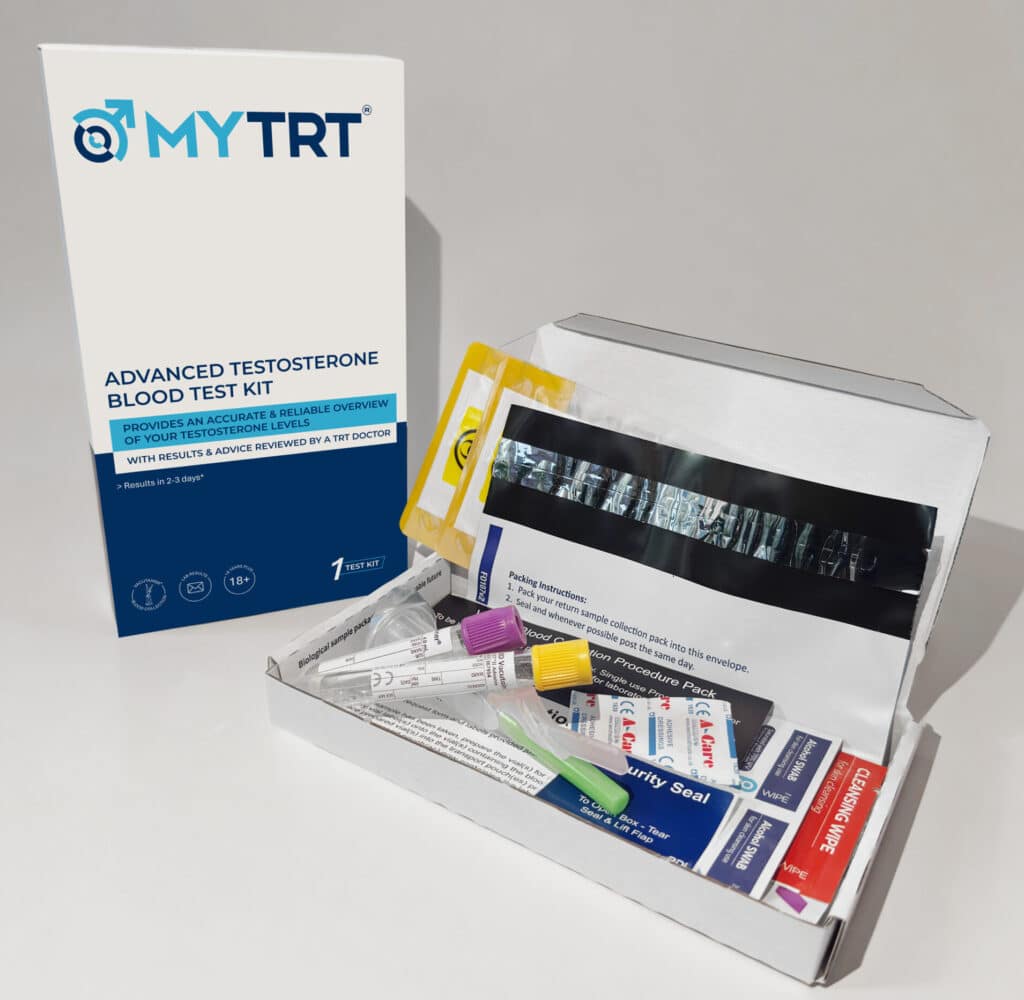
Advanced Testosterone Blood Test
Book a venous draw at a clinic £99.49
Book a venous draw at home with a nurse £109.49
 General health check
Is Testosterone An Anabolic Steroid?
Yes, testosterone is an anabolic steroid. In fact, it is the original, foundational anabolic-androgenic steroid from which all others are derived. Your body produces it naturally in the Leydig cells of the testicles. It is responsible for building muscle mass (the anabolic effect) and driving male sexual development and libido (the androgenic effect).
Once in the bloodstream, the hormone travels until it encounters an androgen receptor. These receptors are located in various tissues throughout the body, including muscle fibres, bone cells, the brain, and the prostate. When a testosterone molecule binds to an androgen receptor inside a muscle cell, it sends a signal to the cell’s nucleus to increase protein synthesis. This is the exact mechanism that allows the body to repair damaged muscle tissue after exercise and maintain a healthy, functional musculoskeletal system.
However, the phrase anabolic steroid has been hijacked by the media and the sports world to exclusively mean illegal doping agents. When a news report states that an athlete was caught using anabolic steroids, they are almost always referring to synthetic derivatives taken at massive doses, not a patient receiving a medically supervised testosterone prescription to treat a diagnosed deficiency. This linguistic overlap is why so many men feel anxious about starting TRT. They worry they are taking illegal steroids, when in reality, they are simply replacing a natural hormone their body has stopped producing in sufficient quantities.
Medical TRT vs Illicit Steroid Abuse: The Critical Distinction
If testosterone is an anabolic steroid, what is the difference between a patient on TRT and a bodybuilder using steroids? The difference lies entirely in the dosage, the biological goal, the medical supervision, and the specific compounds used. Understanding this distinction is vital for anyone considering treatment.
The Goal: Physiological vs Supraphysiological
The goal of testosterone replacement therapy is to treat a confirmed deficiency and maintain an appropriate physiological concentration during treatment. The British Society for Sexual Medicine discusses 15–30 nmol/L as an on-treatment target; it is not a universal UK laboratory reference interval and it is not the diagnostic range for untreated men. Diagnosis requires compatible symptoms together with repeat, properly collected biochemical results. The final dose and monitoring target are determined by the prescriber for the individual patient.
When a patient receives a clinical dose, the body maintains a state of homeostasis. The organs are not placed under undue stress, and the cardiovascular system functions optimally. The prescribed amount simply mimics what a healthy pair of testicles would produce naturally, which is roughly 5 to 10 milligrams of bioavailable testosterone per day.
Conversely, illicit steroid abuse aims for supraphysiological levels. A bodybuilder might inject ten to twenty times the physiological dose of testosterone, pushing their blood levels well over 100 nmol/L. The goal is not health; the goal is extreme, unnatural muscle growth and performance enhancement, often at the direct expense of long-term health. At these massive doses, the body cannot process the excess hormone safely, leading to severe aromatisation (conversion to oestrogen) and significant organ strain.
Medical Supervision and Monitoring
A patient on a legitimate TRT programme is closely monitored by a specialist doctor. Before treatment begins, comprehensive blood panels are drawn to check prostate specific antigen (PSA), full blood count, liver function, and lipid profiles. Once treatment starts, the patient is tested regularly to ensure their red blood cell count does not climb too high and their oestrogen levels remain balanced. If any markers drift out of range, the doctor adjusts the dose. You can learn more about how we monitor patients in our detailed guide on whether TRT is safe.
Beyond standard markers, a specialist will closely monitor Sex Hormone Binding Globulin (SHBG) and free testosterone levels. This ensures that the patient is not just receiving the hormone, but that their body is actually able to utilise it effectively at the cellular level. Regular clinical reviews allow the physician to track symptom improvements and mitigate any minor side effects before they become problematic.
Illicit users operate in the dark. They buy unregulated products from underground laboratories, guess their dosages based on internet forums, and rarely undergo comprehensive blood testing. This lack of supervision is what leads to the severe health crises commonly associated with steroid abuse.
The Compounds Used
Medical TRT almost exclusively uses bioidentical testosterone. This means the molecule in the injection or gel is an exact replica of the molecule your testicles produce. The body recognises it, metabolises it, and clears it exactly as it would natural testosterone. Illicit users often stack multiple synthetic derivatives together. These synthetic compounds, particularly oral steroids that have been altered to survive liver metabolism, are highly toxic and can cause severe cardiovascular and hepatic damage.
Furthermore, pharmaceutical-grade medications are manufactured in highly sterile environments using specific, well-tolerated carrier oils such as castor oil or arachis oil. Underground laboratory products are frequently brewed in unsterile conditions using cheap industrial solvents. This greatly increases the risk of heavy metal contamination, severe injection site infections, and dangerous allergic reactions.
The UK Legal Framework: Testosterone And The Law
Because testosterone is an anabolic steroid, its distribution and possession are strictly regulated in the United Kingdom. Understanding the legal status of testosterone is essential for any patient seeking treatment, as understanding the rules can sometimes be confusing.
Under the Misuse of Drugs Act 1971, testosterone and all other anabolic steroids are classified as Class C controlled drugs. Furthermore, they fall under Schedule 4 Part 2 of the Misuse of Drugs Regulations 2001. This specific scheduling creates a unique legal situation compared to other controlled substances.
Possession for Personal Use
In the UK, it is entirely legal to possess testosterone for personal use, provided it is in the form of a medicinal product. If you have a valid prescription from a registered doctor, your possession is completely lawful. Interestingly, even without a prescription, possessing anabolic steroids for personal use is not a criminal offence in the UK, provided you did not obtain them through illegal importation.
The term medicinal product generally refers to a substance presented in a form ready for human administration, such as an ampoule, vial, or transdermal gel. While the law allows for personal possession, this exemption is strictly limited to the individual. The moment a person attempts to pass the substance to someone else, the legal protections vanish entirely.
Supply and Production
While personal possession is decriminalised, the supply, production, and exportation of testosterone without a Home Office licence are serious criminal offences. You cannot legally sell testosterone to a friend, give it away at a gym, or manufacture it in an underground lab. The maximum penalty for supplying a Class C drug is up to 14 years in prison, an unlimited fine, or both.
It is worth noting that supply does not just mean selling for profit. If you simply hand a spare vial of testosterone to a training partner free of charge, you are legally committing the offence of supplying a controlled drug. The UK legal system treats the distribution of anabolic steroids with extreme severity to combat the unregulated black market.
Importation Laws
The laws regarding importation changed significantly in 2012. It is now illegal to import anabolic steroids by post or courier, even for personal use. You cannot legally order testosterone from a foreign pharmacy website and have it shipped to your UK address. The only legal way to import testosterone for personal use without a prescription is to physically carry it across the border yourself in your personal luggage. For TRT patients, the safest and only recommended route is to obtain a legal prescription from a UK-registered clinic and have the medication dispensed by a registered UK pharmacy.
UK Border Force actively intercepts packages containing suspected anabolic steroids. If a package addressed to you is seized, you will receive a formal warning letter, and the products will be destroyed. Repeated attempts to import these substances can lead to further investigation by law enforcement agencies. Relying on foreign internet pharmacies is a highly risky endeavour that offers zero guarantees regarding the safety or authenticity of the medication.
How Testosterone Is Synthesised For Medical Use
If your body is not producing enough testosterone, how do pharmaceutical companies make the medication you take? The testosterone used in modern TRT is synthesised in laboratories, usually starting from plant sterols found in soy or yams. Through a process called marker degradation, these plant sterols are converted into pure, bioidentical testosterone. This base testosterone is exactly the same as the hormone in your blood.
However, pure base testosterone has a very short half-life. If a doctor injected you with pure testosterone, your body would metabolise it and excrete it within a few hours, requiring you to inject yourself multiple times a day. To solve this problem, scientists attach a carbon chain, known as an ester, to the testosterone molecule. This process is called esterification.
The ester makes the testosterone highly soluble in oil. When injected into the muscle or subcutaneous fat, the oil forms a depot. The body’s enzymes slowly cleave the ester away, releasing the pure testosterone into the bloodstream over several days or weeks. Common esters used in the UK include testosterone enanthate, testosterone cypionate, and testosterone undecanoate. You can explore the different types of injectable options in our guide to testosterone injections. Regardless of which ester is attached, the active hormone delivered to your cells is pure, bioidentical testosterone.
Understanding the pharmacokinetics of these esters is crucial for patient comfort and clinical success. A short ester like testosterone propionate requires frequent administration because the body cleaves the short carbon chain rapidly. Conversely, a long ester like testosterone undecanoate can take weeks to fully release into the system, allowing for much less frequent dosing. A skilled TRT doctor will select the appropriate ester based on a patient’s lifestyle, symptom presentation, and individual metabolic clearance rate.
Addressing The Side Effects: TRT vs Steroid Abuse
Because the general public equates TRT with steroid abuse, many men are terrified of the potential side effects. They worry about extreme rage, massive weight gain, or organ failure. These fears are based on the side effect profile of supraphysiological abuse, not clinical TRT.
When anabolic steroids are abused at massive doses, the side effects are severe. The heart muscle can enlarge, leading to left ventricular hypertrophy and premature heart attacks. The liver can become highly stressed, especially if oral synthetic steroids are used. The body’s natural hormone production shuts down completely, leading to severe testicular atrophy and infertility. Psychiatric effects, including extreme mood swings and aggression, are also documented at these massive doses.
Clinical TRT, on the other hand, is designed to avoid these extremes. Because the dose is physiological, the side effect profile is much milder and highly manageable. Potential side effects of TRT might include mild acne, a slight increase in red blood cell count (which is monitored and managed by your doctor), or temporary fluid retention. Mood swings are rare; in fact, most men report a significant stabilisation of their mood and a reduction in anxiety and depression once their hormones are balanced. For a transparent look at what to expect, read our detailed breakdown of TRT side effects.
One of the most significant differences lies in cardiovascular health. While supraphysiological abuse is known to decimate high-density lipoprotein (HDL) and spike low-density lipoprotein (LDL), therapeutic testosterone has been shown to improve metabolic syndrome markers. Men on properly managed TRT often see improvements in insulin sensitivity and a reduction in visceral body fat. Furthermore, for men concerned about fertility, clinical TRT protocols frequently incorporate human chorionic gonadotropin (hCG) to maintain testicular function and spermatogenesis, an approach rarely utilised correctly by illicit users.
Testosterone Blood Test Kit
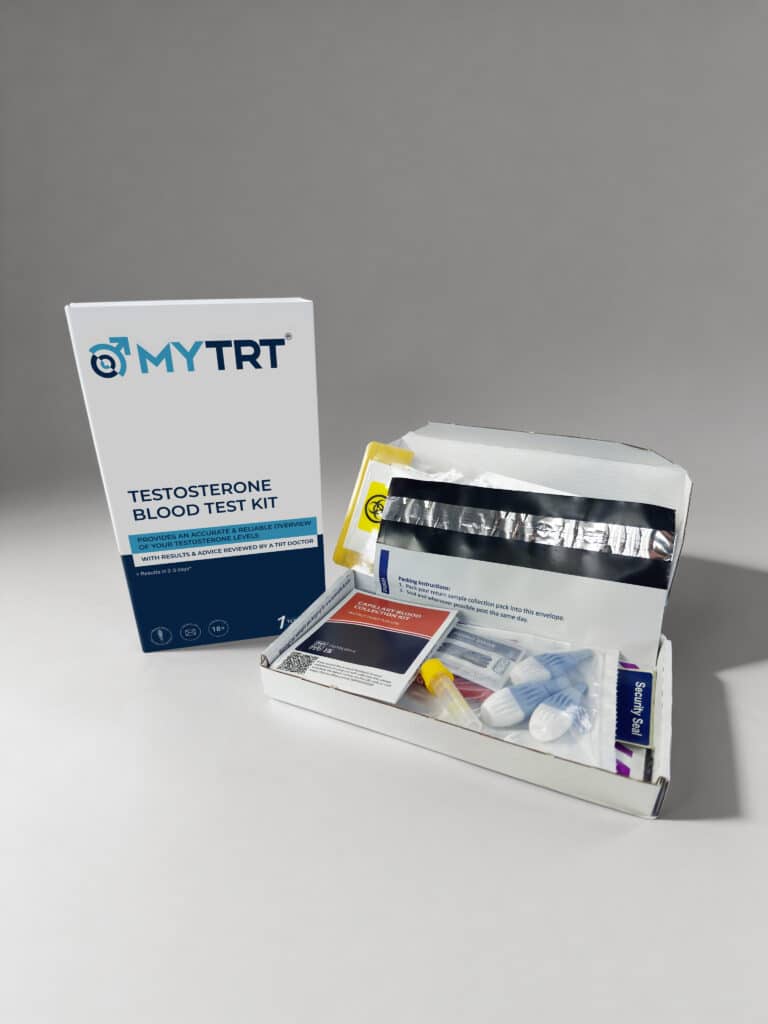
If this test showed you have low testosterone, the Advanced Testosterone Blood Test will assess your suitability for TRT.
Breaking The Stigma: Why Men Avoid Treatment
The most tragic consequence of the confusion surrounding the question is testosterone a steroid is that men suffer in silence. Low testosterone is a recognised medical condition known as hypogonadism. It causes profound fatigue, erectile dysfunction, loss of muscle mass, brain fog, and severe depression. Yet, many men refuse to discuss these symptoms with their doctors because they do not want to be viewed as seeking steroids.
The psychological burden of untreated hypogonadism cannot be overstated. Men often internalise their symptoms, believing that their lack of energy or declining physical strength is simply a personal failing or an inevitable part of getting older. This silent suffering places immense strain on careers, personal relationships, and overall mental well-being. By clinging to outdated stigmas, society inadvertently discourages men from accessing life-changing medical care.[3]
We need to reframe the conversation. If a patient has an underactive thyroid, they take thyroxine. If a patient has type 1 diabetes, they take insulin. Both of these are hormone replacement therapies. Testosterone replacement therapy is conceptually no different. The medical replacement of a vital hormone that the body is failing to produce in adequate amounts. The fact that the specific molecule happens to have a four-ring steroid structure is a matter of biochemistry, not a moral failing.
By educating men on the difference between a natural steroid hormone and an illicit performance-enhancing drug, we can break down the stigma. Men should feel empowered to check their blood levels, discuss their symptoms openly, and seek legal, medically supervised treatment without fear of judgement.
How To Legally And Safely Access Testosterone Therapy
If you are experiencing the symptoms of low testosterone, the worst thing you can do is turn to the black market. Unregulated anabolic steroids bought online or from a gym may be counterfeit, contaminated or incorrectly dosed. Sellers may be committing unlawful supply offences, while import or intent-to-supply offences depend on the facts; simple personal possession is not itself an offence. The products are often contaminated, under-dosed, or contain entirely different compounds than what is listed on the label.
The correct, legal, and safe pathway is to work with a specialised medical clinic. The process begins with a comprehensive blood test to confirm a clinical deficiency. If your levels are low, a specialist doctor will review your medical history, discuss your symptoms, and create a bespoke treatment plan. Your medication will be legally prescribed and dispensed by a regulated UK pharmacy, ensuring you receive pure, pharmaceutical-grade bioidentical testosterone.
A rigorous diagnostic protocol is the hallmark of a reputable provider. This typically involves two separate venous blood draws taken in the early morning, as this is when natural testosterone production peaks. Alongside the biochemical data, a thorough clinical questionnaire helps the physician understand exactly how the deficiency is impacting your daily life. This dual approach ensures that treatment is only initiated when it is both medically necessary and clinically appropriate.
Do not let the loaded word steroid prevent you from reclaiming your health, your energy, and your quality of life. The science is clear, the legal framework is established, and the medical protocols are highly refined. If you suspect your hormones are out of balance, take the first step by getting your blood tested through a legitimate clinical pathway.
References
- Hackett G, et al. British Society for Sexual Medicine Guidelines on Male Adult Testosterone Deficiency, with Statements for Practice. World J Mens Health. 2023;41(3):508–537. View
- Bhasin S, et al. Testosterone Therapy in Men With Hypogonadism: An Endocrine Society Clinical Practice Guideline. J Clin Endocrinol Metab. 2018;103(5):1715–1744. View
- Zitzmann M. Testosterone, mood, behaviour and quality of life. Andrology. 2020;8(6):1598–1605. View
- Salonia A, et al. European Association of Urology Guidelines on Sexual and Reproductive Health. Eur Urol. 2022;82(1):49–64. View
- Kanayama G, et al. History and epidemiology of anabolic androgens in athletes and non-athletes. Mol Cell Endocrinol. 2010;464:4–13. View
- Miller WL, Auchus RJ. The molecular biology, biochemistry, and physiology of human steroidogenesis and its disorders. Endocr Rev. 2011;32(1):81–151. View
- Nieschlag E, Vorona E. Mechanisms in endocrinology: Medical consequences of doping with anabolic androgenic steroids. Eur J Endocrinol. 2015;173(2):R47–R58. View
- Bachman E, et al. Testosterone induces erythrocytosis via increased erythropoietin and suppressed hepcidin. J Clin Endocrinol Metab. 2014;99(10):3914–3920. View