Patients often ask us which “natural” supplements will increase testosterone. We understand why. Men come to clinic describing low energy, reduced libido, slower recovery from training and changes in body composition, then see headlines or posts promising quick fixes. The reality is nuanced. Testosterone biology is tightly regulated, and while specific vitamins and minerals can support normal production, their benefit depends on the individual’s physiology, health status and whether there is a genuine deficiency to correct.
MYTRT treatment eligibility
MYTRT treats men only when they have compatible symptoms and meet both biochemical limits: total testosterone of 15 nmol/L or below, and free testosterone of 0.35 nmol/L or below.
Testosterone is produced through the hypothalamic–pituitary–gonadal axis. The hypothalamus releases GnRH, prompting the pituitary to secrete luteinising hormone (LH) and follicle-stimulating hormone (FSH). LH stimulates Leydig cells in the testes to convert cholesterol into testosterone through several enzymatic steps, including CYP11A1 and 17β-HSD. Secretion is pulsatile with a morning peak, then testosterone circulates bound to sex hormone-binding globulin (SHBG) and albumin, with a small free fraction available to tissues. Target cells in muscle, bone and brain respond via androgen receptors, while some testosterone is converted to dihydrotestosterone or aromatised to ooestradiol, both of which feedback to the brain to fine-tune output.
In clinic we see that micronutrients act as cofactors within this system rather than as on–off switches. Zinc supports steroidogenesis and LH signalling; magnesium influences enzyme activity and may affect SHBG; vitamin D functions as a hormone with receptors in the testes; selenium contributes to antioxidant defence within testicular tissue. B vitamins assist energy metabolism needed for steroid production. If these are insufficient, testosterone synthesis can be impaired. Equally, factors such as excess adiposity, poor sleep, high alcohol intake, certain medicines and systemic inflammation can suppress the axis or increase conversion to oestrogen, blunting any supplement effect.
Before buying a basket of capsules, it helps to establish your baseline. We routinely start with a morning testosterone test, often alongside SHBG, LH, FSH, prolactin and thyroid markers, then consider lifestyle, sleep and micronutrient status. Supplements are most likely to help when they address a documented deficiency or a clearly defined physiological bottleneck. In the sections that follow, we set out which vitamins and minerals have evidence for supporting healthy testosterone levels, who may benefit, and where expectations should be tempered.
Medical Summary
Patients often ask us whether supplements can raise testosterone. The clinical consensus is straightforward: correcting a genuine deficiency can help, but “boosting” already-normal levels is largely unproven. In clinic we see low vitamin D, zinc, or magnesium linked with suboptimal testosterone and poorer symptoms; replacing to normal ranges can modestly improve levels and wellbeing when deficiency is present[1][2]. By contrast, men with normal micronutrient status rarely gain a sustained testosterone rise from adding extra supplements[3].
Herbal products such as ashwagandha, fenugreek, tongkat ali and tribulus show mixed, small trials with inconsistent effects, often limited to specific subgroups (e.g., stressed or infertile men) and short durations. Any biochemical bumps are typically modest and may not translate into meaningful clinical change in eugonadal men[3]. D-aspartic acid data are inconsistent, and creatine does not raise testosterone despite performance benefits[4]. If symptoms suggest hypogonadism, the priority is a structured assessment, morning testosterone checks, and addressing sleep, weight, alcohol, and medicines before considering TRT where indicated[1]. We advise targeting proven deficiencies, being cautious with polypharmacy, and setting realistic expectations: supplements are adjuncts, not substitutes for diagnosis and evidence-based care.
Correcting a Deficiency Versus Boosting Normal Levels
Patients often ask us whether testosterone replacement therapy (TRT) is the same as taking a “booster” when levels are already normal. It is not. Correcting a deficiency is about restoring physiology that has slipped below the body’s set point. Boosting above baseline seeks to raise a normal signal beyond that set point, which collides with the endocrine system’s built-in brakes.
When we replace missing nutrients such as vitamin D, zinc, iodine or B12, we are supplying raw materials or cofactors the body needs to run its own pathways. If a rate‑limiting step is under-fuelled, function falls; when the deficiency is corrected, the system self-corrects and stabilises at a normal level. The feedback loops remain intact, so overshooting is naturally limited by reduced intestinal absorption, increased excretion, or downregulated enzymatic activity once sufficiency is reached.
Testosterone regulation is different because it is governed by a tight hypothalamic–pituitary–gonadal (HPG) loop. The hypothalamus releases GnRH in pulses, the pituitary responds with LH and FSH, and the testes produce testosterone and sperm. Circulating testosterone and its metabolite ooestradiol feed back to the hypothalamus and pituitary to fine‑tune GnRH and LH. Sex hormone-binding globulin (SHBG) controls the free, bioavailable fraction, and there is a natural morning peak. This architecture keeps levels within a physiological range that supports mood, libido, muscle, bone and fertility without tipping into excess.
Trying to push testosterone above a normal baseline by taking exogenous testosterone or potent “boosters” overrides that loop. The pituitary senses the rise (and the rise in ooestradiol via aromatisation) and turns down GnRH, LH and FSH. Endogenous testicular production falls, sperm counts drop, and testicular volume can shrink. Supraphysiological androgen exposure can also raise haematocrit, alter lipids and blood pressure, and increase the risk of gynaecomastia or fluid retention. The short-term “high” often fades as the axis suppresses.
In clinic we see two very different goals. With confirmed hypogonadism on repeated morning tests (total testosterone consistently low in nmol/L alongside symptoms), TRT replaces a missing hormone to reach an age‑appropriate physiological window, then keeps you there with monitoring. If your baseline is normal, pharmacologically pushing higher carries diminishing returns and greater risk, so we focus on reversible drivers that blunt endogenous production.
- Correcting deficiency: restore building blocks, preserve feedback, stabilise at normal.
- Boosting above normal: override feedback, suppress LH/FSH, risk adverse effects.
- Best first steps for normal baseline: sleep, weight management, resistance training, alcohol moderation, medication review, and nutrition.
Diet can support healthy androgen production when you are in the normal range. See our guide to foods that increase testosterone for practical choices alongside sleep hygiene, stress reduction and training. This approach respects the HPG feedback loops, aiming to optimise your own production rather than silencing it.
Testosterone Blood Test Kit
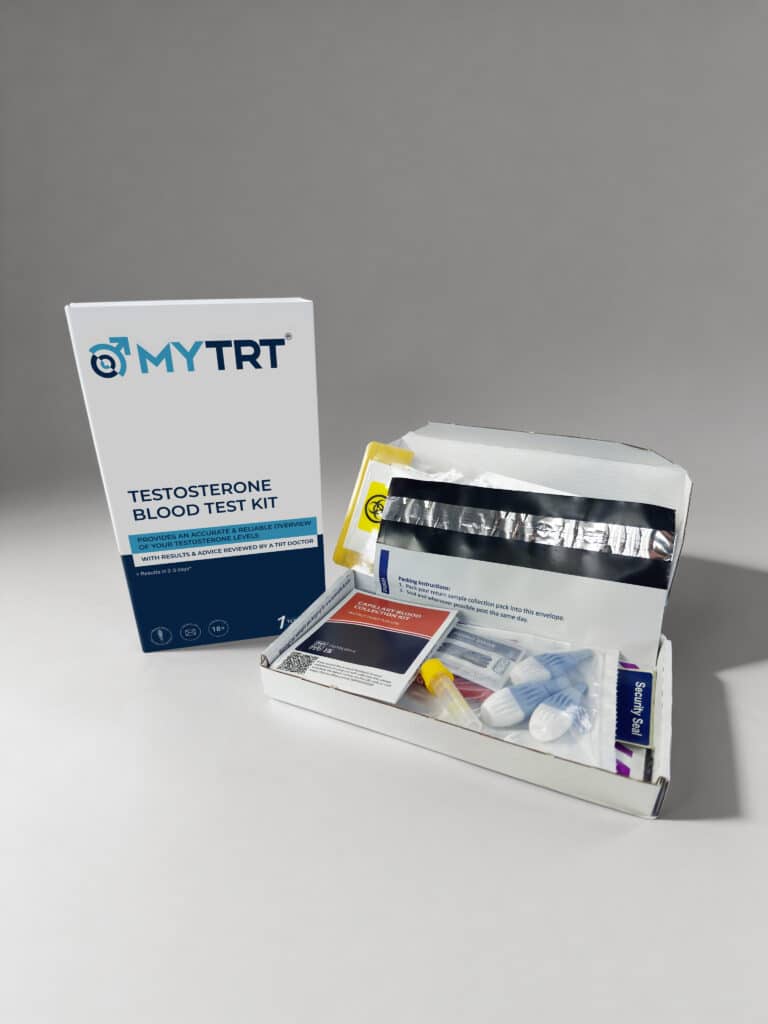
If this test showed you have low testosterone, the Advanced Testosterone Blood Test will assess your suitability for TRT.
Vitamin D: The Sunshine Hormone Precursor
Patients often ask us whether getting their vitamin D up can help their testosterone. Vitamin D is a secosteroid hormone precursor with receptors in the testes and across the hypothalamic–pituitary–gonadal axis, where it appears to support Leydig cell steroidogenesis and regulate enzymes involved in testosterone synthesis.[1] Observational studies repeatedly link low 25‑hydroxyvitamin D [25(OH)D] with lower total testosterone, though association alone does not prove benefit from supplementation.
Evidence from randomised controlled trials is mixed but informative. A frequently cited RCT in overweight men with low baseline vitamin D used 3,332 IU cholecalciferol daily for 12 months; total testosterone rose from about 10.7 to 13.4 nmol/L (mean increase ≈2.7–2.9 nmol/L) versus no meaningful change on placebo, with parallel increases in free and bioavailable testosterone.[2] By contrast, several RCTs in men with adequate vitamin D at baseline have shown little or no average change in testosterone despite correcting or maintaining 25(OH)D status. Pooled analyses of RCTs suggest small, non‑significant average effects overall (pooled mean difference around 0–1 nmol/L), with the signal driven by subgroups who start deficient; in those men, increases of roughly 1–3 nmol/L in total testosterone are reported.[3]
In clinic we see the best hormonal “return” when correcting clear deficiency and supporting broader metabolic health at the same time (sleep, adiposity, resistance training). We check serum 25(OH)D in nmol/L, correct deficiency, then reassess symptoms and morning testosterone after 8–12 weeks rather than assuming a fixed effect size for everyone.
UK regulatory context is straightforward. Vitamin D sold to the public is regulated as a food supplement under UK food law; disease‑treatment claims bring products under MHRA medicines regulation. The UK Scientific Advisory Committee on Nutrition (SACN) sets a Reference Nutrient Intake of 10 micrograms (µg) per day year‑round for adults, with 25(OH)D <25 nmol/L indicating risk of deficiency-related bone disease.[4] The NHS advises most adults to consider 10 µg (400 IU) daily during autumn and winter, and to avoid exceeding 100 µg (4,000 IU) per day unless specifically prescribed.[5]
Deficiency remains common in the UK. National survey data show a substantial proportion of the population fall below 25 nmol/L in late winter and early spring, with higher rates in people with darker skin and in those who cover their skin for cultural reasons.[4] Against that backdrop, correcting low vitamin D is a sensible, regulated intervention with modest, condition‑dependent benefits for testosterone most evident in men who start off deficient.[2][3]
Zinc and Magnesium: Essential Minerals for Men’s Health
Zinc and magnesium are cofactors for hundreds of enzymes involved in hormone synthesis, energy production and antioxidant defence. In the testes, zinc supports Leydig cell function and steroidogenesis, while magnesium participates in ATP-dependent steps and can influence binding of testosterone to sex hormone-binding globulin (SHBG), affecting the free (bioavailable) fraction. In clinic we see that when either mineral is low, men often report low energy, reduced libido and poorer training recovery.
What does the evidence show on testosterone? Controlled feeding studies demonstrate that restricting dietary zinc lowers serum testosterone in healthy men, and supplementing men with marginal zinc deficiency raises testosterone towards normal ranges[1]. For magnesium, a randomised trial in athletes and sedentary men found that oral magnesium increased total and free testosterone, particularly around exercise, suggesting benefits where intake or stores are suboptimal[2]. These data align with what we see in practice: correcting deficiency tends to normalise levels rather than push them above physiological limits.
Who actually benefits? Men at risk of low zinc include those on restrictive diets, with malabsorption (e.g., coeliac or IBD), high alcohol intake, and endurance athletes with heavy sweat losses. Low magnesium is common in men with high training loads, type 2 diabetes, gastrointestinal disease, or chronic proton pump inhibitor use. If you recognise yourself here, targeted supplementation alongside diet can be worthwhile. By contrast, men with adequate zinc and magnesium rarely see a meaningful testosterone rise from taking more, though they may notice general wellbeing improvements such as fewer cramps or better sleep.
Our approach is to assess symptoms and bloods first (morning testosterone with SHBG, plus magnesium; zinc can be checked, albeit serum values need clinical context). We then correct dietary gaps and consider short-term supplements, reviewing response after 8–12 weeks. For broader strategies that make a measurable difference, see our guide on how to increase testosterone.
Practical notes from clinic: avoid megadoses. Excess zinc can deplete copper over time; magnesium can cause diarrhoea if dosed too high or taken as oxide. Separate either mineral by at least two hours from certain antibiotics and thyroid or bisphosphonate medicines. If testosterone remains low despite repletion, investigate primary or secondary hypogonadism and consider specific therapy.
References
Check Your Symptoms
-
 Fatigue
-
Low libido
-
Brain fog

Ashwagandha and Adaptogens: Stress Reduction and Testosterone
Patients often ask us whether ashwagandha can “boost” testosterone. Ashwagandha (Withania somnifera) is classed as an adaptogen, a plant extract used to support the body’s stress response. Its best supported effect is the reduction of psychological stress and circulating cortisol, which can indirectly favour healthier testosterone physiology.
Several randomised, placebo-controlled trials report meaningful cortisol reductions with standardised ashwagandha root extracts over 6–12 weeks. In one frequently cited study using 300 mg twice daily, serum cortisol fell by roughly a quarter compared with placebo, alongside improvements in perceived stress scores[3]. A systematic review and meta-analysis has since echoed these findings, showing that ashwagandha produces small-to-moderate improvements in stress measures and lowers cortisol versus placebo[4].
Why does this matter for testosterone? Chronic elevations in cortisol suppress the hypothalamic–pituitary–gonadal axis by dampening gonadotrophin-releasing hormone and luteinising hormone signalling, and by impairing Leydig cell steroidogenesis[5]. By reducing cortisol, ashwagandha may therefore remove some of the stress-related inhibition on endogenous testosterone production. Trials in specific groups support this indirect effect: resistance-trained men taking ashwagandha experienced greater strength gains and higher serum testosterone than placebo over 8 weeks[6], and subfertile men showed improved semen parameters with favourable shifts in reproductive hormones[7].
In clinic we see men under high work or sleep stress report better sleep quality and calmer mood on ashwagandha, with occasional modest rises in testosterone when baseline stress and cortisol are elevated. Effects are variable in healthy, eugonadal men. We position ashwagandha as an adjunct to the basics: sleep, alcohol moderation, resistance training, weight management and mental health support.
Typical study doses are 240–600 mg/day of a standardised root extract (often 300 mg twice daily). Choose products with declared withanolide content. Side effects are usually mild (gastrointestinal upset, drowsiness), though rare liver injury has been reported; stop and seek medical advice if jaundice, dark urine or pruritus occur. Use caution with thyroid disease, sedatives and immunosuppressants, and avoid during pregnancy. If you are on TRT or have endocrine conditions, discuss supplementation with your clinician.
Fenugreek, D-Aspartic Acid, and Boron: The Evidence
Patients often ask us whether common “testosterone booster” ingredients actually move the needle. Here we summarise what we see in clinic and what the trials show, with a longer buyer’s guide here: testosterone boosters.
D-Aspartic Acid (DAA). Early short-term data suggested DAA might raise luteinising hormone and testosterone in men over 12 days[8]. Subsequent randomised trials in resistance-trained men have not replicated this; 3 g/day for 28 days showed no benefit, and some work reports a reduction in testosterone at 6 g/day over 14 days[8][9]. We have no robust long-term evidence that DAA produces a sustained, clinically meaningful rise in testosterone in eugonadal men. On that basis, we rarely recommend DAA outside research or specific fertility contexts.
Fenugreek (Trigonella foenum-graecum). Extracts vary widely, and many trials use proprietary, standardised products. Several small, industry-funded RCTs report modest increases in free testosterone and improvements in libido or training outcomes over 6–12 weeks, typically without a consistent rise in total testosterone[10][11]. Other trials show body composition or strength benefits with minimal hormonal change. Overall, results are mixed and short term. In clinic we sometimes see symptom improvement in selected men, but we counsel on limitations, variability between extracts, and potential interactions (anticoagulants, antidiabetic medicines) and gastrointestinal upset.
Boron. The most plausible use case is in men with high sex hormone-binding globulin (SHBG) and low calculated free testosterone. A small study using 6 mg/day for one week found lower SHBG and higher free testosterone, alongside changes in inflammatory markers[12]. Mechanistically, boron appears to influence SHBG and steroid hormone dynamics, which can transiently raise free testosterone. Evidence is short term, sample sizes are small, and high-quality longer trials are lacking. We keep doses within recognised safety limits and monitor bloods; the European tolerable upper intake level for adults is 10 mg/day[13].
How we apply this. We prioritise sleep, nutrition, training, weight management and managing comorbidities first. DAA is unlikely to provide durable benefit for most healthy men. Fenugreek can be trialled if symptom goals are clear and product standardisation is verified. Where SHBG is clearly raised, a short, monitored boron trial may help free testosterone, with repeat labs to confirm effect and safety.
DHEA: A Precursor Hormone with UK Regulatory Restrictions
Dehydroepiandrosterone (DHEA) is a steroid precursor hormone made primarily in the adrenal glands, with smaller amounts from the ovaries and testes. In peripheral tissues it is converted to active androgens and oestrogens, including testosterone, dihydrotestosterone, and ooestradiol. Levels typically decline with age. Because it sits upstream of several sex hormones, DHEA is not a standard “supplement”; it can influence multiple endocrine pathways, sometimes unpredictably[17].
In the UK, DHEA (also known by the generic name prasterone) is regulated as a prescription-only medicine and is treated as a controlled drug. It cannot be sold legally as an over-the-counter supplement. The only licensed UK preparation is prasterone as a vaginal pessary for postmenopausal vulvovaginal symptoms, supplied on prescription, while systemic DHEA products for anti-ageing or performance are not licensed here[15][16]. This contrasts with the United States, where DHEA is marketed as a dietary supplement.
Patients often ask us whether adding DHEA to a testosterone replacement programme could help symptoms or blood results. In clinic we explain that unsupervised use may disrupt both androgen and oestrogen balance, with effects such as acne, scalp hair thinning, breast tenderness, or changes in mood and sleep. Self-importing “supplement” DHEA from abroad can also put you at legal risk and products vary in dose and purity[17]. Where DHEA is considered, we do so only after a specialist assessment, with baseline and follow-up blood tests (including DHEA‑S in nmol/L, testosterone and ooestradiol), and clear treatment goals.
References
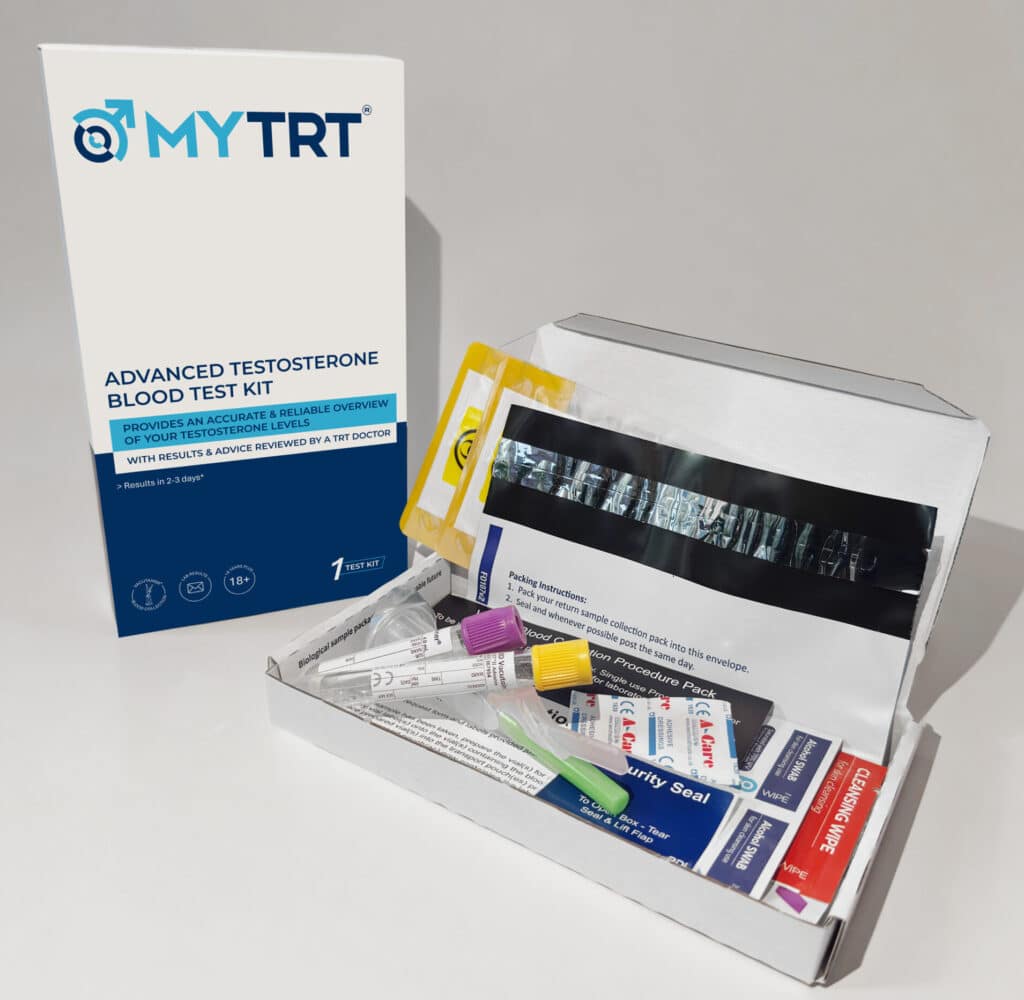
Advanced Testosterone Blood Test
Book a venous draw at a clinic £99.49
Book a venous draw at home with a nurse £109.49
 General health check
Supplements Versus Medical Treatment: When to Consider TRT
Patients often ask us whether a supplement can replace testosterone replacement therapy (TRT). Over-the-counter “testosterone boosters” typically target sleep, stress and micronutrient gaps. Some men feel a lift in energy or training output, but measured changes in serum testosterone are usually small and inconsistent. Supplements cannot correct genuine hypogonadism, where the testes or pituitary are failing to produce adequate hormone.
TRT is a medical treatment used when symptoms align with clinically low testosterone confirmed on blood tests. In clinic we look for two separate morning total testosterone results, ideally taken between 7:00 and 11:00, alongside LH, FSH, SHBG and prolactin. As a guide, total testosterone persistently below about 8 nmol/L supports a diagnosis of hypogonadism, and 8–12 nmol/L is a grey zone where symptoms and calculated free testosterone help decision-making. If you need an accurate home sample, our testosterone blood test kit is organised for morning collection and clinician review.
Supplements can be reasonable when symptoms are mild, testosterone is within the reference range, and the goal is to optimise lifestyle. Nutrients such as vitamin D and zinc may help if you are deficient, and creatine can support training adaptations. We review options, pros and cons, and realistic expectations in our guide to the best testosterone booster uk.
- Prioritise medical assessment and consider TRT when symptoms persist and total testosterone is <8 nmol/L on two morning tests.
- Seek specialist input if results are 8–12 nmol/L with low free testosterone, or SHBG is raised.
- Get evaluated promptly with red flags such as infertility, delayed puberty, pituitary disease, testicular injury, or osteoporosis with low-trauma fracture.
- Address reversible factors including excess alcohol, poor sleep, high adiposity, opioids or prior anabolic steroid use.
Supplements may support broader health, but they are not a substitute for diagnosis or for TRT when testosterone is clinically low. If symptoms suggest hypogonadism, arrange testing and speak with a clinician about evidence-based treatment.
Frequently Asked Questions
What are the best supplements to increase testosterone?
Patients often ask us which supplements move the needle most. The most consistent benefits are seen when correcting deficiencies: vitamin D, zinc and sometimes magnesium can support normal testosterone production, particularly if blood levels are low. Adaptogens such as ashwagandha and certain fenugreek extracts show modest effects in small trials, while many proprietary blends add cost without clear gains. For an evidence-led summary and UK-available options, see our guide to the best testosterone booster UK.
Do natural supplements to increase testosterone actually work?
Some do, but effects are usually modest and depend on the cause of low testosterone. If your levels are low due to vitamin D or zinc deficiency, targeted correction can help; if levels are low from sleep loss, excess weight or certain medicines, pills alone rarely fix the problem. Understanding what is testosterone and how the hormone is regulated helps set realistic expectations. We advise measuring, addressing root causes, and using supplements as an adjunct rather than a shortcut.
Are natural testosterone supplements and natural testosterone boosters the same thing?
They are marketing terms for similar products, but ingredients and quality vary widely. In clinic we see the best results when supplements are paired with lifestyle steps that support hormone health, especially resistance training, better sleep and weight management. If you want a structured plan that combines behaviours with targeted nutrients, start with our guide on how to increase testosterone. Always check labels for transparent dosing and third-party testing.
What is the best natural testosterone booster?
There is no single “best” for everyone. If you are deficient, vitamin D and zinc are strong first choices; ashwagandha can help some men under high stress, and fenugreek extracts have limited but promising data. Diet matters too, because adequate protein, healthy fats and micronutrients underpin hormone production. For food-based tactics that pair well with supplements, see foods that increase testosterone.
What are the best supplements for testosterone if I lift weights?
For lifters, prioritise what supports training and recovery. Creatine improves performance and indirectly supports a better anabolic environment, but it does not reliably raise testosterone. Ensure vitamin D and zinc sufficiency, maintain adequate calories and sleep, and avoid excessive endurance volume that can depress levels. If you are unsure where your numbers sit, review reference ranges in normal testosterone levels and test rather than guessing.
What supplements increase testosterone according to evidence?
The best-supported options are vitamin D (if deficient), zinc (if deficient), ashwagandha for stress-related issues, and certain standardised fenugreek extracts. D-aspartic acid shows mixed results, and tribulus has not convincingly raised testosterone in well-run trials. Be wary of proprietary blends without clear dosages or third-party testing. Measure a baseline and recheck after 8–12 weeks to verify any change with a testosterone test.
Are supplements to boost testosterone safe and legal in the UK?
Most vitamin and herbal products sold by reputable UK retailers are legal, but quality varies and claims can be exaggerated. Avoid prohormones or “research” compounds such as SARMs, which are not licensed for human use and carry safety risks. In clinic we see occasional liver and mood issues from unregulated imports, so buy from trusted sources and check for interactions if you take other medicines. If you have persistent symptoms of low T, read about medical pathways in TRT UK.
Which vitamins for testosterone are worth taking?
Vitamin D is the standout when levels are low, with zinc next if dietary intake is poor or you sweat heavily. Magnesium can aid sleep and muscle function, which indirectly supports hormone balance, though direct effects on testosterone are small. B vitamins and omega‑3s support general health rather than raising testosterone directly. If symptoms persist despite optimising basics, see how to get TRT in the UK to understand when medical therapy is indicated.
Can supplements for testosterone replace TRT?
No. If you have confirmed hypogonadism, supplements rarely restore levels to the normal range, and delaying effective treatment can prolong symptoms. TRT is a medical therapy with benefits and monitoring requirements, and you should understand potential TRT side effects before starting. Supplements can still support sleep, nutrition and training alongside prescribed care, but they are not a substitute for hormones when clinically needed.
Which vitamins to boost testosterone should I try first, and how do I check progress?
Start by identifying gaps: many men in the UK are low in vitamin D, and some fall short on zinc or magnesium through diet. Correct deficiencies through food and, if required, simple single-ingredient supplements rather than complex blends. Track symptoms, training quality and sleep, and re-test hormones after 8–12 weeks to assess effect with our at-home testosterone blood test kit. Adjust based on results, not marketing claims.
References
- Prasad AS, Mantzoros CS, Beck FWJ, Hess JW, Brewer GJ. Zinc status and serum testosterone levels in healthy adults. Nutrition. 1996;12(5):344–348 View ↩
- Çinar V, Polat Y, Baltacı AK, Mogulkoc R. Effects of magnesium supplementation on testosterone levels of athletes and sedentary subjects at rest and after exhaustion. Biological Trace Element Research. 2011;140(1):18–23 View ↩
- Chandrasekhar K, Kapoor J, Anishetty S. A prospective, randomised double-blind, placebo-controlled study of a high‑concentration full‑spectrum Ashwagandha root extract in reducing stress and anxiety in adults. Indian J Psychol Med. 2012;34(3):255‑262. Doi:10.4103/0253-7176.106022 View ↩
- Lopresti AL, Smith SJ, Malvi H, Kodgule R. An investigation into the stress-relieving and pharmacological actions of an ashwagandha (Withania somnifera) extract: A randomised, double-blind, placebo-controlled study and a systematic review. Medicine (Baltimore). 2019;98(37):e17186. Doi:10.1097/MD.0000000000017186 View ↩
- Whirledge S, Cidlowski JA. Glucocorticoids, stress, and fertility. Minerva Endocrinol. 2010;35(2):109‑125 View ↩
- Wankhede S, Langade D, Joshi K, Sinha SR, Bhattacharyya S. Examining the effect of Withania somnifera supplementation on muscle strength and recovery: A randomised controlled trial. J Int Soc Sports Nutr. 2015;12:43. Doi:10.1186/s12970-015-0104-9 View ↩
- Ahmad MK, Mahdi AA, Shukla KK, et al. Withania somnifera improves semen quality by regulating reproductive hormone levels and oxidative stress in infertile men. Fertil Steril. 2010;94(3):989‑996. Doi:10.1016/j.fertnstert.2009.04.046 View ↩
- Topo E et al. D-Aspartic acid induces luteinising hormone and testosterone release in humans. Reprod Biol Endocrinol. 2009 View ↩
- Willoughby DS et al. D-Aspartic acid supplementation for 28 days has no effect on serum hormones in resistance-trained men. J Int Soc Sports Nutr. 2013 View ↩
- Melville GW et al. The effects of 3 g vs 6 g/day D-aspartic acid on testosterone in trained men. J Int Soc Sports Nutr. 2015 View ↩
- Rao A, Steels E, Inder WJ, Abraham S, Vitetta L. Testofen (standardised fenugreek) improves sexual function and increases free testosterone in healthy men: randomised, placebo-controlled trial. The Aging Male. 2016 View ↩
- Wankhede S et al. Examining the effect of fenugreek extract on strength and body composition in resistance-trained men. J Int Soc Sports Nutr. 2016 View ↩
- Naghii MR et al. Daily boron supplementation for 1 week affects steroid hormones and inflammatory markers in healthy men. J Trace Elem Med Biol. 2011 View ↩
- EFSA Scientific Panel on Dietetic Products, Nutrition and Allergies. Tolerable Upper Intake Level for boron. 2004 View ↩
- NICE BNF. Prasterone View ↩
- GOV.UK. Controlled drugs list View ↩
- NIH Office of Dietary Supplements. DHEA Fact Sheet (US context and physiology) View ↩
- NHS: Hypogonadism (low testosterone) View ↩
- NICE Clinical Knowledge Summary: Hypogonadism in males View ↩
- BSSM: Guidelines on Adult Testosterone Deficiency, with statements for UK practice (2017) British Society for Sexual Medicine, Guidelines on Male Adult Testosterone Deficiency, with Statements for Practice (2023) ↩
- Endocrine Society Clinical Practice Guideline: Testosterone Therapy in Men With Hypogonadism View ↩
- Mayo Clinic: Testosterone therapy — Potential benefits and risks as you age View ↩