Medical Summary
Testosterone replacement therapy (TRT) produces physiological changes over a predictable timeline, though individual responses vary based on baseline levels, dosage, and lifestyle factors. Clinical evidence indicates that improvements in libido, mood, and energy typically begin within three to six weeks of starting treatment. Changes in body composition, including increased lean muscle mass and reduced fat mass, generally become noticeable between three and six months, with maximum effects taking up to a year or longer. Improvements in erectile function also follow a similar three-to-six-month trajectory. Long-term benefits, such as increased bone mineral density, require at least six months to initiate and continue improving over several years. TRT is a medical treatment designed to restore physiological testosterone levels, not a rapid physique-enhancing drug. Patients should maintain realistic expectations and understand that adherence to the prescribed regimen, alongside appropriate diet and exercise, is crucial for optimal results. If no symptomatic improvement is observed after three to six months of therapeutic testosterone levels, clinical reassessment is necessary to explore alternative or concurrent diagnoses.
MYTRT treatment eligibility
MYTRT treats men only when they have compatible symptoms and meet both biochemical limits: total testosterone of 15 nmol/L or below, and free testosterone of 0.35 nmol/L or below.
TRT Before and After: What to Expect in the First Few Weeks
When starting treatment, many men anticipate immediate transformations. However, the initial phase of testosterone therapy is primarily characterised by subtle, internal shifts rather than visible physical changes. Within the first three to six weeks, the most commonly reported improvements relate to mental well-being and sexual desire. Patients often notice a gradual lifting of brain fog, improved concentration, and a general increase in vitality. Libido typically begins to rise during this period, which is often one of the earliest indicators that the therapy is taking effect.[1]
In clinic we typically see men reporting better sleep quality and a more stable mood by the end of the first month. It is crucial to understand that these early changes are foundational. The body is adjusting to the new hormonal environment, and while you might not see a difference in the mirror just yet, the physiological groundwork for long-term benefits is being laid. Patience during these initial weeks is essential, as the full spectrum of TRT results before and after takes time to manifest.
Testosterone Before and After: Months Three to Six
As you progress into the three-to-six-month window, the effects of testosterone replacement therapy become more pronounced and physically evident. This is the stage where changes in body composition typically begin to emerge. Men often observe a reduction in fat mass, particularly around the abdomen, coupled with an increase in lean muscle mass.[2] These changes are most significant when TRT is combined with regular resistance training and a balanced diet. It is important to manage expectations; TRT at therapeutic doses is designed to restore normal physiological function, not to produce the rapid, exaggerated muscle growth associated with supraphysiological steroid abuse.
During this period, improvements in erectile function also become more consistent. While libido may have increased earlier, the physiological capacity for maintaining erections often takes slightly longer to fully respond to the restored testosterone levels. Additionally, many men report a sustained increase in overall energy and a greater capacity for physical exertion. If you are considering testosterone injections or other delivery methods, this timeframe is generally when the benefits become undeniable, provided the dosage is optimised and adherence is maintained.
TRT Muscle Gain Before and After: The Reality of Body Composition
The internet is replete with dramatic before and after TRT photos, often showcasing extraordinary muscle gain and fat loss. While testosterone plays a vital role in muscle protein synthesis and fat metabolism, these extreme transformations are rarely the result of therapeutic TRT alone. They frequently involve intense, disciplined training regimens, strict dietary control, and sometimes, undisclosed use of other substances or supraphysiological doses.
A realistic expectation for TRT muscle gain before and after involves a gradual, steady improvement in muscle tone and a reduction in body fat percentage over several months to a year.[3] The therapy provides the hormonal foundation necessary for your body to respond effectively to exercise. Without putting in the work at the gym and in the kitchen, the physical changes will be modest. We advise patients to view TRT as a tool that enables them to achieve the results their efforts deserve, rather than a magic solution for instant muscle growth.
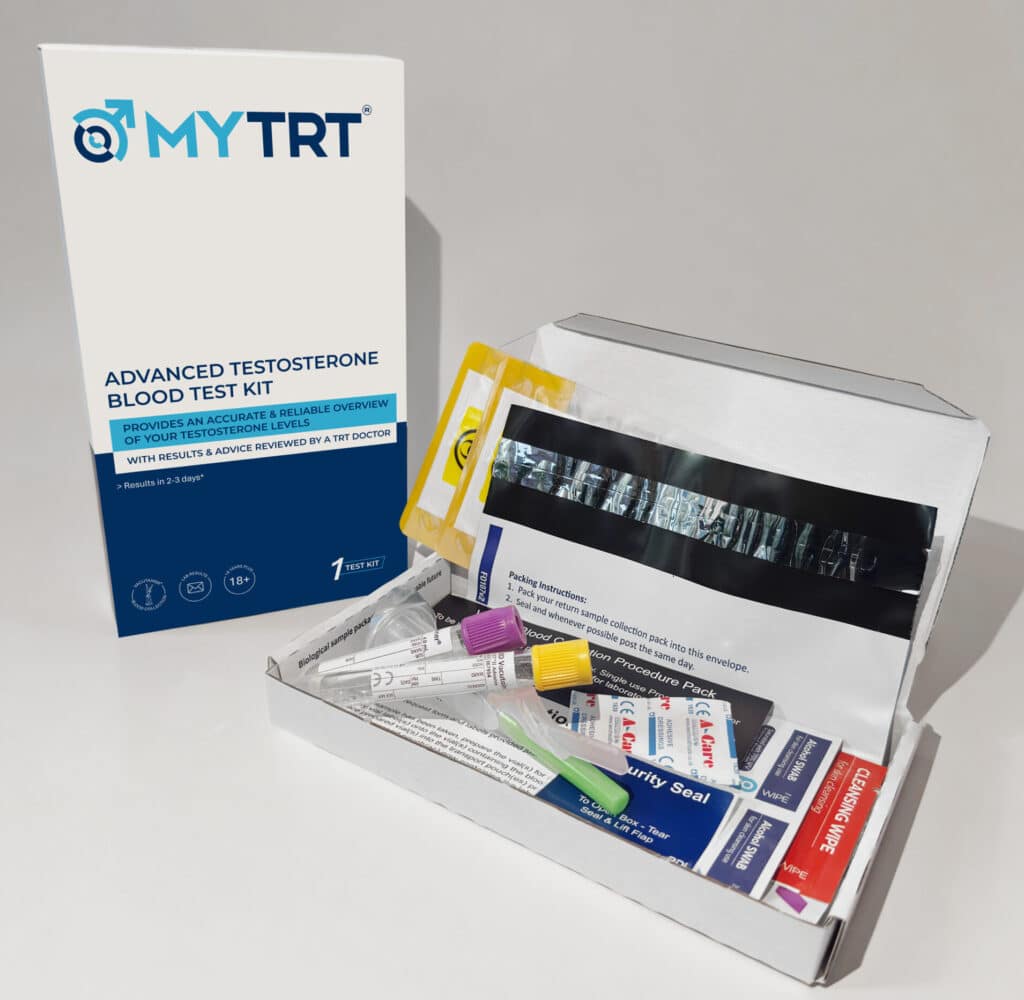
Advanced Testosterone Blood Test
Book a venous draw at a clinic £99.49
Book a venous draw at home with a nurse £109.49
 General health check
Before and After Testosterone: Long-Term Benefits (6-12+ Months)
Beyond the six-month mark, the benefits of testosterone therapy continue to accrue, particularly concerning structural and long-term health markers. One of the most significant, yet invisible, changes is the improvement in bone mineral density. Testosterone is crucial for bone health, and men with prolonged hypogonadism are at an increased risk of osteopenia and osteoporosis. Research indicates that bone density begins to improve after about six months of TRT, with maximum benefits often taking two to three years to fully materialise.[4]
The maximum effects on body composition, including peak muscle mass and minimum fat mass, are generally reached between 12 and 24 months of continuous treatment. This long-term perspective is vital. The journey of before and after testosterone is a marathon, not a sprint. Consistent monitoring through regular blood tests is necessary to ensure levels remain within the optimal UK reference ranges (typically measured in nmol/L) and to manage any potential TRT side effects effectively.
Factors Influencing Your TRT Results Before and After
Several variables dictate the speed and extent of the changes you will experience on TRT. Baseline testosterone levels play a significant role; men starting with profoundly low levels often notice more dramatic initial improvements compared to those with borderline deficiency. The chosen delivery method, whether it be gels or injections like testosterone cypionate, can also influence the pharmacokinetics and how quickly levels stabilise.
Adherence to the prescribed protocol is perhaps the most critical factor. Missing doses or fluctuating administration times can lead to unstable hormone levels, mitigating the benefits and potentially exacerbating side effects. Lifestyle factors, including diet, sleep hygiene, and exercise frequency, act synergistically with TRT. A sedentary lifestyle and poor nutrition will severely limit the potential physical and metabolic improvements, regardless of how well your testosterone levels are optimised.
Testosterone Cypionate Before and After: Does the Ester Matter?
Patients frequently ask about specific formulations, such as before and after testosterone cypionate compared to other esters like enanthate or Sustanon. Testosterone cypionate is a long-acting ester, meaning it is released slowly into the bloodstream over several days following an injection. This pharmacokinetic profile allows for less frequent dosing while maintaining stable serum testosterone levels.
The actual physiological results—improvements in mood, libido, and body composition—are driven by the testosterone molecule itself, not the ester attached to it. Therefore, the timeline for before and after testosterone injection results remains consistent regardless of whether cypionate, enanthate, or another variant is used, provided the dosage is appropriately titrated to achieve therapeutic levels. The choice of ester primarily affects the injection frequency and the patient’s convenience, rather than the ultimate clinical outcome.
When to Review if You See No Benefit
While the timeline for TRT benefits is well-established, it is not absolute. If you have been on a consistent, optimised TRT protocol for three to six months and have not experienced any symptomatic improvement, a comprehensive clinical review is necessary. This lack of response suggests that low testosterone might not be the primary or sole cause of your symptoms.
In such cases, we must investigate other potential underlying issues. Conditions such as thyroid dysfunction, sleep apnoea, chronic stress, or clinical depression can present with symptoms that mimic hypogonadism, including fatigue, low mood, and reduced libido. Ensuring that your treatment plan is comprehensive and addresses all potential health factors is essential for achieving the desired improvements in your quality of life. Understanding what TRT is involves recognising its limitations as well as its capabilities.
Understanding the Costs and Commitment
Starting testosterone replacement therapy is a significant long-term commitment, both medically and financially. It is important to factor in the ongoing expenses associated with consultations, medications, and necessary blood monitoring. The TRT cost in the UK can vary depending on the clinic and the specific treatment protocol prescribed. We encourage patients to review our comprehensive pricing structure to understand the investment required for sustained, safe, and effective treatment.
| Timeline | Expected Changes | Clinical Notes |
|---|---|---|
| Weeks 3–6 | Improved libido, better mood, increased vitality, reduced brain fog. | Initial physiological adjustments; subjective improvements often precede physical changes. |
| Months 3–6 | Noticeable changes in body composition (fat reduction, lean muscle increase), improved erectile function. | Synergistic effects with diet and exercise become evident; dosage optimisation is critical. |
| Months 6–12+ | Increased bone mineral density, maximum effects on muscle mass and fat distribution. | Long-term structural benefits manifest; ongoing monitoring required to maintain optimal levels. |
Ready to Start Your Journey?
Discover how MYTRT can help you achieve optimal health.
Results depend on starting from an accurate diagnosis. Our how to get TRT in the UK page sets out the assessment and monitoring schedule we use, with transparent pricing listed under the TRT pricing section.
UK guidance reinforces the need for patience. The NHS notes that symptoms attributed to the so-called male menopause usually build gradually, and improvements on treatment follow the same slow curve[5]. The BSSM guideline on adult testosterone deficiency recommends assessing response at three and six months before judging whether therapy has worked[6].
References
- PubMed — Onset of effects of testosterone treatment and time span until maximum effects are achieved. ↩
- Endocrine Society — Testosterone Therapy in Men With Hypogonadism: An Endocrine Society Clinical Practice Guideline. ↩
- BSSM — British Society for Sexual Medicine, Guidelines on Male Adult Testosterone Deficiency, with Statements for Practice (2023). ↩
- NHS — The ‘male menopause’. ↩
- NHS — The “male menopause”. ↩
- BSSM — British Society for Sexual Medicine, Guidelines on Male Adult Testosterone Deficiency, with Statements for Practice (2023). ↩
The Psychological Impact of TRT Before and After
While physical transformations often dominate discussions about testosterone therapy, the psychological shifts are equally profound and frequently occur much earlier in the treatment timeline. Men suffering from clinically low testosterone often present with symptoms that closely mirror depression, including persistent low mood, irritability, and a profound lack of motivation. The period before and after TRT can represent a significant turning point in mental well-being. Clinical studies and our own observations in clinic indicate that as serum testosterone levels are restored to the normal physiological range, patients frequently report a renewed sense of purpose and emotional stability.
This psychological improvement is not merely a subjective feeling; it is rooted in the complex interplay between hormones and neurotransmitters. Testosterone influences the regulation of serotonin and dopamine, which are critical for mood and cognitive function. Consequently, the alleviation of brain fog and the enhancement of mental clarity are among the most valued TRT results before and after. Patients often describe feeling more like their old selves, capable of handling stress more effectively and engaging more fully in their personal and professional lives. It is essential to recognise that these cognitive and emotional benefits are a core component of the therapeutic response, not just a secondary side effect.
Navigating the Initial Adjustment Period
The transition phase during the first few months of therapy requires careful management and realistic expectations. As the body adapts to exogenous testosterone, some men may experience temporary fluctuations in mood or energy levels. This is a normal part of the physiological adjustment process. The endocrine system is recalibrating, and it takes time for the feedback loops involving the hypothalamus and pituitary gland to stabilise. During this period, consistent communication with your prescribing physician is vital to ensure that the dosage is appropriate and that any emerging side effects are addressed promptly.
We strongly advise patients against making premature judgements about the efficacy of their treatment during these early weeks. The timeline of before and after testosterone benefits develops gradually. Attempting to accelerate the process by altering the dosage without medical supervision can lead to adverse outcomes, including increased aromatisation to oestrogen or elevated haematocrit levels. Patience and adherence to the prescribed protocol are the foundations of a successful TRT treatment. Regular blood monitoring allows us to track your progress objectively and make evidence-based adjustments to your treatment plan.
The Role of Lifestyle in Maximising TRT Results
Testosterone replacement therapy is a powerful medical intervention, but it is not a standalone cure for poor health habits. To achieve the best possible TRT before and after results, patients must actively participate in their recovery through positive lifestyle modifications. Diet plays a crucial role; a nutritional plan rich in lean proteins, healthy fats, and complex carbohydrates provides the necessary building blocks for muscle synthesis and overall metabolic health. Conversely, excessive alcohol consumption and a diet high in processed foods can hinder progress and exacerbate potential side effects.
Exercise is equally critical, particularly resistance training. Testosterone enhances the body’s ability to build and repair muscle tissue, but this potential is only realised when the muscles are adequately stimulated through exercise. A structured training programme accelerates improvements in body composition and supports cardiovascular health and bone density. Prioritising sleep hygiene is essential, as the majority of natural hormone production and tissue repair occurs during deep sleep. By integrating TRT with a healthy lifestyle, patients can maximise their therapeutic outcomes and sustain these benefits over the long term.
Monitoring and Managing Potential Side Effects
A comprehensive understanding of TRT involves acknowledging and managing potential risks. While therapeutic doses are generally safe and well-tolerated, side effects can occur, particularly if levels exceed the optimal physiological range. Common issues include acne, fluid retention, and an increase in red blood cell count (polycythaemia). Regular blood tests are mandatory to monitor haematocrit levels, prostate-specific antigen (PSA), and ooestradiol, ensuring that the treatment remains safe and effective.
In clinic, we take a proactive approach to side effect management. If a patient experiences symptoms such as breast tenderness or excessive water retention, it may indicate that testosterone is converting to oestrogen at a higher rate than desired. In such cases, adjusting the dosage or the frequency of administration can often resolve the issue without the need for additional medications. The goal of therapy is to achieve a balance that provides maximum symptomatic relief with minimal adverse effects, ensuring a positive before and after testosterone experience.
Long-Term Commitment and Ongoing Care
Deciding to start testosterone replacement therapy is a commitment to long-term health management. Unlike a short course of antibiotics, TRT is typically a lifelong treatment designed to manage a chronic deficiency. The benefits you experience—whether it is improved energy, better body composition, or enhanced cognitive function—are dependent on the continuous administration of the hormone. If treatment is ceased, serum testosterone levels will eventually return to their baseline, and the associated symptoms will likely recur.
This ongoing commitment underscores the importance of choosing a reputable clinic that provides comprehensive, continuous care. Regular consultations and blood monitoring are not just administrative requirements; they are essential clinical practices that ensure your treatment remains optimised as your body changes over time. As men age, their physiological needs and responses to medication can shift, necessitating periodic adjustments to their TRT protocol. By maintaining a collaborative relationship with your healthcare provider, you can ensure that your TRT before and after journey continues to support your health and vitality for years to come.