Medical Summary
Clinical evaluation of male reproductive potential requires a structured approach, typically initiated after 12 months of regular unprotected intercourse without conception, or six months if specific risk factors are present. The cornerstone of a male fertility test remains the laboratory semen analysis, which assesses macroscopic and microscopic parameters against the World Health Organization (WHO) 2021 reference limits[1]. This primary investigation is frequently complemented by a comprehensive endocrine profile to evaluate the hypothalamic-pituitary-gonadal axis. Key hormonal markers include follicle-stimulating hormone (FSH), luteinising hormone (LH), total testosterone, and prolactin. While home testing kits offer preliminary screening for sperm concentration, they cannot replace the diagnostic accuracy of formal laboratory assessment. Furthermore, it is critical to address the impact of exogenous androgens; men considering or currently undergoing treatment must be counselled that testosterone therapy profoundly suppresses spermatogenesis. Preserving fertility requires careful clinical management and alternative therapeutic strategies.
MYTRT treatment eligibility
MYTRT treats men only when they have compatible symptoms and meet both biochemical limits: total testosterone of 15 nmol/L or below, and free testosterone of 0.35 nmol/L or below.
When to Consider a Fertility Test for Men
Deciding when to investigate reproductive health is a common concern for couples trying to conceive. Medical guidelines generally recommend that a fertility test for men should be considered after one year of regular, unprotected intercourse without achieving pregnancy[2]. This timeframe allows for natural conception rates, which see the majority of healthy couples conceive within the first twelve months. It is a period that balances the natural probability of conception with the need to identify potential underlying issues without causing unnecessary anxiety or medical intervention. Understanding this timeline helps manage expectations and reduces the stress often associated with family planning.
However, earlier investigation is warranted in certain circumstances. If a man has known risk factors, such as a history of undescended testicles, previous urological surgery, testicular trauma, or treatment for cancer, seeking medical advice after six months is advisable. Similarly, if the female partner is over the age of 35, expediting the evaluation process can be beneficial. Early assessment helps identify potential issues promptly, allowing for timely intervention and management. Patients often ask us when they should seek help, and the answer is always tailored to their specific medical history and relationship circumstances. Proactive engagement with healthcare professionals can significantly improve outcomes,
The psychological impact of struggling to conceive should not be underestimated. The decision to undergo testing can be daunting, but it is a proactive step towards understanding one’s reproductive health. A comprehensive evaluation can provide clarity, alleviate uncertainty, and guide future family planning decisions. It is a collaborative process between the patient and their healthcare provider, ensuring that all aspects of physical and emotional well-being are considered. Support networks and counselling can also play a vital role during this period of investigation.
Furthermore, lifestyle factors play a significant role in male fertility. Smoking, excessive alcohol consumption, recreational drug use, and obesity can all negatively impact sperm quality. Therefore, a fertility evaluation often includes a detailed review of these factors, providing an opportunity for men to make positive changes that can enhance their overall health and reproductive potential. Addressing these lifestyle elements is a crucial component of any comprehensive fertility strategy. Simple modifications can sometimes yield substantial improvements in semen parameters.
In clinic we see many men who are hesitant to initiate testing due to stigma or fear of the results. It is essential to normalise these conversations and encourage men to take an active role in their reproductive health. Early diagnosis and intervention can significantly improve the chances of successful conception, whether naturally or through assisted reproductive technologies. Open communication with partners and healthcare providers is the first step towards addressing any underlying concerns.
Understanding Semen Analysis
The foundation of male fertility evaluation is the semen analysis. This laboratory test provides a detailed assessment of the seminal fluid and the spermatozoa it contains. A comprehensive analysis examines several critical parameters to determine the overall quality and reproductive potential of the sample. It is a non-invasive procedure that yields a wealth of information about testicular function and the patency of the male reproductive tract. Understanding these parameters is essential for interpreting the results accurately.
Key metrics include the total volume of the ejaculate, the concentration of sperm per millilitre, and the total sperm count. Motility, which refers to the percentage of sperm moving effectively, is crucial for natural conception. Morphology assesses the size and shape of the sperm, as structural abnormalities can impede their ability to fertilise an egg. The World Health Organization (WHO) provides standardised reference values to help clinicians interpret these results accurately[1]. These parameters are evaluated microscopically by trained andrologists, ensuring a high level of precision and reliability. Each metric provides a different piece of the puzzle regarding reproductive health.
The preparation for a semen analysis is just as important as the test itself. Men are typically advised to abstain from ejaculation for two to five days prior to providing a sample. This abstinence period ensures that the sample reflects a true baseline of sperm production and quality. A shorter abstinence period may result in a lower sperm count, while a longer period can negatively affect sperm motility and vitality. Adhering to these guidelines is essential for obtaining accurate and meaningful results. Clear instructions are usually provided by the testing facility to ensure compliance.
It is also important to note that a single semen analysis may not provide a complete picture of a man’s fertility. Sperm parameters can fluctuate significantly due to various factors, including recent illness, stress, or changes in lifestyle. Therefore, if the initial results are abnormal, a repeat analysis is usually recommended after a few weeks to confirm the findings. This approach ensures that any diagnosis is based on consistent data rather than a temporary anomaly. Multiple samples provide a more robust assessment of baseline fertility.
Beyond the basic parameters, a comprehensive semen analysis may also evaluate other factors, such as the pH of the seminal fluid, the presence of white blood cells (which can indicate an infection), and the liquefaction time. These additional details can provide valuable insights into the overall health of the male reproductive system and help identify specific issues that may be affecting fertility. For instance, a high concentration of white blood cells might prompt further investigation for an underlying infection or inflammation.
| Parameter | WHO 2021 Lower Reference Limit |
|---|---|
| Semen Volume | 1.4 ml |
| Sperm Concentration | 16 million per ml |
| Total Sperm Count | 39 million per ejaculate |
| Total Motility (Progressive + Non-progressive) | 42% |
| Progressive Motility | 30% |
| Normal Morphology | 4% |
The Role of Hormone Panels in Male Fertility
While semen analysis evaluates the end product, a hormone panel investigates the endocrine system driving sperm production. The brain and the testes communicate through a complex feedback loop, and disruptions in this system can significantly impair fertility. Blood tests are used to measure specific hormones that regulate reproductive function. This endocrine evaluation is a critical component of a comprehensive male fertility assessment, providing insights into the underlying causes of abnormal semen parameters. It helps differentiate between primary testicular failure and secondary causes related to the pituitary or hypothalamus.
Follicle-stimulating hormone (FSH) is directly responsible for stimulating the testes to produce sperm. Elevated FSH levels often indicate primary testicular failure, where the brain is working harder to stimulate underperforming testes. Conversely, low FSH levels may suggest a problem with the pituitary gland or hypothalamus, leading to inadequate stimulation of the testes. Luteinising hormone (LH) stimulates the Leydig cells in the testes to produce testosterone. Measuring total testosterone is essential, as adequate intra-testicular levels are required for spermatogenesis. For a deeper understanding of testosterone evaluation, you can read our guide on the testosterone test. This comprehensive approach ensures that all hormonal influences are considered.
Prolactin, a hormone produced by the pituitary gland, is also checked; elevated levels can suppress the release of FSH and LH, thereby reducing testosterone production and impairing fertility. Hyperprolactinemia can be caused by various factors, including stress, certain medications, or a benign pituitary tumour known as a prolactinoma. Identifying and treating elevated prolactin levels can often restore normal reproductive function. This highlights the interconnected nature of the endocrine system and its profound impact on fertility.
In addition to these primary hormones, a comprehensive panel may also include thyroid function tests and an assessment of ooestradiol levels. Thyroid disorders can disrupt the delicate balance of reproductive hormones, while elevated ooestradiol (a form of oestrogen) can negatively impact sperm production. A thorough endocrine evaluation ensures that all potential hormonal contributors to male infertility are identified and addressed. This holistic view is essential for developing an effective treatment strategy.
The interpretation of a hormone panel requires a nuanced understanding of the hypothalamic-pituitary-gonadal axis. It is not simply a matter of checking values against a reference range; it involves analysing the relationships between different hormones to pinpoint the specific location and nature of the dysfunction. This expertise is crucial for developing an effective and targeted treatment plan. Specialists use these intricate details to tailor interventions that address the root cause of the hormonal imbalance.
Testosterone Blood Test Kit
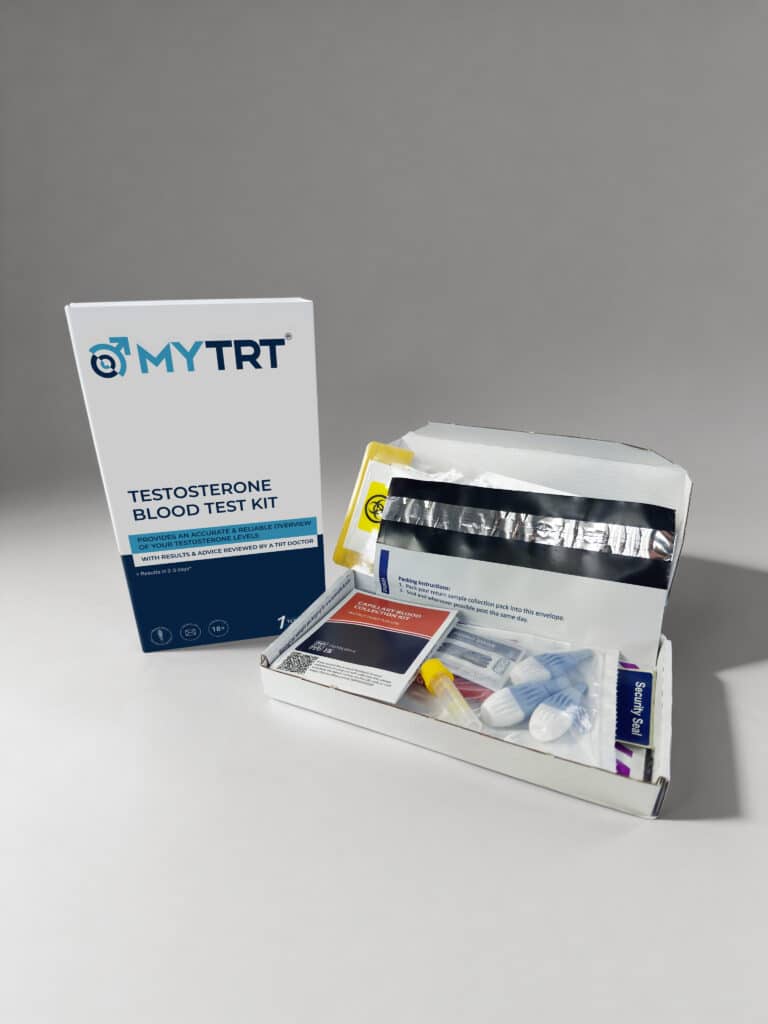
If this test showed you have low testosterone, the Advanced Testosterone Blood Test will assess your suitability for TRT.
Home Sperm Test Kits vs Laboratory Analysis
The convenience of a male fertility test at home has made over-the-counter kits increasingly popular. These tests typically measure sperm concentration, providing a simple ‘normal’ or ‘low’ result based on a predefined threshold. While they offer privacy and immediate feedback, their diagnostic value is limited. They can be a useful starting point for men who are curious about their reproductive health but are hesitant to visit a clinic. However, they should not be viewed as a definitive diagnostic tool.
A home sperm test kit cannot assess motility or morphology, which are equally critical for conception. A man might have a normal sperm count but poor motility, which a home kit would fail to detect, potentially offering false reassurance. Furthermore, these kits do not evaluate other important factors such as semen volume, pH, or the presence of white blood cells. Therefore, while home tests can serve as an initial screening tool, they are not a substitute for a comprehensive laboratory semen analysis conducted by trained andrologists. The nuanced information provided by a full analysis is indispensable for accurate diagnosis.
The psychological impact of home testing should also be considered. A ‘low’ result can cause significant anxiety and distress, often without the immediate support and guidance of a healthcare professional. Conversely, a ‘normal’ result may lead to a false sense of security, delaying necessary medical evaluation if a couple continues to struggle with conception. It is crucial that men understand the limitations of these kits and seek professional advice if they have ongoing concerns. Professional interpretation of results is vital for managing expectations and planning next steps.
In recent years, more advanced home testing options have emerged, some of which claim to assess motility using smartphone attachments and proprietary algorithms. While these technologies represent an improvement over basic concentration tests, they still lack the rigorous quality control and comprehensive evaluation provided by a clinical laboratory. The gold standard for male fertility assessment remains a formal semen analysis. These newer technologies, while innovative, are still evolving and should be used with caution.
Ultimately, the choice between a home test and a laboratory analysis depends on the individual’s circumstances and goals. For a preliminary check, a home kit may be sufficient. However, for couples actively trying to conceive or those with known risk factors, a comprehensive clinical evaluation is essential for accurate diagnosis and effective management. Investing in a professional assessment provides peace of mind and a clear path forward.
Accessing a Male Fertility Test UK: NHS vs Private
In the UK, men have options for accessing fertility testing through both the National Health Service (NHS) and private clinics. The NHS route typically begins with a consultation with a General Practitioner (GP). If the criteria for investigation are met—usually after a year of trying to conceive—the GP can refer the patient for a semen analysis and necessary blood tests. This pathway is free at the point of use but may involve waiting lists, which can vary significantly depending on the region. Understanding the NHS system requires patience and an understanding of local referral protocols.
The NHS provides a robust and evidence-based approach to fertility evaluation, ensuring that patients receive appropriate care according to national guidelines. However, the process can sometimes feel slow, particularly for couples who are anxious to understand their reproductive health and begin any necessary treatment. The criteria for referral can also be strict, meaning that some men may not qualify for NHS testing until they have been trying to conceive for a full year, regardless of their individual circumstances. This can be frustrating for those seeking early intervention.
Alternatively, private testing offers a faster route to diagnosis. Many men choose private clinics for quicker access to appointments and results. Private facilities often provide comprehensive packages that include both semen analysis and detailed hormone profiling, along with specialist consultations to discuss the findings and next steps immediately. This expedited process can significantly reduce the anxiety and uncertainty associated with fertility investigations. The ability to access care promptly is a major advantage of the private sector.
Private clinics also offer a greater degree of flexibility and choice. Patients can often schedule appointments at their convenience and select the specific tests they wish to undergo. Furthermore, private consultations typically allow for more time with the specialist, providing an opportunity for a more in-depth discussion of the results and potential treatment options. This personalised approach can be highly beneficial for men understanding the complexities of reproductive health. The tailored care provided in private settings often leads to higher patient satisfaction.
The decision between NHS and private testing ultimately depends on the individual’s priorities, budget, and specific medical needs. Both pathways offer access to high-quality diagnostic services, but they differ in terms of speed, convenience, and cost. It is important for men to carefully consider their options and choose the route that best aligns with their circumstances and preferences. Discussing these options with a healthcare provider can help clarify the best approach for each unique situation.
TRT and Fertility: What You Need to Know
A critical consideration for men evaluating their reproductive health is the impact of exogenous hormones. It is vital to understand that administering external testosterone suppresses the brain’s production of LH and FSH. Without these stimulating hormones, the testes cease sperm production, leading to a significant decline in fertility. This suppression is a well-documented physiological response and is a primary concern for men undergoing testosterone replacement therapy. The mechanisms behind this suppression are rooted in the body’s natural negative feedback loop.
The degree and duration of fertility suppression can vary among individuals, but it is generally profound and often reversible upon cessation of therapy. However, the recovery of spermatogenesis can take several months to over a year, and in some cases, it may not fully return to baseline levels. Therefore, men who desire future fertility must discuss this with their clinician before commencing any form of testosterone therapy. For more detailed information on the broader implications of treatment, please review our article on whether TRT is safe. Informed consent is paramount when considering treatments that affect reproductive potential.
There are alternative management strategies and medications available that can support hormone levels while preserving spermatogenesis. Human Chorionic Gonadotropin (hCG) is frequently used in conjunction with or as an alternative to testosterone therapy to maintain intra-testicular testosterone levels and stimulate sperm production. Selective Oestrogen Receptor Modulators (SERMs), such as clomiphene citrate, can also be employed to stimulate the pituitary gland to release more LH and FSH, thereby enhancing natural testosterone and sperm production. These alternatives offer viable pathways for men who wish to maintain their fertility while addressing hormonal imbalances.
The management of hypogonadism in men who wish to preserve their fertility requires a highly specialised and individualised approach. It involves a careful balancing act between alleviating the symptoms of low testosterone and maintaining reproductive potential. Regular monitoring of both hormone levels and semen parameters is essential to ensure the efficacy and safety of the chosen treatment strategy. Close collaboration with an endocrinologist or fertility specialist is crucial for optimal outcomes.
We frequently advise patients that proactive family planning is a crucial component of any testosterone therapy discussion. Understanding the potential impact on fertility allows men to make informed decisions about their treatment and explore options such as sperm cryopreservation (freezing) before initiating therapy. This proactive approach ensures that their reproductive goals are safeguarded while addressing their hormonal health needs. Taking these steps early can prevent significant distress and complications in the future.
Advanced Testosterone Blood Test
Book a venous draw at a clinic £108.49
Book a venous draw at home with a nurse £118.49
 General health check
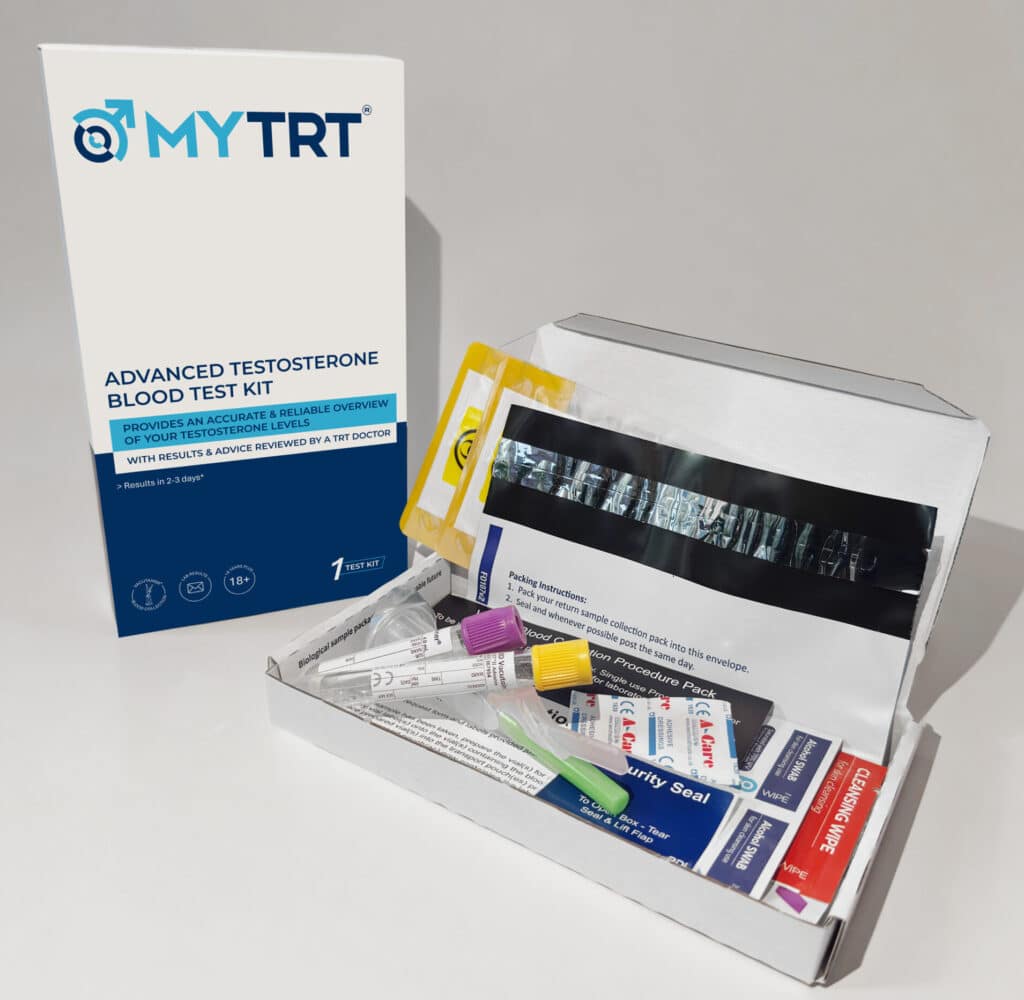
This test is only suitable when you have eligible results from our Initial Testosterone Blood Test
Next Steps After Abnormal Results
Receiving abnormal results from a male fertility test can be distressing, but it is the first step towards effective management. The subsequent actions depend entirely on the specific abnormalities identified. A repeat semen analysis is often the first recommendation, as sperm quality can fluctuate significantly due to illness, stress, or lifestyle factors. Confirming the initial findings is essential before proceeding with further investigations or treatment. This cautious approach prevents unnecessary interventions based on anomalous results.
If consistent issues are found, a referral to a urologist or fertility specialist is usually the next course of action. They will conduct a comprehensive evaluation, which may include a physical examination, a detailed medical history review, and further diagnostic tests such as a scrotal ultrasound or genetic screening. This thorough assessment aims to identify the underlying cause of the abnormal semen parameters, guiding the development of a targeted treatment plan. Specialist input is invaluable for navigating complex fertility challenges.
Treatment options for male infertility are diverse and depend on the specific diagnosis. Lifestyle modifications, such as weight management, reducing alcohol intake, and quitting smoking, can significantly improve sperm parameters in some cases. Nutritional supplements, particularly those containing antioxidants, may also be beneficial. In cases of hormonal imbalances, specific medications can be prescribed to restore normal endocrine function and stimulate sperm production. These conservative measures are often the first line of defence against mild to moderate fertility issues.
For structural issues, such as varicoceles (enlarged veins in the scrotum) or blockages in the reproductive tract, surgical interventions may be considered. These procedures aim to correct the anatomical abnormality and improve sperm quality or facilitate the transport of sperm. In cases where medical or surgical treatments are unsuccessful or inappropriate, assisted reproductive technologies (ART) offer viable pathways to parenthood. Surgical options, while more invasive, can provide definitive solutions for certain conditions.
Techniques such as In Vitro Fertilisation (IVF) or Intracytoplasmic Sperm Injection (ICSI) have revolutionised the treatment of severe male factor infertility. ICSI, in particular, allows for the direct injection of a single sperm into an egg, bypassing many of the natural barriers to fertilisation. These advanced technologies provide hope for many couples facing significant reproductive challenges, offering a realistic chance of achieving a successful pregnancy. The continuous advancement of ART continues to expand the possibilities for family building.