Medical Summary
Patients often ask us in clinic whether specific foods can increase testosterone. The clinical consensus is that while diet alone cannot reverse true hypogonadism, severe nutritional deficiencies will actively suppress androgen production. Optimising your intake of zinc, magnesium, vitamin D, and healthy fats provides the essential building blocks for steroidogenesis. In our practice, we see that men transitioning from ultra-processed diets to nutrient-dense, whole-food patterns often experience improvements in energy and subjective wellbeing, which can correlate with modest optimisations in their hormonal profile. However, it is significant to recognise that dietary interventions have limits; for men with clinically low testosterone, medical intervention remains the gold standard. We always advise that a comprehensive testosterone blood test is the first step before making drastic dietary changes. Understanding your baseline allows for a targeted approach, ensuring that any nutritional adjustments are addressing actual deficiencies rather than relying on guesswork.
MYTRT treatment eligibility
MYTRT treats men only when they have compatible symptoms and meet both biochemical limits: total testosterone of 15 nmol/L or below, and free testosterone of 0.35 nmol/L or below.
The Physiology of Nutrition and Hormone Production
Testosterone synthesis is a highly complex biological process that requires a precise orchestration of specific micronutrients and macronutrients. The Leydig cells, located within the testes, are the primary site of testosterone production in men. These cells rely heavily on cholesterol as the foundational precursor for all steroid hormones. Without adequate dietary fats to supply this cholesterol, the body fundamentally struggles to maintain optimal hormone levels, regardless of other lifestyle factors. Furthermore, micronutrients act as necessary catalysts in the enzymatic reactions that convert this cholesterol into pregnenolone, and eventually into testosterone. When we evaluate patients in our clinic, we frequently find that modern Western diets, which are often lacking in these essential nutrients, contribute significantly to suboptimal hormonal health and the symptoms associated with it.
It is incredibly important to differentiate between foods that provide the necessary raw materials for hormone production and the exaggerated, often baseless claims found online. No single food, whether it be a specific vegetable or a rare extract, will dramatically spike your testosterone levels overnight. The endocrine system operates on homeostasis and requires consistent, long-term support. Instead of seeking a quick fix, a sustained dietary pattern that prevents micronutrient deficiencies and supports overall metabolic health is what genuinely aids in maintaining healthy testosterone levels over the lifespan. For a broader look at the various lifestyle factors that influence this process, you can read our comprehensive guide on how to increase testosterone.
Additionally, the relationship between diet and testosterone is bidirectional. Low testosterone can lead to increased fat mass and reduced muscle mass, which in turn can alter metabolic rate and dietary needs. Conversely, a poor diet leading to obesity increases aromatase activity in adipose tissue, converting more testosterone into oestrogen, thereby further lowering testosterone levels. Breaking this cycle requires a dedicated approach to nutrition that prioritises nutrient density and metabolic health. The hypothalamic-pituitary-gonadal (HPG) axis, which controls testosterone production, is exquisitely sensitive to energy availability and nutrient status. When the body senses a lack of essential nutrients, it downregulates reproductive function to conserve energy for survival. This evolutionary mechanism highlights why chronic dieting or severe nutritional deficiencies are so detrimental to male hormonal health.
In our clinical experience, men who adopt a whole-food diet rich in the specific nutrients discussed below often report improvements not just in their blood markers, but in their overall quality of life. They experience better sleep, more stable energy levels throughout the day, and improved cognitive function. These subjective improvements are often the first signs that the endocrine system is functioning more efficiently. It is a holistic process where nutrition forms the foundation upon which other lifestyle interventions, such as exercise and stress management, can build.
Zinc-Rich Foods: The Cornerstone of Male Hormonal Health
Zinc is arguably the most critical trace mineral for male hormonal health and reproductive function. It plays a direct, measurable role in modulating serum testosterone levels and supporting spermatogenesis. In clinic, we frequently observe that men presenting with zinc deficiency often exhibit lowered testosterone levels, impaired immune function, and reduced libido. Zinc acts as a natural aromatase inhibitor, helping to prevent the excessive conversion of testosterone into oestrogen. This mechanism is particularly beneficial for men aiming to optimise their hormonal balance and prevent the side effects associated with elevated oestrogen levels, such as increased body fat and mood fluctuations.
When discussing dietary sources, oysters stand out as the most potent source of zinc, providing significantly more per serving than any other food available. A single serving of oysters can provide several times the daily recommended intake of zinc. For those who do not consume seafood or find oysters unpalatable, high-quality red meat, such as grass-fed beef and lamb, offers highly bioavailable zinc. The bioavailability is key here; the zinc found in animal products is absorbed much more efficiently by the human digestive system compared to plant sources. Poultry and pork also contribute to daily intake, though to a lesser extent than red meat. We often advise patients to include a variety of these protein sources in their diet to ensure adequate zinc intake.
Plant-based sources of zinc, such as pumpkin seeds, hemp seeds, lentils, and chickpeas, do contain respectable amounts of the mineral. However, their absorption is often significantly hindered by the presence of phytates—compounds found in plant seeds that bind to minerals and reduce their bioavailability. Therefore, men relying solely on plant sources for their nutrition may need to consume larger quantities of these foods, employ preparation methods like soaking and sprouting to reduce phytate content, or consider targeted supplementation to meet their physiological requirements. It is a common misconception that a plant-based diet is inherently deficient in zinc, but it does require more careful planning and awareness of these absorption issues.
Incorporating these zinc-rich foods into your weekly meal programme can help ensure your body has the necessary components for optimal hormone synthesis. We recommend aiming for a consistent, daily intake rather than relying on sporadic large doses, as the human body does not store zinc efficiently and requires a steady supply to maintain enzymatic functions. Furthermore, excessive zinc supplementation can interfere with the absorption of other essential minerals, such as copper, leading to secondary deficiencies. Therefore, obtaining zinc primarily through a balanced diet is the safest and most effective approach for long-term hormonal health.
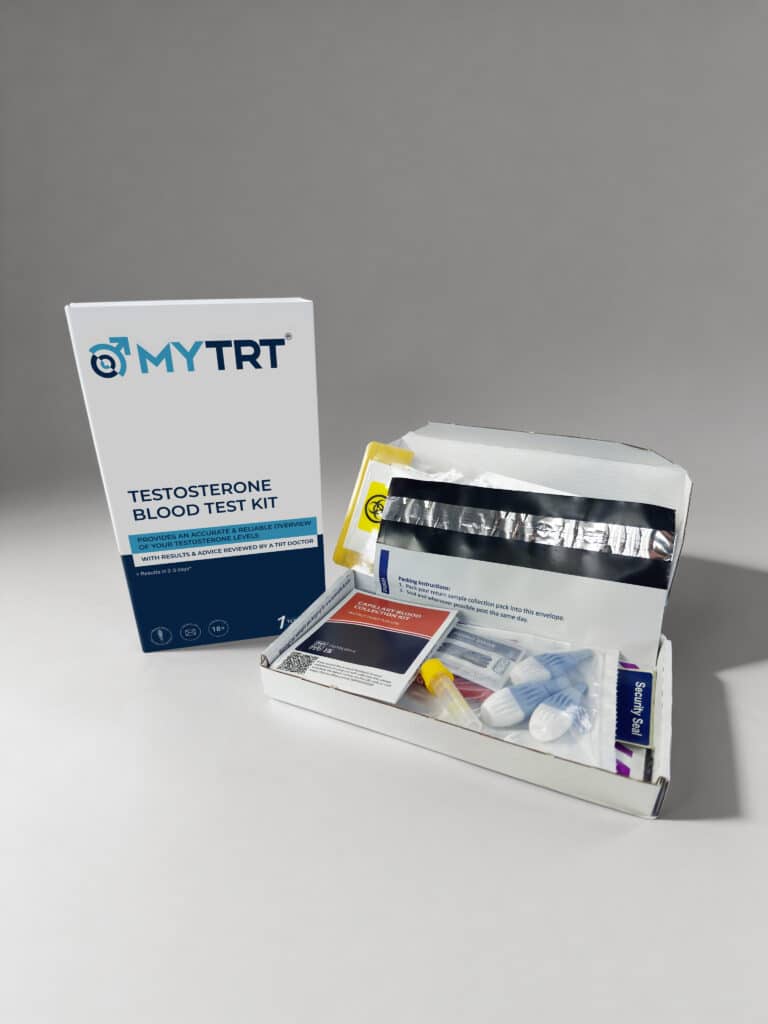
If this test showed you have low testosterone, the Advanced Testosterone Blood Test will assess your suitability for TRT.
Vitamin D and Magnesium: The Essential Synergistic Duo
Vitamin D is unique among vitamins because it functions more like a prohormone within the body, and its specific receptors are found extensively throughout the male reproductive tract, including the Leydig cells. While direct sunlight exposure on the skin is the primary and most efficient source of vitamin D synthesis, dietary intake becomes absolutely essential during the darker UK months when the UV index is too low to stimulate production. Oily fish, such as wild-caught salmon, mackerel, sardines, and trout, are excellent dietary sources of both vitamin D and omega-3 fatty acids. Egg yolks, particularly those sourced from pasture-raised hens that have access to sunlight, also provide a meaningful amount of vitamin D alongside cholesterol, the necessary precursor to testosterone.
Magnesium works synergistically with vitamin D and is a required cofactor for over 300 enzymatic processes in the body, including those directly involved in hormone regulation and energy production. One of its most significant roles in male health is its ability to help free testosterone from sex hormone-binding globulin (SHBG). By binding to SHBG, magnesium makes more testosterone bioavailable to the tissues where it exerts its effects. Leafy green vegetables like spinach, Swiss chard, and kale, along with nuts and seeds such as almonds, Brazil nuts, and pumpkin seeds, are superb sources of dietary magnesium. We often advise patients to ensure their diet is consistently rich in these foods, as magnesium deficiency is remarkably common in the modern population and can subtly but persistently undermine hormonal health.
Combining vitamin D-rich foods with abundant magnesium sources creates a nutritional environment that robustly supports the body’s natural testosterone production pathways. The interplay between these two nutrients highlights the importance of a holistic dietary approach rather than focusing on single nutrients in isolation. For men who struggle to obtain sufficient amounts through diet alone, understanding your baseline levels through a comprehensive testosterone test can guide appropriate and targeted dietary adjustments or supplementation strategies. It is also worth noting that the quality of the soil in which our food is grown has depleted over the decades, meaning that even a diet rich in vegetables might not provide the magnesium levels it once did. This makes conscious food selection and, in some cases, supplementation, a necessary consideration for optimal health.
Furthermore, magnesium plays a significant role in sleep quality. Poor sleep is a well-documented cause of lowered testosterone levels, as the majority of testosterone production occurs during the deep stages of sleep. By ensuring adequate magnesium intake, men can support better sleep architecture, thereby indirectly boosting their natural hormone production. This multifaceted approach underscores why we emphasise whole foods that provide a spectrum of benefits rather than isolated supplements.
The Critical Importance of Healthy Fats and Cholesterol
The widespread demonisation of dietary fats over the past few decades has inadvertently harmed male hormonal health on a population level. As previously mentioned, testosterone is a steroid hormone derived directly from cholesterol. This means that diets excessively low in fat can literally starve the body of the raw materials needed for hormone synthesis. In our clinical practice, we frequently see that men adhering to strict, long-term low-fat diets often present with suppressed androgen levels and the accompanying symptoms of fatigue and low libido. It is essential to shift the focus towards the quality of fats consumed rather than simply attempting to reduce overall fat intake.
Monounsaturated fats, found abundantly in extra virgin olive oil, avocados, and macadamia nuts, are particularly beneficial for endocrine health. These fats robustly support cardiovascular health, reduce systemic inflammation, and have been consistently associated with higher testosterone levels in various observational studies. Saturated fats, sourced from whole eggs, grass-fed butter, coconut oil, and high-quality animal proteins, also play a necessary role in maintaining the healthy cholesterol levels necessary for steroidogenesis. The key is balance and sourcing high-quality, unrefined fats rather than relying on highly processed vegetable oils and trans fats, which can promote inflammation and oxidative stress.
We actively encourage patients to include a source of healthy fat with every main meal. This practice aids in the absorption of fat-soluble vitamins like vitamin D, A, E, and K, and provides sustained energy, stabilises blood sugar levels, and supports the endocrine system’s complex and ongoing requirements for hormone production. Furthermore, the lipid profile of the cell membranes, which is dictated by dietary fat intake, influences how well hormone receptors function. A diet rich in omega-3 fatty acids and healthy saturated fats ensures that cell membranes remain fluid and responsive to hormonal signals, thereby maximising the efficacy of the testosterone your body does produce.
It is also important to address the misconception that eating cholesterol-rich foods will inevitably lead to high blood cholesterol and cardiovascular disease. For the majority of the population, dietary cholesterol has a minimal impact on blood cholesterol levels, which are primarily regulated by the liver. Therefore, avoiding nutrient-dense foods like eggs out of fear of cholesterol can be counterproductive for men seeking to optimise their hormonal health. A balanced approach that includes these foods as part of a varied diet is generally safe and beneficial.
Nutritional Checklist for Hormonal Health
-
 Zinc: Oysters, red meat, pumpkin seeds
-
Vitamin D: Oily fish, egg yolks
-
Magnesium: Leafy greens, almonds
-
Healthy Fats: Olive oil, avocados

Cruciferous Vegetables and the Optimisation of Oestrogen Metabolism
While much of the focus in male nutrition is placed on foods that directly support testosterone production, managing oestrogen levels is equally important for maintaining optimal male hormonal balance. Cruciferous vegetables, a family that includes broccoli, cauliflower, Brussels sprouts, cabbage, and kale, contain a unique and powerful compound called indole-3-carbinol (I3C). When consumed and digested, I3C is converted in the stomach into diindolylmethane (DIM). DIM plays a significant role in assisting the liver in metabolising and safely excreting excess oestrogen from the body.
By promoting a healthier, more favourable ratio of testosterone to oestrogen, these vegetables indirectly support a much better hormonal environment. High oestrogen levels in men can lead to symptoms such as water retention, mood swings, and gynaecomastia, while also signalling the brain to reduce natural testosterone production through a negative feedback loop. We frequently recommend that men incorporate at least one generous serving of cruciferous vegetables into their daily diet to help mitigate these risks. do they aid in hormone metabolism, but they also provide essential dietary fibre, vitamin C, vitamin K, and other micronutrients that support overall metabolic and digestive health.
It is worth noting that while these foods are highly beneficial, they are part of a broader dietary strategy and their effects are cumulative rather than immediate. For men exploring targeted nutritional support or those with specific metabolic challenges, our detailed guide on supplements to increase testosterone provides further insight into concentrated forms of these compounds and how they can be utilised effectively. Preparation methods also matter; lightly steaming cruciferous vegetables can help retain their beneficial compounds while making them easier to digest, whereas boiling them for extended periods can leach these water-soluble nutrients into the cooking water.
Furthermore, the fibre content in these vegetables plays a significant role in gut health. A healthy microbiome is increasingly recognised as a key player in hormone regulation, including the excretion of metabolised hormones. If the gut is sluggish or imbalanced, hormones that should be excreted can be reabsorbed into the bloodstream, leading to elevated oestrogen levels. Therefore, the benefits of cruciferous vegetables extend beyond their specific phytochemicals to their overall impact on digestive function.
Dietary Patterns and Lifestyle Factors to Actively Avoid
Understanding what to exclude from your diet is just as critical, if not more so, than knowing what to include. Ultra-processed foods, which are typically high in refined sugars, artificial additives, and trans fats, contribute significantly to insulin resistance and systemic inflammation. Both of these conditions are well-documented to suppress testosterone production and impair overall endocrine function. In clinic, we consistently observe that men with diets high in processed foods often struggle with weight management, fatigue, and suboptimal hormone levels. The constant spikes in blood sugar and insulin associated with these diets create a metabolic environment that is hostile to healthy testosterone production.
Excessive alcohol consumption is another major, often overlooked factor. Alcohol acts as a direct testicular toxin, impairing the Leydig cells’ ability to produce testosterone. Furthermore, heavy drinking increases the activity of the aromatase enzyme, leading to a higher conversion of testosterone into oestrogen. It also severely disrupts sleep architecture, particularly REM and deep sleep phases, which are necessary for the overnight synthesis of testosterone. We strongly advise patients to moderate their alcohol intake, limiting it to occasional use, to protect their endocrine health and maximise their natural hormone production. The negative effects of alcohol on testosterone are dose-dependent, meaning that the more you drink, the more pronounced the suppression will be.
Finally, chronic caloric restriction or yo-yo dieting can signal to the body that it is in a state of starvation or severe stress. In response, the body down-regulates non-essential functions, including reproductive hormone production, to conserve energy. While maintaining a healthy body weight and a lean body mass is important for hormonal health, severe or prolonged caloric deficits will inevitably lower testosterone levels. A balanced, nutrient-dense diet that meets your daily energy requirements is the most sustainable and effective approach to long-term health. Additionally, exposure to endocrine-disrupting chemicals (EDCs) found in some food packaging, pesticides, and tap water can interfere with hormone signalling. Choosing organic produce where possible, filtering drinking water, and avoiding heating food in plastic containers are practical steps to minimise this exposure.
It is also significant to address the impact of chronic stress on dietary choices and hormonal health. High levels of cortisol, the primary stress hormone, have an inverse relationship with testosterone. When men are stressed, they are more likely to reach for comfort foods that are high in sugar and unhealthy fats, further exacerbating the negative impact on their endocrine system. Managing stress through lifestyle interventions is therefore a necessary component of any dietary strategy aimed at optimising testosterone.
The Impact of Protein Intake on Testosterone
Protein is essential for muscle repair, immune function, and overall health, but its relationship with testosterone is nuanced. While adequate protein is necessary to maintain muscle mass—which indirectly supports a healthy metabolism and hormonal profile,excessive protein intake, particularly at the expense of dietary fats and carbohydrates, can actually lower testosterone levels. Studies have shown that diets very high in protein and low in carbohydrates can increase cortisol levels and decrease resting testosterone. This is a common pitfall for men following strict bodybuilding diets that overemphasise protein at the expense of other macronutrients.
In our practice, we recommend a moderate protein intake that meets the individual’s physical demands without overwhelming their metabolic pathways. Sourcing protein from high-quality animal products, such as grass-fed beef, wild-caught fish, and pasture-raised eggs, ensures that you are also receiving the beneficial fats and micronutrients discussed earlier. Plant-based proteins, while valuable, often lack the complete amino acid profile and the accompanying micronutrients like bioavailable zinc and vitamin B12, requiring more careful meal planning to ensure all nutritional needs are met.
Balancing protein with adequate carbohydrates is also significant, especially for active men. Carbohydrates help lower cortisol levels post-exercise, creating a more favourable environment for testosterone production. A diet that severely restricts carbohydrates can lead to chronic stress on the body, which is detrimental to endocrine health. We advise patients to focus on complex carbohydrates, such as sweet potatoes, oats, and quinoa, which provide sustained energy without causing rapid spikes in blood sugar.
Furthermore, the timing of protein intake can influence its metabolic effects. Consuming protein evenly throughout the day, rather than in one large meal, can help maintain stable amino acid levels in the blood, supporting continuous muscle repair and metabolic function. This balanced approach to macronutrient distribution is key to supporting overall health and, by extension, optimal testosterone levels.
Key Nutrients and Food Sources Summary
| Nutrient | Primary Food Sources | Mechanism of Action | Evidence Quality |
|---|---|---|---|
| Zinc | Oysters, beef, pumpkin seeds | Supports Leydig cell function, inhibits aromatase | High[1] |
| Vitamin D | Salmon, mackerel, egg yolks | Acts as a prohormone, supports receptor function | High[2] |
| Magnesium | Spinach, almonds, dark chocolate | Frees testosterone from SHBG | Moderate[3] |
| Healthy Fats | Olive oil, avocados, whole eggs | Provides cholesterol precursor for steroidogenesis | Moderate |
| DIM (from I3C) | Broccoli, cauliflower, cabbage | Aids in oestrogen metabolism | Emerging |
| Omega-3s | Sardines, chia seeds, walnuts | Reduces systemic inflammation | Moderate |
Ready to understand your hormones?
Get clinical clarity today
FAQs
What foods increase testosterone the most?
Foods rich in zinc, such as oysters and grass-fed beef, are among the most effective for supporting testosterone production. Oily fish and egg yolks provide essential vitamin D and cholesterol, which are fundamental building blocks for hormones. Incorporating these nutrient-dense foods helps ensure your body has the raw materials needed for optimal endocrine function. For a comprehensive assessment of your current levels, consider a testosterone blood test.
Can diet alone fix low testosterone?
While a nutrient-dense diet supports healthy hormone production, it cannot cure clinical hypogonadism. If your testes are failing to produce adequate testosterone due to primary or secondary causes, dietary changes will only offer marginal improvements. In such cases, medical intervention is usually required. You can learn more about the medical pathways in our guide on how to get trt treatment.
Are there specific testosterone booster foods?
There are no magical foods that instantly boost testosterone, but certain foods provide the necessary micronutrients for hormone synthesis. Foods high in magnesium, like spinach and almonds, help free testosterone from binding proteins, making it more active in the body. Consistently eating a balanced diet rich in these nutrients is more effective than seeking a quick fix. For information on concentrated nutrients, see our article on testosterone boosters.
How does alcohol affect testosterone levels?
Excessive alcohol consumption acts as a toxin to the testes, directly impairing their ability to produce testosterone. It also increases the conversion of testosterone into oestrogen and disrupts restorative sleep, which is significant for hormone production. Moderating alcohol intake is a key lifestyle adjustment for men looking to optimise their hormonal health. Understanding your baseline with a normal testosterone levels check can help guide your lifestyle choices.
Do plant-based diets lower testosterone?
A well-planned plant-based diet does not inherently lower testosterone, provided it includes adequate fats, zinc, and calories. However, plant sources of zinc often contain phytates that reduce absorption, meaning higher intakes may be necessary. Men on strict vegan diets should be mindful of their micronutrient intake to support hormone production. If you are concerned about your diet’s impact, a advanced testosterone blood test can provide clarity.
Why are healthy fats important for testosterone?
Testosterone is a steroid hormone synthesised from cholesterol, which is derived from dietary fats. Diets that are excessively low in fat can deprive the body of the necessary precursors for hormone production. Including sources like olive oil, avocados, and whole eggs ensures you have the building blocks required for optimal endocrine function. For more comprehensive lifestyle advice, read our guide on how to increase testosterone.
Can sugar decrease testosterone?
High intakes of refined sugars can lead to insulin resistance and weight gain, both of which negatively impact testosterone levels. Spikes in blood sugar and insulin have been shown to temporarily suppress circulating testosterone. Reducing ultra-processed foods and focusing on whole, nutrient-dense options is a more supportive dietary pattern. Monitoring your health through regular testosterone tests can help track the benefits of dietary improvements.
What role does vitamin D play in hormone health?
Vitamin D acts as a prohormone and is essential for male reproductive health, with receptors located throughout the testes. Adequate levels are associated with healthy testosterone production, while deficiency is often linked to lower androgen levels. Since sunlight is limited in the UK during winter, dietary sources like oily fish and eggs become significant. If you suspect a deficiency, a testosterone blood test can help assess your overall hormonal profile.
How do cruciferous vegetables help?
Cruciferous vegetables like broccoli and cauliflower contain compounds that assist the liver in metabolising oestrogen. By promoting the excretion of excess oestrogen, they help maintain a more favourable ratio of testosterone to oestrogen in the body. This indirect support is a valuable component of a hormone-friendly diet. For those looking for more targeted support, our guide on supplements to increase testosterone offers additional information.
How long does it take for diet to affect testosterone?
Dietary changes do not produce immediate spikes in testosterone; it typically takes several weeks to months of consistent nutritional improvements to see measurable changes in blood work. The body requires time to correct micronutrient deficiencies and optimise metabolic pathways. We advise patients to commit to a sustained dietary pattern rather than seeking quick fixes. To monitor your progress, regular testing via our advanced testosterone blood test is recommended.
What foods to avoid for high testosterone?
To maintain healthy testosterone levels, it is advisable to avoid ultra-processed foods, excessive alcohol, and diets high in refined sugars and trans fats. These foods promote inflammation and insulin resistance, which can suppress hormone production. Focusing on a whole-food diet is the best approach for endocrine health. For a broader understanding of what affects your levels, consider reading about what is testosterone.
Does fasting increase testosterone?
Short-term fasting may have minor benefits for insulin sensitivity, but prolonged or severe caloric restriction can signal starvation to the body, leading to a down-regulation of reproductive hormones. A balanced diet that meets your energy needs is generally more supportive of sustained testosterone production. If you are considering significant dietary changes, it is wise to establish a baseline with a testosterone blood test first.
References
[1] Zinc status and serum testosterone levels of healthy adults ↩︎
[2] Effect of vitamin D supplementation on testosterone levels in men ↩︎