Medical Summary
Testosterone gel is a licensed, transdermal form of testosterone replacement therapy (TRT) prescribed to men with clinically diagnosed testosterone deficiency. In the UK, the most commonly prescribed brands are Testogel, Tostran, and Testavan[1]. These gels deliver exogenous testosterone directly through the skin into the bloodstream, helping to restore normal physiological levels and alleviate symptoms such as fatigue, low libido, and mood disturbances[2]. The gel is typically applied once daily to clean, dry skin on the shoulders, upper arms, or abdomen, depending on the specific product instructions. Absorption rates can vary significantly between individuals due to differences in skin thickness, hydration, and body composition. While testosterone gel offers a non-invasive alternative to injections and maintains relatively stable daily hormone levels, it requires strict adherence to application protocols to prevent accidental transference to partners or children. Regular blood monitoring is essential to ensure therapeutic efficacy and manage potential side effects, which may include skin irritation or changes in red blood cell count.
MYTRT treatment eligibility
MYTRT treats men only when they have compatible symptoms and meet both biochemical limits: total testosterone of 15 nmol/L or below, and free testosterone of 0.35 nmol/L or below.
How Testosterone Gel Works
Transdermal testosterone therapy relies on the skin’s ability to absorb the hormone and release it steadily into the systemic circulation. When you apply a TRT gel, the alcohol-based formulation evaporates quickly, leaving the active testosterone on the skin’s surface. From there, it penetrates the stratum corneum—the outermost layer of the epidermis—and forms a reservoir within the skin tissue. This reservoir slowly releases testosterone into the bloodstream over a 24-hour period, mimicking the body’s natural diurnal rhythm more closely than some injectable forms. The steady absorption helps avoid the significant peaks and troughs in hormone levels that some men experience with other delivery methods. In clinic we typically see patients achieving stable serum testosterone concentrations within a few days of starting treatment, although symptomatic improvement may take several weeks.
The efficiency of this absorption process is influenced by several factors. Skin temperature, blood flow, and the specific formulation of the gel all play a role. For instance, some newer gels contain penetration enhancers that increase the amount of testosterone absorbed per pump. However, individual biological differences mean that the same dose can produce different serum levels in different men. This variability underscores the need for precise dosing and regular follow-up blood tests to ensure your levels remain within the optimal UK reference range of 15 to 30 nmol/L. Understanding how your body processes the gel is a critical part of optimising your therapy.
It is also important to understand that testosterone gel is not a cure for hypogonadism; it is a management strategy. If you stop applying the gel, your testosterone levels will return to their baseline, pre-treatment state within a few days. Therefore, TRT is generally considered a long-term commitment. The goal is to find a dose and application routine that integrates smoothly into your daily life while providing the necessary clinical benefits.
Licensed Testosterone Gels in the UK
In the UK, several testosterone gels are licensed for the treatment of male hypogonadism. The choice of product often depends on clinical preference, patient lifestyle, and individual absorption rates. The three primary brands available on prescription are Testogel, Tostran, and Testavan. Each has distinct characteristics regarding concentration, application site, and dosing mechanism.
| Brand | Concentration | Application Sites | Dosing Mechanism |
|---|---|---|---|
| Testogel | 16.2 mg/g (pump) or 50 mg (sachet) | Shoulders, upper arms | Metered pump or individual sachets |
| Tostran | 2% (20 mg/g) | Abdomen, inner thighs | Metered pump (10 mg per actuation) |
| Testavan | 20 mg/g | Shoulders, upper arms | Metered pump with hands-free applicator |
Testogel is perhaps the most widely recognised testosterone replacement gel. It is available in both sachets and a metered-dose pump, offering flexibility in dosing[3]. The pump delivers a precise amount of gel per actuation, making it easier to adjust the dose incrementally. Tostran is a slightly more concentrated 2% gel, which means a smaller volume is required per dose[4]. It is typically applied to the abdomen or inner thighs, alternating sites daily to minimise skin irritation. This can be advantageous for men who prefer not to apply gel to their upper body.
Testavan is a newer formulation that includes a penetration enhancer, allowing for better absorption[5]. It comes with a unique applicator designed to apply the gel without using your hands, significantly reducing the risk of accidental transference. This feature makes it a popular choice for men with young children or partners who are pregnant. Your doctor will discuss these options with you to determine which product best suits your clinical needs and lifestyle.
How to Apply TRT Gel Correctly
Correct application is crucial for the success of your testosterone replacement therapy gel. The process begins with clean, dry, and unbroken skin. Most men find it convenient to apply the gel in the morning after a shower. Ensure your skin is completely dry before dispensing the prescribed amount. Depending on the brand, you will apply the gel to specific areas: Testogel and Testavan are generally applied to the shoulders and upper arms, while Tostran is applied to the abdomen or inner thighs. Rub the gel in gently until it is fully absorbed. There is no need to massage it vigorously into the skin.
Once applied, allow the area to dry for a few minutes before dressing. This prevents the gel from rubbing off onto your clothing, which could reduce the dose you receive. It is vital to wash your hands thoroughly with soap and water immediately after application, unless you are using a hands-free applicator like the one provided with Testavan. You must also avoid showering, bathing, or swimming for at least two to six hours after application, depending on the specific product guidelines, to ensure the testosterone is fully absorbed into the skin reservoir.
Consistency is key when using transdermal TRT. Applying the gel at roughly the same time each day helps maintain stable serum testosterone levels. If you miss a dose, apply it as soon as you remember, provided it is within a few hours of your usual time. If it is close to your next scheduled dose, skip the missed one and resume your normal routine. Never apply a double dose to make up for a missed one, as this can cause an unwanted spike in hormone levels.
Managing the Risk of Transference
One of the most significant considerations when using a testosterone gel for men is the risk of transference. Because the hormone sits on the skin’s surface before being fully absorbed, it can be accidentally transferred to others through close physical contact. This is particularly dangerous for women and children, as exposure to exogenous testosterone can cause virilisation—the development of male physical characteristics. Symptoms in women may include increased body hair, deepening of the voice, and menstrual irregularities. In children, it can lead to premature puberty, aggressive behaviour, and accelerated bone maturation, which may stunt final adult height.
To mitigate this risk, you must take specific precautions. Always cover the application site with clothing once the gel has dried. If you anticipate close skin-to-skin contact, such as during intimacy or when holding a child, you should wash the application area thoroughly with soap and water beforehand. If accidental contact does occur, the affected person should wash the area immediately. Using a product with a hands-free applicator can also help reduce the amount of residual gel on your hands, further lowering the risk of unintended exposure.
It is also advisable to be mindful of shared items, such as towels or bed linen. While the risk of transference from these items is lower than direct skin-to-skin contact, it is still a possibility. Ensure that your towels are washed regularly and not shared with other household members. By integrating these simple precautions into your daily routine, you can safely use testosterone gel without putting your loved ones at risk.
Testosterone Gel vs Injections: Pros and Cons
When considering TRT, many men weigh the benefits of testosterone gels against those of testosterone injections. Both methods are effective at restoring serum testosterone levels, but they offer different advantages and challenges. Gels provide a steady, daily dose of testosterone, which closely mimics the body’s natural circadian rhythm. This steady state helps avoid the peaks and troughs often associated with injections, which can cause fluctuations in mood, energy, and libido. Gels are also non-invasive, making them an attractive option for men who are averse to needles.
However, gels require daily application, which can be inconvenient for some. The strict protocols regarding washing, drying, and avoiding transference must be adhered to every day. In contrast, injections are typically administered every few days to every few weeks, depending on the ester used. This infrequent dosing schedule can be more convenient, and there is zero risk of transference to partners or children. Yet, injections can cause localized pain or swelling at the injection site and may lead to higher initial peaks in testosterone levels, which can increase the risk of side effects such as increased red blood cell count (polycythaemia) or oestrogen conversion.
The choice between gels and injections is highly personal and should be made in consultation with your doctor. Factors such as your lifestyle, needle tolerance, and household environment will all play a role in determining the most suitable delivery method for you. Some men may start on a gel and later switch to injections, or vice versa, depending on their clinical response and personal preference.
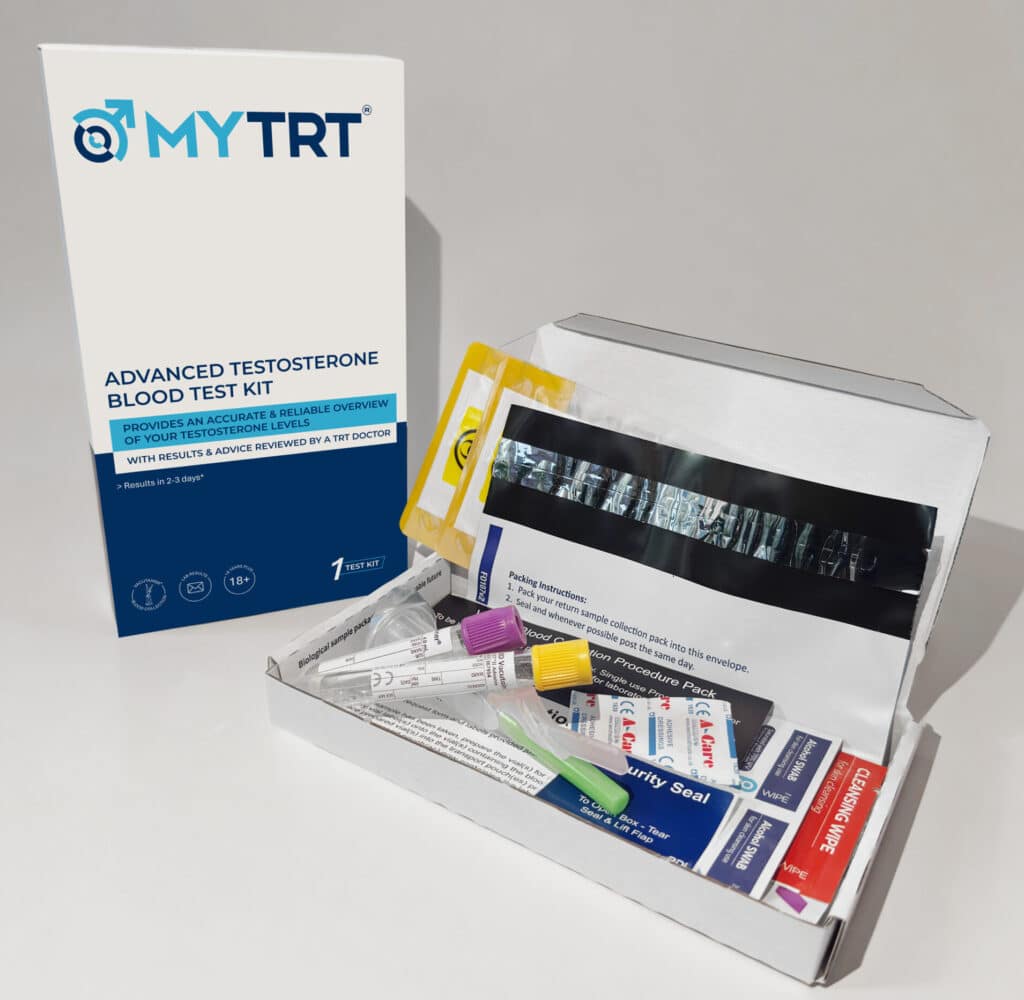
Advanced Testosterone Blood Test
Book a venous draw at a clinic £99.49
Book a venous draw at home with a nurse £109.49
 General health check
Potential Side Effects of TRT Gel
Like all medical treatments, testosterone replacement gel carries the potential for side effects. The most common issue specific to transdermal application is skin irritation at the application site. This can present as redness, itching, or a mild rash, often caused by the alcohol base in the formulation. Rotating the application sites, as recommended for products like Tostran, can help minimise this issue. If irritation persists, your doctor may suggest switching to a different brand or delivery method.
Systemic TRT side effects are also possible, regardless of the delivery method. These can include an increase in red blood cell count, which thickens the blood and can increase cardiovascular risk if left unmanaged. Regular blood tests are required to monitor your haematocrit levels. Other potential side effects include fluid retention, worsening of sleep apnoea, and changes in lipid profiles. Some men may also experience an increase in oestrogen levels due to the aromatisation of testosterone, which can lead to breast tissue enlargement (gynaecomastia) or mood changes. Close monitoring by a qualified clinician ensures these risks are managed effectively.
It is crucial to report any new or worsening symptoms to your doctor promptly. Many side effects can be mitigated by adjusting your dose or altering your treatment plan. For example, if your haematocrit levels rise too high, your doctor may recommend a dose reduction or therapeutic phlebotomy (blood donation). Open communication with your healthcare provider is essential for maintaining your health and well-being while on TRT.
How to Get Testosterone Gel on Prescription in the UK
Testosterone is a controlled substance in the UK, classified as a Class C drug under the Misuse of Drugs Act 1971. It is a prescription-only medicine, meaning it is illegal to supply or sell it without a valid prescription from a registered medical professional. To obtain testosterone gel legally, you must undergo a thorough medical evaluation. This process begins with comprehensive blood testing to confirm a clinical deficiency. Two separate fasting blood tests, taken in the morning, are typically required to establish a diagnosis of hypogonadism[6].
Once a deficiency is confirmed, you will consult with a doctor who specialises in hormone therapy. They will review your symptoms, medical history, and blood test results to determine if TRT is appropriate for you. If prescribed, the medication will be dispensed by a registered pharmacy. Attempting to source testosterone gels from unregulated online suppliers is dangerous. These products are often counterfeit, contaminated, or incorrectly dosed, posing severe risks to your health. Always follow the legal, medically supervised pathway to ensure your treatment is safe and effective. You can learn more about how to get TRT in the UK through our dedicated guide.
The process of obtaining a prescription also involves a detailed discussion of the potential risks and benefits of therapy. Your doctor will explain the commitment required for long-term treatment and the necessity of regular monitoring. This informed consent process is a critical component of ethical medical practice, ensuring that you are fully aware of what TRT entails before beginning treatment.
Monitoring and Adjusting Your Dose
Starting on a testosterone replacement therapy gel is not a set-and-forget process. Because absorption rates vary so widely between individuals, regular monitoring is essential to ensure your dose is both safe and effective. In clinic, we typically schedule the first follow-up blood test four to six weeks after you begin treatment. This test measures your serum testosterone, ooestradiol, and haematocrit levels, among other markers. The timing of the blood draw is important; it is usually recommended to have the test done two to four hours after applying the gel to capture the peak absorption phase.
Based on these results and your reported symptom relief, your doctor may adjust your dose. If your levels remain sub-optimal, the daily amount of gel may be increased. Conversely, if your levels are too high or if you are experiencing side effects, the dose will be reduced. This careful titration process ensures that your testosterone levels are maintained within the healthy physiological range, maximising the benefits of the therapy while minimising potential risks. Ongoing monitoring is typically required every three to six months once your dose is stabilised.
It is important to remember that clinical numbers are only part of the picture. Your subjective experience—how you feel, your energy levels, and your overall quality of life—is equally important. During your follow-up consultations, your doctor will ask detailed questions about your symptoms to ensure the treatment is meeting your clinical goals. This comprehensive approach to monitoring ensures that your TRT plan is tailored to your specific needs and circumstances.
The Role of Lifestyle in TRT Success
While testosterone gel can effectively restore hormone levels, it is most successful when combined with healthy lifestyle choices. Diet, exercise, and sleep all play significant roles in how your body responds to therapy. A balanced diet rich in essential nutrients supports overall endocrine health and can help manage potential side effects like weight gain or lipid changes. Regular physical activity, particularly resistance training, can enhance the muscle-building and fat-loss benefits of TRT.
Adequate sleep is also crucial. Poor sleep quality can negatively impact hormone production and exacerbate symptoms of fatigue and low mood. Addressing underlying issues such as sleep apnoea—which can sometimes be worsened by TRT—is an important part of comprehensive care. By adopting a proactive approach to your health, you can maximise the benefits of your testosterone replacement therapy and improve your overall well-being.
Managing stress levels is vital. Chronic stress raises cortisol, which can interfere with testosterone function and diminish the positive effects of your treatment. Incorporating stress-reduction techniques, such as mindfulness or regular relaxation, can support your body’s response to TRT. Your doctor can provide guidance on lifestyle modifications that complement your medical treatment, ensuring a comprehensive approach to your health.
References
- BSSM — British Society for Sexual Medicine, Guidelines on Male Adult Testosterone Deficiency, with Statements for Practice (2023). ↩
- NHS — The ‘male menopause’. ↩
- eMC — Testogel 16.2 mg/g gel Summary of Product Characteristics. ↩
- eMC — Tostran 2% Gel Summary of Product Characteristics. ↩
- eMC — Testavan 20 mg/g transdermal gel Summary of Product Characteristics. ↩
- Endocrine Society — Testosterone Therapy in Men With Hypogonadism: An Endocrine Society Clinical Practice Guideline. ↩