Medical Summary
The market for testosterone boosters, supplements, and pills is vast, but clinical evidence supporting their efficacy is limited. While certain ingredients like vitamin D, zinc, and magnesium can correct underlying deficiencies that suppress natural hormone production, no over-the-counter supplement can cure clinical hypogonadism (low testosterone). Many commercial testosterone boosters rely on ingredients such as D-aspartic acid, ashwagandha, fenugreek, and tribulus terrestris, which may offer mild, temporary increases in testosterone or improvements in libido, but they do not provide the sustained physiological levels required to treat a true deficiency. In the UK, supplements are regulated as foods by the MHRA, meaning they do not undergo the rigorous clinical trials required for licensed medicines. For men experiencing symptoms of low testosterone, the clinical consensus is clear: relying on unproven testosterone tablets for men delays proper diagnosis. The correct pathway is to undergo a comprehensive blood test to measure free and total testosterone levels, followed by evidence-based treatment if a clinical deficiency is identified.
MYTRT treatment eligibility
MYTRT treats men only when they have compatible symptoms and meet both biochemical limits: total testosterone of 15 nmol/L or below, and free testosterone of 0.35 nmol/L or below.
What Are Testosterone Boosters and Supplements?
Testosterone boosters are over-the-counter products designed to increase natural hormone levels. They are typically sold as testosterone tablets, pills, or powders, and are heavily marketed towards men seeking to improve muscle mass, energy, and libido. Unlike testosterone replacement therapy (TRT), which provides exogenous hormones to replace what the body is not producing, a testosterone supplement aims to stimulate the body’s own production pathways.
In clinic we typically see men who have spent hundreds of pounds on these products before seeking medical advice. The appeal is understandable. A testosterone booster supplement promises a quick fix without the need for blood tests or prescriptions. However, the reality is that the ingredients in these products vary wildly in quality and clinical backing. Some contain essential vitamins and minerals that support general endocrine health, while others rely on herbal extracts with little to no robust scientific evidence.
The fundamental issue with most testosterone supplements for men is that they target a symptom rather than the underlying cause. If a man has a genuine medical condition preventing his testes from producing adequate testosterone, a herbal blend will not restart that production. It is crucial to distinguish between a mild, lifestyle-induced dip in hormones and a clinical deficiency that requires medical intervention.
Common Ingredients in Testosterone Tablets for Men
When evaluating any testosterone booster for men, it is essential to look past the marketing claims and examine the active ingredients. The supplement industry frequently uses proprietary blends, which obscure the exact dosages of individual components. Below is a clinical review of the most common compounds found in these supplements and what the scientific literature actually says about their efficacy.
D-Aspartic Acid (DAA)
D-aspartic acid is an amino acid involved in the synthesis and release of testosterone. It is a staple in many testosterone pills due to early studies showing promise. Some short-term research suggests it can temporarily increase testosterone levels in men with low baseline levels or those who are inactive[1]. The mechanism involves stimulating the release of luteinising hormone (LH), which signals the testes to produce more testosterone.
However, research indicates that these effects are transient, often returning to baseline within a few weeks. The body appears to adapt rapidly to the increased DAA, negating any long-term benefit. In healthy, resistance-trained men, DAA has not been shown to significantly increase free or total testosterone[2]. Therefore, while it may offer a brief spike, it is not a viable long-term solution for men suffering from clinical hypogonadism.
Ashwagandha
Ashwagandha is an adaptogenic herb traditionally used in Ayurvedic medicine. It has gained immense popularity in recent years as a testosterone support supplement. Clinical trials have demonstrated that ashwagandha root extract can reduce cortisol levels, which in turn may help support healthy testosterone production, particularly in stressed individuals[3]. High cortisol, the primary stress hormone, is known to suppress testosterone synthesis.
By mitigating the physiological impact of stress, ashwagandha creates a more favourable environment for hormone production. While it may offer mild benefits for stress-related hormonal imbalances, it is not a substitute for medical treatment in cases of clinical hypogonadism. It acts indirectly, and its effects are most pronounced in men whose testosterone is suppressed by chronic stress rather than a primary testicular failure.
Fenugreek
Fenugreek extract is a frequent addition to testosterone pills. It is a herb that has been used for centuries in alternative medicine. Some studies suggest it can improve libido and sexual function, likely by inhibiting the enzymes that convert testosterone into oestrogen and dihydrotestosterone (DHT)[4]. By slowing down this conversion process, fenugreek may help maintain slightly higher levels of free testosterone in the bloodstream.
While this may result in a slight increase in free testosterone, the clinical significance for men with severe deficiency remains negligible. The improvements in libido reported by users are often independent of any substantial rise in actual testosterone levels. It can be a useful addition for general vitality, but it falls short as a primary treatment for low testosterone.
Zinc and Magnesium
Zinc and magnesium are essential minerals crucial for testosterone synthesis. A deficiency in either can lead to lowered hormone levels. Supplementing with zinc has been shown to increase testosterone in zinc-deficient men[5]. Zinc plays a vital role in modulating serum testosterone levels, and severe deficiency is a known cause of hypogonadism.
Similarly, magnesium supplementation can increase free and total testosterone values in both sedentary individuals and athletes[6]. Magnesium makes testosterone more bioavailable by reducing the binding of testosterone to sex hormone-binding globulin (SHBG). However, if your levels of these minerals are already optimal, taking more will not push your testosterone beyond its natural physiological limit. They are correctors of deficiency, not enhancers of normal function.
Vitamin D
Vitamin D functions more like a hormone than a vitamin and is vital for male reproductive health. Men with sufficient vitamin D levels tend to have significantly higher testosterone levels than those who are deficient[7]. The vitamin D receptor is present in the testes, indicating its direct role in steroidogenesis.
Given the lack of sunlight in the UK during winter months, vitamin D is a sensible testosterone support supplement for general health. Public Health England recommends that everyone consider taking a daily vitamin D supplement during the autumn and winter. While correcting a severe deficiency can lead to a noticeable improvement in testosterone levels, it will not cure established hypogonadism.
Tribulus Terrestris
Despite its popularity in the bodybuilding community, the evidence supporting Tribulus terrestris as a testosterone booster is incredibly weak. It is often marketed aggressively as a potent muscle builder and hormone enhancer. However, rigorous clinical trials have repeatedly shown that it does not increase testosterone levels in humans, though it may have a mild effect on libido[8].
The perceived benefits of Tribulus are largely anecdotal or derived from animal studies that do not translate to human physiology. Relying on this herb to treat low testosterone is a common mistake that delays effective medical intervention.
Why Testosterone Supplements Cannot Fix Clinical Hypogonadism
Clinical hypogonadism is a medical condition where the testes fail to produce adequate levels of testosterone, either due to primary testicular failure or secondary issues within the hypothalamic-pituitary-gonadal axis. This is a complex physiological failure that cannot be reversed by over-the-counter testosterone supplements for men. The body’s intricate feedback loops are often disrupted, requiring precise medical management.
When a patient presents with symptoms such as profound fatigue, loss of morning erections, and depressive moods, the underlying cause requires precise medical intervention. Testosterone replacement therapy involves the administration of bioidentical hormones to restore levels to a healthy physiological range. In contrast, a testosterone booster relies on the body’s existing, often compromised, machinery to produce more hormone. If the machinery is broken, no amount of herbal extract will fix it.
Additionally, the symptoms of low testosterone can mimic other serious health conditions. By self-medicating with a trt supplement, men risk ignoring potentially significant medical issues such as pituitary adenomas, severe sleep apnoea, or metabolic syndrome. A proper medical evaluation is non-negotiable for anyone experiencing persistent symptoms.
UK Regulation: Supplements vs Medicines
Understanding the regulatory environment in the UK is crucial when considering these products. Testosterone pills and powders are classified as food supplements, not medicines. This means they fall under the remit of the Food Standards Agency (FSA) and trading standards, rather than the strict licensing requirements of the Medicines and Healthcare products Regulatory Agency (MHRA)[9].
Because they are not licensed medicines, manufacturers of testosterone boosters do not have to prove clinical efficacy before bringing a product to market. They only need to ensure the product is safe for consumption and accurately labelled. This regulatory gap allows for aggressive marketing claims based on weak or preliminary in-vitro studies. Companies often use terms like “clinically studied ingredients” without mentioning that the studies were conducted on rats or involved dosages far higher than what is in the bottle.
Conversely, prescribed TRT medications undergo years of rigorous clinical trials to prove both safety and efficacy before they can be prescribed by a doctor. The MHRA ensures that every batch of a licensed medicine meets strict quality control standards, guaranteeing that the patient receives exactly what is stated on the label. This level of assurance is entirely absent in the supplement industry.
Comparing Boosters and Medical Treatment
To clarify the differences between over-the-counter options and clinical treatment, we have outlined the key distinctions below. This comparison highlights why medical intervention is the only reliable path for men with true hypogonadism.
| Feature | Testosterone Boosters | Testosterone Replacement Therapy (TRT) |
|---|---|---|
| Regulation | Food supplement (FSA) | Licensed medicine (MHRA) |
| Mechanism | Attempts to stimulate natural production | Replaces deficient hormones directly |
| Clinical Evidence | Weak to moderate (ingredient dependent) | Strong, robust clinical consensus |
| Suitability | Mild support for healthy men | Treatment for clinical hypogonadism |
| Monitoring | None required | Strict blood test monitoring |
The Proper Pathway: Test Before You Supplement
If you are experiencing symptoms of low testosterone, guessing your hormone levels and self-medicating with a testosterone booster is an inefficient and often costly approach. The symptoms of low testosterone—such as fatigue, weight gain, and low mood—overlap significantly with other conditions like thyroid dysfunction, vitamin deficiencies, and depression. Without objective data, you are simply shooting in the dark.
The only definitive way to know if you have low testosterone is through a comprehensive blood test. A proper diagnostic panel will measure not just total testosterone, but also free testosterone, sex hormone-binding globulin (SHBG), ooestradiol, prolactin, and luteinising hormone (LH). This detailed picture allows a doctor to pinpoint the exact cause of your symptoms and recommend an appropriate course of action.
Testosterone Blood Test Kit
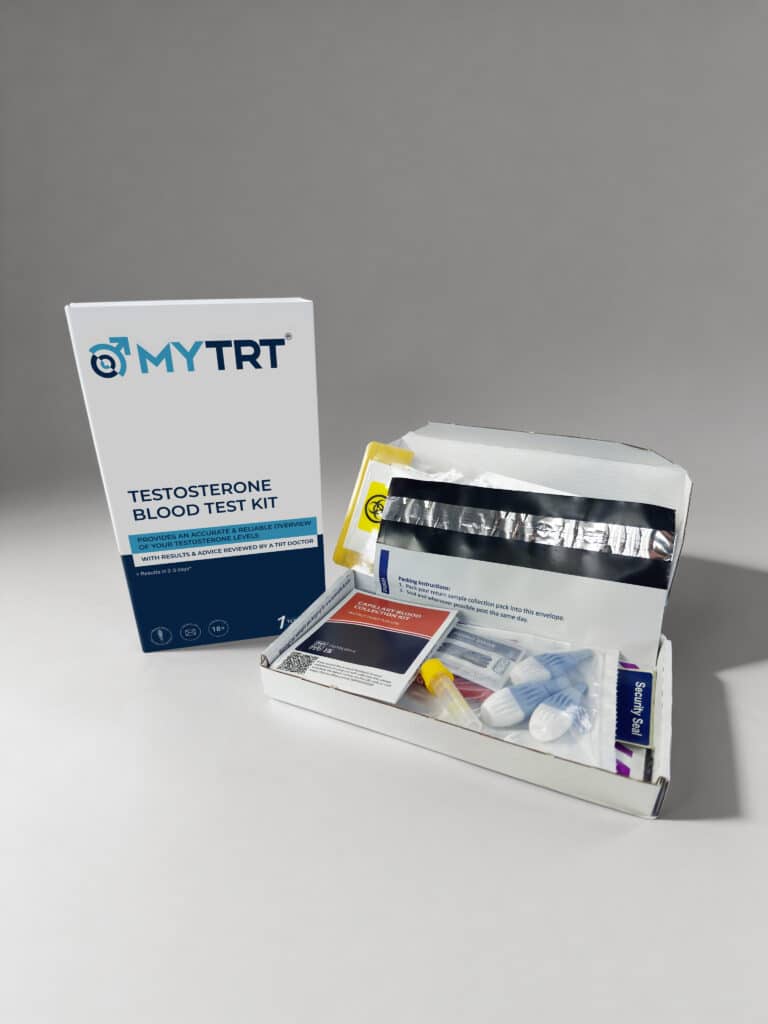
If this test showed you have low testosterone, the Advanced Testosterone Blood Test will assess your suitability for TRT.
Once you have your results, you can make an informed decision. If your levels are borderline and you have lifestyle factors to address, targeted supplementation with vitamin D or zinc might be appropriate alongside diet and exercise changes. You can read more about natural methods in our guide on how to increase testosterone. However, if your results indicate clinical hypogonadism, you can proceed directly to discussing evidence-based treatment options with a specialist.
It is also important to understand that taking a testosterone booster supplement before a blood test can skew the results. Some ingredients may temporarily alter your hormone profile, making it difficult for a clinician to accurately assess your baseline function. Always test first, in a fasted state, before introducing any new supplements into your routine.
Are There Any Risks to Taking Testosterone Pills?
While most over-the-counter testosterone supplements are generally safe when taken at the recommended dosages, they are not entirely without risk. High doses of certain vitamins and minerals can cause adverse effects. For example, excessive zinc intake can lead to copper deficiency and neurological issues, while too much vitamin D can cause hypercalcaemia (high calcium levels in the blood)[10]. It is a common misconception that natural supplements are inherently harmless.
In addition, the supplement industry has historically struggled with contamination. Some products marketed as testosterone boosters have been found to contain undeclared anabolic steroids or other banned substances, posing significant health risks and potential legal issues for competitive athletes. The lack of stringent regulatory oversight means that what is on the label is not always what is in the bottle. Always ensure that any supplement you purchase is from a reputable source and ideally third-party tested.
Another significant risk is the financial cost and the delay in seeking proper medical care. Men often spend hundreds of pounds on ineffective testosterone tablets for men over several months or years. During this time, they continue to suffer from the debilitating symptoms of low testosterone, which can impact their career, relationships, and overall quality of life. Early diagnosis and treatment are crucial for optimal outcomes.
Making an Informed Decision on Testosterone Support
Patients often ask us if there is a “best” testosterone booster on the market. The truth is that no single product will work miracles. If you are looking for the best testosterone booster in the UK, you should focus on products that contain clinically studied ingredients like vitamin D, zinc, and magnesium, rather than proprietary blends of obscure herbs. These foundational nutrients support overall endocrine health without making unfounded promises.
It is crucial to manage your expectations. A supplement may help optimise your natural production if you have a specific nutritional deficiency, but it will not transform your physique or cure a medical condition. The marketing surrounding these products is designed to exploit the insecurities of men experiencing a decline in vitality. Recognising the limitations of these supplements is the first step towards taking control of your health.
For men with genuine hypogonadism, the time and money spent on unproven supplements would be better invested in proper diagnostics and medical care. A structured, medically supervised approach ensures that you receive safe, effective treatment tailored to your specific physiological needs. Do not let the allure of a quick fix deter you from seeking the professional help required to restore your well-being.
Advanced Testosterone Blood Test
Book a venous draw at a clinic £99.49
Book a venous draw at home with a nurse £109.49
 General health check
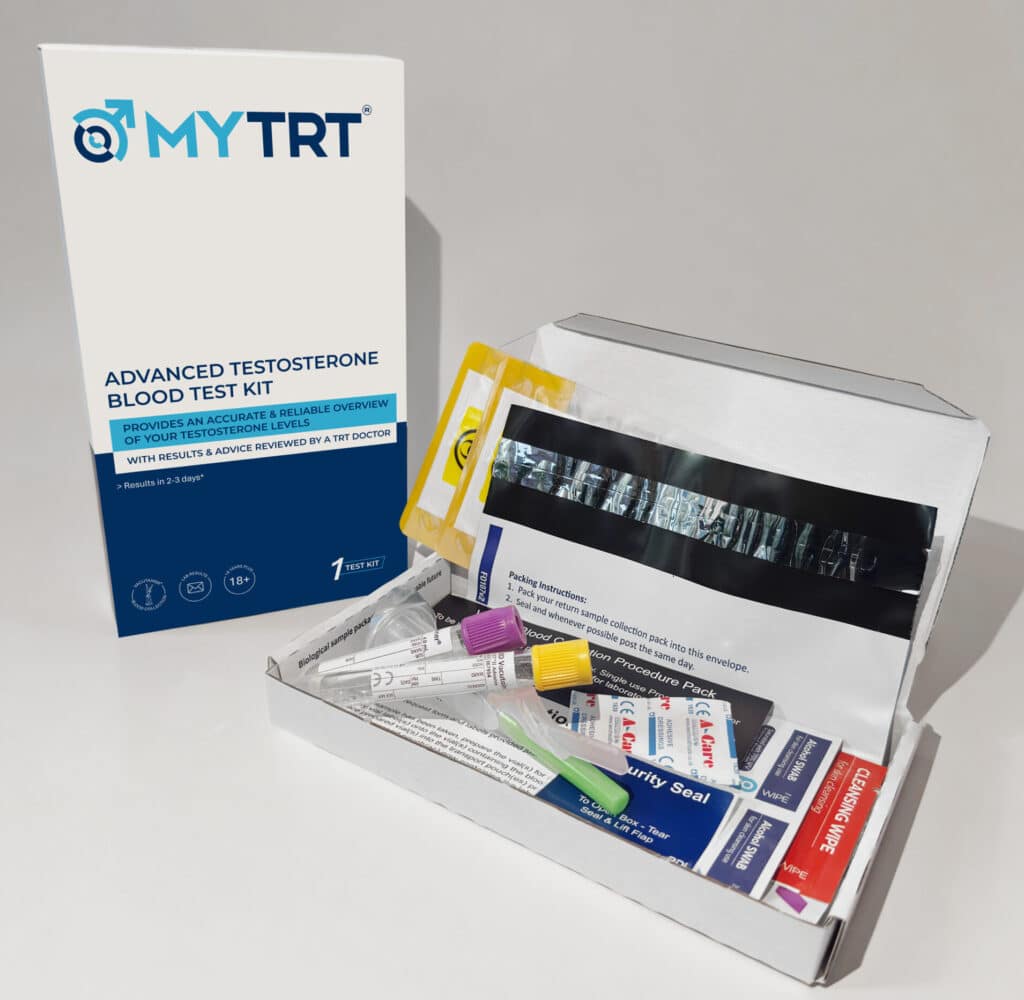
Before spending anything on supplements, confirm where your levels actually sit. A home testosterone blood test gives you a lab-analysed baseline, and if results come back low you can review treatment options through our UK TRT pathway with a GMC-registered doctor.
References
- PubMed — The role and molecular mechanism of D-aspartic acid in the release and synthesis of LH and testosterone in humans and rats. ↩
- PubMed — D-aspartic acid supplementation combined with 28 days of heavy resistance training has no effect on body composition, muscle strength, and serum hormones associated with the hypothalamo-pituitary-gonadal axis in resistance-trained men. ↩
- PubMed — A Randomized, Double-Blind, Placebo-Controlled, Crossover Study Examining the Hormonal and Vitality Effects of Ashwagandha (Withania somnifera) in Aging, Overweight Males. ↩
- PubMed — Physiological aspects of male libido enhanced by standardized Trigonella foenum-graecum extract and mineral formulation. ↩
- PubMed — Zinc status and serum testosterone levels of healthy adults. ↩
- PubMed — Effects of magnesium supplementation on testosterone levels of athletes and sedentary subjects at rest and after exhaustion. ↩
- PubMed — Effect of vitamin D supplementation on testosterone levels in men. ↩
- PubMed — Tribulus terrestris for treatment of sexual dysfunction in women: randomized double-blind placebo – controlled study. ↩
- GOV.UK — Food supplements and health claims. ↩
- NHS — Vitamin D. ↩