
Medical Summary
Testosterone injections are a highly effective and widely prescribed method of testosterone replacement therapy (TRT) for men diagnosed with clinical testosterone deficiency. In the UK, the primary licensed injectable preparations include long-acting testosterone undecanoate (Nebido), mixed testosterone esters (Sustanon 250), and testosterone enantate. These medications are administered either intramuscularly or subcutaneously to restore serum testosterone levels to the normal physiological range, typically between 15 and 30 nmol/L.[1]
MYTRT treatment eligibility
MYTRT treats men only when they have compatible symptoms and meet both biochemical limits: total testosterone of 15 nmol/L or below, and free testosterone of 0.35 nmol/L or below.
The choice of preparation dictates the injection frequency, ranging from every few days for shorter-acting esters to every 10 to 14 weeks for long-acting formulations. Injectable TRT offers the advantage of precise dosing and avoids the risk of transference associated with topical gels. However, shorter-acting preparations can cause fluctuations in serum testosterone levels, sometimes leading to variations in mood and energy. Regular monitoring of testosterone, haematocrit, and prostate-specific antigen (PSA) is essential to ensure efficacy and mitigate potential side effects.[2]
Understanding Testosterone Injections for Men
For men experiencing the debilitating symptoms of low testosterone, injectable therapy remains a cornerstone of treatment. A testosterone injection delivers the hormone directly into the body, bypassing the digestive system and skin barrier. This ensures complete absorption and allows for precise control over the dosage administered. In clinic we typically see patients who prefer injections because they do not have to worry about the daily application required by a testosterone gel or the risk of transferring the medication to partners or children.
The primary goal of a TRT injection is to mimic the body’s natural production of testosterone as closely as possible. Different formulations achieve this in various ways, primarily determined by the ester attached to the testosterone molecule. The ester controls how quickly the hormone is released into the bloodstream after administration. Understanding these differences is crucial for selecting the most appropriate treatment plan tailored to individual needs and lifestyle.
When a man’s endogenous production falls below the healthy threshold, the physiological consequences can be profound, affecting everything from cognitive function to cardiovascular health. Injectable testosterone provides a reliable mechanism to correct this deficit. By introducing exogenous testosterone directly into the tissues, clinicians can reliably restore serum concentrations back into the optimal range. This direct route of administration is particularly beneficial for patients who may have issues with transdermal absorption or who require higher doses to achieve symptomatic relief.
Additionally, the psychological impact of transitioning to injectable therapy should not be underestimated. For many men, the act of administering a testosterone jab becomes a routine part of managing their health, much like a diabetic managing insulin. It requires a degree of commitment and education, but the resulting improvements in quality of life often far outweigh the initial apprehension associated with needles. The predictability of the pharmacokinetic profiles of various injectable esters allows for a highly individualised approach to treatment, ensuring that each patient receives a regimen suited to their specific physiological requirements.
Types of Injectable Testosterone in the UK
In the UK, several types of injectable testosterone are licensed and commonly prescribed. They are broadly categorised into short-acting and long-acting preparations. The choice depends on patient preference, clinical response, and the desired frequency of administration. Each formulation has distinct characteristics that influence how it is used in clinical practice.
Testosterone Undecanoate (Nebido)
Testosterone undecanoate, commonly known by the brand name Nebido, is a long-acting preparation. It is typically administered as a deep intramuscular injection every 10 to 14 weeks, following an initial loading dose at six weeks.[3] This infrequent dosing schedule makes it a popular choice for men who prefer not to inject frequently. Because it releases slowly over a prolonged period, Nebido provides relatively stable serum testosterone levels, minimising the peaks and troughs often associated with shorter-acting esters.
The large volume of the Nebido injection, typically 4ml, necessitates a slow administration technique to minimise discomfort. It is almost exclusively administered by a healthcare professional in a clinical setting. The slow release mechanism is achieved through the esterification of testosterone with undecanoic acid, which creates a highly lipophilic compound that forms a depot in the muscle tissue. From this depot, the testosterone is gradually released into the systemic circulation, providing a sustained therapeutic effect that can last for several months.
Sustanon 250
Sustanon 250 is a blend of four different testosterone esters: propionate, phenylpropionate, isocaproate, and decanoate. This combination is designed to provide both an immediate release of testosterone and a sustained release over several weeks. It is usually administered every three to four weeks. While effective, the varying release rates of the different esters can sometimes lead to more pronounced fluctuations in testosterone levels compared to single-ester preparations.[4]
The rationale behind the Sustanon formulation was to create a product that offered rapid onset of action alongside prolonged duration. The propionate and phenylpropionate esters are cleaved quickly, providing an initial surge in serum testosterone, while the isocaproate and decanoate esters release more slowly, maintaining levels over the subsequent weeks. However, in modern clinical practice, this fluctuating profile is sometimes viewed as a disadvantage, as it can lead to corresponding fluctuations in mood and energy levels for some patients. Consequently, many clinicians now prefer single-ester preparations for more predictable pharmacokinetics.
Testosterone Enantate
Testosterone enantate is a medium-acting ester. It is typically injected every one to three weeks, depending on the individual’s response and the specific protocol prescribed. Testosterone enantate is often favoured for its predictable release profile, allowing for easier dose titration to achieve optimal serum levels. It can be administered intramuscularly or, increasingly, subcutaneously.
The enantate ester provides a steady release of testosterone, with peak levels typically occurring a few days after injection and gradually declining thereafter. This predictable pattern makes it relatively straightforward for clinicians to adjust the dosage and frequency to maintain levels within the target range. The flexibility of administration routes also adds to its appeal, as subcutaneous injection is often preferred by patients who self-administer due to its ease and reduced discomfort compared to intramuscular injections.
| Preparation | Ester Type | Typical Frequency | Administration Route |
|---|---|---|---|
| Nebido | Undecanoate (Long-acting) | Every 10-14 weeks | Deep Intramuscular |
| Sustanon 250 | Mixed (Short to Long-acting) | Every 3-4 weeks | Intramuscular |
| Testosterone Enantate | Enantate (Medium-acting) | Every 1-3 weeks | Intramuscular or Subcutaneous |
How a TRT Shot Works
When a TRT shot is administered, the testosterone ester forms a depot within the muscle or subcutaneous tissue. Enzymes in the body gradually cleave the ester bond, releasing free, active testosterone into the bloodstream. The rate of this cleavage determines the pharmacokinetics of the specific preparation. Short-acting esters are cleaved quickly, leading to a rapid spike in testosterone levels followed by a relatively swift decline. Long-acting esters are cleaved much more slowly, providing a steady release over weeks or months.
The objective is to maintain serum testosterone within the physiological reference range, which in the UK is generally considered to be between 15 and 30 nmol/L for men on replacement therapy. Achieving this balance requires careful monitoring and dose adjustment. If the dose is too high or administered too frequently, levels can exceed the normal range, increasing the risk of TRT side effects such as erythrocytosis (an increase in red blood cells). If the dose is too low, symptoms of deficiency may persist.
The process of ester cleavage is mediated by esterase enzymes present in the blood and tissues. The specific chemical structure of the ester dictates its affinity for these enzymes and, consequently, its half-life in the body. For instance, the long carbon chain of the undecanoate ester makes it highly lipophilic, meaning it dissolves readily in the oil vehicle of the injection and is released very slowly into the aqueous environment of the tissues. This slow release is what allows for the extended dosing intervals of preparations like Nebido.
Understanding the pharmacokinetics of different esters is essential for optimising TRT protocols. Clinicians must consider the peak and trough levels and the area under the curve (AUC), which represents the total exposure to testosterone over a given period. By carefully selecting the appropriate ester and adjusting the dose and frequency, it is possible to achieve a pharmacokinetic profile that closely mimics natural circadian rhythms, thereby maximising therapeutic benefits while minimising potential adverse effects.
Injection Sites and Techniques
Testosterone injections can be administered via two primary routes: intramuscular (IM) and subcutaneous (SubQ). The choice of route depends on the specific medication, the volume being injected, and patient preference. Proper technique is vital to ensure optimal absorption and minimise discomfort or complications.
Intramuscular Injections
Intramuscular injections deliver the medication deep into the muscle tissue, which has a rich blood supply, allowing for steady absorption. The most common sites for IM testosterone jabs are the gluteus maximus (buttocks), the vastus lateralis (thigh), and the deltoid (shoulder). Nebido, due to its large volume (4ml) and specific formulation, must be administered as a slow, deep IM injection, typically into the gluteal muscle, and is usually performed by a healthcare professional in a clinical setting.[5]
When performing an IM injection, it is important to use a needle of appropriate length to ensure the medication reaches the muscle tissue and is not inadvertently deposited in the subcutaneous fat. The Z-track method is often recommended to prevent the medication from leaking back along the needle track, which can cause irritation and reduce the effective dose. Rotating injection sites is also crucial to prevent the development of scar tissue or lipohypertrophy, which can impair absorption over time.
Subcutaneous Injections
Subcutaneous injections involve delivering the medication into the fatty tissue just beneath the skin. This route is increasingly popular for preparations like testosterone enantate, especially when administered in smaller, more frequent doses. The abdomen and the front of the thigh are common sites for SubQ injections. Many patients find SubQ injections less painful and easier to self-administer than IM injections. Studies have shown that SubQ administration can be just as effective as IM for maintaining stable testosterone levels.[6]
The SubQ route offers several advantages, particularly for patients on protocols requiring frequent administration. The use of smaller gauge needles reduces discomfort, and the technique is generally simpler to master than IM injection. Additionally, some evidence suggests that SubQ administration may result in a slower, more sustained release of testosterone, potentially reducing the magnitude of peaks and troughs compared to IM injection. However, Not all testosterone preparations are suitable for SubQ use, and patients should always follow the specific instructions provided by their prescribing clinician.
What to Expect from a Testosterone Booster Injection
It is crucial to clarify that medical TRT is not a “testosterone booster injection” in the colloquial sense of a quick fix or performance enhancer. It is a clinical treatment for a diagnosed medical condition. When starting injectable testosterone, patients should have realistic expectations regarding the timeline for symptom improvement. The physiological changes induced by TRT occur gradually and follow a predictable trajectory.
Some benefits, such as improvements in libido, mood, and energy levels, may become noticeable within a few weeks of initiating therapy. However, changes in body composition, such as increased muscle mass and decreased fat mass, typically take several months to become apparent. Maximum benefits for bone mineral density may take years to fully realise.[7] Patients often ask us how quickly they will feel better, and we always emphasise that TRT is a long-term commitment, not an overnight cure.
The initial phase of treatment often involves a period of adjustment as the body adapts to the exogenous hormone. During this time, clinicians will closely monitor serum levels and clinical response, titrating the dose as necessary to achieve optimal results. It is not uncommon for patients to experience minor fluctuations in symptoms during this titration phase. Open communication with the prescribing clinician is essential to ensure that any concerns are addressed promptly and that the treatment plan remains aligned with the patient’s goals.
Beyond the physical changes, many men report significant improvements in cognitive function and overall well-being. The restoration of normal testosterone levels can alleviate the brain fog and fatigue often associated with deficiency, leading to increased focus, motivation, and a renewed sense of vitality. These subjective improvements are often just as important to patients as the objective changes in body composition or metabolic markers, highlighting the comprehensive impact of effective TRT.
Managing Peaks and Troughs
One of the primary challenges with certain injectable testosterone preparations is the fluctuation in serum levels, often referred to as “peaks and troughs.” After an injection of a shorter-acting ester like Sustanon or enantate, testosterone levels peak within a few days and then gradually decline until the next injection. This fluctuation can sometimes manifest as variations in mood, energy, and libido, with some men reporting a “crash” in the days leading up to their next dose.
To mitigate this, clinicians may adjust the injection protocol. Administering smaller doses more frequently (e.g., twice weekly or every other day) can significantly smooth out these fluctuations, providing more stable serum levels and a more consistent clinical response. This approach is particularly well-suited to subcutaneous administration, which is generally better tolerated for frequent injections. By reducing the interval between doses, the magnitude of the peaks and troughs is minimised, resulting in a more physiological hormone profile.
The management of peaks and troughs is a critical aspect of optimising injectable TRT. While some men tolerate fluctuating levels without issue, others are highly sensitive to these variations. For those who experience significant symptoms during the trough phase, adjusting the injection frequency is often the most effective solution. This individualised approach ensures that each patient receives a regimen that maximises therapeutic benefits while minimising adverse effects.
In addition to adjusting frequency, clinicians may also consider switching to a different preparation if peaks and troughs remain problematic. For example, a patient experiencing significant fluctuations on Sustanon 250 might benefit from transitioning to a single-ester preparation like testosterone enantate, which offers a more predictable release profile. Alternatively, a long-acting preparation like Nebido may be considered for those who prefer infrequent dosing and stable levels, provided it is clinically appropriate.
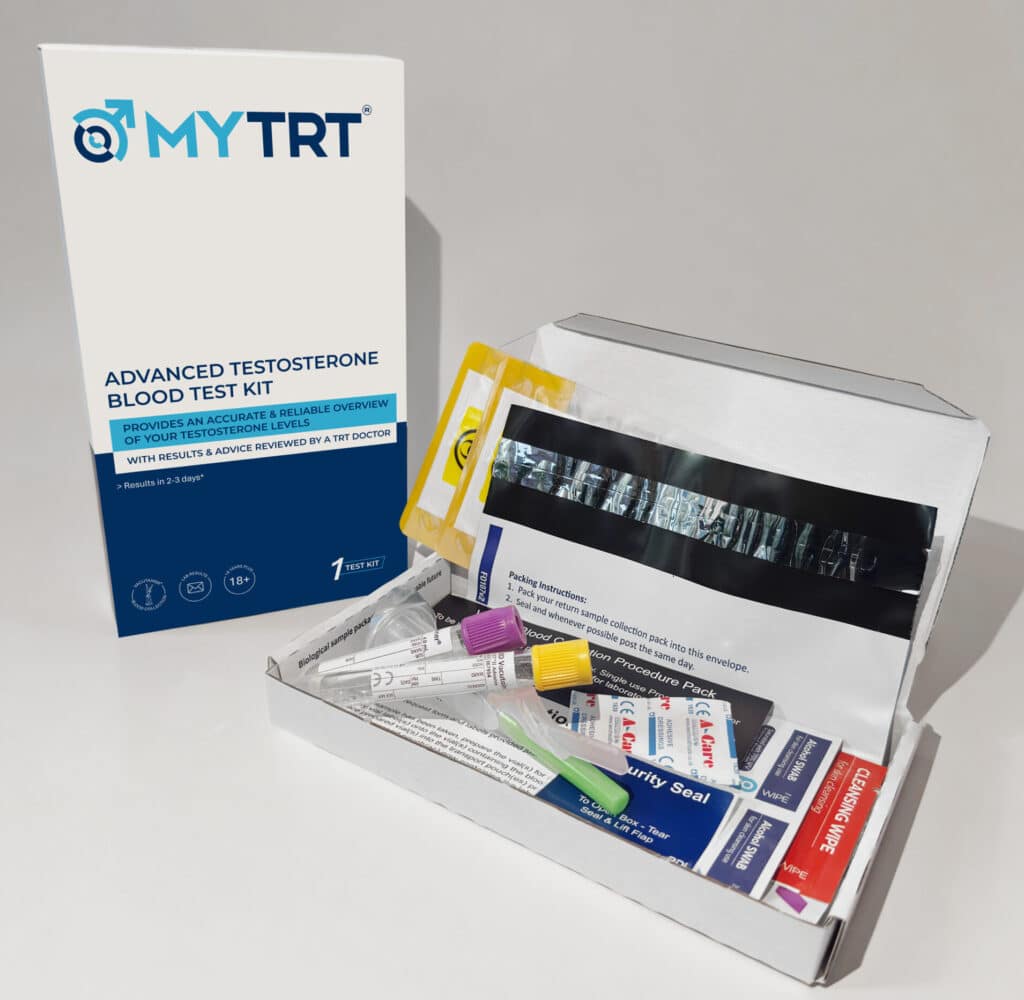
Advanced Testosterone Blood Test
Book a venous draw at a clinic £99.49
Book a venous draw at home with a nurse £109.49
 General health check
Monitoring and Safety of Testosterone Jabs
Regular monitoring is a mandatory component of any TRT protocol to ensure both efficacy and safety. Before commencing treatment, a comprehensive baseline assessment is required, including a full blood count, lipid profile, liver function tests, and a prostate-specific antigen (PSA) test. Once treatment begins, these parameters must be monitored periodically to detect any potential adverse effects early and adjust the treatment plan accordingly.
A key safety concern with testosterone jabs is erythrocytosis, an abnormal increase in red blood cells, which can increase the risk of cardiovascular events. Haematocrit levels must be checked regularly, and if they rise above acceptable limits, the TRT dose may need to be reduced, or therapeutic venesection (blood donation) may be required.[8] Prostate health is also closely monitored, as testosterone can stimulate the growth of existing prostate cancer, although TRT itself is not considered a cause of prostate cancer.
Monitoring also involves assessing the clinical response to treatment. This includes evaluating improvements in symptoms such as libido, energy levels, and mood, as well as monitoring for potential side effects like acne, fluid retention, or changes in sleep patterns. Regular consultations with a TRT specialist provide an opportunity to discuss these issues and make any necessary adjustments to the treatment protocol. This ongoing dialogue is essential for ensuring that the therapy remains safe, effective, and aligned with the patient’s needs.
Additionally, monitoring serum testosterone levels is crucial for ensuring that the dose is appropriate. Blood tests are typically timed to measure trough levels, which are the lowest levels reached just before the next injection. This provides a reliable indication of whether the current dose and frequency are sufficient to maintain levels within the target range. If trough levels are consistently low, the dose or frequency may need to be increased; conversely, if they are too high, a reduction may be necessary.
Self-Injection vs Clinic Administration
The method of administration depends largely on the specific preparation prescribed. Long-acting injections like Nebido are almost exclusively administered by a healthcare professional in a clinic setting due to the large volume and the requirement for a deep, slow intramuscular injection. This ensures the medication is delivered correctly and minimises the risk of complications. The clinical setting also provides an opportunity for regular review and monitoring by the healthcare team.
Conversely, shorter-acting preparations like testosterone enantate or Sustanon are often suitable for self-administration at home, following appropriate training by a medical professional. Self-injection offers greater convenience and flexibility, particularly for men on protocols requiring frequent dosing. Patients are taught proper hygiene, injection technique, and safe disposal of sharps to ensure the process is safe and effective. This empowerment allows patients to take an active role in managing their condition.
The decision between self-injection and clinic administration should be made collaboratively between the patient and the prescribing clinician. Factors to consider include the patient’s comfort level with needles, their ability to adhere to a regular injection schedule, and the specific requirements of the prescribed medication. For those who choose self-injection, ongoing support and guidance from the clinical team are essential to ensure that the technique remains correct and that any issues are addressed promptly.
It is also important to consider the logistical aspects of self-injection, such as the safe storage of medication and the disposal of used needles and syringes. Patients must be provided with appropriate sharps bins and instructed on how to dispose of them safely in accordance with local regulations. By addressing these practical considerations, clinicians can help ensure that self-injection is a safe, convenient, and effective option for managing testosterone deficiency.
The Legal Prescription Route in the UK
In the UK, testosterone is a controlled substance and can only be legally obtained with a prescription from a qualified medical practitioner. Attempting to source injectable testosterone from unregulated online suppliers or underground labs carries significant risks. These products are often counterfeit, contaminated, or incorrectly dosed, posing severe dangers to health. The legal prescription route ensures that patients receive safe, regulated medications that have been subject to rigorous quality control standards.
To access safe and legal TRT, men must undergo a thorough medical evaluation. This involves discussing symptoms, undergoing physical examinations, and completing comprehensive blood tests to confirm a diagnosis of testosterone deficiency. If you are considering treatment, understanding how to get TRT in the UK through legitimate channels is the first and most crucial step. A specialist clinic will guide you through the diagnostic process and, if appropriate, prescribe a tailored treatment plan using licensed medications.
The diagnostic process typically involves at least two separate blood tests, taken in the morning when testosterone levels are naturally highest, to confirm consistently low levels. These tests must also assess other relevant parameters, such as sex hormone-binding globulin (SHBG), luteinising hormone (LH), and follicle-stimulating hormone (FSH), to determine the underlying cause of the deficiency. This comprehensive approach ensures that TRT is only prescribed when clinically indicated and that any other potential health issues are identified and addressed.
Once a diagnosis is confirmed, the prescribing clinician will discuss the various treatment options available, including the different types of injectable testosterone. They will explain the potential benefits and risks of each option, helping the patient make an informed decision about their care. The legal prescription route also ensures that patients receive ongoing monitoring and support, which is essential for optimising treatment outcomes and minimising the risk of adverse effects.
Comparing Injectable TRT to Other Methods
When deciding on a treatment modality, it is helpful to compare injectable testosterone with other available options, primarily topical gels. While injections offer precise dosing and eliminate the risk of transference, they do involve needles and, depending on the preparation, can cause fluctuations in hormone levels. Gels, on the other hand, provide very stable daily levels but require daily application and careful management to avoid transferring the hormone to others.
The choice ultimately depends on individual preferences, lifestyle factors, and clinical considerations. Some men find the routine of a daily gel application tedious, while others are averse to needles. A thorough discussion with a TRT specialist will help determine the most suitable approach. Regardless of the method chosen, the fundamental goal remains the same: to safely and effectively restore testosterone levels and alleviate the symptoms of deficiency. For a broader understanding of the condition, reading about what TRT is can provide valuable context.
Another factor to consider is the cost of treatment. The price of injectable testosterone can vary depending on the specific preparation and the frequency of administration. In some cases, long-acting injections like Nebido may be more cost-effective over the long term, despite the higher initial cost per dose. However, this must be weighed against the potential inconvenience of attending a clinic for administration. Patients should discuss the financial implications of different treatment options with their clinician to ensure they choose a plan that is both clinically appropriate and affordable.
Ultimately, the most effective TRT modality is the one that the patient can adhere to consistently and that provides the best clinical response with the fewest side effects. Regular review and open communication with the prescribing clinician are essential for ensuring that the chosen treatment plan remains optimal. If a patient experiences issues with their current modality, such as unacceptable side effects or inadequate symptom relief, their clinician can explore alternative options, such as switching from a gel to an injection or changing the type of injectable preparation.
References
- British Society for Sexual Medicine — British Society for Sexual Medicine, Guidelines on Male Adult Testosterone Deficiency, with Statements for Practice (2023). ↩
- National Institute for Health and Care Excellence — British Society for Sexual Medicine, Guidelines on Male Adult Testosterone Deficiency, with Statements for Practice (2023). ↩
- electronic medicines compendium (eMC) — Nebido 1000mg/4ml, solution for injection. ↩
- electronic medicines compendium (eMC) — Sustanon 250, 250 mg/ml solution for injection. ↩
- NHS — Testosterone. ↩
- National Centre for Biotechnology Information — Subcutaneous Administration of Testosterone. ↩
- Endocrine Society — Testosterone Therapy in Men With Hypogonadism. ↩
- Mayo Clinic — Testosterone therapy: Potential benefits and risks as you age. ↩