Medical Summary
Testosterone is a critical androgenic hormone that regulates numerous physiological processes in men. Optimal testosterone levels are associated with significant improvements in body composition, bone mineral density, sexual function, and cognitive performance. Clinical evidence indicates that maintaining healthy testosterone levels, either naturally or through targeted therapy, can reduce the risk of metabolic syndrome and cardiovascular events. The timeline for experiencing these benefits varies, with sexual and psychological improvements typically manifesting within weeks, while structural changes to bone and muscle require several months of sustained optimal levels.[1][3][4][5][6]
Understanding the Benefits of Testosterone
When you think about the benefits of testosterone, your mind might immediately jump to building muscle or boosting libido. While those are certainly key factors, the reality is far more comprehensive. Testosterone acts as a master regulator in the male body, influencing everything from how your brain processes information to how your heart functions. The benefits of high testosterone extend deep into your cellular biology, dictating how efficiently you metabolise food, how quickly you recover from stress, and how resilient your skeletal structure remains as you age.
It is essential to distinguish between the benefits of maintaining natural optimal levels and the benefits of taking testosterone through replacement therapy. For men with healthy, naturally occurring levels, the hormone works quietly in the background to maintain vitality, strength, and mental sharpness. You might not notice it when it is working perfectly, but its presence is the foundation of male health. However, for men suffering from a clinical deficiency, restoring these levels through therapy can feel like a profound transformation, alleviating symptoms of fatigue, depression, and physical decline. To understand the baseline function of this hormone, you can read more about what testosterone does in the body.
The benefits of increased testosterone are not isolated to one specific system. They are systemic, meaning an improvement in one area often cascades into improvements in others. For example, when optimal testosterone levels help you build more muscle, that muscle increases your metabolic rate, which in turn helps you burn fat more efficiently. This reduction in fat improves your cardiovascular health, which then supports better blood flow for erectile function. It is a highly interconnected web of physiological advantages.
Body Composition: Muscle, Fat, and Metabolism
One of the most visible benefits of high testosterone is its profound impact on body composition. Testosterone is highly anabolic, meaning it promotes the growth and repair of tissues, particularly skeletal muscle. If you have ever wondered why men naturally carry more muscle mass and less body fat than women, testosterone is the primary reason.
Lean Muscle Mass Development
Testosterone binds directly to androgen receptors located within muscle tissue. Once bound, it stimulates protein synthesis, which is the biological process of building new muscle proteins. It also inhibits protein breakdown, ensuring that the muscle you build stays with you. This is why men with optimal levels find it significantly easier to build and maintain lean muscle mass compared to those with lower levels. The benefits of increased testosterone are particularly noticeable when combined with resistance training, as the hormone enhances the body’s ability to recover and adapt to physical stress. You can push harder in the gym, recover faster between sessions, and see more substantial results from your efforts.
Furthermore, testosterone increases the number of satellite cells in muscle tissue. These cells are crucial for muscle repair and hypertrophy (growth). When muscle fibres are damaged during exercise, satellite cells fuse with the existing fibres to repair them, making them thicker and stronger. Optimal testosterone levels ensure a robust supply of these satellite cells, maximising your physical potential.
Fat Reduction and Distribution
Beyond building muscle, testosterone plays a critical role in fat metabolism. It actively inhibits the creation of new fat cells (adipogenesis) and promotes the breakdown of existing fat stores (lipolysis). Men with healthy testosterone levels typically have a lower overall body fat percentage and are much less prone to accumulating visceral fat. Visceral fat is the dangerous, metabolically active fat stored deep within the abdomen, surrounding internal organs like the liver and intestines. This type of fat is strongly linked to insulin resistance, type 2 diabetes, and cardiovascular disease.
By reducing central adiposity, the benefits of higher testosterone extend far beyond aesthetics. It actively protects your metabolic health. When testosterone levels decline, men often notice a shift in fat distribution, with more fat accumulating around the midsection. Restoring optimal levels helps reverse this trend, promoting a leaner, healthier physique.
Metabolic Rate and Insulin Sensitivity
Because muscle tissue is highly metabolically active, the increase in lean mass driven by testosterone naturally elevates your resting metabolic rate. This means you burn more calories even when you are sitting at a desk or sleeping, creating a positive feedback loop that helps maintain a healthy weight and optimal body composition.
Additionally, optimal testosterone levels improve insulin sensitivity. Insulin is the hormone responsible for shuttling glucose (sugar) from your bloodstream into your cells for energy. When you are insulin sensitive, your body requires less insulin to manage blood sugar levels. When testosterone is low, men often become insulin resistant, leading to higher blood sugar, increased fat storage, and a higher risk of metabolic syndrome. The metabolic benefits of testosterone are therefore a cornerstone of long-term health.
Testosterone Blood Test Kit
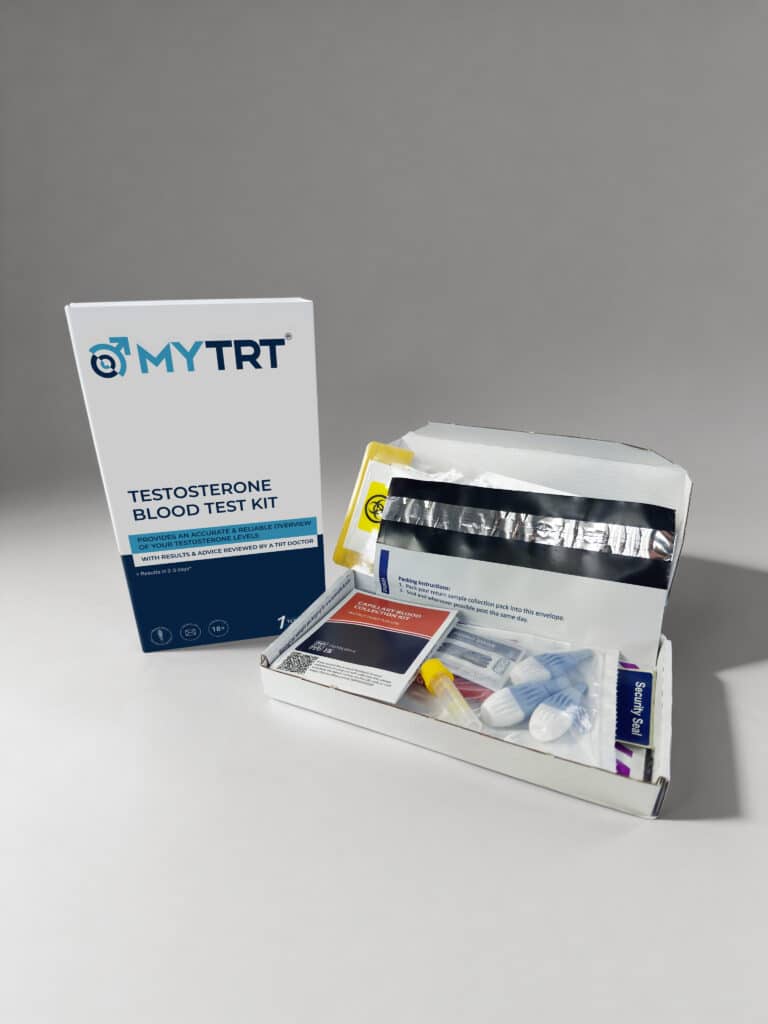
If this test showed you have low testosterone, the Advanced Testosterone Blood Test will assess your suitability for TRT.
Bone Health: Density and Structural Integrity
While muscle gets most of the attention in fitness circles, the benefits of testosterone for bone health are equally significant, though much less visible. Your skeleton is not a static structure; it is living tissue that is constantly being broken down and rebuilt. Testosterone is absolutely essential for maintaining bone mineral density and structural integrity throughout your life.
The hormone achieves this through two primary mechanisms. First, it directly stimulates bone formation by acting on osteoblasts, which are the cells responsible for building new bone tissue. Second, and perhaps more importantly, a portion of testosterone is converted into oestrogen via the aromatase enzyme. While oestrogen is typically thought of as a female hormone, it plays a crucial role in male bone health by preventing bone resorption, which is the breakdown of bone tissue by cells called osteoclasts.
Men with optimal testosterone levels have a significantly lower risk of developing osteopenia (low bone density) or osteoporosis (brittle bones) as they age. This translates to a drastically reduced risk of fractures, particularly in vulnerable areas like the hips, wrists, and spine. A hip fracture in older age can be a devastating event, often leading to a loss of independence and a significant decline in overall health. The bone-protective benefits of higher testosterone are therefore a critical component of healthy ageing, ensuring long-term mobility and resilience.
Sexual Health, Function, and Satisfaction
The relationship between testosterone and sexual health is well-documented, and this remains one of the primary reasons men seek to optimise their hormone levels. The benefits of testosterone in this domain are multifaceted, affecting both the physical mechanics of sex and the psychological desire for it.
Libido and Sexual Desire
Testosterone is the primary biological driver of male libido. It interacts with specific receptors in the brain, particularly in the hypothalamus and amygdala, to stimulate sexual interest, arousal, and desire. Men with healthy levels typically report a robust and consistent sex drive, whereas a noticeable decline in libido is often one of the very first symptoms of low testosterone.
This is not just about the frequency of sexual thoughts; it is about the intensity of desire and the motivation to engage in sexual activity. When testosterone is optimal, the brain’s reward pathways are primed, making sexual experiences more fulfilling and reinforcing a healthy sex life.
Erectile Quality and Mechanics
While erections are primarily a vascular event driven by blood flow, testosterone plays a vital supporting role in the mechanics of achieving and maintaining an erection. It stimulates the production of nitric oxide synthase, an enzyme that produces nitric oxide. Nitric oxide is a crucial molecule that signals the smooth muscle cells in the blood vessels of the penis to relax, allowing for the rapid influx of blood required for an erection.
Optimal testosterone levels contribute to stronger, more reliable erections and improve overall sexual satisfaction. Furthermore, testosterone helps maintain the structural integrity of the penile tissues themselves, preventing the atrophy and fibrosis that can occur when hormone levels are chronically low. The sexual benefits of testosterone are therefore both functional and structural.
Mood, Cognition, and Mental Clarity
The brain is incredibly dense with androgen receptors, making it highly responsive to circulating testosterone levels. The cognitive and psychological benefits of high testosterone are profound, influencing how you feel, how you think, and how you interact with the world around you on a daily basis.
Motivation, Drive, and Confidence
Testosterone is frequently described by endocrinologists as the hormone of effort and motivation. It directly influences the brain’s dopamine reward system, increasing the drive to pursue goals, overcome challenges, and compete. Men with optimal levels frequently report higher levels of self-confidence, assertiveness, and a general sense of well-being. They feel more capable of handling stress and more motivated to tackle difficult tasks, whether in their careers, their relationships, or their personal pursuits.
Mood Regulation and Depression Risk
There is a strong, well-established correlation between healthy testosterone levels and emotional stability. Adequate testosterone helps regulate mood and has been shown in numerous clinical studies to reduce the risk of depressive symptoms in men. Men who optimise their levels often experience a lifting of the “brain fog,” irritability, and persistent low mood associated with hormonal imbalance. The psychological benefits of taking testosterone for men with a deficiency can be life-changing, restoring a sense of optimism and emotional resilience.
Cognitive Function and Memory Preservation
Emerging research continues to highlight the benefits of testosterone for cognitive preservation. Optimal levels are associated with better verbal memory, improved spatial awareness, and sharper executive function (the ability to plan, focus attention, and juggle multiple tasks). By supporting neuroplasticity (the brain’s ability to form new connections) and protecting against neurodegeneration, testosterone plays a vital role in maintaining mental sharpness as you age. Protecting your cognitive health is one of the most compelling long-term benefits of increasing testosterone.
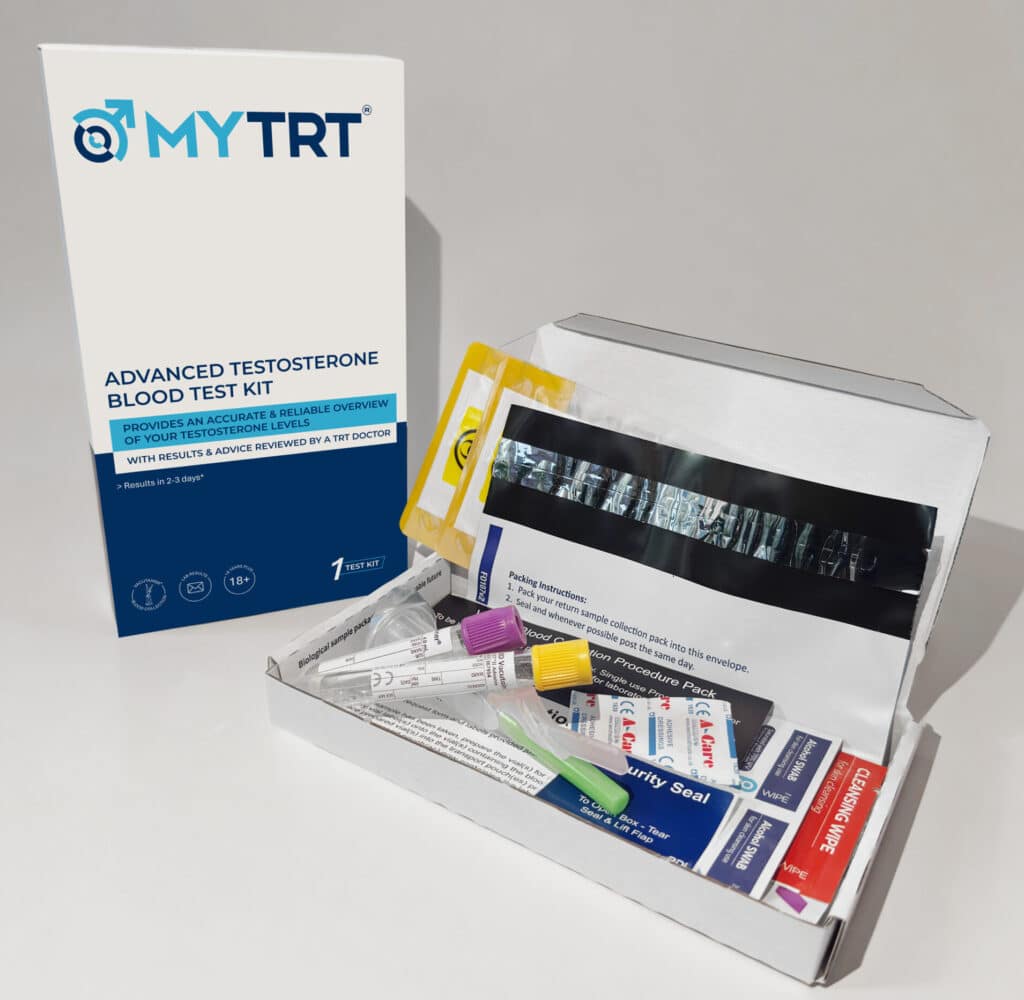
Advanced Testosterone Blood Test
Book a venous draw at a clinic £99.49
Book a venous draw at home with a nurse £109.49
 General health check
Energy, Vitality, and Physical Recovery
If you constantly feel drained, lethargic, or unmotivated despite getting enough sleep and eating reasonably well, your hormones might be the underlying culprit. One of the most transformative and immediately noticeable benefits of increasing testosterone is the restoration of raw energy and vitality.
Testosterone directly stimulates the production of red blood cells in the bone marrow through a process called erythropoiesis. Red blood cells are responsible for carrying oxygen from your lungs to every tissue in your body. By increasing your red blood cell count, testosterone improves the oxygen-carrying capacity of your blood. This enhanced oxygen delivery translates directly to better physical endurance, improved stamina, and a significant reduction in unexplained, chronic fatigue.
Furthermore, the hormone dramatically accelerates recovery after physical exertion. Whether you are hitting the gym hard, playing competitive sports, or just managing a physically demanding work schedule, optimal testosterone allows your body to repair damaged tissues and bounce back faster. It reduces muscle soreness and ensures you are ready to perform again sooner, keeping you active, resilient, and full of vitality.
Cardiovascular Markers and Heart Health
The relationship between testosterone and cardiovascular health is complex, and the medical evidence requires a nuanced understanding. Historically, there were concerns that high testosterone might negatively impact the heart, largely based on the misuse of synthetic anabolic steroids. However, modern clinical data paints a very different picture when looking at physiological (natural) levels.
Healthy, natural testosterone levels are generally associated with a highly favourable cardiovascular profile. Men with optimal levels tend to have better lipid profiles, including higher levels of HDL (good cholesterol) and lower levels of LDL (bad cholesterol) and triglycerides. They also demonstrate improved insulin sensitivity and lower levels of systemic inflammation, which is a key driver of arterial plaque buildup. These factors collectively reduce the risk of developing metabolic syndrome, a major precursor to heart attacks and strokes.
However, it is absolutely vital to maintain levels within a healthy physiological range. Supraphysiological levels (often seen in the abuse of performance-enhancing drugs) can lead to adverse cardiovascular events, including left ventricular hypertrophy (thickening of the heart muscle) and unfavourable changes in blood viscosity due to excessive red blood cell production. When discussing the benefits of taking testosterone therapeutically, the goal is always to restore levels to a healthy, natural baseline to support heart health without introducing unnecessary risks. Balance is the key to cardiovascular longevity.
The Timeline of Testosterone Benefits
When men begin to optimise their hormones, a very common question is how quickly they will see results. The benefits of testosterone do not appear overnight; they follow a specific, predictable chronological timeline based on how different tissues and systems in the body respond to the hormone.[2] If you are considering therapy, understanding this timeline helps set realistic expectations and prevents frustration. You can also review TRT before and after timelines for a broader perspective on the patient experience.
| Benefit Area | Initial Onset | Maximum Effect |
|---|---|---|
| Libido and Sexual Desire | 3 to 6 weeks | 6 weeks (plateaus) |
| Mood and Quality of Life | 3 to 4 weeks | 18 to 30 weeks |
| Erectile Function | 3 to 4 weeks | Up to 6 months |
| Body Composition (Fat/Muscle) | 12 to 16 weeks | 6 to 12 months (or longer) |
| Bone Mineral Density | 6 months | 2 to 3 years |
| Red Blood Cell Production | 3 to 6 weeks | 9 to 12 months |
As the table illustrates, psychological and sexual benefits are typically the first to manifest, often within the first month of achieving optimal levels. Men usually report feeling more energetic, having a better mood, and experiencing a return of morning erections quite quickly. Structural changes, however, such as increased muscle mass, significant fat reduction, and improved bone density, require sustained optimal levels over several months to years. Patience and consistency are essential when optimising hormones.
Longevity and Overall Healthspan
Ultimately, the various testosterone benefits culminate in a much broader and more important concept: healthspan. While lifespan refers simply to how long you live, healthspan refers to the period of your life spent in good health, free from chronic disease, frailty, and disability.
By supporting muscle mass, maintaining bone density, improving cardiovascular markers, and preserving cognitive function, optimal testosterone levels help preserve your independence and quality of life as you age. It acts as a powerful protective buffer against the physical and mental decline often associated with getting older. The benefits of higher testosterone are not just about performing better today in the gym or the bedroom; they are about investing in a healthier, more vibrant, and more capable future.
Testosterone Blood Test Kit
If this test showed you have low testosterone, the Advanced Testosterone Blood Test will assess your suitability for TRT.
How to Achieve Optimal Levels
If you suspect your levels are suboptimal, there are multiple pathways to improvement. Lifestyle modifications form the absolute foundation of hormonal health. This includes engaging in regular resistance training, ensuring adequate and high-quality sleep, managing chronic stress, and consuming a nutrient-dense diet rich in healthy fats, proteins, and micronutrients like zinc and vitamin D. For a detailed, actionable guide on natural optimisation, explore how to increase testosterone.
However, for men with a diagnosed clinical deficiency, lifestyle changes alone may not be sufficient to restore levels to a healthy range. The body’s production systems may simply be unable to keep up with demand. In these cases, medically supervised testosterone replacement therapy can safely and effectively deliver the benefits discussed in this article, restoring vitality and health.
The key is to approach your hormonal health proactively. Do not accept fatigue, low mood, and physical decline as inevitable parts of ageing. By understanding the profound benefits of testosterone, you can make informed, empowered decisions about your body, your mind, and your long-term well-being.
The Role of Testosterone in Immune Function
An often overlooked area when discussing the benefits of testosterone is its complex interaction with the immune system. While historically viewed primarily as an immunosuppressant, modern research reveals a much more nuanced relationship. Testosterone plays a crucial role in modulating immune responses, ensuring they are robust enough to fight off infections but not so overactive that they cause autoimmune issues.
Optimal testosterone levels help regulate the production of various cytokines, which are signalling molecules that mediate and control immune and inflammatory responses. By maintaining a balanced cytokine profile, testosterone helps prevent chronic, low-grade inflammation. This type of systemic inflammation is a known driver of numerous age-related diseases, including cardiovascular disease, neurodegeneration, and metabolic syndrome. Therefore, the anti-inflammatory benefits of higher testosterone contribute significantly to overall longevity and disease prevention.
Furthermore, testosterone influences the function of T-cells and macrophages, key components of the adaptive and innate immune systems. Men with healthy testosterone levels often exhibit a more balanced immune response, reducing their susceptibility to certain infections while also lowering the risk of autoimmune conditions where the body mistakenly attacks its own tissues. This immunomodulatory effect is a critical component of the broader health benefits of testosterone.
Testosterone and Sleep Quality
The relationship between testosterone and sleep is bidirectional and highly impactful. On one hand, adequate, high-quality sleep is essential for the natural production of testosterone. The majority of your daily testosterone is produced during the REM and deep sleep phases. On the other hand, optimal testosterone levels are necessary for maintaining healthy sleep architecture.
Men with low testosterone frequently suffer from sleep disturbances, including insomnia, frequent waking, and a reduction in deep, restorative sleep. This creates a vicious cycle: poor sleep lowers testosterone, and low testosterone worsens sleep quality. One of the significant benefits of taking testosterone for men with a deficiency is the restoration of healthy sleep patterns. As levels normalise, many men report falling asleep faster, staying asleep longer, and waking up feeling genuinely refreshed and recovered.
Improved sleep quality cascades into numerous other benefits. It enhances cognitive function, improves mood regulation, accelerates physical recovery, and supports metabolic health. Therefore, the sleep-enhancing benefits of increased testosterone are foundational to achieving optimal overall well-being.
The Impact on Joint Health and Connective Tissue
While the benefits of testosterone for muscle and bone are well-known, its impact on joint health and connective tissue is equally important for maintaining an active lifestyle. Testosterone, partly through its conversion to oestrogen, plays a role in maintaining the health of cartilage, tendons, and ligaments.
Optimal hormone levels support the synthesis of collagen, the primary structural protein in connective tissues. This helps maintain the elasticity and strength of tendons and ligaments, reducing the risk of injuries during physical activity. Additionally, the anti-inflammatory properties of balanced testosterone levels can help alleviate joint pain and stiffness associated with conditions like osteoarthritis.
For men who are physically active or engaged in heavy resistance training, the joint-protective benefits of high testosterone are invaluable. It allows for sustained, intense training without the constant setback of joint aches and connective tissue injuries, facilitating long-term physical development and functional strength.
Testosterone and Skin Health
The skin is the body’s largest organ and is highly responsive to hormonal fluctuations. The benefits of testosterone extend to maintaining healthy, resilient skin. Testosterone stimulates sebum production, which helps keep the skin moisturised and protected against environmental damage. While excessively high levels can lead to acne, optimal levels ensure a healthy balance, preventing the dry, thinning skin often associated with ageing and hormonal decline.
Furthermore, testosterone supports collagen production in the skin, similar to its effects on connective tissue. This helps maintain skin elasticity and thickness, reducing the appearance of fine lines and wrinkles. The structural support provided by optimal testosterone levels contributes to a more youthful and vibrant appearance, reflecting the internal health benefits of hormonal balance.
Understanding the Misconceptions
Despite the overwhelming evidence supporting the benefits of testosterone, numerous misconceptions persist. One of the most common is the belief that testosterone therapy causes prostate cancer. Extensive modern research and meta-analyses have consistently shown that testosterone replacement therapy does not increase the risk of developing prostate cancer in men with healthy prostates. While testosterone can stimulate the growth of existing prostate cancer, it is not the initiating cause. Regular screening and medical supervision ensure that therapy is administered safely.
Another misconception is that testosterone makes men aggressive or angry. This is a stereotype largely derived from the abuse of synthetic steroids at supraphysiological doses. In reality, restoring testosterone to healthy, natural levels typically improves mood, reduces irritability, and promotes a sense of calm confidence. The psychological benefits of testosterone are overwhelmingly positive when levels are kept within a physiological range.
Understanding the true, science-backed benefits of testosterone is essential for making informed decisions about your health. By separating fact from fiction, you can appreciate the profound role this hormone plays in maintaining male vitality, longevity, and overall well-being.
References
- Hackett G, et al. British Society for Sexual Medicine Guidelines on Male Adult Testosterone Deficiency, with Statements for Practice. World J Mens Health. 2023;41(3):508–537. View
- Saad F, et al. Onset of effects of testosterone treatment and time span until maximum effects are achieved. Eur J Endocrinol. 2011;165(5):675–685. View
- Bhasin S, et al. Testosterone Therapy in Men With Hypogonadism: An Endocrine Society Clinical Practice Guideline. J Clin Endocrinol Metab. 2018;103(5):1715–1744. View
- Corona G, et al. Testosterone supplementation and sexual function: a meta-analysis study. J Sex Med. 2014;11(6):1577–1592. View
- Snyder PJ, et al. Effects of Testosterone Treatment in Older Men. N Engl J Med. 2016;374(7):611–624. View
- Isidori AM, et al. Effects of testosterone on body composition, bone metabolism and serum lipid profile in middle-aged men. Clin Endocrinol. 2005;63(3):280–293. View