Medical Summary
Testosterone replacement therapy (TRT) produces physiological changes on a predictable timeline, though individual responses vary based on baseline hormone levels, delivery method, and lifestyle factors. Initial improvements in libido, energy, and mood typically manifest within 3 to 6 weeks of commencing treatment. Structural changes, such as alterations in body composition, increased bone mineral density, and erythropoiesis, require longer durations, often taking 3 to 12 months to reach maximal effect. Patients should maintain realistic expectations and undergo regular clinical monitoring to optimise dosing and ensure safety.[1][2]
Understanding the TRT Timeline: Setting Realistic Expectations
When you begin testosterone replacement therapy, it is natural to want immediate results. Many men ask, “how long does testosterone take to work?” or “how quickly does testosterone work?” The reality is that TRT is not an overnight fix. It initiates a cascade of physiological processes that take time to manifest as noticeable benefits. This process requires patience, as the body must adapt to the new hormonal environment. The timeline for these changes is not arbitrary; it is rooted in the complex biology of how testosterone interacts with various tissues and organs throughout the body.
Understanding the timeline is essential for a successful treatment experience. Frustration often arises when men expect profound changes within the first fortnight. If you are thinking, “it has been two weeks and I feel nothing,” rest assured that this is entirely normal. The body requires time to adjust to the new hormonal environment, upregulate receptors, and translate these signals into physical and psychological improvements. The initial phase of treatment is often characterised by subtle shifts rather than dramatic transformations. It is a period of internal recalibration, where the foundation for long-term benefits is being laid.
Furthermore, the speed at which you experience these benefits can be influenced by a multitude of factors, including your starting testosterone levels, your age, your overall health, and the specific type of TRT you are using. For instance, men with profoundly low baseline levels may notice more rapid improvements in certain symptoms compared to those with borderline deficiency. Similarly, the method of administration—whether it be injections, gels, or other forms—can affect the pharmacokinetics of the hormone, thereby influencing the onset of action. Therefore, while clinical guidelines provide a general framework, your individual experience may vary.[6]
Week-by-Week TRT Timeline: What to Expect
The timeline for experiencing the benefits of TRT can be broken down into distinct phases. While individual experiences will differ, clinical evidence provides a reliable framework for when you can expect various symptoms to improve. This timeline is based on extensive research and the collective experiences of countless men who have undergone this therapy. It is designed to give you a realistic roadmap of what lies ahead, helping you to navigate the early stages of treatment with confidence and clarity.
| Timeframe | Expected Benefits and Changes |
|---|---|
| Weeks 3 to 4 | Initial improvements in energy levels, vitality, and mood. You may begin to feel less fatigued and more motivated. |
| Weeks 3 to 6 | Noticeable enhancements in libido (sex drive) and sexual function. Morning erections may return or become more frequent. |
| Weeks 12 to 16 | Early signs of changes in body composition, including a reduction in fat mass and an increase in lean muscle mass, provided you are engaging in resistance training and maintaining a suitable diet. |
| Months 3 to 6 | Increases in red blood cell production (erythropoiesis), which can further improve energy and stamina. Cognitive improvements, such as better focus and memory, may also become apparent. |
| Months 6 to 12 | Maximal effects on body composition are typically reached. Improvements in bone mineral density begin to occur, strengthening the skeletal system. |
Early Changes: Weeks 3 to 6
Libido and Sexual Function
One of the most common reasons men seek TRT is a decline in sexual desire and function. If you are wondering how long for testosterone to work in this regard, clinical studies indicate that improvements in libido and sexual interest typically begin to emerge between 3 and 6 weeks after starting treatment.[3] You might notice a return of morning erections and an increased overall interest in sex. This resurgence in sexual vitality is often one of the first tangible signs that the therapy is taking effect. It can have a profound impact on your quality of life and intimate relationships, restoring a sense of normalcy and confidence.
However, it is important to remember that achieving maximal improvement in erectile function can take longer, sometimes up to 6 months, as it involves complex vascular and neurological adaptations. The initial boost in libido is primarily driven by the direct effects of testosterone on the brain’s sexual centres. In contrast, the physical mechanics of an erection require structural changes in the penile tissues, including increased blood flow and improved endothelial function. These physiological adaptations take time to develop fully. Therefore, while you may feel a renewed desire for sex relatively quickly, the physical capacity to perform may continue to improve gradually over several months.
Furthermore, the extent of improvement in sexual function can be influenced by other underlying health conditions. For example, men with diabetes, cardiovascular disease, or severe psychological stress may experience a slower or less pronounced response to TRT in this domain. In such cases, a comprehensive approach that addresses these concurrent issues is essential for achieving optimal results. Your doctor may recommend additional interventions, such as lifestyle modifications or specific medications, to complement the effects of testosterone therapy and maximise your sexual health.
Energy, Mood, and Vitality
Fatigue and low mood are hallmark symptoms of testosterone deficiency. Many patients report feeling a “lift” in their energy levels and a more positive outlook on life within the first 3 to 4 weeks. This early boost in vitality can be highly motivating, helping you to re-engage with exercise and daily activities. The psychological benefits, including reduced irritability and improved general well-being, often parallel these physical changes. This initial surge in energy is frequently described as a lifting of the “brain fog” that often accompanies low testosterone, allowing for clearer thinking and a more proactive approach to daily challenges.
The mechanisms behind these improvements are multifaceted. Testosterone plays a crucial role in regulating neurotransmitters in the brain, such as dopamine and serotonin, which are intimately involved in mood regulation and motivation. By restoring testosterone levels to a healthy range, TRT helps to rebalance these neurochemical pathways, leading to a more stable and positive emotional state. Additionally, the increase in red blood cell production, which begins in the early stages of treatment, enhances oxygen delivery to the tissues, further contributing to the feeling of increased energy and stamina.
It is worth noting that the psychological benefits of TRT can sometimes precede the physical changes. You may find yourself feeling more optimistic and resilient before you notice any significant alterations in your body composition or muscle strength. This early psychological boost is a critical component of the overall treatment experience, as it provides the motivation and mental clarity needed to adhere to the therapy and make positive lifestyle changes. As your physical health continues to improve over the ensuing months, these psychological benefits are often further reinforced, creating a positive feedback loop of enhanced well-being.
Testosterone Blood Test Kit
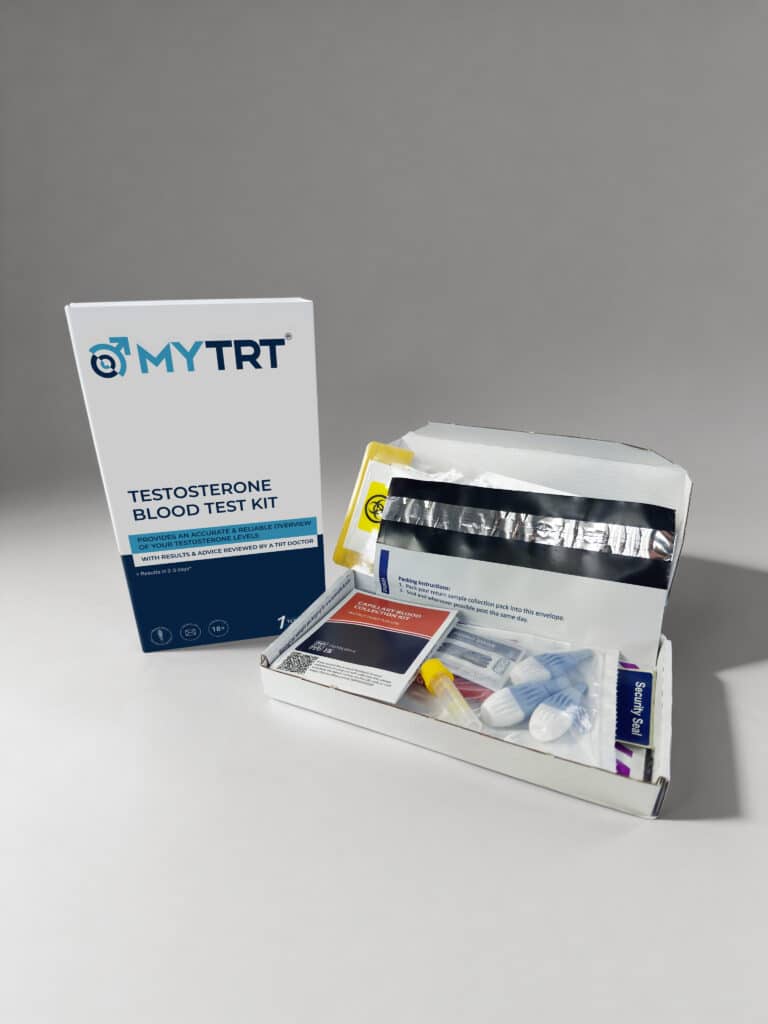
If this test showed you have low testosterone, the Advanced Testosterone Blood Test will assess your suitability for TRT.
Mid-Term Adaptations: Months 3 to 6
Body Composition: Muscle and Fat
Changes in body composition are highly sought after, but they require patience. How long does it take testosterone to work for muscle growth and fat loss? While you might feel stronger earlier, visible changes in fat mass and lean muscle mass generally become apparent around the 12 to 16-week mark.[4] To maximise these benefits, TRT must be combined with a structured resistance training programme and a balanced diet. The full effects on body composition can take 6 to 12 months to fully materialise. This gradual transformation is a testament to the profound impact that testosterone has on the body’s metabolic processes and tissue architecture.
Testosterone promotes muscle growth by increasing protein synthesis and stimulating the proliferation of satellite cells, which are essential for muscle repair and hypertrophy. Simultaneously, it facilitates fat loss by enhancing lipolysis (the breakdown of fat) and inhibiting the uptake of triglycerides into fat cells. These dual actions lead to a favourable shift in body composition, characterised by an increase in lean mass and a decrease in adiposity. However, these metabolic changes do not occur in a vacuum. They are highly dependent on your nutritional intake and physical activity levels. Without adequate protein and a consistent exercise stimulus, the muscle-building effects of TRT will be significantly blunted.
Furthermore, the distribution of fat loss can vary among individuals. Many men notice a reduction in visceral fat;the deep abdominal fat that surrounds the internal organs;before they see significant changes in subcutaneous fat. This is a highly beneficial outcome, as visceral fat is strongly associated with metabolic syndrome, cardiovascular disease, and insulin resistance. By reducing this dangerous fat depot, TRT not only improves your physical appearance but also significantly enhances your long-term metabolic health. As you progress through the mid-term phase of treatment, you can expect these changes in body composition to become increasingly pronounced, provided you maintain a healthy lifestyle.
Erythropoiesis and Cognitive Function
Testosterone stimulates the production of red blood cells (erythropoiesis). This process typically peaks between 3 and 6 months. While this can enhance oxygen delivery and stamina, it also necessitates careful monitoring of your haematocrit levels to ensure your blood does not become too thick. Cognitive improvements, such as enhanced concentration, better memory, and a reduction in “brain fog,” are also frequently reported during this timeframe, although the exact timeline can be highly variable among individuals. The relationship between testosterone and cognitive function is complex and multifaceted, involving both direct effects on the brain and indirect effects mediated through improvements in mood and energy.
The increase in red blood cell mass is a direct result of testosterone’s stimulatory effect on erythropoietin, a hormone produced by the kidneys that regulates red blood cell production. This physiological adaptation is particularly beneficial for men who engage in endurance sports or demanding physical activities, as it enhances the oxygen-carrying capacity of the blood. However, excessive erythrocytosis (an abnormally high red blood cell count) can increase the risk of cardiovascular complications, such as thrombosis and stroke. Therefore, regular blood tests are essential to monitor your haematocrit and haemoglobin levels, allowing your doctor to adjust your dose or recommend therapeutic phlebotomy if necessary.
In terms of cognitive function, the benefits of TRT are often subtle but significant. Many men report a sharper memory, improved focus, and a greater ability to concentrate on complex tasks. These cognitive enhancements are thought to be mediated by testosterone’s neuroprotective effects and its influence on synaptic plasticity in the hippocampus, a brain region critical for learning and memory. While the exact timeline for these cognitive improvements is less predictable than the physical changes, they typically become more apparent as the therapy progresses and hormone levels stabilise. This cognitive clarity can have a profound impact on your professional performance and overall quality of life.
Long-Term Benefits: 6 to 12 Months and Beyond
Bone Mineral Density
Testosterone plays a vital role in maintaining bone health. Improvements in bone mineral density are among the slowest benefits to manifest, typically requiring at least 6 months of continuous therapy to become detectable, with maximal effects often taking several years.[5] This long-term benefit is crucial for preventing osteoporosis and reducing the risk of fractures as you age. The skeletal system is a dynamic tissue that undergoes constant remodelling, a process that is heavily influenced by hormonal signals. Testosterone, along with its metabolite ooestradiol, is essential for maintaining the balance between bone formation and bone resorption.
In men with testosterone deficiency, this balance is disrupted, leading to a net loss of bone mass and an increased susceptibility to fractures. TRT helps to restore this balance by stimulating the activity of osteoblasts (the cells responsible for bone formation) and inhibiting the activity of osteoclasts (the cells responsible for bone resorption). This dual action leads to a gradual increase in bone mineral density, particularly in the trabecular bone of the spine and hip. However, because bone remodelling is a slow process, it takes significant time for these cellular changes to translate into measurable improvements in bone density.
The long-term impact of TRT on bone health cannot be overstated. Osteoporosis is a silent disease that often goes undiagnosed until a fracture occurs. By proactively addressing testosterone deficiency, you are taking a crucial step towards preserving your skeletal integrity and maintaining your independence as you age. It is important to note that the benefits of TRT on bone density are most pronounced when combined with adequate calcium and vitamin D intake, as well as regular weight-bearing exercise. This comprehensive approach ensures that your bones have the necessary building blocks and mechanical stimuli to grow stronger and more resilient over time.
Factors That Affect How Quickly Testosterone Works
Several variables influence how long it takes for testosterone to kick in and the magnitude of the effects you will experience. Understanding these factors can help you to set realistic expectations and optimise your treatment protocol. The response to TRT is highly individualised, and what works quickly for one man may take longer for another. By working closely with your doctor and paying attention to these key variables, you can ensure that you are getting the most out of your therapy.
- Baseline Testosterone Levels: Men with profoundly low starting levels often notice more dramatic and rapid improvements compared to those with borderline deficiency. The body’s tissues are essentially starved of the hormone, and the sudden influx of testosterone can produce a rapid and profound physiological response. Conversely, men with only mildly depressed levels may experience a more gradual and subtle onset of benefits.
- Delivery Method: The pharmacokinetics of different preparations vary. For instance, testosterone gel provides a steady-state daily absorption, whereas testosterone injections (such as testosterone enanthate) create peaks and troughs in serum levels. This can influence how quickly you feel the effects and how consistent those feelings are throughout the week. Gels may provide a more stable hormonal environment, while injections can lead to more pronounced fluctuations in mood and energy.
- Adherence to Treatment: Consistency is paramount. Missing doses or applying gels incorrectly will delay the onset of benefits and lead to fluctuating hormone levels. TRT is a long-term commitment, and its success depends on your ability to adhere to the prescribed regimen. Inconsistent use will not only blunt the positive effects of the therapy but can also exacerbate symptoms by creating hormonal instability.
- Lifestyle Factors: Diet, exercise, sleep quality, and stress management profoundly impact how your body responds to TRT. A sedentary lifestyle and poor nutrition will blunt the positive effects of the therapy. Conversely, a healthy lifestyle can synergise with TRT, amplifying its benefits and accelerating the onset of action. Adequate sleep and stress reduction are particularly important, as they support optimal hormonal balance and overall well-being.
- SHBG Levels: Sex Hormone Binding Globulin (SHBG) binds to testosterone, rendering it inactive. High SHBG levels can reduce the amount of free, bioavailable testosterone, potentially slowing the onset of benefits. Your doctor will monitor your SHBG levels and may adjust your dose or recommend specific interventions to optimise your free testosterone levels.
What If You Don’t Feel Improvement?
If you have been on TRT for 3 to 6 months and have not experienced the expected improvements, it is essential to consult your prescribing doctor. Do not adjust your dose independently. Lack of response could be due to several factors, and a thorough clinical evaluation is necessary to identify the underlying cause. It is important to remember that TRT is not a panacea, and it may not resolve all of your symptoms if they are being driven by other medical issues.
- Suboptimal Dosing: Your current dose may not be sufficient to raise your testosterone levels into the optimal therapeutic range. Your doctor may need to increase your dose or change your delivery method to achieve the desired clinical effect. This process of titration is a normal part of the TRT journey and requires patience and close communication with your healthcare provider.
- Underlying Conditions: Other medical issues, such as thyroid dysfunction, sleep apnoea, or depression, may be mimicking the symptoms of low testosterone and require separate treatment. A comprehensive medical evaluation can help to identify these concurrent conditions and ensure that they are addressed appropriately. Treating these underlying issues is often essential for achieving optimal results with TRT.
- Reassessing the Diagnosis: In some cases, it may be necessary to re-evaluate whether testosterone deficiency is the primary cause of your symptoms. If your testosterone levels are optimal but your symptoms persist, your doctor may need to explore other potential diagnoses. This highlights the importance of a thorough initial assessment and ongoing clinical monitoring.
Regular blood tests are critical during the first year of treatment to monitor your hormone levels, prostate health (PSA), and red blood cell count, allowing your doctor to make necessary adjustments to your protocol. These tests provide objective data that can guide clinical decision-making and ensure the safety and efficacy of your therapy. By actively participating in your care and communicating openly with your doctor, you can navigate any challenges that arise and achieve the best possible outcomes.
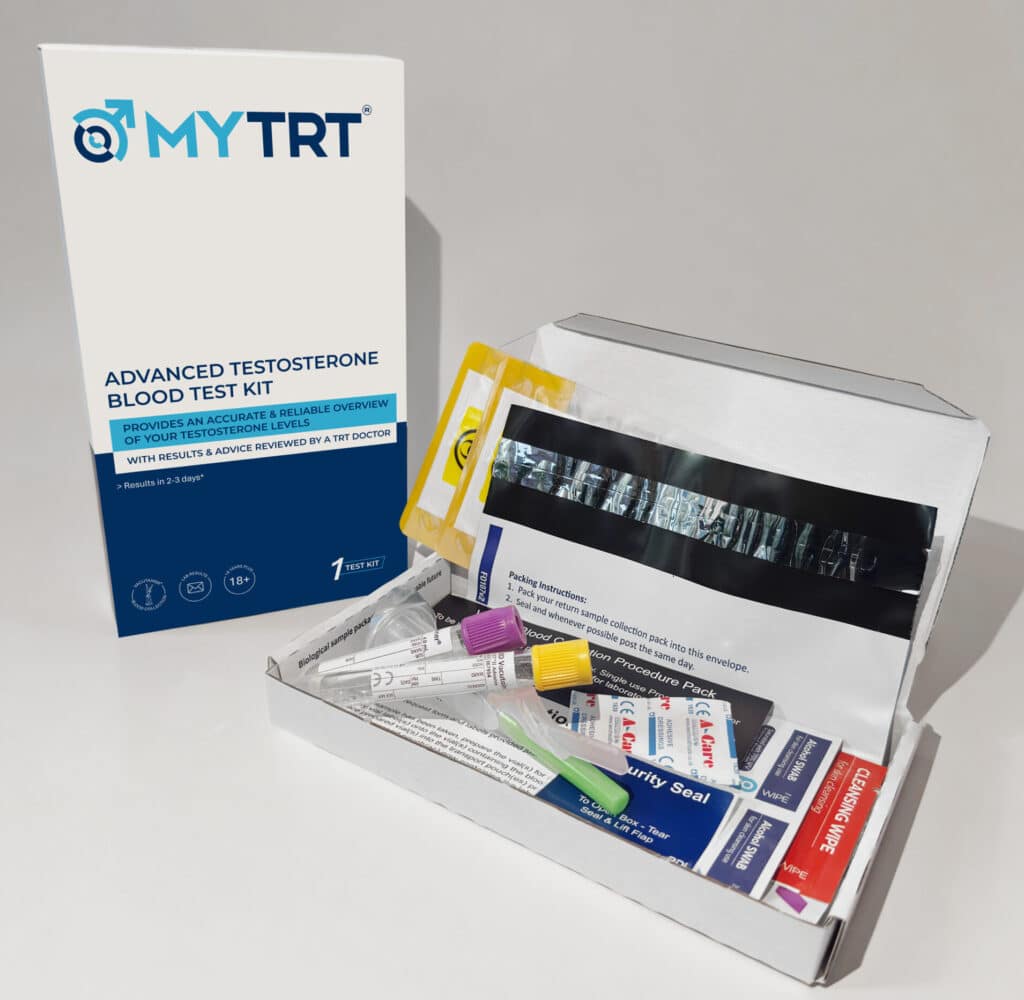
Advanced Testosterone Blood Test
Book a venous draw at a clinic £99.49
Book a venous draw at home with a nurse £109.49
 General health check
Conclusion: Patience and Consistency
Understanding how long testosterone takes to work is about managing expectations and committing to the process. While some benefits, like improved mood and libido, can appear within weeks, structural changes to your body take months. By maintaining consistent treatment, adopting a healthy lifestyle, and working closely with your medical team, you can maximise the long-term benefits of TRT and significantly improve your quality of life. For a broader perspective on the patient experience, you can review TRT before and after accounts, keeping in mind that clinical timelines provide the most reliable guide.
The journey of testosterone replacement therapy is a marathon, not a sprint. It requires a long-term perspective and a willingness to embrace the gradual nature of the physiological changes that occur. The initial weeks may be characterised by subtle shifts in energy and mood, while the more profound transformations in body composition and bone density will unfold over the ensuing months and years. This timeline is a reflection of the complex and deeply integrated role that testosterone plays in the male body.
Ultimately, the success of your TRT journey depends on your commitment to the process. This means adhering to your prescribed regimen, attending regular follow-up appointments, and making the necessary lifestyle modifications to support your overall health. It also means being patient with yourself and your body as it adapts to the new hormonal environment. By approaching TRT with realistic expectations and a proactive mindset, you can unlock its full potential and reclaim your vitality, strength, and well-being.
References
- Saad F, et al. Onset of effects of testosterone treatment and time span until maximum effects are achieved. Eur J Endocrinol. 2011;165(5):675–685. View
- Hackett G, et al. British Society for Sexual Medicine Guidelines on Male Adult Testosterone Deficiency, with Statements for Practice. World J Mens Health. 2023;41(3):508–537. View
- Corona G, et al. Testosterone supplementation and sexual function: a meta-analysis study. J Sex Med. 2014;11(6):1577–1592. View
- Bhasin S, et al. Testosterone dose-response relationships in healthy young men. Am J Physiol Endocrinol Metab. 2001;281(6):E1172–E1181. View
- Snyder PJ, et al. Effect of Testosterone Treatment on Volumetric Bone Density and Strength in Older Men With Low Testosterone. JAMA Intern Med. 2017;177(4):471–479. View
- Bhasin S, et al. Testosterone Therapy in Men With Hypogonadism: An Endocrine Society Clinical Practice Guideline. J Clin Endocrinol Metab. 2018;103(5):1715–1744. View