Medical Summary
Testosterone enantate, commonly referred to as testosterone enanthate or ‘test e’, is a long-acting injectable ester of the primary male sex hormone. In clinical practice, it is widely prescribed for testosterone replacement therapy (TRT) to treat men with diagnosed hypogonadism. The enanthate ester delays the release of testosterone into the bloodstream, providing a sustained elevation of serum testosterone levels. With a half-life of approximately 4.5 days[4], it typically requires administration every one to two weeks to maintain stable physiological concentrations.
MYTRT treatment eligibility
MYTRT treats men only when they have compatible symptoms and meet both biochemical limits: total testosterone of 15 nmol/L or below, and free testosterone of 0.35 nmol/L or below.
In the UK, testosterone enanthate is a Class C controlled drug under the Misuse of Drugs Act 1971[8], meaning it is strictly prescription-only. While UK-licensed ampoules are available, many private clinics also utilise specials or imported formulations to meet patient needs. It is crucial to distinguish between therapeutic TRT dosing, which aims to restore normal physiological levels, and the supraphysiological doses often associated with anabolic misuse. The latter carries significant health risks, particularly when sourced from unregulated underground laboratories (UGLs). Proper medical supervision, including regular blood monitoring, is essential to optimise benefits and mitigate potential side effects such as polycythaemia or oestrogen conversion.
The management of hypogonadism requires a nuanced approach, and testosterone enanthate provides a reliable foundation for many treatment plans. Its predictable pharmacokinetics allow clinicians to titrate doses accurately, ensuring that patients achieve symptomatic relief without unnecessary exposure to supraphysiological hormone levels. This balance is the cornerstone of effective endocrine management.
What is Testosterone Enanthate?
Testosterone enanthate is a synthetic derivative of naturally occurring testosterone, modified by the addition of an enanthate ester at the 17-beta hydroxyl group. This esterification process is a fundamental pharmacological technique used to extend the duration of action of the hormone when administered via intramuscular or subcutaneous injection. Without this modification, unesterified testosterone would be rapidly metabolised and cleared from the body, necessitating multiple daily injections to maintain stable levels.[5]
The enanthate ester is a seven-carbon chain that increases the lipid solubility of the testosterone molecule. Upon injection into muscle or subcutaneous tissue, the esterified hormone forms a depot. From this depot, it is slowly released into the systemic circulation. Once in the bloodstream, endogenous esterases cleave the ester bond, liberating free, active testosterone. This slow-release mechanism allows for a more convenient dosing schedule, making testosterone enanthate one of the most commonly prescribed formulations for TRT worldwide.
In clinical terms, testosterone enanthate is identical in its physiological effects to endogenous testosterone. It binds to androgen receptors in various tissues, promoting the development and maintenance of male secondary sexual characteristics, supporting muscle mass and bone density, and influencing mood and cognitive function. The primary difference lies in its pharmacokinetics—the way the body absorbs, distributes, metabolises, and excretes the drug. Understanding these pharmacokinetics is vital for tailoring treatment protocols to individual patient needs, ensuring that serum testosterone levels remain within the clinician-agreed on-treatment range throughout the dosing interval.
Esterification is a crucial concept in understanding how injectable androgens function. By attaching the enanthate ester, the lipid solubility of the testosterone molecule is significantly enhanced. This means that when the solution is injected into the muscle or subcutaneous fat, it forms a depot that slowly releases the hormone into the aqueous environment of the bloodstream. The rate of this release is determined by the specific ester used, with enanthate providing a steady and prolonged effect that is ideal for long-term maintenance therapy.
Pharmacology and Half-Life of Test E
The pharmacokinetic profile of testosterone enanthate is defined by its absorption rate and half-life. The half-life of a drug is the time required for its concentration in the blood plasma to decrease by half. For testosterone enanthate, the terminal half-life is generally accepted to be approximately 4.5 to 5 days[4], although individual variations can occur based on factors such as injection site, body composition, and metabolic rate.
Following an intramuscular injection, serum testosterone levels typically peak within 24 to 48 hours. This peak is often supraphysiological, meaning it exceeds the upper limit of the normal reference range. After this initial surge, levels gradually decline over the subsequent days. This pharmacokinetic pattern creates a ‘peak and trough’ effect, which can sometimes translate into fluctuations in mood, energy, and libido for the patient. To mitigate these fluctuations, modern TRT protocols often favour more frequent, smaller doses—such as twice-weekly subcutaneous injections—rather than the traditional large, infrequent intramuscular doses.
The choice of injection site can also influence the absorption kinetics. Intramuscular injections, typically administered into the gluteus maximus or vastus lateralis, have historically been the standard. However, subcutaneous injections into the adipose tissue of the abdomen are becoming increasingly popular due to their ease of administration and potentially smoother absorption profile. Regardless of the route, the fundamental pharmacology of the enanthate ester remains the same, providing a reliable and predictable release of testosterone over several days.
Understanding the half-life is essential for establishing an effective dosing frequency. If injections are spaced too far apart, the patient will experience a significant drop in serum testosterone levels before the next dose, leading to a resurgence of hypogonadal symptoms such as fatigue and low mood. Conversely, if doses are administered too frequently without adjusting the volume, levels may accumulate and exceed the therapeutic range. Therefore, a tailored approach, often involving micro-dosing strategies, is frequently employed to maintain stable and optimal levels.
Testosterone Enanthate 250mg Benefits in TRT
When discussing the benefits of testosterone enanthate, it is important to contextualise the dosage. A common presentation of the medication is an ampoule or vial containing 250mg of testosterone enanthate per millilitre. In a therapeutic TRT setting, this 250mg dose is rarely administered all at once, as it would lead to significant peaks and troughs. Instead, a typical starting dose might be 100mg to 125mg per week, often divided into two smaller injections.
For men with confirmed testosterone deficiency, treatment aims to restore testosterone to an appropriate physiological concentration. BSSM describes 15–30 nmol/L as an on-treatment target[3]; it is not the universal UK reference interval or diagnostic range for untreated men. Patients frequently report a profound improvement in their overall quality of life. One of the most immediate and noticeable benefits is an increase in energy levels and a reduction in the pervasive fatigue that characterises hypogonadism. This is often accompanied by improvements in mood, cognitive clarity, and a reduction in depressive symptoms.
Sexual function is another area where testosterone enanthate provides significant benefits. Men with low testosterone often experience reduced libido and erectile dysfunction. TRT can restore sexual desire and improve erectile capacity, although Testosterone is not a direct treatment for erectile dysfunction caused by vascular or neurological issues. Furthermore, testosterone plays a crucial role in maintaining body composition. It promotes lean muscle mass and bone mineral density while facilitating the reduction of visceral fat. Over the long term, these changes can contribute to improved metabolic health and a reduced risk of conditions such as osteoporosis and type 2 diabetes.
Beyond the physical and sexual benefits, the psychological impact of restoring testosterone levels cannot be understated. Many men report a renewed sense of motivation, improved focus, and a greater capacity to handle stress. These cognitive and emotional improvements are often the most valued outcomes of TRT, allowing individuals to re-engage with their personal and professional lives fully. The 250mg ampoule, while a standard presentation, is merely a tool that must be used judiciously to achieve these profound benefits.
TRT Dosing vs Anabolic Misuse
A critical distinction must be made between the therapeutic use of testosterone enanthate for TRT and its misuse for anabolic purposes. TRT aims to replace deficient endogenous testosterone, restoring serum levels to a healthy, physiological baseline. The dosing protocols are carefully calibrated based on regular blood tests, monitoring total and free testosterone and markers such as haematocrit, prostate-specific antigen (PSA), and oestradiol.
In contrast, anabolic misuse involves the administration of supraphysiological doses, often exceeding therapeutic levels by a factor of ten or more. Bodybuilders and athletes may use doses ranging from 500mg to over 1000mg per week to rapidly increase muscle mass and strength. This practice carries severe health risks. Supraphysiological levels of testosterone can lead to significant cardiovascular complications, including left ventricular hypertrophy, hypertension, and an increased risk of myocardial infarction and stroke.[7]
Moreover, the misuse of testosterone enanthate often involves ‘stacking’ with other anabolic-androgenic steroids (AAS), further compounding the risks. Hepatotoxicity, severe acne, accelerated male pattern baldness, and profound suppression of the hypothalamic-pituitary-gonadal (HPG) axis are common consequences. When the exogenous testosterone is eventually discontinued, the individual is often left with severe, sometimes irreversible, hypogonadism. In clinic we typically see patients who have previously misused anabolic steroids and now require lifelong TRT to manage the resulting endocrine damage. It is a stark reminder of the importance of medical supervision and adherence to therapeutic dosing guidelines.
The culture surrounding anabolic steroid use often trivialises the profound physiological impact of these substances. The endocrine system is a delicate network of feedback loops, and introducing massive quantities of exogenous hormones disrupts this balance entirely. The resulting suppression of natural testosterone production can be long-lasting, and the cardiovascular strain is a significant cause of premature morbidity in this population. Education and harm reduction are vital, but the clinical focus remains on safe, therapeutic replacement.
UK Legal Status: Is Test E Legal?
The legal status of testosterone enanthate in the United Kingdom is clearly defined under the Misuse of Drugs Act 1971. It is classified as a Class C controlled drug.[8] This classification does not make simple personal possession an offence. Unauthorised supply or production, possession with intent to supply, and import or export with intent to supply are offences; pharmacy supply must follow prescription and medicines-law requirements. For patients receiving TRT, possessing testosterone enanthate is entirely legal, provided it has been prescribed by a registered medical practitioner for a legitimate medical condition.
It is also important to understand the regulations surrounding the importation of testosterone for personal use. Current NHS guidance states that anabolic steroids may be imported or exported for personal use only when carried in person; they cannot be posted, couriered or sent by freight. Travellers carrying prescribed controlled-drug medicines should also follow Home Office evidence and quantity requirements. See our guide to online testosterone access for the regulated pathway.
Within the UK healthcare system, testosterone enanthate is available as a licensed medication, although specific brands and formulations may vary. In addition to licensed products, private clinics often utilise ‘specials’. These are unlicensed medicines manufactured by regulated compounding pharmacies to meet the specific clinical needs of an individual patient, such as a particular concentration or carrier oil. The use of specials is a standard and legal practice in UK medicine, provided it is justified by the prescribing doctor. Patients should always ensure they are sourcing their medication through a reputable clinic and a registered pharmacy to guarantee the legality and quality of the product.
The regulatory framework surrounding controlled drugs is designed to protect public health. By classifying testosterone enanthate as a Class C substance, the authorities ensure that its distribution and use are monitored and restricted to legitimate medical purposes. Patients must be aware of these laws to avoid inadvertently committing an offence, particularly when navigating the complex environment of online pharmacies and international shipping. Always consult with a UK-registered medical professional to ensure compliance and safety.
The Risks of UGL (Underground Lab) Products
The demand for testosterone, both for TRT and anabolic purposes, has led to a proliferation of underground laboratories (UGLs). These are unregulated, illicit operations that manufacture and distribute injectable steroids, including testosterone enanthate. The risks associated with using UGL products cannot be overstated. Because these labs operate outside of any regulatory framework, there is no oversight regarding manufacturing standards, hygiene, or quality control.
One of the primary concerns with UGL testosterone is the accuracy of dosing. Independent testing of UGL products frequently reveals significant discrepancies between the stated concentration on the label and the actual amount of active ingredient in the vial. A product labelled as 250mg/ml might contain only 100mg/ml, or conversely, it might contain 400mg/ml. This unpredictability makes it impossible to establish a stable and effective TRT protocol, leading to fluctuating hormone levels and suboptimal clinical outcomes.
Furthermore, UGL products carry a high risk of contamination. The carrier oils and solvents used are often not of pharmaceutical grade, and the manufacturing environments are rarely sterile. This can result in the presence of heavy metals, bacteria, or particulate matter in the injection solution. Injecting contaminated products can lead to severe local reactions, abscesses, and systemic infections. In some cases, UGLs have been found to substitute testosterone with cheaper, more dangerous anabolic compounds. For anyone considering TRT, the only safe and reliable route is through a regulated medical provider, ensuring that the medication is pharmaceutical grade and subject to rigorous quality assurance.
The financial appeal of UGL products is often overshadowed by the hidden costs to health. Treating an abscess caused by a contaminated injection or managing the endocrine fallout of an inaccurately dosed product requires significant medical intervention. The peace of mind that comes with using pharmaceutical-grade medication, prescribed and monitored by a specialist, is invaluable. It is a fundamental principle of medical ethics that treatments should do no harm, a standard that UGLs inherently fail to meet.
Administering a Testosterone Enanthate Injection
The administration of a testosterone enanthate injection requires proper technique to ensure efficacy and minimise discomfort or complications. As an oil-based solution, it is designed for deep intramuscular (IM) or subcutaneous (SubQ) injection. The choice of route often depends on patient preference and the specific protocol prescribed by the clinician.
For intramuscular injections, the most common sites are the gluteus maximus (buttock), vastus lateralis (thigh), and deltoid (shoulder). The gluteal site is often preferred for larger volumes, while the deltoid is suitable for smaller doses. It is essential to use the correct needle size—typically a 21G to 23G needle for drawing the thick oil from the vial, and a finer 23G to 25G needle for the injection itself. Proper hygiene, including swabbing the vial stopper and the injection site with an alcohol wipe, is paramount to prevent infection.
Subcutaneous injections have gained popularity in recent years due to their convenience and reduced pain. This method involves injecting the medication into the fatty tissue just beneath the skin, usually in the abdomen. A shorter, finer needle, such as a 27G to 30G insulin syringe, is used. While the absorption rate may be slightly slower compared to IM injections, studies have shown that SubQ administration is equally effective at maintaining stable serum testosterone levels. Patients are typically taught how to self-administer their injections, empowering them to manage their treatment at home. Regular rotation of injection sites is advised to prevent the build-up of scar tissue and ensure consistent absorption.
Patient education is a critical component of the TRT process. Teaching a patient how to self-administer their medication safely and confidently fosters independence and improves adherence to the treatment protocol. Clinicians spend considerable time demonstrating the correct techniques, discussing the pros and cons of different injection sites, and addressing any anxieties the patient may have. This collaborative approach ensures that the practical aspects of TRT do not become a barrier to achieving optimal health outcomes.
Potential Side Effects and Monitoring
While testosterone enanthate is generally well-tolerated when used at therapeutic doses, it is not without potential side effects. The most common issues arise from the aromatisation of testosterone into oestrogen. High oestrogen levels can lead to water retention, mood swings, and in some cases, gynaecomastia (the development of breast tissue in men). Monitoring oestradiol levels is a standard part of TRT follow-up, and an aromatase inhibitor may be prescribed if levels become problematic.
Another significant consideration is the impact of exogenous testosterone on erythropoiesis—the production of red blood cells. Testosterone stimulates the bone marrow, which can lead to an increase in haematocrit and haemoglobin levels. If haematocrit rises too high (a condition known as polycythaemia), the blood becomes thicker, increasing the risk of thrombosis, stroke, and cardiovascular events.[6] Regular blood tests are essential to monitor these parameters. If polycythaemia develops, management strategies may include adjusting the testosterone dose, changing the injection frequency, or therapeutic phlebotomy (blood donation).
Testosterone therapy also suppresses the HPG axis, leading to a reduction in endogenous testosterone production and spermatogenesis. For men who wish to preserve their fertility, concurrent treatment with Human Chorionic Gonadotropin (hCG) is often necessary. Additionally, while TRT does not cause prostate cancer, it can stimulate the growth of an existing undiagnosed cancer. Therefore, monitoring Prostate-Specific Antigen (PSA) levels and conducting regular prostate examinations are crucial components of safe TRT practice. Comprehensive monitoring ensures that the benefits of treatment are maximised while mitigating any potential risks.
The management of side effects is as important as the administration of the hormone itself. A proactive approach to monitoring allows clinicians to detect subtle changes in blood markers before they manifest as clinical symptoms. For example, a gradual rise in haematocrit can be addressed with dose adjustments or increased hydration long before it poses a cardiovascular risk. This vigilance is what separates professional medical treatment from the reckless use of androgens, ensuring that the patient’s long-term health is always the priority.
Comparing Testosterone Esters: Enanthate vs Cypionate
Patients often ask us about the differences between various testosterone esters, particularly testosterone enanthate and testosterone cypionate. Both are long-acting injectable formulations commonly used in TRT, and in clinical practice, they are largely interchangeable. The primary difference lies in their chemical structure, specifically the length of the ester chain attached to the testosterone molecule.
Testosterone enanthate features a seven-carbon ester chain, while testosterone cypionate has an eight-carbon chain. This slight structural difference affects the pharmacokinetics of the drugs. The longer the ester chain, the more lipid-soluble the molecule becomes, and the slower it is released from the injection depot. Consequently, testosterone cypionate has a marginally longer half-life—approximately 5 to 6 days, compared to the 4.5 to 5 days of enanthate.
However, this difference in half-life is minimal and rarely translates into a noticeable clinical difference for the patient. Both esters are typically administered on a similar schedule, often once or twice weekly. The choice between the two often comes down to availability, cost, and individual patient response. Some patients may report feeling better on one ester over the other, or they may experience less injection site irritation with a specific carrier oil used in a particular formulation. Ultimately, the goal is to achieve stable, physiological testosterone levels, and both enanthate and cypionate are highly effective tools for achieving this objective.
The debate between enanthate and cypionate is largely academic in the context of clinical outcomes. Both esters have a proven track record of safety and efficacy when used appropriately. The decision often rests on logistical factors, such as the specific formulations available from the compounding pharmacy or the patient’s previous experiences with different carrier oils. The focus should always remain on the patient’s symptomatic improvement and the stability of their blood markers, rather than the specific ester attached to the testosterone molecule.
Testosterone Enanthate vs NHS Gel Treatments
When exploring TRT options in the UK, patients frequently compare injectable testosterone enanthate with the transdermal gels commonly prescribed on the NHS.[1] Both modalities aim to restore testosterone levels, but they differ significantly in their administration, pharmacokinetics, and patient experience.
Testosterone gels, such as Testogel or Tostran, are applied daily to the skin, usually on the shoulders, arms, or abdomen. The hormone is absorbed through the skin into the bloodstream, providing a relatively stable daily level of testosterone. This mimics the body’s natural diurnal rhythm more closely than infrequent injections. Gels are non-invasive and avoid the need for needles, making them an attractive option for needle-phobic patients. However, they require daily compliance and carry a risk of transference—the accidental transfer of testosterone to a partner or child through skin-to-skin contact.
In contrast, testosterone enanthate injections offer a more definitive delivery method. Once injected, the entire dose is absorbed over the following days, eliminating the risk of transference and the need for daily application. Injections are often preferred by patients who find daily gel application inconvenient or who fail to absorb the gel effectively through their skin. Furthermore, injectable protocols can be more precisely tailored to the individual, allowing for finer adjustments in dosage to achieve optimal serum levels. The choice between gel and injections should be made collaboratively between the patient and their clinician, taking into account lifestyle, preferences, and clinical response.
The choice of TRT modality is a highly individualised decision. What works perfectly for one patient may be entirely unsuitable for another. Factors such as lifestyle, occupation, skin type, and personal preferences all play a role in determining the most appropriate treatment. A comprehensive consultation with a specialist allows for a detailed discussion of these factors, ensuring that the chosen method aligns with the patient’s needs and maximises the likelihood of a successful outcome.
Advanced Testosterone Blood Test
Book a venous draw at a clinic £99.49
Book a venous draw at home with a nurse £109.49
 General health check
Comparison Table: Test E vs Other TRT Modalities
To help visualise the differences between testosterone enanthate and other common TRT modalities, the following table provides a comparative overview. This includes administration frequency, half-life, and key considerations for each option.
| Modality | Typical Frequency | Approximate Half-Life | Key Considerations |
|---|---|---|---|
| Testosterone Enanthate (Injection) | 1-2 times per week | 4.5 – 5 days | Precise dosing, no transference risk, requires injections. |
| Testosterone Cypionate (Injection) | 1-2 times per week | 5 – 6 days | Very similar to Enanthate, slightly longer half-life. |
| Testosterone Undecanoate (Injection) | Every 10-14 weeks | 20 – 34 days | Infrequent dosing, long acting, less flexibility for dose adjustments. |
| Testosterone Gel (Transdermal) | Daily | N/A (Daily application) | Non-invasive, mimics diurnal rhythm, risk of transference. |
This table highlights that while testosterone enanthate requires more frequent administration than long-acting esters like undecanoate, it offers greater flexibility in dose titration. Compared to daily gels, it provides a more convenient schedule for many patients, albeit with the requirement for intramuscular or subcutaneous injections.
The Importance of Comprehensive Blood Testing
The foundation of any safe and effective TRT protocol is comprehensive blood testing. Before initiating treatment with testosterone enanthate, a thorough baseline assessment is mandatory. This involves measuring total testosterone and free testosterone, sex hormone-binding globulin (SHBG), oestradiol, prolactin, luteinising hormone (LH), and follicle-stimulating hormone (FSH). These markers help to confirm the diagnosis of hypogonadism and identify its underlying cause.
In addition to the endocrine panel, a full blood count (FBC) is essential to establish baseline haematocrit and haemoglobin levels. A lipid profile and liver function tests provide a broader picture of metabolic health, while a Prostate-Specific Antigen (PSA) test is crucial for men over 40 to screen for prostate abnormalities. This comprehensive baseline allows the clinician to tailor the TRT protocol to the individual’s specific needs and identify any potential contraindications.
Once treatment commences, regular monitoring is vital. Blood tests are typically conducted at 6 weeks, 3 months, 6 months, and then annually thereafter, assuming levels are stable. These follow-up tests ensure that serum testosterone remains within the therapeutic range and that side effects, such as polycythaemia or improved oestrogen, are detected and managed promptly. At MYTRT, we emphasise the importance of these regular check-ups, as they are the only way to guarantee that the treatment remains both safe and effective over the long term.
The interpretation of blood test results requires specialist knowledge. A result within the reporting laboratory’s reference interval does not explain every symptom, but it should not be relabelled ‘suboptimal’ solely because it is below an on-treatment target. Total testosterone, calculated free testosterone where appropriate, SHBG, symptoms and repeat sample quality must be assessed together. This is why a holistic assessment, combining biochemical data with a detailed clinical history, is essential. The numbers on a page are only one part of the picture; the patient’s lived experience is equally important in guiding treatment decisions.
Navigating the TRT Pathway in the UK
For men experiencing symptoms of low testosterone, navigating the healthcare pathway in the UK can be challenging. The NHS provides a vital service, but access to TRT can be hindered by strict diagnostic criteria and long waiting times for specialist endocrinology appointments. NHS guidelines often require two separate morning blood tests showing total testosterone levels below 8 nmol/L, or between 8 and 12 nmol/L with significant symptoms[2], before treatment is considered.
Furthermore, the range of treatments available on the NHS is often limited, with transdermal gels and long-acting testosterone undecanoate injections being the most common options. Shorter-acting esters like testosterone enanthate are less frequently prescribed in primary care. This has led many men to seek treatment through private TRT clinics. Private clinics often offer a more comprehensive and nuanced approach to diagnosis, taking into account free testosterone levels and the severity of symptoms, rather than relying solely on strict total testosterone cut-offs.
Private clinics also provide access to a wider range of treatment modalities, including testosterone enanthate and cypionate, as well as adjunctive therapies like hCG for fertility preservation. The pathway typically involves an initial blood test, a consultation with a specialist doctor, and the formulation of a bespoke treatment plan. While private treatment incurs a cost, many patients find that the improved quality of life, faster access to care, and personalised approach justify the investment. It is essential, however, to choose a reputable clinic that adheres to best practice guidelines and prioritises patient safety.
The environment of TRT provision in the UK is evolving, with private clinics playing an increasingly important role in meeting the needs of men with hypogonadism. By offering a more flexible and patient-centred approach, these clinics provide a valuable alternative to the traditional NHS pathway. However, it is crucial that this sector maintains the highest standards of clinical governance, ensuring that all treatments are evidence-based, safely monitored, and aligned with best practice guidelines.
Start Your TRT Journey
Legal, Safe, and Monitored
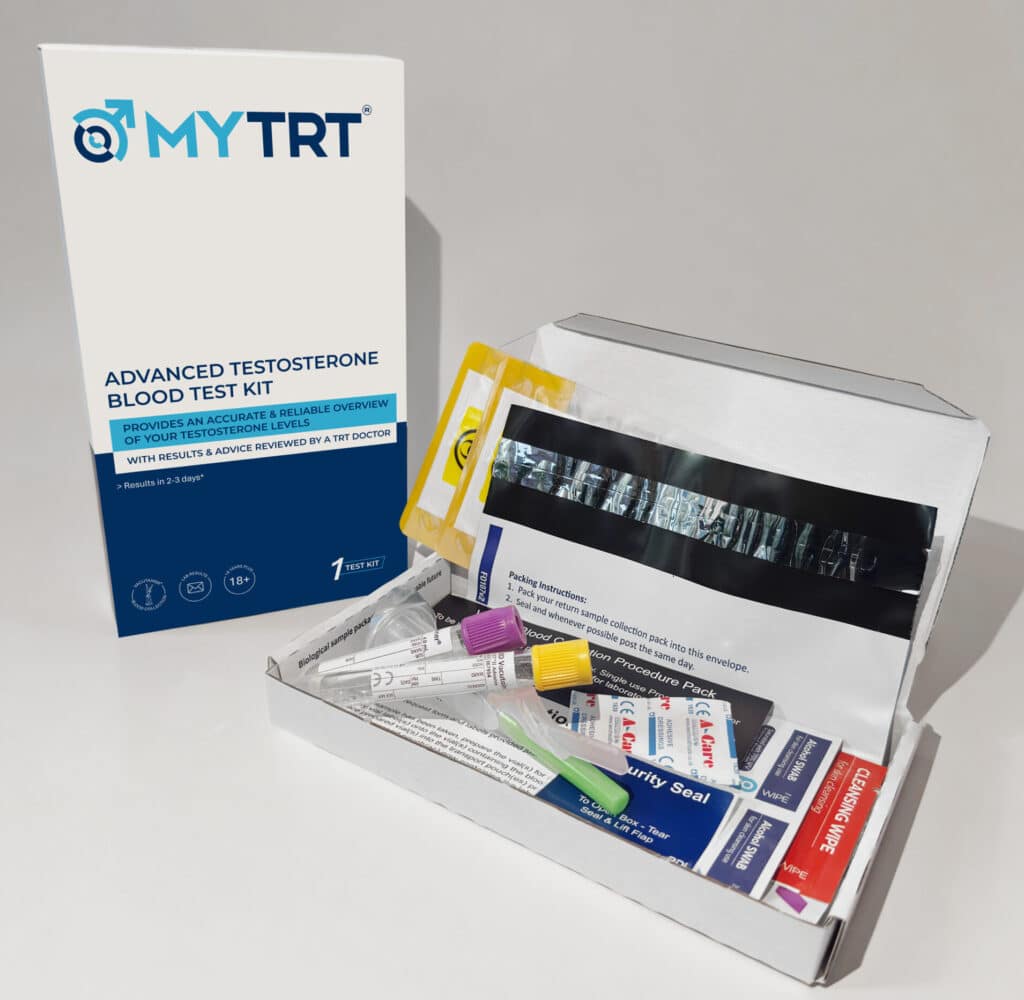
If you are considering testosterone therapy, the safe route starts with diagnosis rather than a product. Our guide to getting TRT in the UK explains the assessment, prescribing and monitoring process, and a blood test kit confirms whether your levels justify treatment at all.
References
- NHS — Testosterone replacement therapy. ↩
- NICE — Testosterone replacement in male hypogonadism. ↩
- BSSM — British Society for Sexual Medicine, Guidelines on Male Adult Testosterone Deficiency, with Statements for Practice (2023). ↩
- PubMed — Pharmacokinetics of testosterone enanthate. ↩
- eMC — Testosterone Enantate 250mg/ml Injection – Summary of Product Characteristics. ↩
- Endocrine Society — Testosterone Therapy in Men With Hypogonadism. ↩
- Mayo Clinic — Testosterone therapy: Potential benefits and risks as you age. ↩
- GOV.UK — Misuse of Drugs Act 1971. ↩