Medical Summary: The Safety Profile of Testosterone Replacement Therapy
Patients often ask us, “Is TRT safe?” The clinical consensus, supported by extensive research and guidelines from the British Society for Sexual Medicine (BSSM) and the Endocrine Society, is that testosterone replacement therapy is generally safe when prescribed appropriately and monitored rigorously. In clinic we see that the primary objective of treatment is to restore physiological testosterone levels in men with diagnosed deficiency, thereby alleviating symptoms while minimising potential risks. The safety of TRT hinges on a comprehensive initial assessment, accurate diagnosis, and ongoing clinical surveillance. Recent large-scale studies, including the landmark TRAVERSE trial, have provided substantial reassurance regarding cardiovascular safety, demonstrating no increased risk of major adverse cardiovascular events in men with pre-existing risk factors. However, safety is not absolute; it requires a tailored approach, considering individual patient history, contraindications, and regular blood monitoring to manage parameters such as haematocrit and prostate-specific antigen (PSA). Ultimately, when managed by experienced clinicians, the benefits of restoring hormonal balance typically outweigh the risks for eligible patients.
MYTRT treatment eligibility
MYTRT treats men only when they have compatible symptoms and meet both biochemical limits: total testosterone of 15 nmol/L or below, and free testosterone of 0.35 nmol/L or below.
Understanding the Evidence: Is Testosterone Replacement Therapy Safe Long-Term?
When evaluating whether testosterone replacement therapy is safe over the long term, it is essential to examine the robust body of clinical evidence that has emerged over the past decade. Historically, concerns regarding the long-term safety of testosterone therapy primarily centred around cardiovascular health and prostate cancer risk. However, contemporary research has significantly shifted this paradigm. The TRAVERSE trial, published in 2023, represents a watershed moment in our understanding of TRT safety. This large, randomised, placebo-controlled study specifically investigated the cardiovascular outcomes of testosterone therapy in men with hypogonadism and pre-existing cardiovascular risk factors. The findings were unequivocally reassuring: testosterone replacement did not increase the incidence of major adverse cardiovascular events, such as heart attacks or strokes, compared to a placebo. This aligns with the 2023 guidelines from the BSSM, which emphasise that restoring testosterone to physiological levels does not inherently pose a cardiovascular threat and may, in fact, offer metabolic benefits for certain individuals.
Beyond cardiovascular considerations, the long-term safety profile of TRT encompasses bone density, metabolic health, and cognitive function. Chronic testosterone deficiency is associated with an increased risk of osteoporosis, metabolic syndrome, and frailty. By addressing the underlying deficiency, TRT can mitigate these risks, contributing to improved overall health outcomes. In our clinical practice, we observe that patients maintained on a well-regulated programme often report sustained improvements in necessaryity and physical function over many years. It is critical to differentiate between the physiological replacement of testosterone and the supraphysiological doses often associated with anabolic steroid abuse. The safety data supporting TRT applies exclusively to therapeutic regimens designed to mimic natural hormone production. For a deeper understanding of the physiological role of this hormone, you can read our guide on what is testosterone.
Furthermore, the long-term safety of TRT is intrinsically linked to the method of administration and the consistency of monitoring. Different modalities, such as testosterone injections or testosterone gel, have distinct pharmacokinetic profiles that can influence safety parameters. Therefore, determining whether TRT is safe for life requires a commitment to ongoing medical supervision. Regular blood tests are non-negotiable to ensure that testosterone levels remain within the therapeutic window and that secondary markers, such as red blood cell count and liver function, are stable. This proactive approach allows clinicians to adjust dosages or change administration methods promptly, thereby maintaining a high safety standard throughout the patient’s treatment journey.[1][2][3]
In summary, the current evidence strongly supports the long-term safety of testosterone replacement therapy when administered under strict medical guidance. The initial fears that dominated the discourse in previous decades have largely been assuaged by rigorous, large-scale trials. However, safety is a dynamic state that demands continuous vigilance, typically with routine scheduled blood tests and follow up. Patients considering this treatment must engage in a transparent dialogue with their healthcare provider, discussing their complete medical history and understanding the necessity of lifelong monitoring. By adhering to established clinical protocols, the risks associated with long-term TRT can be effectively managed, allowing patients to reap the substantial benefits of hormonal optimisation.
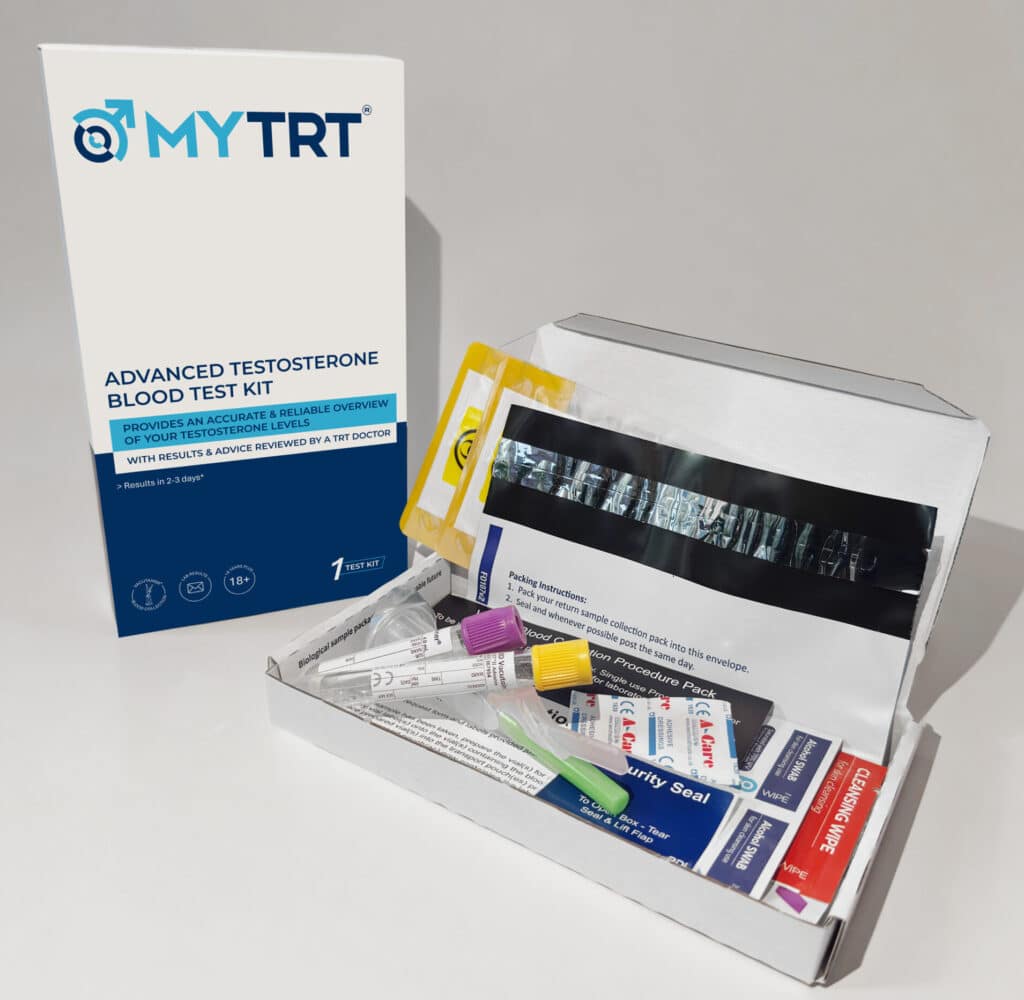
Advanced Testosterone Blood Test
Book a venous draw at a clinic £99.49
Book a venous draw at home with a nurse £109.49
 General health check
Addressing Common Concerns: Is TRT Dangerous?
A frequent question we encounter is, “Is TRT dangerous?” This apprehension is understandable, given the historical controversies and the conflation of therapeutic testosterone use with illicit performance-enhancing drugs. To provide clarity, we must systematically address the most common fears associated with testosterone therapy. One of the most persistent concerns is the potential link between TRT and prostate cancer. For many years, it was a widely held belief that exogenous testosterone could initiate or accelerate the progression of prostate malignancies. However, extensive modern research has debunked this myth. The current consensus among urological and endocrinological societies is that TRT does not cause prostate cancer. While testosterone can stimulate the growth of an existing, active prostate cancer, it does not induce the disease in a healthy prostate. Consequently, a thorough prostate screening, including a PSA test and, if necessary, a digital rectal examination, is a mandatory prerequisite before commencing treatment as well as ongoing monitoring while on treatment, through routine follow up and blood testing. For more details on the necessary assessments, review our information on the testosterone test.
Another significant concern revolves around cardiovascular health, specifically the risk of heart attacks and strokes. As previously mentioned, the TRAVERSE trial has provided substantial evidence that TRT does not elevate cardiovascular risk in hypogonadal men. In fact, untreated low testosterone is itself a risk factor for cardiovascular disease, often associated with increased visceral fat, insulin resistance, and adverse lipid profiles. By correcting the deficiency, TRT can improve these metabolic parameters. However, it is essential to monitor haematocrit—the proportion of red blood cells in the blood. Testosterone stimulates erythropoiesis, which can lead to polycythaemia (an abnormally high red blood cell count). If haematocrit levels become excessively elevated, the blood can thicken, potentially increasing the risk of thrombosis or blood clots. This is a manageable risk; routine blood monitoring allows us to detect rising haematocrit early and intervene by adjusting the dose, changing the delivery method, or recommending therapeutic phlebotomy.
Liver toxicity is another fear often raised by patients, usually stemming from the historical use of oral, alkylated testosterone preparations, which were indeed hepatotoxic. Modern TRT formulations, such as gels, subcutaneous (fat) and intramuscular injections, bypass the first-pass metabolism in the liver, thereby eliminating the risk of liver damage. We do not prescribe oral alkylated androgens in our clinic. Therefore, when considering the contemporary methods of administration, the concern regarding liver toxicity is largely unfounded. Additionally, patients often inquire about the impact of TRT on fertility. It is a well-established medical fact that exogenous testosterone suppresses the hypothalamic-pituitary-gonadal (HPG) axis, leading to a reduction or cessation of spermatogenesis after aproximately 6 months on only Testosterone therapy. For men who wish to preserve their fertility, standard TRT may not be appropriate. In such cases, alternative treatments, such as Human Chorionic Gonadotropin (hCG) or selective oestrogen receptor modulators (SERMs), will be vital to stimulate endogenous testosterone production while maintaining and protecting sperm production. This highlights the importance of individualised treatment planning.
To summarise, while TRT is not without potential risks, it is not inherently dangerous when managed correctly. The key to safety lies in patient selection, appropriate dosing, and rigorous monitoring. By proactively addressing potential complications, such as elevated haematocrit or changes in PSA, clinicians can mitigate risks effectively. It is significant for patients to understand that the safety of the therapy is a collaborative effort between them and their healthcare provider. Adherence to the prescribed regimen and attendance at all follow-up appointments are necessary components of a safe and successful treatment outcome. For a comprehensive overview of potential adverse reactions, we recommend reading our detailed guide on TRT side effects.
Who Should Not Take TRT? Contraindications and Precautions
While testosterone replacement therapy is safe and beneficial for many men with diagnosed hypogonadism, it is not for everyone. Identifying contraindications and barriers to treatment is a critical step in ensuring patient safety. In our clinical practice, we adhere strictly to established guidelines to determine eligibility. The most absolute contraindication to TRT is the presence of active prostate cancer or male breast cancer. As testosterone can stimulate the growth of these hormone-dependent malignancies, administering exogenous testosterone in these scenarios is strictly prohibited. Patients with a history of prostate cancer may be considered for TRT in highly selected cases, but this requires extensive consultation with an oncologist and a urologist, and it is generally approached with extreme caution. A thorough screening process, including a detailed medical history and appropriate blood tests, is essential to rule out these conditions before initiating therapy.
Another significant contraindication is severe, untreated obstructive sleep apnoea (OSA). One of the most common reversible causes of low T. Testosterone therapy can exacerbate sleep apnoea, leading to worsened hypoxemia during sleep, which in turn can increase cardiovascular strain and elevate haematocrit levels. Patients with known or suspected OSA must undergo a sleep study and, if diagnosed, must be compliant with treatment, such as Continuous Positive Airway Pressure (CPAP) therapy, before TRT can be safely considered. Furthermore, individuals with uncontrolled severe heart failure are generally not candidates for TRT, as the potential for fluid retention associated with testosterone administration can worsen their cardiac status. It is imperative to stabilise any underlying cardiovascular conditions prior to evaluating the suitability of hormone replacement.
Uncontrolled polycythaemia, characterised by an abnormally high haematocrit (typically >54%), is also a contraindication. Since testosterone stimulates red blood cell production, administering it to a patient who already has elevated haematocrit significantly increases the risk of thromboembolic events, such as deep vein thrombosis or stroke. The underlying cause of the polycythaemia must be investigated and managed before TRT can be initiated. This is routinely done with a GP referral to a hameotologist Additionally, men with severe lower urinary tract symptoms (LUTS) associated with benign prostatic hyperplasia (BPH) should be evaluated carefully. While TRT does not cause BPH, it can occasionally exacerbate symptoms in some individuals. A comprehensive urological assessment is necessary to ensure that the benefits of treatment outweigh the potential risks in these patients.
Finally, men who are actively trying to conceive or who wish to preserve their fertility in the near future should generally avoid standard TRT regimens as exogenous testosterone suppresses sperm production. While this suppression is often reversible upon cessation of therapy, the recovery of spermatogenesis can take many months, and in some cases, it may not fully return to baseline levels. For these patients, alternative strategies to manage hypogonadism while preserving fertility must be explored. In summary, determining whether TRT is safe for a specific individual requires a holistic assessment of their medical history, current health status, and future goals. By rigorously identifying and respecting these contraindications, we ensure that therapy is provided only to those who can safely benefit from it. If you are considering treatment, you can learn more about the process in our guide on how to get TRT.
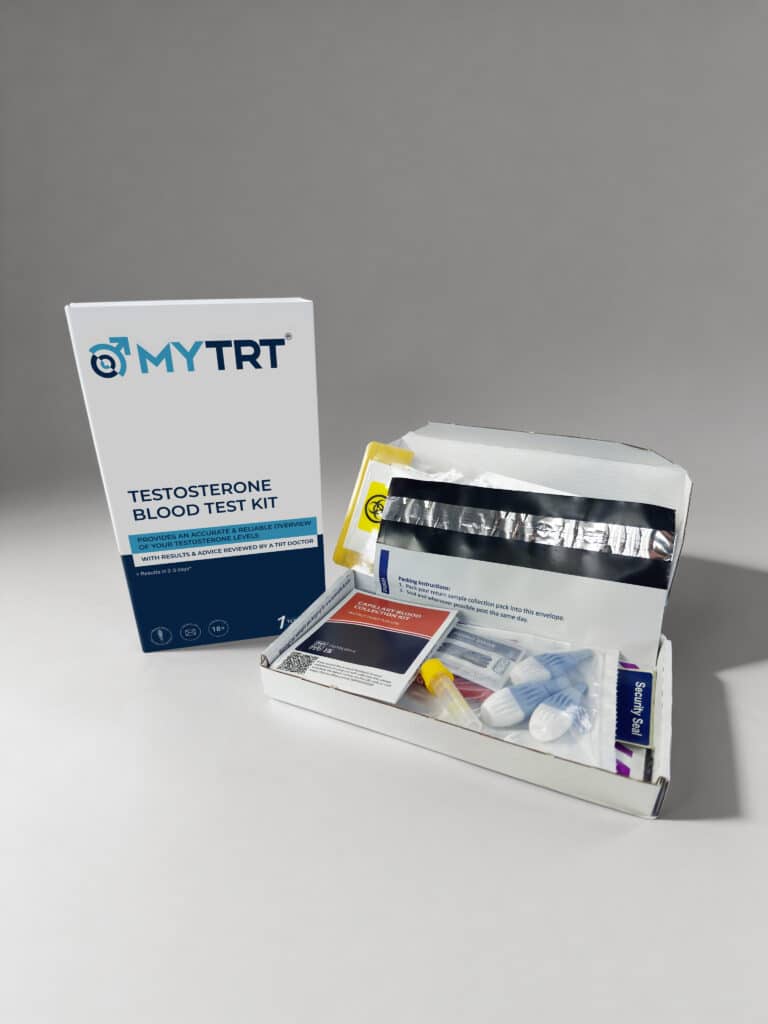
If this test showed you have low testosterone, the Advanced Testosterone Blood Test will assess your suitability for TRT.
The Importance of Clinical Monitoring: Ensuring TRT is Safe for Life
The assertion that testosterone replacement therapy is safe is heavily contingent upon rigorous and consistent clinical monitoring. TRT is not a “set and forget” treatment; it requires ongoing surveillance to ensure efficacy and mitigate potential risks. In our clinic, we emphasise that the initial prescription is merely the beginning of a structured therapeutic journey. The primary goal of monitoring is to maintain testosterone levels within the physiological range, avoiding both sub-therapeutic dosing, which fails to resolve symptoms, and supra-therapeutic dosing, which increases the risk of adverse effects. Regular blood tests and follow ups are the cornerstone of this process. We typically evaluate total testosterone, free testosterone, sex hormone-binding globulin (SHBG), and ooestradiol levels. Monitoring ooestradiol is significant, as a portion of testosterone is aromatised into oestrogen. While some oestrogen is necessary for bone health and libido, excessive levels can lead to side effects such as gynaecomastia or fluid retention.
Beyond hormonal parameters, monitoring must encompass broader health markers. Haematocrit and haemoglobin levels are assessed routinely to detect polycythaemia, a known potential complication of TRT. If haematocrit approaches the upper limit of normal, proactive measures, such as dose adjustment or therapeutic phlebotomy, are implemented to prevent thromboembolic complications. Prostate health is another critical area of surveillance. We monitor Prostate-Specific Antigen (PSA) levels before initiating treatment and at regular intervals thereafter. A significant or rapid increase in PSA warrants further urological investigation to rule out prostate pathology. Note that while TRT does not cause prostate cancer, it can unmask an occult malignancy, making vigilant PSA monitoring indispensable for long-term safety.
Lipid profiles and liver function tests are also integral components of our monitoring protocol. While modern TRT formulations are not hepatotoxic, assessing liver function provides a comprehensive view of the patient’s metabolic health. Similarly, monitoring cholesterol levels helps us evaluate cardiovascular risk factors, ensuring that the therapy is not adversely affecting the lipid profile. The frequency of these blood tests is typically more intensive during the first year of treatment, often occurring at three, six, and twelve months, and then annually thereafter, provided the patient is stable. This structured approach allows us to detect and address any deviations promptly, ensuring that the treatment remains safe and effective over the long term. For those interested in the initial diagnostic steps, our page on the testosterone test NHS pathway provides useful context.
In addition to objective laboratory data, clinical monitoring involves a subjective assessment of the patient’s well-being. We regularly review symptom resolution, mood, energy levels, and sexual function. This holistic evaluation ensures that the therapy is achieving its intended goals and improving the patient’s quality of life. We also discuss any potential side effects the patient may be experiencing, providing an opportunity to adjust the treatment plan if necessary. Ultimately, the safety of TRT is a collaborative effort. Patients must be proactive in attending their monitoring appointments and communicating openly with their healthcare provider. By adhering to a robust monitoring framework, we can confidently state that TRT is a safe and highly effective intervention for men with diagnosed testosterone deficiency, providing sustained benefits for life.
Comparing Modalities: What is the Safest Form of Testosterone Therapy?
When patients ask, “What is the safest form of testosterone therapy?”, the answer is nuanced. The safety of a specific modality depends on the individual’s physiological response, lifestyle, and adherence to the treatment protocol. In the UK, the most commonly prescribed forms of TRT are gels, subcutaneous and intramuscular injections. Each method has its own pharmacokinetic profile, which influences its safety and efficacy. Transdermal testosterone gels are often considered a very safe starting point. They provide a steady, daily absorption of testosterone, mimicking the body’s natural diurnal rhythm more closely than infrequent injections. This steady state minimises the peaks and troughs in hormone levels, which can reduce the risk of certain side effects, such as significant haematocrit elevation or mood fluctuations. However, gels carry a risk of transference to others, particularly women and children, through skin-to-skin contact. Patients must be diligent about applying the gel to covered areas and washing their hands thoroughly to mitigate this risk.
Injectable testosterone, such as testosterone enanthate or cypionate, are highly effective, efficient and safe modalites when administered correctly. Injections are typically given every few days to a week, depending on the ester and the individual’s age and metabolism. Subcutaneous injections, which involve injecting the medication into the fatty tissue rather than the muscle, are becoming increasingly popular as they often result in more stable, slower absorption which is preferred.
Other modalities, such as testosterone pellets or buccal patches, are less commonly used in the UK but offer alternative delivery methods. Pellets provide a long-acting, steady release of testosterone over several months, eliminating the need for daily or weekly administration. However, the insertion requires a minor surgical procedure, and if adverse effects occur, the pellets cannot be easily removed. Oral testosterone preparations, specifically the older alkylated forms, are generally avoided due to their known hepatotoxicity. Newer oral formulations, such as testosterone undecanoate, bypass the liver and are safer, but their absorption can be variable and dependent on dietary fat intake. In our clinic, we prioritise modalities that offer predictable absorption and a strong safety profile.
Ultimately, the safest form of testosterone therapy is the one that is most appropriate for the individual patient, taking into account their medical history, lifestyle preferences, and specific physiological needs. A thorough consultation with an experienced clinician is essential to determine the optimal modality. Regardless of the method chosen, the overarching principle of safety remains the same: rigorous clinical monitoring and regular blood tests are paramount. By tailoring the treatment to the individual and maintaining vigilant oversight, we can ensure that TRT is delivered safely and effectively, maximising the benefits while minimising the risks. If you are ready to explore your options, you can learn more about our services at how to get TRT UK.
Ready to optimise your health?
-
 Comprehensive blood analysis
-
Expert clinical supervision
-
Tailored treatment plans

Conclusion: Balancing the Risks and Benefits of TRT
In addressing the fundamental question, “Is TRT safe?”, the evidence overwhelmingly supports its safety when prescribed for diagnosed hypogonadism and managed with rigorous clinical oversight. The narrative surrounding testosterone therapy has evolved significantly, moving away from unfounded fears of prostate cancer and cardiovascular events, towards a nuanced understanding of its profound benefits for metabolic health, bone density, and overall quality of life. The landmark TRAVERSE trial and updated guidelines from respected bodies like the BSSM provide a solid foundation of reassurance for both clinicians and patients. However, acknowledging that TRT is safe does not imply it is without risk. The potential for polycythaemia, exacerbation of sleep apnoea, and suppression of fertility are real considerations that must be managed proactively.
The cornerstone of safe testosterone replacement therapy is individualised care. A one-size-fits-all approach is inappropriate and potentially hazardous. In our practice, we emphasise the necessity of a comprehensive initial evaluation to identify contraindications and establish baseline health metrics. This is followed by a meticulously structured monitoring programme, designed to keep testosterone levels within the physiological range while keeping a watchful eye on secondary markers such as haematocrit and PSA. This continuous surveillance allows for timely interventions, ensuring that the therapy remains both effective and safe over the long term. It is this commitment to clinical excellence that transforms TRT from a potential risk into a powerful tool for health optimisation.
Ultimately, the decision to commence TRT should be made collaboratively between the patient and an experienced healthcare provider. Patients must be fully informed of the potential risks and the absolute necessity of compliance with monitoring protocols. When these conditions are met, the benefits of restoring hormonal balance—ranging from improved energy and mood to enhanced physical function and metabolic stability,far outweigh the manageable risks. TRT is not merely about increasing a number on a lab report; it is about restoring necessaryity and improving the trajectory of a man’s health. By adhering to evidence-based practices and maintaining vigilant clinical oversight, we can confidently affirm that testosterone replacement therapy is a safe, effective, and life-enhancing treatment for those who genuinely need it. To see the potential impact, you can review TRT before and after case studies.
Frequently Asked Questions
How much TRT is safe?
The safe dosage of TRT is highly individualised and aims to restore your testosterone levels to the optimal physiological range, typically between 18 and 30 nmol/L. There is no single one soze fits all dose for everyone; it depends on your baseline levels, how your body metabolises the hormone, individual recepetor sensitivity and your clinical response. We determine the appropriate dose through careful titration and regular blood monitoring to ensure efficacy while minimising side effects. Taking supraphysiological doses, often seen in bodybuilding, is not safe and increases the risk of cardiovascular and haematological complications. For more information on starting treatment, see our guide on how to get TRT UK.
How safe is TRT?
TRT is considered very safe when prescribed by a qualified medical professional for diagnosed testosterone deficiency and monitored regularly. Extensive research, including the recent TRAVERSE trial, has shown that it does not increase the risk of major cardiovascular events or cause prostate cancer. However, it requires ongoing surveillance of markers like haematocrit and PSA to manage potential risks. The safety profile is robust provided the patient adheres to the prescribed regimen and attends all follow-up appointments. You can read more about the fundamentals in our article on what is TRT.
Is it safe to take TRT?
Yes, it is safe to take TRT if you have a confirmed clinical diagnosis of hypogonadism and are under the care of an experienced clinician. The treatment is designed to replace the testosterone your body is no longer producing adequately, restoring physiological balance. It is not safe to take TRT without a prescription or medical supervision, as improper dosing can lead to serious health issues. A thorough initial assessment is mandatory to rule out contraindications such as active prostate cancer. Learn about the necessary evaluations in our testosterone test guide.
Is TRT safe 2021 and 2022 guidelines?
Guidelines from 2021 and 2022, as well as the updated 2023 BSSM guidelines, consistently affirm that TRT is safe for men with symptomatic hypogonadism. These modern guidelines reflect a paradigm shift, moving away from historical fears and acknowledging the metabolic and cardiovascular benefits of restoring normal testosterone levels. They emphasise the importance of individualised treatment plans and rigorous monitoring protocols to ensure long-term safety. The consensus across these years is that the benefits generally outweigh the risks when managed correctly. For a deeper examine the condition, read what is testosterone.
Is TRT safe for the heart?
Current evidence strongly suggests that TRT is safe for the heart in men with diagnosed deficiency. The landmark 2023 TRAVERSE trial demonstrated that testosterone therapy does not increase the risk of major adverse cardiovascular events, even in men with pre-existing risk factors. In fact, untreated low testosterone is associated with increased cardiovascular risk, and TRT can improve metabolic parameters such as insulin sensitivity and fat mass. However, monitoring haematocrit is essential to prevent blood thickening, which can strain the cardiovascular system. Discover more about the treatment process at how to get TRT UK.
Is TRT safe for life?
TRT is generally safe for life, as with all long term medication, provided it is continuously monitored by a healthcare professional. Because hypogonadism is often a chronic condition, treatment is typically lifelong to maintain symptom resolution and physiological balance. Long-term safety relies on regular blood tests to check testosterone levels, haematocrit, PSA, and other health markers, allowing for timely adjustments to the treatment plan. Many men remain on TRT for decades with excellent health outcomes and improved quality of life. To understand the long-term benefits, view our TRT before and after insights.
Is TRT safe long term?
Yes, TRT is safe long term when administered under strict clinical supervision. Long-term studies have not shown an increased risk of prostate cancer or cardiovascular disease when testosterone is maintained within the normal physiological range. The key to long-term safety is the consistent monitoring of blood parameters to detect and manage any potential side effects, such as polycythaemia, early on. Adherence to clinical guidelines ensures that the therapy remains a safe and effective intervention over many years. For a comprehensive look at potential issues, review TRT side effects.
Is TRT safe long term Reddit discussions?
While Reddit discussions can provide anecdotal insights into patients’ experiences with long-term TRT, they should not replace professional medical advice. Many users on forums report positive long-term outcomes, but individual experiences vary widely, and the safety of their regimens depends on whether they are medically supervised. It is significant to rely on peer-reviewed clinical evidence and the guidance of a qualified doctor rather than internet forums when evaluating the safety of hormone therapy. Always consult a professional, as detailed in our guide on how to get TRT UK.
Is TRT safe Reddit opinions?
Reddit opinions on whether TRT is safe are mixed and often lack clinical context. While some users share success stories of safe, medically supervised treatment, others may discuss unsafe practices, such as self-medicating or using supraphysiological doses without monitoring. The safety of TRT is an established medical fact when prescribed correctly, but relying on Reddit for safety validation can be misleading. We strongly advise basing your health decisions on consultations with experienced clinicians and established medical guidelines. Learn more about the proper medical approach in what is TRT.
What is the safest form of testosterone therapy?
The safest form of testosterone therapy varies depending on the individual’s health profile and lifestyle, but transdermal gels and carefully monitored injections are both considered highly safe. Gels provide a steady daily dose, minimising hormone fluctuations, which can reduce the risk of certain side effects like elevated haematocrit. Injections are also very safe when the dose and frequency are optimised to the patient’s metabolism, though they may require closer monitoring of peak levels. The ultimate safety of any modality depends on rigorous clinical oversight and regular blood testing. Explore the options further in our testosterone gel guide.
References
[1] Cardiovascular Safety of Testosterone-Replacement Therapy (TRAVERSE Trial) ↩︎
[3] Endocrine Society Clinical Practice Guideline for Testosterone Therapy ↩︎