Medical Summary
Testosterone cream is a form of testosterone replacement therapy applied to the skin, usually once or twice daily, to raise testosterone levels in men with confirmed hypogonadism. In the UK, the phrase can mean two different things: a licensed topical testosterone gel, or a compounded testosterone cream prepared by a specialist pharmacy on private prescription. This page focuses on the cream-specific route, including c-testosterone cream and scrotal application, while our separate testosterone gel guide covers licensed products in more detail.
MYTRT treatment eligibility
MYTRT treats men only when they have compatible symptoms and meet both biochemical limits: total testosterone of 15 nmol/L or below, and free testosterone of 0.35 nmol/L or below.
Topical TRT can work well when it is prescribed after proper assessment, used consistently and monitored with blood tests. Creams may suit men who want flexible dose adjustment, convenience of transport or men who do not want injections, but they also bring specific safety issues, including skin-to-skin transfer, variable absorption depending on skin charecteristics, ie permeables and a tendency for scrotal use to increase dihydrotestosterone, often shortened to DHT. Medical supervision is needed because symptom response alone is not enough. Treatment decisions should combine blood results, clinical history, fertility plans, prostate health, haematocrit and side-effect review, in line with recognised hypogonadism guidance.[1]
What Is Testosterone Cream?
Patients often ask us whether testosterone cream is simply another name for testosterone gel. In everyday searches, the terms are mixed together, but in prescribing they are not identical. Licensed products such as Testogel, Tostran and Testavan are medicines with defined marketing authorisations, standard patient leaflets and published Summary of Product Characteristics documents. A compounded testosterone cream, sometimes written as c-testosterone cream, is made by a pharmacy to a prescriber’s specification when a licensed preparation is not the chosen option.
A trt cream is usually an oil-in-water or lipophilic base containing testosterone at a stated concentration. Common private-practice strengths vary by prescriber and pharmacy, and the dose is measured by clicks of a dispenser, grams of cream or a metered amount. This differs from many gels where the amount of testosterone delivered per pump or sachet is specified by the product licence. If you want a brand-by-brand comparison of licensed topical testosterone gel options, see our testosterone gel resource and our dedicated Testogel guide.
The other practical difference is the application site. Licensed gels are usually applied to areas such as the shoulders, upper arms, abdomen or thighs according to the product instructions.[2] Compounded creams may be prescribed for conventional skin sites, but many specialist TRT clinicians use scrotal application in selected men because scrotal skin is thin, vascular and highly permeable. That route is not just a convenience point. It changes the way testosterone is absorbed and may affect downstream hormones such as DHT.
Testosterone cream for men is not a wellness product and should not be confused with over-the-counter hormone boosters. It is a prescription medicine route for men whose symptoms and blood tests fit testosterone deficiency. If you are still at the stage of checking whether low testosterone is likely, start with a properly timed testosterone test and a clinical review rather than buying a cream online.
| Feature | Compounded testosterone cream | Licensed testosterone gel |
|---|---|---|
| Regulatory status | Prepared to prescription by a compounding pharmacy when clinically selected | Licensed medicine with product-specific instructions |
| Typical application site | Often scrotal or non-scrotal skin depending on prescription | Usually shoulders, arms, abdomen or thighs depending on brand |
| Dose measurement | Clicks, grams or dispenser amount set by prescriber and pharmacy | Pump actuations or sachets defined by the product licence |
| Absorption pattern | Can be strong through scrotal skin, with more DHT conversion in some men | Designed for absorption through non-genital skin |
| Best suited to | Men needing flexible topical dosing under specialist supervision | Men who prefer a licensed, standardised topical product |
How Topical Testosterone Cream Is Absorbed
Topical testosterone crosses the outer skin layer, enters the local capillary network and then circulates as free testosterone, albumin-bound testosterone and sex hormone-binding globulin-bound testosterone. The skin also acts as a temporary reservoir, which is one reason daily application can produce relatively steady exposure when the same amount is used in the same way. This is different from some injection schedules, where peaks and troughs may be more noticeable in sensitive patients. For injection-specific questions, use our separate testosterone injections guide.
Absorption is influenced by the base of the cream, the concentration, the surface area used, local skin thickness, washing, sweating, hair, temperature and the time between application and contact with clothing. In clinic we see men who apply the same prescription but achieve different blood concentrations because their routines differ. One man may apply after a hot shower and cover the area quickly; another may apply at a different time each day and train soon after. These details can explain unexpected blood results.
Scrotal skin deserves separate discussion. It has a thinner stratum corneum and a rich blood supply, so testosterone can enter the body efficiently from a small amount of cream. A pharmacokinetic study of scrotal testosterone cream reported substantial absorption and changes in androgen levels after application.[3] This is why scrotal dosing is often much lower in volume than shoulder or abdominal application. The trade-off is that the same pathway can produce higher DHT in some men, because 5-alpha-reductase activity in genital skin converts testosterone to DHT.
DHT is not automatically harmful. It contributes to androgen signalling in skin, hair follicles, genital tissue and other sites. Problems arise when the balance is wrong for the individual. Some men notice oily skin, acne, scalp hair shedding or prostate-related symptoms if DHT rises too much, while others feel well and have no issues. This is one reason why cream monitoring should not be limited to total testosterone alone.
Ooestradiol may also shift as testosterone exposure increases, because aromatase can convert testosterone into oestrogen. Men sometimes assume topical therapy avoids oestrogen changes, but any effective testosterone treatment can alter the wider hormone network. The aim is not to push every marker to the top of the range. The aim is to replace deficient testosterone to a clinically appropriate level, while keeping the overall safety profile acceptable.
Testosterone Cream for Men: Application, Timing and Transfer Safety
Your prescriber should give product-specific instructions, especially if the cream is compounded. Do not copy another person’s dose or application site. A cream made at one concentration may deliver a very different amount of testosterone from another cream, even if the same number of dispenser clicks is used. If you change pharmacy, base or dispenser, ask whether the dose expression has changed.
A typical routine starts with clean, dry skin. Apply the prescribed quantity to the nominated area, usually the shoulders or inner thigh where the skin is thinnest, spread it in a thin layer, allow it to dry or absorb, then wash your hands thoroughly with soap and water. If the application site may contact another person, cover it with clothing once dry. Avoid skin-to-skin contact until the risk period advised by your clinician has passed. The NHS and product information for testosterone medicines warn about accidental transfer to others, particularly women and children.[4]
Topical cream typically takes 5-7 hours to absorb slowly through the day and then should be washed off before sleeping next to a partner. Typically it as applied in the morning and you should wait 2-3 minutes for it to dry before getting dressed and going about your day.
Scrotal use has extra practical considerations. The area should be intact, without cuts, dermatitis or irritation. Shaving can increase irritation and may change absorption for a short period, so many men trim rather than wet shave. Apply only the amount prescribed. A small-looking dose can still be potent because the site absorbs well.
Timing matters because blood tests are interpreted in relation to the last application. A level checked at the wrong time can make an adequate dose look excessive or a weak dose look acceptable. At MYTRT, when reviewing topical treatment, we ask men exactly when they applied cream, where it was applied, whether they washed the site, and whether the blood sample could have been contaminated by residue on the fingers or venepuncture area. These questions may seem detailed, but they often prevent unnecessary dose changes.
- Use the same application site unless your prescriber changes it.
- Let the cream absorb before dressing or contact with others.
- Wash hands after every application, even if using an applicator.
- Keep the dispenser away from children, partners and pets.
- Tell your clinician about rashes, acne, hair shedding, mood changes, breast tenderness or urinary changes.
Advantages and Disadvantages of TRT Cream
Topical therapy appeals to men who dislike needles, travel frequently or want to avoid the learning curve of self-injection. Cream can also be adjusted in small increments, which may help when a man is sensitive to dose changes. Because it is used daily, it can feel more controllable than a long-acting injection. Some men also prefer stopping topical therapy if side effects appear, as levels may fall more quickly than with longer-acting depot preparations.
The main benefit of a well-managed cream regimen is convenience and offshore use. This does not mean cream is better for everyone. It means the route can be well matched to men whose lifestyle, skin suitability and physiology suit topical absorption.
The drawbacks are equally real. Testosterone cream requires discipline every day. Missed applications can lead to symptoms returning, while accidental double dosing can push levels too high. Transfer risk is a practical issue in households with children or pregnant partners. Skin irritation can occur, and scrotal use may raise DHT more than expected. Some of the concerns people search for under TRT side effects or testosterone gel side effects also apply to creams, but the pattern can differ because the base and application site are different. Fingerprick blood testing can also often lead to contaminated spurious results during the monitorning process
There is also a documentation issue. Licensed gels have standard leaflets and national product information. Compounded creams rely on the prescription, pharmacy specification and clinician instructions. That does not make them unsuitable, but it does place more responsibility on the prescribing service to explain use, arrange follow-up and record exactly what has been supplied.
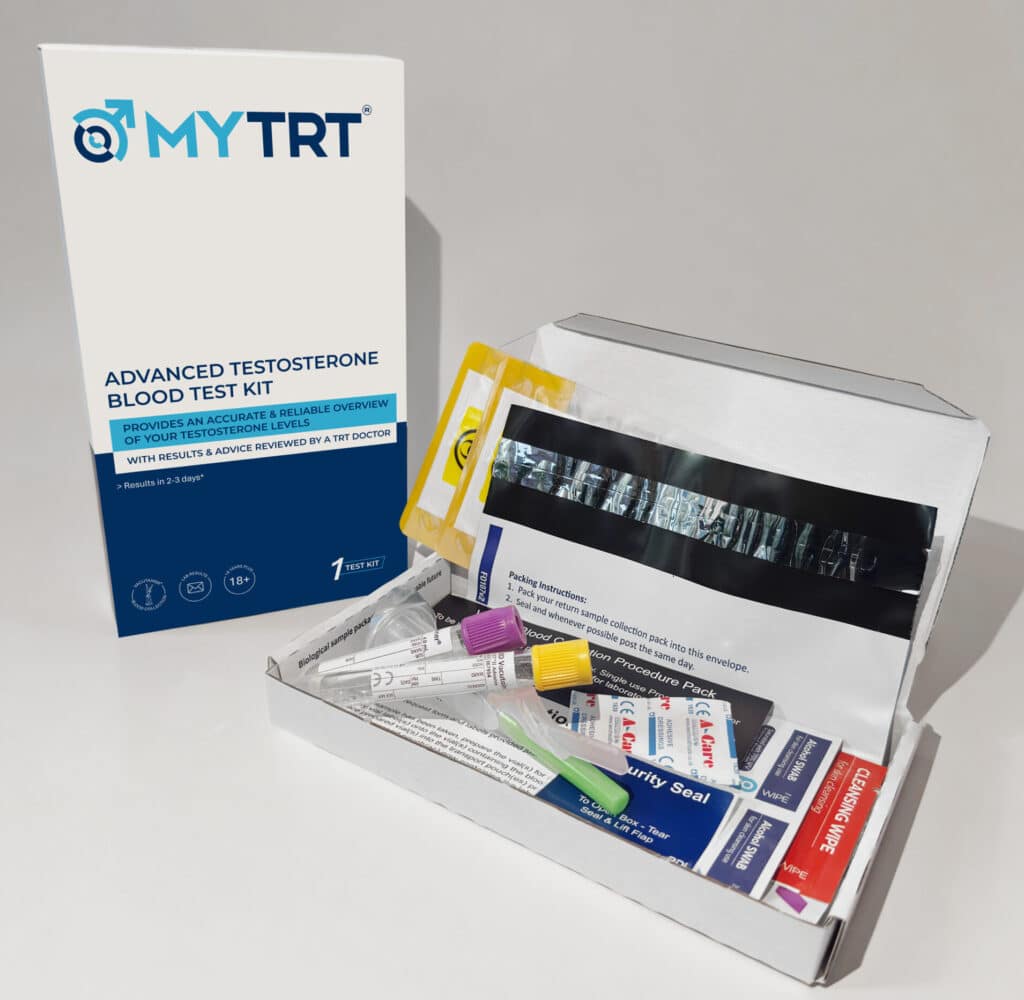
Advanced Testosterone Blood Test
Book a venous draw at a clinic £99.49
Book a venous draw at home with a nurse £109.49
 General health check
For men comparing options, the better question is not “Which TRT form is strongest?” but “Which route can I use safely and consistently while achieving appropriate blood levels?” A man with young children at home, eczema at application sites and poor daily routine may be a weaker candidate for cream. A man who travels often, wants rapid dose titration and has no transfer risk may be a stronger candidate. The decision is individual.
UK Availability: Licensed Gel, C-Testosterone Cream and Private Prescription Routes
In the UK, licensed testosterone gels are more commonly encountered in NHS and private prescribing than compounded testosterone cream. NHS pathways usually focus on diagnosing testosterone deficiency and using established licensed medicines where appropriate. If you want the broader route into treatment, including NHS and private differences, read our TRT UK guide or our page on how to get TRT in the UK.
Compounded testosterone cream is generally accessed through private specialist care. The clinician assesses symptoms, confirms biochemical deficiency, checks suitability, issues a private prescription and works with a specialist pharmacy able to prepare the cream to the required specification. Because compounded medicines are not the same as licensed branded gels, men should ask what concentration is being supplied, how the dose is measured, what base is used, where it should be applied and how refills are handled.
Buying testosterone cream without a proper prescription is unsafe and may be illegal. Online adverts can use phrases such as “testosterone cream for men” or “topical testosterone” while supplying unregulated products, incorrect strengths or medicines not intended for the buyer. If you are considering internet supply, read our advice on buying testosterone online before risking treatment without monitoring.
Costs vary because private TRT includes assessment, blood testing, prescribing, medication and follow-up. The medication price for a compounded cream is only one part of the overall programme. You can review treatment access and pricing context through UK TRT pricing. Men who are still investigating whether they qualify may prefer to start with a testosterone blood test kit or a wider advanced testosterone blood test.
Considering topical TRT?
Get a structured UK assessment before choosing a cream or gel.
Monitoring Testosterone Cream: Blood Tests, Symptoms and Dose Adjustment
Monitoring is where topical TRT succeeds or fails. A man can feel better in the first few weeks and still be over-replaced, under-replaced or developing a preventable side effect. Professional guidance for male hypogonadism recommends diagnosis based on both clinical features and repeat morning testosterone measurement, followed by ongoing safety review during treatment.[5] The exact schedule is set by the clinician, but early follow-up after starting or changing dose is standard practice.
For cream users, the timing of blood sampling should be written down and repeated in the same way. If your clinician wants a level at a defined number of hours after application, do not change the routine on test day. Avoid applying cream near the arm used for venepuncture. Residue on skin or fingers can contaminate the sample and produce a falsely high reading, a problem seen with topical testosterone preparations.
Blood markers often include total testosterone, calculated free testosterone or free androgen index where appropriate, SHBG, full blood count, haematocrit, liver profile, lipids, HbA1c or glucose, ooestradiol, prolactin where relevant and prostate-specific antigen in suitable age groups. DHT may be useful for some scrotal cream users, particularly if acne, hair shedding or prostate symptoms appear. Haematocrit needs attention because testosterone therapy can increase red blood cell production, and excessive rises may require dose adjustment or treatment pause.[6]
Symptom tracking should be structured rather than emotional. Energy, libido, erections, mood, sleep, exercise tolerance and cognition can all improve for the right patient, but they can also fluctuate for reasons unrelated to testosterone. Alcohol intake, sleep apnoea, weight change, depression, thyroid disease, medication changes and relationship stress can all mimic poor TRT response. Good follow-up separates hormone issues from wider health issues.
Dose changes should be modest unless there is a clear safety concern. With cream, small adjustments can produce meaningful shifts, especially with scrotal application. We usually want to see a pattern across symptoms and blood results rather than reacting to one number. If a man has high testosterone, high DHT and acne, the next step may differ from a man with low trough levels and no symptom response.
Fertility must be discussed before any testosterone treatment. External testosterone can suppress luteinising hormone and follicle-stimulating hormone, which can reduce sperm production. Men trying to conceive now or soon need specialist planning rather than simply starting cream. If your main concern is whether your levels are normal for your age, review normal testosterone levels before assuming treatment is the right next step.
Cream vs Topical Testosterone Gel vs Injections: Choosing the Right Route
Choosing between cream, gel and injections is partly medical and partly practical. Licensed testosterone topical gel suits men who want a regulated product with standard instructions. Compounded cream may suit men needing a customised concentration or a scrotal approach under specialist care. Injections may suit men who prefer less frequent dosing, who have poor topical absorption or who cannot manage transfer precautions. If injections are being considered, application-site questions are replaced by injection technique questions, covered in where to inject testosterone.
Some men switch from gel to cream because levels remain low despite correct gel use. Others switch away from cream because DHT is high, skin contact precautions are difficult or the daily routine becomes burdensome. There is no universal hierarchy. A route that gives one man calm, stable levels may give another man irritation, anxiety about transfer or disappointing absorption.
We also consider reversibility and troubleshooting. With a daily topical preparation, stopping or reducing the dose usually changes exposure quickly. With some injections, the medicine remains active for longer, so side effects may take longer to settle. On the other hand, injections remove the risk of transferring testosterone to a partner or child. For men with complex work or family routines, that single factor can decide the route.
| Route | Possible strengths | Possible limitations |
|---|---|---|
| TRT cream | Flexible dosing, small application volume, may absorb well scrotally | Transfer risk, daily use, DHT rise with scrotal use, compounded supply |
| Topical testosterone gel | Licensed options, clear product instructions, no injections | Daily use, transfer precautions, variable absorption, skin drying in some men |
| Injections | No skin transfer, less frequent dosing possible, reliable delivery for many men | Needles, injection training, possible peaks and troughs depending on regimen |
Before choosing testosterone cream
-
 Repeat morning testosterone testing
-
Review fertility plans and prostate risk
-
Choose a route that fits your household and routine
-
Agree monitoring before the first prescription

Who Should Be Cautious With Testosterone Cream?
Testosterone cream is not suitable for every man with a low reading. Men with untreated prostate or breast cancer, unexplained high PSA, markedly raised haematocrit, untreated severe sleep apnoea, recent major cardiovascular events or active fertility goals need careful specialist assessment. The Endocrine Society guideline lists conditions where testosterone should not be started or should be deferred pending evaluation.[7]
Household context matters more with cream than with injections. If you share a bed with young children, have a pregnant partner, provide close-contact care or play contact sport soon after application, transfer precautions may be hard to maintain. In those cases, a licensed gel with a covered site or an injectable option may be safer, depending on the overall assessment.
Skin health is another filter. Men with chronic dermatitis, psoriasis, recurrent folliculitis or allergy to cream bases may struggle with topical therapy. Any new rash should be reviewed rather than covered with more product. Applying testosterone to inflamed skin can increase discomfort and may change absorption.
Mental health and expectations should be discussed openly. TRT can improve wellbeing in genuinely deficient men, but it is not a stand-alone treatment for burnout, poor sleep, relationship strain or overtraining. If testosterone is only one part of the picture, the plan should reflect that. This is why a proper consultation is more useful than a quick product choice.
FAQs
Is testosterone cream available in the UK?
Yes, but access depends on what you mean by testosterone cream. Licensed topical products are usually gels, while compounded cream is generally supplied by specialist pharmacies on private prescription. A clinician should confirm testosterone deficiency before prescribing. See how to get TRT in the UK for the usual assessment route.
Is testosterone cream the same as testosterone gel?
No. Both are topical testosterone, but a compounded cream may use a different base, concentration, dose measure and application site from a licensed gel. Licensed gels have brand-specific instructions and regulatory product information. For gel-specific detail, read our testosterone gel guide.
What is c-testosterone cream?
C-testosterone cream usually means compounded testosterone cream. It is prepared by a pharmacy to a prescriber’s specification rather than supplied as a standard licensed brand. You should know the concentration, dose measure and application site before using it. If you are comparing prescribed routes, our what is TRT guide explains the wider treatment context.
Where do you apply TRT cream?
Apply it only where your prescriber tells you. Some compounded creams are prescribed for scrotal use, while others may be used on non-genital skin. The site changes absorption, dose needs and transfer risk. If you are comparing this with injectable treatment sites, see where to inject testosterone.
Does scrotal testosterone cream increase DHT?
It can. Scrotal skin absorbs testosterone efficiently and contains 5-alpha-reductase activity, which can increase conversion to DHT in some men. Higher DHT may contribute to acne, oily skin, hair shedding or prostate-related symptoms in susceptible patients. These concerns should be reviewed alongside broader TRT side effects.
How long does testosterone cream take to work?
Blood levels can rise quickly, but symptom changes are usually judged over weeks to months. Libido and energy may change earlier than body composition or strength. If there is no response, the clinician should check application technique, blood timing and other health causes before increasing the dose. Our TRT before and after page explains realistic timelines.
Can testosterone cream transfer to my partner?
Yes. Transfer can happen through skin contact if the application site is not washed or covered as instructed. This matters most for women, children and pregnant partners. Handwashing, drying time and clothing barriers reduce risk. For more topical safety information, see our testosterone gel resource.
What blood tests are needed with testosterone cream?
Monitoring often includes testosterone, free testosterone calculation, SHBG, full blood count, haematocrit, ooestradiol and prostate checks where appropriate. Some scrotal cream users may also need DHT reviewed. The timing of the sample after application should be consistent. You can start with a advanced testosterone blood test if you need a wider hormone profile.
Is testosterone cream better than Testogel?
Not automatically. Cream may offer flexible dosing or scrotal absorption, while Testogel is a licensed product with standardised instructions. The better option depends on diagnosis, absorption, household transfer risk, side effects and preference. For brand-specific information, read our Testogel guide.
What are testosterone gel side effects, and do they apply to cream?
Some side effects overlap, including acne, raised haematocrit, breast tenderness, mood changes, fluid retention and transfer risk. Cream can add application-site issues linked to its base and may produce higher DHT when used scrotally. Side effects should be assessed with blood results, not symptoms alone. Read TRT side effects for a wider safety overview.
Can I buy testosterone cream online?
You should not buy testosterone cream without a legitimate prescription and monitoring plan. Unregulated online products may contain the wrong dose, poor-quality ingredients or no active medicine at all. Testosterone is a prescription-only medicine in the UK. Read our guidance on buying testosterone online before considering any supplier.
Does topical testosterone affect fertility?
Yes, it can. External testosterone can suppress LH and FSH, which may reduce sperm production and fertility. Men trying for a baby should discuss alternatives before starting TRT cream, gel or injections. Our TRT FAQ covers common treatment suitability questions.
References
[1] Endocrine Society Clinical Practice Guideline: Testosterone Therapy in Men With Hypogonadism ↩︎
[2] eMC: Testogel 16.2 mg/g gel Summary of Product Characteristics ↩︎
[3] PubMed: Pharmacokinetics of testosterone cream applied to scrotal skin ↩︎
[4] NHS: Testosterone medicine information ↩︎
[5] British Society for Sexual Medicine Guidelines on Adult Testosterone Deficiency ↩︎
[6] NICE CKS: Assessment principles including full blood count interpretation ↩︎
[7] Endocrine Society: Contraindications and monitoring in testosterone therapy ↩︎