
Your Questions Answered

Our team has significant expertise and experience in men's health.

Testosterone Replacement Therapy is a medical treatment prescribed to men who have been diagnosed with clinically low levels and symptoms of testosterone, a condition known as hypogonadism. The therapy aims to restore testosterone levels to a normal, healthy physiological range to alleviate the associated physical, mental, and sexual health symptoms. It is a long-term medical treatment that must be managed by a qualified healthcare professional.

This is a critical distinction. TRT is a medical intervention that uses bioidentical testosterone in physiological doses to correct a diagnosed deficiency under strict medical supervision. The goal is to restore normal, healthy hormone levels with the use of pharma-grade medication. Anabolic steroid abuse, conversely, involves using supraphysiological (dangerously high) doses of testosterone or other synthetic androgens for non-medical purposes, such as extreme muscle building. This abuse is what leads to severe health risks and the negative side effects often associated with steroids in the media.

The testosterone used in modern TRT is bioidentical, meaning it has the exact same molecular structure as the testosterone your own body produces. While it is synthesised in a laboratory, it is functionally identical to your natural hormones once in the bloodstream. The body cannot distinguish between them.

From a health perspective, treating a diagnosed hormone deficiency with TRT is not “cheating.” It is akin to a person with hypothyroidism taking thyroid medication or a diabetic person using insulin. It is a medical necessity to restore normal bodily function. In the context of competitive, drug-tested sports, however, using testosterone is prohibited unless a specific Therapeutic Use Exemption (TUE) has been granted by the sport’s governing body.

No. This is a persistent myth that confuses medically supervised TRT with illicit, high-dose steroid abuse. TRT restores hormone levels to a normal range, which is associated with improved mood, reduced irritability, and a greater sense of well-being, not aggression.

Decades of research, including major recent clinical trials, have not shown a causal link. Modern evidence indicates that for men with diagnosed hypogonadism, TRT does not increase the risk of prostate cancer or cardiovascular events like heart attacks. In fact, some studies suggest that living with untreated low testosterone may pose a greater risk to long-term health.

Low testosterone presents a wide array of symptoms that can significantly impact quality of life. These are often grouped into three categories:


  • Sexual Symptoms: Markedly reduced libido (sex drive), erectile dysfunction (ED), a noticeable decrease in the frequency or quality of morning erections, and reduced overall sexual satisfaction.
  • Physical Symptoms: Persistent and unexplained fatigue, loss of muscle mass and strength despite exercise, increased body fat (especially around the abdomen), hair loss, and decreased bone density (osteoporosis).
  • Mental & Emotional Symptoms: Pervasive “brain fog” or difficulty concentrating, low mood or depression, heightened anxiety and irritability, a significant drop in motivation and drive, and a general loss of confidence and well-being.

A diagnosis of hypogonadism is a careful, multi-step process and is never based on symptoms alone. The official diagnostic protocol involves:


1. Symptom Evaluation: A detailed discussion with a doctor about your symptoms, their duration, and their impact on your life.


2. Blood Testing: A minimum of two separate blood tests, drawn in the early morning (ideally before 10 AM) when testosterone levels are at their natural peak. A diagnosis requires consistently low readings on both tests.


3. Comprehensive Health Screening: Ruling out other potential causes for your symptoms, such as thyroid issues, depression, or nutritional deficiencies, and ensuring TRT is a safe option for you.


There must be a presence of both symptoms and two low testosterone blood test results and a diagnosis is not suitable for one of those alone e.g. symptoms of low testosterone with normal blood test results will not be considered for TRT treatment.

A minimum of two separate blood tests are required to confidently assess and diagnose low testosterone levels.

1. A full hormone panel is necessary that includes:

Total Testosterone: Measures all the testosterone in your blood.
Free Testosterone: Measures the unbound, active testosterone available for your body to use.
Sex Hormone-Binding Globulin (SHBG): The protein that binds to testosterone. High SHBG can lead to low free testosterone even if total testosterone is normal.
Luteinizing Hormone (LH) & Follicle-Stimulating Hormone (FSH): These pituitary hormones signal the testes to produce testosterone. Their levels help determine if the issue is with the testes (primary hypogonadism) or the brain (secondary hypogonadism).

Estradiol (E2): A form of estrogen that is important to keep in balance with testosterone.

2. A Comprehensive enhanced blood panel which re-checks the testosterone and 38 other biomarkers including thyroid, hBA1c to rule out other metabolic conditions.

As the symptoms of low testosterone may overlap with several other conditions a comprehensive health screening is non-negotiable. It establishes a baseline for your health and ensures that TRT is a safe and appropriate treatment. This process identifies any underlying conditions that could be worsened by TRT or that might be the true cause of your symptoms.

Full Blood Count (FBC): This checks your red and white blood cells. A key marker is haematocrit, the concentration of red blood cells. TRT can increase red blood cell production, so a high baseline haematocrit may require management before or during therapy.
Liver & Kidney Function Tests: To ensure your organs can metabolise the hormones correctly.

TRT can potentially worsen Obstructive Sleep Apnoea (OSA), a condition where breathing stops during sleep. If you have symptoms of OSA (loud snoring, daytime sleepiness), your doctor will assess this risk. Treating OSA is often a prerequisite for safely starting TRT, as poor sleep itself can lower testosterone.

Whilst there are several effective methods, each has their pros and cons:
  • Injectable Testosterone (Intramuscular or Subcutaneous): Often considered the gold standard and the most common and predictable method as it allows for precise dosing. Frequency can range from twice weekly to three times weekly depending on biomarkers and lifestyle. Typically subcutaneous is the easiest option delivered via belly fat. It is often the most expensive method and far less pain-free than intramuscular which require technique and avoidance of structures within the muscle e.g. blood vessels.
  • Transdermal Gels/Creams: Applied daily to the skin. This method provides very stable day-to-day hormone levels, avoiding peaks and troughs. The main drawback is how permeable your skin type is as well as a small risk of transferring the medication to a partner or child through skin contact, if appropriately washed off daily.  
  • Oral: Tablets taken daily. To increase endogenous testosterone and primarily are used when fertility is the priority. 

Clomiphene is an oral medication that works by stimulating your body to produce more of its own testosterone and sperm. It is not a form of TRT. It is often considered for men with secondary hypogonadism who wish to preserve their fertility and more suitable for men under the age of 30 as a first line treatment, as TRT suppresses natural sperm production.

The benefits of TRT appear gradually. A typical timeline is:
First Month (Weeks 1-4): The earliest effects are often on the mind and libido. You may notice an increase in sexual interest, improved mood, more energy, and better sleep quality.
Second Month (Weeks 5-8): Mental benefits like reduced brain fog and increased motivation become more pronounced. If you are exercising, you may notice improvements in overall energy, strength and recovery.
Third Month (Weeks 9-12): This is when many men feel the full effects solidifying. Physical changes, such as increased muscle mass and reduced body fat, become more noticeable (with diet and exercise). Mood and energy levels are more consistently elevated.

TRT is not a “one-and-done” treatment. You will require regular follow-up appointments and blood tests are crucial for:
Optimising Dosage: Fine-tuning your dose to achieve the best possible symptom relief.
Ensuring Safety: Monitoring for potential side effects like an increase in red blood cell count (haematocrit), changes in cholesterol, or elevated PSA.
Long-Term Management: Adjusting your treatment protocol as your body and health needs change over time.

Testosterone is the primary driver of male libido. It also influences a neurotransmitter called dopamine which is responsible for drive and motivation. TRT restores this desire. Beyond just libido, it boosts sexual confidence, reduces performance anxiety, improves erectile strength as well as improves stamina and orgasm intensity, leading to greater overall sexual satisfaction for both you and your partner.

Erectile dysfunction is not a condition on its own, it’s usually a sign that something is effecting the normal pathway of an erection which can include low testosterone however satisfactory erections also rely on healthy blood vessels, good circulation, intact nerve function and overall psychological wellbeing. If low testosterone is a primary factor, TRT can significantly improve erection quality. However, most ED in men over 40 has a vascular (blood flow) component. In these cases, TRT may not be a complete cure, but it often makes other ED treatments like Sildenafil (Viagra) much more effective.

The loss of morning wood is a tell-tale sign that your testosterone level is not where it should be. A consistent loss of spontaneous morning erections is a classic clinical sign of low testosterone and/or underlying vascular issues. The return of morning erections is often one of the first positive signs that TRT is working.

PIED is primarily a psychological issue of desensitisation. TRT cannot cure it on its own. However, if a man also has low testosterone, TRT can improve baseline libido and erection quality, which can support the psychological process of “rebooting” and re-sensitising to real-life intimacy.

By restoring a man’s energy and desire for intimacy, TRT can help rekindle connection and reduce relationship strain caused by a lack of physical intimacy. However increased sexual performance also compounds this e.g. stronger erections.

Testosterone is a powerful steroid sex hormone that is produced naturally in the testicles. When the free testosterone levels supply increases at the stem cell level this drives the production of myocytes (muscle cells) and reduces the proliferation of adiposity creating more lean muscle and less lean fat. Its important to note that this process occurs regardless of resistance training, however, compounded significantly with.  It also improves insulin sensitivity and increases your metabolic rate, helping your body to burn fat—especially the unhealthy visceral fat stored around your abdomen—more efficiently.

Testosterone stimulates bone marrow to produce red blood cells through a physiologic process known as erythropoiesis. This increases oxygen delivery and in turn, increased endurance as muscles have less fatigue. Men on TRT often report a dramatic increase in daily energy and find they can recover much more quickly from workouts.

Whilst TRT is not a treatment for depression, evidence suggests it can reduce depressive symptoms in men with low testosterone. The brain is rich in testosterone receptors, primarily modulating dopamine and serotonin both of which are involved with regulating mood, drive and overall energy levels. This may also improve cognitive function, lifting the “brain fog” and restoring mental clarity, focus, and motivation.

Testosterone is diurnal (highest in the morning and typically lowest in the evening), restoring levels can improve sleep architecture and lead to deeper, more restorative sleep. This creates a positive feedback loop, as good sleep is also essential for natural testosterone production.

All potential side effects are managed through regular monitoring. The most common are:
Increased Haematocrit: This is a normal physiologic process. An increase in red blood cell concentration that is managed by proper hydration, regular exercise and we recommend blood donation twice a year.
Acne/Oily Skin: Acne occurs in less than 10% of patients and usually temporary as your body adjusts.
Estrogenic side effects: For example fluid retention, nipple soreness/irritation.
Potential for Gynaecomastia (breast tissue growth): Is rare and unlikely if protocols are managed well, however the risk of this increases with pre-existing lumpy tissue under the breast.

TRT does not directly cause hair loss. However, in men who are genetically predisposed to male pattern baldness, it can accelerate the process. This is because some testosterone is converted to DHT, the hormone responsible for this type of hair loss.

This is a significant consideration. TRT suppresses the body’s natural sperm production, leading to infertility in most men for the duration of treatment. This effect is usually reversible after stopping TRT, but it can take several months. Men who wish to preserve their fertility should discuss adjuncts like HCG or Clomiphene with their doctor before starting TRT. Those wishing to conceive within 6 months should not use any testosterone products.

TRT works best when it is part of a healthy lifestyle. Each of the following will have an incremental effect on testosterone levels, therefore applying all will compound the result, which is easier said than done. To maximise your results, you should:
Prioritise Strength Training: This is crucial to take full advantage of testosterone’s muscle-building effects.
Optimise Your Diet (The “T-Plate”): Ensure you are eating enough protein, healthy fats, and micronutrients to support your body’s new metabolic potential.
Ensure Quality Sleep: Aim for 7-8 hours of restorative sleep per night.
Manage Stress: High cortisol levels from chronic stress work against testosterone.
Low testosterone may lead to a decrease in ability to maximise your results. Therefore restoring levels aims to restore your levels, when healthy testosterone levels are combined with the above techniques, the results are significantly compounded.

Please ensure you complete your health profile questionnaire to make the most of your appointment:
Create a Symptom Diary: Write down all your symptoms and how they affect you.
List All Medications: Include all prescriptions, over-the-counter drugs, and supplements.
Know Your Medical History: Be prepared to discuss your personal and family health history.
Write Down Questions: Prepare a list of questions to ensure all your concerns are addressed.

While on TRT, your body is primed for muscle growth (anabolism). To take full advantage of this, the most effective form of exercise is progressive resistance training, focusing on compound movements. These are multi-joint exercises that work several muscle groups simultaneously, such as squats, deadlifts, bench presses, and overhead presses. This type of training stimulates the maximum number of muscle fibres, leading to greater gains in strength and size. While cardiovascular exercise is important for heart health, your primary focus for body recomposition should be on lifting weights 3-4 times per week. TRT will also improve your recovery time, allowing you to train more intensely and frequently than before.

Starting TRT enhances your body’s ability to build muscle and burn fat, but it doesn’t replace the need for a solid nutritional foundation. To support your new metabolic potential, you should focus on the “T-Plate”: a balanced diet prioritising lean protein, healthy fats, and complex carbohydrates. Aim for a protein intake of around 1.6-2.2 grams per kilogram of body weight to provide the necessary building blocks for muscle repair and growth. Healthy fats (from sources like avocados, nuts, and olive oil) are crucial for hormone production, while complex carbs (from vegetables and whole grains) will fuel your workouts. Calorie intake should be adjusted based on your goal: a slight surplus for muscle gain, or a slight deficit for fat loss.

While moderate alcohol consumption is generally considered acceptable for most men on TRT, it’s important to understand its potential negative impacts. Excessive alcohol intake can hinder your progress in several ways. Firstly, it can increase the activity of the aromatase enzyme, which converts testosterone into estrogen, potentially disrupting your hormonal balance. Secondly, alcohol can negatively affect sleep quality, which is crucial for recovery and growth hormone production. Finally, it places an extra burden on your liver, which is already processing the hormones from your therapy. An occasional drink is unlikely to cause significant issues, but regular or heavy drinking can certainly undermine the benefits of your treatment, reducing performance.

Sleep is absolutely critical for maximising the benefits of TRT. While TRT itself can often improve sleep quality and help restore a healthy sleep architecture, you should also actively cultivate good sleep hygiene. During deep sleep, your body releases growth hormone, which is vital for muscle repair and recovery. Aim for 7-8 hours of quality, uninterrupted sleep per night (2.5 hours REM, as a target). To improve your sleep, create a consistent sleep schedule (going to bed and waking up at the same time), make your bedroom dark and cool, avoid screens (phones, TVs) for at least an hour before bed, and limit caffeine and alcohol in the evening.

Increased haematocrit is a normal physiological process and indeed part of the benefit of TRT increasing oxygen carrying capacity, which can lead to increased energy and endurance. If your haematocrit (the concentration of red blood cells in your blood) rises too high—a condition called erythrocytosis—it can make your blood thicker and more viscous. This increases the risk of high blood pressure and, in some cases, blood clots. This is one of the most important safety markers to monitor on TRT. If routine blood tests show your haematocrit is approaching or has exceeded the safe upper limit (typically around 54%), the primary and most effective management strategy is therapeutic venesection, which is simply the medical term for donating blood. By removing a unit of blood, you directly reduce your red blood cell volume, bringing your haematocrit back into a safe range. Staying well-hydrated can also help, as dehydration can cause a temporary, artificial spike in your haematocrit reading.

As your testosterone levels rise on TRT, some of that testosterone will naturally convert into oestrogen (estradiol) via the aromatase enzyme, this is normal and expected. While some oestrogen is vital for men’s health, excessively high levels can cause unwanted side effects. Common signs include: puffiness or water retention, increased emotional sensitivity or mood swings, breast tissue tenderness or growth (gynaecomastia), and a surprising decrease in libido or erectile quality. If you experience these symptoms, your doctor will test your estradiol levels. Oestrogen levels should settle 7-8 weeks intro TRT treatment, after an initial spike and typically settle when levels stabilise. In cases of high BMI and high alcohol consumption, this may take longer to settle. If they are disproportionately high, an Aromatase Inhibitor (AI) like anastrozole may be prescribed to reduce the conversion of testosterone to oestrogen. However, AIs are powerful medications and are not always the first-line solution; sometimes, simply adjusting your TRT dose or injection frequency can effectively manage oestrogen levels without the need for an additional drug.

While therapeutic blood donation remains the definitive medical intervention for high haematocrit, certain lifestyle measures can be supportive. The most important is maintaining excellent hydration. Drinking plenty of water helps to increase the plasma volume of your blood, which can help to lower the concentration of red blood cells. Additionally, some anecdotal evidence suggests that consuming grapefruit (or grapefruit juice) may have a mild blood-thinning effect, though this should not be relied upon as a primary treatment. It is also crucial to avoid taking iron supplements unless you have a diagnosed iron deficiency, as excess iron can fuel further red blood cell production. These are supportive habits, not replacements for regular blood monitoring and medical advice.

This is a crucial point of modern TRT management. It is not always bad to have a higher-than-average oestrogen level, provided your testosterone is also high and you are not experiencing negative symptoms. Oestrogen plays a vital role in men’s health, contributing to bone density, cardiovascular health, brain function, and even libido. The key is not the absolute oestrogen number, but the ratio of testosterone to oestrogen (T:E ratio). As testosterone levels rise, oestrogen will naturally rise with it. The goal of a well-managed TRT protocol is not to crush oestrogen levels to zero, but to maintain a healthy, balanced ratio that optimises the benefits of both hormones while preventing the symptoms of oestrogen dominance.

When you begin TRT, a structured monitoring schedule is essential for safety and optimisation. Your first follow-up blood test, which will include a Full Blood Count (to check haematocrit) and a hormone panel (to check oestrogen), is typically scheduled 4-8 weeks after starting treatment. This provides an early snapshot of how your body is responding. Following this, blood tests are usually repeated every 3 months for the first year. This regular monitoring allows your doctor to make necessary adjustments to your dosage and to catch any upward trend in haematocrit or oestrogen levels long before they become problematic. Once your protocol is stable and optimised, testing frequency can often be reduced to every 6-12 months.

Whilst there is no one sized fits all management for stress management. Managing stress is critical because the primary stress hormone, cortisol, has a catabolic (breaking down) effect that works directly against the anabolic (building up) effects of testosterone. To maximise your TRT results, you need to minimise chronic stress. Here are the most effective proven techniques, which include:
Mindfulness and Meditation: Even 10-15 minutes of daily mindfulness practice can significantly lower cortisol levels.
Regular Exercise: Both resistance training and moderate cardiovascular exercise are powerful stress relievers.
Proper Nutrition: Avoid excessive sugar and processed foods, which can cause cortisol spikes.
Prioritising Downtime: Actively schedule time for hobbies and relaxation, rather than waiting for it to happen.
Limiting Stimulants: Reduce your reliance on caffeine, especially in the afternoon and evening.

Yes, absolutely. Having a diagnosis of Obstructive Sleep Apnoea (OSA) does not automatically disqualify you from TRT, provided the condition is being effectively managed. If you are consistently using a CPAP (Continuous Positive Airway Pressure) machine every night as prescribed by your doctor, then TRT can be administered safely. Your doctor will want to confirm your adherence to your CPAP therapy and will monitor you closely, but treating your low testosterone can proceed. In fact, because obesity is a risk factor for both OSA and low testosterone, many men find that the body composition improvements from TRT can, in the long run, help to reduce the severity of their sleep apnoea. If there is a suspected sleep apnoea diagnosis in your consultation, you will be asked to do a STOPBANG questionnaire, which may lead to the requirement of a sleep study prior to commencing TRT.

Persistent stress, whether physical or psychological will lead to an increase in cortisol which can supress testosterone levels. While TRT provides your body with an external, stable dose of testosterone, it does not make you immune to the negative effects of chronic stress. High levels of the stress hormone, cortisol, create a catabolic environment in the body. This means that even with optimal testosterone levels, chronic stress can make it harder to build muscle, easier to store fat (especially visceral fat), and can undermine the mood and energy benefits of your therapy. Think of it as trying to drive a car with the handbrake on. TRT is the engine, but chronic stress is the brake. To get the best performance, you need to release the brake.

Optimising your sleep is one of the most powerful things you can do to support your TRT. Go beyond just trying to get more sleep and focus on specific, high-impact habits:
Create a Strict Sleep Schedule: Go to bed and wake up at the same time every day, even on weekends. This stabilises your circadian rhythm.
Blackout Your Bedroom: Make your room as dark as possible. Use blackout curtains and remove or cover all sources of light, no matter how small.
Keep it Cool: A cool room temperature (around 18°C or 65°F) is optimal for sleep.
Implement a Digital Sunset: Avoid all screens (phones, tablets, TVs) for at least 60-90 minutes before bed. The blue light they emit suppresses melatonin production.
Time Your Meals: Avoid large, heavy meals within 2-3 hours of bedtime, as the digestive process can interfere with sleep quality.

Travelling with TRT, including injectables, is straightforward with a little preparation. The golden rule is to always carry your medication in your hand luggage. Never place it in checked baggage, which can get lost or be exposed to extreme temperatures. Keep all medications in their original packaging with the pharmacy labels intact. It is also wise to carry a copy of your prescription and a doctor’s letter. For injections, you can use a small, insulated travel case to keep the vials or ampoules protected. Airport security staff are accustomed to seeing medical supplies, so as long as you have your documentation in order, you should not encounter any issues.

To ensure smooth passage through customs and security, you must carry a doctor’s travel letter on an official MYTRT letterhead. This letter should clearly state:
Your full name and date of birth.
The name of the medication (e.g., Testosterone Enanthate).
The dosage and frequency of your treatment.
A statement that the medication is for your personal use for a diagnosed medical condition.
The quantity of medication you are travelling with.
Always keep this letter with your passport and a copy of your original prescription. It is also prudent to research the specific laws of your destination country regarding controlled substances, as some nations have very strict regulations.

Maintaining your schedule across time zones is less complicated than it seems. For short trips (a few days), it is often easiest to simply stick to your home time zone for your injection. For longer trips, a gradual adjustment is best. For example, if you inject every 3.5 days and are travelling east, you might slightly shorten one injection interval to get back on your new local time schedule. If travelling west, you might slightly lengthen it. The key is consistency; being a few hours early or late for a single injection will not significantly impact your hormone levels or how you feel. The goal is to get back to your regular schedule in the new time zone as smoothly as possible.

With great power, comes great responsibility… this is a personal choice, and you can decide how much you wish to share. Here are a few approaches:
The Direct and Educational Approach: “I was feeling really run down, and after some tests, my doctor found I had a hormone deficiency. I’m on medically supervised treatment to correct it, and it’s made a huge difference to my health and energy levels.”
The Private Approach: “Thanks for noticing! I’ve just been really dialling in my health lately – focusing on my diet, training hard, and making sure I get enough sleep. It’s really paying off.”
The Simple Truth: “I’m on Testosterone Replacement Therapy. It’s a medical treatment for low testosterone, and it’s helped me get my energy and vitality back.” Most people are simply curious, and a confident, straightforward answer is usually all that’s needed.

Always make sure testosterone is stored at room temperature in a cool, dark and dry environment e.g. a cupboard. However HCG must always be refrigerated, once mixed and we typically do not recommend travelling abroad with HCG as this can denature if left unrefrigerated for more than 24 hours.  Safe and discreet storage is important. If you use transdermal gels or creams, always store them in a washbag or case, out of the reach of children or partners, to prevent accidental transfer. For injectables, a small, hard-shell travel case can protect vials from breaking. If you are also travelling with medication that requires refrigeration (like HCG), a small, insulated medical cooler bag is ideal. When staying in a hotel, you can use the mini-fridge, but be mindful not to let it get too cold and freeze the medication. Always use a travel-sized sharps bin for your used needles and dispose of it responsibly upon your return.

Whilst we do not recommend sedentary behaviour whilst using TRT, just 10-15 minutes of cardiovascular activity daily (brisk walk, incline walk) combined with optimised testosterone level can provide significant benefits. As sedentary lifestyles, characterised by long periods of sitting, accelerates sarcopenia (age-related muscle loss) and promotes the accumulation of visceral fat around the abdomen. TRT directly counteracts these issues by creating an anabolic environment in the body. It enhances muscle protein synthesis, helping to preserve and even build lean muscle mass, even with limited physical activity. Furthermore, it improves your metabolic rate and insulin sensitivity, making your body more efficient at burning fat for energy rather than storing it. For the man tied to a desk, TRT can be a powerful tool to help protect against the metabolic damage of a sedentary career.

Absolutely. While TRT and exercise are a powerful combination, the therapy offers significant standalone benefits for men with conditions like arthritis. Testosterone can increase muscle mass, protecting joints as well as having anti-inflammatory properties, which may help to reduce some of the chronic inflammation associated with arthritic conditions. More importantly, TRT plays a crucial role in maintaining bone mineral density, primarily through the increase of available oestrogen. By strengthening your bones, it can provide better support for your joints and reduce the risk of osteoporotic fractures. Many men with joint pain also report an increase in energy and an improved sense of well-being on TRT, which can enhance overall quality of life even if your exercise capacity is limited.

For men with a paraplegic disability or spinal cord injury (SCI), optimising testosterone levels is critically important. This population is at a very high risk of several health complications that TRT can directly help manage. The key benefits include:
Preservation of Upper Body Muscle Mass: Maintaining upper body strength is essential for mobility and independence. TRT helps to preserve this vital lean tissue.
Improved Bone Density: Men with SCI experience rapid bone density loss in the lower body. TRT is one of the most effective therapies to help mitigate this loss and reduce the high risk of fragility fractures.
Metabolic Health: Immobility leads to a higher risk of insulin resistance and metabolic syndrome. TRT can improve insulin sensitivity and help manage body composition, reducing the accumulation of unhealthy body fat.
Overall Well-being: The energy, mood, and vitality benefits of TRT can have a profound positive impact on the quality of life for men facing the challenges of a paraplegic disability.

An increase in testosterone level will increase the amount of muscle you will be able to put on and yes, you will still see positive changes, although they will be more modest than for someone who is also able to engage in intense resistance training. TRT works on a fundamental metabolic level. It improves your body’s insulin sensitivity and shifts its preference towards building muscle and burning fat. Therefore, even without significant exercise, many men on TRT notice a gradual reduction in body fat, particularly around the waist, and a preservation or slight increase in muscle mass. The most significant transformations in body composition occur when TRT is combined with exercise, but the therapy itself provides a powerful metabolic advantage that benefits you even at rest.

The profound fatigue from a sedentary job, especially when combined with low testosterone, is not just due to a lack of movement. TRT combats this on a cellular and neurological level. It enhances the function of mitochondria, the powerhouses of your cells, leading to more efficient energy production. It also increases the production of red blood cells, which improves the oxygen-carrying capacity of your blood, directly fighting feelings of physical exhaustion. On a neurological level, testosterone interacts with neurotransmitters in the brain that are linked to motivation, focus, and drive. This means TRT can provide a significant boost in mental energy and alertness, helping you to power through your workday and still have energy left over at the end of it.

This is a crucial aspect of TRT’s benefits. While the physical improvements are often the most talked about, the impact on emotional intimacy can be just as significant. Low testosterone is strongly linked to symptoms of irritability, apathy, and low mood, which can create emotional distance in a relationship. By restoring healthy hormone levels, TRT often leads to a more stable and positive mood, increased energy for shared activities, and a greater capacity for emotional connection. Many men report feeling more present, engaged, and affectionate with their partners. This renewed emotional vitality, combined with a restored sex drive, can create a powerful positive feedback loop that strengthens the entire foundation of the relationship.

From a medical standpoint, there are no known negative interactions between Testosterone Replacement Therapy and PrEP (Pre-Exposure Prophylaxis) medications like Truvada or Descovy. It is perfectly safe to be on both therapies simultaneously under the guidance of your healthcare providers. It is vital to inform both your TRT doctor and your sexual health clinician about all the medications you are taking. It is also important to remember that while TRT can dramatically improve your sex drive and performance, it does not protect against STIs. Therefore, continuing to practice safe sex and use PrEP as prescribed remains just as important as ever.

While TRT can be a powerful tool for improving body image and sexual confidence, it’s important to approach it with a holistic mindset. The therapy enhances your body’s ability to build muscle and burn fat, which can help you achieve a physique that you feel more confident and comfortable in. This improvement in body composition, combined with increased energy and a restored libido, can lead to a significant boost in self-esteem and sexual confidence. However, the goal of TRT should always be to restore your health and vitality for yourself, not to meet external pressures or ideals. The most profound benefit comes from feeling strong, energetic, and healthy in your own skin, which is a powerful form of confidence that radiates outwards.

This is a sensitive but important conversation. The best approach is one of love, support, and teamwork. Avoid making it about blame or pressure. Instead, frame it as a concern for his overall health and well-being. You could say something like, “I’ve noticed you seem really tired and not quite yourself lately. I was reading about men’s health and saw that symptoms like fatigue and low energy can sometimes be linked to hormone levels. Would you be open to us looking into it together and maybe getting a simple health check?” By focusing on his energy and mood, and suggesting a general health check rather than just focusing on the lack of sex, it can feel less like an accusation and more like a caring partnership. Offering to help him book the MYTRT appointment or to go with him can also show you’re in this together.

It’s important to have realistic expectations about the timeline, as it varies for every man. However, as a rule of thumb, once TRT is initiated, effects do not start immediately. It takes approximately 3-4 weeks for testosterone levels to restore, it is at this point many men report a noticeable increase in sexual thoughts, interest, and desire as well as increased energy and improved mood. This renewed desire is the first step. Improvements in erectile function and overall sexual performance may take a little longer to become consistent, often improving over the first 3 to 6 months. The key is patience and open communication. As his desire returns, it’s a great opportunity to rediscover your intimate connection together without pressure.

This is a very common and understandable fear, but it is largely based on the myth of “roid rage” associated with illegal, high-dose anabolic steroid abuse. Medically supervised TRT is completely different. The goal of TRT is to restore a man’s testosterone levels to a normal, healthy physiological range, not to elevate them to dangerous, supraphysiological levels. In reality, the most common personality change reported by partners of men on TRT is overwhelmingly positive. You are far more likely to see a reduction in irritability, a more stable and positive mood, increased energy, and a greater sense of well-being. He is likely to become more like his old, energetic, and engaged self.

This is where the true magic of TRT can be seen. While the return of his sex drive is a significant benefit, the holistic improvements in his well-being are what truly enhance intimacy. You may notice:
Increased Energy and Engagement: He may have more energy to participate in shared activities, engage with children, hobbies, and date nights.
Improved Mood: A reduction in irritability and apathy can lead to more positive and loving interactions.
Greater Emotional Connection: Many men report feeling more present, confident, and emotionally available.
Renewed Motivation: He might regain his drive and passion for life, which can be incredibly attractive and revitalising for the relationship. These changes can lead to a deeper, more meaningful connection that goes far beyond the bedroom.

Yes, this is completely normal and a very common experience. TRT restores your testosterone to healthy, youthful levels, and with it, your libido. An increased desire for sexual release is a natural consequence. Think of it not as an unhealthy compulsion, but as your body’s sexual system “waking up” after being dormant. From a mental health perspective, this can be very positive, reaffirming that the treatment is working and that you are regaining a vital part of your masculinity. As long as it is not interfering with your daily responsibilities or your relationship, an increase in masturbation frequency is a healthy and expected sign of a restored libido.

No, this is not a sign that your dose is too high. In fact, it’s a strong indicator that your hormonal profile is returning to a healthy, youthful state. Nocturnal emissions, or “wet dreams,” are a normal physiological function, especially common during puberty and young adulthood when testosterone levels are at their peak. Their return on TRT simply means your body is once again producing enough semen and has a high enough libido to trigger this natural release during sleep. It’s a positive sign of hormonal restoration and nothing to be concerned about from a medical or psychological standpoint.

This is a very common and normal part of libido restoration. Your brain is rich in testosterone receptors, and when those receptors are activated again, it naturally leads to an increase in sexual thoughts and fantasies. The initial surge can feel intense because you’re not used to it. The key is to reframe it: this is not a pathology, but a return to your natural baseline. To manage it, acknowledge the thoughts without judgment and then gently redirect your focus back to the task at hand. This is a form of mindfulness. Channeling this new energy into productive activities like exercise, work, or hobbies can also be very effective. Over the first few months, as you become accustomed to your new hormonal state, these thoughts typically become less intrusive and integrate more seamlessly into your daily life.

This is a valid and important concern that requires open and reassuring communication. It’s crucial to explain that TRT restores a man’s natural sex drive; it does not change his character, values, or commitment to his relationship. The desire for sex is a biological drive, but the choice of who to have sex with is a conscious decision based on love and respect. Reassure your partner that your increased desire is focused on them and that you see it as an opportunity to rebuild and enhance your shared intimacy. Frame it as a chance to reconnect and explore a part of your relationship that may have been missing. Involving your partner in the journey, sharing how you feel, and making them feel desired can turn this fear into a shared, positive experience.

No, TRT will not change your fundamental sexual orientation or who you are attracted to. It simply amplifies the existing attraction and desire that you already have. It’s like turning up the volume on a radio station; it doesn’t change the station itself. You will not feel “out of control,” but rather, you will feel a return of a normal, healthy drive that may have been absent for years. The initial increase can feel powerful, but it is your own natural drive restored. It does not override your personality, your moral compass, or your decision-making process. You are still in complete control of your actions; you will just have a stronger desire for the intimacy and connection you already value.

Low testosterone presents a wide array of symptoms that can significantly impact quality of life. These are often grouped into three categories:


  • Sexual Symptoms: Markedly reduced libido (sex drive), erectile dysfunction (ED), a noticeable decrease in the frequency or quality of morning erections, and reduced overall sexual satisfaction.
  • Physical Symptoms: Persistent and unexplained fatigue, loss of muscle mass and strength despite exercise, increased body fat (especially around the abdomen), hair loss, and decreased bone density (osteoporosis).
  • Mental & Emotional Symptoms: Pervasive “brain fog” or difficulty concentrating, low mood or depression, heightened anxiety and irritability, a significant drop in motivation and drive, and a general loss of confidence and well-being.

As the symptoms of low testosterone may overlap with several other conditions a comprehensive health screening is non-negotiable. It establishes a baseline for your health and ensures that TRT is a safe and appropriate treatment. This process identifies any underlying conditions that could be worsened by TRT or that might be the true cause of your symptoms.

A diagnosis of hypogonadism is a careful, multi-step process and is never based on symptoms alone. The official diagnostic protocol involves:


1. Symptom Evaluation: A detailed discussion with a doctor about your symptoms, their duration, and their impact on your life.


2. Blood Testing: A minimum of two separate blood tests, drawn in the early morning (ideally before 10 AM) when testosterone levels are at their natural peak. A diagnosis requires consistently low readings on both tests.


3. Comprehensive Health Screening: Ruling out other potential causes for your symptoms, such as thyroid issues, depression, or nutritional deficiencies, and ensuring TRT is a safe option for you.


There must be a presence of both symptoms and two low testosterone blood test results and a diagnosis is not suitable for one of those alone e.g. symptoms of low testosterone with normal blood test results will not be considered for TRT treatment.

A minimum of two separate blood tests are required to confidently assess and diagnose low testosterone levels.

1. A full hormone panel is necessary that includes:

Total Testosterone: Measures all the testosterone in your blood.
Free Testosterone: Measures the unbound, active testosterone available for your body to use.
Sex Hormone-Binding Globulin (SHBG): The protein that binds to testosterone. High SHBG can lead to low free testosterone even if total testosterone is normal.
Luteinizing Hormone (LH) & Follicle-Stimulating Hormone (FSH): These pituitary hormones signal the testes to produce testosterone. Their levels help determine if the issue is with the testes (primary hypogonadism) or the brain (secondary hypogonadism).

Estradiol (E2): A form of estrogen that is important to keep in balance with testosterone.

2. A Comprehensive enhanced blood panel which re-checks the testosterone and 38 other biomarkers including thyroid, hBA1c to rule out other metabolic conditions.

Full Blood Count (FBC): This checks your red and white blood cells. A key marker is haematocrit, the concentration of red blood cells. TRT can increase red blood cell production, so a high baseline haematocrit may require management before or during therapy.
Liver & Kidney Function Tests: To ensure your organs can metabolise the hormones correctly.

TRT can potentially worsen Obstructive Sleep Apnoea (OSA), a condition where breathing stops during sleep. If you have symptoms of OSA (loud snoring, daytime sleepiness), your doctor will assess this risk. Treating OSA is often a prerequisite for safely starting TRT, as poor sleep itself can lower testosterone.

Testosterone Replacement Therapy is a medical treatment prescribed to men who have been diagnosed with clinically low levels and symptoms of testosterone, a condition known as hypogonadism. The therapy aims to restore testosterone levels to a normal, healthy physiological range to alleviate the associated physical, mental, and sexual health symptoms. It is a long-term medical treatment that must be managed by a qualified healthcare professional.

This is a critical distinction. TRT is a medical intervention that uses bioidentical testosterone in physiological doses to correct a diagnosed deficiency under strict medical supervision. The goal is to restore normal, healthy hormone levels with the use of pharma-grade medication. Anabolic steroid abuse, conversely, involves using supraphysiological (dangerously high) doses of testosterone or other synthetic androgens for non-medical purposes, such as extreme muscle building. This abuse is what leads to severe health risks and the negative side effects often associated with steroids in the media.

The testosterone used in modern TRT is bioidentical, meaning it has the exact same molecular structure as the testosterone your own body produces. While it is synthesised in a laboratory, it is functionally identical to your natural hormones once in the bloodstream. The body cannot distinguish between them.

From a health perspective, treating a diagnosed hormone deficiency with TRT is not “cheating.” It is akin to a person with hypothyroidism taking thyroid medication or a diabetic person using insulin. It is a medical necessity to restore normal bodily function. In the context of competitive, drug-tested sports, however, using testosterone is prohibited unless a specific Therapeutic Use Exemption (TUE) has been granted by the sport’s governing body.

No. This is a persistent myth that confuses medically supervised TRT with illicit, high-dose steroid abuse. TRT restores hormone levels to a normal range, which is associated with improved mood, reduced irritability, and a greater sense of well-being, not aggression.

Decades of research, including major recent clinical trials, have not shown a causal link. Modern evidence indicates that for men with diagnosed hypogonadism, TRT does not increase the risk of prostate cancer or cardiovascular events like heart attacks. In fact, some studies suggest that living with untreated low testosterone may pose a greater risk to long-term health.

Whilst there are several effective methods, each has their pros and cons:
  • Injectable Testosterone (Intramuscular or Subcutaneous): Often considered the gold standard and the most common and predictable method as it allows for precise dosing. Frequency can range from twice weekly to three times weekly depending on biomarkers and lifestyle. Typically subcutaneous is the easiest option delivered via belly fat. It is often the most expensive method and far less pain-free than intramuscular which require technique and avoidance of structures within the muscle e.g. blood vessels.
  • Transdermal Gels/Creams: Applied daily to the skin. This method provides very stable day-to-day hormone levels, avoiding peaks and troughs. The main drawback is how permeable your skin type is as well as a small risk of transferring the medication to a partner or child through skin contact, if appropriately washed off daily.  
  • Oral: Tablets taken daily. To increase endogenous testosterone and primarily are used when fertility is the priority. 

Clomiphene is an oral medication that works by stimulating your body to produce more of its own testosterone and sperm. It is not a form of TRT. It is often considered for men with secondary hypogonadism who wish to preserve their fertility and more suitable for men under the age of 30 as a first line treatment, as TRT suppresses natural sperm production.

The benefits of TRT appear gradually. A typical timeline is:
First Month (Weeks 1-4): The earliest effects are often on the mind and libido. You may notice an increase in sexual interest, improved mood, more energy, and better sleep quality.
Second Month (Weeks 5-8): Mental benefits like reduced brain fog and increased motivation become more pronounced. If you are exercising, you may notice improvements in overall energy, strength and recovery.
Third Month (Weeks 9-12): This is when many men feel the full effects solidifying. Physical changes, such as increased muscle mass and reduced body fat, become more noticeable (with diet and exercise). Mood and energy levels are more consistently elevated.

TRT is not a “one-and-done” treatment. You will require regular follow-up appointments and blood tests are crucial for:
Optimising Dosage: Fine-tuning your dose to achieve the best possible symptom relief.
Ensuring Safety: Monitoring for potential side effects like an increase in red blood cell count (haematocrit), changes in cholesterol, or elevated PSA.
Long-Term Management: Adjusting your treatment protocol as your body and health needs change over time.

Testosterone is the primary driver of male libido. It also influences a neurotransmitter called dopamine which is responsible for drive and motivation. TRT restores this desire. Beyond just libido, it boosts sexual confidence, reduces performance anxiety, improves erectile strength as well as improves stamina and orgasm intensity, leading to greater overall sexual satisfaction for both you and your partner.

Erectile dysfunction is not a condition on its own, it’s usually a sign that something is effecting the normal pathway of an erection which can include low testosterone however satisfactory erections also rely on healthy blood vessels, good circulation, intact nerve function and overall psychological wellbeing. If low testosterone is a primary factor, TRT can significantly improve erection quality. However, most ED in men over 40 has a vascular (blood flow) component. In these cases, TRT may not be a complete cure, but it often makes other ED treatments like Sildenafil (Viagra) much more effective.

The loss of morning wood is a tell-tale sign that your testosterone level is not where it should be. A consistent loss of spontaneous morning erections is a classic clinical sign of low testosterone and/or underlying vascular issues. The return of morning erections is often one of the first positive signs that TRT is working.

PIED is primarily a psychological issue of desensitisation. TRT cannot cure it on its own. However, if a man also has low testosterone, TRT can improve baseline libido and erection quality, which can support the psychological process of “rebooting” and re-sensitising to real-life intimacy.

By restoring a man’s energy and desire for intimacy, TRT can help rekindle connection and reduce relationship strain caused by a lack of physical intimacy. However increased sexual performance also compounds this e.g. stronger erections.

This is a crucial aspect of TRT’s benefits. While the physical improvements are often the most talked about, the impact on emotional intimacy can be just as significant. Low testosterone is strongly linked to symptoms of irritability, apathy, and low mood, which can create emotional distance in a relationship. By restoring healthy hormone levels, TRT often leads to a more stable and positive mood, increased energy for shared activities, and a greater capacity for emotional connection. Many men report feeling more present, engaged, and affectionate with their partners. This renewed emotional vitality, combined with a restored sex drive, can create a powerful positive feedback loop that strengthens the entire foundation of the relationship.

From a medical standpoint, there are no known negative interactions between Testosterone Replacement Therapy and PrEP (Pre-Exposure Prophylaxis) medications like Truvada or Descovy. It is perfectly safe to be on both therapies simultaneously under the guidance of your healthcare providers. It is vital to inform both your TRT doctor and your sexual health clinician about all the medications you are taking. It is also important to remember that while TRT can dramatically improve your sex drive and performance, it does not protect against STIs. Therefore, continuing to practice safe sex and use PrEP as prescribed remains just as important as ever.

While TRT can be a powerful tool for improving body image and sexual confidence, it’s important to approach it with a holistic mindset. The therapy enhances your body’s ability to build muscle and burn fat, which can help you achieve a physique that you feel more confident and comfortable in. This improvement in body composition, combined with increased energy and a restored libido, can lead to a significant boost in self-esteem and sexual confidence. However, the goal of TRT should always be to restore your health and vitality for yourself, not to meet external pressures or ideals. The most profound benefit comes from feeling strong, energetic, and healthy in your own skin, which is a powerful form of confidence that radiates outwards.

This is a sensitive but important conversation. The best approach is one of love, support, and teamwork. Avoid making it about blame or pressure. Instead, frame it as a concern for his overall health and well-being. You could say something like, “I’ve noticed you seem really tired and not quite yourself lately. I was reading about men’s health and saw that symptoms like fatigue and low energy can sometimes be linked to hormone levels. Would you be open to us looking into it together and maybe getting a simple health check?” By focusing on his energy and mood, and suggesting a general health check rather than just focusing on the lack of sex, it can feel less like an accusation and more like a caring partnership. Offering to help him book the MYTRT appointment or to go with him can also show you’re in this together.

It’s important to have realistic expectations about the timeline, as it varies for every man. However, as a rule of thumb, once TRT is initiated, effects do not start immediately. It takes approximately 3-4 weeks for testosterone levels to restore, it is at this point many men report a noticeable increase in sexual thoughts, interest, and desire as well as increased energy and improved mood. This renewed desire is the first step. Improvements in erectile function and overall sexual performance may take a little longer to become consistent, often improving over the first 3 to 6 months. The key is patience and open communication. As his desire returns, it’s a great opportunity to rediscover your intimate connection together without pressure.

This is a very common and understandable fear, but it is largely based on the myth of “roid rage” associated with illegal, high-dose anabolic steroid abuse. Medically supervised TRT is completely different. The goal of TRT is to restore a man’s testosterone levels to a normal, healthy physiological range, not to elevate them to dangerous, supraphysiological levels. In reality, the most common personality change reported by partners of men on TRT is overwhelmingly positive. You are far more likely to see a reduction in irritability, a more stable and positive mood, increased energy, and a greater sense of well-being. He is likely to become more like his old, energetic, and engaged self.

This is where the true magic of TRT can be seen. While the return of his sex drive is a significant benefit, the holistic improvements in his well-being are what truly enhance intimacy. You may notice:
Increased Energy and Engagement: He may have more energy to participate in shared activities, engage with children, hobbies, and date nights.
Improved Mood: A reduction in irritability and apathy can lead to more positive and loving interactions.
Greater Emotional Connection: Many men report feeling more present, confident, and emotionally available.
Renewed Motivation: He might regain his drive and passion for life, which can be incredibly attractive and revitalising for the relationship. These changes can lead to a deeper, more meaningful connection that goes far beyond the bedroom.

Testosterone is a powerful steroid sex hormone that is produced naturally in the testicles. When the free testosterone levels supply increases at the stem cell level this drives the production of myocytes (muscle cells) and reduces the proliferation of adiposity creating more lean muscle and less lean fat. Its important to note that this process occurs regardless of resistance training, however, compounded significantly with.  It also improves insulin sensitivity and increases your metabolic rate, helping your body to burn fat—especially the unhealthy visceral fat stored around your abdomen—more efficiently.

Testosterone stimulates bone marrow to produce red blood cells through a physiologic process known as erythropoiesis. This increases oxygen delivery and in turn, increased endurance as muscles have less fatigue. Men on TRT often report a dramatic increase in daily energy and find they can recover much more quickly from workouts.

Whilst we do not recommend sedentary behaviour whilst using TRT, just 10-15 minutes of cardiovascular activity daily (brisk walk, incline walk) combined with optimised testosterone level can provide significant benefits. As sedentary lifestyles, characterised by long periods of sitting, accelerates sarcopenia (age-related muscle loss) and promotes the accumulation of visceral fat around the abdomen. TRT directly counteracts these issues by creating an anabolic environment in the body. It enhances muscle protein synthesis, helping to preserve and even build lean muscle mass, even with limited physical activity. Furthermore, it improves your metabolic rate and insulin sensitivity, making your body more efficient at burning fat for energy rather than storing it. For the man tied to a desk, TRT can be a powerful tool to help protect against the metabolic damage of a sedentary career.

Absolutely. While TRT and exercise are a powerful combination, the therapy offers significant standalone benefits for men with conditions like arthritis. Testosterone can increase muscle mass, protecting joints as well as having anti-inflammatory properties, which may help to reduce some of the chronic inflammation associated with arthritic conditions. More importantly, TRT plays a crucial role in maintaining bone mineral density, primarily through the increase of available oestrogen. By strengthening your bones, it can provide better support for your joints and reduce the risk of osteoporotic fractures. Many men with joint pain also report an increase in energy and an improved sense of well-being on TRT, which can enhance overall quality of life even if your exercise capacity is limited.

An increase in testosterone level will increase the amount of muscle you will be able to put on and yes, you will still see positive changes, although they will be more modest than for someone who is also able to engage in intense resistance training. TRT works on a fundamental metabolic level. It improves your body’s insulin sensitivity and shifts its preference towards building muscle and burning fat. Therefore, even without significant exercise, many men on TRT notice a gradual reduction in body fat, particularly around the waist, and a preservation or slight increase in muscle mass. The most significant transformations in body composition occur when TRT is combined with exercise, but the therapy itself provides a powerful metabolic advantage that benefits you even at rest.

For men with a paraplegic disability or spinal cord injury (SCI), optimising testosterone levels is critically important. This population is at a very high risk of several health complications that TRT can directly help manage. The key benefits include:
Preservation of Upper Body Muscle Mass: Maintaining upper body strength is essential for mobility and independence. TRT helps to preserve this vital lean tissue.
Improved Bone Density: Men with SCI experience rapid bone density loss in the lower body. TRT is one of the most effective therapies to help mitigate this loss and reduce the high risk of fragility fractures.
Metabolic Health: Immobility leads to a higher risk of insulin resistance and metabolic syndrome. TRT can improve insulin sensitivity and help manage body composition, reducing the accumulation of unhealthy body fat.
Overall Well-being: The energy, mood, and vitality benefits of TRT can have a profound positive impact on the quality of life for men facing the challenges of a paraplegic disability.

The profound fatigue from a sedentary job, especially when combined with low testosterone, is not just due to a lack of movement. TRT combats this on a cellular and neurological level. It enhances the function of mitochondria, the powerhouses of your cells, leading to more efficient energy production. It also increases the production of red blood cells, which improves the oxygen-carrying capacity of your blood, directly fighting feelings of physical exhaustion. On a neurological level, testosterone interacts with neurotransmitters in the brain that are linked to motivation, focus, and drive. This means TRT can provide a significant boost in mental energy and alertness, helping you to power through your workday and still have energy left over at the end of it.

Whilst TRT is not a treatment for depression, evidence suggests it can reduce depressive symptoms in men with low testosterone. The brain is rich in testosterone receptors, primarily modulating dopamine and serotonin both of which are involved with regulating mood, drive and overall energy levels. This may also improve cognitive function, lifting the “brain fog” and restoring mental clarity, focus, and motivation.

Testosterone is diurnal (highest in the morning and typically lowest in the evening), restoring levels can improve sleep architecture and lead to deeper, more restorative sleep. This creates a positive feedback loop, as good sleep is also essential for natural testosterone production.

Yes, this is completely normal and a very common experience. TRT restores your testosterone to healthy, youthful levels, and with it, your libido. An increased desire for sexual release is a natural consequence. Think of it not as an unhealthy compulsion, but as your body’s sexual system “waking up” after being dormant. From a mental health perspective, this can be very positive, reaffirming that the treatment is working and that you are regaining a vital part of your masculinity. As long as it is not interfering with your daily responsibilities or your relationship, an increase in masturbation frequency is a healthy and expected sign of a restored libido.

No, this is not a sign that your dose is too high. In fact, it’s a strong indicator that your hormonal profile is returning to a healthy, youthful state. Nocturnal emissions, or “wet dreams,” are a normal physiological function, especially common during puberty and young adulthood when testosterone levels are at their peak. Their return on TRT simply means your body is once again producing enough semen and has a high enough libido to trigger this natural release during sleep. It’s a positive sign of hormonal restoration and nothing to be concerned about from a medical or psychological standpoint.

This is a very common and normal part of libido restoration. Your brain is rich in testosterone receptors, and when those receptors are activated again, it naturally leads to an increase in sexual thoughts and fantasies. The initial surge can feel intense because you’re not used to it. The key is to reframe it: this is not a pathology, but a return to your natural baseline. To manage it, acknowledge the thoughts without judgment and then gently redirect your focus back to the task at hand. This is a form of mindfulness. Channeling this new energy into productive activities like exercise, work, or hobbies can also be very effective. Over the first few months, as you become accustomed to your new hormonal state, these thoughts typically become less intrusive and integrate more seamlessly into your daily life.

No, TRT will not change your fundamental sexual orientation or who you are attracted to. It simply amplifies the existing attraction and desire that you already have. It’s like turning up the volume on a radio station; it doesn’t change the station itself. You will not feel “out of control,” but rather, you will feel a return of a normal, healthy drive that may have been absent for years. The initial increase can feel powerful, but it is your own natural drive restored. It does not override your personality, your moral compass, or your decision-making process. You are still in complete control of your actions; you will just have a stronger desire for the intimacy and connection you already value.

This is a valid and important concern that requires open and reassuring communication. It’s crucial to explain that TRT restores a man’s natural sex drive; it does not change his character, values, or commitment to his relationship. The desire for sex is a biological drive, but the choice of who to have sex with is a conscious decision based on love and respect. Reassure your partner that your increased desire is focused on them and that you see it as an opportunity to rebuild and enhance your shared intimacy. Frame it as a chance to reconnect and explore a part of your relationship that may have been missing. Involving your partner in the journey, sharing how you feel, and making them feel desired can turn this fear into a shared, positive experience.

All potential side effects are managed through regular monitoring. The most common are:
Increased Haematocrit: This is a normal physiologic process. An increase in red blood cell concentration that is managed by proper hydration, regular exercise and we recommend blood donation twice a year.
Acne/Oily Skin: Acne occurs in less than 10% of patients and usually temporary as your body adjusts.
Estrogenic side effects: For example fluid retention, nipple soreness/irritation.
Potential for Gynaecomastia (breast tissue growth): Is rare and unlikely if protocols are managed well, however the risk of this increases with pre-existing lumpy tissue under the breast.

TRT does not directly cause hair loss. However, in men who are genetically predisposed to male pattern baldness, it can accelerate the process. This is because some testosterone is converted to DHT, the hormone responsible for this type of hair loss.

This is a significant consideration. TRT suppresses the body’s natural sperm production, leading to infertility in most men for the duration of treatment. This effect is usually reversible after stopping TRT, but it can take several months. Men who wish to preserve their fertility should discuss adjuncts like HCG or Clomiphene with their doctor before starting TRT. Those wishing to conceive within 6 months should not use any testosterone products.

While therapeutic blood donation remains the definitive medical intervention for high haematocrit, certain lifestyle measures can be supportive. The most important is maintaining excellent hydration. Drinking plenty of water helps to increase the plasma volume of your blood, which can help to lower the concentration of red blood cells. Additionally, some anecdotal evidence suggests that consuming grapefruit (or grapefruit juice) may have a mild blood-thinning effect, though this should not be relied upon as a primary treatment. It is also crucial to avoid taking iron supplements unless you have a diagnosed iron deficiency, as excess iron can fuel further red blood cell production. These are supportive habits, not replacements for regular blood monitoring and medical advice.

Increased haematocrit is a normal physiological process and indeed part of the benefit of TRT increasing oxygen carrying capacity, which can lead to increased energy and endurance. If your haematocrit (the concentration of red blood cells in your blood) rises too high—a condition called erythrocytosis—it can make your blood thicker and more viscous. This increases the risk of high blood pressure and, in some cases, blood clots. This is one of the most important safety markers to monitor on TRT. If routine blood tests show your haematocrit is approaching or has exceeded the safe upper limit (typically around 54%), the primary and most effective management strategy is therapeutic venesection, which is simply the medical term for donating blood. By removing a unit of blood, you directly reduce your red blood cell volume, bringing your haematocrit back into a safe range. Staying well-hydrated can also help, as dehydration can cause a temporary, artificial spike in your haematocrit reading.

This is a crucial point of modern TRT management. It is not always bad to have a higher-than-average oestrogen level, provided your testosterone is also high and you are not experiencing negative symptoms. Oestrogen plays a vital role in men’s health, contributing to bone density, cardiovascular health, brain function, and even libido. The key is not the absolute oestrogen number, but the ratio of testosterone to oestrogen (T:E ratio). As testosterone levels rise, oestrogen will naturally rise with it. The goal of a well-managed TRT protocol is not to crush oestrogen levels to zero, but to maintain a healthy, balanced ratio that optimises the benefits of both hormones while preventing the symptoms of oestrogen dominance.

As your testosterone levels rise on TRT, some of that testosterone will naturally convert into oestrogen (estradiol) via the aromatase enzyme, this is normal and expected. While some oestrogen is vital for men’s health, excessively high levels can cause unwanted side effects. Common signs include: puffiness or water retention, increased emotional sensitivity or mood swings, breast tissue tenderness or growth (gynaecomastia), and a surprising decrease in libido or erectile quality. If you experience these symptoms, your doctor will test your estradiol levels. Oestrogen levels should settle 7-8 weeks intro TRT treatment, after an initial spike and typically settle when levels stabilise. In cases of high BMI and high alcohol consumption, this may take longer to settle. If they are disproportionately high, an Aromatase Inhibitor (AI) like anastrozole may be prescribed to reduce the conversion of testosterone to oestrogen. However, AIs are powerful medications and are not always the first-line solution; sometimes, simply adjusting your TRT dose or injection frequency can effectively manage oestrogen levels without the need for an additional drug.

When you begin TRT, a structured monitoring schedule is essential for safety and optimisation. Your first follow-up blood test, which will include a Full Blood Count (to check haematocrit) and a hormone panel (to check oestrogen), is typically scheduled 4-8 weeks after starting treatment. This provides an early snapshot of how your body is responding. Following this, blood tests are usually repeated every 3 months for the first year. This regular monitoring allows your doctor to make necessary adjustments to your dosage and to catch any upward trend in haematocrit or oestrogen levels long before they become problematic. Once your protocol is stable and optimised, testing frequency can often be reduced to every 6-12 months.

TRT works best when it is part of a healthy lifestyle. Each of the following will have an incremental effect on testosterone levels, therefore applying all will compound the result, which is easier said than done. To maximise your results, you should:
Prioritise Strength Training: This is crucial to take full advantage of testosterone’s muscle-building effects.
Optimise Your Diet (The “T-Plate”): Ensure you are eating enough protein, healthy fats, and micronutrients to support your body’s new metabolic potential.
Ensure Quality Sleep: Aim for 7-8 hours of restorative sleep per night.
Manage Stress: High cortisol levels from chronic stress work against testosterone.
Low testosterone may lead to a decrease in ability to maximise your results. Therefore restoring levels aims to restore your levels, when healthy testosterone levels are combined with the above techniques, the results are significantly compounded.

Please ensure you complete your health profile questionnaire to make the most of your appointment:
Create a Symptom Diary: Write down all your symptoms and how they affect you.
List All Medications: Include all prescriptions, over-the-counter drugs, and supplements.
Know Your Medical History: Be prepared to discuss your personal and family health history.
Write Down Questions: Prepare a list of questions to ensure all your concerns are addressed.

While on TRT, your body is primed for muscle growth (anabolism). To take full advantage of this, the most effective form of exercise is progressive resistance training, focusing on compound movements. These are multi-joint exercises that work several muscle groups simultaneously, such as squats, deadlifts, bench presses, and overhead presses. This type of training stimulates the maximum number of muscle fibres, leading to greater gains in strength and size. While cardiovascular exercise is important for heart health, your primary focus for body recomposition should be on lifting weights 3-4 times per week. TRT will also improve your recovery time, allowing you to train more intensely and frequently than before.

Starting TRT enhances your body’s ability to build muscle and burn fat, but it doesn’t replace the need for a solid nutritional foundation. To support your new metabolic potential, you should focus on the “T-Plate”: a balanced diet prioritising lean protein, healthy fats, and complex carbohydrates. Aim for a protein intake of around 1.6-2.2 grams per kilogram of body weight to provide the necessary building blocks for muscle repair and growth. Healthy fats (from sources like avocados, nuts, and olive oil) are crucial for hormone production, while complex carbs (from vegetables and whole grains) will fuel your workouts. Calorie intake should be adjusted based on your goal: a slight surplus for muscle gain, or a slight deficit for fat loss.

While moderate alcohol consumption is generally considered acceptable for most men on TRT, it’s important to understand its potential negative impacts. Excessive alcohol intake can hinder your progress in several ways. Firstly, it can increase the activity of the aromatase enzyme, which converts testosterone into estrogen, potentially disrupting your hormonal balance. Secondly, alcohol can negatively affect sleep quality, which is crucial for recovery and growth hormone production. Finally, it places an extra burden on your liver, which is already processing the hormones from your therapy. An occasional drink is unlikely to cause significant issues, but regular or heavy drinking can certainly undermine the benefits of your treatment, reducing performance.

Sleep is absolutely critical for maximising the benefits of TRT. While TRT itself can often improve sleep quality and help restore a healthy sleep architecture, you should also actively cultivate good sleep hygiene. During deep sleep, your body releases growth hormone, which is vital for muscle repair and recovery. Aim for 7-8 hours of quality, uninterrupted sleep per night (2.5 hours REM, as a target). To improve your sleep, create a consistent sleep schedule (going to bed and waking up at the same time), make your bedroom dark and cool, avoid screens (phones, TVs) for at least an hour before bed, and limit caffeine and alcohol in the evening.

Yes, absolutely. Having a diagnosis of Obstructive Sleep Apnoea (OSA) does not automatically disqualify you from TRT, provided the condition is being effectively managed. If you are consistently using a CPAP (Continuous Positive Airway Pressure) machine every night as prescribed by your doctor, then TRT can be administered safely. Your doctor will want to confirm your adherence to your CPAP therapy and will monitor you closely, but treating your low testosterone can proceed. In fact, because obesity is a risk factor for both OSA and low testosterone, many men find that the body composition improvements from TRT can, in the long run, help to reduce the severity of their sleep apnoea. If there is a suspected sleep apnoea diagnosis in your consultation, you will be asked to do a STOPBANG questionnaire, which may lead to the requirement of a sleep study prior to commencing TRT.

Persistent stress, whether physical or psychological will lead to an increase in cortisol which can supress testosterone levels. While TRT provides your body with an external, stable dose of testosterone, it does not make you immune to the negative effects of chronic stress. High levels of the stress hormone, cortisol, create a catabolic environment in the body. This means that even with optimal testosterone levels, chronic stress can make it harder to build muscle, easier to store fat (especially visceral fat), and can undermine the mood and energy benefits of your therapy. Think of it as trying to drive a car with the handbrake on. TRT is the engine, but chronic stress is the brake. To get the best performance, you need to release the brake.

Whilst there is no one sized fits all management for stress management. Managing stress is critical because the primary stress hormone, cortisol, has a catabolic (breaking down) effect that works directly against the anabolic (building up) effects of testosterone. To maximise your TRT results, you need to minimise chronic stress. Here are the most effective proven techniques, which include:
Mindfulness and Meditation: Even 10-15 minutes of daily mindfulness practice can significantly lower cortisol levels.
Regular Exercise: Both resistance training and moderate cardiovascular exercise are powerful stress relievers.
Proper Nutrition: Avoid excessive sugar and processed foods, which can cause cortisol spikes.
Prioritising Downtime: Actively schedule time for hobbies and relaxation, rather than waiting for it to happen.
Limiting Stimulants: Reduce your reliance on caffeine, especially in the afternoon and evening.

Optimising your sleep is one of the most powerful things you can do to support your TRT. Go beyond just trying to get more sleep and focus on specific, high-impact habits:
Create a Strict Sleep Schedule: Go to bed and wake up at the same time every day, even on weekends. This stabilises your circadian rhythm.
Blackout Your Bedroom: Make your room as dark as possible. Use blackout curtains and remove or cover all sources of light, no matter how small.
Keep it Cool: A cool room temperature (around 18°C or 65°F) is optimal for sleep.
Implement a Digital Sunset: Avoid all screens (phones, tablets, TVs) for at least 60-90 minutes before bed. The blue light they emit suppresses melatonin production.
Time Your Meals: Avoid large, heavy meals within 2-3 hours of bedtime, as the digestive process can interfere with sleep quality.

Travelling with TRT, including injectables, is straightforward with a little preparation. The golden rule is to always carry your medication in your hand luggage. Never place it in checked baggage, which can get lost or be exposed to extreme temperatures. Keep all medications in their original packaging with the pharmacy labels intact. It is also wise to carry a copy of your prescription and a doctor’s letter. For injections, you can use a small, insulated travel case to keep the vials or ampoules protected. Airport security staff are accustomed to seeing medical supplies, so as long as you have your documentation in order, you should not encounter any issues.

Maintaining your schedule across time zones is less complicated than it seems. For short trips (a few days), it is often easiest to simply stick to your home time zone for your injection. For longer trips, a gradual adjustment is best. For example, if you inject every 3.5 days and are travelling east, you might slightly shorten one injection interval to get back on your new local time schedule. If travelling west, you might slightly lengthen it. The key is consistency; being a few hours early or late for a single injection will not significantly impact your hormone levels or how you feel. The goal is to get back to your regular schedule in the new time zone as smoothly as possible.

To ensure smooth passage through customs and security, you must carry a doctor’s travel letter on an official MYTRT letterhead. This letter should clearly state:
Your full name and date of birth.
The name of the medication (e.g., Testosterone Enanthate).
The dosage and frequency of your treatment.
A statement that the medication is for your personal use for a diagnosed medical condition.
The quantity of medication you are travelling with.
Always keep this letter with your passport and a copy of your original prescription. It is also prudent to research the specific laws of your destination country regarding controlled substances, as some nations have very strict regulations.

With great power, comes great responsibility… this is a personal choice, and you can decide how much you wish to share. Here are a few approaches:
The Direct and Educational Approach: “I was feeling really run down, and after some tests, my doctor found I had a hormone deficiency. I’m on medically supervised treatment to correct it, and it’s made a huge difference to my health and energy levels.”
The Private Approach: “Thanks for noticing! I’ve just been really dialling in my health lately – focusing on my diet, training hard, and making sure I get enough sleep. It’s really paying off.”
The Simple Truth: “I’m on Testosterone Replacement Therapy. It’s a medical treatment for low testosterone, and it’s helped me get my energy and vitality back.” Most people are simply curious, and a confident, straightforward answer is usually all that’s needed.

Always make sure testosterone is stored at room temperature in a cool, dark and dry environment e.g. a cupboard. However HCG must always be refrigerated, once mixed and we typically do not recommend travelling abroad with HCG as this can denature if left unrefrigerated for more than 24 hours.  Safe and discreet storage is important. If you use transdermal gels or creams, always store them in a washbag or case, out of the reach of children or partners, to prevent accidental transfer. For injectables, a small, hard-shell travel case can protect vials from breaking. If you are also travelling with medication that requires refrigeration (like HCG), a small, insulated medical cooler bag is ideal. When staying in a hotel, you can use the mini-fridge, but be mindful not to let it get too cold and freeze the medication. Always use a travel-sized sharps bin for your used needles and dispose of it responsibly upon your return.

Start Your Health Journey Today

Take control of your health with our expert-led programmes and personalised care. Work towards optimal hormone balance - begin your journey now.
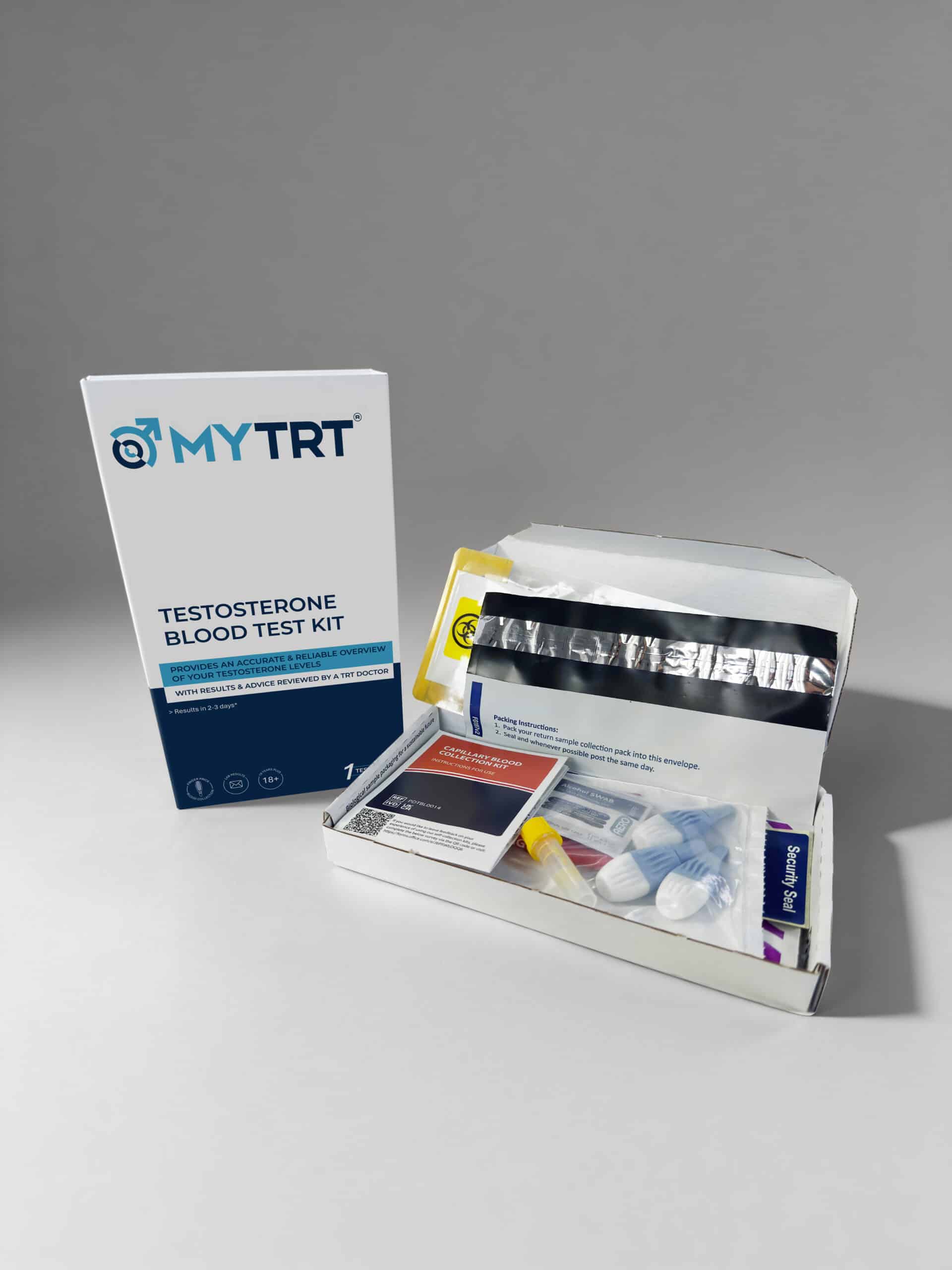
Initial Testosterone Blood Test
£29.95