Medical Summary
Testogel is a topical testosterone replacement therapy (TRT) prescribed for adult men with confirmed hypogonadism. The medication contains testosterone in a clear, colourless gel, typically provided in a 16.2 mg/g concentration within a pump dispenser or individual sachets. Its primary clinical indication is to restore physiological testosterone levels in men who exhibit both consistent clinical symptoms of deficiency and low serum testosterone concentrations confirmed by two separate morning blood tests [1].
MYTRT treatment eligibility
MYTRT treats men only when they have compatible symptoms and meet both biochemical limits: total testosterone of 15 nmol/L or below, and free testosterone of 0.35 nmol/L or below.
When applied daily to clean, dry skin on the shoulders or upper arms, the alcohol-based gel evaporates quickly, allowing the active hormone to be absorbed continuously into the bloodstream over 24 hours. This transdermal delivery method provides stable serum testosterone levels, avoiding the significant peaks and troughs often associated with injectable preparations. Treatment requires careful dose titration based on clinical response and regular monitoring of serum testosterone, haematocrit, and prostate-specific antigen (PSA) levels [2].
While generally well-tolerated, patients must adhere to strict application protocols to prevent secondary transference of the hormone to women or children through skin-to-skin contact. Common side effects include application site reactions, polycythaemia, and changes in lipid profiles. In the UK, Testogel is available via NHS prescription following specialist endocrinology referral, or through regulated private clinics like MYTRT, which often provide more accessible diagnostic and treatment pathways.
What is Testogel?
Testogel is one of the most widely prescribed forms of testosterone gel in the United Kingdom. Manufactured by Besins Healthcare, it is a transdermal preparation designed to deliver bioidentical testosterone directly through the skin into the systemic circulation. The current standard formulation in the UK is Testogel 16.2 mg/g, which is predominantly supplied in a metered-dose pump dispenser, though 50 mg sachets of a different concentration are also occasionally encountered.
The gel itself is hydroalcoholic, meaning it uses an alcohol base to facilitate the rapid absorption of testosterone across the stratum corneum (the outermost layer of the skin). Once applied, the alcohol evaporates within minutes, leaving the hormone trapped in the deeper layers of the skin, which acts as a reservoir. From this reservoir, testosterone is slowly and continuously released into the bloodstream over the course of the day, mimicking the body’s natural circadian rhythm of testosterone production more closely than many testosterone injections [3].
In clinic we typically see patients prefer the gel formulation for its ease of use and the avoidance of needles. It provides a non-invasive method of achieving stable hormone levels, which is particularly beneficial for men who experience mood or energy fluctuations with other delivery methods. However, the efficacy of the gel depends heavily on correct application technique and consistent daily use.
Licensed UK Indications for Testogel
In the UK, Testogel is strictly licensed for testosterone replacement therapy for male hypogonadism, when testosterone deficiency has been confirmed by clinical features and biochemical tests. The diagnosis of hypogonadism is not made lightly; it requires a comprehensive assessment by a qualified medical professional.
According to guidelines from the British Society for Sexual Medicine (BSSM) and the National Institute for Health and Care Excellence (NICE), a diagnosis necessitates the presence of characteristic symptoms—such as reduced libido, erectile dysfunction, fatigue, and loss of muscle mass—coupled with unequivocally low serum testosterone levels [4]. These levels must be confirmed by at least two separate fasting blood samples taken in the morning, typically between 8:00 AM and 11:00 AM, when natural testosterone production is at its peak.
Testogel is not licensed for use in healthy men seeking performance enhancement, muscle building, or anti-ageing benefits. Its prescription is tightly regulated to ensure it is only provided to those with a genuine medical need, thereby minimising the risk of inappropriate use and potential adverse effects. Patients must undergo a thorough evaluation, including a testosterone test, to establish the underlying cause of their deficiency before commencing treatment.
How to Apply Testogel Correctly
The effectiveness of Testogel is highly dependent on the patient’s adherence to the correct application protocol. The gel must be applied once daily, ideally at the same time each morning, to maintain consistent serum testosterone levels throughout the day. The recommended application sites are the clean, dry, intact skin of the shoulders and upper arms.
Patients should dispense the prescribed number of pump actuations directly onto the palm of the hand or directly onto the application site. The gel should be spread gently in a thin layer; it does not need to be rubbed vigorously into the skin. After application, it is crucial to allow the gel to dry completely for at least three to five minutes before dressing. This ensures that the medication is absorbed into the skin rather than being wiped off onto clothing.
Immediate and thorough hand washing with soap and water is mandatory following application to prevent the accidental transfer of testosterone to others. Patients are also advised to avoid showering, bathing, or swimming for at least two hours after applying the gel to ensure optimal absorption. If skin-to-skin contact with another person is anticipated, the application site must be washed with soap and water beforehand, or covered with clothing, to mitigate the risk of secondary transference [5].
Dosage and Titration
The starting dose of Testogel 16.2 mg/g is typically two pump actuations (equivalent to 40.5 mg of testosterone) applied once daily in the morning. However, this is merely a starting point, and the dosage must be individualised based on the patient’s clinical response and serum testosterone levels.
Dose titration is a critical component of TRT management. Approximately two to four weeks after initiating treatment, or following any change in dosage, serum testosterone levels should be measured. This blood test should be conducted in the morning, ideally two to four hours after the gel has been applied, to capture the peak absorption phase. If the serum testosterone concentration is below the target range (typically the mid-to-upper tertile of the normal reference range, which is roughly 15 to 30 nmol/L in the UK), the dose may be increased by one pump actuation per day.
Conversely, if levels are supra-physiological or if the patient experiences adverse effects, the dose should be reduced. The maximum recommended daily dose is four pump actuations (81 mg of testosterone). Regular monitoring is essential to ensure that the patient remains within the therapeutic window, thereby maximising benefits while minimising the risk of complications such as polycythaemia or prostate hypertrophy [6].
Monitoring Schedule for Patients on Testogel
Commencing Testogel requires a commitment to ongoing medical supervision. A structured monitoring schedule is vital to assess the efficacy of the treatment and to detect any potential adverse effects early. In our clinic, we adhere to a rigorous follow-up protocol that aligns with national guidelines.
Initial follow-up typically occurs at three, six, and twelve months after starting therapy, and annually thereafter. During these reviews, we evaluate the patient’s symptomatic improvement, focusing on energy levels, mood, libido, and sexual function. Biochemical monitoring is equally important. We routinely measure serum testosterone, full blood count (specifically haematocrit and haemoglobin), and prostate-specific antigen (PSA) levels.
Haematocrit monitoring is particularly crucial, as testosterone therapy can stimulate erythropoiesis, leading to an increased red blood cell count. A haematocrit level exceeding 54% necessitates a dose reduction or temporary cessation of therapy to mitigate the risk of thromboembolic events. Similarly, a significant rise in PSA or abnormal findings on a digital rectal examination require prompt urological referral to rule out prostate pathology [7].
Potential Side Effects of Testogel
Like all medications, Testogel carries a risk of side effects, although many patients tolerate the treatment well when appropriately monitored. The most frequently reported adverse reaction is application site irritation, which can manifest as erythema, acne, or dry skin. This is often due to the alcohol base of the gel rather than the testosterone itself. Rotating application sites between the left and right shoulders can help alleviate this issue.
Systemic side effects are also possible and relate to the physiological actions of testosterone. These can include an increase in haematocrit (polycythaemia), changes in lipid profiles (such as a reduction in HDL cholesterol), and fluid retention. Some men may experience mood alterations, including increased irritability or aggression, particularly if serum levels become supra-physiological. Gynaecomastia (breast tissue enlargement) can occur due to the peripheral aromatisation of testosterone to oestrogen.
It is imperative that patients report any new or worsening symptoms to their prescribing physician promptly. Regular blood tests are designed to catch asymptomatic changes, such as rising haematocrit or PSA levels, before they become clinically significant. For a comprehensive overview of potential adverse reactions, patients should consult the TRT side effects resource.
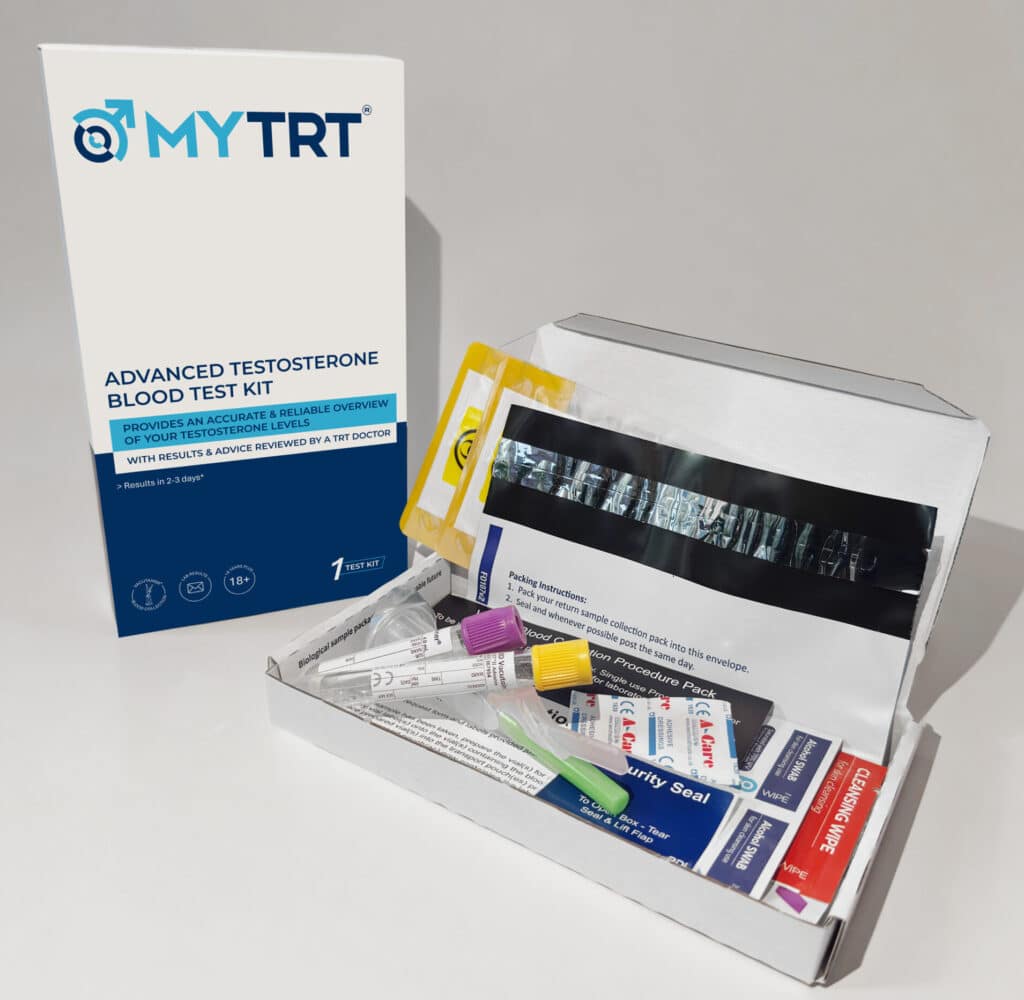
Advanced Testosterone Blood Test
Book a venous draw at a clinic £99.49
Book a venous draw at home with a nurse £109.49
 General health check
Precautions Regarding Secondary Transference
One of the most critical safety considerations with Testogel is the risk of secondary transference. Because the medication is applied topically, there is a potential for the testosterone to be transferred to another person through close skin-to-skin contact. This is of particular concern for women and children, in whom exposure to exogenous testosterone can cause significant adverse effects.
In women, inadvertent exposure can lead to virilisation, characterised by increased body hair growth, deepening of the voice, and menstrual irregularities. In children, it can cause premature puberty, accelerated bone maturation, and aggressive behaviour. Pregnant women must strictly avoid any contact with Testogel application sites, as testosterone can cause foetal harm, particularly virilisation of a female foetus [8].
To mitigate these risks, patients must wash their hands thoroughly with soap and water immediately after applying the gel. The application site should be covered with clothing once the gel has dried. If skin-to-skin contact is anticipated, the patient must wash the application area beforehand. These precautions are non-negotiable and form a core part of patient education prior to commencing therapy.
Interactions and Contraindications
Testogel is contraindicated in men with known or suspected carcinoma of the breast or prostate. It should not be used in patients with a known hypersensitivity to testosterone or any of the excipients in the gel. Caution is required when prescribing Testogel to patients with severe cardiac, hepatic, or renal impairment, as testosterone therapy can exacerbate fluid retention and oedema.
Drug interactions must also be considered. Concurrent use of testosterone with oral anticoagulants (such as warfarin) can enhance the anticoagulant effect, necessitating closer monitoring of the prothrombin time and INR. Testosterone therapy may also decrease blood glucose levels, potentially requiring an adjustment in the dosage of insulin or oral hypoglycaemic agents in diabetic patients. Additionally, the concurrent use of corticosteroids can increase the risk of oedema, particularly in patients with underlying cardiac or hepatic disease [9].
Before starting Testogel, a comprehensive medical history and medication review are essential to identify any potential contraindications or interactions. Patients must inform their physician of all over-the-counter medications, supplements, and herbal remedies they are taking.
Storage and Handling of Testogel
Proper storage of Testogel is necessary to maintain its efficacy and safety. The medication should be stored at room temperature, typically below 25°C, and kept away from direct sunlight and excessive heat. It must not be refrigerated or frozen. The pump dispenser or sachets should be kept tightly closed when not in use to prevent the alcohol base from evaporating, which could alter the concentration of the gel.
Given the potential risks associated with accidental exposure, Testogel must be stored out of the sight and reach of children and pets. Disposal of used pump dispensers or empty sachets should be done carefully. They should not be flushed down the toilet or thrown into household waste where they might be accessed by others. Patients should consult their pharmacist for advice on the safe disposal of unused or expired medication.
The gel is highly flammable due to its alcohol content. Patients must avoid smoking or going near open flames until the gel has completely dried on the skin. This precaution is vital to prevent accidental burns during the application process.
How to Get a Testogel Prescription in the UK
Obtaining a legitimate prescription for Testogel in the UK involves navigating either the National Health Service (NHS) or the private healthcare sector. The TRT NHS pathway typically begins with a consultation with a General Practitioner (GP), who will arrange initial blood tests if symptoms suggest hypogonadism. If two separate morning samples confirm low testosterone, the GP will refer the patient to an NHS endocrinologist or urologist. This process can be lengthy, with significant waiting times for specialist appointments.
Alternatively, many men opt for private clinics, such as MYTRT, which specialise in testosterone replacement therapy. The private route often provides a more streamlined and rapid diagnostic process. Patients can order a comprehensive blood test online, and if the results indicate a deficiency, they can consult with a specialist doctor within days rather than months. The TRT cost UK varies between providers, but private clinics offer transparent pricing and dedicated ongoing support.
Regardless of the pathway chosen, a prescription for Testogel must be based on a rigorous clinical assessment and confirmed biochemical deficiency. A UK pharmacy cannot lawfully supply Testogel without a valid prescription. Products from unregulated online sellers may be counterfeit, contaminated or incorrectly dosed; personal-possession and import rules are separate legal questions. For a detailed guide on the legitimate pathways, patients can review our comprehensive resource on how to get TRT in the UK.
Start Your TRT Journey
Expert Care
Comparing Testogel with Other TRT Options
When considering TRT, patients and clinicians must weigh the benefits and drawbacks of different delivery methods. Testogel offers the advantage of non-invasive, daily application that closely mimics the body’s natural diurnal rhythm of testosterone production. This can result in more stable mood and energy levels compared to injectable formulations, which can cause significant peaks and troughs in serum testosterone concentrations.
| Feature | Testogel (Transdermal Gel) | Intramuscular Injections |
|---|---|---|
| Administration | Daily topical application | Injections every 2 to 12 weeks |
| Serum Levels | Stable, mimics natural rhythm | Peaks and troughs |
| Invasiveness | Non-invasive | Requires needles |
| Transference Risk | High (requires strict precautions) | None |
| Skin Irritation | Common at application site | Rare (injection site pain possible) |
However, the daily application routine of Testogel requires strict compliance and vigilance regarding the risk of secondary transference. For men who find the daily application burdensome or who have young children at home, injections may be a more suitable alternative. The choice of therapy should be a collaborative decision between the patient and their physician, taking into account lifestyle factors, personal preferences, and clinical requirements.
References
- Electronic Medicines Compendium (eMC) — Testogel 16.2 mg/g gel Summary of Product Characteristics. ↩
- National Institute for Health and Care Excellence (NICE) — Testosterone replacement therapy. ↩
- British Society for Sexual Medicine (BSSM) — British Society for Sexual Medicine, Guidelines on Male Adult Testosterone Deficiency, with Statements for Practice (2023). ↩
- NHS — The ‘male menopause’. ↩
- Endocrine Society — Testosterone Therapy in Men With Hypogonadism: An Endocrine Society Clinical Practice Guideline. ↩
- Mayo Clinic — Testosterone therapy: Potential benefits and risks as you age. ↩
- PubMed/NCBI — Risks of Testosterone Replacement Therapy in Men. ↩
- Medicines and Healthcare products Regulatory Agency (MHRA) — Topical testosterone (Testogel): risk of harm to children following accidental exposure. ↩
- Electronic Medicines Compendium (eMC) — Testogel Interactions. ↩