Medical Summary
Ashwagandha (Withania somnifera) is an adaptogenic herb frequently marketed for its potential to support male hormonal health. Clinical evidence suggests that specific root extracts, particularly KSM-66, may yield modest elevations in serum testosterone among certain demographics—namely, men experiencing chronic stress, those engaged in resistance training, or individuals who are overweight. The prevailing hypothesis attributes this effect to the herb’s capacity to lower cortisol levels, thereby mitigating the inhibitory impact of stress hormones on the hypothalamic-pituitary-gonadal axis. However, it is crucial to distinguish between these mild physiological shifts and therapeutic interventions. Ashwagandha is not a recognised treatment for clinical hypogonadism and cannot restore deficient levels to the normal range in men with diagnosed testosterone deficiency. While generally well-tolerated at standard doses of 300 to 600 milligrams daily, recent pharmacovigilance reports have highlighted rare instances of drug-induced liver injury. We advise patients to establish their baseline hormonal status through objective blood testing before initiating any supplementation regimen, as discussed in our broader review of supplements for testosterone.
What Is Ashwagandha and How Does It Work?
Ashwagandha is a prominent botanical in Ayurvedic medicine, classified as an adaptogen—a substance purported to enhance the body’s resilience to physical and psychological stress. The primary active compounds, known as withanolides, are concentrated in the root of the plant. When examining the relationship between ashwagandha and testosterone, the mechanism of action is largely indirect, revolving around the regulation of stress hormones.
The historical context of this herb is vast, spanning thousands of years of traditional use in the Indian subcontinent, where it was traditionally prescribed as a Rasayana, or rejuvenator, intended to promote youthful vigour and longevity. Modern scientific inquiry has sought to isolate the specific active constituents responsible for these traditional claims, leading to the identification of steroidal lactones, particularly withaferin A and withanolide D, as the primary pharmacological agents, as discussed in testosterone boosters.
Prolonged cortisol elevation exerts an inhibitory effect on the hypothalamic-pituitary-gonadal axis, suppressing the production of luteinising hormone and, consequently, reducing testicular testosterone synthesis. By acting as an adaptogen, ashwagandha appears to blunt this stress response, lowering serum cortisol concentrations. This reduction in stress-induced hormonal suppression may create a more favourable environment for natural testosterone production, explaining why the most notable benefits are often observed in highly stressed individuals.
The physiological interplay between the adrenal glands and the testes is a fundamental concept in endocrinology. When the body perceives a threat, whether physical or psychological, it prioritises survival mechanisms over reproductive functions. Cortisol, the primary stress hormone, is essential for the ‘fight or flight’ response, mobilising energy reserves and increasing alertness.
However, chronic elevation of cortisol, as seen in modern, high-stress lifestyles, leads to a state of constant physiological alert. This chronic stress state signals the hypothalamus to reduce the secretion of gonadotropin-releasing hormone (GnRH), which in turn decreases the release of luteinising hormone (LH) from the pituitary gland. Since LH is the primary signal for the Leydig cells in the testes to produce testosterone, a reduction in LH inevitably leads to lower testosterone levels.
Ashwagandha’s role as an adaptogen is thought to intervene in this cascade by modulating the body’s stress response, thereby preventing the chronic elevation of cortisol and protecting the hypothalamic-pituitary-gonadal axis from stress-induced suppression, as discussed in
This holistic approach to stress management is a hallmark of adaptogenic herbs and highlights the complex, multi-faceted nature of their effects on the human body. it is worth noting, however, that while these mechanisms are biologically plausible and supported by preliminary research, the exact pathways through which ashwagandha exerts its effects are still being elucidated, as discussed in dietary strategies for hormone health.management is a hallmark of adaptogenic herbs and highlights the complex, multi-faceted nature ofThe scientific literature provides a nuanced picture of how this herb influences male hormones. Rather than a universal booster, the effects are highly dependent on the population being studied.
The distinction between a healthy, unstressed individual and someone experiencing chronic stress or engaging in intense physical training is crucial when interpreting the results of these trials. In clinic we see many men who assume that a supplement will uniformly increase their hormone levels, regardless of their baseline health status. However, the evidence suggests that ashwagandha acts more as a modulator, helping to restore balance in specific circumstances rather than indiscriminately driving testosterone production upwards, as discussed in home testosterone test kit. Managing chronic stress or engaging in intense physical training is crucial when interpreting the results of these trials.
In clinic we see many men who assume that a supplement will uniformly increase their hormone levels, regardless of their baseline health status. However, the evidence suggests that ashwagandha acts more as a modulator, helping to restore balance in specific circumstances rather than indiscriminately driving testosterone production upwards.
The Lopresti Study (2019): Overweight Men
A significant piece of evidence comes from a 2019 randomised, double-blind, placebo-controlled trial conducted by Lopresti and colleagues[1]. This study focused on overweight men aged 40 to 70, a demographic often prone to mild hormonal decline. Participants received an ashwagandha extract for eight weeks. The results demonstrated a modest but statistically significant increase in testosterone levels,approximately 15% higher than the placebo group. The researchers noted that this increase was correlated with improvements in fatigue and vitality, suggesting a tangible clinical benefit for this specific group, though the absolute increase in hormone levels remained relatively small.
The significance of the Lopresti study lies in its focus on a population that frequently experiences sub-optimal testosterone levels. Overweight and obesity are known risk factors for lower testosterone, primarily due to the increased aromatisation of testosterone to oestrogen in adipose tissue and the suppressive effects of systemic inflammation on the hypothalamic-pituitary-gonadal axis. By demonstrating a positive effect in this specific demographic, the study suggests that ashwagandha may be a useful adjunct in managing the hormonal consequences of excess body weight. However, it is essential to contextualise these findings. A 15% increase in testosterone, while statistically significant, may not translate to a clinically meaningful change for all individuals, particularly those with severe hypogonadism. Furthermore, the study did not assess the long-term effects of supplementation, leaving questions about the sustainability of these hormonal improvements unanswered.
The improvements in fatigue and vitality reported by the participants in the Lopresti study are also noteworthy. These subjective measures of well-being are often as important to patients as objective changes in hormone levels. The fact that ashwagandha supplementation was associated with enhanced vitality suggests that its benefits may extend beyond simple hormonal modulation, potentially involving improvements in energy metabolism, sleep quality, or overall stress resilience. This aligns with the traditional use of ashwagandha as a rejuvenator and highlights the potential for adaptogenic herbs to improve quality of life in individuals experiencing age-related or lifestyle-induced declines in vitality.
The Wankhede Trial (2015): Resistance Training
Another frequently cited study by Wankhede et al. (2015)[2] examined the effects of the KSM-66 ashwagandha extract on young men engaged in a structured resistance training programme. Over eight weeks, the men taking 600 milligrams of the extract daily experienced significantly greater increases in muscle mass and strength compared to the placebo group. Crucially, they also showed a more pronounced elevation in serum testosterone. This suggests that ashwagandha may amplify the natural hormonal response to intense physical exercise, making it a point of interest for athletic populations.
The Wankhede trial provides compelling evidence for the potential benefits of ashwagandha in the context of physical training. Resistance exercise is a known stimulus for testosterone production, and the finding that ashwagandha supplementation enhanced this response suggests a synergistic effect. The mechanisms underlying this synergy are not fully understood but may involve the herb’s ability to reduce exercise-induced muscle damage, improve recovery, or modulate the stress response to intense physical exertion. By mitigating the catabolic effects of cortisol, which is often elevated following strenuous exercise, ashwagandha may create a more anabolic environment conducive to muscle growth and strength gains.
it is worth noting that the participants in the Wankhede trial were young, healthy men engaged in a structured training programme. The results may not be generalisable to older individuals, those with sedentary lifestyles, or individuals with pre-existing medical conditions. Furthermore, the study used a specific, highly concentrated extract (KSM-66) at a relatively high dose (600 milligrams per day). The effects of other extracts or lower doses remain uncertain. Nevertheless, the findings highlight the potential for ashwagandha to support athletic performance and recovery, making it a popular supplement among fitness enthusiasts and athletes.
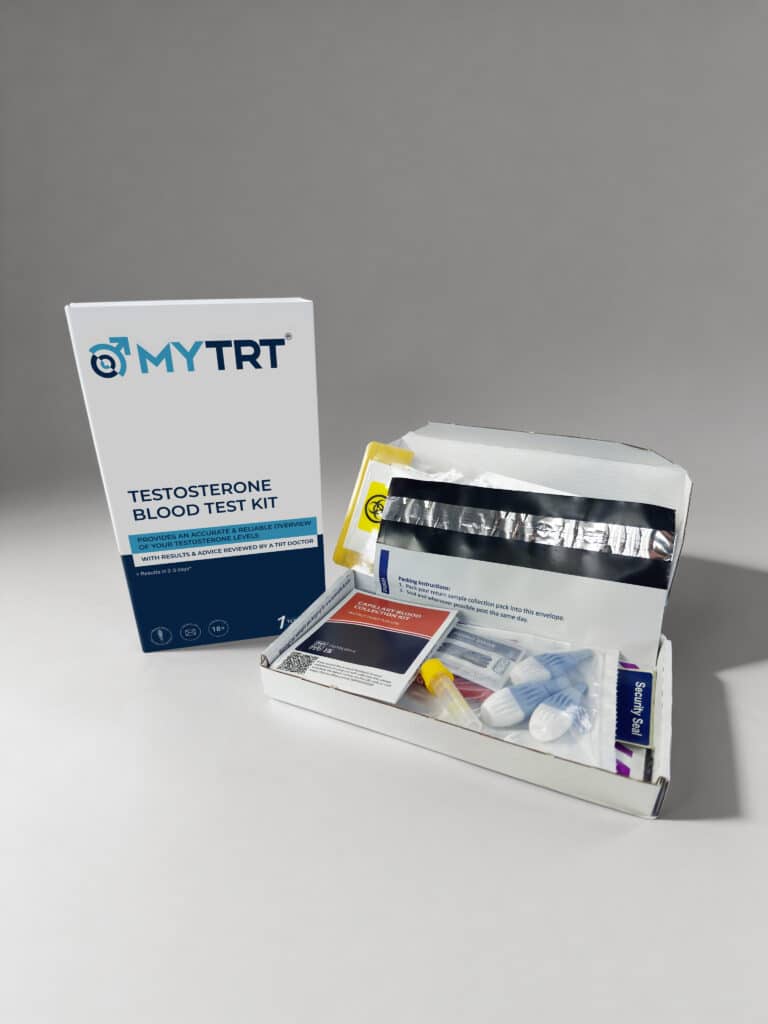
If this test showed you have low testosterone, the Advanced Testosterone Blood Test will assess your suitability for TRT.
The Chauhan Research (2022) and Stress-Focused Trials
More recent research, including a 2022 study by Chauhan[3] and earlier stress-focused trials, reinforces the adaptogenic hypothesis. These studies consistently show that in men reporting high levels of psychological stress, ashwagandha supplementation leads to marked reductions in serum cortisol alongside concurrent, mild increases in testosterone. The data implies that the herb is most effective at restoring hormonal balance when that balance has been disrupted by stress, rather than pushing testosterone beyond normal physiological limits in healthy, unstressed individuals.
The Chauhan study adds to a growing body of evidence supporting the use of ashwagandha for stress management and its indirect benefits on hormonal health. By focusing on individuals with high levels of psychological stress, the study highlights the specific context in which ashwagandha is most likely to be effective. Chronic stress is a pervasive issue in modern society, and its detrimental effects on physical and mental health are well-documented. The ability of ashwagandha to mitigate these effects, particularly the suppression of testosterone production, makes it a valuable tool for individuals struggling to manage stress-related hormonal imbalances.
The concurrent reduction in cortisol and increase in testosterone observed in these studies provides strong support for the adaptogenic hypothesis. It suggests that ashwagandha’s primary mechanism of action in relation to testosterone is indirect, mediated through its effects on the stress response. This is a crucial distinction, as it implies that ashwagandha is unlikely to be effective in individuals whose low testosterone is caused by factors other than stress, such as primary hypogonadism or age-related decline. Understanding this limitation is essential for managing expectations and ensuring that patients receive appropriate and effective treatment for their specific condition.
Comparing Extracts: KSM-66 vs Sensoril
When evaluating ashwagandha supplements, the specific type of extract matters significantly. The clinical trials demonstrating hormonal benefits predominantly use root-only extracts, which contain a specific profile of withanolides. The extraction process, the part of the plant used, and the standardisation of active compounds all play a critical role in determining the efficacy and safety of the final product. Patients often ask us which brand or type of ashwagandha is best, and the answer invariably depends on the specific clinical evidence supporting each extract.
| Extract Type | Source Material | Standardisation | Primary Clinical Focus |
|---|---|---|---|
| KSM-66 | Root only | 5% withanolides | Testosterone, sports performance, stress |
| Sensoril | Root and leaves | 10% withanolides | Anxiety, stress reduction, sleep |
KSM-66 is the most extensively researched extract in the context of male health and sports performance. It is a full-spectrum extract derived exclusively from the root, standardised to contain 5% withanolides. The majority of studies showing positive effects on testosterone and muscle strength have utilised KSM-66 at dosages ranging from 300 to 600 milligrams per day. The development of KSM-66 involved over a decade of research and development, resulting in an extraction process that preserves the natural balance of withanolides found in the root without the use of alcohol or harsh chemical solvents. This commitment to quality and standardisation has made KSM-66 the gold standard in ashwagandha research, particularly in the areas of sports nutrition and male hormonal health.
In contrast, Sensoril is an extract derived from both the root and the leaves of the plant, standardised to a higher concentration of withanolides (typically 10%). While Sensoril has strong evidence supporting its use for anxiety and stress reduction, it is less frequently used in trials specifically targeting testosterone enhancement or athletic performance. The inclusion of leaves in the extraction process alters the profile of active compounds, potentially explaining the different clinical focus of Sensoril compared to KSM-66. For patients specifically interested in hormonal support, root-only extracts like KSM-66 align more closely with the current clinical evidence. It is important to carefully read supplement labels to ensure that the product contains the specific extract and dosage supported by the research relevant to your health goals.
Safety Profile and Potential Risks
While ashwagandha is widely available and generally considered safe for short-term use, it is not without potential risks. The standard clinical dosage ranges from 300 to 600 milligrams of root extract daily, and exceeding this amount does not appear to offer additional benefits and may increase the risk of adverse effects. As with any supplement, it is crucial to approach ashwagandha with a balanced perspective, acknowledging both its potential benefits and its limitations. The perception that natural supplements are inherently safe is a common misconception that can lead to inappropriate use and potential harm.
Common side effects are typically mild and gastrointestinal in nature, including nausea, diarrhoea, or stomach upset. These side effects are often dose-dependent and can usually be mitigated by taking the supplement with food or reducing the dosage. However, more serious concerns have emerged in recent years. The Medicines and Healthcare products Regulatory Agency (MHRA)[4] and the Food Standards Agency (FSA) have noted rare but severe case reports of drug-induced liver injury associated with ashwagandha consumption. Patients with pre-existing liver conditions should exercise extreme caution and consult with a healthcare professional before initiating supplementation. The exact mechanism by which ashwagandha may cause liver injury is not fully understood, but it highlights the importance of pharmacovigilance and the need for ongoing monitoring of supplement safety.
Furthermore, ashwagandha may stimulate thyroid function. Individuals with hyperthyroidism or those taking thyroid medications should avoid the supplement, as it could exacerbate their condition or interfere with their treatment. The herb’s potential to increase thyroid hormone levels is a significant consideration for anyone with a history of thyroid dysfunction. It is also contraindicated during pregnancy, as it may induce miscarriage or premature labour. These contraindications underscore the importance of discussing any new supplement regimen with a qualified healthcare provider, particularly for individuals with pre-existing medical conditions or those taking prescription medications.
The Importance of Baseline Testing
Before considering any supplement to address suspected hormonal imbalances, it is imperative to establish a clear clinical picture. Symptoms such as fatigue, low libido, or difficulty building muscle are non-specific and can be caused by a myriad of factors beyond low testosterone. Attempting to self-diagnose and treat these symptoms with over-the-counter supplements can be ineffective and potentially dangerous, as it may delay the diagnosis and treatment of underlying medical conditions. A comprehensive medical evaluation is essential to identify the root cause of your symptoms and develop an appropriate treatment plan.
Relying on supplements without knowing your baseline levels can lead to delayed diagnosis of underlying medical conditions. We strongly advocate for objective blood testing to accurately measure your serum testosterone, sex hormone-binding globulin (SHBG), and other relevant biomarkers. A comprehensive blood panel provides a detailed snapshot of your hormonal health, allowing for a more accurate diagnosis and targeted treatment approach. If a clinical deficiency is identified, evidence-based medical treatments are the appropriate course of action, rather than over-the-counter botanical extracts. Medical treatments, such as testosterone replacement therapy, are subject to rigorous regulatory oversight and have a proven track record of safety and efficacy when administered under the supervision of a qualified healthcare professional.
In addition to measuring testosterone levels, a comprehensive blood panel should also assess other factors that can influence hormonal health, such as thyroid function, liver and kidney function, and lipid profiles. This holistic approach ensures that any underlying medical conditions are identified and addressed, rather than simply treating the symptoms of low testosterone. By establishing a clear baseline and monitoring your progress over time, you and your healthcare provider can make informed decisions about your treatment and ensure that you are achieving the best possible outcomes for your health and well-being.
Advanced Testosterone Blood Test
Book a venous draw at a clinic £108.49
Book a venous draw at home with a nurse £118.49

General health check
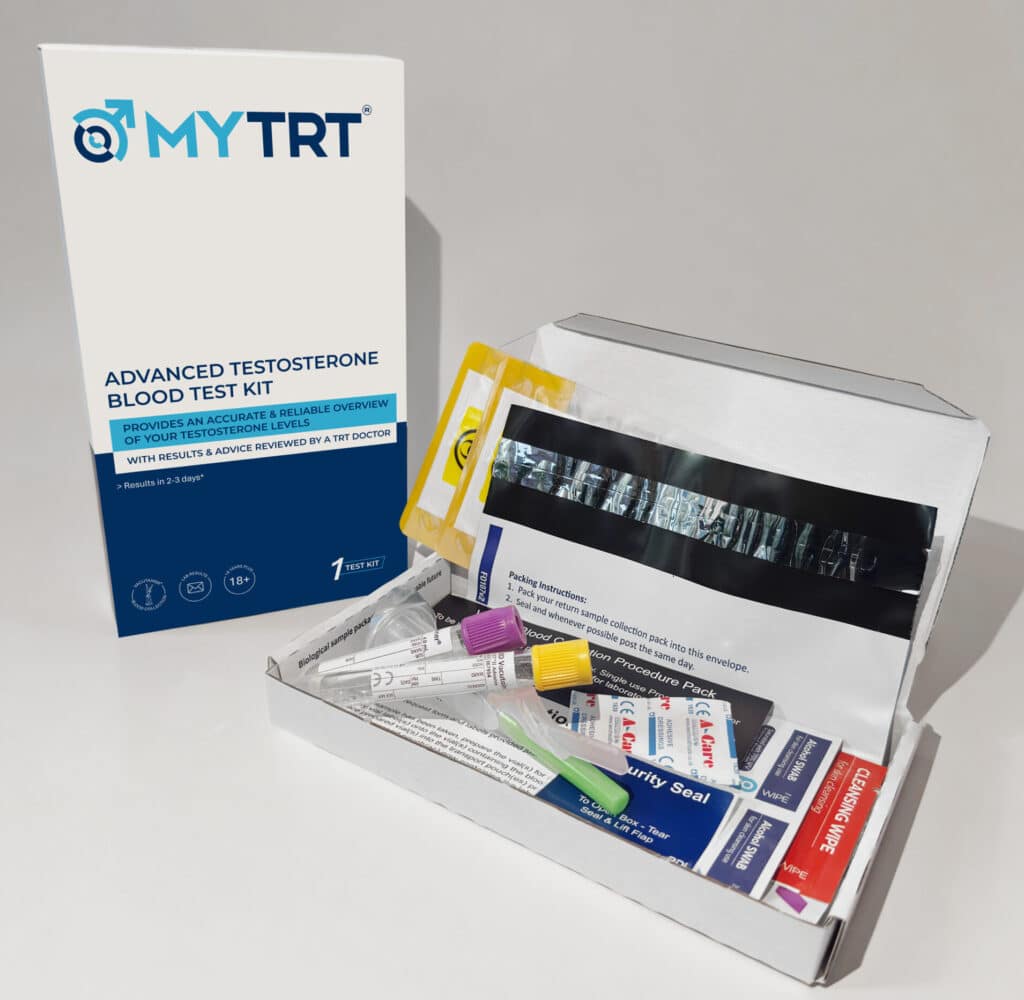
This test is only suitable when you have eligible results from our Initial Testosterone Blood Test
The Physiology of Testosterone Production
To fully appreciate the potential impact of ashwagandha on hormonal health, it is necessary to understand the complex physiology of testosterone production. Testosterone is the primary male sex hormone, responsible for the development of male reproductive tissues, as well as promoting secondary sexual characteristics such as increased muscle and bone mass, and the growth of body hair. The production of testosterone is tightly regulated by the hypothalamic-pituitary-gonadal (HPG) axis, a complex feedback loop involving the hypothalamus, the pituitary gland, and the testes.
The process begins in the hypothalamus, which secretes gonadotropin-releasing hormone (GnRH) in a pulsatile manner. GnRH travels to the anterior pituitary gland, where it stimulates the synthesis and release of two key gonadotropins: luteinising hormone (LH) and follicle-stimulating hormone (FSH). LH is the primary signal for testosterone production; it binds to receptors on the Leydig cells in the testes, stimulating the conversion of cholesterol into testosterone. FSH, on the other hand, acts primarily on the Sertoli cells in the testes to support spermatogenesis, the production of sperm.
The regulation of the HPG axis is subject to negative feedback control. As testosterone levels rise, they exert an inhibitory effect on the hypothalamus and the pituitary gland, reducing the secretion of GnRH, LH, and FSH. This feedback mechanism ensures that testosterone levels remain within a narrow physiological range. However, this delicate balance can be disrupted by a variety of factors, including age, illness, stress, and certain medications. When the HPG axis is suppressed, testosterone production declines, leading to the symptoms associated with hypogonadism.
Understanding this physiological framework is essential for evaluating the potential efficacy of interventions designed to increase testosterone levels. Interventions that target the HPG axis, such as clomiphene citrate or human chorionic gonadotropin (hCG), can stimulate endogenous testosterone production by increasing the secretion of LH or mimicking its effects. In contrast, exogenous testosterone replacement therapy (TRT) bypasses the HPG axis entirely, providing a direct source of testosterone but suppressing endogenous production in the process. The role of adaptogens like ashwagandha in this context is less direct, primarily involving the modulation of the stress response and the reduction of cortisol, which can indirectly support the function of the HPG axis.
The Impact of Chronic Stress on Hormonal Balance
The relationship between stress and hormonal balance is a critical factor in understanding the potential benefits of ashwagandha. Chronic stress, whether physical or psychological, triggers a cascade of physiological responses designed to help the body cope with the perceived threat. This response is mediated primarily by the hypothalamic-pituitary-adrenal (HPA) axis, which culminates in the release of cortisol from the adrenal glands. While acute elevations in cortisol are essential for survival, chronic elevation can have profound negative effects on health, including the suppression of the HPG axis and the reduction of testosterone production.
The mechanisms by which cortisol suppresses testosterone production are complex and multi-faceted. High levels of cortisol can directly inhibit the secretion of GnRH from the hypothalamus and LH from the pituitary gland, reducing the primary signals for testosterone synthesis. Furthermore, cortisol can induce apoptosis (programmed cell death) in the Leydig cells of the testes, directly impairing their ability to produce testosterone. Chronic stress is also associated with increased systemic inflammation and oxidative stress, both of which can further damage the Leydig cells and disrupt hormonal balance.
The impact of chronic stress on testosterone levels is particularly relevant in modern society, where many individuals experience high levels of psychological stress due to work, financial pressures, and other lifestyle factors. This chronic stress state can contribute to a gradual decline in testosterone levels, exacerbating the age-related decline that naturally occurs in men. By acting as an adaptogen and reducing cortisol levels, ashwagandha may help to mitigate the suppressive effects of stress on the HPG axis, creating a more favourable environment for natural testosterone production. This highlights the importance of addressing stress management as a core component of any strategy designed to optimise male hormonal health.
Evaluating the Evidence: A Critical Appraisal of the Literature
While the clinical trials discussed earlier provide valuable insights into the potential benefits of ashwagandha, it is essential to approach the literature with a critical eye. The quality of the evidence supporting the use of ashwagandha for testosterone enhancement is variable, and many studies suffer from methodological limitations that must be considered when interpreting their findings. A rigorous appraisal of the literature is necessary to separate the hype from the reality and to provide patients with accurate and evidence-based information.
One of the primary limitations of the existing research is the relatively small sample sizes used in many trials. Small studies are more susceptible to random variation and may not accurately reflect the true effects of an intervention in the broader population. Furthermore, many studies have short durations, typically ranging from eight to twelve weeks. While these studies can provide information on the short-term effects of ashwagandha, they cannot assess its long-term safety or efficacy. The lack of long-term data is a significant gap in the literature, particularly given the potential for adaptogens to alter physiological set points over time.
Another important consideration is the heterogeneity of the study populations. As noted earlier, the effects of ashwagandha appear to be highly dependent on the specific characteristics of the individuals being studied, such as their age, weight, stress levels, and training status. This heterogeneity makes it difficult to generalise the findings of one study to other populations. For example, the positive results observed in overweight men or those engaged in intense resistance training may not apply to healthy, unstressed individuals with normal testosterone levels. A nuanced understanding of these population-specific effects is essential for providing personalised recommendations to patients.
Finally, the issue of publication bias must be considered. Studies that report positive findings are more likely to be published than those that report negative or null results. This bias can lead to an overestimation of the true efficacy of an intervention in the published literature. While several systematic reviews and meta-analyses have attempted to synthesise the available evidence on ashwagandha, the conclusions of these reviews are ultimately limited by the quality of the underlying primary studies. A critical and objective appraisal of the literature is essential for understanding the complex and often contradictory evidence surrounding the use of ashwagandha for hormonal health.