Medical Summary
Testosterone cypionate is a long-acting, slow-release ester of the primary male androgen, designed for intramuscular or subcutaneous administration in the treatment of hypogonadism. In clinical practice, we observe that its pharmacokinetic profile provides a sustained release of testosterone into the systemic circulation, with a terminal half-life of approximately eight days.[1] This extended duration of action allows for flexible dosing intervals, though modern clinical consensus strongly favours more frequent, smaller administrations to minimise peak-to-trough serum fluctuations.[2] Patients often ask us how this formulation differs from other available options. While highly prevalent in North American medical systems, testosterone cypionate is not routinely stocked within standard UK NHS pathways, which typically rely on alternative esters for injectable therapy. However, it remains accessible through specialised private clinics via imported supplies or compounding pharmacies. From a therapeutic standpoint, its efficacy in resolving the clinical signs of androgen deficiency—such as fatigue, diminished libido, and loss of lean tissue—is well established. The esterification process delays the absorption of the hormone from the depot site, ensuring a steady physiological state when managed correctly. We consistently monitor haematocrit, lipid profiles, and prostate-specific antigen (PSA) during treatment to ensure patient safety and optimise therapeutic outcomes.
MYTRT treatment eligibility
MYTRT treats men only when they have compatible symptoms and meet both biochemical limits: total testosterone of 15 nmol/L or below, and free testosterone of 0.35 nmol/L or below.
The Pharmacology of Testosterone Cypionate
To understand how testosterone cypionate functions within the body, we must examine its pharmacological structure. The base hormone, testosterone, is unmodified, but it is attached to a cypionate ester chain at the 17-beta hydroxyl group. This esterification is a critical modification that dictates the pharmacokinetics of the medication. When injected into muscle tissue or subcutaneous fat, the esterified hormone forms a depot. Because the cypionate ester is highly lipophilic (fat-soluble), it is slowly released from the injection site into the bloodstream. Once in circulation, esterase enzymes cleave the ester bond, liberating the active, unesterified testosterone to bind with androgen receptors across various tissues.
In clinic we see that the eight-day half-life of testosterone cypionate provides a predictable and stable release curve. Following a single administration, serum testosterone levels typically peak within 48 to 72 hours before gradually declining. This prolonged absorption phase is highly advantageous for patients requiring long-term hormone replacement, as it reduces the frequency of injections compared to shorter-acting esters like propionate. The sustained elevation of serum androgens facilitates the normalisation of physiological functions dependent on testosterone, including erythropoiesis, bone mineral density maintenance, and the regulation of metabolic pathways.[3]
Furthermore, the carrier oil used in the formulation plays a significant role in the absorption kinetics and patient tolerability. Testosterone cypionate is frequently suspended in cottonseed oil or olive oil, which possess specific viscosity characteristics that influence the rate of diffusion from the depot. Patients who experience local tissue irritation with other formulations sometimes find the specific carrier oils used in cypionate preparations more agreeable. The choice of injection site,whether gluteal, vastus lateralis, or deltoid,can also subtly alter the absorption rate due to variations in regional blood flow, a factor we carefully consider when designing a personalised testosterone injections protocol.
It is also essential to recognise the aromatisation potential of this medication. As serum testosterone levels rise, a proportion of the hormone is converted into ooestradiol via the aromatase enzyme. While adequate oestrogen is necessary for bone health, cognitive function, and cardiovascular protection, excessive aromatisation can lead to unwanted side effects such as gynaecomastia or water retention. The steady release profile of testosterone cypionate helps mitigate rapid spikes in ooestradiol, provided the dosing frequency is appropriately calibrated. We routinely assess these hormonal dynamics through comprehensive blood panels to ensure the patient remains within optimal physiological ranges.
Testosterone Cypionate vs Enanthate: Clinical Differences
A frequent topic of discussion during consultations is the comparison between testosterone cypionate and testosterone enanthate. From a purely pharmacokinetic perspective, the differences are marginal – just one carbon atom differenciates them. The enanthate ester possesses a seven-carbon chain, whereas the cypionate ester features an eight-carbon chain. This slight structural variation translates to a marginally longer half-life for cypionate (approximately eight days) compared to enanthate (approximately seven days). In practical clinical terms, this one-day difference in half-life rarely necessitates a change in dosing frequency or overall management strategy. Both medications are highly effective at restoring serum androgen levels and alleviating the symptoms of hypogonadism.
However, the distinction becomes more relevant when considering the carrier oils and preservatives used in the manufacturing process. As detailed in our comprehensive guide on testosterone enanthate, enanthate preparations are often formulated with sesame oil or castor oil. Conversely, cypionate is typically suspended in cottonseed oil. For patients with specific sensitivities or allergies to certain seed oils, this difference is a primary determining factor in medication selection. In clinic we see occasional cases where a patient develops subclinical inflammation or injection site pain with one ester, which resolves entirely upon switching to the other, simply due to the change in the carrier vehicle.
Another subtle difference lies in the molecular weight of the ester chain. Because the cypionate ester is slightly heavier than the enanthate ester, a 100mg dose of testosterone cypionate yields marginally less active, unesterified testosterone than a 100mg dose of testosterone enanthate. Specifically, 100mg of cypionate provides roughly 69mg of base testosterone, while 100mg of enanthate provides approximately 72mg. While this discrepancy is mathematically true, it is clinically insignificant. The physiological response and symptom resolution achieved with either medication are indistinguishable when dosed appropriately. We adjust the prescribed volume based on the patient’s serum response rather than these minor molecular weight variations.
Ultimately, the choice between the two often comes down to availability and prescribing physician preference. In the United States, cypionate is the dominant injectable ester, whereas enanthate holds that position in many European countries. For UK patients, understanding these nuances helps demystify the treatment process and reinforces the fact that both options are medically sound, interchangeable tools for managing androgen deficiency.
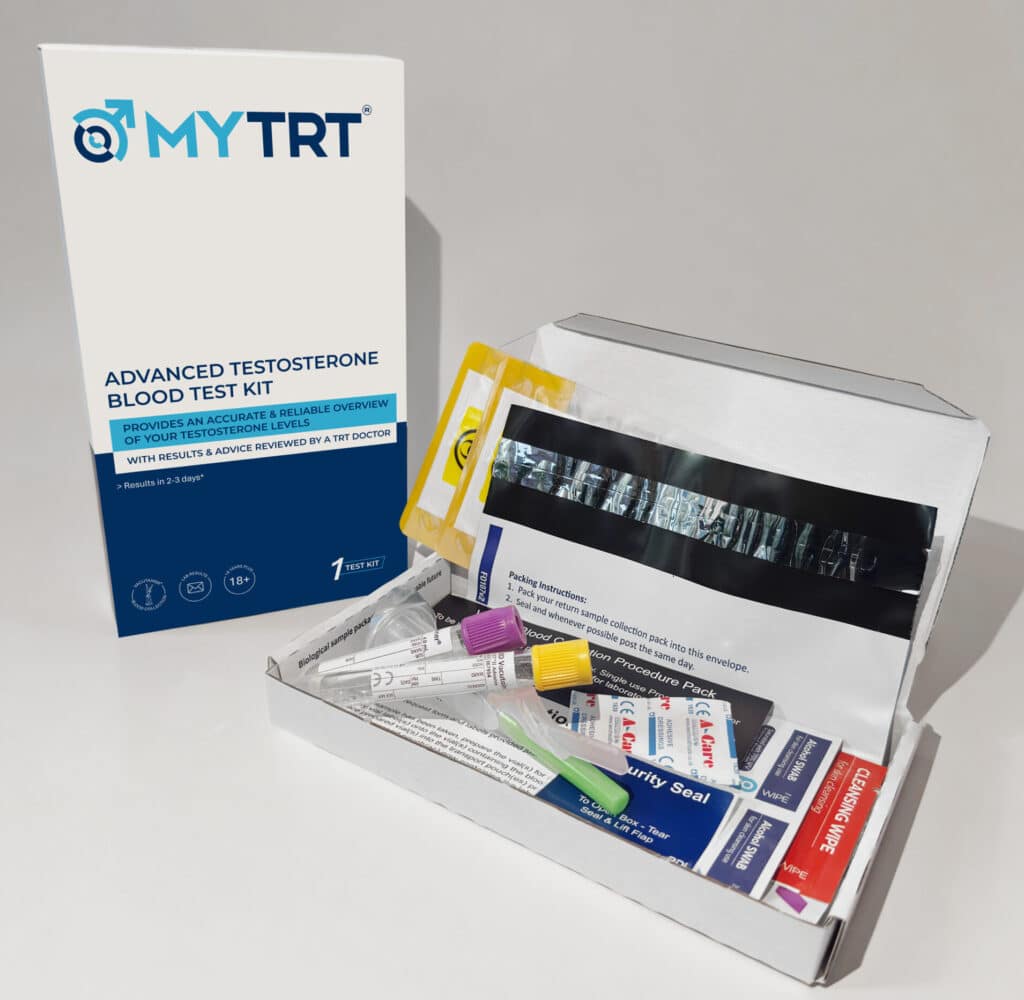
Advanced Testosterone Blood Test
Book a venous draw at a clinic £99.49
Book a venous draw at home with a nurse £109.49
 General health check
UK Availability and Legal Status of Testosterone Cypionate
understanding the availability of testosterone cypionate in the United Kingdom requires an understanding of both NHS prescribing guidelines and the private healthcare sector. Within the NHS, testosterone cypionate is not a standard formulary item. General practitioners and NHS endocrinologists typically initiate treatment using alternative preparations, such as testosterone undecanoate (Nebido) or various transdermal gels, due to established procurement agreements and historical prescribing patterns. Consequently, patients seeking cypionate specifically will almost certainly need to explore private medical avenues.
In the private sector, specialised hormone clinics can prescribe testosterone cypionate, though it is often sourced as an imported medication or compounded as a “special” by licensed UK pharmacies. This means the medication is manufactured or imported specifically to fulfil a bespoke prescription for an individual patient. While this ensures access for those who require or prefer this specific ester, it can introduce variables in pricing and supply chain consistency. We advise patients to work closely with a reputable clinic that maintains robust relationships with established pharmacies to ensure an uninterrupted supply of their medication.
Legally, testosterone cypionate is classified as a Class C controlled drug under the Misuse of Drugs Act 1971.[4] This classification means it is strictly prescription-only. It is entirely legal to possess the medication for personal use provided it has been prescribed by a registered medical professional following a legitimate clinical assessment. However, it is illegal to supply or sell the medication to others. The stringent regulatory framework surrounding controlled drugs is designed to protect patient safety and ensure that these potent hormones are administered under appropriate medical supervision.
Patients often ask us about the logistics of travelling with their medication. When travelling internationally from the UK, it is imperative to carry a copy of the original prescription and a formal letter from the prescribing physician detailing the medical necessity of the treatment. Because testosterone is a controlled substance globally, customs regulations vary significantly between jurisdictions. Ensuring all documentation is in order prevents legal complications and ensures continuity of care while abroad. For those looking to understand the broader field of treatment access, our guide on TRT in the UK provides extensive detail on understanding these pathways.
Typical Dosing and Administration Protocols
The administration of testosterone cypionate requires a tailored approach to achieve optimal physiological stability. Historically, standard medical guidelines suggested administering 200mg every 10 to 14 days. However, in modern clinical practice, we recognise that this infrequent dosing schedule often leads to significant fluctuations in serum testosterone levels. Patients frequently report a “rollercoaster” effect, experiencing a surge in energy and libido immediately following the injection, followed by a pronounced crash in the days preceding the next dose. This peak-and-trough profile is suboptimal for long-term wellbeing and can exacerbate side effects such as ooestradiol elevation and erythrocytosis.
To mitigate these issues, contemporary protocols strongly favour micro-dosing strategies. By dividing the total weekly dose into smaller, more frequent administrations, we can maintain a highly stable serum concentration that closely mimics natural endogenous production. A common starting protocol might involve administering 50mg to 60mg twice weekly, or even smaller doses every other day. This approach significantly reduces the peak serum concentration, thereby lowering the rate of aromatisation and minimising the impact on haematocrit levels. Patients consistently report improved mood stability, sustained energy, and better overall symptom resolution with these refined schedules.
The physical act of administration also requires careful instruction. Testosterone cypionate can be injected either intramuscularly (IM) or subcutaneously (SubQ). While IM injections into the gluteus maximus or vastus lateralis have been the traditional standard, subcutaneous administration into the abdominal adipose tissue is increasingly favoured. Subcutaneous injections utilise smaller, finer needles, reducing tissue trauma and patient discomfort. Furthermore, some clinical evidence suggests that SubQ administration may result in a slower, more even absorption rate, further contributing to serum stability. We provide comprehensive guidance on where to inject testosterone to ensure patients feel confident and competent in managing their treatment.
Monitoring is an indispensable component of any dosing protocol. We do not rely solely on symptom resolution; objective biochemical data is essential. Regular blood tests are conducted to assess total and free testosterone, ooestradiol, sex hormone-binding globulin (SHBG), full blood count, and prostate health. These metrics allow us to fine-tune the dosage, adjusting the frequency or volume of the injection to keep the patient within the optimal therapeutic window. This rigorous, data-driven approach ensures that the benefits of the therapy are maximised while potential risks are proactively managed.
Testosterone Blood Test Kit
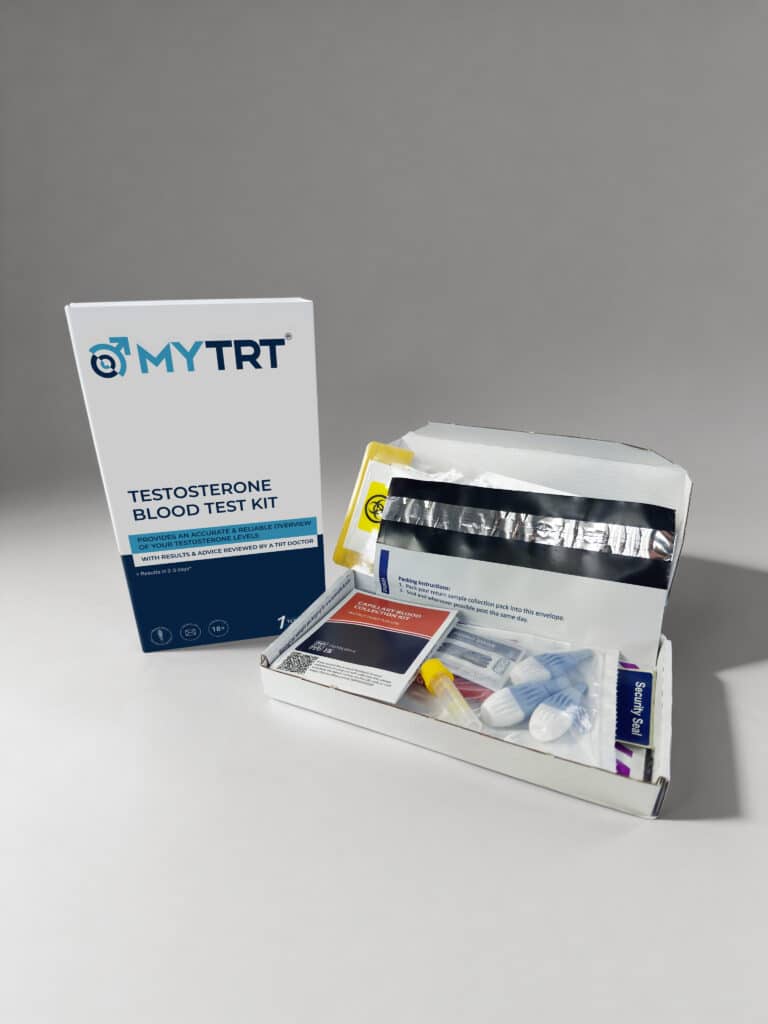
If this test showed you have low testosterone, the Advanced Testosterone Blood Test will assess your suitability for TRT.
Risks of Unprescribed Use and Sourcing
The procurement and use of testosterone cypionate outside of a regulated medical framework carry profound risks. In clinic we see patients who have previously attempted to self-manage their hormones using products sourced from the black market or illicit online vendors. These underground laboratory (UGL) products are manufactured without regulatory oversight, meaning there is zero guarantee of sterility, accurate dosing, or even the presence of the active ingredient. Injecting unverified substances directly into the body exposes the individual to severe risks, including deep tissue abscesses, systemic infections, and heavy metal toxicity.
Beyond the physical dangers of contaminated products, unprescribed use inherently lacks the necessary medical monitoring. Testosterone therapy is not a benign intervention; it profoundly alters the body’s endocrine balance and cardiovascular parameters. Without regular blood tests to monitor haematocrit, lipid profiles, and ooestradiol levels, individuals are flying blind. Elevated haematocrit, a common consequence of unmanaged testosterone use, thickens the blood and significantly increases the risk of thrombosis, stroke, and myocardial infarction. Similarly, unmonitored oestrogen conversion can lead to irreversible gynaecomastia and severe mood disturbances.
Furthermore, the self-administration of exogenous androgens suppresses the hypothalamic-pituitary-gonadal (HPG) axis, halting natural testosterone production and spermatogenesis. When individuals attempt to cease unprescribed use without proper medical intervention, they often experience a profound hypogonadal crash, characterised by severe depression, complete loss of libido, and significant muscle wasting. A medically supervised programme includes strategies to manage fertility and, if necessary, protocols for safely discontinuing therapy to restore natural endocrine function.
We strongly advocate for engaging with licensed healthcare professionals for any hormone replacement needs. A structured, legal pathway ensures that the medication is pharmaceutical grade, the dosing is scientifically sound, and the patient’s overall health is continuously safeguarded. For those considering their options, understanding how to get TRT in the UK through legitimate channels is the first and most critical step towards safe and effective treatment.
Ready to take control of your health?
-
 Comprehensive blood analysis
-
Expert clinical consultation
-
Bespoke treatment plans

FAQs
What is testosterone cypionate used for?
Testosterone cypionate is primarily used as a hormone replacement therapy for men diagnosed with clinical hypogonadism. It serves to restore serum androgen levels to a healthy physiological range, alleviating symptoms such as chronic fatigue, low libido, and muscle loss. In clinic we see that when administered correctly, it significantly improves overall quality of life. For more information on the condition it treats, you can read about what testosterone is and its role in the body.
How long does it take for testosterone cypionate to work?
The onset of action varies depending on the specific symptom being monitored. Patients often report improvements in energy and libido within the first three to four weeks of starting treatment. However, changes in body composition, such as increased lean muscle mass and reduced fat, may take several months to become noticeable. We monitor these subjective improvements alongside objective blood markers, which you can explore further in our guide on TRT before and after expectations.
Is testosterone cypionate better than enanthate?
Neither ester is objectively superior; they are clinically interchangeable for the purpose of hormone replacement. The primary difference lies in the carrier oil used, with cypionate often suspended in cottonseed oil and enanthate in sesame or castor oil, both can be used as injections into the fat or muscle, however cypionate tends to be less stingy due to its carrier oil being less viscous than enanthate’s. Patients may prefer one over the other based on individual sensitivities or injection site reactions. You can review the specifics of the alternative in our testosterone enanthate overview.
Can I get testosterone cypionate on the NHS?
Testosterone cypionate is not routinely prescribed or stocked within standard NHS pathways. NHS endocrinologists typically favour long-acting injections like Nebido or daily transdermal gels. Patients specifically seeking cypionate usually need to consult with a private specialist who can arrange for the medication to be imported or compounded. For a broader understanding of public healthcare options, see our article on TRT on the NHS.
What is the half-life of testosterone cypionate?
The terminal half-life of testosterone cypionate is approximately eight days. This pharmacokinetic profile means that it takes about eight days for the concentration of the drug in the blood to reduce by half. This extended duration allows for stable serum levels when administered via a well-structured micro-dosing protocol. Understanding these timelines is significant when planning testosterone injections.
How often should I inject testosterone cypionate 200mg?
While historical guidelines suggested injecting 200mg every two weeks, modern clinical consensus strongly advises against this due to the resulting peaks and troughs in hormone levels. We typically recommend dividing the dose into smaller, more frequent administrations, such as 50mg twice a week, to maintain stable serum concentrations. This approach minimises side effects and optimises wellbeing, a strategy discussed in our guide on TRT side effects.
Does testosterone cypionate cause hair loss?
Testosterone cypionate can accelerate male pattern baldness in individuals who are genetically predisposed to the condition. This occurs because a portion of the testosterone is converted into dihydrotestosterone (DHT), which affects hair follicles in susceptible men. We monitor these physical changes closely and can discuss adjunctive treatments if hair loss becomes a concern. You can learn more about managing such issues in our comprehensive TRT UK guide.
Where is the best place to inject cypionate testosterone?
The medication can be administered either intramuscularly or subcutaneously. Many patients prefer subcutaneous injections into the abdominal fat, as it uses a smaller needle and often results in less tissue trauma and a steadier absorption rate. Intramuscular injections into the gluteus or vastus lateralis remain effective alternatives. We provide detailed instructions on this in our resource on where to inject testosterone.
Are there any side effects specific to test cypionate?
The side effects of testosterone cypionate are generally the same as any other injectable testosterone ester, including potential changes in haematocrit, lipid profiles, and ooestradiol levels. The only specific side effect relates to potential allergic reactions or sensitivities to the carrier oil (usually cottonseed oil) or preservatives used in the formulation. Regular monitoring via an advanced testosterone blood test is essential to manage these risks.
How do I switch from enanthate to cypionate?
Switching between these two esters is a straightforward clinical process due to their near-identical pharmacokinetics. We typically transition the patient on a milligram-for-milligram basis without needing to alter the injection frequency or schedule. A follow-up blood test is usually conducted after six weeks to ensure serum levels remain stable on the new formulation. If you are considering a change, you can explore the process of how to get TRT in the UK with our clinic.
References
[1] Pharmacology of testosterone replacement therapy preparations ↩︎
[3] Endocrine Society Clinical Practice Guideline for Testosterone Therapy ↩︎