
Medical Summary
A sperm count test, often called a semen analysis, assesses ejaculate volume and a suite of sperm quality measures including concentration, total sperm number, motility, morphology, pH and liquefaction behaviour. The World Health Organisation 2021 manual sets contemporary reference limits for fertile populations, and laboratories use these to frame clinical interpretation[1]. In routine care a laboratory semen analysis is the gold standard, while many home kits estimate concentration only and cannot evaluate motility or morphology[3][7]. Results vary from sample to sample, so repeat testing is standard, and results should be reviewed in the context of history, examination and fertility goals following NICE guidance[2]. Exogenous testosterone suppresses the hypothalamic pituitary gonadal axis, which can markedly reduce or abolish sperm production, so men considering testosterone therapy require targeted counselling and an agreed fertility plan[4].
MYTRT treatment eligibility
MYTRT treats men only when they have compatible symptoms and meet both biochemical limits: total testosterone of 15 nmol/L or below, and free testosterone of 0.35 nmol/L or below.
What is a sperm count test?
A sperm count test is a laboratory examination of a semen sample that provides a snapshot of a man’s reproductive potential. You will sometimes hear it called a semen analysis, a sperm fertility test, or simply a sperm check. Beyond the headline figure of how many sperm are present, a full report describes how the sample behaves after ejaculation, how many sperm are moving, how well they move, how they are shaped, whether there are signs of inflammation, and whether the chemical environment of the semen supports sperm survival and function[1][7].
Clinics request semen analysis when you and your partner have been trying to conceive without success, when you want reassurance before trying, after a vasectomy to confirm success, or to investigate symptoms that may affect fertility such as testicular problems or a history of undescended testes. The test can also be relevant for men looking at testosterone therapy. Why mention hormones in a page about sperm? Because exogenous testosterone can switch off sperm production, so a careful plan is essential if you want to build a family now or later[4]. If you are comparing semen analysis with broader fertility bloods, see our overview of male hormone testing here: Male Fertility Test.
A typical pathway is simple. You abstain from ejaculation for 2 to 5 days, produce a sample by masturbation into a sterile pot, and deliver it to a laboratory promptly. The laboratory keeps the sample at body temperature and evaluates it within defined time windows, since semen changes character in the first hour. Many home kits exist, and they can be useful if you want a quick sense of concentration at home, yet they do not tell you whether sperm are swimming well or shaped normally. For decisions that matter, especially if pregnancy has not happened, a formal lab analysis remains the reference standard[2][7][8].
Planning or already on testosterone therapy? Read about delivery options at Testosterone Injections, check safety considerations at Is TRT Safe?, and if you need tailored advice about access, visit How To Get TRT. If you want to pair a semen analysis with a snapshot of your hormones, you can add a convenient home blood test.
Testosterone Blood Test Kit
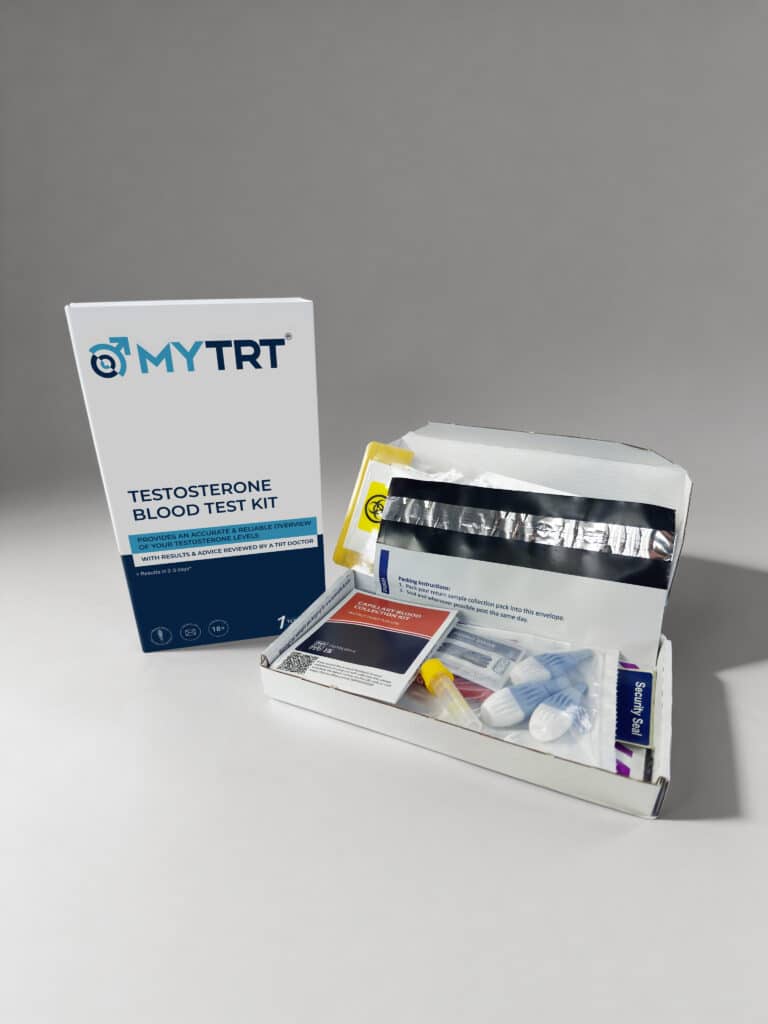
If this test showed you have low testosterone, the Advanced Testosterone Blood Test will assess your suitability for TRT.
What a sperm count test measures, in detail
A modern semen analysis is structured. Laboratories follow standard operating procedures from the WHO 2021 manual, which improves consistency between reports[1]. Here is what each line in a typical sperm quality test means, why it matters, and what can influence the number you see.
Ejaculate volume
This is the total amount of semen produced, measured in millilitres. Volume reflects secretions from the seminal vesicles and the prostate, with a smaller contribution from the testes and epididymides. Very low volume can suggest incomplete collection, retrograde ejaculation into the bladder, blockage of the ejaculatory ducts, absence or underdevelopment of seminal vesicles, or low androgen stimulation of the accessory glands. High volume can dilute sperm concentration, though the total sperm number per ejaculate may still be satisfactory[1][8].
Semen appearance and viscosity
Fresh semen is typically opalescent and coagulates shortly after ejaculation. Viscosity describes how stringy or thick it looks when allowed to drop from a pipette. Excessive viscosity can trap sperm and hamper movement, giving an artificially low motility reading and contributing to subfertility. High viscosity can be associated with infection, inflammation or suboptimal collection conditions[1].
Liquefaction time
After coagulation, semen should liquefy within a defined time window at room or body temperature. Delayed liquefaction makes laboratory handling harder and can reduce the proportion of motile sperm seen under the microscope. It often points to issues with prostatic enzymes that normally break down the clot. If liquefaction is delayed, technicians may gently treat the sample to allow further analysis, and clinicians will consider causes such as prostatitis or partial duct obstruction[1][7].
pH
Semen pH describes acidity or alkalinity. Normal semen is slightly alkaline, which helps buffer sperm against the vaginal environment. Low pH can occur when seminal vesicle fluid is absent or reduced, for example with ejaculatory duct obstruction or congenital anomalies of the seminal vesicles. Very alkaline readings may accompany infection. pH is interpreted alongside volume and fructose testing in selected cases to help identify structural problems in the reproductive tract[1][8].
Sperm concentration
Concentration is the number of sperm per millilitre of semen, counted using standard chambers or automated systems under strict quality control. This is the headline figure most home sperm test kits attempt to estimate. It matters because the chance of a sperm reaching and fertilising an egg correlates with how many are present in the right place at the right time. The WHO 2021 manual publishes contemporary lower reference limits based on fertile populations, and laboratories often flag values below these thresholds for clinical follow up[1][6].
Important nuance, a lower than average concentration does not always equal infertility. Ejaculate volume and motility can compensate, and some couples conceive with counts that sit below reference limits, while others do not conceive despite apparently normal counts. That is why clinicians consider the whole report and the couple’s history, not concentration alone[2].
Total sperm number per ejaculate
This figure multiplies concentration by volume to estimate the total number of sperm in the entire sample. It is clinically useful because two men with the same concentration can have very different total numbers if their volumes differ. Total number is a better representation of the dose of sperm delivered during intercourse and often relates more closely to natural conception rates than concentration alone[1][7].
Motility, including progressive motility
Motility is the proportion of sperm that are moving. It is reported as total motility, which includes any movement, and progressive motility, the subset that travel in a forward, purposeful way. Progressive sperm are the ones likely to swim through cervical mucus and reach the egg. In the lab, trained staff classify hundreds of sperm in several fields of view, recording categories such as progressive, non progressive and immotile. Temperature, time from ejaculation and sample handling strongly influence motility, which is why prompt, standardised assessment matters[1][8].
When progressive motility is low, the term asthenozoospermia may be used. Some causes are reversible, for example febrile illness, heat exposure, varicocele or medication effects. Others reflect intrinsic defects in the flagellum that drive movement. If motility is severely reduced, clinics may discuss assisted reproduction methods that bypass the need for sperm to swim far, after first looking for treatable causes[2][7].
Morphology, or sperm shape
Morphology assesses the percentage of sperm that appear normal under high magnification after staining. Strict morphology criteria set a high bar for what counts as normal, looking closely at head, midpiece and tail. Typical abnormalities include tapered or large heads, double heads, bent midpieces and coiled tails. A small proportion of normal forms is often compatible with conception, but very low normal forms, termed teratozoospermia, may reduce the chance of natural conception and can point to environmental or testicular stress. Morphology is best interpreted with concentration and motility, not in isolation[1][6].
Vitality
Vitality testing estimates the proportion of live sperm, usually using dyes that enter dead cells but are excluded by intact membranes. It is indicated when motility appears very low, since non moving sperm may still be alive. A discrepancy between vitality and motility can suggest structural flagellar problems rather than generalised cell death. Vitality provides reassurance that a pool of viable cells exists that might be used in assisted conception if indicated[1].
Round cells, including white blood cells
Round cells in semen include immature germ cells and white blood cells. Elevated white blood cells, a state called leukocytospermia, can indicate inflammation or infection within the male reproductive tract. Oxidative stress driven by excess white cells can damage sperm membranes and DNA, reducing function. If leukocytospermia is found, clinicians usually consider a repeat test, targeted cultures or empiric measures to reduce oxidative stress, alongside treating any identified infection[1][7].
Agglutination
Agglutination describes sperm sticking together head to head, tail to tail or head to tail. Marked agglutination may point to anti sperm antibodies or infection, and can impair movement through cervical mucus. If suspected, specialised testing for antisperm antibodies may be arranged in select cases, guided by clinical context and local protocols[1].
Fructose and zinc, in selected cases
Not every report includes these. Fructose is a marker of seminal vesicle function, and low or absent fructose in an acidic, low volume sample raises the possibility of ejaculatory duct obstruction or congenital seminal vesicle absence. Seminal plasma zinc reflects prostatic secretion. Targeted biochemical testing helps differentiate obstructive from non obstructive problems when patterns in the core semen parameters suggest a structural cause[1][8].
Putting the numbers together
A semen analysis is not a pass or fail exam. The WHO 2021 lower reference limits represent the 5th centile of fertile men, not optimal targets for everyone[1][6]. A borderline result can still be compatible with pregnancy, and a normal result does not guarantee success in every case. Your clinician will consider your age, medical background, medications, lifestyle, and your partner’s reproductive health. If you use or are considering testosterone, that discussion must cover fertility preservation and alternatives, because conventional testosterone therapy reliably suppresses sperm formation while it is taken[4].
If you would like to understand how semen analysis compares with broader male fertility blood tests, see Male Fertility Test. If you are exploring testosterone treatment while keeping future options open, read Is TRT Safe? and our overview of Testosterone Injections, then speak with a clinician about timing, alternatives and sperm preservation.
WHO 2021 semen analysis reference values
When you take a sperm count test, the laboratory does not just look at the number of sperm. A standard semen analysis assesses several features of the ejaculate and the sperm cells themselves, then compares those findings with World Health Organisation 2021 reference values. These values are drawn from fertile men, so they are not a diagnosis in isolation, they simply indicate whether your result sits below the lower reference limit where reduced natural conception is more likely[17].
| Parameter | What It Means | WHO 2021 Lower Reference Limit | Units / Notes | What A Low Result May Suggest |
|---|---|---|---|---|
| Semen volume | Total amount of semen ejaculated | ≥ 1.4 | mL | Low volume may indicate partial obstruction, retrograde ejaculation, or collection issues[1,2] |
| Sperm concentration | Number of sperm per millilitre | ≥ 16 | million/mL | Below this is often termed oligospermia[1,2] |
| Total sperm number | Total sperm in the entire ejaculate | ≥ 39 | million per ejaculate | Very low totals reduce chances of natural conception[17] |
| Progressive motility | Percentage of sperm swimming forwards | ≥ 30% | % | Reduced forward movement is asthenospermia[1,3] |
| Total motility | Progressive plus non‑progressive movement | ≥ 42% | % | Low motility can reduce the chance of sperm reaching the egg[1,3] |
| Morphology | Normal shape sperm by strict criteria | ≥ 4% | % normal forms | Abnormal shape predominance is teratospermia[1,3] |
| Vitality | Percentage of live sperm | ≥ 54% | % live | Low vitality suggests many sperm are non‑viable[17] |
| pH | Acidity or alkalinity of semen | ≥ 7.2 | Typical range 7.2 to 8.0 | Very low pH may indicate ejaculatory duct or seminal vesicle problems[1,3] |
| Liquefaction time | Time for semen to become runny | Within 60 | minutes | Delayed liquefaction can impair sperm movement[1,2] |
Falling below one or more limits does not automatically mean permanent infertility. Results vary from sample to sample, infections or fever can temporarily depress parameters, and many modifiable factors affect semen quality[1,2]. A formal laboratory semen analysis, often with a repeat after several weeks, remains the gold standard before any decisions are made.
If you want a broader health and hormones overview at the same time as semen testing, see our complementary guide to the wider male fertility test. That page covers hormone panels and other checks, while this page focuses on the semen analysis itself.
How to prepare for a sperm count test
Good preparation helps your result truly reflect your baseline. Follow these practical steps for both home kits and laboratory semen analysis.
Abstinence window
Avoid ejaculation for 2 to 5 days before your sperm count test[1,2]. Less than 2 days can depress the total count, while more than 5 to 7 days can reduce motility because older sperm move less well. If your clinician gives different instructions for a specific test, prioritise that advice.
Avoid heat and acute illness
High temperatures around the testes reduce sperm production and movement. Skip hot tubs, saunas, and scalding baths in the week before testing, and keep laptops off your lap[3,4]. A significant fever in the past two to three months can lower results because a full cycle of sperm production takes about 74 days[19]. If you were unwell, discuss timing with your clinician and consider delaying or planning a repeat test.
Medications, supplements and TRT
Some medicines and hormones affect spermatogenesis. Anabolic steroids and exogenous testosterone injections often suppress pituitary hormones that drive sperm production, which can markedly reduce sperm counts while on therapy[5,6]. If you are considering therapy for low testosterone and want children, speak to a specialist first, as alternatives that preserve fertility may be possible. Read more about safety considerations in our overview, is TRT safe.
Tell your clinician about finasteride, some antifungals, chemotherapy, opioids, or testosterone boosters. Do not stop prescribed medicines without advice. If you are unsure how to approach treatment and testing, our guide on how to get TRT explains pathways and where fertility fits in.
Collection technique
For the most accurate result:
- Collect by masturbation directly into the sterile pot supplied. Condoms, especially non‑specialist types, can contain spermicides that destroy sperm[1,2].
- Do not use lubricants. Most kill or immobilise sperm. If a lubricant is essential, only use a sperm‑safe product approved by your clinic.
- Capture the entire sample. The first fraction contains the highest sperm concentration. If you miss some, tell the lab, as it can lower calculated totals.
- Keep the pot warm and upright. Body temperature is ideal. Avoid extremes of cold or heat during transport[17].
- Deliver the sample to the lab within one hour of production. If you are testing at home, follow the kit’s timing instructions closely.
Short-term lifestyle tweaks
In the week prior, avoid heavy alcohol binges, recreational drugs, and restrict intense cycling or long sessions in tight thermal gear. None of these single changes guarantees a normal test, yet they reduce confounders so your result reflects your typical baseline[2,3].
Testosterone Blood Test Kit
If this test showed you have low testosterone, the Advanced Testosterone Blood Test will assess your suitability for TRT.
Home sperm test kits in the UK, what they can and cannot tell you
Home sperm test kits can be a useful first look, especially if you want privacy or a quick check before a formal appointment. Most kits measure sperm concentration, sometimes an estimate of motile sperm. None can match a full laboratory semen analysis for depth. Understanding what each type measures helps you decide when a home result is enough and when to book a lab test.
Main types of home kits
- Smartphone video microscopy kits, these use a small optical attachment and your phone’s camera to record sperm movement. The app then estimates concentration and, in some products, progressive motility. Examples available in the UK include ExSeed Health and YO Home Sperm Test. Independent studies show reasonable correlation with laboratory counts, although variability increases at very low or very high concentrations[7,8].
- Colorimetric or lateral flow kits, these change colour in proportion to the number of motile sperm, reporting a qualitative or semi‑quantitative result such as low, moderate, or high motile sperm concentration. SwimCount is a commonly available option that focuses on motile sperm, which matters most for natural conception[25].
- Mail‑in collection kits, you produce at home and post or courier the sample to a lab. Timing and temperature control are critical, and prolonged transit can distort motility, vitality, and pH. The WHO manual advises that delayed analysis reduces reliability for several parameters[17]. If you choose this route, use rapid courier services with validated transport media.
What home kits usually measure
- Sperm concentration, number of sperm per millilitre. Most kits can estimate this within a clinically useful range[7,8].
- Motile sperm concentration or a motility score, some kits, for example YO and SwimCount, focus on the number of moving sperm, which is a stronger predictor of natural conception than total count alone[25].
- Video of your sample, certain smartphone systems save a short video, helpful for personal review or sharing with a clinician at a later appointment.
What home kits do not measure well
- Morphology, assessing sperm shape requires trained technicians using strict criteria. Home kits do not provide a reliable morphology percentage[1,3].
- Detailed motility grading, distinguishing progressive from non‑progressive movement to WHO standards is a laboratory task[17].
- Vitality and white cells, detecting dead versus live sperm and identifying leukocytospermia needs laboratory staining methods[1,3].
- Chemistry of semen, pH, liquefaction time, viscosity, and signs of infection require controlled measurement, not available in consumer kits[17].
Because of these gaps, a home sperm test is best seen as a screening step. A low, borderline, or inconsistent home result should lead to a formal semen analysis. Even a reassuring home result can mask issues like abnormal morphology or suboptimal progressive motility, both of which impact fertility[1,3].
Accuracy and limitations
Validation studies of smartphone‑based systems report moderate to strong correlation with laboratory measurements of concentration and motility, yet the error bars are wider at the edges of the range and between different phone models[7,8]. Colorimetric kits trade precision for simplicity, so they can tell you if motile sperm are likely above or below a threshold but not your exact count[25]. Technique matters too, from proper sample mixing to avoiding bubbles on the slide, which can skew automated readings. Always read the instructions slowly, then repeat the test on a different day before drawing conclusions.
Who might benefit from a home kit
- Men curious about baseline fertility who want an immediate sense check before committing to a clinic appointment.
- Couples timing intercourse who want to know whether motile sperm concentration looks reasonable that cycle.
- Men in lifestyle change programmes, for example losing weight, stopping smoking, or reducing heat exposure, who want to track trends. Use the same kit each time for comparability.
If you are actively trying to conceive, have a known risk factor like a varicocele, undescended testis in childhood, chemo history, or you are on or considering testosterone therapy, move straight to a laboratory semen analysis or ask your GP for referral. An NHS fertility pathway typically includes semen analysis as an early test for male partners[2,10].
Where to get a full laboratory semen analysis
You can access semen analysis via your GP on the NHS, or privately through accredited andrology laboratories and fertility centres[2,10]. This is the gold standard for a sperm count test for men because the lab measures concentration, total count, progressive motility, morphology, vitality, pH, liquefaction, and more under controlled conditions[1,3]. If your home kit flags a concern, a lab test is the right next step.
Want to check hormones at the same time as semen parameters or before discussing treatment options? Our testosterone blood test kit can sit alongside semen testing to add context on testosterone, LH, and related markers. If you later pursue therapy, our practical explainer on how to get TRT sets out safe next steps.
Laboratory semen analysis, the gold standard
A full laboratory semen analysis is the benchmark sperm count test for men, and it goes far beyond a basic sperm check. It measures concentration, total count, progressive and total motility, morphology, vitality, volume, pH, liquefaction time, and the presence of white blood cells or antisperm antibodies. Results are interpreted using the World Health Organisation 2021 reference ranges, and the assessment is carried out by trained andrology scientists using strict quality control procedures, so you get the most reliable read on sperm quantity and sperm quality[11].
Collection is part of the test quality. You are usually asked to abstain from ejaculation for 2 to 5 days, to collect the entire sample by masturbation into a sterile container, to avoid lubricants that can harm sperm, and to deliver the sample to the lab within 60 minutes if you are not producing on site. Shorter or longer abstinence, spillage, fever in the prior weeks, or delays in transport can lower motility or concentration, which is why a second sample is commonly requested to confirm any abnormal result[11][13].
What happens in the lab? Technologists first assess macroscopic parameters, for example semen volume, colour, viscosity, and whether the sample liquefies within one hour. They check pH, which can hint at obstruction if it is low and the volume is small. Microscopy then quantifies sperm concentration per millilitre, total sperm per ejaculate, motility categories, and morphology using strict criteria. Where indicated, vitality staining is used to distinguish non‑moving but alive sperm from dead sperm, and peroxidase staining can screen for excess white cells suggestive of genital tract inflammation[11][15].
- Concentration and total count, reported as million per mL and million per ejaculate
- Motility, reported as progressive, non‑progressive, and immotile percentages
- Morphology, strict normal forms percentage
- Volume, pH, liquefaction time, viscosity
- Vitality, white blood cells, agglutination, debris or round cells
- Optional, antisperm antibodies or advanced tests if advised by a specialist
This level of detail is what separates a home sperm fertility test from a laboratory semen analysis. Most home kits estimate concentration only. A lab analysis looks at function as well as numbers, which is more predictive of natural conception or the likely need for assisted reproduction[11][15].
Where to get a semen analysis in the UK
NHS pathway, your GP can refer you for an NHS semen analysis if you and your partner have been trying for a year without pregnancy, or sooner if there are known risk factors such as prior testicular surgery, undescended testis, chemotherapy, or suspected hypogonadism. Samples are processed in hospital andrology labs that follow WHO 2021 methods, and you will usually be asked to provide at least two samples a few weeks apart if the first is abnormal[12][13].
Private pathway, you can self fund a laboratory semen analysis through accredited UK andrology services. This can be faster, and it may include extras like vitality or antisperm antibody testing depending on the clinical picture. Ask about WHO 2021 methodology and turnaround time. If you want a broader overview of male reproductive health that combines semen analysis context with hormonal drivers like FSH, LH, and testosterone, see our guide to the wider male fertility test.
If you are concerned about low testosterone or you are weighing up testosterone treatment, do not start therapy before you have completed your semen testing. Exogenous testosterone can suppress sperm production, sometimes to zero, which can complicate both diagnosis and recovery of fertility[14][17]. For background on treatment routes see our overview of testosterone injections and read about TRT safety with a specific eye on fertility planning.
Interpreting your results, what different patterns mean
Laboratory reports are framed against WHO 2021 lower reference limits, for example concentration 16 million per mL, total motility 42 percent, progressive motility 30 percent, morphology 4 percent normal forms, and volume 1.4 mL. These are not pass or fail cut offs, they are statistical lower fifth centiles from fertile populations, and they must be interpreted alongside your history, exam findings, and time trying to conceive[11][12]. Below are common patterns, what they usually mean, and what to consider next.
Oligospermia, low sperm concentration
Definition, sperm concentration below 16 million per mL, or total sperm per ejaculate below 39 million. Clinicians often sub classify as mild, about 10 to 15 million per mL, moderate, 5 to 10, and severe, under 5. Low numbers reduce the odds of natural conception per cycle, especially when motility or morphology are also suboptimal[11][15].
- Common causes, varicocele, testicular heat exposure, recent febrile illness, partial obstruction, genetic factors, smoking or heavy alcohol use, anabolic steroids, or exogenous testosterone therapy[12][16][17]
- Initial next steps, repeat the test after 2 to 3 weeks with correct abstinence and prompt delivery, then check hormones, FSH, LH, total testosterone, prolactin, and thyroid profile, and arrange a focused examination for varicocele or testicular atrophy[12][13]
- When severe or persistent, consider genetic tests such as karyotype and Y chromosome microdeletion, and CFTR testing if the vas deferens are absent on exam. Specialist referral is appropriate[12][16]
- Treatment options, treat varicocele when indicated, correct lifestyle risks, and plan conception strategies. Many couples with mild to moderate oligospermia conceive naturally over time, while severe oligospermia often points towards IVF with ICSI if pregnancy is the goal[12][15][16]
On TRT already, discuss pausing or switching to fertility preserving care before making big reproductive decisions. Exogenous testosterone suppresses pituitary FSH and LH, which drops intratesticular testosterone and can cause severe oligospermia or azoospermia. Recovery can take months after stopping, and some men need specialist therapy to restart sperm production[14][17]. If you are considering therapy, read our guide on how to get TRT and speak with a clinician about timelines and fertility planning first.
Asthenospermia, reduced motility
Definition, total motility below 42 percent or progressive motility below 30 percent. Low motility, even with normal numbers, reduces the chance that sperm reach and fertilise the egg. Motility is sensitive to collection and transport conditions, so confirm with a second test if the clinical picture does not fit[11][15].
- Common causes, varicocele, genital tract inflammation or infection, oxidative stress from smoking or obesity, prolonged heat exposure, and antisperm antibodies. Sample delay or exposure to toxic lubricants can also artefactually lower motility[11][15][16]
- Initial next steps, repeat analysis with good technique, assess for leukocytospermia, review recent fevers, cycling or sauna use, and check for a palpable varicocele. Consider STI screening where relevant[12][13][15]
- Supportive measures, smoking cessation, weight optimisation, regular but not excessive ejaculation, and avoiding heat. Varicocele repair improves motility in selected men. If motility stays low, IUI or IVF, often ICSI, may be discussed depending on the full profile and female partner factors[12][15][16]
Teratospermia, abnormal morphology
Definition, less than 4 percent normal forms by strict morphology. Morphology is a stringent benchmark of shape and structure that correlates with the ability to penetrate cervical mucus and bind the oocyte. Scores can vary between labs and between samples from the same man, so trends and the rest of the semen profile matter more than one isolated low figure[11][15].
- Causes and associations, varicocele, testicular heat, genetic factors, toxins, and oxidative stress. Severe teratospermia sometimes coexists with low motility or concentration, which amplifies the impact on fertility[15][16]
- Practical steps, repeat the test, address heat and lifestyle risks, and consider varicocele assessment. Antioxidant supplementation is widely used, evidence is mixed, but lifestyle change carries clear benefits across metrics[15][16]
- Fertility planning, natural conception is still possible when count and motility are reasonable. Marked teratospermia, especially with other abnormalities, often leads clinicians to discuss IVF with ICSI where a single selected sperm fertilises the egg directly[16]
Azoospermia, no sperm seen in the ejaculate
Definition, zero sperm observed on initial microscopy. The lab should centrifuge and re‑examine the pellet to exclude very rare sperm, known as cryptozoospermia. If no sperm are seen on two properly collected samples, the next step is to distinguish obstructive from non obstructive causes[11][16][18].
- Obstructive azoospermia, normal testicular production but a blockage in the ducts. Clues include normal testis size, normal FSH, low volume with acidic pH in ejaculatory duct obstruction, or absent vas deferens on exam which suggests CFTR mutations. Surgical sperm retrieval, MESA or PESA, with IVF ICSI is often effective, and some obstructive causes are surgically correctable[16][18]
- Non obstructive azoospermia, impaired sperm production in the testes. FSH is often raised and testes may be smaller. Causes include prior chemotherapy or radiotherapy, Klinefelter syndrome, Y microdeletions, severe testicular injury, or long term suppression from anabolic steroids or testosterone therapy[14][16][18]
- Hypogonadotrophic hypogonadism, a treatable subgroup with low FSH and LH. Targeted therapy with hCG and FSH can induce spermatogenesis under specialist care. Early recognition matters, so hormone testing is mandatory when azoospermia is reported[14][16][18]
- Next steps after confirmation, full reproductive hormone panel, genetic testing where indicated, scrotal ultrasound if masses or atrophy are suspected, and referral to an andrologist or urologist with fertility expertise. MicroTESE can recover sperm in some non obstructive cases, although success rates vary by cause[16][18]
If you are using, or recently used, testosterone treatment or anabolic steroids, make your clinician aware. Exogenous androgens suppress gonadotrophins and can lead to profound oligospermia or azoospermia. Stopping the drug and, where appropriate, specialist therapy can allow recovery over months, but timelines vary, which is another reason to plan fertility before starting TRT[14][17]. Learn more about TRT safety and its impact on sperm production before making changes.
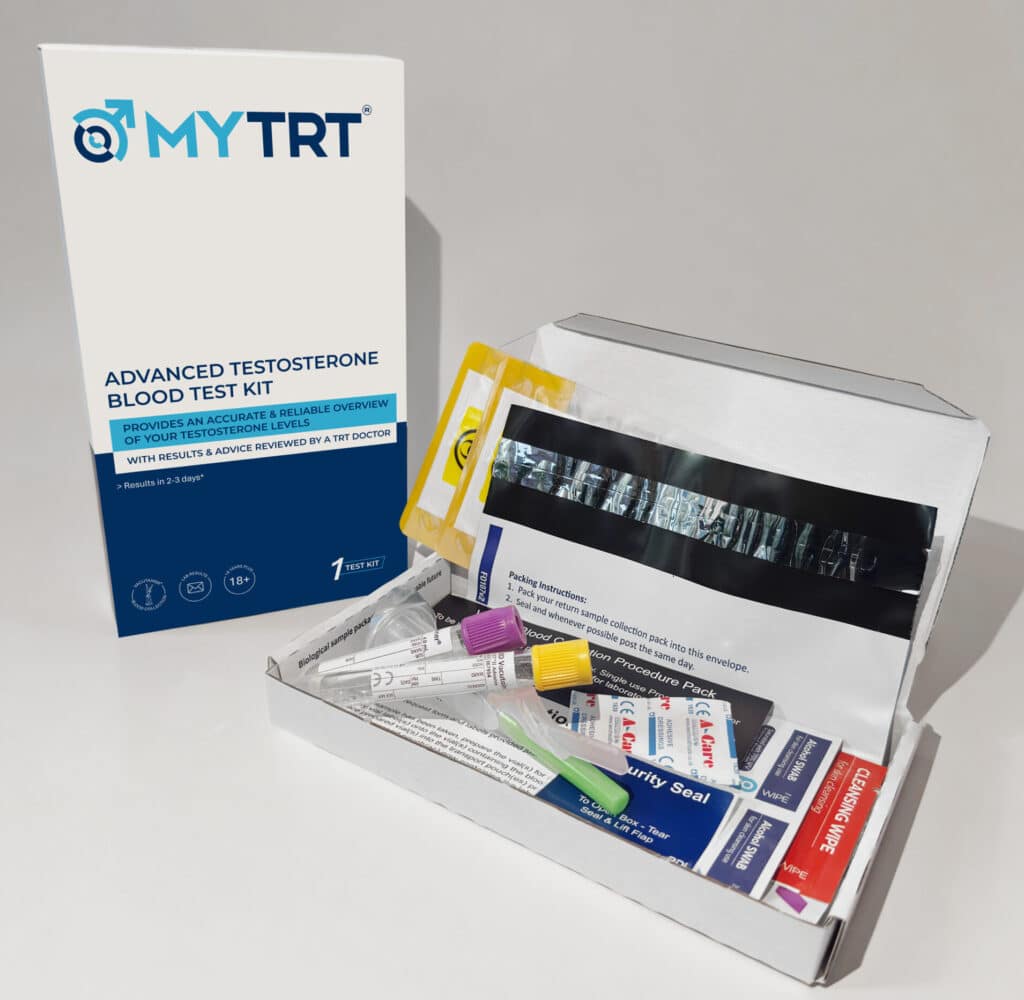
Advanced Testosterone Blood Test
Book a venous draw at a clinic £99.49
Book a venous draw at home with a nurse £109.49
 General health check
When to repeat and when to seek specialist help
Semen parameters fluctuate with illness, abstinence period, and lab timing, so a single abnormal test is not a diagnosis. Repeat at least once, ideally 2 to 3 weeks later, with the same abstinence period and careful collection. If either sample shows severe oligospermia, azoospermia, very low motility, or if there is a concerning history such as undescended testis, chemotherapy, or testicular pain, ask for specialist review and a hormone profile. Our overview of the broader male fertility test explains which blood tests sit alongside semen analysis to pinpoint the cause.
Men thinking about testosterone therapy should discuss sequencing, for example completing a semen analysis and considering sperm banking before treatment if family building is planned. Read about practical treatment routes in our guide to testosterone injections, and get tailored advice on how to get TRT without derailing your fertility goals. If you prefer to review risks and benefits in depth, our TRT safety resource covers the key considerations.
Further Considerations for Men Planning a Family
Laboratory semen analysis is the definitive sperm count test, using WHO 2021 standards to report concentration, motility, morphology, and semen characteristics. Abnormal patterns such as oligospermia, asthenospermia, teratospermia, or azoospermia require confirmation and targeted follow up with hormonal assessment, examination for varicocele or obstruction, and genetic testing where indicated[11][12][16]. Exogenous testosterone suppresses spermatogenesis, which can confound results and delay recovery, so men considering TRT should complete fertility evaluation first and review options with a specialist[14][17]. Referral to an andrology service is recommended for persistent abnormalities or azoospermia, as advanced retrieval or assisted reproduction may be appropriate[16][18].
Causes of low sperm count, when to retest, and the TRT–fertility link
A sperm count test is only a snapshot. If it comes back low, the next step is to figure out why, then decide when to repeat the test. Some causes are temporary, such as heat or a recent fever. Others are structural or hormonal, such as a varicocele or the effect of medications. Below, we break down common reasons for a depressed count, the timing for a sensible retest schedule, and the key point for anyone considering testosterone therapy. If you are weighing up a sperm fertility test or a broader sperm quality test, this section helps you put the result in context and plan what to do next.
Anatomical and medical causes
Several medical conditions can reduce sperm output or block sperm from reaching the ejaculate. Your sperm check result might point towards one of the following patterns.
- Varicocele. Dilated veins in the scrotum raise local temperature and increase oxidative stress, which can reduce concentration, motility, and morphology. It is one of the most common correctable causes of male factor infertility. A GP or urologist can often feel a varicocele on examination, and ultrasound confirms it. In selected men, repairing a clinically significant varicocele can improve semen parameters and may increase chances of natural conception[1–4].
- Past testicular problems. A history of undescended testis, testicular torsion, significant trauma, or mumps orchitis can impair the testicle’s ability to produce sperm[2,5].
- Genitourinary infections or inflammation. Epididymitis or prostatitis can lower counts and motility for weeks. Treatment of the infection then a follow up semen analysis is the usual pathway[31].
- Obstruction. Congenital absence of the vas deferens, scarring from prior surgery, or ejaculatory duct obstruction can lead to low volume with few or no sperm. Hormone tests and specialist imaging help distinguish production problems from blockage[1,5].
- Endocrine disorders. Low gonadotrophins from pituitary disease, severe obesity with raised oestrogen, thyroid disease, or high prolactin can all impair spermatogenesis. If your semen analysis is persistently abnormal, targeted hormone bloods are usually indicated, which sit outside semen testing itself. For a broader overview of male fertility bloods, see our companion resource on male fertility tests.
- Genetic factors. Klinefelter syndrome and Y chromosome microdeletions are less common but important in severe oligospermia or azoospermia. These require specialist assessment[1,5].
Heat, illness, and environmental exposures
Spermatogenesis prefers a temperature a couple of degrees below core body temperature. Anything that overheats the testes can temporarily depress a sperm count test.
- Saunas, hot tubs, heated seats. Regular exposure can reduce counts and motility for several weeks. If you are preparing for a sperm fertility test, ease off for at least two to three weeks beforehand[5,6].
- Laptops on the lap and tight cycling gear. Prolonged scrotal heat from devices or long rides can nudge temperatures up. A lap desk and periodic breaks are sensible tweaks if you are testing[32].
- Fever. A febrile illness can lower a count for one to two spermatogenic cycles. Many men see parameters return towards baseline over 2 to 3 months after recovery[32].
- Occupational exposures. Pesticides, solvents, and heavy metals can harm sperm quality. If relevant, use protective equipment and discuss with your employer’s occupational health service[31].
Lifestyle factors that influence sperm quality
Well known habits can impair a sperm quality test result, often through oxidative stress, hormonal shifts, or direct testicular effects. The upside is that many of these are modifiable.
- Smoking and vaping. Tobacco smoke is linked with lower concentration, poorer motility, and higher DNA fragmentation. Cutting out tobacco helps. Evidence on vaping is still evolving, so caution is sensible[31].
- Alcohol. Heavy drinking can suppress testosterone, raise oestrogen, and reduce spermatogenesis. Moderation is the goal, typically within UK low risk guidelines[2,5].
- Cannabis and other recreational drugs. Cannabis has been associated with reduced sperm concentration and altered morphology in some studies, though findings vary. Anabolic steroids are strongly linked to profound suppression of sperm production[2,5].
- Obesity and poor diet. Higher BMI correlates with lower total sperm count, likely due to hormonal changes and systemic inflammation. Weight loss, a Mediterranean style diet, and regular exercise support healthier parameters[31].
- Sleep and stress. Short sleep and high stress correlate with poorer semen profiles. Aim for regular sleep, daylight exposure, and stress reduction routines. Simple changes can tilt a borderline sperm check in the right direction[31].
Medications, hormones, and TRT
Several prescription medicines can impair semen parameters. Some effects are dose dependent or reversible, others may persist. Never stop a prescribed drug without medical advice, but do raise concerns before a planned sperm count test.
- Exogenous testosterone and anabolic steroids. Testosterone therapy, whether gels or testosterone injections, suppresses pituitary LH and FSH. This reduces intratesticular testosterone, which is essential for sperm production, and can lead to severe oligospermia or even azoospermia. Most men recover over months once therapy stops, though timelines vary. Professional bodies advise avoiding testosterone therapy in men actively trying to conceive[7,8].
- 5 alpha reductase inhibitors (finasteride, dutasteride). Used for hair loss or prostate enlargement, these can lower semen volume and count in some men. Effects often improve after stopping, but discuss risks and benefits if fertility is a priority[9,10].
- Chemotherapy and radiotherapy. These can permanently damage spermatogenesis. Sperm banking is usually advised before treatment if future fertility is desired[2,9].
- Opioids, certain antidepressants, and antiandrogens. These may alter hormones, volume, or ejaculation. Review the medicine list with a GP if your sperm count test is persistently low[2,9].
The TRT–fertility link, in plain English. Exogenous testosterone signals to the brain that the body has enough androgen. The pituitary reduces LH and FSH, the testicles receive less stimulation, and semen production slows or stops. Some men on TRT will record a normal sperm fertility test early on, then drift to low counts over weeks to months. Recovery after stopping TRT is common but not guaranteed, and it can take 3 to 12 months or longer depending on duration of therapy and individual biology[7,8].
If you are considering therapy for symptoms of low testosterone and want children now or in the near future, take advice before starting. There are non testosterone strategies used in specialist practice, such as selective oestrogen receptor modulators or hCG, which aim to support endogenous testosterone and spermatogenesis. Suitability is individual, and off label use needs informed consent. Read more about safety in our overview, Is TRT Safe?, and if you are exploring treatment pathways see How To Get TRT. For the broad fertility work up and when to add hormone bloods, head to Male Fertility Test[33].
When to retest after a sperm count test
Semen parameters fluctuate. The World Health Organisation recommends at least two semen analyses for clinical decision making, because a single result can be skewed by short term factors[27]. Here is a sensible retest framework.
- Borderline or low result on a first test. Repeat in 2 to 3 weeks with the same abstinence window, ideally 2 to 5 days each time. Keep collection conditions consistent; avoid lubricants and heat exposure before the sample[27].
- After fever or a significant illness. Wait 8 to 12 weeks. Spermatogenesis takes roughly 74 days from start to finish, and counts often rebound over one to two cycles after a febrile hit[32].
- After lifestyle changes. If you stopped smoking, moderated alcohol, lost weight, or improved sleep, recheck after 10 to 12 weeks to see a fair reflection of the new baseline[31].
- After varicocele treatment. Most clinics reassess at 3 and 6 months. Morphology and motility often move first, then concentration and total count[3,4].
- On or after stopping TRT or anabolic steroids. If you stop therapy with a view to conceive, consider a semen analysis at 3 months, then again at 6 months if the first is suboptimal. Recovery varies, and some men benefit from specialist support to restart the axis[7,8].
- Azoospermia or very low volume. Confirm the finding promptly with a second test, then arrange targeted bloods, usually FSH, LH, testosterone, and prolactin, and consider a urology referral. Our male fertility testing guide explains how hormone tests complement semen analysis[1,5].
For men doing a home sperm test kit first, a lab semen analysis remains the gold standard for diagnosis. If an at home result flags a problem, confirm it in a clinical laboratory where volume, concentration, motility, morphology, pH, and liquefaction time are measured to WHO 2021 standards[27].
Testosterone Blood Test Kit
If this test showed you have low testosterone, the Advanced Testosterone Blood Test will assess your suitability for TRT.
Practical tips to support a better repeat result
- Cooling the environment. Ditch hot tubs for a while and keep laptops off the lap.
- Keep intervals steady. Aim for a consistent 2 to 5 days of abstinence before each sample.
- Time and technique. Try to collect the entire ejaculate into a sterile pot and deliver it to the lab within one hour, kept close to body temperature.
- Review medicines. If safe and appropriate, discuss alternatives to drugs that affect semen parameters with your clinician.
- Targeted lifestyle changes. Stop smoking, moderate alcohol, maintain a healthy weight, and get 7 to 9 hours of sleep. These low tech tweaks help the biology do its job[2,5].
If you are planning a sperm count test for men and you suspect one of the factors above applies, it often makes sense to address it, then retest after one full spermatogenic cycle. Use the first result as a baseline, not a verdict. If two well collected samples are consistently poor, involve a GP or fertility specialist early for a tailored plan.
Key takeaways for men considering TRT
- Exogenous testosterone suppresses sperm production via pituitary feedback. Low counts or azoospermia are common on therapy[7,8].
- Plan ahead. If children are a goal in the near term, discuss alternatives to TRT or sperm banking before starting treatment.
- Recovery can take months after stopping TRT. A structured retest schedule at 3 and 6 months, with clinical support if needed, is pragmatic.
- Read more on treatment options and safety in our guides, How To Get TRT and Is TRT Safe?, and remember that a lab semen analysis remains the reference test for fertility questions[1,7].
References
- Cooper TG et al. The sixth edition of the WHO manual for human semen analysis, a critical review. Fertil Steril. 2021 View ↩
- NICE Guideline CG156, Fertility problems, assessment and management View ↩
- NHS, Infertility overview and tests, including semen analysis View ↩
- Endocrine Society Clinical Practice Guideline, Testosterone Therapy in Men With Hypogonadism, 2018 View ↩
- Majzoub A, Agarwal A. Systematic update on semen analysis and WHO 2021 thresholds. Asian J Androl. 2022 View ↩
- BMJ Best Practice, Male infertility View ↩
- Cleveland Clinic, Semen Analysis View ↩
- Mayo Clinic, Semen analysis, what to expect View ↩
- World Health Organisation. WHO Laboratory Manual For The Examination And Processing Of Human Semen, 6th ed. 2021 View ↩
- NHS. Infertility Tests View ↩
- Cleveland Clinic. Semen Analysis View ↩
- BMJ Best Practice. Evaluation Of Male Infertility View ↩
- Endocrine Society Clinical Practice Guideline. Testosterone Therapy In Men With Hypogonadism. J Clin Endocrinol Metab. 2018 View ↩
- Mayo Clinic. Male Infertility View ↩
- Kanakasabapathy MK et al. An Automated Smartphone-Based Diagnostic Assay For Point-Of-Care Semen Analysis. Sci Transl Med. 2017 View ↩
- Avidor-Reiss T et al. Smartphone-Based Semen Analysis. Fertil Steril. 2018 View ↩
- European Medical Device Summary For SwimCount, Home Test For Motile Sperm Concentration View ↩
- NICE. Fertility Problems, Assessment And Management (CG156) View ↩
- World Health Organisation. WHO Laboratory Manual for the Examination and Processing of Human Semen, 6th ed. 2021 View ↩
- NICE Guideline CG156. Fertility Problems, Assessment and Treatment View ↩
- NHS. Infertility, Diagnosis and Tests View ↩
- Endocrine Society Clinical Practice Guideline. Testosterone Therapy in Men With Hypogonadism, 2018 View ↩
- Cleveland Clinic. Semen Analysis View ↩
- BMJ. Male Infertility View ↩
- PubMed. Anabolic‑Androgenic Steroids and Male Infertility, 2017 View ↩
- Mayo Clinic. Azoospermia View ↩
- World Health Organisation. WHO Laboratory Manual for the Examination and Processing of Human Semen, 6th ed. 2021[1] View ↩
- NHS. Infertility, overview of causes and risk factors[2] View ↩
- Mayo Clinic. Varicocele, symptoms and causes[3] View ↩
- Cochrane Review. Varicocele treatment for subfertility in men, systematic review[4] View ↩
- Cleveland Clinic. Male Infertility, causes, evaluation, and treatment[5] View ↩
- Jung A, Schuppe HC. Influence of genital heat stress on semen quality in humans. Andrologia[6] View ↩
- Endocrine Society Clinical Practice Guideline. Testosterone Therapy in Men With Hypogonadism, 2018[7] View ↩
- Liu PY et al. Recovery of spermatogenesis following male hormonal contraception. Contraception[8] View ↩
- Mayo Clinic. Male infertility, causes[9] View ↩
- Samplaski MK et al. Finasteride use in the male infertility population. Urology[10] View ↩