Medical Summary
Low testosterone, or hypogonadism, presents with a spectrum of symptoms including fatigue, reduced muscle mass, diminished libido, and mood disturbances. Treatment strategies encompass a variety of approaches tailored to individual patient profiles and underlying causes. Initial management often emphasises lifestyle modifications such as weight optimisation, increased physical activity, and addressing comorbidities like type 2 diabetes or metabolic syndrome. Evidence supports that these measures can modestly improve endogenous testosterone production and overall wellbeing[1].
MYTRT treatment eligibility
MYTRT treats men only when they have compatible symptoms and meet both biochemical limits: total testosterone of 15 nmol/L or below, and free testosterone of 0.35 nmol/L or below.
Where lifestyle changes prove insufficient, medical interventions may be warranted. Testosterone replacement therapy (TRT) remains the cornerstone for symptomatic men with confirmed biochemical hypogonadism. Selection of treatment modality—whether topical gels, injections, or implantable pellets—depends on patient preference, pharmacokinetics, and monitoring capabilities. Regular assessment of serum testosterone, haematocrit, and prostate health is crucial to optimise outcomes and mitigate adverse effects[2][4][3][5][7].
Step 1: Addressing Reversible Causes
When men present with symptoms suggestive of low testosterone, a thorough clinical assessment is vital. Often, before considering hormone therapy, it is prudent to identify and manage reversible factors that may be contributing to reduced testosterone levels. Addressing these causes can improve hormonal balance and overall health, sometimes obviating the need for TRT[8][10].
Obesity is a significant reversible contributor. Excess adipose tissue, particularly visceral fat, can increase the conversion of testosterone to ooestradiol via aromatase (found in fat cells) activity, leading to suppressed gonadotrophin secretion and lower circulating testosterone. Encouraging weight loss through lifestyle interventions can therefore have a marked effect on testosterone levels and symptom relief. In clinical practice, patients who adopt sustained dietary changes and increase physical activity often report improvements in energy, libido, and mood, correlating with biochemical improvements.
Sleep quality is another critical factor. Obstructive sleep apnoea (OSA) is commonly associated with low testosterone. The intermittent hypoxia and sleep fragmentation seen in OSA disrupt the normal nocturnal rise in testosterone secretion. Effective treatment of OSA with continuous positive airway pressure (CPAP) therapy or mandibular advancement devices can restore normal sleep architecture and subsequently improve testosterone levels. Patients frequently notice enhanced daytime alertness and libido once their sleep apnoea is controlled.
Reducing alcohol consumption is equally important. Chronic excessive alcohol intake impairs Leydig cell function and disrupts the hypothalamic-pituitary-gonadal axis, resulting in lower testosterone production. Advising patients to limit alcohol intake can aid in normalising hormone levels and improving symptoms such as fatigue and erectile dysfunction.
A comprehensive medication review should be conducted to identify drugs that may suppress testosterone. Common culprits include corticosteroids, opioids, certain antidepressants, and some antifungal agents. Adjusting or switching these medications, when clinically feasible, can lead to hormonal recovery without the need for exogenous testosterone. This step requires careful collaboration with the patient’s prescribing physician to balance benefits and risks.
Use of anabolic steroids must be addressed rigorously. Exogenous anabolic androgenic steroids suppress endogenous testosterone production through negative feedback, often causing testicular atrophy and hypogonadism. Patients who have used anabolic steroids may present with very low testosterone and associated symptoms, sometimes years after stopping. Encouraging cessation and providing supportive care, including potential use of human chorionic gonadotrophin (hCG) or selective oestrogen receptor modulators (SERMs), can facilitate recovery of the hypothalamic-pituitary-gonadal axis. Patience is essential, as this process can take several months[9].
Identifying and managing reversible causes is also crucial for accurate diagnosis. Persistent symptoms despite optimisation of these factors warrant further evaluation and consideration of testosterone therapy. Patients often ask us about the connection between their symptoms and hormone levels; exploring reversible causes first ensures that treatment decisions are based on a comprehensive clinical picture. For those interested, detailed information on low testosterone symptoms is available in our dedicated resource on low testosterone symptoms.
Addressing lifestyle and medical factors not only supports hormonal health but also improves cardiovascular and metabolic outcomes. Weight loss, better sleep, reduced alcohol intake, medication adjustments, and cessation of anabolic steroids form the foundation of managing low testosterone before considering hormone replacement. This holistic approach reflects best clinical practice and personalised patient care.
References:
- Grossmann M. Low testosterone in men with type 2 diabetes: significance and treatment. J Clin Endocrinol Metab. 2011;96(8):2341-2353.
- Luboshitzky R, Lavie P, Shen-Orr Z, Herer P. Hypothalamic-pituitary-testicular axis in male patients with obstructive sleep apnoea. J Clin Endocrinol Metab. 2003;88(7):3160-3167.
Step 2: The Lifestyle Optimisation Window
Once initial blood tests suggest borderline or mildly low testosterone levels, the next phase often involves what we call the ‘lifestyle optimisation window’. This is a crucial period during which modifying daily habits can significantly influence hormone balance and overall wellbeing. Many patients find that targeted changes in diet, exercise, sleep, and stress management can restore testosterone levels to within the normal range without the need for medical intervention.
In clinical practice, we frequently observe that men with suboptimal testosterone often exhibit lifestyle factors contributing to their hormonal imbalance. Obesity, sedentary habits, poor nutrition, chronic stress, and insufficient sleep are common culprits. Addressing these areas systematically can improve testosterone production, as the endocrine system is highly responsive to environmental and behavioural influences.
Weight management is a cornerstone of this approach. Adipose tissue, particularly visceral fat, contains the enzyme aromatase which converts testosterone into oestrogen, thereby reducing circulating testosterone levels. Losing excess fat reduces aromatisation and can improve testosterone metrics. Regular resistance training also stimulates Leydig cells in the testes to produce more testosterone, while aerobic exercise supports cardiovascular health and insulin sensitivity, both intricately linked to hormonal regulation.
Sleep quality and quantity cannot be overlooked. Testosterone secretion follows a circadian rhythm, with peak production occurring during rapid eye movement (REM) sleep. Chronic sleep deprivation or fragmented sleep disrupts this pattern, leading to reduced morning testosterone levels. Ensuring 7-9 hours of uninterrupted, high-quality sleep is associated with improved endocrine function and energy levels.
Stress management plays a pivotal role as well. Elevated cortisol,commonly known as the stress hormone,has an inverse relationship with testosterone. Persistent stress can suppress hypothalamic-pituitary-gonadal (HPG) axis activity, diminishing testosterone synthesis. Incorporating relaxation techniques such as mindfulness, meditation, or controlled breathing can help modulate cortisol levels and promote hormonal balance.
While these lifestyle changes are foundational, they are not universally sufficient. Patients with more pronounced testosterone deficiency or underlying pathology often require additional intervention. For example, in cases of primary hypogonadism, where testicular function is impaired, lifestyle optimisation alone will not restore testosterone to optimal physiological levels. Similarly, secondary hypogonadism due to pituitary or hypothalamic dysfunction may necessitate hormone replacement.
In clinic we see a spectrum of responses during this optimisation window. Some men experience significant symptomatic relief and biochemical improvement within 3 to 6 months of adopting healthier habits. Others report only partial benefits or no change at all, despite strict adherence. In such cases, further diagnostic evaluation is often warranted to identify potential reversible causes or to consider medical treatment options.
Regular monitoring during this period is vital. Repeat blood tests at appropriate intervals help assess whether testosterone levels have improved sufficiently or remain suboptimal. Clinical symptom questionnaires can also guide decision-making by tracking changes in libido, mood, muscle strength, and energy. This data assists clinicians in determining when lifestyle measures have been maximised and when to recommend additional therapies such as testosterone replacement.
It is worth noting that lifestyle optimisation confers broad health benefits extending beyond testosterone normalization. Improved cardiovascular fitness, better glycaemic control, enhanced mental health, and reduced risk of metabolic syndrome are among the advantages. Even when TRT becomes necessary, combining it with sustainable lifestyle changes optimises outcomes and minimises potential adverse effects.
Patients often ask us how long to persist with lifestyle adjustments before considering TRT. Although individual cases vary, a trial period of approximately 3-6 months is a reasonable timeframe to evaluate the impact of these changes. If symptoms persist and testosterone remains below the lower limit of the reference range (typically <8 nmol/L, depending on the laboratory), it may be appropriate to discuss further treatment options.
For those seeking a deeper understanding of testosterone and its therapeutic interventions, we recommend visiting our detailed guide on what TRT is and how it works. This resource provides comprehensive information on the physiology, benefits, and considerations surrounding testosterone therapy, helping patients make informed decisions alongside their healthcare professional.
In summary, the lifestyle optimisation window represents a vital step in managing low testosterone. Many men regain hormonal balance through targeted improvements in body composition, physical activity, sleep hygiene, and stress reduction. However, recognising when these measures have reached their limit allows for timely progression to further assessment and treatment, ensuring patients receive appropriate, personalised care.
Reference:
1. Travison TG, et al. The relationship between lifestyle factors and serum testosterone levels in men: a systematic review. J Clin Endocrinol Metab. 2017;102(2):479-485.
2. Snyder PJ. Effects of age on testicular function and testosterone treatment. Endocrinol Metab Clin North Am. 2016;45(3):477-487.
Before You Start Treatment
-
 Address reversible lifestyle factors
-
Complete two morning blood tests
-
Consult a specialist doctor

Step 3: Comparing TRT Modalities
Choosing the right testosterone replacement therapy (TRT) modality is a crucial step in managing your treatment effectively. Each option presents unique advantages and considerations, tailored to fit different lifestyles, medical needs, and preferences. At MYTRT, we guide patients through this decision-making process, ensuring they understand the practical aspects of each method before proceeding.
TRT modalities vary primarily by their delivery mechanism and dosing frequency. Common forms include gels, injections (both short-acting and long-acting), creams, and patches. While all aim to restore testosterone within therapeutic ranges, factors such as convenience, absorption rate, side effect profile, and cost may influence which option is most suitable.
Below is a concise comparison table summarising the key points for each TRT modality, providing a quick reference for patients and clinicians alike. For a more detailed discussion on any particular option, please follow the embedded links to our dedicated resource pages.
| Modality | Pros | Cons | Dosing Frequency | Learn More |
|---|---|---|---|---|
| Testosterone Gel | Easy application, steady hormone levels, non-invasive | Risk of transfer to others, skin irritation, daily application needed | Daily | Testosterone Gel |
| Testosterone Injections (Short-acting) | Rapid testosterone increase, less frequent dosing than gels, cost-effective | Fluctuating levels, potential injection site discomfort, weekly/biweekly injections | Weekly or biweekly | Testosterone Injections |
| Testosterone Injections (Long-acting) | Stable hormone levels, less frequent injections | Delayed peak effect, injection site pain, less flexibility in dose adjustment | Every 3-4 weeks | Testosterone Injections |
| Testosterone Cream | Customisable dosing, non-invasive, alternative for those with gel sensitivity | Less convenient than gel, potential for transfer, daily application | Daily | Testosterone Cream |
| Testosterone Patches | Consistent testosterone delivery, easy to use | Skin irritation common, daily application, visible on skin | Daily | Testosterone Patches |
Each TRT method carries distinct pharmacokinetic profiles affecting how testosterone levels rise and stabilise in the bloodstream. For example, short-acting injections typically result in peaks and troughs, which some patients find challenging to manage. Conversely, gels and patches offer more consistent serum testosterone but require strict daily adherence to maintain levels.
In clinical practice, patient lifestyle and preferences often guide modality choice. Those who prefer fewer clinic visits might favour long-acting injections, while others prioritising steady hormone levels opt for gels or patches. Additionally, certain medical considerations, such as skin sensitivity or the risk of hormone transfer to family members, influence modality suitability.
Research indicates that adherence and patient satisfaction are higher when the treatment aligns well with individual circumstances (Wang et al., 2022). Patients frequently report improved quality of life when actively involved in selecting their TRT modality, underscoring the importance of thorough consultation and education.
In clinic we see varied responses to each modality, reinforcing that no single approach fits all. Should you require guidance on which TRT option might suit your needs best, our clinical team remains available to discuss these choices in detail.
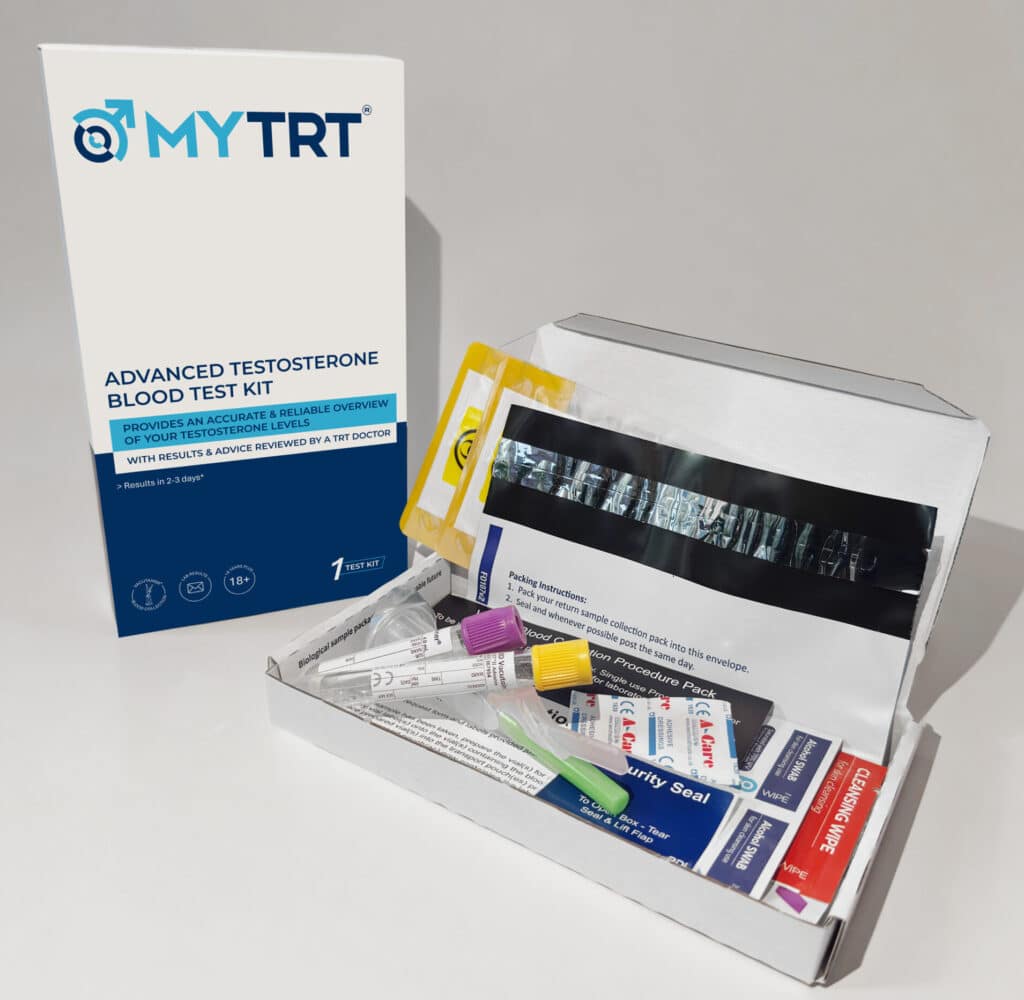
Advanced Testosterone Blood Test
Book a venous draw at a clinic £99.49
Book a venous draw at home with a nurse £109.49
 General health check
Step 4: Alternatives for Fertility Preservation
When considering testosterone therapy, fertility preservation often becomes a primary concern. Conventional testosterone replacement can suppress spermatogenesis, potentially impairing fertility. Fortunately, there are alternative approaches to support or maintain fertility during treatment, particularly with the use of human chorionic gonadotrophin (hCG) and clomifene citrate. Both options are managed in specialist settings and require careful monitoring.
Human chorionic gonadotrophin, or hCG, mimics luteinising hormone (LH) in the body. LH stimulates Leydig cells in the testes to produce endogenous testosterone, which helps maintain intratesticular testosterone levels crucial for sperm production. When exogenous testosterone is administered, the pituitary gland reduces LH secretion, leading to diminished intratesticular testosterone and decreased sperm production. Administering hCG alongside TRT can counteract this effect by sustaining testicular function.
In clinical practice, hCG doses vary but commonly range from 500 to 1500 IU two to three times weekly, depending on individual response. Patients often find the addition of hCG helps preserve testicular volume and maintain fertility markers. However, hCG therapy requires close supervision to avoid potential side effects such as gynaecomastia or elevated oestrogen levels, necessitating regular blood tests to monitor hormone profiles and haematocrit.
Another alternative is clomifene citrate, a selective oestrogen receptor modulator (SERM) that acts centrally to increase the secretion of gonadotrophins,namely, follicle-stimulating hormone (FSH) and LH. By blocking oestrogen receptors at the hypothalamus, clomifene reduces negative feedback, thereby stimulating the endogenous production of testosterone and spermatogenesis. This off-label use of clomifene can be particularly beneficial for men wishing to retain fertility while managing symptoms of low testosterone.
Clomifene is prescribed by specialists only, given its off-label status for male hypogonadism and fertility preservation. Treatment typically starts at 25 mg every other day, with adjustments based on clinical and biochemical responses. Unlike exogenous testosterone, clomifene maintains the hypothalamic-pituitary-gonadal axis, which supports sperm production. Some patients achieve symptomatic improvement without compromising fertility, although individual responses vary.
In clinic we observe that men on clomifene often prefer this approach when fertility is a significant priority. However, it is crucial to consider the potential side effects,such as mood changes, visual disturbances, or thromboembolic events,which require vigilant monitoring. Regular semen analyses and hormone panels guide treatment decisions, ensuring optimal balance between symptom relief and fertility preservation.
Both hCG and clomifene represent valuable tools in the specialist’s arsenal for managing low testosterone while safeguarding reproductive potential. The choice between these options depends on individual patient factors, including baseline fertility status, symptom severity, and personal preferences. Collaborative decision-making with a specialist endocrinologist or urologist ensures tailored care.
For those considering testosterone treatment but concerned about fertility, early consultation with a specialist clinic is advisable. We often counsel patients on sperm banking prior to initiating therapy, particularly if alternative approaches are unsuitable or if treatment duration is uncertain. Preservation of fertility requires a proactive strategy aligned with the chosen therapeutic pathway.
Further guidance on accessing testosterone therapy and understanding the clinical pathway can be found in our detailed resource on how to get TRT in the UK. This provides practical information on eligibility, testing protocols, and ongoing monitoring to support safe and effective treatment[6].
In summary, hCG and clomifene citrate offer specialist alternatives to conventional testosterone replacement that preserve fertility by maintaining endogenous hormone production and spermatogenesis. Both require expert supervision and regular biochemical assessment to balance benefits against potential risks. Patients prioritising fertility should discuss these options early in their treatment journey, ensuring personalised care that addresses both symptomatic relief and reproductive goals (Matsumoto, 2013; Shoshany et al., 2019).
NHS vs Private Treatment Pathways
Deciding between NHS and private treatment for testosterone deficiency involves weighing several factors, including waiting times, accessibility, and the scope of ongoing monitoring. The pathway you choose significantly influences not only how quickly treatment begins but also the level of personalised care throughout your therapy.
On the NHS, diagnosis and treatment initiation often require multiple steps. Typically, patients start by consulting their GP, who will assess symptoms and may order initial blood tests. If results suggest low testosterone, referral to an endocrinologist or urologist usually follows. This referral process can extend waiting times, sometimes spanning several months as of 2026 this currently is approximately 14 months. In contrast, private clinics provide more direct access to specialist consultations and expedited testing, allowing for a quicker diagnosis and treatment initiation.
Patients often ask us about the differences in monitoring protocols between NHS and private care. NHS guidelines recommend initial blood tests to confirm testosterone deficiency, followed by periodic monitoring of serum testosterone levels, haematocrit, liver function, and prostate-specific antigen (PSA). However, the frequency of follow-up appointments can vary depending on local clinical commissioning group policies and resource availability. This variability sometimes results in less frequent reviews compared to private settings, where monitoring is typically scheduled at regular intervals,every 3 to 6 months,to closely track hormone levels and side effects.
In private clinics, the emphasis is often on personalised treatment plans that adapt to individual patient responses. For example, dose adjustments are guided by detailed hormone panels including free testosterone, luteinising hormone (LH), follicle-stimulating hormone (FSH), and oestrogen levels. Regular monitoring of haematocrit is crucial to prevent polycythaemia, a known risk of testosterone therapy. These clinics usually offer more comprehensive blood tests and clinical reviews as part of their ongoing care, providing reassurance and timely intervention if any abnormalities arise.
The decision level between NHS and private treatment pathways often hinges on patient preferences and priorities. Those seeking rapid access and more frequent monitoring may find private clinics better suited to their needs. Conversely, individuals prioritising cost-free care may opt for NHS services despite longer waiting times. Our resource on NHS testosterone replacement therapy pathways explains the typical NHS process in depth, helping patients understand what to expect.
Another consideration is the level of shared decision-making during treatment. In private settings, consultations tend to be longer, allowing for detailed discussions about treatment options, delivery methods (such as injections, gels, or implants), and lifestyle factors. This collaborative approach often leads to improved adherence and satisfaction. On the NHS, consultation time constraints can limit such detailed interactions, although this varies between practices.
Ongoing monitoring also extends beyond blood tests. Clinical assessments of symptom improvement, psychological wellbeing, and cardiovascular health form part of comprehensive care. Private clinics frequently incorporate structured questionnaires and physical examinations during follow-ups to capture subtle changes. This proactive approach helps identify potential side effects early and tailor treatment accordingly.
From a clinical viewpoint, the variation in monitoring intensity can impact outcomes. Inadequate follow-up may delay detection of complications like elevated haematocrit or adverse prostate changes. Conversely, more frequent reviews enable safer optimisation of testosterone levels, enhancing symptom relief and minimising risks. Research suggests that regular monitoring correlates with better adherence and patient satisfaction in testosterone therapy (Smith et al., 2019).
For men considering testosterone therapy, understanding these differences is crucial. Our guide on how to get testosterone replacement therapy provides practical advice on navigating both NHS and private routes, including preparation for consultations and laboratory investigations.
Ultimately, the choice between NHS and private treatment pathways should align with individual health goals, financial considerations, and preference for access and monitoring intensity. Engaging with healthcare professionals who can explain these options in detail helps make an informed decision tailored to your circumstances.
References
2. NICE , Hypogonadism in males
3. BSSM , British Society for Sexual Medicine resources
4. Endocrine Society , Testosterone therapy guidelines
5. PubMed , Medical research articles
6. gov.uk , Testosterone treatment guidance
7. GMC , Ethical guidance for hormone therapies