Medical Summary: At MYTRT, eligibility for testosterone replacement therapy (TRT) requires compatible symptoms together with both biochemical limits: total testosterone of 15 nmol/L or below and free testosterone of 0.35 nmol/L or below. Properly collected blood results, medical history and a clinician-led safety review are also required. These figures are not a self-diagnosis or an automatic prescription: testosterone deficiency is a clinical and biochemical diagnosis, and results must be interpreted alongside persistent symptoms, repeat testing [4] where appropriate and suitability for treatment. We also support non-judgemental, doctor-led assessment for people moving away from testosterone obtained through an unregulated source; their results may need a more individual interpretation and a broader health review. [1] [2] [3] [5]
How MYTRT interprets these review criteria: The total-testosterone limit of 15 nmol/L or below and free-testosterone limit of 0.35 nmol/L or below on this page are MYTRT treatment criteria, and both must be met alongside compatible symptoms. They are not diagnostic cut-offs or universal reference ranges. Diagnosis still requires compatible symptoms, repeat fasting morning results and clinician assessment against recognised guidance. These internal review criteria do not replace clinical judgement or guideline diagnostic thresholds.
TRT Eligibility Criteria at MYTRT
If you have been wondering whether your low energy, loss of libido, reduced morning erections or declining gym recovery could be related to testosterone, a blood test is an important starting point. It is not, however, the whole answer. We assess the pattern: your symptoms, your hormone results, your medical background, your current medication and whether there are factors that should be treated first or that make TRT unsuitable.
Our clinical pathway is designed to distinguish a meaningful testosterone deficiency from a one-off borderline result. The figures below set out the laboratory component of MYTRT eligibility. They are followed by the wider clinical checks that protect patients from being treated on a number alone.
| Measure | MYTRT assessment criterion | How we use it |
|---|---|---|
| Free testosterone | 0.35 nmol/L or below | This limit must be met together with total testosterone of 15 nmol/L or below and compatible symptoms. |
| Total testosterone | 15 nmol/L or below | This limit must be met together with free testosterone of 0.35 nmol/L or below and compatible symptoms. |
| Clinical context | Symptoms + safe clinical profile | Results are reviewed with symptom history, repeat testing where needed, causes of low testosterone, fertility plans and safety blood markers. |
| Total testosterone above 15 nmol/L | MYTRT treatment criteria not met | Both biochemical limits are required. MYTRT does not offer TRT under this pathway when total testosterone is above 15 nmol/L. |
Important: These are MYTRT assessment criteria, not a promise of treatment. A clinician must confirm that a result is reliable, that symptoms are consistent with testosterone deficiency and that TRT is medically appropriate. International guidance also recommends diagnosis only when symptoms and signs are combined with consistently low testosterone concentrations. [1] [2]
Advanced Testosterone Blood Test
Book a venous draw at a clinic £99.49
Book a venous draw at home with a nurse £109.49
 General health check
Why we review free testosterone as well as total testosterone
Total testosterone is the amount of testosterone circulating in the blood, including hormone bound to proteins. Free testosterone is the small portion that is not tightly bound and is available to tissues. Sex hormone-binding globulin (SHBG) can change the relationship between the two, which is why a total result can sometimes look less informative than it first appears.
The 2018 International Consultation for Sexual Medicine reported that symptoms of testosterone deficiency track more closely with free testosterone than with total testosterone, while recognising the importance of both measurements in a proper assessment. [3] This does not mean that free testosterone should be read in isolation. It means our clinicians consider it alongside total testosterone, SHBG, albumin, symptoms and the quality of the blood sample.
MYTRT requires free testosterone of 0.35 nmol/L or below and total testosterone of 15 nmol/L or below. Both limits must be met together with compatible symptoms before treatment can be considered. A doctor must still confirm the diagnosis, safety and suitability for TRT.
When free testosterone is low but total testosterone is above 15 nmol/L
We recognise that some men have symptoms they associate with low testosterone despite a total testosterone result above 15 nmol/L. This can occur where SHBG is high, because SHBG can change the relationship between total and free testosterone. A low free testosterone result deserves a proper review of your symptoms, SHBG, medication, health history and other possible causes; it does not, on its own, mean that TRT is clinically appropriate. [3]
MYTRT’s policy is that both biochemical limits must be met: if total testosterone is above 15 nmol/L, the treatment criteria are not met regardless of free testosterone. This is because the clinical objective of TRT is to replace a confirmed deficiency and maintain hormone levels within a physiological range, not to add treatment to a total testosterone result that is above the MYTRT treatment limit. International guidance likewise frames treatment around confirmed symptoms with consistently low testosterone and aims for normal physiological concentrations. [1] [2]
In this setting, adding testosterone may push levels supraphysiological. In plain English, this means the amount of testosterone in the blood is above the range the body would normally produce in a healthy physiological state. That is not the same as replacing a deficiency. We cannot support treatment intended to create or maintain supraphysiological levels, because it falls outside a safe, doctor-led TRT approach and may increase the risk of treatment-related complications.
If your free testosterone is low but your total testosterone is above 15 nmol/L, our doctors can still help review the wider picture. The appropriate next step may be repeat testing, assessment of SHBG and related markers, investigation of another cause of symptoms, or advice to seek input from your GP or another specialist. The aim is to take symptoms seriously without prescribing a treatment that we cannot support clinically.
Symptoms we assess alongside blood results
The blood test gives us a biochemical snapshot; your symptoms tell us whether that result is likely to be clinically meaningful. Symptoms can overlap with sleep deprivation, depression, thyroid disease, medication effects, alcohol use, overtraining, diabetes and many other issues. That is why we look for a persistent pattern rather than using fatigue alone as proof of low testosterone.
Sexual symptoms tend to be particularly useful in an assessment. A sustained reduction in sexual desire, fewer spontaneous or morning erections, and erectile difficulties can be relevant when they occur alongside low testosterone. Physical changes such as reduced strength, loss of lean mass, increased central body fat or reduced exercise tolerance may add context. Mood, concentration, motivation and sleep may also be affected, but they remain non-specific and deserve a wider clinical review. [2]
- Sexual: reduced libido, fewer morning erections, erectile difficulties or a sustained fall in sexual satisfaction.
- Physical: reduced strength, loss of muscle, increased abdominal fat, low stamina or unexpectedly poor recovery.
- Psychological and cognitive: low motivation, low mood, irritability, poor concentration or a persistent sense of mental fatigue.
- Longer-term signs: reduced bone density, anaemia or loss of body hair may be relevant in some cases and should be assessed medically.
For a more detailed symptom-by-symptom explanation, read our complete guide to low testosterone symptoms. If your main concern is a sudden change in symptoms while you are young, our guide to possible causes of low testosterone in younger men may also be helpful.
What happens if your result meets the laboratory criteria?
Meeting both MYTRT biochemical limits does not mean treatment begins automatically, and compatible symptoms are also required. First, a doctor reviews the timing and method of the test, your symptoms and your broader medical history. Testosterone changes during the day and can be affected by illness, alcohol and sleep disruption, so it needs careful interpretation. International guidance recommends confirming a low result with a second properly collected sample before treatment is started. For a diagnostic baseline, MYTRT now asks all men to provide fasting morning samples collected between 07:00 and 10:00, ideally after adequate sleep; shift workers should follow clinician-specific timing advice. [2]
We may ask for an advanced hormone panel or a repeat sample taken within the same collection window. This helps confirm your testosterone result and lets us review markers such as SHBG, LH, FSH, prolactin, full blood count, liver and kidney function, lipids and PSA where clinically appropriate. These checks help identify whether low testosterone may be primary, secondary, functional or related to a reversible cause.
If the assessment supports treatment, we discuss the potential benefits, practicalities, side effects, monitoring and the implications for fertility. If a reversible cause is more likely, the right plan may instead focus on sleep, weight, medication review, treatment of another condition or referral. Our guide to low testosterone treatment options explains the broader range of approaches.
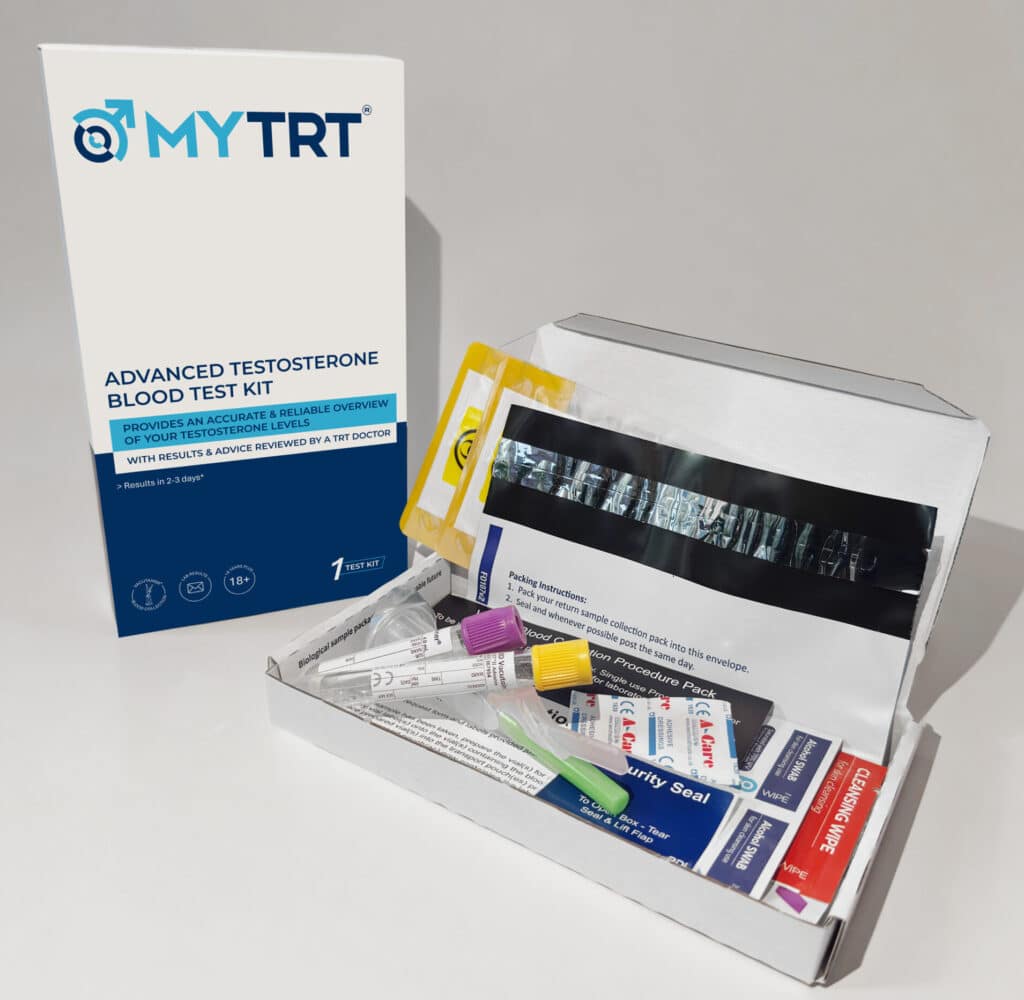
Testosterone Blood Test Kit
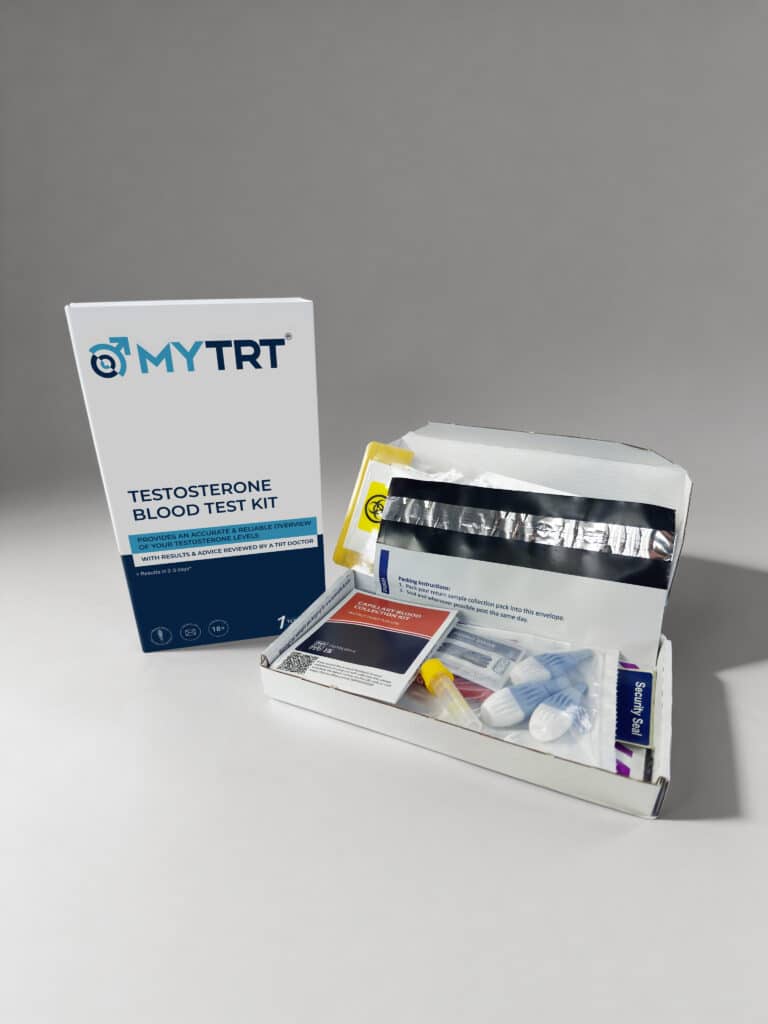
If this test showed you have low testosterone, the Advanced Testosterone Blood Test will assess your suitability for TRT.
Who may not be suitable for TRT, even with a low result?
Eligibility has two parts: identifying a possible deficiency and deciding whether TRT is safe and suitable. A low result requires a careful conversation, not a shortcut to treatment. People who are trying to conceive should raise this early, because external testosterone can suppress sperm production. [1] Our male fertility testing guide explains why the baseline discussion matters.
TRT may be deferred, declined or referred for further specialist input when there are significant safety concerns. Examples can include raised haematocrit, untreated severe obstructive sleep apnoea, unexplained prostate concerns, recent major cardiovascular events, certain cancer histories or a need to investigate a pituitary problem. The exact decision depends on the individual and should be made with an appropriately qualified clinician. [1]
What our doctor reviews before making an eligibility decision
Before any treatment recommendation, our doctor looks beyond the testosterone figure. We discuss when symptoms began, how they affect day-to-day life, previous blood tests, current medicines and supplements, sleep, alcohol, exercise, family history and relevant medical conditions. This conversation matters because the same laboratory result can mean different things in different people. A result that follows a run of night shifts or acute illness may need confirmation; a result that accompanies persistent sexual symptoms and repeated abnormal testing deserves a different level of attention.
We also use the assessment to look for clues about why testosterone may be low. LH and FSH can help distinguish a potential problem with testicular production from reduced signalling from the brain. Prolactin, thyroid markers and other tests may be considered when history or results suggest another endocrine issue. In some cases, the safest and most useful next step is further investigation or a GP/specialist referral rather than beginning TRT.
Safety is considered at the start, not only after a prescription. Depending on your circumstances, the review may include haematocrit, haemoglobin, blood pressure, cardiometabolic risk, prostate history and symptoms of sleep apnoea. These are not barriers designed to make care difficult; they help ensure that any treatment plan is responsible, proportionate and monitored. The Endocrine Society similarly emphasises appropriate diagnostic work-up, assessment of underlying cause and a monitoring plan alongside any decision to treat. [1]
What happens after treatment eligibility is confirmed?
When TRT is judged appropriate, treatment is not simply prescribed and forgotten. We agree a plan that fits your clinical needs and practical routine, discuss how and when medication is used, and arrange follow-up blood tests and reviews. The aim is to improve confirmed deficiency symptoms while maintaining safe physiological treatment levels and responding early to any side effects. You can read more about the ongoing care pathway in our MYTRT treatment journey.
Regular review allows our doctors to consider how you feel alongside measurable markers. It also gives you a clear point of contact if your circumstances change, if you are planning a family or if you have questions about treatment. TRT is best viewed as a monitored medical relationship, not a product purchased on the strength of one result. For a broader explanation of its role, see our guide to what TRT involves.
Moving from unregulated testosterone to doctor-led care
We understand that some men have used testosterone sourced outside a regulated prescription pathway, including from an underground laboratory (UGL) or another unregulated supplier. If that is part of your history, you can be open with our doctors. We will not judge you for seeking help; where clinically appropriate, we will endeavour to help you move towards a safer, monitored, doctor-led approach through MYTRT. If the purpose of testing is to establish your untreated testosterone baseline for MYTRT eligibility, we require you to have been off unregulated or non-prescribed testosterone for at least three months before that baseline blood test is taken.
Eligibility can be less straightforward after current or previous non-prescribed testosterone use. While you are using external testosterone, a testosterone result may be elevated or exceed the laboratory assay’s measuring range and does not, by itself, show how your own hormone system is functioning. Recent use can continue to affect interpretation after the last dose. For MYTRT to assess an untreated baseline for eligibility, the baseline sample must be taken after at least three months without unregulated or non-prescribed testosterone. Timing, the products used, other medicines and your symptoms can all affect interpretation, so a full health picture matters more than one number. [5]
Our doctors may review hormone markers alongside full blood count and haematocrit, liver and kidney markers, lipids, blood pressure and other tests that are clinically relevant to you. This type of review helps identify issues that need attention and informs whether a transition to MYTRT care is suitable, or whether a GP, specialist or urgent assessment is the safer next step. Anabolic-androgenic steroid use can be associated with hormonal, cardiovascular, liver, kidney, fertility and psychological effects, which is why a proper clinical assessment is important. [5] [6]
You can share bloodwork you have already obtained from another provider when you schedule a free TRT doctor consultation. Earlier bloodwork can still help us understand current health and potential safety issues, but it cannot be used as your untreated eligibility baseline if it was taken within three months of using unregulated or non-prescribed testosterone. We will review the date, collection circumstances and markers included, then tell you whether the results are sufficiently current and complete for the next clinical step. If you need an untreated baseline test, you can purchase a MYTRT Initial Testosterone Blood Test once the three-month period has passed; an Advanced Testosterone Blood Test or repeat sample may then be recommended for a clearer health picture.
Do not delay seeking advice because you are concerned about disclosing previous use, and do not try to adjust doses or add medicines to change a blood test result. If you have severe symptoms such as chest pain, significant shortness of breath, collapse or new neurological symptoms, seek urgent medical care through 999 rather than waiting for a routine consultation. [6]
Take a safer next step with doctor-led support
Previous unregulated testosterone use does not prevent you from asking for help.
How to prepare for an accurate testosterone assessment
Good preparation makes a test more useful. If you are arranging a testosterone blood test, follow the collection instructions carefully and tell our clinical team about current medication, supplements, recent illness and changes to sleep or work patterns. For a diagnostic baseline, fast overnight and arrange the sample between 07:00 and 10:00, regardless of age. If the first result is low or borderline, a second fasting morning sample is required before a diagnosis or treatment decision. Do not stop prescribed medication simply to influence a result; discuss it with your prescriber first.
- For a diagnostic baseline, book the collection between 07:00 and 10:00 after an overnight fast and adequate sleep. Ask for clinician-specific advice if you work night shifts.
- Avoid testing during an acute illness unless a clinician advises otherwise.
- Record symptoms, their duration and any factors that make them better or worse.
- Tell us about fertility plans, past anabolic steroid use and relevant medical history.
- Use repeat testing or an advanced venous test if our clinical team recommends it.
Our testosterone testing resource explains what a meaningful hormone assessment should involve. You can start with our Initial Testosterone Blood Test; where indicated, an Advanced Testosterone Blood Test provides the fuller clinical picture needed for a treatment decision.
What eligibility means in practice
Eligibility is not about chasing a number, using testosterone for performance enhancement or treating every tired day as a hormone problem. It is about establishing whether a persistent symptom pattern and a reliable hormone result point to testosterone deficiency, then deciding whether a monitored treatment plan is likely to help more than it harms. If treatment is right for you, our doctors will discuss a personalised pathway and the monitoring that goes with it.
If your test does not support eligibility, the appointment can still be useful. It may identify the need for better sleep, a GP review, metabolic support, mental health care, medication changes or another investigation. Either way, the goal is a clearer explanation for how you are feeling and a safe next step.
Understand your results with a doctor-led assessment
A testosterone result is most useful when it is interpreted in the context of your symptoms and health history.
References
- Bhasin S, Brito JP, Cunningham GR, et al. Testosterone Therapy in Men With Hypogonadism: Endocrine Society Clinical Practice Guideline (2018).
- European Association of Urology. Male Hypogonadism Guidelines.
- Morgentaler A, Traish A, Hackett G, et al. Diagnosis and Treatment of Testosterone Deficiency: Updated Recommendations From the Lisbon 2018 International Consultation for Sexual Medicine. Sexual Medicine Reviews. 2019.
- British Society for Sexual Medicine. British Society for Sexual Medicine, Guidelines on Male Adult Testosterone Deficiency, with Statements for Practice (2023) (2023).
- Gibbons SM, Moulding M, Bailey K, et al. Essential blood testing in the patient using androgenic anabolic steroids: a clinical practice guideline for primary care. British Journal of General Practice. 2024.
- NHS. Anabolic steroid misuse.