Medical Summary
While often considered a predominantly male hormone, androgens play a crucial physiological role in female health. Clinical consensus recognises that declining androgen levels can significantly impact quality of life, particularly during the menopausal transition. The British Menopause Society (BMS) and the National Institute for Health and Care Excellence (NICE) acknowledge that for some individuals, reduced androgens contribute to hypoactive sexual desire disorder (HSDD) and persistent fatigue. Diagnosis relies heavily on a comprehensive clinical picture rather than biochemical markers alone, as there is no universally agreed threshold for deficiency in females. Management typically involves off-label prescribing of transdermal preparations at a fraction of the standard male dose, requiring careful monitoring to mitigate potential virilising effects.
Recognising the Symptoms of Low Testosterone in Women
The physiological effects of low testosterone in women are wide-ranging, often overlapping with other hormonal shifts. A primary indicator is a marked reduction in sexual desire, clinically termed HSDD, which can occur independently of oestrogen deficiency. Beyond libido, many individuals report a profound, unresolving tiredness that does not improve with rest. Cognitive changes, frequently described as ‘brain fog’, are also common, alongside a noticeable reduction in muscle tone and strength despite regular physical activity. Mood disturbances, including increased anxiety or a general flattening of emotional response, frequently accompany these physical changes.
Patients often ask us whether their symptoms are simply a normal part of ageing. While hormonal shifts are natural, the severity of these symptoms can sometimes indicate a more significant imbalance. It is crucial to differentiate between expected age-related changes and a clinical deficiency that might benefit from intervention. The impact on daily functioning, relationships, and overall wellbeing should be the primary driver for seeking medical advice.
Furthermore, the physical manifestations can extend beyond fatigue and libido. Some women notice changes in their body composition, specifically an increase in body fat and a decrease in lean muscle mass, even when diet and exercise routines remain consistent. This shift can be particularly frustrating and is often a key reason individuals seek a testosterone test to understand their hormonal profile better.
Psychological symptoms are equally significant. The ‘brain fog’ often described can manifest as difficulty concentrating, memory lapses, and a general feeling of mental sluggishness. These cognitive challenges can impact professional performance and personal life, adding to the overall burden of the condition. Addressing these symptoms requires a holistic approach, considering all potential contributing factors.
It is also worth noting that the presentation of symptoms can vary greatly among individuals. Some may experience a sudden onset of severe symptoms, particularly following surgical menopause, while others may notice a more gradual decline over several years. This variability underscores the importance of individualised assessment and care.
Testosterone Blood Test Kit
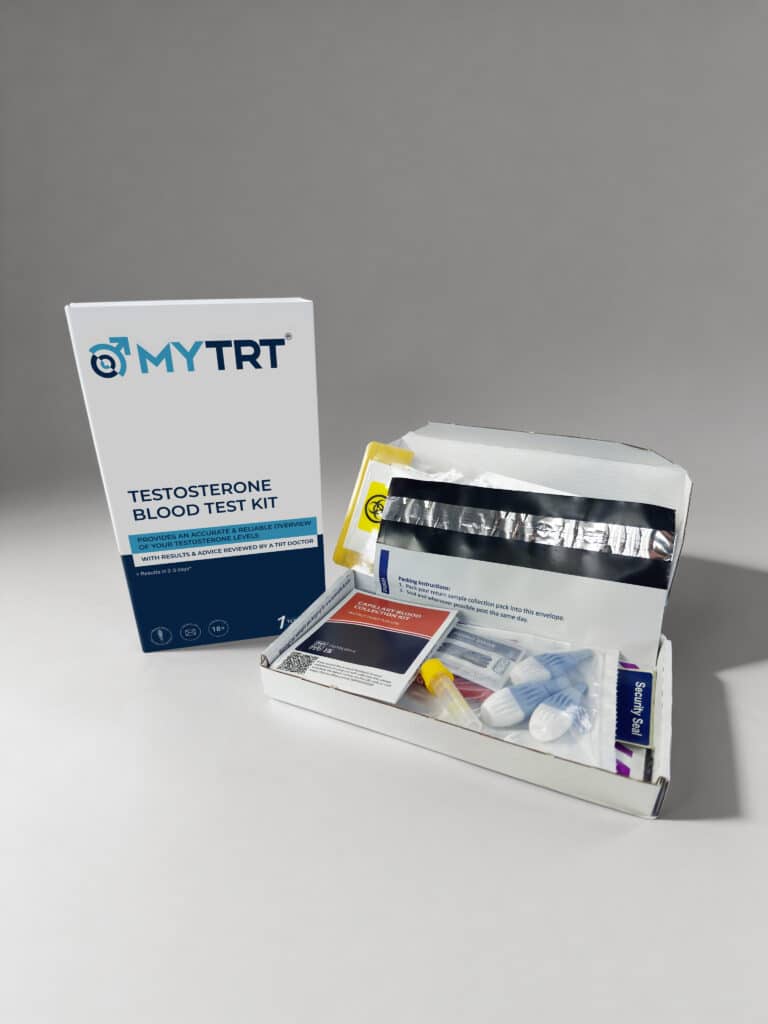
If this test showed you have low testosterone, the Advanced Testosterone Blood Test will assess your suitability for TRT.
What Causes Low Testosterone in Females?
The aetiology of reduced androgens in females is multifactorial. A gradual, natural decline begins in a woman’s late twenties, continuing steadily through the reproductive years and into the postmenopausal period. However, abrupt reductions occur following surgical menopause (bilateral oophorectomy), where ovarian androgen production ceases entirely. Adrenal insufficiency can also precipitate a rapid drop, as the adrenal glands are a significant source of female androgens. Furthermore, the administration of oral oestrogen therapy can elevate sex hormone-binding globulin (SHBG), thereby reducing the availability of free, active androgens in circulation. Hypopituitarism, though less common, is another recognised cause.
Understanding the specific cause is vital for determining the most appropriate management strategy. For instance, if the decline is primarily due to elevated SHBG from oral oestrogen, adjusting the route of oestrogen administration (e.g., switching to a transdermal patch or gel) may be sufficient to improve free androgen levels without the need for direct supplementation. This highlights the interconnected nature of the endocrine system.
In cases of surgical menopause, the sudden loss of ovarian function can lead to a more dramatic and immediate onset of symptoms compared to natural menopause. The ovaries are responsible for a significant portion of androgen production, and their removal necessitates careful consideration of comprehensive hormone replacement therapy to address the sudden deficit.
Adrenal insufficiency, whether primary (Addison’s disease) or secondary, can also significantly impact androgen levels. The adrenal glands produce dehydroepiandrosterone (DHEA) and androstenedione, which are precursors to more potent androgens. A thorough medical history and appropriate investigations are necessary to identify or rule out these underlying conditions.
Hypopituitarism, a condition where the pituitary gland fails to produce sufficient hormones, can lead to secondary hypogonadism. This can affect the production of luteinising hormone (LH) and follicle-stimulating hormone (FSH), which in turn regulate ovarian function and androgen production. While less common, it is an important consideration in the differential diagnosis.
The Menopause Connection
The menopausal transition is a critical period for hormonal fluctuation. While oestrogen levels drop precipitously, androgen decline is more gradual. However, the relative imbalance can exacerbate symptoms. For many, addressing oestrogen and progesterone needs is sufficient, but a subset of individuals continue to experience distressing symptoms, particularly low libido, despite adequate conventional hormone replacement therapy (HRT). In these instances, exploring the role of androgens becomes clinically relevant. In clinic we see that investigating the broader endocrine picture is vital for those who do not respond fully to standard HRT.
The interplay between oestrogen and androgens is complex. Oestrogen therapy, particularly when administered orally, can increase the production of SHBG by the liver. SHBG binds to androgens, rendering them inactive. Therefore, even if total androgen levels appear normal, the amount of free, biologically active hormone may be insufficient to maintain optimal physiological function.
This is why a comprehensive assessment, including a detailed symptom history and appropriate blood tests, is crucial. It is not simply a matter of replacing one hormone; it is about restoring a delicate balance. The goal of therapy is to alleviate symptoms and improve quality of life, rather than achieving specific biochemical targets.
Furthermore, the psychological impact of menopause cannot be understated. The physical changes, combined with potential sleep disturbances and mood fluctuations, can significantly affect overall wellbeing. Addressing hormonal imbalances, including potential androgen deficiency, can be an important component of a holistic approach to managing the menopausal transition.
It is also important to consider the potential long-term health implications of hormonal changes during menopause. While the primary focus is often on symptom relief, maintaining optimal hormonal balance may also have benefits for bone health, cardiovascular function, and cognitive health, although more research is needed in these areas.
Diagnostic Approaches and Clinical Evaluation
Diagnosing this condition requires a nuanced approach. Unlike the clear biochemical parameters established for men, there is no universally agreed lower limit for female androgens. Therefore, clinicians rely heavily on a detailed symptom history. Blood tests are utilised primarily to rule out other causes of fatigue and to establish a baseline before initiating any potential therapy. A comprehensive testosterone test is essential to ensure levels are not already elevated, which would contraindicate supplementation. For a detailed breakdown of expected ranges, refer to our guide on testosterone levels in women.
The clinical evaluation should include a thorough assessment of all potential contributing factors, including lifestyle, stress levels, relationship dynamics, and other medical conditions. It is essential to rule out other causes of fatigue, such as thyroid dysfunction, anaemia, or depression, before attributing symptoms solely to hormonal imbalance.
When interpreting blood test results, it is important to consider the limitations of current assays. Measuring total androgens can be challenging, particularly at the lower end of the female physiological range. Therefore, clinical judgement and a focus on symptom improvement remain paramount.
In addition to measuring total androgens, assessing SHBG levels can provide valuable information about the availability of free, active hormone. Calculating the Free Androgen Index (FAI) can offer a more accurate reflection of the hormonal milieu than total levels alone.
It is also crucial to ensure that any testing is conducted at the appropriate time in the menstrual cycle (for premenopausal women) and that the patient is not taking any medications that could interfere with the results. A clear understanding of the patient’s full medical history is essential for accurate interpretation.
Advanced Testosterone Blood Test
Book a venous draw at a clinic £108.49
Book a venous draw at home with a nurse £118.49
 General health check
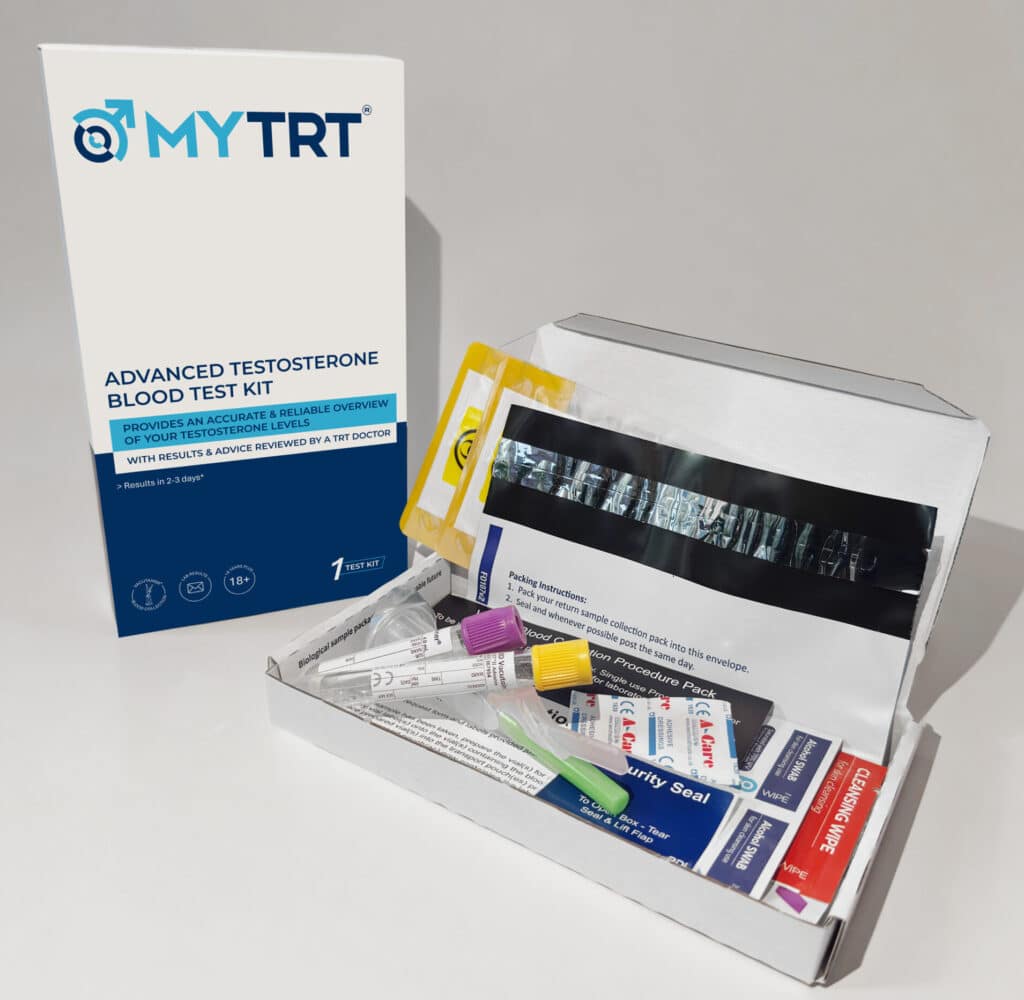
This test is only suitable when you have eligible results from our Initial Testosterone Blood Test
Treatment Options and Clinical Guidelines
When clinical evaluation suggests that androgen supplementation may be beneficial, the approach is highly tailored. NICE guidelines currently support the consideration of supplementation for menopausal women experiencing low sexual desire if standard HRT has proven ineffective[1]. Treatment typically involves the off-label use of a testosterone gel, applied at approximately one-tenth of the standard male dose. This careful dosing strategy aims to restore physiological levels without inducing unwanted side effects. Regular monitoring is mandatory to assess clinical response and ensure biochemical parameters remain within the female physiological range.
The decision to initiate therapy should be made collaboratively between the patient and clinician, following a thorough discussion of the potential benefits and risks. It is important to manage expectations, as symptom improvement may take several months to become apparent.
Transdermal preparations, such as gels or creams, are generally preferred due to their ability to provide stable, physiological levels and their favourable safety profile compared to oral or injectable formulations. The dose must be carefully titrated based on clinical response and regular blood monitoring.
It is crucial to emphasise that androgen therapy is not a panacea for all menopausal symptoms. It should be considered as part of a comprehensive management plan that may also include lifestyle modifications, psychological support, and other appropriate interventions.
Furthermore, the long-term safety of androgen therapy in women is still being investigated. While short-term use appears to be well-tolerated, ongoing monitoring is essential to detect any potential adverse effects, particularly concerning cardiovascular health and breast tissue.
Monitoring and Patient Considerations
Initiating therapy requires a commitment to ongoing clinical oversight. Patients must be monitored for potential virilising effects, such as unwanted hair growth or voice changes, which necessitate immediate dose adjustment or cessation. It is crucial to differentiate this carefully managed clinical approach from the unregulated use of supplements. For instance, understanding the risks associated with high testosterone in women is a key part of the consent process. We find that the most successful outcomes occur when patients are fully informed and actively participate in their monitoring schedule.
Regular blood tests are necessary to ensure that androgen levels remain within the physiological female range. This typically involves monitoring total levels, SHBG, and calculating the FAI. Monitoring should occur at baseline, shortly after initiating therapy, and regularly thereafter.
In addition to biochemical monitoring, clinical assessment of symptom improvement and any potential side effects is paramount. Patients should be encouraged to report any changes, such as acne, increased facial hair, or deepening of the voice, promptly.
It is also important to consider the potential impact of androgen therapy on other health parameters, such as lipid profiles and liver function. While significant changes are uncommon with physiological dosing, regular monitoring is a prudent precaution.
Finally, the decision to continue therapy should be reviewed regularly. If there is no significant improvement in symptoms after a reasonable trial period (e.g., 6 months), the treatment should be discontinued, and alternative management strategies explored.
References
1. NICE — Menopause: diagnosis and management
Further Considerations on Hormonal Balance (Part 1)
The intricate balance of hormones in the female body is a subject of ongoing research and clinical interest. Beyond the primary symptoms of fatigue and reduced libido, the subtle interplay between androgens, oestrogens, and progesterone can influence various physiological systems. For instance, the role of androgens in maintaining bone density and cardiovascular health is an area of active investigation. While the primary indication for supplementation remains the management of HSDD, understanding these broader implications is crucial for comprehensive patient care. It is essential to approach hormonal health holistically, considering the individual’s overall wellbeing and medical history.
Furthermore, the psychological impact of hormonal fluctuations cannot be overstated. The transition through menopause, with its associated changes in hormone levels, can be a challenging time for many women. The physical symptoms are often compounded by emotional and cognitive changes, leading to a significant reduction in quality of life. Addressing these issues requires a multidisciplinary approach, incorporating medical management, psychological support, and lifestyle modifications. Open communication between the patient and clinician is vital to ensure that all concerns are addressed and that the chosen treatment plan aligns with the patient’s goals and preferences.
In clinical practice, we often encounter patients who have struggled with symptoms for years before seeking help. The normalisation of menopausal symptoms can sometimes delay diagnosis and treatment. It is important to empower women with accurate information about their hormonal health and the available treatment options. Education plays a key role in enabling patients to make informed decisions about their care. By fostering a collaborative relationship, clinicians can help patients navigate this complex transition and achieve optimal health outcomes.
The use of transdermal preparations has revolutionised the management of androgen deficiency in women. These formulations offer a safe and effective means of restoring physiological levels without the risks associated with oral or injectable therapies. However, careful dose titration and regular monitoring remain essential to ensure safety and efficacy. The goal of therapy is to alleviate symptoms while minimising the risk of adverse effects. This requires a nuanced understanding of female endocrinology and a commitment to individualised care.
As research in this field continues to evolve, our understanding of the role of androgens in female health will undoubtedly deepen. New treatment modalities and diagnostic tools may emerge, offering even more precise and effective ways to manage hormonal imbalances. In the meantime, clinicians must rely on current evidence-based guidelines and their clinical expertise to provide the best possible care for their patients. The focus must always remain on improving the patient’s quality of life and supporting their overall health and wellbeing.
Further Considerations on Hormonal Balance (Part 2)
The intricate balance of hormones in the female body is a subject of ongoing research and clinical interest. Beyond the primary symptoms of fatigue and reduced libido, the subtle interplay between androgens, oestrogens, and progesterone can influence various physiological systems. For instance, the role of androgens in maintaining bone density and cardiovascular health is an area of active investigation. While the primary indication for supplementation remains the management of HSDD, understanding these broader implications is crucial for comprehensive patient care. It is essential to approach hormonal health holistically, considering the individual’s overall wellbeing and medical history.
Furthermore, the psychological impact of hormonal fluctuations cannot be overstated. The transition through menopause, with its associated changes in hormone levels, can be a challenging time for many women. The physical symptoms are often compounded by emotional and cognitive changes, leading to a significant reduction in quality of life. Addressing these issues requires a multidisciplinary approach, incorporating medical management, psychological support, and lifestyle modifications. Open communication between the patient and clinician is vital to ensure that all concerns are addressed and that the chosen treatment plan aligns with the patient’s goals and preferences.
In clinical practice, we often encounter patients who have struggled with symptoms for years before seeking help. The normalisation of menopausal symptoms can sometimes delay diagnosis and treatment. It is important to empower women with accurate information about their hormonal health and the available treatment options. Education plays a key role in enabling patients to make informed decisions about their care. By fostering a collaborative relationship, clinicians can help patients navigate this complex transition and achieve optimal health outcomes.
The use of transdermal preparations has revolutionised the management of androgen deficiency in women. These formulations offer a safe and effective means of restoring physiological levels without the risks associated with oral or injectable therapies. However, careful dose titration and regular monitoring remain essential to ensure safety and efficacy. The goal of therapy is to alleviate symptoms while minimising the risk of adverse effects. This requires a nuanced understanding of female endocrinology and a commitment to individualised care.
As research in this field continues to evolve, our understanding of the role of androgens in female health will undoubtedly deepen. New treatment modalities and diagnostic tools may emerge, offering even more precise and effective ways to manage hormonal imbalances. In the meantime, clinicians must rely on current evidence-based guidelines and their clinical expertise to provide the best possible care for their patients. The focus must always remain on improving the patient’s quality of life and supporting their overall health and wellbeing.
Further Considerations on Hormonal Balance (Part 3)
The intricate balance of hormones in the female body is a subject of ongoing research and clinical interest. Beyond the primary symptoms of fatigue and reduced libido, the subtle interplay between androgens, oestrogens, and progesterone can influence various physiological systems. For instance, the role of androgens in maintaining bone density and cardiovascular health is an area of active investigation. While the primary indication for supplementation remains the management of HSDD, understanding these broader implications is crucial for comprehensive patient care. It is essential to approach hormonal health holistically, considering the individual’s overall wellbeing and medical history.
Furthermore, the psychological impact of hormonal fluctuations cannot be overstated. The transition through menopause, with its associated changes in hormone levels, can be a challenging time for many women. The physical symptoms are often compounded by emotional and cognitive changes, leading to a significant reduction in quality of life. Addressing these issues requires a multidisciplinary approach, incorporating medical management, psychological support, and lifestyle modifications. Open communication between the patient and clinician is vital to ensure that all concerns are addressed and that the chosen treatment plan aligns with the patient’s goals and preferences.
In clinical practice, we often encounter patients who have struggled with symptoms for years before seeking help. The normalisation of menopausal symptoms can sometimes delay diagnosis and treatment. It is important to empower women with accurate information about their hormonal health and the available treatment options. Education plays a key role in enabling patients to make informed decisions about their care. By fostering a collaborative relationship, clinicians can help patients navigate this complex transition and achieve optimal health outcomes.
The use of transdermal preparations has revolutionised the management of androgen deficiency in women. These formulations offer a safe and effective means of restoring physiological levels without the risks associated with oral or injectable therapies. However, careful dose titration and regular monitoring remain essential to ensure safety and efficacy. The goal of therapy is to alleviate symptoms while minimising the risk of adverse effects. This requires a nuanced understanding of female endocrinology and a commitment to individualised care.
As research in this field continues to evolve, our understanding of the role of androgens in female health will undoubtedly deepen. New treatment modalities and diagnostic tools may emerge, offering even more precise and effective ways to manage hormonal imbalances. In the meantime, clinicians must rely on current evidence-based guidelines and their clinical expertise to provide the best possible care for their patients. The focus must always remain on improving the patient’s quality of life and supporting their overall health and wellbeing.
Further Considerations on Hormonal Balance (Part 4)
The intricate balance of hormones in the female body is a subject of ongoing research and clinical interest. Beyond the primary symptoms of fatigue and reduced libido, the subtle interplay between androgens, oestrogens, and progesterone can influence various physiological systems. For instance, the role of androgens in maintaining bone density and cardiovascular health is an area of active investigation. While the primary indication for supplementation remains the management of HSDD, understanding these broader implications is crucial for comprehensive patient care. It is essential to approach hormonal health holistically, considering the individual’s overall wellbeing and medical history.
Furthermore, the psychological impact of hormonal fluctuations cannot be overstated. The transition through menopause, with its associated changes in hormone levels, can be a challenging time for many women. The physical symptoms are often compounded by emotional and cognitive changes, leading to a significant reduction in quality of life. Addressing these issues requires a multidisciplinary approach, incorporating medical management, psychological support, and lifestyle modifications. Open communication between the patient and clinician is vital to ensure that all concerns are addressed and that the chosen treatment plan aligns with the patient’s goals and preferences.
In clinical practice, we often encounter patients who have struggled with symptoms for years before seeking help. The normalisation of menopausal symptoms can sometimes delay diagnosis and treatment. It is important to empower women with accurate information about their hormonal health and the available treatment options. Education plays a key role in enabling patients to make informed decisions about their care. By fostering a collaborative relationship, clinicians can help patients navigate this complex transition and achieve optimal health outcomes.
The use of transdermal preparations has revolutionised the management of androgen deficiency in women. These formulations offer a safe and effective means of restoring physiological levels without the risks associated with oral or injectable therapies. However, careful dose titration and regular monitoring remain essential to ensure safety and efficacy. The goal of therapy is to alleviate symptoms while minimising the risk of adverse effects. This requires a nuanced understanding of female endocrinology and a commitment to individualised care.
As research in this field continues to evolve, our understanding of the role of androgens in female health will undoubtedly deepen. New treatment modalities and diagnostic tools may emerge, offering even more precise and effective ways to manage hormonal imbalances. In the meantime, clinicians must rely on current evidence-based guidelines and their clinical expertise to provide the best possible care for their patients. The focus must always remain on improving the patient’s quality of life and supporting their overall health and wellbeing.
Further Considerations on Hormonal Balance (Part 5)
The intricate balance of hormones in the female body is a subject of ongoing research and clinical interest. Beyond the primary symptoms of fatigue and reduced libido, the subtle interplay between androgens, oestrogens, and progesterone can influence various physiological systems. For instance, the role of androgens in maintaining bone density and cardiovascular health is an area of active investigation. While the primary indication for supplementation remains the management of HSDD, understanding these broader implications is crucial for comprehensive patient care. It is essential to approach hormonal health holistically, considering the individual’s overall wellbeing and medical history.
Furthermore, the psychological impact of hormonal fluctuations cannot be overstated. The transition through menopause, with its associated changes in hormone levels, can be a challenging time for many women. The physical symptoms are often compounded by emotional and cognitive changes, leading to a significant reduction in quality of life. Addressing these issues requires a multidisciplinary approach, incorporating medical management, psychological support, and lifestyle modifications. Open communication between the patient and clinician is vital to ensure that all concerns are addressed and that the chosen treatment plan aligns with the patient’s goals and preferences.
In clinical practice, we often encounter patients who have struggled with symptoms for years before seeking help. The normalisation of menopausal symptoms can sometimes delay diagnosis and treatment. It is important to empower women with accurate information about their hormonal health and the available treatment options. Education plays a key role in enabling patients to make informed decisions about their care. By fostering a collaborative relationship, clinicians can help patients navigate this complex transition and achieve optimal health outcomes.
The use of transdermal preparations has revolutionised the management of androgen deficiency in women. These formulations offer a safe and effective means of restoring physiological levels without the risks associated with oral or injectable therapies. However, careful dose titration and regular monitoring remain essential to ensure safety and efficacy. The goal of therapy is to alleviate symptoms while minimising the risk of adverse effects. This requires a nuanced understanding of female endocrinology and a commitment to individualised care.
As research in this field continues to evolve, our understanding of the role of androgens in female health will undoubtedly deepen. New treatment modalities and diagnostic tools may emerge, offering even more precise and effective ways to manage hormonal imbalances. In the meantime, clinicians must rely on current evidence-based guidelines and their clinical expertise to provide the best possible care for their patients. The focus must always remain on improving the patient’s quality of life and supporting their overall health and wellbeing.