Medical Summary
Testosterone deficiency syndrome presents with a broad spectrum of clinical indicators that span physical, sexual, cognitive, and emotional domains. In clinical practice, we observe that the most specific markers of hypogonadism include a marked reduction in morning erections, diminished libido, and erectile dysfunction. However, non-specific presentations such as profound fatigue, loss of lean muscle mass, increased central adiposity, and persistent low mood are equally prevalent. According to the British Society for Sexual Medicine (BSSM) guidelines, a formal diagnosis requires the presence of these characteristic symptoms alongside persistently low serum testosterone levels, confirmed via early morning fasting blood tests. Identifying these signs early is crucial, as untreated deficiency can significantly impact metabolic health and overall quality of life[1][2][3][6][4].
Understanding the Signs of Low Testosterone
Recognising the signs of low testosterone in men can be challenging because the clinical picture often develops gradually. Many men attribute their declining energy or changing physique simply to getting older. However, testosterone plays a pivotal role in regulating numerous bodily functions, and a deficiency can manifest across multiple systems simultaneously. It is crucial to differentiate between normal ageing and pathological deficiency, which is why a comprehensive evaluation of your symptoms is necessary. The endocrine system is highly complex, and when androgen production falters, the ripple effects are felt throughout the entire body. Patients often ask us how to distinguish between the natural ageing process and a genuine hormonal imbalance. The answer lies in the severity, persistence, and specific combination of the issues experienced.
The presentation of low testosterone symptoms can be broadly categorised into sexual, physical, cognitive, and emotional changes. While some men may experience a cluster of these issues, others might only notice one or two prominent signs. Understanding this variability is key to determining whether you should pursue a testosterone test to evaluate your hormonal health. It is not uncommon for a man to present with primarily physical complaints, such as fatigue and weight gain, while another might struggle predominantly with cognitive issues like brain fog and poor concentration. This heterogeneity in presentation underscores the importance of a thorough clinical assessment rather than relying on a single symptom for diagnosis.
Furthermore, the duration of these symptoms plays a critical role in clinical evaluation. Transient feelings of fatigue or temporary dips in libido can occur due to stress, poor sleep, or acute illness. However, when these signs persist for several months and begin to interfere with daily functioning, relationships, or work performance, they warrant serious medical attention. The gradual onset can sometimes make it difficult for the individual to pinpoint exactly when the changes began, often leading to a delay in seeking help. By familiarising yourself with the comprehensive list of potential indicators, you can take a proactive approach to your health and well-being.
In the following sections, we will explore each category of symptoms in detail, providing a clear framework for understanding how testosterone deficiency impacts the male body. We will also discuss the concept of symptom specificity, which helps clinicians determine the likelihood that a particular issue is driven by low androgens rather than other medical or lifestyle factors. This detailed breakdown aims to empower you with the knowledge needed to have an informed discussion with a healthcare professional.
Sexual Symptoms: The Most Specific Indicators
Changes in sexual function are often the most distressing and specific indicators of testosterone deficiency. These symptoms frequently prompt men to seek medical advice. The BSSM highlights that sexual symptoms have the strongest correlation with biochemical hypogonadism. When evaluating a patient, these are the signs that carry the most diagnostic weight, as they are intrinsically linked to androgenic activity. While other factors can influence sexual health, a persistent decline in these areas is a strong signal that hormonal evaluation is necessary.
It is important to approach these symptoms with clinical objectivity. Many men feel a sense of embarrassment or reluctance to discuss sexual dysfunction, but these are fundamental biological processes regulated by hormones. Open communication about these issues is the first step towards accurate diagnosis and effective management. Let us examine the primary sexual symptoms associated with low testosterone in greater detail.
- Reduced Libido: A noticeable and persistent decline in sexual desire or interest in sex is a hallmark sign. This is not merely a temporary fluctuation due to a busy week or a stressful event, but a sustained lack of drive that persists over months. Men often describe a complete absence of sexual thoughts or fantasies, which can place significant strain on intimate relationships. The physiological basis for this lies in the brain’s androgen receptors, which require adequate testosterone to stimulate sexual desire.
- Erectile Dysfunction: Difficulty achieving or maintaining an erection sufficient for sexual intercourse is common. While there are many potential causes for this, including cardiovascular disease, diabetes, and psychological factors, hormonal imbalance is a significant contributor. Testosterone is essential for the production of nitric oxide, a molecule that facilitates the relaxation of blood vessels in the penis, allowing for engorgement. When levels are low, this physiological cascade is impaired, leading to weaker or less reliable erections.
- Fewer Morning Erections: A reduction in the frequency and rigidity of spontaneous morning or nocturnal erections is a highly specific clinical marker for low testosterone. These involuntary erections occur during the REM phase of sleep and are heavily dependent on adequate androgen levels. A noticeable decrease in their occurrence is often one of the earliest and most reliable signs of a developing deficiency, as it is less influenced by psychological factors or relationship dynamics than waking sexual function.
- Reduced Ejaculate Volume: Some men may notice a decrease in the volume of semen produced during ejaculation. The prostate and seminal vesicles, which produce the majority of seminal fluid, are androgen-dependent organs. A decline in testosterone can lead to reduced secretory function in these glands, resulting in a lower ejaculate volume. While less commonly discussed than libido or erectile function, it is a recognised symptom of hypogonadism.
The presence of these sexual symptoms, particularly in combination, strongly suggests the need for a comprehensive hormonal assessment. If you are experiencing these issues, it is crucial to understand that they are medical symptoms, not personal failings, and they can often be effectively addressed with appropriate clinical intervention.
Physical Changes: Body Composition and Energy
Beyond sexual health, testosterone is vital for maintaining physical vigour and body composition. The physical symptoms of low testosterone can significantly impair daily functioning and athletic performance. These changes often develop insidiously, making them easy to dismiss as the inevitable consequences of a busy lifestyle or advancing age. However, the metabolic and structural impact of androgen deficiency is profound and far-reaching.
Testosterone acts as a powerful anabolic hormone, promoting protein synthesis and muscle growth while inhibiting fat accumulation. When levels drop, this delicate metabolic balance is disrupted, leading to a cascade of physical changes. These alterations not only affect physical appearance but also have significant implications for long-term cardiovascular and metabolic health. Recognising these physical signs is essential for early intervention.
- Profound Fatigue: This goes beyond normal tiredness. Men often describe a pervasive lack of energy that does not improve with adequate rest or sleep. This profound fatigue can make it difficult to get through the workday, engage in social activities, or maintain an exercise routine. It is a deep-seated exhaustion that feels fundamentally different from the tiredness experienced after a long day of physical exertion.
- Muscle Loss and Weakness: A reduction in lean muscle mass and physical strength, even when maintaining a regular exercise routine, is frequently reported. Testosterone is critical for muscle hypertrophy and maintenance. Men with low levels often find that they are losing muscle tone and strength, and that their recovery time after physical activity is significantly prolonged. This sarcopenic effect can lead to a general feeling of physical frailty.
- Increased Body Fat: An accumulation of visceral fat, particularly around the abdomen, is common. This creates a cyclical problem, as excess adipose tissue contains the enzyme aromatase, which converts testosterone into oestrogen. This further suppresses endogenous testosterone production, exacerbating the deficiency. The shift in body composition towards higher fat mass and lower muscle mass is a classic hallmark of hypogonadism.
- Gynaecomastia: The development of enlarged breast tissue in men can occur due to an altered ratio of testosterone to oestrogen. As testosterone levels fall and oestrogen levels potentially rise (often due to increased aromatisation in fat tissue), the glandular tissue in the male breast can become stimulated, leading to swelling and tenderness. This can be a source of significant physical discomfort and psychological distress.
- Reduced Body Hair: A noticeable thinning or loss of facial, pubic, or body hair may be observed over time. Hair follicles in these regions are sensitive to androgens, and a prolonged deficiency can lead to a reduction in hair growth rate and density. While male pattern baldness is a separate genetic issue, a general decrease in body hair is a recognised sign of low testosterone.
- Hot Flushes: Though more commonly associated with female menopause, men with severe testosterone deficiency can also experience sudden episodes of intense heat and sweating. These vasomotor symptoms are thought to be related to the rapid withdrawal or chronically low levels of sex hormones, which disrupt the thermoregulatory centre in the hypothalamus. They can be particularly disruptive to sleep.
- Decreased Bone Density: Over the long term, low testosterone can lead to osteopenia or osteoporosis, increasing the risk of fractures. Testosterone plays a crucial role in bone remodelling and mineralisation. While this symptom is not immediately visible, it is a significant clinical concern that highlights the systemic importance of maintaining adequate androgen levels.
The physical manifestations of testosterone deficiency are diverse and impactful. If you notice a combination of these changes, particularly if they are accompanied by sexual or cognitive symptoms, it is highly advisable to seek a medical evaluation to determine your hormonal status.
Cognitive and Emotional Impact
The influence of androgens extends to the brain, affecting mood, cognition, and overall psychological well-being. These non-specific symptoms are often misdiagnosed as primary depression or stress. The brain is rich in androgen receptors, and testosterone plays a vital role in modulating neurotransmitter systems, including serotonin and dopamine, which are critical for mood regulation and cognitive function.
When testosterone levels decline, the psychological impact can be profound. Men may find themselves struggling with emotional volatility, a lack of mental clarity, and a diminished capacity to handle stress. These cognitive and emotional symptoms can be just as debilitating as the physical changes, often leading to a significant reduction in overall quality of life. It is essential to recognise that these psychological changes may have a biological, hormonal root.
- Low Mood and Irritability: Persistent feelings of sadness, irritability, or a general lack of enthusiasm for life are frequently reported by patients in our clinic. This is not simply feeling down for a few days; it is a chronic state of low mood that can mimic clinical depression. Men with low testosterone often describe feeling emotionally flat, easily frustrated, or unusually quick to anger over minor issues.
- Reduced Motivation: A decline in drive, ambition, and the desire to engage in previously enjoyed activities or work. This lack of motivation can affect professional performance, hobbies, and social interactions. It is often described as a feeling of apathy or a loss of the “competitive edge” that previously drove them to succeed.
- Brain Fog and Poor Concentration: Difficulties with focus, memory recall, and mental clarity can significantly impact professional and personal life. Men may find it harder to concentrate on complex tasks, remember names or details, or articulate their thoughts clearly. This cognitive sluggishness, often referred to as “brain fog,” is a common and frustrating symptom of hormonal imbalance.
- Anxiety: Increased feelings of nervousness or anxiety that were not previously present. While less commonly discussed than low mood, anxiety can be a significant component of the psychological profile of hypogonadism. The disruption of neurotransmitter balance due to low androgens can leave individuals feeling more vulnerable to stress and anxiety-provoking situations.
- Sleep Disturbances: Difficulty falling asleep, staying asleep, or experiencing restorative sleep. While low testosterone can cause sleep issues, poor sleep can also further suppress testosterone production, creating a vicious cycle. Addressing hormonal imbalances can often lead to significant improvements in sleep architecture and quality.
The cognitive and emotional symptoms of low testosterone highlight the intricate connection between hormones and mental health. If you are experiencing these psychological changes alongside physical or sexual symptoms, a comprehensive hormonal evaluation is a logical and necessary step.
Symptom Specificity Checklist
To help categorise these clinical presentations, we have compiled a checklist detailing the specificity of various symptoms. Highly specific symptoms strongly suggest a hormonal aetiology, whereas non-specific symptoms require careful evaluation to rule out other causes. This framework is essential for both patients and clinicians in determining the likelihood of a testosterone deficiency.
Specificity refers to how uniquely a symptom points to a particular condition. For example, reduced morning erections are highly specific to low testosterone, meaning they are rarely caused by anything else. Conversely, fatigue is highly non-specific, as it can be caused by hundreds of different medical conditions, lifestyle factors, or psychological stressors. Understanding this distinction is crucial for accurate diagnosis.
| Symptom | Category | Specificity for Low Testosterone |
|---|---|---|
| Reduced morning erections | Sexual | High |
| Low libido | Sexual | High |
| Erectile dysfunction | Sexual | Moderate to High |
| Loss of muscle mass | Physical | Moderate |
| Increased central adiposity | Physical | Moderate |
| Gynaecomastia | Physical | Moderate |
| Reduced body hair | Physical | Moderate |
| Profound fatigue | Physical | Low (Non-specific) |
| Low mood / Irritability | Emotional | Low (Non-specific) |
| Brain fog | Cognitive | Low (Non-specific) |
| Reduced motivation | Emotional | Low (Non-specific) |
| Sleep disturbances | Physical/Cognitive | Low (Non-specific) |
When reviewing this checklist, consider the combination and duration of your symptoms. A single non-specific symptom like fatigue is unlikely to be solely due to low testosterone unless accompanied by other, more specific indicators. However, a cluster of symptoms across different categories, particularly if they include highly specific sexual signs, strongly warrants further investigation.
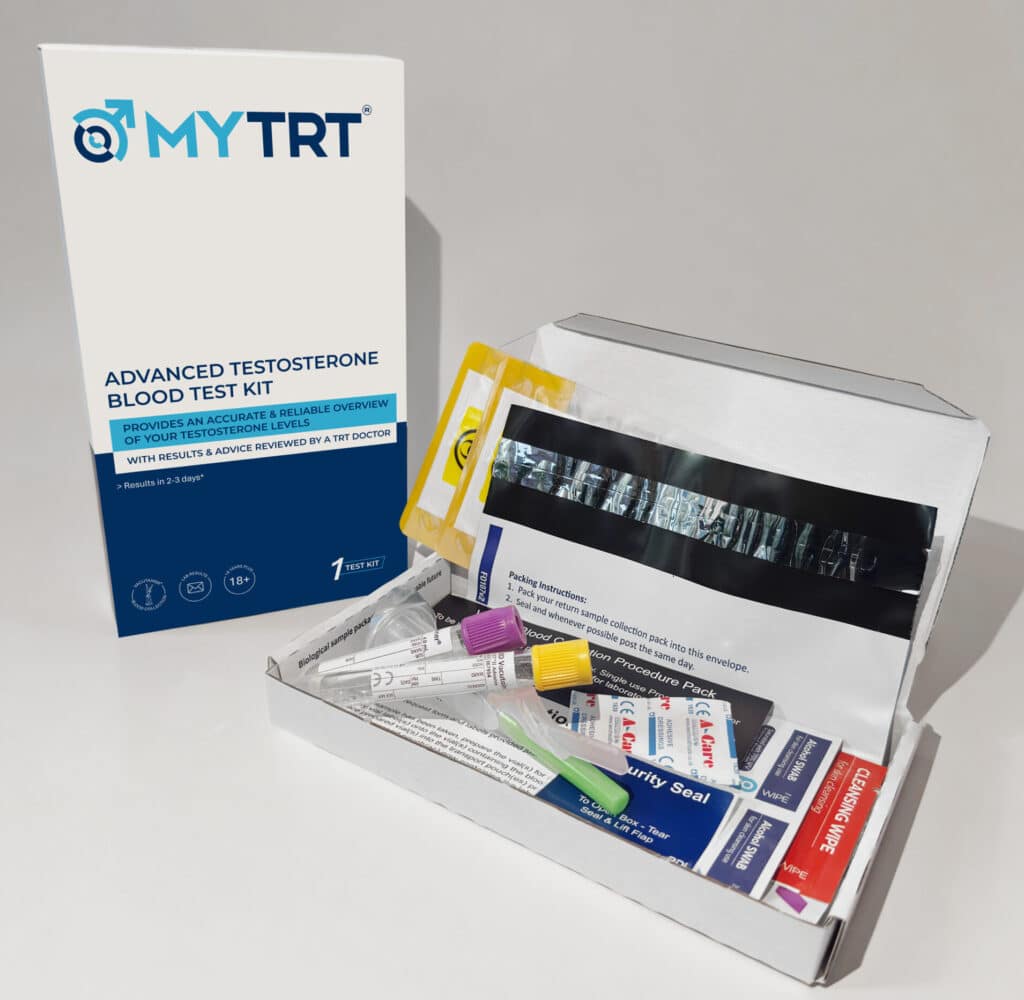
Testosterone Blood Test Kit

If this test showed you have low testosterone, the Advanced Testosterone Blood Test will assess your suitability for TRT.
How Symptoms Differ by Age
The manifestation of testosterone deficiency can vary significantly depending on a man’s age. In younger men, the sudden onset of sexual dysfunction or a complete lack of energy might be more pronounced and distressing, often prompting immediate investigation into what causes low testosterone in young males. Younger patients typically present with a more acute awareness of the changes, as they contrast sharply with their expected baseline of vitality and sexual function.
Conversely, older men might experience a more insidious onset, where symptoms like gradual muscle loss, mild cognitive decline, and reduced vitality are mistakenly accepted as inevitable consequences of ageing. This gradual decline can make it difficult to identify the exact point at which normal ageing transitions into pathological deficiency. The symptoms may be attributed to stress, a demanding career, or simply “getting older,” leading to significant delays in seeking medical advice.
Regardless of age, the presence of multiple symptoms, particularly those in the highly specific sexual category, warrants clinical attention. The threshold for intervention is based on the severity of the symptoms and their impact on the individual’s quality of life, combined with biochemical evidence. It is a misconception that low testosterone is exclusively an older man’s issue; we see a significant number of younger men in clinic presenting with profound symptoms that require careful management.
In younger men, the focus is often on identifying underlying causes such as varicocele, pituitary adenomas, or lifestyle factors like extreme stress or overtraining. In older men, the focus shifts towards managing the symptoms of late-onset hypogonadism and mitigating the long-term health risks associated with chronic androgen deficiency, such as cardiovascular disease and osteoporosis. The clinical approach must be tailored to the individual’s age, life stage, and specific symptom profile[5].
The Diagnostic Threshold: Symptoms Plus Biochemistry
A crucial concept in endocrinology is that symptoms alone are insufficient for a diagnosis of hypogonadism. The clinical framework requires a combination of characteristic symptoms and objectively low serum testosterone concentrations on at least 2 occasions. This is because many non-specific symptoms, such as fatigue or low mood, overlap with other medical conditions like thyroid dysfunction, sleep apnoea, or clinical depression. A robust diagnostic process is essential to ensure that patients receive the correct treatment for their specific condition.
If you are wondering how to know if you have low testosterone, the definitive answer lies in a comprehensive blood test. Current guidelines stipulate that blood samples must be drawn in the morning (typically between 7 AM and 11 AM) while fasting, as testosterone levels naturally peak during this window. Testing outside of this timeframe can lead to artificially low results, potentially resulting in misdiagnosis. If the initial result indicates low levels, a confirmatory test is required before discussing low testosterone treatment options.
Understanding what constitutes normal testosterone levels is essential, but it is the interplay between your specific symptoms and your biochemical profile that guides clinical decision-making. We treat the patient, not just the numbers on a lab report. A patient with borderline low testosterone but severe, debilitating symptoms may be a candidate for treatment, whereas a patient with similar numbers but no symptoms would typically be monitored rather than treated.
The diagnostic process also involves ruling out other potential causes for the symptoms. This may include assessing thyroid function, checking for vitamin deficiencies, evaluating metabolic markers, and screening for psychological conditions. A comprehensive approach ensures that all potential contributing factors are identified and addressed, leading to more effective and holistic patient care.
When to Seek a Blood Test
You should consider arranging a blood test if you consistently experience one or more of the highly specific sexual symptoms, or a combination of non-specific physical and emotional symptoms that are affecting your daily life. Early identification allows for appropriate management and can prevent the long-term metabolic and cardiovascular complications associated with untreated deficiency. Do not ignore persistent changes in your health, energy levels, or sexual function.
For those seeking evaluation through public healthcare routes, understanding the criteria for TRT on the NHS can be helpful, though many patients opt for private testing for faster resolution. The NHS pathways can sometimes be lengthy, and the diagnostic thresholds may differ from those used in specialised private clinics. A comprehensive panel should assess total testosterone, free testosterone, sex hormone-binding globulin (SHBG), luteinising hormone (LH), follicle-stimulating hormone (FSH), oestradiol, and prolactin to provide a complete clinical picture.
In clinic we see many men who have struggled with symptoms for years before finally seeking a definitive diagnosis. The relief they experience upon understanding the biological basis for their struggles is often profound. If you are experiencing the signs of low testosterone in men, taking the proactive step of arranging a comprehensive blood test is the most effective way to gain clarity and take control of your health.
Once the results are available, a detailed consultation with a specialist can help interpret the findings in the context of your specific symptoms. This collaborative approach ensures that any proposed management plan is tailored to your individual needs, focusing on symptom resolution and long-term health optimisation.
Advanced Testosterone Blood Test
Book a venous draw at a clinic £108.49
Book a venous draw at home with a nurse £118.49
 General health check
This test is only suitable when you have eligible results from our Initial Testosterone Blood Test
The Impact of Lifestyle on Symptom Severity
It is essential to recognise that lifestyle factors can significantly exacerbate the symptoms of low testosterone. Poor diet, lack of exercise, chronic stress, and inadequate sleep can all contribute to a worsening clinical picture. For instance, a diet high in processed foods and refined sugars can lead to weight gain and insulin resistance, which in turn suppresses testosterone production and amplifies feelings of fatigue and lethargy. Conversely, adopting a nutrient-dense diet rich in lean proteins, healthy fats, and complex carbohydrates can support overall metabolic health and potentially mitigate some of the milder symptoms.
Exercise, particularly resistance training and high-intensity interval training (HIIT), has been shown to have a positive impact on body composition and mood. While exercise alone may not be sufficient to correct a profound hormonal deficiency, it is a crucial component of a comprehensive management plan. Men who maintain a regular exercise routine often report better energy levels and improved psychological well-being, even in the presence of borderline low testosterone levels. However, overtraining can have the opposite effect, leading to increased cortisol levels and further suppression of androgens.
Chronic stress is another major factor that can worsen symptoms. When the body is under constant stress, it produces high levels of cortisol, a hormone that directly antagonises testosterone. This can lead to a exacerbation of cognitive and emotional symptoms, such as anxiety, irritability, and brain fog. Implementing stress management techniques, such as mindfulness, meditation, or cognitive behavioural therapy, can be highly beneficial in managing the psychological impact of hormonal imbalance.
Sleep architecture is intimately linked to hormone production. The majority of daily testosterone is produced during the REM and deep sleep phases. Men who suffer from sleep apnoea, insomnia, or simply do not get enough restorative sleep are at a significantly higher risk of developing symptoms of deficiency. Addressing sleep hygiene and treating any underlying sleep disorders is a critical step in the evaluation and management of suspected hypogonadism.
Long-Term Health Implications of Untreated Symptoms
Ignoring the signs of low testosterone can have serious long-term health consequences. Testosterone is not merely a sex hormone; it is a vital metabolic regulator. Chronic deficiency is associated with an increased risk of developing metabolic syndrome, type 2 diabetes, and cardiovascular disease. The changes in body composition, particularly the increase in visceral fat and loss of lean muscle mass, contribute to insulin resistance and an adverse lipid profile.
Furthermore, the impact on bone health should not be underestimated. Prolonged androgen deficiency can lead to a significant reduction in bone mineral density, increasing the risk of osteopenia and osteoporosis. This can result in fragility fractures later in life, which carry a high morbidity and mortality rate. Early identification and appropriate management of symptoms can help preserve bone health and reduce the risk of these severe complications.
The psychological toll of untreated symptoms can also be profound. Chronic low mood, anxiety, and cognitive impairment can lead to social isolation, relationship breakdown, and a significant decline in overall quality of life. The cumulative effect of these physical and emotional challenges underscores the importance of taking symptoms seriously and seeking professional medical advice.
In clinical practice, we emphasise that addressing testosterone deficiency is not just about improving sexual function or energy levels in the short term; it is about investing in long-term health and vitality. A proactive approach to hormonal health can yield significant dividends in terms of disease prevention and overall well-being as men age.
Understanding the Diagnostic Pathway
The journey from recognising symptoms to receiving a formal diagnosis can sometimes be complex. It begins with a thorough clinical consultation, during which a detailed medical history is taken. This includes a comprehensive review of all symptoms, their duration, and their impact on daily life. The clinician will also inquire about past medical history, current medications, lifestyle factors, and family history to build a complete clinical picture.
Following the consultation, the next step is biochemical testing. As previously mentioned, this involves early morning fasting blood tests to measure total and free testosterone, along with a panel of other relevant hormones and metabolic markers. It is crucial that these tests are conducted under the correct conditions to ensure accuracy. If the initial results indicate a deficiency, a second confirmatory test is usually required to rule out transient fluctuations.
Once a diagnosis is confirmed, the clinician will discuss the available management options. This may involve lifestyle modifications, addressing underlying medical conditions, or initiating testosterone replacement therapy. The decision to commence treatment is highly individualised and based on a careful assessment of the risks and benefits for each patient. Regular monitoring is essential to ensure the efficacy and safety of any intervention.
Patients often ask us about the timeline for symptom improvement once treatment is initiated. While some changes, such as an increase in libido and energy levels, may be noticed within a few weeks, other physical changes, such as improvements in body composition and bone density, can take several months to become apparent. A patient and consistent approach is required to achieve optimal results.
The Role of Specialist Clinics
Given the complexity of diagnosing and managing testosterone deficiency, seeking care from a specialist clinic can be highly beneficial. Specialist clinics have the expertise and resources to conduct comprehensive evaluations, interpret complex biochemical profiles, and develop tailored management plans. They are also well-equipped to monitor patients closely and adjust treatment protocols as needed to ensure optimal outcomes.
In a specialist setting, patients benefit from a multidisciplinary approach that may include input from endocrinologists, urologists, and lifestyle medicine practitioners. This holistic approach ensures that all aspects of the patient’s health are considered, leading to more effective and comprehensive care. Furthermore, specialist clinics often have access to a wider range of diagnostic tools and treatment options than general practice settings.
If you are experiencing the signs of low testosterone and are seeking a definitive diagnosis and expert management, consulting a specialist clinic is a prudent step. The expertise and personalised care provided in these settings can make a significant difference in your journey towards restoring your hormonal health and overall vitality.
Ultimately, the goal of any intervention is to alleviate symptoms, improve quality of life, and mitigate long-term health risks. By working closely with a specialist team, you can ensure that you receive the highest standard of care and achieve the best possible outcomes for your health and well-being.
References
2. NICE Clinical Knowledge Summaries — Testosterone deficiency
3. Endocrine Society , Testosterone Therapy in Men With Hypogonadism
5. PubMed , Identification of late-onset hypogonadism in middle-aged and elderly men