Medical Summary
Testosterone replacement therapy (TRT) is often viewed as a lifelong commitment, but cessation is possible under medical supervision. When you stop TRT, the hypothalamic-pituitary-gonadal (HPG) axis, which is suppressed during treatment, requires time to recover its natural testosterone production. This recovery period typically lasts between four and twelve weeks, during which patients may experience a temporary return of hypogonadal symptoms such as fatigue, reduced libido, and mood changes[1]. The success and speed of recovery depend on factors including age, duration of therapy, and whether the underlying cause of low testosterone is primary or secondary hypogonadism[2]. Medical guidance is essential to manage this transition safely and effectively.
MYTRT treatment eligibility
MYTRT treats men only when they have compatible symptoms and meet both biochemical limits: total testosterone of 15 nmol/L or below, and free testosterone of 0.35 nmol/L or below.
Understanding the HPTA Axis and TRT
To understand what happens when you stop testosterone therapy, it is helpful to look at how your body regulates hormone production. The hypothalamus, pituitary gland, and testes work together in a system known as the hypothalamic-pituitary-testicular axis (HPTA). The hypothalamus releases gonadotropin-releasing hormone (GnRH), which signals the pituitary gland to produce luteinising hormone (LH) and follicle-stimulating hormone (FSH). These hormones then stimulate the testes to produce testosterone and sperm.
When you introduce exogenous testosterone through TRT, your body senses the elevated hormone levels. In response, the hypothalamus and pituitary gland reduce or halt the production of GnRH, LH, and FSH. This negative feedback loop effectively shuts down your natural testosterone production. This suppression is a normal physiological response to TRT, but it means that if you decide to stop treatment, your body will not immediately resume producing testosterone on its own.
The degree of suppression can vary depending on the dosage and the specific type of testosterone administered. However, almost all forms of TRT will eventually lead to a significant reduction in endogenous (natural) testosterone production. This is why stopping the therapy abruptly can lead to a sudden and severe drop in overall testosterone levels, precipitating a range of withdrawal symptoms.
It is also worth considering that the HPTA axis is a delicate and complex system. Its recovery is not always linear, and the time it takes to return to baseline can be unpredictable. Some men may find that their natural production never fully returns to pre-TRT levels, especially if they have been on the therapy for many years or if they had underlying testicular issues before starting.
What Happens Physiologically When You Stop TRT?
If you stop taking testosterone, your body enters a temporary hypogonadal state. Because the HPTA axis has been suppressed, your natural testosterone levels will drop significantly once the exogenous testosterone clears from your system. During this period, you are likely to experience symptoms associated with low testosterone.
- Fatigue and Low Energy: A noticeable drop in energy levels is common as your body adjusts to the lack of testosterone. You might find it difficult to get through the day without feeling exhausted, and your motivation to exercise or engage in physical activities may diminish.
- Mood Changes: You may experience irritability, low mood, or even depressive symptoms during the transition. Testosterone plays a significant role in regulating mood, and a sudden drop can leave you feeling emotionally unstable or unusually anxious.
- Loss of Libido: A reduction in sex drive and potential difficulties with erectile function are frequent complaints. This can be distressing, but it is a direct result of the low hormone levels and typically improves as natural production recovers.
- Changes in Body Composition: Over time, you might notice a decrease in muscle mass and an increase in body fat if natural production does not recover adequately. Testosterone is crucial for maintaining lean muscle, and its absence can lead to a softer, less defined physique.
- Cognitive Effects: Some men report experiencing ‘brain fog’, difficulty concentrating, or memory issues when their testosterone levels drop. This can affect work performance and daily functioning.
These symptoms can be challenging, but they are generally temporary as your body works to restart its natural hormone production. The severity and duration of these symptoms will depend on how quickly your HPTA axis recovers. For more information on the effects of low testosterone, you can read our guide on low testosterone treatment.
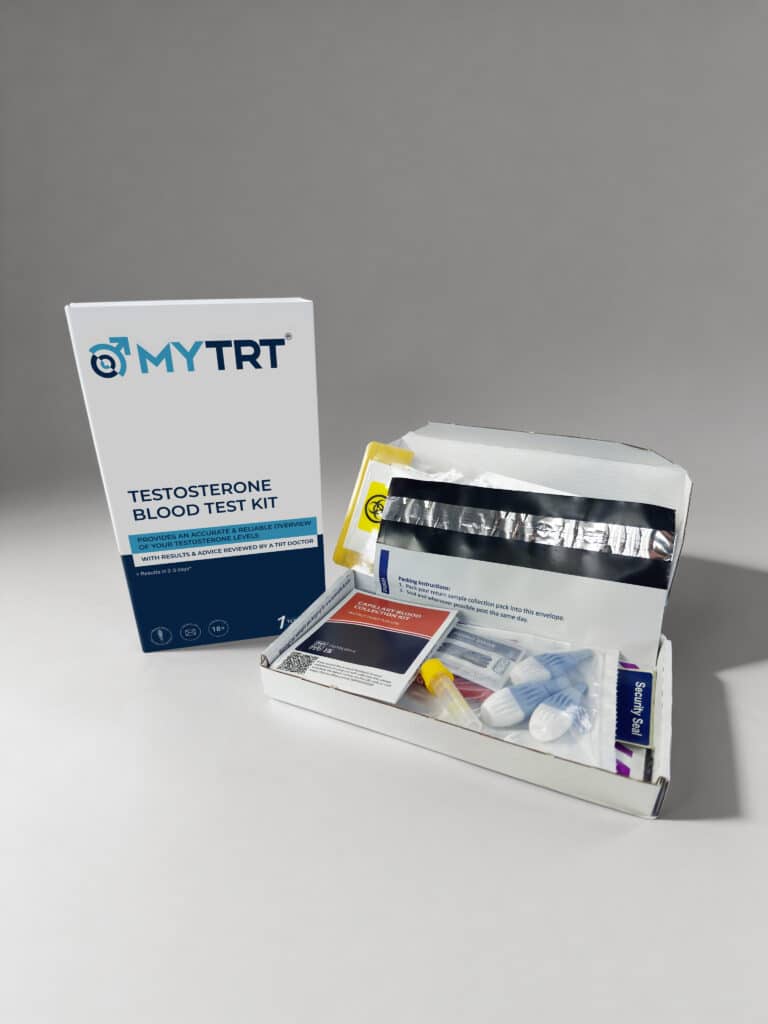
If this test showed you have low testosterone, the Advanced Testosterone Blood Test will assess your suitability for TRT.
The Recovery Timeline: How Long Does It Take?
The timeline for recovering natural testosterone production varies significantly from person to person. For most men, the HPTA axis begins to recover within four to twelve weeks after stopping TRT. However, this is just the beginning of the process, and it may take several months for testosterone levels to stabilise.
If you have been on TRT for a short period, your recovery is likely to be quicker. Conversely, if you have used testosterone therapy for several years, the suppression of the HPTA axis is more profound, and recovery can take considerably longer. In some cases, it may take up to a year or more for natural production to reach its maximum potential post-TRT.
During the first few weeks after stopping, you will likely feel the most significant impact of the withdrawal. As the exogenous testosterone leaves your system, your levels will hit their lowest point. This is often when symptoms are most severe. Around the four to six-week mark, your pituitary gland should start producing LH and FSH again, signalling your testes to begin producing testosterone.
By the three to six-month mark, many men will see their testosterone levels returning to their pre-TRT baseline. However, it is essential to remember that if your baseline was already low, you will return to that low state. The recovery process is about restoring your body’s natural capacity, not necessarily achieving optimal levels if there was an underlying issue to begin with.
Factors Affecting Your Recovery
Several factors influence how quickly and effectively your body can resume producing testosterone after you stop TRT.
- Duration of Use: The longer you have been on TRT, the longer it typically takes for your natural production to recover. Prolonged suppression of the HPTA axis can lead to testicular atrophy, which takes time to reverse.
- Age: Younger men generally recover their natural testosterone production more quickly and robustly than older men. As we age, the natural capacity for testosterone production declines, making recovery more challenging.
- Pre-TRT Levels: Your baseline testosterone levels before starting therapy are a strong indicator of what your body can achieve post-TRT. If your levels were very low due to a primary testicular issue, they are unlikely to improve beyond that baseline.
- Primary vs Secondary Hypogonadism: Men with secondary hypogonadism (an issue with the pituitary or hypothalamus) may have a better chance of recovery if the underlying cause has been resolved. Men with primary hypogonadism (testicular failure) will generally not recover adequate natural production.
- Overall Health and Lifestyle: Factors such as diet, exercise, sleep quality, and stress levels can significantly impact your hormonal recovery. A healthy lifestyle supports the endocrine system and can facilitate a smoother transition.
The PCT Debate: Do You Need Post-Cycle Therapy?
In the bodybuilding community, post-cycle therapy (PCT) using medications like clomifene or human chorionic gonadotropin (hCG) is common practice to kickstart natural testosterone production after using anabolic steroids. However, the use of PCT in a medical TRT cessation context is debated.
While some clinics may use a tapering protocol or prescribe medications to stimulate the HPTA axis, there is limited robust clinical evidence supporting the routine use of PCT for men stopping medical TRT. The decision to use any adjunctive medications should be made on an individual basis with your doctor, considering your specific medical history and reasons for stopping.
Clomifene works by blocking oestrogen receptors in the hypothalamus and pituitary, which can stimulate the release of LH and FSH. hCG mimics the action of LH, directly stimulating the testes to produce testosterone. While these medications can accelerate the recovery process, they are not without their own potential side effects and should only be used under strict medical supervision.
Many endocrinologists prefer a ‘watch and wait’ approach, allowing the body to recover naturally over time. This approach avoids the introduction of additional medications and allows for a clearer assessment of the body’s natural baseline. Always consult a healthcare professional rather than attempting to manage cessation independently.
When Is Stopping TRT Appropriate?
There are several valid reasons why a man might choose or need to stop testosterone therapy.
- Fertility Planning: Exogenous testosterone suppresses sperm production. If you are planning to start or expand your family, stopping TRT is often necessary to restore fertility. This is one of the most common reasons for cessation in younger men.
- Resolved Reversible Causes: If your low testosterone was caused by a reversible factor, such as severe obesity, a specific medication, or a period of extreme stress, and that issue has been resolved, you might trial coming off TRT to see if your natural levels have recovered.
- Patient Choice: Some men simply decide they no longer wish to continue with the treatment, perhaps due to the inconvenience of administration, the cost, or a desire to return to their natural baseline.
- Adverse Effects: In rare cases, men may experience severe or unmanageable side effects from TRT, such as significant polycythaemia (an increase in red blood cells) or worsening sleep apnoea, which may necessitate stopping the therapy.
If you are considering stopping, it is vital to discuss this with your doctor to ensure it is done safely. You can learn more about the process of starting and managing treatment in our guide on how to get TRT.
Advanced Testosterone Blood Test
Book a venous draw at a clinic £108.49
Book a venous draw at home with a nurse £118.49

General health check
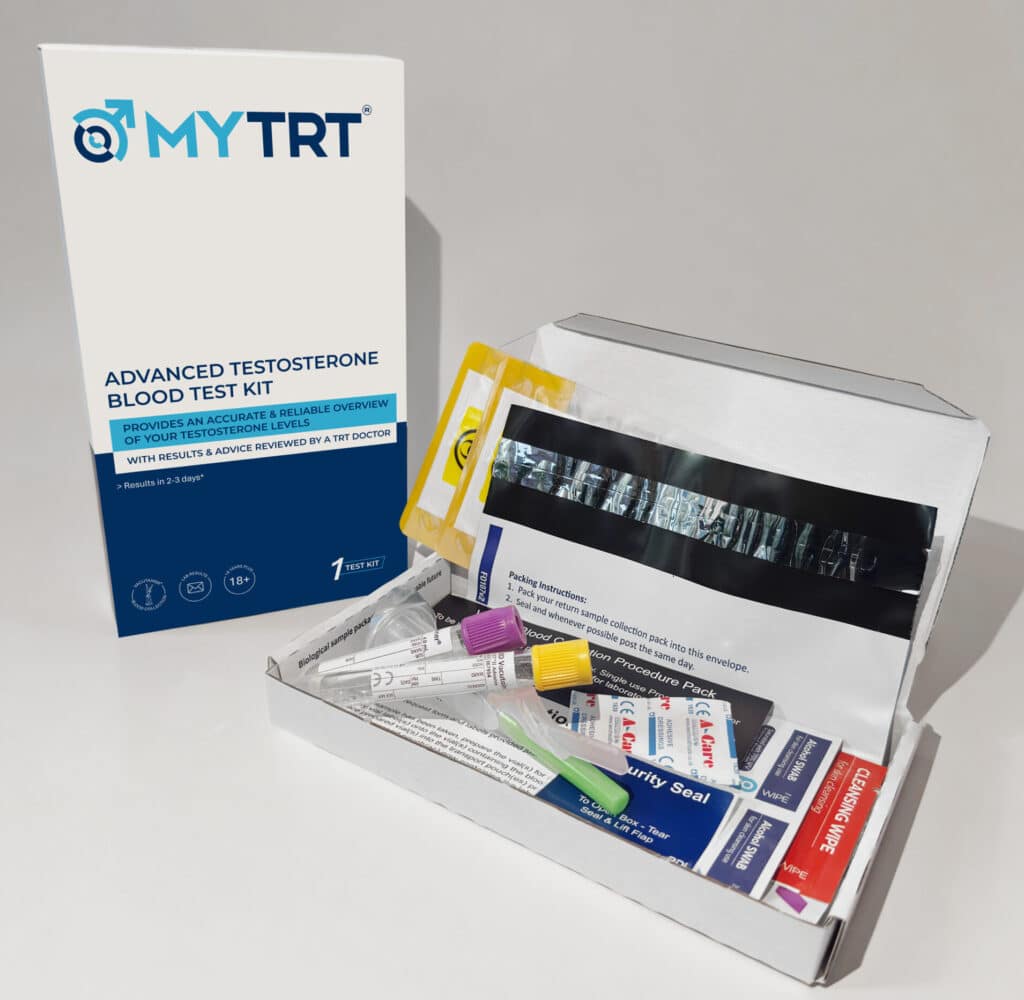
This test is only suitable when you have eligible results from our Initial Testosterone Blood Test
When Is Lifelong Therapy Expected?
While stopping is possible for some, TRT is generally considered a lifelong therapy for men with permanent causes of hypogonadism. If you have primary hypogonadism, where the testes themselves are failing to produce testosterone, stopping TRT will simply return you to a hypogonadal state. Similarly, men who have undergone a bilateral orchiectomy (removal of both testicles) will require lifelong testosterone replacement.
In these cases, the focus is on managing the therapy effectively and monitoring for any potential issues. Regular blood tests are essential to ensure that testosterone levels remain within the optimal range and to monitor markers such as haematocrit and prostate-specific antigen (PSA).
Lifelong therapy requires a commitment to ongoing medical supervision, but it can provide significant benefits in terms of quality of life, bone density, and cardiovascular health for men with permanent hypogonadism. For more information on the long-term management of TRT, please refer to our resources on is TRT safe and TRT side effects.
Managing the Transition
If you and your doctor decide that stopping TRT is the right course of action, managing the transition carefully is key. Regular blood tests will be necessary to monitor your hormone levels and ensure your HPTA axis is recovering as expected. Your doctor will also monitor your symptoms and provide support during the temporary hypogonadal phase.
Lifestyle factors can also play a role in supporting your natural testosterone production during this time. Maintaining a healthy weight, engaging in regular exercise, ensuring adequate sleep, and managing stress can all contribute to a more favourable hormonal environment.
Diet is also important. Ensuring you are consuming adequate amounts of zinc, vitamin D, and healthy fats can support testosterone production. Avoiding excessive alcohol consumption and managing any underlying health conditions, such as diabetes or hypertension, will also aid in your recovery.
Psychological support can be beneficial during this transition. The mood changes and loss of libido associated with stopping TRT can be challenging to navigate, and speaking with a counsellor or therapist can provide valuable coping strategies.
The Psychological Impact of Stopping TRT
It is crucial to acknowledge the psychological impact of coming off testosterone therapy. Many men experience a significant boost in mood, confidence, and overall well-being when they start TRT. Losing these benefits, even temporarily, can be difficult to accept.
You may find yourself feeling more anxious, irritable, or depressed than usual. It is important to remember that these feelings are a normal part of the withdrawal process and are largely driven by hormonal fluctuations. Communicating openly with your partner, friends, and healthcare provider about how you are feeling can help you manage these psychological challenges.
Setting realistic expectations is also key. Understand that the recovery process takes time and that you will likely not feel your best during the initial weeks after stopping. Being patient with yourself and focusing on healthy lifestyle habits can make the transition more manageable.
Alternative Treatments for Low Testosterone Symptoms
If you decide to stop TRT but still struggle with symptoms of low testosterone, there may be alternative treatments or lifestyle interventions that can help. While these will not replace the effects of exogenous testosterone, they can provide some relief.
For example, if fatigue is a primary concern, focusing on sleep hygiene and stress management may be beneficial. If you are experiencing erectile dysfunction, medications such as PDE5 inhibitors (e.g., sildenafil or tadalafil) can be effective, even if your testosterone levels are low.
Weight loss and regular exercise, particularly resistance training, have been shown to naturally boost testosterone levels in some men. While the increase may be modest, it can contribute to an overall improvement in symptoms and well-being.
Monitoring Your Health Post-TRT
Once you have stopped TRT and your natural production has recovered, it is still important to monitor your health. Regular check-ups with your doctor will ensure that your testosterone levels remain stable and that you are not experiencing any long-term consequences from the therapy or its cessation.
Your doctor may recommend periodic blood tests to check your testosterone, LH, FSH, and other relevant markers. They will also monitor your bone density, cardiovascular health, and prostate health, as these can all be influenced by testosterone levels.
If your symptoms return or if your testosterone levels drop again in the future, you and your doctor can discuss whether restarting TRT or exploring other treatment options is appropriate.
Long-Term Considerations and Expectations
When considering stopping TRT, it is essential to have realistic long-term expectations. For many men, the decision to stop is driven by a desire to return to a natural state or to address specific concerns such as fertility. However, it is important to recognise that your body may not return exactly to how it was before you started therapy.
Ageing is a natural process that affects testosterone production. Even if your HPTA axis recovers fully, your natural testosterone levels will likely be lower than they were when you were younger. This means that some symptoms of low testosterone, such as reduced energy or changes in body composition, may persist to some degree as a normal part of ageing.
Furthermore, if the underlying cause of your low testosterone was not fully resolved, your levels may eventually decline again, necessitating a re-evaluation of your treatment plan. This is why ongoing monitoring and open communication with your healthcare provider are so important.
Ultimately, the decision to stop TRT is a personal one that should be made in consultation with a medical professional. By understanding the physiological processes involved, setting realistic expectations, and managing the transition carefully, you can navigate this process safely and effectively.
Conclusion
The question “once you start testosterone therapy can you stop?” is a common and understandable concern. The answer is yes, you can stop, but it requires careful medical supervision and an understanding of the physiological processes involved. Your body will need time to recover its natural hormone production, and you may experience temporary symptoms of low testosterone during this period. By working closely with your healthcare provider, you can navigate this transition safely and make the best decisions for your long-term health and well-being.
References
[1] National Institute for Health and Care Excellence (NICE). Testosterone replacement therapy. Available at: View
[2] British Society for Sexual Medicine (BSSM). Guidelines on Adult Testosterone Deficiency, With Statements for UK Practice. Available at: View
[3] Endocrine Society. Testosterone Therapy in Men With Hypogonadism: An Endocrine Society Clinical Practice Guideline. Available at: View
[4] NHS. Treatment for low testosterone. Available at: View
[5] BMJ Best Practice. Male hypogonadism. Available at: View
[6] Mayo Clinic. Testosterone therapy: Potential benefits and risks as you age. Available at: View