Medical Summary
Testosterone replacement therapy (TRT) is a well-established treatment for men with clinically diagnosed hypogonadism. However, patients frequently ask us about the potential side effects associated with this therapy. Clinically, TRT side effects are generally manageable and often dose-dependent. Common issues include increased haematocrit, which can elevate the risk of thromboembolic events, and gynaecomastia due to oestrogen conversion.
MYTRT treatment eligibility
MYTRT treats men only when they have compatible symptoms and meet both biochemical limits: total testosterone of 15 nmol/L or below, and free testosterone of 0.35 nmol/L or below.
In clinic, we monitor haematocrit levels regularly to prevent complications such as polycythaemia. Some patients may experience fluid retention, acne, or mood changes, but these tend to be mild and transient. The risk of prostate-related effects remains a topic of discussion, though current evidence does not support TRT causing prostate cancer progression in men without pre-existing conditions.
Endocrine guidelines recommend close monitoring of testosterone levels, haematocrit, and liver function during therapy. Adjusting the dosage to maintain testosterone within physiological nmol/L ranges helps minimise side effects. Overall, the clinical consensus supports TRT as a safe option when properly supervised, with benefits outweighing risks in symptomatic men with confirmed hypogonadism. According to the British Society for Sexual Medicine (BSSM) guidelines, careful patient selection and regular monitoring are essential to mitigate these risks[1].
Understanding TRT Side Effects
Testosterone replacement therapy (TRT) is a valuable treatment for men with clinically low testosterone levels, but like all medical interventions, it carries a risk of side effects. In clinic, patients often ask about what side effects they might expect and how likely these are to occur. Understanding these effects helps manage expectations and informs safer treatment plans.
TRT side effects arise because testosterone influences multiple body systems, including the hormonal, cardiovascular, and haematological systems. When exogenous testosterone is introduced, it can disrupt the body’s natural hormone balance. The physiology of exogenous testosterone involves its conversion into other active metabolites. For example, a portion of testosterone converts into oestrogen through an enzyme called aromatase. This aromatisation can lead to symptoms such as gynaecomastia or fluid retention. Additionally, testosterone is converted into dihydrotestosterone (DHT) by the enzyme 5-alpha reductase, which can affect the prostate and hair follicles.
Another significant physiological impact is on erythropoiesis. Testosterone stimulates the production of red blood cells in the bone marrow. While this can improve anaemia in some hypogonadal men, it can also lead to polycythaemia, an abnormal increase in red blood cell mass. This raises the haematocrit, which thickens the blood and can increase the risk of blood clots.
Common side effects include acne, mood swings, and changes in libido. In clinical practice, we monitor patients closely for these symptoms, adjusting doses to optimise benefits while minimising risks. Some side effects are dose-dependent, meaning higher testosterone levels can increase their likelihood.
The frequency of side effects varies. Mild issues like acne or mood changes occur in a noticeable minority, whereas more serious complications such as significant increases in haematocrit or cardiovascular events are less common but require vigilance. Careful patient selection and regular monitoring reduce the incidence of severe side effects.
In summary, TRT side effects result from the hormone’s broad impacts on the body. Through ongoing clinical assessment and individualised dosing, many patients can safely benefit from therapy with manageable side effects.
Common Physical Side Effects of Testosterone
Patients often ask us about the physical side effects they might experience when starting testosterone replacement therapy (TRT). Understanding these effects can help manage expectations and ensure prompt attention if they arise. Three of the most frequently seen physical side effects are acne, fluid retention, and gynaecomastia.
Acne is a common issue, particularly in the early stages of TRT. Testosterone increases the production of sebum in the skin’s sebaceous glands, resulting in oily skin that can clog pores and promote bacterial growth. This creates an environment conducive to acne development. We observe that younger men or those with a history of acne are more susceptible. The mechanism involves the conversion of testosterone to dihydrotestosterone (DHT), which strongly stimulates sebaceous gland activity. Regular skin care and, if necessary, topical treatments can help control this side effect.
Fluid retention, often described as swelling or puffiness, is another physical side effect. Testosterone can cause the kidneys to retain sodium and water, leading to increased blood volume and mild peripheral oedema. This is usually temporary and dose-dependent. In clinic, we monitor patients’ blood pressure and check for any signs of cardiovascular strain, adjusting the testosterone dose as needed to minimise fluid retention.
Gynaecomastia, or the development of breast tissue in men, can sometimes occur during TRT due to the aromatisation of testosterone into oestrogen. This conversion raises circulating oestrogen levels, which can stimulate breast glandular tissue growth. Patients may notice tenderness or swelling under the nipples. It is essential to monitor serum oestrogen levels during therapy. If gynaecomastia develops, options include adjusting the testosterone dose, adding an aromatase inhibitor, or, in rare cases, surgical intervention.
In summary, while acne, fluid retention, and gynaecomastia are common physical side effects of TRT, they are manageable with close clinical supervision. Patients should report any new symptoms promptly so that treatment can be tailored accordingly.
Cardiovascular and Blood-Related Side Effects
Patients often ask us about the cardiovascular risks associated with testosterone replacement therapy (TRT). One of the primary blood-related concerns is polycythaemia, which refers to an abnormal increase in red blood cell mass, reflected by a raised haematocrit level. In clinic, we routinely monitor haematocrit because elevated levels can thicken the blood, potentially increasing the risk of thrombosis.
Polycythaemia is one of the most common haematological side effects of TRT. Testosterone stimulates erythropoiesis, which increases red blood cell production. This effect is dose-dependent and varies between individuals. Typically, haematocrit levels above 54% require clinical attention. According to the National Institute for Health and Care Excellence (NICE) guidelines, regular monitoring of haematocrit is essential, especially within the first year of therapy, and periodically thereafter[2].
Blood pressure changes are another consideration. While TRT does not usually cause significant hypertension, some patients may experience modest increases in blood pressure. This is often related to fluid retention or changes in vascular tone. We advise patients to monitor their blood pressure regularly and report any consistent elevations. Managing blood pressure effectively is crucial, as uncontrolled hypertension can exacerbate cardiovascular risk.
The relationship between TRT and cardiovascular risk remains a subject of ongoing research. Some studies suggest that TRT may improve cardiovascular health by alleviating symptoms of testosterone deficiency, such as fatigue and reduced muscle mass, which can contribute to metabolic syndrome. However, other data indicate a potential increased risk of cardiovascular events in certain populations, particularly when therapy is not well monitored or when patients have pre-existing heart disease.
In our clinical practice, we follow the BSSM and NICE guidelines to mitigate these risks. Before starting TRT, patients undergo a thorough cardiovascular assessment, including blood pressure measurement and baseline haematocrit. During treatment, haematocrit is checked every 3 to 6 months initially, then annually once stable. If polycythaemia develops, management options include temporarily stopping TRT, reducing the dose, or phlebotomy to lower haematocrit levels.
Ultimately, a tailored approach to TRT, careful patient selection, and vigilant monitoring can minimise cardiovascular and haematological side effects. Patients should always communicate any new symptoms, such as headaches, dizziness, or visual changes, which might indicate complications related to raised haematocrit or blood pressure.
Mental Side Effects of Testosterone Injections
Patients often ask us about the mental side effects of testosterone replacement therapy (TRT), particularly whether it can cause mood swings or increased aggression. In clinic, we see a range of responses, but it is crucial to understand that at therapeutic doses, testosterone injections rarely lead to severe psychological issues.
Mood swings are sometimes reported, especially during the initial weeks of treatment. These fluctuations can be related to the body’s adjustment to restored testosterone levels, which typically stabilise within a few months. The neurological impact of fluctuating testosterone levels can affect neurotransmitter systems, including serotonin and dopamine, which regulate mood. It is worth noting that low testosterone itself is linked to symptoms such as low mood and irritability, so correcting the deficiency often improves overall mental wellbeing.
Anxiety is another concern raised by some patients. While TRT is not generally associated with causing anxiety, individual responses vary. Some men report heightened feelings of nervousness or restlessness early on, but these symptoms tend to resolve as hormone levels balance out. Close monitoring during treatment helps to address any emerging psychological symptoms promptly.
The term ‘roid rage’ is frequently used in popular culture to describe aggressive behaviour linked to anabolic steroid misuse. However, this is largely a myth when considering testosterone used at therapeutic doses for hypogonadism. Unlike the supraphysiological doses abused in bodybuilding, prescribed TRT aims to restore testosterone to normal physiological ranges (typically measured in nmol/L), which does not provoke such extreme behavioural changes.
In summary, while some mental side effects like mood swings and mild anxiety can occur during testosterone treatment, these are generally temporary and manageable. Patients should maintain open communication with their healthcare provider to ensure optimal dosing and to address any psychological symptoms promptly.
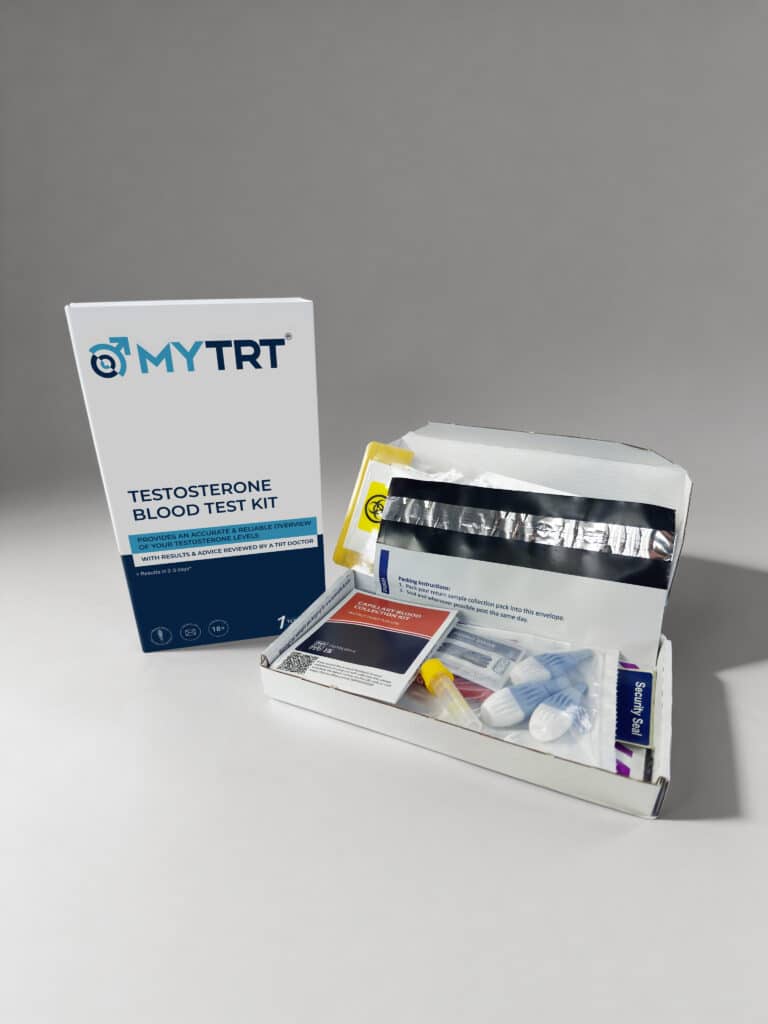
If this test showed you have low testosterone, the Advanced Testosterone Blood Test will assess your suitability for TRT.
Fertility and Testicular Changes
Patients often ask us about the effects of testosterone replacement therapy (TRT) on fertility and testicular health. Exogenous testosterone suppresses the hypothalamic-pituitary-testicular axis (HPTA), which is the body’s natural system regulating testosterone production and sperm development. When external testosterone is introduced, the brain reduces its signalling to the testes, leading to decreased production of luteinising hormone (LH) and follicle-stimulating hormone (FSH). This suppression results in a reduction of intratesticular testosterone levels, essential for normal spermatogenesis.
The consequences of this hormonal feedback include testicular atrophy, where the testes shrink in size due to decreased activity, and a significant drop in sperm production. In clinic, we see patients experiencing reduced fertility, which can be distressing for those planning to conceive. This side effect is dose-dependent and can vary between individuals; some men may experience more profound suppression than others.
Human chorionic gonadotrophin (HCG) has emerged as an effective strategy to mitigate these effects. HCG mimics LH, stimulating the Leydig cells in the testes to produce testosterone internally, which helps maintain spermatogenesis and testicular volume. When combined with TRT, HCG can preserve fertility potential and reduce the risk of testicular atrophy.
In practice, we tailor treatment plans based on patients’ fertility goals. For men wishing to maintain fertility while receiving testosterone therapy, incorporating HCG or considering alternative therapies like selective oestrogen receptor modulators (SERMs) can be beneficial. Regular monitoring of semen parameters and testicular size is recommended to assess the impact of treatment and adjust accordingly.
Prostate Health and TRT
Patients often ask us about the potential impact of testosterone replacement therapy (TRT) on prostate health, particularly concerning prostate-specific antigen (PSA) levels, benign prostatic hyperplasia (BPH), and prostate cancer risk. These are valid concerns given the prostate’s sensitivity to androgens, including testosterone.
Testosterone plays a role in prostate physiology, but current clinical consensus does not support the idea that TRT increases the risk of prostate cancer. In fact, extensive research and guidelines from organisations such as the Endocrine Society indicate that TRT, when appropriately monitored, does not significantly raise prostate cancer risk in men without prior prostate issues[3].
During TRT, PSA levels are closely monitored as a precaution. PSA is a protein produced by prostate cells, and elevated levels can indicate prostate enlargement or malignancy. In clinic, we observe that TRT may cause a mild increase in PSA, but this change is typically within normal limits and does not necessarily signal pathology. A significant rise in PSA warrants further urological evaluation to rule out prostate cancer or other conditions.
Regarding benign prostatic hyperplasia, TRT does not appear to worsen BPH symptoms in most men. Some studies suggest that restoring testosterone to physiological levels may improve lower urinary tract symptoms by improving muscle tone and function. However, men with significant urinary obstruction should be assessed carefully before starting TRT.
In summary, when managed with appropriate screening and monitoring, TRT is considered safe for prostate health. Regular PSA testing and digital rectal examinations are essential components of TRT protocols, ensuring any prostate changes are identified early and managed effectively.
Low Dose Testosterone Side Effects vs High Dose
In clinical practice, we often distinguish between physiological replacement doses of testosterone and supraphysiological doses when discussing side effects. Physiological replacement aims to restore testosterone levels to the normal male range, usually between 10-35 nmol/L, depending on the laboratory reference. This approach generally minimises the risk of adverse effects while improving symptoms of hypogonadism.
Low dose testosterone replacement typically involves careful titration to achieve serum testosterone within the physiological range. Patients on these doses may experience mild side effects such as increased haematocrit, mild fluid retention, or slight acne. These effects are usually manageable with routine monitoring and dose adjustment. Gynaecomastia is less common at replacement doses but can occur if oestrogen levels rise, which is why regular monitoring of both testosterone and ooestradiol is essential.
Supraphysiological doses, often used illicitly or in bodybuilding, significantly increase the risk and severity of side effects. These higher doses push testosterone levels well above the normal range, which can lead to pronounced polycythaemia due to excessive erythropoiesis, increasing the risk of thrombosis. In addition, high doses can cause substantial suppression of the hypothalamic-pituitary-gonadal axis, resulting in testicular atrophy and infertility.
Other side effects seen more commonly with high doses include severe acne, aggressive mood changes, and a higher incidence of gynaecomastia from aromatisation to oestrogen. Cardiovascular risk may also increase in this group, although the evidence is complex and influenced by individual risk factors. Liver toxicity is generally not a concern with injectable testosterone but may be with oral anabolic steroids.
In summary, physiological replacement doses are generally well tolerated with manageable side effects, while supraphysiological doses carry a significantly higher risk profile. We advise patients to adhere strictly to prescribed doses and undergo regular monitoring to mitigate potential complications.
Managing and Mitigating Side Effects
Patients often ask us how to reduce the side effects associated with testosterone replacement therapy (TRT). From my clinical experience, regular monitoring is essential to ensure treatment remains safe and effective. Blood tests play a crucial role here, allowing us to track hormone levels, haematocrit, and other markers that indicate how the body is responding.
Typically, blood tests are scheduled every 3 to 6 months during the initial stages of TRT. We check serum testosterone concentrations to confirm they are within the target range, usually between 12 and 35 nmol/L, depending on symptoms and individual factors. Oestrogen levels are also monitored, as elevated oestrogen can contribute to side effects such as gynaecomastia. If oestrogen rises too high, we may consider dose adjustments or additional treatments.
Adjusting the testosterone dose is often the first step if side effects occur. For example, if haematocrit levels increase significantly above 54%, which raises the risk of blood clots, we might reduce the dose or extend the interval between injections. This approach helps prevent complications while maintaining symptom relief.
Injection frequency is another important factor. Some patients respond better to smaller, more frequent doses rather than larger injections spaced far apart. This can lead to more stable testosterone levels and fewer fluctuations that might cause mood swings or irritability. In clinic, we tailor the regimen to each patient’s needs, balancing efficacy with tolerability.
In the UK, NHS pathways for TRT involve strict criteria for diagnosis and treatment, often requiring referral to an endocrinologist. Monitoring protocols within the NHS are rigorous, focusing on safety and long-term health. Private clinics may offer more flexible treatment options, such as different formulations or more frequent monitoring, but they still adhere to established clinical guidelines to ensure patient safety.
Ultimately, effective management of TRT side effects relies on open communication between patient and clinician. Reporting any new symptoms promptly ensures we can make timely adjustments. Regular follow-up and blood monitoring remain the cornerstones of safe, personalised testosterone therapy.