Patients often ask us about the safest and most effective ways to buy testosterone online. In clinic we see many men who are frustrated by long waiting times or restrictive criteria within the traditional healthcare system. This frustration frequently leads them to search the internet for quick solutions. However, navigating the online landscape for hormone replacement therapy requires caution, knowledge, and a clear understanding of UK medical regulations.
MYTRT treatment eligibility
MYTRT treats men only when they have compatible symptoms and meet both biochemical limits: total testosterone of 15 nmol/L or below, and free testosterone of 0.35 nmol/L or below.
Testosterone is a controlled substance in the United Kingdom. This means a UK pharmacy cannot lawfully supply it without a valid prescription from an authorised prescriber; products offered by unregulated sellers may also be counterfeit, contaminated or incorrectly dosed. The internet is flooded with websites claiming to be the best site to buy testosterone online, but many of these operate outside the law, supplying counterfeit or contaminated products.
Our goal is to provide you with accurate, clinically sound information so you can make informed decisions about your health. We will explain the legal pathways to obtain treatment, the risks associated with illicit sources, and how a regulated clinic can help you safely manage testosterone deficiency. By understanding the proper medical protocols, you can ensure that your treatment is both safe and effective.
Medical Summary
Testosterone replacement therapy (TRT) is a recognised medical treatment for men diagnosed with symptomatic hypogonadism, characterised by low serum testosterone levels. According to the British Society for Sexual Medicine (BSSM) guidelines, a diagnosis requires the presence of characteristic symptoms combined with consistently low morning total testosterone levels, typically below 12 nmol/L, or a calculated free testosterone below 0.225 nmol/L[1]. Treatment aims to restore physiological testosterone levels, alleviate symptoms, and improve overall quality of life.
In the UK, testosterone preparations are classified as Schedule 4 (Part 2) controlled drugs under the Misuse of Drugs Regulations 2001. This classification mandates that they can only be legally obtained with a prescription from a qualified healthcare provider following a comprehensive medical assessment. Purchasing testosterone from unregulated online sources poses significant health risks, including exposure to counterfeit medications, incorrect dosages, and the absence of necessary medical monitoring. Clinical consensus strongly advises against self-medication and emphasises the necessity of regular blood monitoring to assess efficacy and mitigate potential adverse effects such as polycythaemia and prostate complications[2].
The Reality of Buying Testosterone Online in the UK
When men begin experiencing symptoms of low testosterone, such as chronic fatigue, reduced libido, and mood disturbances, they naturally look for solutions. A quick search for where to buy testosterone UK will yield thousands of results. Many of these websites present themselves as legitimate pharmacies or wellness clinics. They often feature professional designs, customer reviews, and promises of discreet, fast shipping. However, the reality behind these digital storefronts is often far more concerning.
In clinic we see the consequences of patients trusting these unregulated sources. Men arrive with severe hormonal imbalances, infections from unsterile vials, or worsening symptoms because the product they purchased contained no active ingredient at all. The black market for performance-enhancing drugs and hormones is vast, and many online sellers are simply distributors for underground laboratories. These labs operate without any regulatory oversight, meaning there is no quality control, no hygiene standards, and no guarantee of what is actually in the vial.
It is crucial to understand that a legitimate medical provider will never sell testosterone without first conducting a thorough medical evaluation. This evaluation must include comprehensive blood tests to measure your hormone levels, a review of your medical history, and a consultation with a doctor. If a website allows you to simply add testosterone to a virtual shopping cart and proceed to checkout without these steps, they are operating illegally and putting your health at serious risk.
Furthermore, the legal implications of buying controlled substances from illicit sources can be severe. Personal possession of anabolic steroids is not itself a criminal offence, but supply, possession with intent to supply, and import or export with intent to supply are offences. Personal-import rules are separate: controlled-drug medicines generally must be carried in person and should not be posted or sent by courier. The safest and only recommended approach is to seek treatment through a regulated medical pathway, ensuring that your health and legal standing are protected.
Legal Framework: Can You Buy Testosterone UK?
The short answer to whether you can buy testosterone in the UK is yes, but only through strictly regulated medical channels. Testosterone is a prescription-only medication (POM) and is classified under the Misuse of Drugs Act 1971. This legal framework is designed to protect the public from the potential harms of unregulated hormone use. To legally obtain testosterone, you must have a valid prescription issued by a doctor who is registered with the General Medical Council (GMC).
The process of obtaining this prescription involves several mandatory steps. First, you must undergo diagnostic blood testing. The National Institute for Health and Care Excellence (NICE) and the BSSM require at least two separate blood samples, taken in the morning while fasting, to confirm a diagnosis of testosterone deficiency[3]. These tests measure not only total testosterone but also free testosterone, sex hormone-binding globulin (SHBG), oestrogen, prolactin, and other vital markers. This comprehensive panel ensures that the low testosterone is not secondary to another underlying medical condition, such as a pituitary adenoma.
Once a diagnosis is confirmed, the prescribing doctor must carefully consider the appropriate treatment modality. This involves discussing the potential benefits and risks with the patient, ensuring informed consent. The prescription is then dispensed by a registered pharmacy. When you buy testosterone online through a legitimate clinic like MYTRT, the process integrates these legal and medical requirements into a streamlined service. You are not simply buying a product; you are enrolling in a comprehensive medical treatment programme.
Attempting to bypass this legal framework by purchasing from underground sources not only exposes you to physical harm but also undermines the medical management of your condition. Without a doctor overseeing your care, you miss out on crucial monitoring. TRT requires regular follow-up blood tests to ensure that your testosterone levels remain within the optimal physiological range and to monitor for potential side effects, such as an increase in red blood cell count (haematocrit) or changes in prostate-specific antigen (PSA) levels.
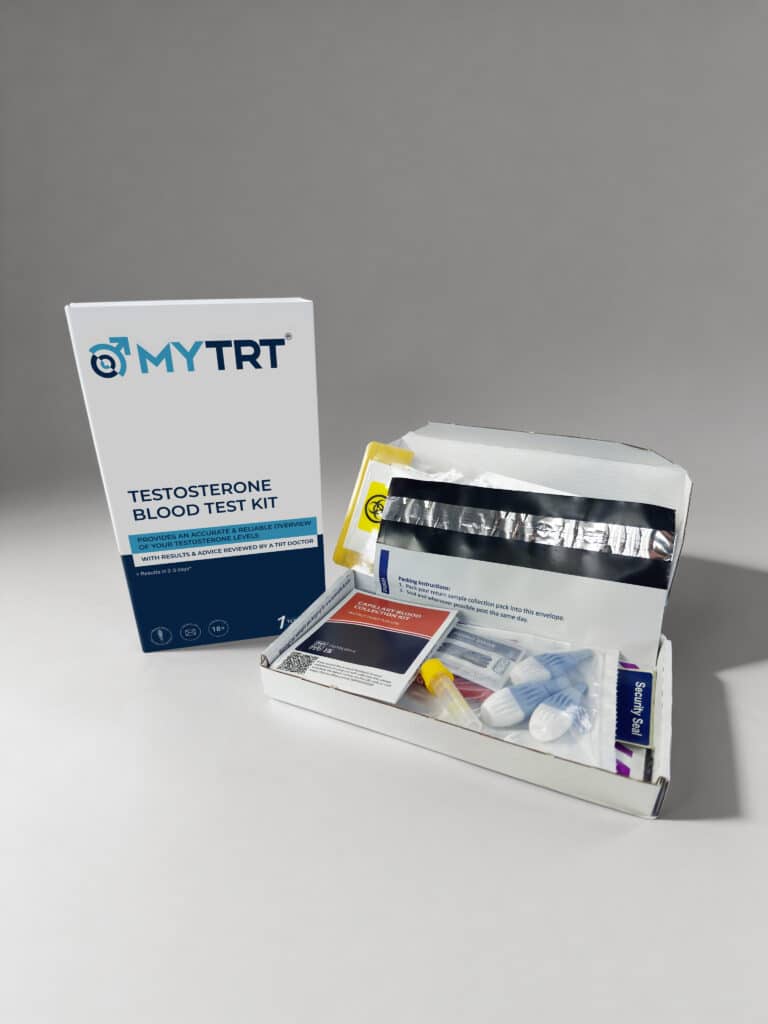
If this test showed you have low testosterone, the Advanced Testosterone Blood Test will assess your suitability for TRT.
The Dangers of Unregulated Sources
The temptation to buy testosterone injections UK from unregulated websites is often driven by cost or convenience. However, the hidden costs to your health can be devastating. Underground laboratories (UGLs) produce the vast majority of illicit testosterone sold online. These facilities are typically unregulated, uninspected, and operate without the stringent quality control measures required of legitimate pharmaceutical manufacturers. The risks associated with these products are multifaceted and severe.
Firstly, there is the issue of product authenticity and concentration. Studies analysing anabolic steroids and hormones seized from the black market frequently reveal significant discrepancies between the stated dosage on the label and the actual contents of the vial. You may be injecting far more or far less testosterone than you intend, leading to unpredictable fluctuations in your hormone levels. In some cases, the product may contain completely different, cheaper compounds, or no active ingredient at all. This makes managing your symptoms and maintaining stable blood levels impossible.
Secondly, contamination is a major concern. Pharmaceutical-grade testosterone is manufactured in sterile environments to prevent bacterial and fungal contamination. UGLs do not have these capabilities. Vials purchased online may contain heavy metals, industrial solvents used in the manufacturing process, or dangerous pathogens. Injecting contaminated substances can lead to severe local infections, abscesses, or systemic infections that require hospitalisation and intravenous antibiotics. In clinic we see patients who have suffered permanent tissue damage from injecting unsterile black-market products.
Finally, the lack of medical supervision when using unregulated testosterone is perhaps the most significant danger. TRT is not a one-size-fits-all treatment. It requires careful titration based on individual physiological responses. Without a doctor to monitor your blood work, you are flying blind. You may inadvertently drive your oestrogen levels too high, leading to gynaecomastia (development of breast tissue), or increase your haematocrit to dangerous levels, significantly raising your risk of blood clots, strokes, and heart attacks. The perceived savings of buying cheap testosterone online are never worth gambling with your life.
How to Get TRT UK: The Legitimate Pathway
If you are experiencing symptoms of low testosterone, the correct approach is to seek professional medical evaluation. The pathway to obtaining TRT in the UK is straightforward when you work with a specialised clinic. The first step is always diagnostic testing. You can arrange for a comprehensive blood test through a reputable provider. This test must be taken before 10:00 AM, as testosterone levels naturally peak in the morning and decline throughout the day. Fasting is also recommended to ensure the most accurate results.
Once your blood test results are available, they will be reviewed by a specialist doctor. If your levels indicate a deficiency and align with your reported symptoms, you will be invited for a clinical consultation. During this consultation, the doctor will take a detailed medical history, discuss your symptoms in depth, and explain the potential treatment options. They will also address any concerns you may have and ensure that TRT is a safe and appropriate choice for you. This personalised approach is the cornerstone of effective medical care.
If TRT is prescribed, the medication will be dispensed by a registered UK pharmacy and delivered securely to your home. This ensures that you are receiving genuine, pharmaceutical-grade medication. But the journey does not end there. A crucial component of legitimate TRT is ongoing monitoring. You will be required to undergo regular follow-up blood tests, typically at six weeks, three months, six months, and annually thereafter. These tests allow the doctor to adjust your dosage, monitor your overall health, and ensure that the treatment remains safe and effective over the long term.
Choosing a specialised clinic over the NHS is often a decision based on expertise and waiting times. While the NHS does provide TRT, the criteria for treatment can be extremely strict, and waiting lists to see an endocrinologist can stretch for many months or even years. Specialised private clinics offer a more responsive service, with doctors who have dedicated their practice to men’s hormonal health. They are often more experienced in managing the nuances of TRT and can provide a higher level of personalised care and support throughout your treatment journey.
Understanding Testosterone Deficiency
To fully appreciate why medical supervision is necessary, it is important to understand what testosterone deficiency actually is. Also known as hypogonadism, it is a clinical syndrome caused by the failure of the testes to produce physiological levels of testosterone. This can be due to a problem within the testes themselves (primary hypogonadism) or an issue with the signalling from the brain, specifically the hypothalamus or pituitary gland (secondary hypogonadism). Accurate diagnosis of the underlying cause is essential for determining the correct treatment strategy.
The symptoms of low testosterone can be pervasive and significantly impact a man’s quality of life. Physical symptoms often include a loss of muscle mass and strength, increased body fat (particularly around the abdomen), fatigue, and a reduction in bone mineral density, which can lead to osteoporosis. Sexual symptoms are also common, such as a reduced libido, erectile dysfunction, and fewer morning erections. However, the psychological symptoms are frequently the most distressing. Men often report experiencing brain fog, difficulty concentrating, irritability, anxiety, and depression.
Because these symptoms are non-specific and can overlap with other medical conditions, such as thyroid disorders, depression, or chronic stress, a diagnosis cannot be made on symptoms alone. This is why comprehensive blood testing is non-negotiable. A doctor must look at the full clinical picture, combining the patient’s reported experience with objective biochemical data. Treating symptoms without confirming the underlying hormonal deficiency is poor medical practice and can lead to inappropriate and potentially harmful interventions.
Furthermore, testosterone does not operate in isolation. It is part of a complex endocrine system. When you introduce exogenous testosterone into the body, it affects other hormones. For example, a portion of testosterone is naturally converted into oestrogen through a process called aromatisation. If testosterone levels are pushed too high, oestrogen levels can also spike, leading to unwanted side effects. A skilled doctor understands these intricate hormonal pathways and knows how to manage them, ensuring that your entire endocrine system remains balanced and healthy.
Types of Testosterone Available in the UK
When you proceed through a legitimate medical pathway, you will have access to several different types of testosterone preparations. The choice of medication depends on your individual clinical needs, lifestyle preferences, and how your body responds to the treatment. The most common modalities prescribed in the UK include topical gels, intramuscular injections, and subcutaneous injections. Each has its own pharmacokinetic profile, meaning they are absorbed and metabolised by the body at different rates.
Topical testosterone gels are applied daily to the skin, usually on the shoulders or upper arms. They provide a steady release of testosterone throughout the day, mimicking the body’s natural diurnal rhythm. Gels are non-invasive and easy to use, making them a popular choice for many men. However, care must be taken to avoid transferring the gel to women or children through skin-to-skin contact. Absorption rates can also vary significantly between individuals, meaning some men may struggle to achieve optimal levels with gels alone.
Injectable testosterone preparations are often preferred for their reliability and cost-effectiveness. In the UK, common injectable options include Testosterone Enanthate, Testosterone Cypionate, and Sustanon. These are typically administered via intramuscular or subcutaneous injection. The frequency of injections varies depending on the specific ester and the patient’s individual protocol, ranging from twice weekly to once every few weeks. Injectables provide precise dosing and eliminate the risk of transference, but they do require the patient to be comfortable with self-injection or regular clinic visits.
Another option available in the UK is Testosterone Undecanoate (Nebido), which is a long-acting intramuscular injection administered by a healthcare professional every 10 to 14 weeks. This provides a highly convenient option for men who do not wish to self-inject frequently. However, because it is so long-acting, it can be more difficult to adjust the dosage quickly if side effects occur. Your doctor will discuss all these options with you in detail, helping you select the most appropriate treatment modality for your specific circumstances and ensuring that you are fully trained in safe administration techniques.
If this test showed you have low testosterone, the Advanced Testosterone Blood Test will assess your suitability for TRT.
Why Choose a Specialised TRT Clinic?
Navigating the complexities of hormone replacement therapy requires specialist knowledge. While general practitioners are highly skilled in managing a broad range of health conditions, they often lack the specific training and experience required to optimally manage testosterone deficiency. The guidelines provided to GPs are often conservative, and the reference ranges used by standard NHS laboratories can be broad, meaning many men with genuine symptoms are told their levels are ‘normal’ simply because they fall just inside the bottom of the range.
A specialised TRT clinic operates differently. Our doctors focus exclusively on men’s hormonal health. We understand that optimal health is not just about falling within a statistical reference range; it is about resolving symptoms and restoring vitality. We take a holistic approach, considering your free testosterone levels, your SHBG, your oestrogen, and your individual clinical presentation. This allows us to provide a much more nuanced and effective level of care.
Furthermore, a dedicated clinic provides ongoing support and education. We do not simply issue a prescription and leave you to manage your treatment alone. We provide detailed guidance on injection techniques, lifestyle modifications that can support healthy testosterone levels, and continuous monitoring to ensure your safety. When you choose a regulated clinic, you are partnering with medical professionals who are committed to your long-term health and well-being. You gain the peace of mind that comes from knowing your treatment is legal, safe, and expertly managed.
References
1. British Society for Sexual Medicine. (2023). BSSM Guidelines on Adult Testosterone Deficiency, With Statements for UK Practice. Available at: View ^
2. Endocrine Society. (2018). Testosterone Therapy in Men With Hypogonadism: An Endocrine Society Clinical Practice Guideline. The Journal of Clinical Endocrinology & Metabolism. ^ View
3. National Institute for Health and Care Excellence (NICE). (2021). Clinical Knowledge Summaries: Testosterone deficiency. Available at: View ^