Medical Summary
Patients often ask us how to get TRT in the UK, expecting a straightforward prescription process. In clinic we see many men who have struggled with low testosterone symptoms for years, unsure of the exact clinical pathway required to access treatment. The process of obtaining a testosterone prescription is strictly regulated, requiring comprehensive blood testing, a formal diagnosis of hypogonadism, and careful clinical evaluation. You cannot simply request testosterone replacement therapy based on symptoms alone; objective biochemical evidence is mandatory.
The standard pathway involves an initial assessment of symptoms, followed by two separate venous blood tests taken in the morning to measure total testosterone, free testosterone, sex hormone-binding globulin (SHBG), luteinising hormone (LH), follicle-stimulating hormone (FSH), prolactin, prostate-specific antigen (PSA), full blood count (FBC), and lipid profile. Once a deficiency is confirmed, a specialist will discuss treatment options, which may include topical gels, creams, or intramuscular injections. Ongoing monitoring is essential to ensure therapeutic efficacy and manage potential side effects. While the NHS provides a route to treatment, many patients opt for private clinics due to stringent NHS referral criteria and lengthy waiting times.
Recognising the Symptoms of Low Testosterone
The journey to getting a TRT prescription begins with recognising the clinical signs of testosterone deficiency. In our practice, men rarely present with a single isolated symptom. Instead, they describe a constellation of physical, cognitive, and sexual changes that have gradually eroded their quality of life. Fatigue is often the most prominent complaint, described not just as tiredness, but as a profound lack of physical and mental energy that does not improve with rest. This fatigue can severely impact occupational performance and personal relationships, prompting men to seek medical intervention.
Sexual dysfunction is another hallmark symptom that prompts men to seek medical advice. This can manifest as a reduction in libido, erectile dysfunction, or a loss of morning erections. However, it is essential to understand that low testosterone affects multiple organ systems. Patients frequently report a decline in muscle mass and strength, increased body fat (particularly around the abdomen), and difficulties with concentration and memory. Mood disturbances, including irritability, anxiety, and depressive symptoms, are also common. These psychological symptoms are frequently misdiagnosed as primary depression, leading to inappropriate treatment with antidepressants rather than addressing the underlying hormonal deficit.
If you are experiencing these symptoms, the first step is to document them carefully. We recommend keeping a symptom diary for a few weeks. This information will be invaluable during your initial consultation, helping the clinician to build a comprehensive clinical picture. It is also worth noting that many of these symptoms overlap with other medical conditions, such as thyroid dysfunction, sleep apnoea, or depression. Therefore, a thorough medical evaluation is necessary to rule out alternative causes before focusing solely on testosterone replacement therapy. Understanding how to get testosterone replacement therapy involves recognising that it is a holistic medical process, not merely a transactional prescription service.
For a deeper understanding of the condition itself, you can read our comprehensive guide on what TRT is and how it addresses these underlying physiological deficits. This foundational knowledge will empower you during your clinical consultations.
The Essential Blood Tests for TRT
You cannot get a testosterone prescription without comprehensive blood testing. This is a non-negotiable requirement in both NHS and private healthcare settings. The British Society for Sexual Medicine (BSSM) guidelines stipulate that a diagnosis of hypogonadism requires the presence of characteristic symptoms combined with unequivocally low serum testosterone levels, confirmed on at least two separate occasions[1]. This rigorous approach ensures that treatment is only initiated when clinically justified, protecting patients from unnecessary medical interventions.
Timing is critical when measuring testosterone. Blood samples must be drawn in the morning, ideally between 8:00 AM and 11:00 AM, when testosterone levels are at their diurnal peak. Fasting is also recommended, as food intake can temporarily suppress testosterone production. A single test is insufficient because testosterone levels fluctuate significantly from day to day, influenced by factors such as sleep quality, stress, and acute illness. Therefore, a confirmatory test is always required to establish a consistent pattern of deficiency.
A comprehensive TRT blood panel must evaluate more than just total testosterone. In clinic we see many patients who have been told their testosterone is ‘normal’ based on a basic test, only to discover they have a deficiency in free testosterone. The essential markers include:
- Total Testosterone: The total amount of testosterone in the blood, including both bound and unbound forms. This provides a baseline measurement but does not tell the whole story.
- Free Testosterone: The active, unbound portion of testosterone that is available to the tissues. This is often calculated using total testosterone, SHBG, and albumin levels. It is the most clinically relevant marker for assessing androgen status.
- Sex Hormone-Binding Globulin (SHBG): A protein that binds to testosterone, rendering it inactive. High SHBG can lead to low free testosterone even if total testosterone is normal. Ageing and certain metabolic conditions can elevate SHBG levels.
- Luteinising Hormone (LH) and Follicle-Stimulating Hormone (FSH): Pituitary hormones that stimulate the testes to produce testosterone and sperm. These help determine whether the issue is primary (testicular failure) or secondary (pituitary dysfunction).
- Prolactin: Elevated prolactin can suppress testosterone production and may indicate a pituitary adenoma. This is a significant screening tool for secondary hypogonadism.
- Prostate-Specific Antigen (PSA): A marker for prostate health. TRT is contraindicated in men with active prostate cancer, so a baseline PSA is mandatory for men over 40 to ensure treatment safety.
- Full Blood Count (FBC): To assess haematocrit levels, as testosterone therapy can stimulate red blood cell production, potentially leading to polycythaemia.
- Lipid Profile: To evaluate cardiovascular risk factors, as TRT can influence cholesterol levels, necessitating careful cardiovascular monitoring.
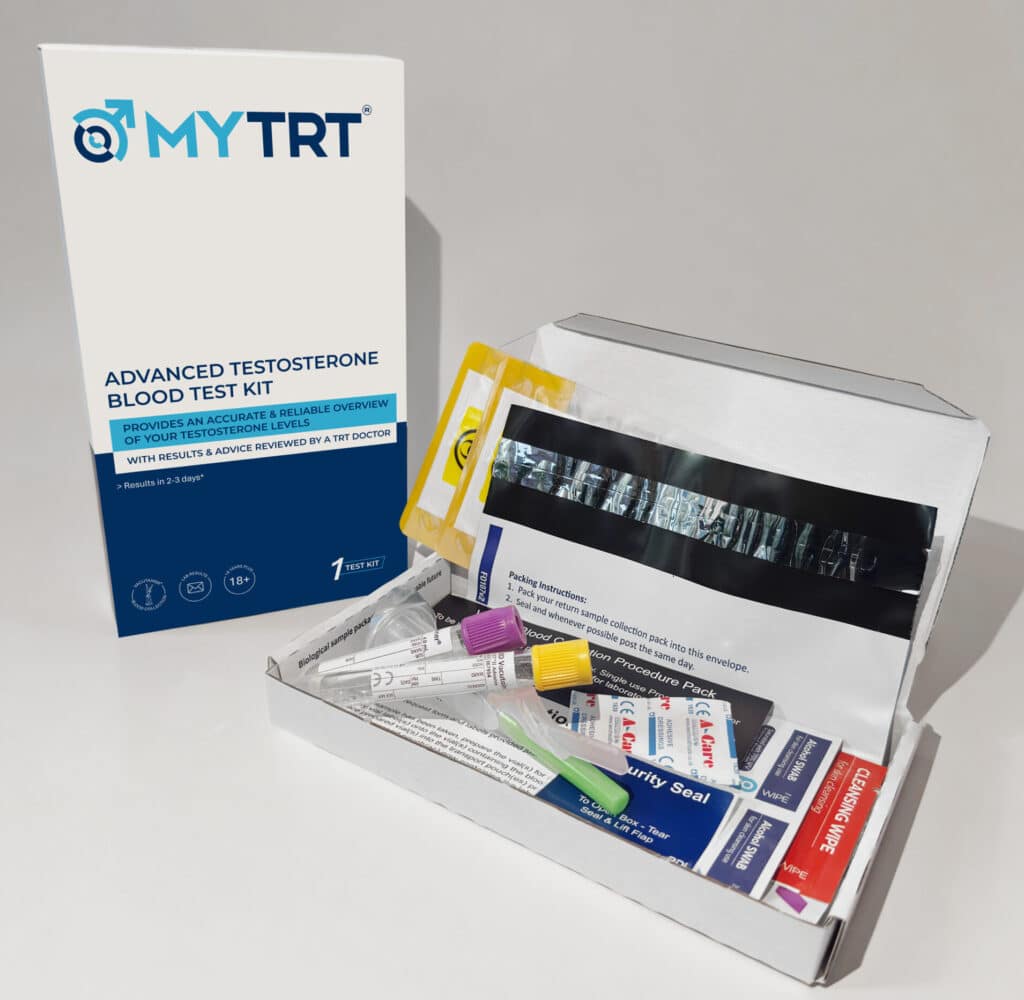
You can initiate this process by ordering an advanced testosterone blood test to get a complete picture of your hormonal health. This proactive step is often the most efficient way to begin your diagnostic journey.
Ready to Check Your Levels?
-
 Measures Total & Free Testosterone
-
Includes SHBG, LH, FSH, and Prolactin
-
Pre-paid return postage included
-
Results reviewed by a doctor

Interpreting Your Results and Getting a Diagnosis
Once your blood test results are available, the next step in learning how to get TRT is the clinical consultation. Interpreting hormone panels is a nuanced process that requires specialist expertise. A common misconception is that there is a single, universal cut-off point for low testosterone. In reality, the diagnosis depends on a combination of biochemical results and clinical symptoms. A patient with borderline levels but severe symptoms may require a different approach than an asymptomatic patient with similar biochemical markers.
According to UK guidelines, a total testosterone level below 8 nmol/L is generally considered unequivocally low and warrants treatment, provided symptoms are present. Levels between 8 nmol/L and 12 nmol/L represent a grey area. In these cases, the clinician will look closely at the calculated free testosterone level. If free testosterone is below 0.225 nmol/L, a trial of testosterone replacement therapy may be justified[2]. This nuanced approach ensures that men who fall into the biochemical grey area are not unfairly denied treatment.
During the consultation, the doctor will also review the other markers in your blood panel. For instance, elevated LH and FSH with low testosterone suggest primary hypogonadism, indicating that the testes are failing to produce sufficient hormone despite adequate stimulation from the brain. Conversely, low or inappropriately normal LH and FSH with low testosterone point to secondary hypogonadism, suggesting an issue with the pituitary gland or hypothalamus. Identifying the specific aetiology is significant for developing an effective and safe treatment plan.
The clinician will also assess your overall health, medical history, and any potential contraindications to TRT. This includes discussing your fertility plans, as exogenous testosterone suppresses sperm production. If you wish to maintain fertility, alternative treatments such as Human Chorionic Gonadotropin (hCG) may be considered alongside or instead of standard TRT. The goal of this consultation is to establish a definitive diagnosis and ensure that testosterone therapy is both safe and appropriate for your specific circumstances. We strongly advise patients to prepare a list of questions regarding how to get prescribed TRT to ensure all their concerns are addressed during this critical appointment.
Choosing the Right Treatment Pathway: NHS vs Private
When considering how to get prescribed testosterone, UK patients have two primary options: the National Health Service (NHS) or private clinics. Each pathway has its own advantages and challenges, and the right choice depends on your individual priorities, budget, and clinical presentation. Understanding the nuances of both systems is essential for making an informed decision about your healthcare.
The NHS route is free at the point of use, which is its most significant advantage. However, accessing TRT through the NHS can be a protracted and frustrating process. General Practitioners (GPs) are often hesitant to initiate testosterone therapy and will typically refer patients to an endocrinologist. Waiting times for specialist appointments can stretch to several months or even over a year in some regions. Furthermore, NHS prescribing criteria are notoriously strict. Many men with borderline testosterone levels (e.g., 9-11 nmol/L) and severe symptoms are denied treatment because they do not meet the rigid biochemical thresholds required by local commissioning groups. For a detailed breakdown of this route, see our guide on getting TRT on the NHS.
Private clinics offer a more streamlined and patient-centric approach. At a specialised clinic, you will consult with doctors who have specific expertise in testosterone deficiency. The diagnostic criteria are often more aligned with modern clinical guidelines, allowing for the treatment of symptomatic men who fall into the biochemical grey area. The process is significantly faster, with appointments and blood tests arranged within days rather than months. Private clinics also tend to offer a wider range of treatment modalities, including modern injectable formulations and compounded creams, which may not be readily available on the NHS. This flexibility allows for a highly personalised treatment plan tailored to your specific physiological needs.
The primary drawback of the private route is the cost. Patients are responsible for the consultation fees, blood tests, and the ongoing cost of the medication itself. However, many men find that the rapid relief of symptoms and the high standard of care justify the investment. If you are weighing the financial implications, our comprehensive breakdown of TRT costs in the UK provides a detailed overview of what to expect. Ultimately, the decision between NHS and private care often comes down to a balance between financial resources and the urgency of symptom relief.
Streamline Your TRT Journey
Expert Care, Without the Wait
Selecting Your Testosterone Medication
If a diagnosis of hypogonadism is confirmed and you are deemed a suitable candidate, the next step is selecting the appropriate medication. There is no single ‘best’ testosterone preparation; the choice depends on your lifestyle, preferences, and clinical requirements. In the UK, the most commonly prescribed options are topical gels, intramuscular injections, and subcutaneous injections. Understanding the pharmacokinetics of each option is necessary for achieving optimal therapeutic outcomes.
Topical gels, such as Testogel or Tostran, are often the first-line treatment, particularly on the NHS. These are applied daily to the shoulders, upper arms, or abdomen. They provide a steady release of testosterone over 24 hours, mimicking the body’s natural diurnal rhythm. Gels are non-invasive and easy to use, making them a popular choice for men who are averse to needles. However, care must be taken to avoid transferring the gel to women or children through skin-to-skin contact. Absorption rates can also vary significantly between individuals, requiring careful monitoring and potential dose adjustments.
Injectable testosterone offers a more convenient dosing schedule for many patients. Testosterone enanthate and testosterone cypionate are typically administered every one to two weeks. These esters provide a sustained release of the hormone, eliminating the need for daily application. Some patients experience fluctuations in mood or energy levels as the testosterone concentration peaks shortly after the injection and gradually declines before the next dose. To mitigate this, many private clinics advocate for more frequent, smaller doses administered subcutaneously (under the skin), which provides more stable blood levels and minimises the ‘rollercoaster’ effect associated with infrequent intramuscular injections.
Another option is testosterone undecanoate (Nebido), a long-acting intramuscular injection administered every 10 to 14 weeks. This is highly convenient but offers less flexibility if dosage adjustments are required or if adverse effects occur. During your consultation, your doctor will discuss the pros and cons of each modality to help you make an informed decision. For more information on the legalities and logistics of obtaining your medication, refer to our guide on buying TRT safely. The choice of medication should be a collaborative decision between you and your prescribing physician, taking into account your lifestyle and clinical response.
The Importance of Ongoing Monitoring
Getting a TRT prescription is not a one-off event; it is the beginning of a long-term commitment to your health. Once treatment commences, regular monitoring is absolutely essential to ensure that the dosage is optimal, symptoms are resolving, and side effects are minimised. In clinic we see that patients who adhere strictly to their monitoring schedule achieve the best long-term outcomes and experience the fewest complications.
The initial review typically occurs six to eight weeks after starting therapy. This involves a follow-up blood test to measure your testosterone levels and assess how your body is responding to the medication. The doctor will also evaluate your symptom improvement. It is important to have realistic expectations; while some symptoms, such as libido and energy, may improve within weeks, others, like changes in body composition, can take several months to become apparent. Patience and consistent communication with your healthcare provider are key during this initial titration phase.
Subsequent monitoring usually takes place at three months, six months, and then annually thereafter, provided your levels are stable. These follow-up blood tests will check your total and free testosterone, oestradiol (to monitor for excessive conversion of testosterone to oestrogen), haematocrit (to ensure your blood is not becoming too thick), and PSA (to monitor prostate health). Regular monitoring of lipid profiles and liver function may also be recommended depending on your individual risk factors and the specific medication prescribed.
If any of these markers fall outside the optimal range, your doctor will adjust your dosage or treatment modality accordingly. For example, if your haematocrit rises significantly, you may be advised to donate blood or reduce your testosterone dose. Continuous medical supervision is the cornerstone of safe and effective testosterone replacement therapy, ensuring that you reap the benefits while mitigating the risks. Understanding how to get on TRT safely means committing to this ongoing clinical oversight.
Advanced Testosterone Blood Test
Book a venous draw at a clinic £108.49
Book a venous draw at home with a nurse £118.49
 General health check
This test is only suitable when you have eligible results from our Initial Testosterone Blood Test
Frequently Asked Questions
How do I get TRT from my doctor in the UK?
To get TRT from your doctor, you must first present with symptoms of low testosterone. Your GP will arrange a morning blood test to check your hormone levels. If the results show low testosterone, you will typically be referred to an endocrinologist for further evaluation and potential prescription. You can learn more about the broader landscape in our TRT UK guide.
How hard is it to get TRT on the NHS?
Getting TRT on the NHS can be challenging due to strict prescribing criteria and long waiting lists for specialist appointments. Many men with borderline levels find it difficult to secure a prescription, even if they are highly symptomatic. For a detailed explanation of this process, read our article on TRT on the NHS.
How to get a TRT prescription privately?
To get a private TRT prescription, you need to book a consultation with a specialist clinic. You will be required to complete comprehensive blood tests to confirm a diagnosis of hypogonadism. Once diagnosed, the clinic’s doctors can issue a prescription directly, offering a faster route to treatment. Start your journey by exploring our treatment pathways.
How old do you have to be to get TRT?
There is no strict legal age limit for TRT, but it is rarely prescribed to men under 18 unless they have a specific congenital condition. For adult men, the decision is based on clinical symptoms and blood test results rather than age alone. If you are experiencing symptoms, consider an advanced blood test regardless of your age.
How to get on TRT at 25 or 30?
Getting on TRT in your 20s or 30s follows the same clinical pathway: you need blood tests proving a deficiency and a formal diagnosis. However, doctors will be particularly cautious and will thoroughly investigate secondary causes, as well as discuss the impact on your future fertility. Understanding what TRT involves is significant at a younger age.
How to get TRT without a doctor?
It is illegal and highly dangerous to obtain prescription testosterone without a doctor in the UK. Self-medicating with black-market products carries severe health risks, including cardiovascular issues and permanent endocrine damage. Always use a regulated medical pathway; you can read more about buying TRT safely.
How easy is it to get TRT if I have symptoms?
Having symptoms is only the first step; you must also have blood test results that confirm a biochemical deficiency. If your blood work clearly shows low testosterone, getting a prescription through a private clinic is relatively straightforward and efficient. The first step is always to check your levels.
How to get doctor prescribed testosterone for bodybuilding?
Legitimate doctors in the UK will not prescribe testosterone for bodybuilding or performance enhancement. TRT is strictly a medical treatment for diagnosed hypogonadism to restore levels to a healthy physiological range. If you are seeking treatment for genuine medical reasons, review our clinical services.
How to get TRT in the military?
Military personnel can receive TRT if they are diagnosed with hypogonadism by a military medical officer or an approved civilian specialist. The treatment must be officially documented and approved to ensure it complies with military medical standards and deployment requirements. The diagnostic process is the same, requiring thorough blood testing.
How can I get TRT if my levels are borderline?
If your levels are borderline (e.g., 8-12 nmol/L), the NHS may decline treatment. However, private clinics often take a more holistic view, considering your free testosterone levels and the severity of your symptoms. A trial of therapy may be offered if clinically appropriate, which you can discuss during a specialist consultation.