Medical Summary
Some observational studies report that men who smoke have slightly higher circulating testosterone than non-smokers, probably through complex acute effects of nicotine, changes in sex hormone binding globulin, and adrenal androgen stimulation. These findings are not proof of benefit, and they do not outweigh the well-established harms of nicotine and smoke exposure, including higher cardiovascular risk, erectile dysfunction, and impaired fertility[1], [5], [9], [10]. Any short-term hormonal shifts are inconsistent and small, while chronic smoking damages vascular and testicular function. Vaping removes combustion products, however nicotine remains a vasoactive, addictive drug and long-term endocrine effects are uncertain[7], [11]. Men with symptoms of low testosterone should seek proper testing and evidence-based care rather than experimenting with nicotine[3], [4].
MYTRT treatment eligibility
MYTRT treats men only when they have compatible symptoms and meet both biochemical limits: total testosterone of 15 nmol/L or below, and free testosterone of 0.35 nmol/L or below.
Does Nicotine Increase Testosterone? The Short Answer
You may have seen claims that nicotine boosts testosterone. The tricky part is that the data are mixed. Some cross-sectional studies have found that male smokers have higher average total testosterone than non-smokers, although this is usually a modest difference and may reflect the acute physiology of nicotine rather than a meaningful, sustained advantage[1]. Nicotine can activate the sympathetic nervous system, briefly raise cortisol and catecholamines, and may stimulate adrenal androgens. These shifts can nudge measured testosterone up in the short term, but they sit alongside blood pressure increases, vasoconstriction, and oxidative stress that are the opposite of what you want for long-term hormonal and sexual health[10].
If your goal is better energy, libido and body composition, building a plan around a stimulant with known cardiovascular and fertility downsides is a poor trade. A structured approach to lifestyle, sleep and resistance training will serve you far better than chasing a nicotine bump. For an evidence-led plan that does not rely on nicotine, see our guide on how to increase testosterone.
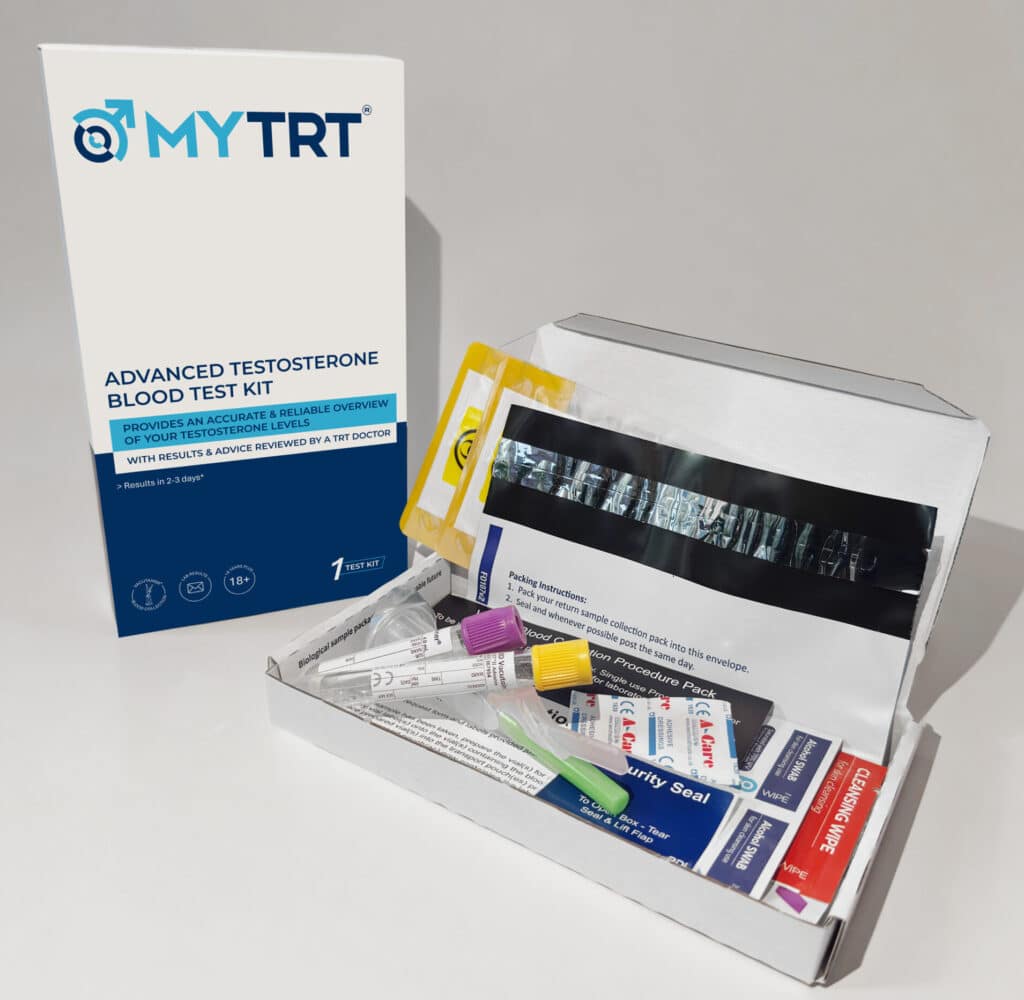
Testosterone Blood Test Kit
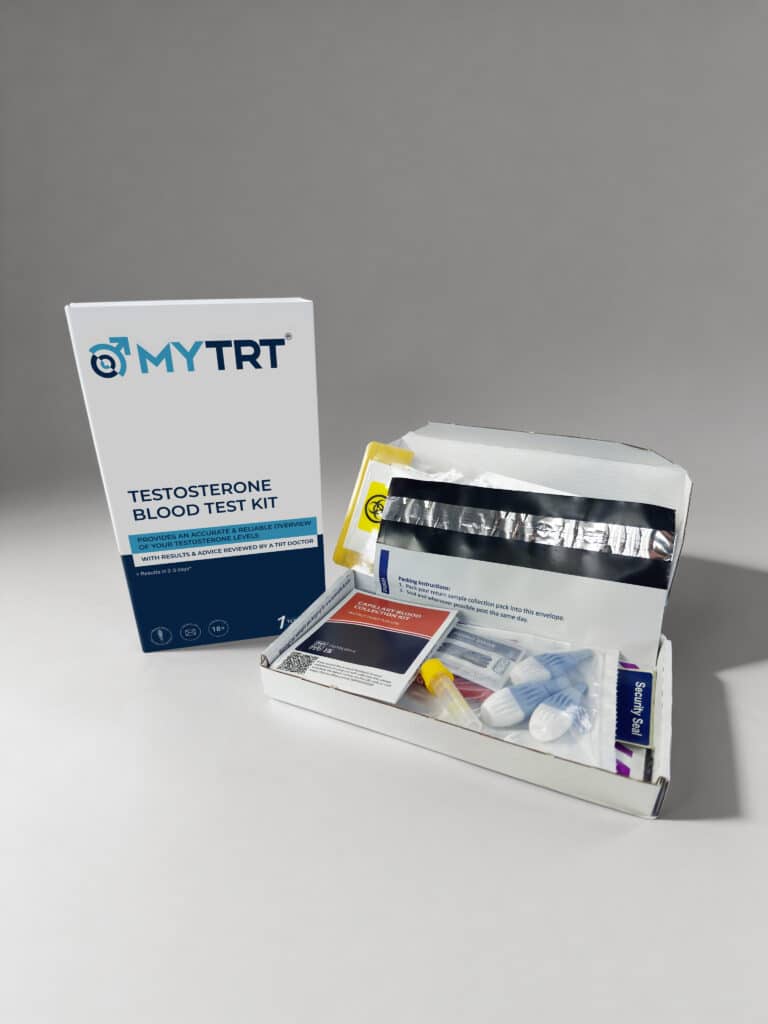
If this test showed you have low testosterone, the Advanced Testosterone Blood Test will assess your suitability for TRT.
Why Some Studies Find Higher Testosterone In Smokers
At face value, it seems odd. Smokers report more erectile dysfunction and poorer fertility, yet some datasets show higher circulating testosterone. There are several plausible reasons for this paradox, and most do not translate into better outcomes.
- Acute sympathetic stimulation: Nicotine activates nicotinic acetylcholine receptors, increasing catecholamines and briefly elevating heart rate and blood pressure. This stress-like response can transiently raise testosterone or adrenal androgens in some people, particularly shortly after a cigarette or vape session[10].
- Aromatase effects: Some laboratory work suggests tobacco smoke constituents may alter aromatase activity, the enzyme that converts testosterone to oestrogen. If aromatisation is reduced in certain tissues, serum testosterone might edge up, though this does not guarantee favourable androgen action where you need it, such as muscle or the brain.
- Sex Hormone Binding Globulin (SHBG): SHBG binds testosterone and determines how much remains free. Studies report inconsistent SHBG shifts in smokers. Depending on the direction of change, total testosterone can look higher even if free or bioavailable fractions do not meaningfully improve.
- Adrenal androgens: Nicotine exposure can stimulate the hypothalamic–pituitary–adrenal axis, increasing cortisol and potentially DHEA and androstenedione. Assays may capture some of this androgenic activity alongside testosterone.
- Confounding by lifestyle: Smokers often differ from non-smokers in age, BMI, alcohol intake and sleep. Leaner body composition can be associated with higher testosterone, which may bias crude comparisons if not fully adjusted[1].
Critically, most of the apparent hormone differences come from observational snapshots, not controlled trials that can isolate nicotine from all other variables. Association does not prove benefit. When you look beyond a single blood test, smokers experience more erectile problems, poorer semen quality and higher cardiometabolic risk, which is not what you would expect if nicotine genuinely improved androgen function in any clinically helpful way[9], [10].
Acute Nicotine: What Happens In The Next Hour Or Two
Minutes after a cigarette or a high-nicotine vape, several things typically happen. Heart rate and blood pressure climb, peripheral blood vessels constrict, and cortisol can rise. Some individuals will show a small, short-lived bump in testosterone or adrenal androgens on blood testing taken in this window. That does not mean more muscle or a better workout later that day, and it certainly does not mean a safer hormonal profile over months or years[10].
- Transient cortisol and catecholamines: These can make you feel more alert, although they also antagonise anabolic signalling when sustained.
- Possible short-term testosterone change: Reported in some studies and often small, measured in the acute post-consumption window.
- Net physiological cost: Vasoconstriction, oxidative stress and reduced microvascular blood flow do not help testicular or erectile function even if a lab number twitches upward.
If your interest is performance or wellbeing, a quick spike that fades within hours is not a strategy. Improving sleep, dietary protein, and resistance training has far more reliable effects over weeks and months. Our step-by-step playbook is here: how to increase testosterone.
Chronic Smoking: The Long-Term Testosterone Trade-Off
Long-term smoking is a slow grind on the very systems that support sexual and reproductive health. Even if an isolated study shows higher total testosterone, the broader picture is negative.
- Vascular damage and erectile dysfunction: Smoking accelerates atherosclerosis and impairs endothelial function. Erections rely on smooth blood flow into the corpora cavernosa, and smokers report more erectile problems than non-smokers[9].
- Oxidative stress and testicular microcirculation: Reactive oxygen species and vasoconstriction hamper Leydig cell function and reduce testicular blood flow, which can undermine steroidogenesis over time.
- Semen quality: Smokers have worse sperm concentration, motility and morphology on average, and partners take longer to conceive. These effects are seen across multiple studies and align with clinical experience[10].
- Cardiometabolic strain: High blood pressure, insulin resistance and systemic inflammation rise with smoking, which is the opposite physiological environment for healthy androgens.
- Cancer and respiratory disease: Any hypothetical hormonal upsides are dwarfed by higher risks of cancer, COPD and premature mortality[6].
Even among men with healthy testosterone on paper, smoking is linked with poorer erectile performance and fertility. That tells you all you need to know about the difference between a transient biochemical measurement and actual outcomes.
Testosterone Blood Test Kit
If this test showed you have low testosterone, the Advanced Testosterone Blood Test will assess your suitability for TRT.
Vaping Versus Smoking: What Changes For Hormones?
Vaping delivers nicotine without combustion. Removing tar and many carcinogens reduces certain risks for adult smokers who switch completely, however vaping is not risk free and long-term endocrine data are limited. Nicotine itself remains a vasoactive, addictive compound that can influence blood pressure, sleep and stress physiology, all of which can influence how testosterone is produced and acts in the body[7], [11].
- Nicotine exposure is still present: Acute sympathetic effects can occur with vaping, which may create the same short-lived hormonal fluctuations seen with cigarettes.
- Fewer combustion products: This likely means less oxidative burden compared with smoking, although the cardiovascular and respiratory impact of chronic vaping is still under active study[7], [11].
- Endocrine outcomes uncertain: No robust evidence shows sustained testosterone benefits from vaping.
If you do not smoke, do not start vaping for your hormones. If you smoke, the priority is to quit all tobacco. Some people use vaping as a step-down tool, ideally short term and alongside behavioural support, to move away from nicotine altogether[8].
Snus, Nicotine Pouches And Chewing Tobacco
Oral products such as snus and nicotine pouches avoid smoke and can deliver steady-state nicotine through the oral mucosa. That means less exposure to combustion toxins compared with cigarettes. It does not mean hormonal benefit, and it does not make them healthy. Chronic nicotine exposure still affects cardiovascular tone and can disrupt sleep architecture, both of which can impair healthy testosterone rhythms. Many forms of smokeless tobacco also carry oral health risks and are associated with other adverse outcomes[8].
| Product | Testosterone Effect Evidence | Other Health Effects | Fertility / Sexual Function |
|---|---|---|---|
| Cigarettes | Observational links to modestly higher total T in some cohorts, confounded and not a proven benefit[1] | High cardiovascular and cancer risk, respiratory disease[6] | Higher ED rates, worse semen quality on average[9], [10] |
| Vapes | Acute nicotine exposure may shift hormones briefly, no high-quality evidence for sustained T improvement[7], [11] | Fewer combustion toxins, long-term risks still being studied[7] | Unknown long-term impact, not a tool for hormonal optimisation |
| Snus / Pouches | No evidence of durable testosterone benefit | Addictive, oral health considerations, systemic nicotine effects | Potential sleep and vascular effects that can undermine sexual health |
How Much Does Nicotine Increase Testosterone?
If there is any increase, it is usually small. Some studies report higher total testosterone in male smokers compared with non-smokers, but values often overlap and free or bioavailable testosterone may not follow the same pattern. Magnitude estimates vary and are heavily confounded by age, BMI and sampling timing relative to the most recent cigarette. Effects, when present, tend to be transient rather than a stable uplift that changes symptoms or outcomes[1].
Put bluntly, you would not notice a meaningful difference in energy, libido or strength from the minor, inconsistent hormone fluctuations seen with nicotine. If your symptoms suggest a problem, book a proper assessment and get data. Understanding your diurnal testosterone profile and SHBG, alongside symptoms, is far more actionable than guessing. Our primer on testosterone levels explains what a good test looks like.
Testosterone Blood Test Kit
If this test showed you have low testosterone, the Advanced Testosterone Blood Test will assess your suitability for TRT.
Men Versus Women: Nicotine And Androgen Biology
Most of the chatter about testosterone and nicotine focuses on men, but women produce and rely on androgens too. There is no robust evidence that nicotine meaningfully improves women’s androgen profiles or symptoms. Smoke exposure has anti-oestrogenic effects in some tissues and is linked with menstrual irregularity, earlier menopause and reduced fertility. None of this points to a viable pathway for healthy hormonal optimisation in women.
For anyone, male or female, with symptoms like low libido, fatigue or reduced exercise capacity, the right next step is assessment. Start with symptom screening and a morning blood test. If you are ticking boxes, explore our guide to low testosterone symptoms and consider a test kit to establish a baseline.
Mechanisms, Myths And What Matters Clinically
Mechanistic theories around nicotine and testosterone are easy to oversell. You may read that nicotine inhibits aromatase, therefore more testosterone stays as testosterone. Biology is not that tidy. Enzyme activity varies by tissue, timing and dose, and systemic measurements rarely map cleanly to local action. Changes in SHBG can move numbers in either direction without improving symptoms, and adrenal androgens can muddy the interpretation of total androgenicity on a lab report.
Clinically, the only outcomes that matter are how you feel and function, and whether you reduce disease risk. On those metrics, smoking performs poorly. Erectile dysfunction is more common. Time to conception is longer. Cardiovascular and respiratory health decline. That is not the profile of a performance enhancer[6], [9], [10].
Evidence Quality: Observational, Confounded And Inconsistent
Most hormone data in smokers come from observational studies. These describe associations at a single point in time and can adjust for some, but not all, confounders. Smokers are often leaner, have different alcohol patterns, and may differ in sleep and work schedules. All of these influence the hypothalamic–pituitary–gonadal axis. Timing of blood draw relative to nicotine exposure also complicates interpretation, since hormones show diurnal rhythm and acute nicotine can shift results.
The upshot is simple. Even if you pick a paper showing higher testosterone in smokers, it does not show benefit in what matters to you day to day. The harms of nicotine and smoke are proven across decades of research. If you want higher and healthier testosterone, build from foundations you can trust. Our comprehensive, non-smoking strategy is here: how to increase testosterone.
Low Testosterone Symptoms: Do Not Self-Medicate With Nicotine
Fatigue, low mood, reduced libido, slower recovery from training and loss of morning erections are common in low testosterone, but they are not specific. Some men feel better briefly after nicotine because of the stimulant effect, then feel worse as it wears off. Chasing that buzz is not a treatment plan. If these symptoms ring true, use a validated symptom questionnaire and arrange a morning hormone profile. Learn the red flags in our guide to low testosterone symptoms, then take action based on data.
Advanced Testosterone Blood Test
Book a venous draw at a clinic £99.49
Book a venous draw at home with a nurse £109.49
 General health check
Testing And Treatment: What Good Care Looks Like
Proper assessment starts with two early morning testosterone measurements, consideration of SHBG, free or calculated free testosterone, and clinical context. Secondary causes, such as obesity, sleep apnoea, medications and thyroid disease, should be reviewed. Only after this stepwise process should treatment be considered, and always in line with established guidelines[3], [4].
- Blood testing: Total testosterone on two separate mornings, ideally with SHBG and albumin to calculate free testosterone, plus LH, FSH and prolactin where indicated[3].
- Address modifiable factors: Weight management, sleep quality, resistance training, alcohol moderation and stress management can improve testosterone without drugs. Compare this single-factor nicotine question with our broader programme in how to increase testosterone.
- Targeted therapy when needed: Testosterone therapy is reserved for men with confirmed androgen deficiency and compatible symptoms, delivered with monitoring per British and international guidance[3], [4].
If you are tempted by supplements, review our evidence assessment for botanicals such as ashwagandha. It is a different topic, and the approach here is deliberately a single-factor deep dive on nicotine, whereas that page compares supplement evidence. When you are ready to get numbers, order a kit below.
Smoking Cessation: Better Hormones Start With Better Health
The single best move for your long-term sexual and hormonal health is quitting smoking. Within weeks, blood pressure improves. Over months and years, vascular function, exercise tolerance and general wellbeing climb. These changes create the environment for healthier testosterone signalling. Professional support and evidence-based tools increase your chances of success[8].
- NHS stop smoking services: Behavioural support and pharmacotherapy options are available across the UK[6], [8].
- NICE guidance: Clinicians can offer combination therapy and tailored support, which helps you quit and stay quit[8].
- Track sleep and training: As nicotine leaves your routine, sleep quality often improves, which supports endogenous testosterone rhythms.
If you already quit and still have symptoms, it is time to investigate other causes. Hypogonadism has many drivers, and a structured work-up is the best route to answers[5], [3]. Start with a simple home test, then consider next steps with a clinician.
Key Takeaways
- Some studies find higher average testosterone in male smokers, but the effect is small, inconsistent and heavily confounded[1].
- Nicotine may acutely shift hormones via stress physiology, yet it also raises blood pressure and constricts blood vessels, which hurts sexual and reproductive health.
- Smoking is linked with erectile dysfunction and impaired semen quality, which matters far more than a transient lab value[9], [10].
- Vaping removes combustion but leaves nicotine, and there is no high-quality evidence that it boosts testosterone long term[7], [11].
- For real progress, prioritise lifestyle foundations and evidence-based care rather than relying on nicotine. See our guides on testosterone levels and how to increase testosterone.
References
- Khaw KT, Barrett-Connor E. Cigarette smoking and levels of sex hormones in men. Am J Epidemiol. 1988. https://pubmed.ncbi.nlm.nih.gov/3351533/
- Endocrine Society. Testosterone Therapy in Men With Hypogonadism, Clinical Practice Guideline. https://www.endocrine.org/clinical-practice-guidelines/testosterone-therapy-in-men-with-hypogonadism
- British Society for Sexual Medicine (BSSM). Guidelines on Adult Testosterone Deficiency. https://pmc.ncbi.nlm.nih.gov/articles/PMC10307648/
- NHS. Hypogonadism in Males. https://www.nhs.uk/conditions/male-menopause/
- NHS. Why Stop Smoking. https://www.nhs.uk/better-health/quit-smoking/why-quit-smoking/benefits-of-quitting-smoking/
- Office for Health Improvement and Disparities, gov.uk. Nicotine Vaping in England, 2022 Evidence Update: Summary. https://www.gov.uk/government/publications/nicotine-vaping-in-england-2022-evidence-update/nicotine-vaping-in-england-2022-evidence-update-main-findings
- National Institute for Health and Care Excellence (NICE). Tobacco: preventing uptake, promoting quitting and treating dependence. NICE guideline NG209. 2021 (updated 2023). View
- NHS. Erection Problems, Erectile Dysfunction. https://www.nhs.uk/conditions/erection-problems-erectile-dysfunction/
- Cleveland Clinic Health Essentials. Smoking and Fertility. https://my.clevelandclinic.org/health/diseases/15603-low-testosterone-male-hypogonadism
- Mayo Clinic. E-cigarettes, Are They Safe? https://www.mayoclinichealthsystem.org/hometown-health/speaking-of-health/a-doctors-warning-about-the-dangers-of-vaping
- NHS. Smokeless Tobacco. https://www.nhs.uk/better-health/quit-smoking/