Is TRT Cheating? Uncovering the Truth About Testosterone Replacement Therapy
By Dr. Raphael Olaiya, GP and TRT Doctor (GMC No. 7492303)
It’s a question that comes up time and again in gyms, online forums, and private conversations: is taking Testosterone Replacement Therapy (TRT) a form of cheating? It’s a loaded question, tangled up with images of elite athletes and illicit steroid use. But for the millions of men suffering from the debilitating symptoms of low testosterone, this could not be further from the truth. The reality is that for men with a genuine medical need, TRT isn’t about gaining an unfair advantage; it’s about reclaiming the life and vitality they’ve lost.
Low testosterone, or Testosterone Deficiency (TD), is a recognised medical condition that affects a significant portion of the male population in the UK. Studies show that between 8-12% of men aged 40-69 are deficient [1], with some estimates suggesting that as many as 1 in 5 men over 50 could be affected [2]. Yet, despite its prevalence, only a fraction of these men receive a proper diagnosis and the treatment they need. This isn’t about seeking a competitive edge; it’s about addressing a fundamental health issue.
What is Testosterone and Why Does It Matter?
Testosterone is the primary male sex hormone, but its role extends far beyond the bedroom. It is a crucial driver of physical, mental, and emotional well-being. When levels are optimal, you feel strong, driven, and resilient. When they decline, the impact can be felt across your entire life. Symptoms of low testosterone are often dismissed as a normal part of ageing, but they don’t have to be. They can include:
- Low Libido and Erectile Dysfunction: A reported 31% of men with TD symptoms experience low libido, with 27% reporting reduced erectile function [1].
- Persistent Fatigue: A feeling of being constantly drained, no matter how much you rest.
- Loss of Muscle Mass and Strength: Finding it harder to build or maintain muscle, even with regular exercise.
- Increased Body Fat: Particularly around the midsection.
- Mood Swings and Irritability: Feeling low, anxious, or easily agitated.
- Brain Fog: Difficulty concentrating and a lack of mental clarity.
If this sounds familiar, you are not alone. And it’s not something you simply have to accept.
The “Cheating” Stigma: Myth vs. Reality
The stigma surrounding TRT comes from a fundamental misunderstanding of its purpose. It is often confused with the illegal abuse of anabolic steroids by bodybuilders or athletes seeking superhuman performance. This is like comparing a patient taking prescribed insulin for diabetes to someone misusing it for other purposes. They are worlds apart.
Therapeutic TRT is about restoration, not enhancement. It involves a qualified doctor prescribing a precise dose of testosterone to bring your hormone levels from a deficient state back into a healthy, optimal range. It is not about pushing your levels into the stratosphere to build unnatural amounts of muscle. Think of it like wearing glasses for poor eyesight – it doesn’t give you supervision, it simply corrects a deficiency and restores your vision to normal. Restoring your testosterone to a healthy level is no different.
The Clinically Proven Benefits of Optimised Testosterone
When administered correctly under medical supervision, TRT can be a life-changing intervention. The goal is to alleviate the debilitating symptoms of low testosterone and restore your quality of life. The evidence for its benefits is extensive:
- Improved Sexual Function: Clinical trials have consistently shown that TRT significantly improves libido, desire, and erectile function in men with low testosterone [3].
- Increased Muscle Mass and Reduced Fat: TRT helps to restore the body’s natural ability to build and maintain lean muscle mass while reducing stubborn body fat [4].
- Enhanced Mood and Energy: Many men report a significant uplift in their mood, a reduction in anxiety, and a renewed sense of energy and well-being [4].
- Stronger Bones: Testosterone plays a vital role in bone health, and therapy has been shown to increase bone mineral density, reducing the risk of fractures in later life [5, 6].
Is TRT Safe? What the Evidence Says
For years, concerns about the cardiovascular risks of TRT have been a topic of debate. However, the landmark TRAVERSE trial, the largest randomised controlled trial on TRT to date, provided much-needed clarity. The 2023 study, which involved over 5,000 men, found that testosterone therapy was not associated with an increase in major adverse cardiovascular events compared to a placebo [7]. This provides strong reassurance that when used appropriately in men with diagnosed hypogonadism, TRT is a safe and effective treatment.
How Do You Know If You Have Low Testosterone?
The only way to know for sure if your symptoms are caused by low testosterone is to get tested. Feeling ‘off’ is not a diagnosis. With average testosterone levels in men declining by approximately 1% per year [8], taking a proactive approach to your health has never been more important. A simple blood test is the first and most crucial step to understanding what’s really going on inside your body.
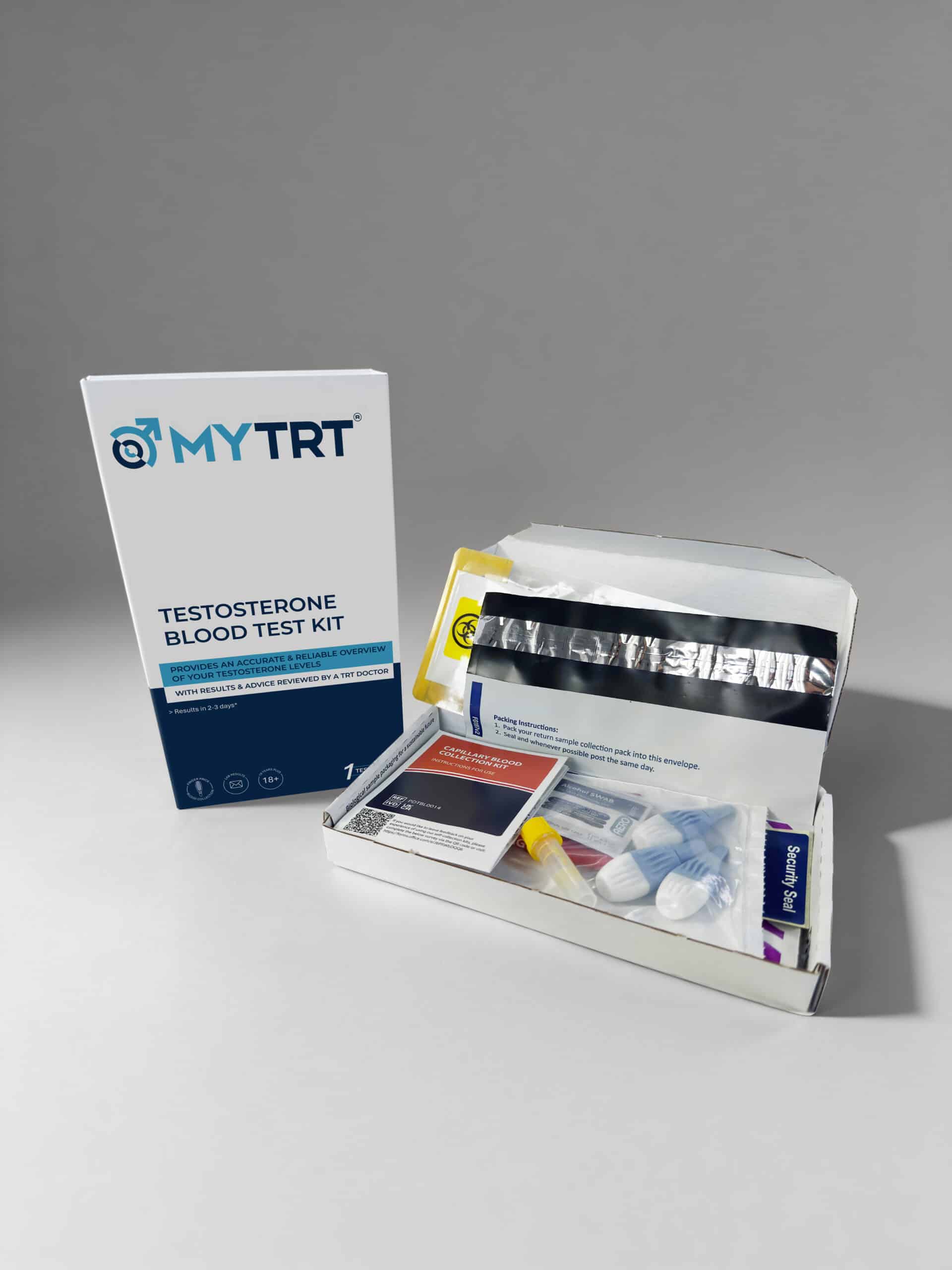
Ready to take control of your health? Find out your testosterone levels with our simple and discreet at-home blood test kit. Order yours today and start your journey to a new you.
Order Your Testosterone Blood Test Kit Now
About the Author
Dr. Raphael Olaiya is a UK-based General Practitioner and a specialist in Testosterone Replacement Therapy. With years of experience helping men optimise their health, Dr. Olaiya is dedicated to providing safe, effective, and evidence-based care. (GMC No. 7492303)
References
[1] Awareness and prevalence of the symptoms of testosterone deficiency in men in the United Kingdom: a cross-sectional survey in the UK – BMJ Open 2025
[2] Why are we missing the diagnosis of low testosterone in men? – Dr Jeff Foster
[3] The benefits and risks of testosterone replacement therapy: a review – PMC 2009
[4] Low Testosterone In Men Over 70 – Goldman Laboratories
[5] Long-Term Effect of Testosterone Therapy on Bone Mineral Density in Hypogonadal Men – JCEM 1997
[6] Testosterone Treatment and Fractures in Men with Hypogonadism – NEJM 2024
[7] Cardiovascular Safety of Testosterone-Replacement Therapy – NEJM 2023 – TRAVERSE Trial
[8] Why do Gen Z and Millennial men have lower testosterone? – Medichecks