Is “Porn-Induced ED” a Myth? The Hidden Link to Low Testosterone
Many men experiencing erectile difficulties wonder if porn-induced Erectile Dysfunction (ED) is to blame. While excessive pornography use is often discussed, another overlooked factor is low testosterone in men. Understanding the connection between testosterone levels, libido, and erectile function can help identify the real cause and guide the right solution.
In the age of unlimited access to online content, a growing number of men are reporting a frustrating and often embarrassing problem: difficulty achieving or maintaining an erection with a real-life partner, despite having no issue with pornographic material. This phenomenon, often dubbed “porn-induced erectile dysfunction (PIED),” has become a hot topic of discussion online. But is the internet really to blame for your performance issues, or could there be a deeper, underlying physiological cause?
While the psychological impact of excessive pornography consumption is a valid concern, it’s crucial to look beyond the screen and consider the biological factors that govern male sexual health. For many men, the root cause of their erectile difficulties isn’t just in their head—it’s in their hormones.
The Uncomfortable Truth About Low Testosterone
Testosterone is the primary male sex hormone, responsible for everything from muscle mass and energy levels to, you guessed it, libido and erectile function. When your testosterone levels are not within the optimal range, your body simply can’t perform at its peak.
Recent data from the UK paints a concerning picture. Studies show that between 8% and 12% of men aged 40-69 suffer from testosterone deficiency [1]. What’s more, it’s estimated that 20% of UK men over 50 are affected, yet a staggering 99% of them remain undiagnosed [2]. Among men showing symptoms of testosterone deficiency, 31% report low libido and 27% experience reduced erectile function [1].
These aren’t just numbers; they represent real men struggling with a treatable medical condition that significantly impacts their quality of life and relationships.
Your Brain on Porn vs. Your Body on Low T
The “porn-induced ED” theory suggests that constant exposure to extreme online content desensitises the brain’s reward pathways, making real-life sexual encounters seem less stimulating. While this can be a contributing factor, it often masks the real culprit: low testosterone.
Think of it this way: your brain might be sending the right signals, but if your body doesn’t have the necessary hormonal fuel, it can’t respond. It’s like trying to start a high-performance car with an empty tank.
Testosterone therapy has been shown to significantly improve overall sexual activity, sexual desire, and erectile function in men with low testosterone levels [3]. It’s not about a “quick fix,” but about restoring your body’s natural balance so you can enjoy a healthy, fulfilling sex life.
Don’t Guess, Test.
Before you jump to conclusions or resign yourself to a life of frustration, it’s time to get the facts. The only way to know for sure if low testosterone is affecting your performance is to get tested. A simple blood test can reveal your testosterone levels and provide the answers you need to take back control of your sexual health.
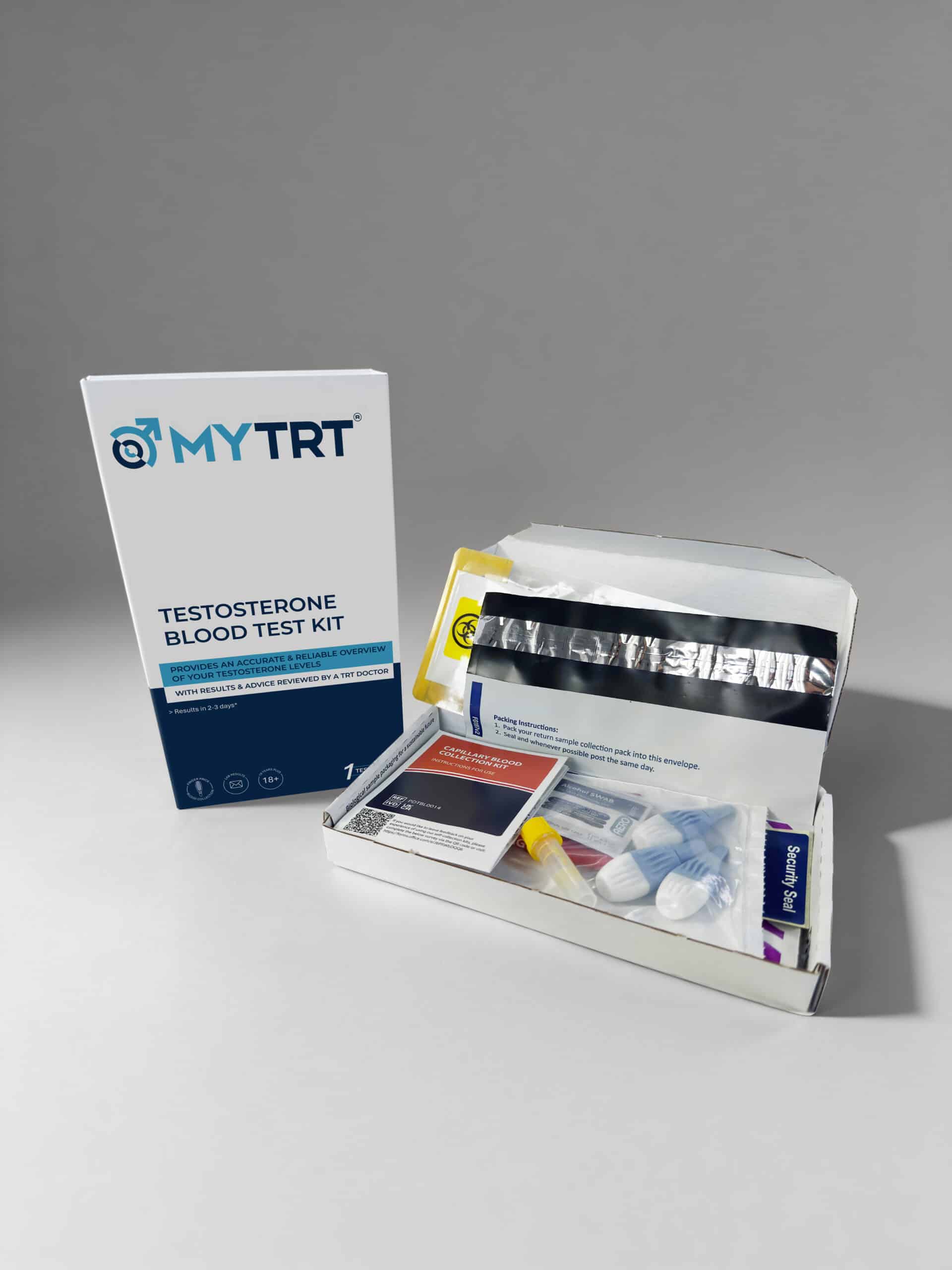
Ready to take control of your health? Find out your testosterone levels with our simple and discreet at-home blood test kit. Order yours today and start your journey to a new you.
Order Your Testosterone Blood Test Kit Now
About the Author
Dr. Raphael Olaiya is a UK-based General Practitioner and Expert in Testosterone Replacement Therapy. With years of experience helping men optimise their health, Dr. Olaiya is dedicated to providing safe, effective, and evidence-based care. (GMC No. 7492303)
References
[1] Awareness and prevalence of the symptoms of testosterone deficiency – BMJ Open 2025
[2] Low Testosterone in Men Over 70 – Goldman Laboratories
[3] Effects of Testosterone Treatment in Older Men – TTrials / JCI 2021