Feeling Tired? The Surprising Link Between Your Sleep Quality and Testosterone
Feeling constantly tired or lacking energy may be more than just poor sleep habits. Low testosterone in men can both result from and contribute to disrupted sleep, creating a cycle that affects energy, mood, and overall health. Understanding this connection can help men take proactive steps through testosterone testing and TRT treatment.
Are you constantly battling fatigue, struggling to get a good night’s sleep, or feeling like you’ve lost your edge? While many factors can contribute to these feelings, one of the most overlooked is the level of a crucial hormone: testosterone.
In the United Kingdom, it’s estimated that 8-12% of men aged 40-69 have a testosterone deficiency [1]. That’s a significant number of men who might be suffering in silence, unaware of the underlying cause of their symptoms.
The Vicious Cycle of Poor Sleep and Low Testosterone
Sleep architecture and testosterone have a deeply interconnected relationship. Testosterone levels naturally rise during sleep as this is when hormones are synthesized, and this hormonal surge is vital for restorative processes throughout your body. When sleep is disrupted, so is this crucial production cycle. Conversely, low testosterone itself can lead to sleep disturbances, creating a vicious cycle that can be difficult to break. Even with just a few nights of poor sleep, measured testosterone levels will be lowered.
Men with low testosterone often report symptoms like low libido (31%) and reduced erectile function (27%) [1]. But the impact doesn’t stop there. Low testosterone is also linked to decreased energy levels, mood swings, and difficulty concentrating. It’s an independent risk factor for developing metabolic syndrome and type 2 diabetes [2], and it can even affect your bone health [3].
Take Control of Your Health
Ignoring these symptoms is not the answer. With average testosterone levels in men declining by approximately 1% per year [4], it’s more important than ever to be proactive about your health. The good news is that identifying a potential issue is the first step towards feeling like yourself again.
Testosterone Replacement Therapy (TRT) has been shown to offer significant benefits for men with clinically low testosterone. Studies have demonstrated improvements in sexual function, muscle mass, bone density, energy, and mood [5, 6, 7]. Furthermore, a major 2023 clinical trial involving over 5,000 men confirmed that TRT did not increase the risk of major adverse cardiovascular events, making it a safe and viable option for many [8].
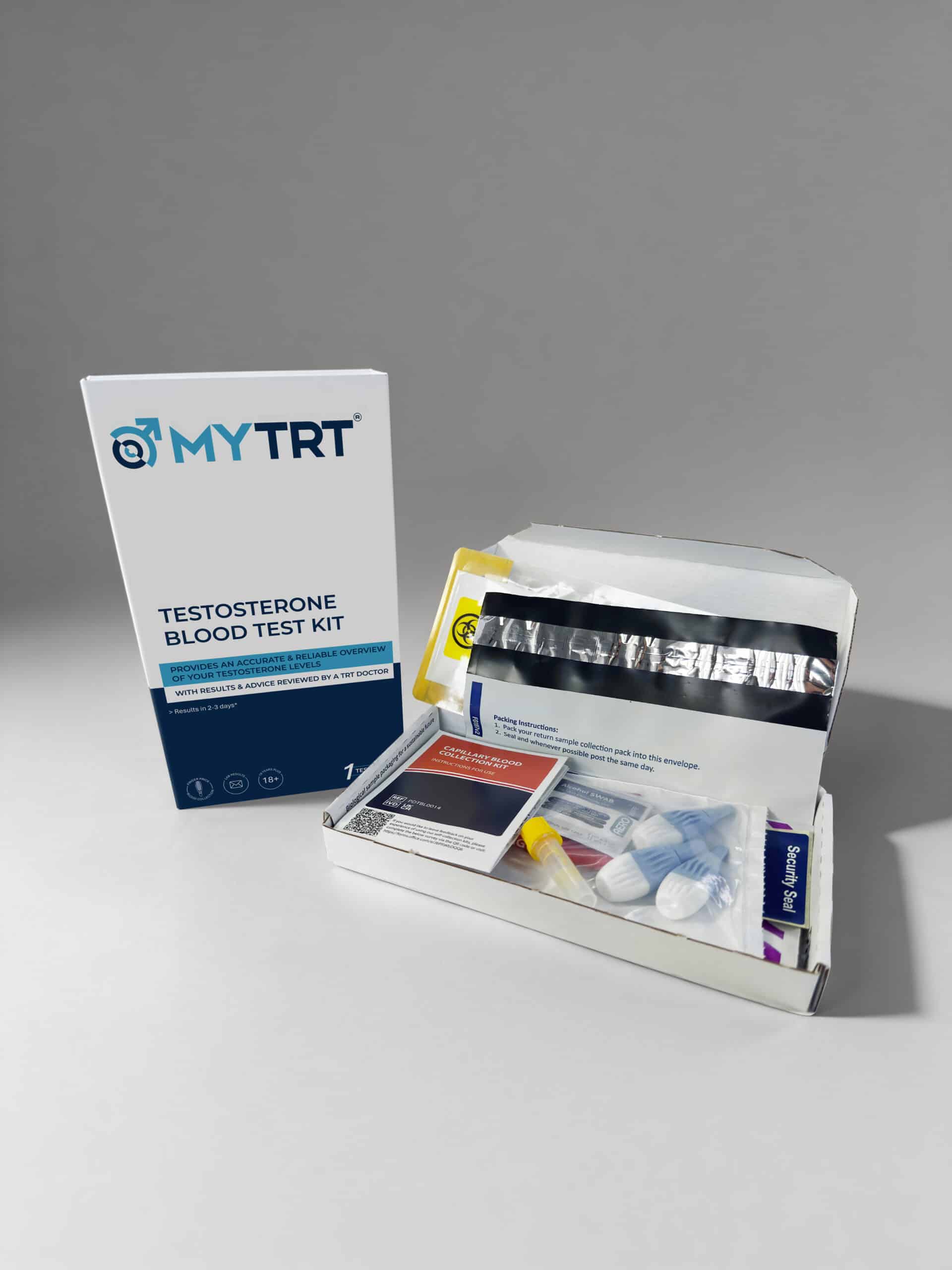
Ready to take control of your health? Find out your testosterone levels with our simple and discreet at-home blood test kit. Order yours today and start your journey to a new you.
Order Your Testosterone Blood Test Kit Now
About the Author
Dr. Raphael Olaiya is a UK-based General Practitioner and Expert in Testosterone Replacement Therapy. With years of experience helping men optimise their health, Dr. Olaiya is dedicated to providing safe, effective, and evidence-based care. (GMC No. 7492303)
References
[1] Awareness and prevalence of the symptoms of testosterone deficiency – BMJ Open 2025
[2] Testosterone and Metabolic Syndrome: The Link, Pathophysiology, and Treatment – PMC 2010
[3] Testosterone Treatment and Fractures in Men with Hypogonadism – NEJM 2024
[4] Why do Gen Z and Millennial men have lower testosterone? – Medichecks
[5] Testosterone treatment in men with hypogonadism and its effects on cardiovascular function: a long-term observational study – JCI 2021
[6] Benefits and Risks of Testosterone Replacement Therapy: A Review – PMC 2009
[7] The Effect of Replacement Dose of Testosterone on Bone Mineral Density in Men with GnRH Agonist-Induced Hypogonadism – JCEM 1997
[8] Cardiovascular Safety of Testosterone-Replacement Therapy – NEJM 2023 – TRAVERSE Trial