Are You Sabotaging Your Gains? The Hidden Link Between Testosterone and Your Recovery Time
If your workouts feel harder than they should and recovery takes longer than expected, your testosterone levels may be playing a role. Testosterone is essential for muscle repair, strength, and recovery, and when levels drop, progress in the gym can slow despite consistent effort.
As a man dedicated to your fitness, you know the drill: you push your limits in the gym, you feel the burn, and you expect to see results. But what if your progress has stalled? What if you’re feeling constantly fatigued, and your muscles are taking longer than ever to recover? You might be chalking it up to age or overtraining, but the real culprit could be something you haven’t considered: low testosterone.
Testosterone is the primary male hormone, and it plays a crucial role in everything from muscle growth and energy levels to mood and libido. When your testosterone levels are optimised, you’re a powerhouse in and out of the gym. But when they’re low, you’re fighting an uphill battle.
The Science of Gains: How Testosterone Fuels Recovery
Every time you lift weights, you’re creating microscopic tears in your muscle fibres. The magic of muscle growth happens during the recovery process, when your body repairs these tears and builds the muscle back stronger. Testosterone is the master architect of this process. At the stem cell level, testosterone increasing the ‘manufacturing of myocytes – muscle cells’ increasing the amount of lean muscle as well as increasing speed of repair [15].
Low testosterone, or Testosterone Deficiency (TD), throws a spanner in the works. Without adequate testosterone, your body’s ability to repair muscle is significantly impaired. This leads to longer recovery times, persistent muscle soreness, and a frustrating lack of progress, no matter how hard you train.
A Widespread Problem Hiding in Plain Sight
You might think that low testosterone is a rare condition, but the reality is startling. In the United Kingdom, it’s estimated that 8-12% of men aged 40-69 suffer from testosterone deficiency [1]. That figure could be as high as 30% of all British men [6]. Even more concerning, 20% of UK men over 50 are affected, yet a staggering 99% of them remain undiagnosed [7].
The symptoms are often subtle and easily dismissed:
- Persistent fatigue and low energy
- Reduced muscle mass and strength
- Increased body fat, especially around the midsection
- Low libido and erectile dysfunction [9]
- Mood swings and irritability
If any of this sounds familiar, you’re not alone. And more importantly, you don’t have to accept it as your new normal.
Take the First Step: Knowledge is Power
Ignoring the signs of low testosterone won’t make them go away. In fact, untreated TD is an independent risk factor for developing more serious health issues like metabolic syndrome and type 2 diabetes [28].
The good news is that identifying and addressing low testosterone is straightforward. The first and most crucial step is to get your levels checked with a simple blood test. This isn’t about jumping to conclusions or self-diagnosing; it’s about gathering the data you need to make informed decisions about your health.
For those who are diagnosed with low testosterone, Testosterone Replacement Therapy (TRT) is a safe and effective treatment. Clinical studies have shown that TRT can significantly improve muscle mass, reduce fat, boost energy levels, and enhance overall well-being [15] [17] [19]. A landmark 2023 trial, the TRAVERSE study, confirmed that TRT does not increase the risk of major adverse cardiovascular events, even in men with pre-existing heart conditions [2].
But before you can explore any treatment options, you need to know your numbers.
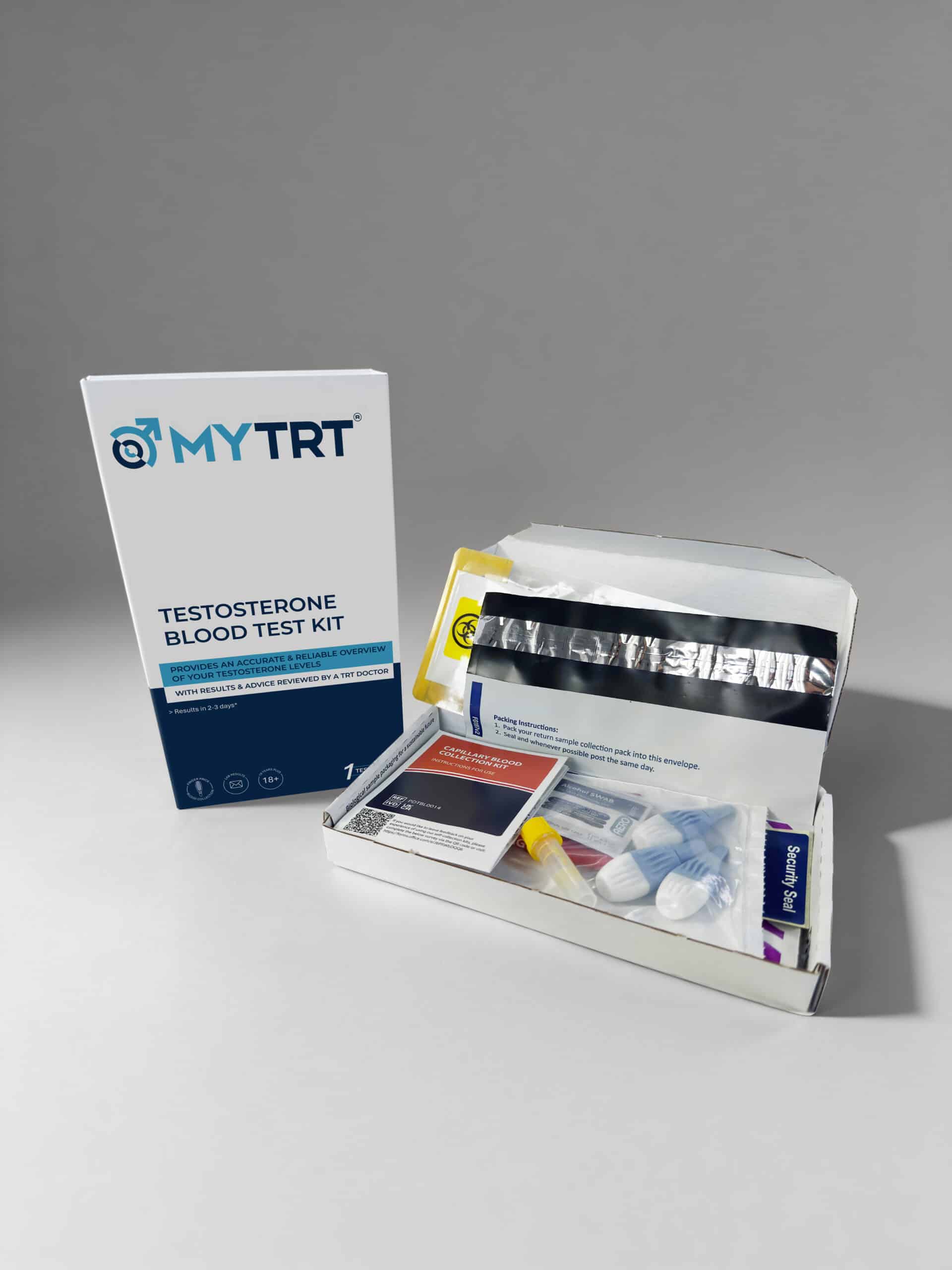
Ready to take control of your health? Find out your testosterone levels with our simple and discreet at-home blood test kit. Order yours today and start your journey to a new you.
Order Your Testosterone Blood Test Kit Now
About the Author
Dr. Raphael Olaiya is a UK-based General Practitioner and Expert in Testosterone Replacement Therapy. With years of experience helping men optimise their health, Dr. Olaiya is dedicated to providing safe, effective, and evidence-based care. (GMC No. 7492303)
References
[1] Awareness and prevalence of the symptoms of testosterone deficiency – BMJ Open 2025
[2] Cardiovascular Safety of Testosterone-Replacement Therapy – NEJM 2023 – TRAVERSE Trial
[6] The signs of low testosterone all men need to know – Telegraph 2025
[7] Low Testosterone In Men Over 70 – Goldman Laboratories
[9] Awareness and prevalence of the symptoms of testosterone deficiency – BMJ Open 2025
[15] Testosterone and the aging male: to treat or not to treat? – PMC 2009 (Benefits and Risks)
[17] Testosterone and the aging male: to treat or not to treat? – PMC 2009 (Benefits and Risks)
[19] Testosterone replacement therapy in men with hypogonadism: a narrative review on the contemporary management and controversies – Frontiers Endocrinology 2023
[28] Testosterone and metabolic syndrome: the link – PMC 2010 (Metabolic Syndrome)