The Truth About Testosterone: More Than Just Aggression
A special report by Dr. Raphael Olaiya, GP, TRT Expert Doctor (GMC No. 7492303)
For decades, testosterone has been unfairly branded as the hormone of aggression, a brutish chemical that fuels rage and irrational behaviour. This simplistic and outdated view, often sensationalised in media, has created a harmful myth that prevents men from understanding the vital role this hormone plays in their overall health and well-being. It’s time to set the record straight. TRT is about restoring levels to optimal and what may have been lost over the years, not supraphysiologic levels. At optimsed physiologic levels there is no evidence for increased aggression, in the most likely outcome is a calmer, less irritable affect.
Testosterone is often misunderstood and commonly associated only with aggression or dominance. In reality, testosterone plays a far broader role in men’s health, influencing energy levels, mood, libido, muscle strength, and overall well-being. Understanding the real impact of testosterone levels in men can help identify when hormone balance may need attention.
As a General Practitioner and a specialist in Testosterone Replacement Therapy (TRT), I have seen first-hand the debilitating effects of low testosterone on men’s lives. It is not about aggression; it is about energy, vitality, and quality of life. The real aggression is the one waged against your own body by hormonal imbalance.
The Silent Epidemic: Are You One of the Millions?
In the United Kingdom, a silent epidemic is affecting men’s health. It is estimated that 8-12% of men aged 40-69 suffer from testosterone deficiency (TD), with some studies suggesting the figure could be as high as 30% of all British men [1] [6]. That translates to nearly 1 million men in the UK diagnosed with low testosterone, and a staggering 20% of men over 50 may be suffering in silence, with only 1% receiving a proper diagnosis [2] [7].
This is not a fringe issue; it is a mainstream health crisis. With average testosterone levels declining by approximately 1% per year, more and more men are finding themselves struggling with symptoms they cannot explain [11].
More Than Muscle: What Low Testosterone Really Looks Like
The symptoms of low testosterone are often subtle and easily dismissed as normal signs of ageing. Do any of these sound familiar?
- Persistent Fatigue: A feeling of being constantly drained, no matter how much you rest.
- Low Libido and Sexual Dysfunction: A noticeable drop in your sex drive and difficulties with erectile function are common, affecting 31% and 27% of men with TD symptoms respectively [9].
- Mood Swings and Irritability: Feeling low, anxious, or easily agitated.
- Loss of Muscle Mass and Strength: Finding it harder to build or maintain muscle, even with regular exercise.
- Increased Body Fat: Particularly around the mid-section.
- Brain Fog: Difficulty concentrating and a general lack of mental clarity.
These are not just “part of getting older.” They are potential signs of a treatable medical condition. Low testosterone is an independent risk factor for developing metabolic syndrome and type 2 diabetes, with 33-57% of men with type 2 diabetes also having decreased testosterone levels [12] [13].
The Evidence for Optimisation
For men diagnosed with low testosterone, Testosterone Replacement Therapy (TRT) can be life-changing. The clinical evidence is overwhelmingly positive, demonstrating significant improvements in multiple areas of health:
| Benefit | Clinical Evidence |
|---|---|
| Sexual Function | TRT significantly improves overall sexual activity, desire, and erectile function [14]. |
| Body Composition | It has been shown to increase muscle mass and strength while reducing fat mass [6] [15]. |
| Bone Health | Testosterone therapy increases bone mineral density, a crucial factor in preventing fractures, particularly as men age [9] [10]. |
| Energy and Mood | Patients consistently report improvements in energy levels, mood, and their general sense of well-being [6]. |
| Heart Health | The largest randomised controlled trial on TRT, the TRAVERSE trial, found that testosterone therapy was noninferior to placebo for major adverse cardiovascular events [11] [8]. |
Take the First Step: Knowledge is Power
The myth that testosterone fuels aggression is not only wrong; it is dangerous. It prevents men from seeking help for a condition that profoundly impacts their physical and mental health. The first step to taking back control is to know your numbers.
Ignoring the symptoms of low testosterone is a gamble with your health. Why guess when you can know for sure? An accurate diagnosis is the key to unlocking a healthier, more vibrant you.
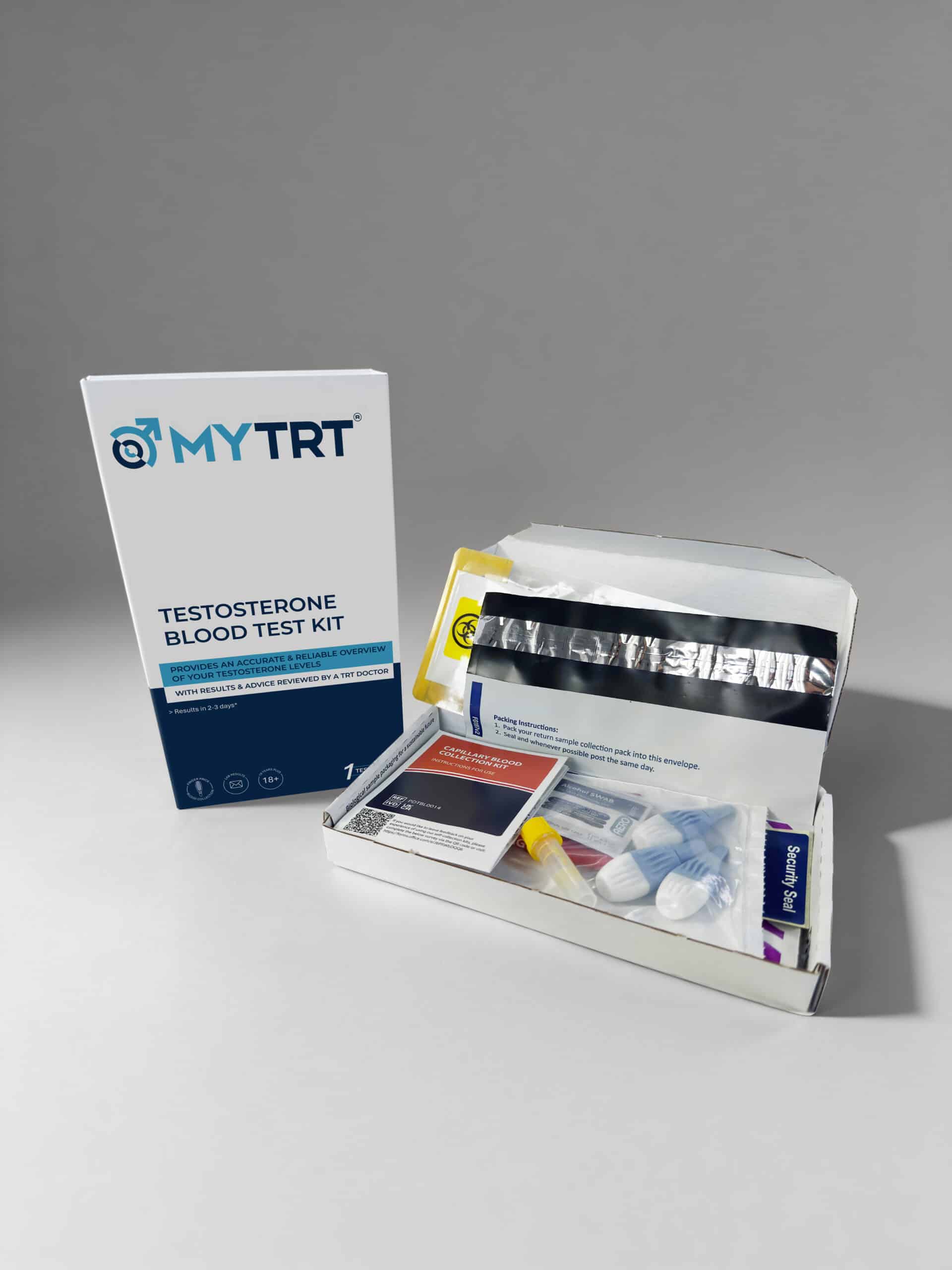
Ready to take control of your health? Find out your testosterone levels with our simple and discreet at-home blood test kit. Order yours today and start your journey to a new you.
Order Your Testosterone Blood Test Kit Now
About the Author
Dr. Raphael Olaiya is a UK-based General Practitioner and a specialist in Testosterone Replacement Therapy. With years of experience helping men optimise their health, Dr. Olaiya is dedicated to providing safe, effective, and evidence-based care. (GMC No. 7492303)
References
[1] Awareness and prevalence of the symptoms of testosterone deficiency – BMJ Open 2025
[2] Why are we missing the diagnosis of low testosterone in men? – Dr Jeff Foster
[3] The tell-tale signs of testosterone deficiency all men need to know – Telegraph 2025
[4] Low Testosterone In Men Over 70 – Goldman Laboratories
[5] Why do Gen Z and Millennial men have lower testosterone? – Medichecks
[6] Benefits and Risks of Testosterone Treatment in Older Men – PMC 2009
[7] Testosterone Treatment in Men with Hypogonadism and High Cardiovascular Risk – TTrials / JCI 2021
[8] Testosterone treatment and heart health – VA Research 2017
[9] Effects of Testosterone Replacement on Bone Mineral Density in Hypogonadal Men – JCEM 1997
[10] Testosterone Treatment and Fractures in Men with Hypogonadism – NEJM 2024
[11] Cardiovascular Safety of Testosterone-Replacement Therapy – NEJM 2023 – TRAVERSE Trial
[12] The relationship between testosterone, metabolic syndrome, and diabetes – PMC 2010
[13] Testosterone deficiency and the metabolic syndrome: A dangerous liaison – Frontiers Endocrinology 2023
[14] Testosterone and Sexual Function – ScienceDirect 2016
[15] British Society for Sexual Medicine Guidelines on Adult Testosterone Deficiency, with a Focus on Male Sexual Dysfunction – British Society for Sexual Medicine Guidelines 2023
[17] UK Testosterone Statistics – Forth with Life