Feeling Unmotivated? The Hidden Link Between Testosterone and Your Drive to Succeed
Feeling like you’ve lost your edge? Is procrastination your new best friend? While life throws curveballs, a persistent lack of motivation could be a sign of something more. For many men in the UK, the culprit could be hiding in plain sight: low testosterone.
A sudden drop in motivation, ambition, or sex drive can leave many men feeling frustrated and confused. In some cases, low testosterone in men may be the underlying cause, affecting not only libido but also energy, focus, and the drive to succeed. Understanding the connection between testosterone levels and motivation can help men take the first step toward improving their health.
The Motivation Molecule: More Than Just Muscle
Testosterone is often associated with muscle mass and libido, but its influence extends far beyond the gym and the bedroom – its modulator of several key neurotransmitters in the brain influencing healthy and optimal Dopamine and Serotonin levels – essentially responsible for fueling our ambition, focus, and the drive to pursue our goals. When levels are optimal, we feel confident, energised, and ready to take on the world. But when they dip, even simple tasks can feel like climbing a mountain.
Are You One of the Million?
If you’re feeling a persistent slump, you’re not alone. It’s estimated that nearly 1 million men in the UK have been diagnosed with low testosterone [2]. In fact, studies show that 8-12% of men aged 40-69 in the UK suffer from testosterone deficiency [1], and some reports suggest the number could be as high as 30% of all British men [3].
What’s more, average testosterone levels are declining by about 1% per year [4]. This “motivation molecule” drain can manifest as:
- Persistent fatigue and low energy
- Difficulty concentrating or “brain fog”
- A noticeable drop in your competitive drive
- Reduced libido and sexual function [1]
- An increase in body fat and a decrease in muscle mass [5]
Ignoring these signs won’t make them go away. Low testosterone is not just about feeling a bit off; it’s an independent risk factor for more serious conditions like metabolic syndrome and type 2 diabetes [6].
Knowledge is Power: The First Step to Reclaiming Your Drive
The good news is that you don’t have to live in the dark. Understanding your testosterone levels is the first, most crucial step towards taking back control of your health and your life. And it’s never been easier.
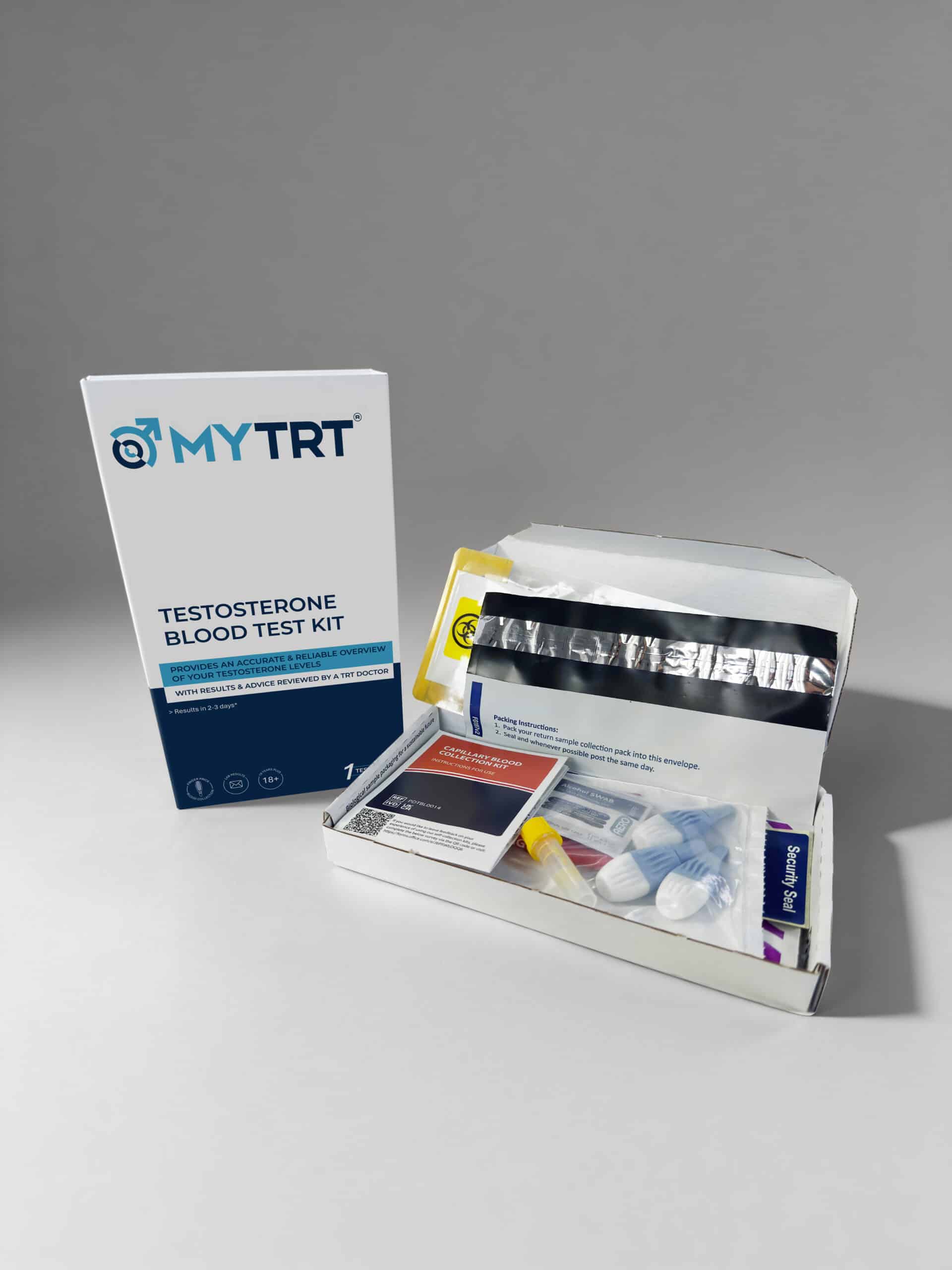
Ready to take control of your health? Find out your testosterone levels with our simple and discreet at-home blood test kit. Order yours today and start your journey to a new you.
Order Your Testosterone Blood Test Kit Now
About the Author
Dr. Raphael Olaiya is a UK-based General Practitioner and Expert in Testosterone Replacement Therapy. With years of experience helping men optimise their health, Dr. Olaiya is dedicated to providing safe, effective, and evidence-based care. (GMC No. 7492303)
References
[1] Awareness and prevalence of the symptoms of testosterone deficiency – BMJ Open 2025
[2] Why are we missing the diagnosis of low testosterone in men? – Dr Jeff Foster
[3] The subtle signs of testosterone deficiency every man needs to know – Telegraph 2025
[4] Why do Gen Z and Millennial men have lower testosterone? – Medichecks
[5] Testosterone and the aging male: to treat or not to treat? – PMC 2009
[6] The role of testosterone in type 2 diabetes and metabolic syndrome in men – PMC 2010