Waking Up to the Truth: Are Your Morning Erections Telling You Something About Your Testosterone?
It’s a private, often unspoken, part of a man’s morning routine. But the presence—or absence—of morning erections, clinically known as nocturnal penile tumescence (NPT), can be a subtle but significant barometer of your overall health. While it’s easy to dismiss changes as just a part of getting older, they could be your body’s way of signalling an underlying issue: low testosterone.
Morning erections are a natural sign of healthy male physiology, yet many men notice changes as they get older. A decline in morning erections may sometimes be linked to low testosterone in men, making it an important signal worth paying attention to when assessing overall hormone health.
Testosterone levels are at their highest in the morning, typically within 30 minutes of waking, and then naturally dip through the day, then further following a meal. For many men, a decline in the frequency or firmness of morning erections is one of the first noticeable signs that their testosterone levels may not be in the optimal range. Testosterone, the primary male sex hormone, plays a crucial role in regulating libido, erectile function, and even the spontaneous erections that occur during sleep [1]. When levels are low, these functions can be directly impacted.
More Than Just Erections: The Wide-Reaching Impact of Low Testosterone
While changes in the bedroom are often a catalyst for seeking answers, the influence of testosterone extends far beyond sexual health. It is a cornerstone of male vitality, affecting everything from your energy and mood to your physical strength and mental clarity.
In the United Kingdom, it’s estimated that 8-12% of men aged 40-69 have testosterone deficiency (TD), yet many symptoms are often mistakenly attributed to stress or ageing [1]. Do any of the following feel familiar?
- Reduced Sex Drive: A noticeable drop in your desire for intimacy. 31% of men with TD symptoms report low libido [1].
- Erectile Dysfunction: Difficulty achieving or maintaining an erection. This is reported by 27% of men with TD symptoms [1].
- Persistent Fatigue: Feeling tired all the time, regardless of how much you sleep.
- Loss of Muscle Mass and Strength: Finding it harder to build or maintain muscle, even with regular exercise [2].
- Increased Body Fat: Particularly around the mid-section.
- Mood Swings or Irritability: Experiencing changes in your mood or a general lack of well-being [4].
These aren’t isolated issues; they are often interconnected symptoms of a single root cause. Furthermore, low testosterone is recognised as an independent risk factor for more serious conditions like metabolic syndrome and type 2 diabetes [6]. With average testosterone levels in men declining by approximately 1% per year, this is a health concern that deserves your attention [5].
Knowledge is Power: The First Step to Taking Control
Ignoring these signs won’t make them go away. The uncertainty and frustration can take a toll on your confidence and quality of life. But you don’t have to guess what’s going on with your body. The first, most crucial step to understanding your health and reclaiming your vitality is to get a clear, accurate picture of your testosterone levels.
Until recently, this meant appointments, waiting rooms, and inconvenient blood draws. Now, you can get the answers you need from the comfort and privacy of your own home.
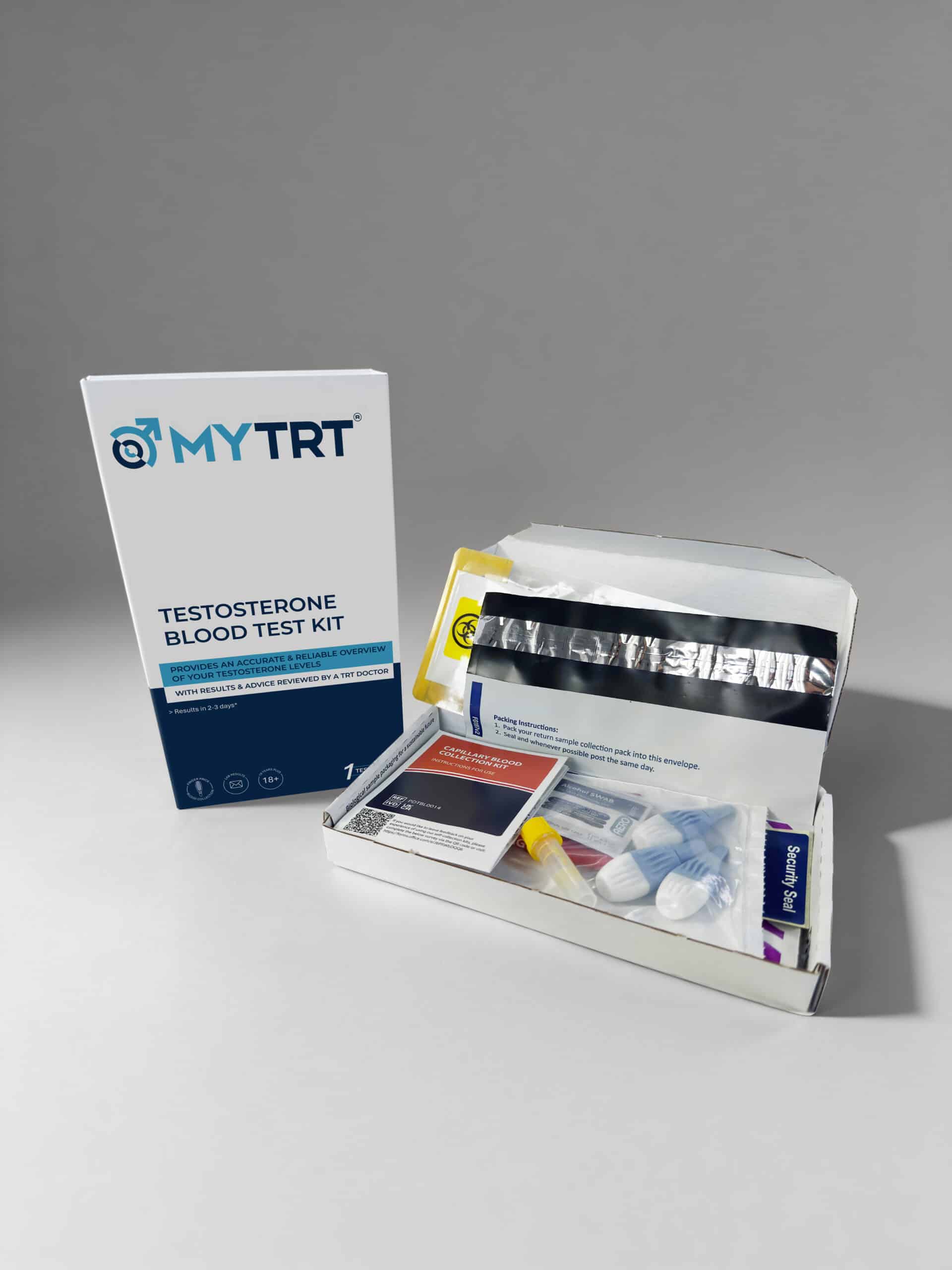
Ready to take control of your health? Find out your testosterone levels with our simple and discreet at-home blood test kit. Order yours today and start your journey to a new you.
Order Your Testosterone Blood Test Kit Now
About the Author
Dr. Raphael Olaiya is a UK-based General Practitioner and Expert in Testosterone Replacement Therapy. With years of experience helping men optimise their health, Dr. Olaiya is dedicated to providing safe, effective, and evidence-based care. (GMC No. 7492303)
References
[1] Awareness and prevalence of the symptoms of testosterone deficiency – BMJ Open 2025
[2] Why are we missing the diagnosis of low testosterone in men? – Dr Jeff Foster
[3] The five signs of testosterone deficiency all men need to know – Telegraph 2025
[4] Low Testosterone in Men Over 70 – Goldman Laboratories
[5] Why do Gen Z and Millennial men have lower testosterone? – Medichecks
[6] Testosterone and the aging male: to treat or not to treat? – PMC 2009 (Benefits and Risks)
[7] Testosterone Treatment in Men with Hypogonadism and High Cardiovascular Risk – TTrials / JCI 2021
[8] Testosterone treatment and heart attack risk – VA Research 2017
[9] Long-Term Treatment of Hypogonadal Men with Testosterone Produces Substantial and Sustained Increases in Bone Mineral Density – JCEM 1997 (Bone Density)
[10] Testosterone Treatment and Fractures in Men with Hypogonadism – NEJM 2024 (Fractures)
[11] Cardiovascular Safety of Testosterone-Replacement Therapy – NEJM 2023 – TRAVERSE Trial
[12] The relationship between testosterone and metabolic syndrome – PMC 2010 (Metabolic Syndrome)
[13] Testosterone deficiency, metabolic syndrome and cardiovascular diseases: a narrative review – Frontiers Endocrinology 2023
[14] Testosterone and metabolic syndrome: a review of the evidence – ScienceDirect 2016
[15] British Society for Sexual Medicine Guidelines on Adult Testosterone Deficiency, with a focus on Male Sexual Dysfunction – British Society for Sexual Medicine Guidelines 2023
[17] UK Testosterone Statistics – Forth with Life